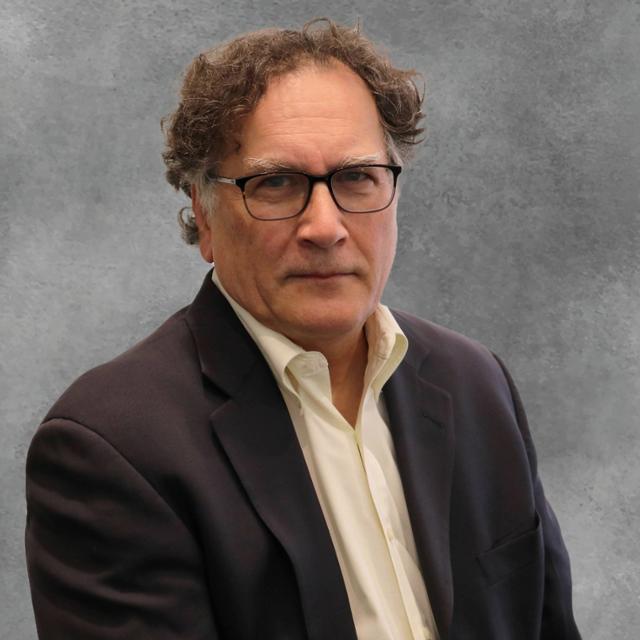
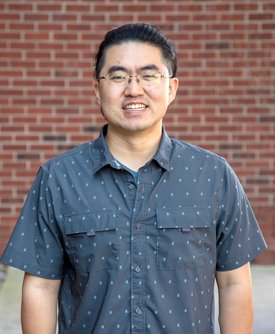
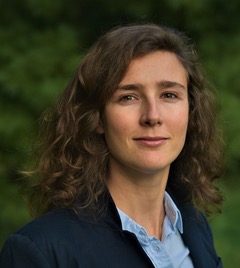
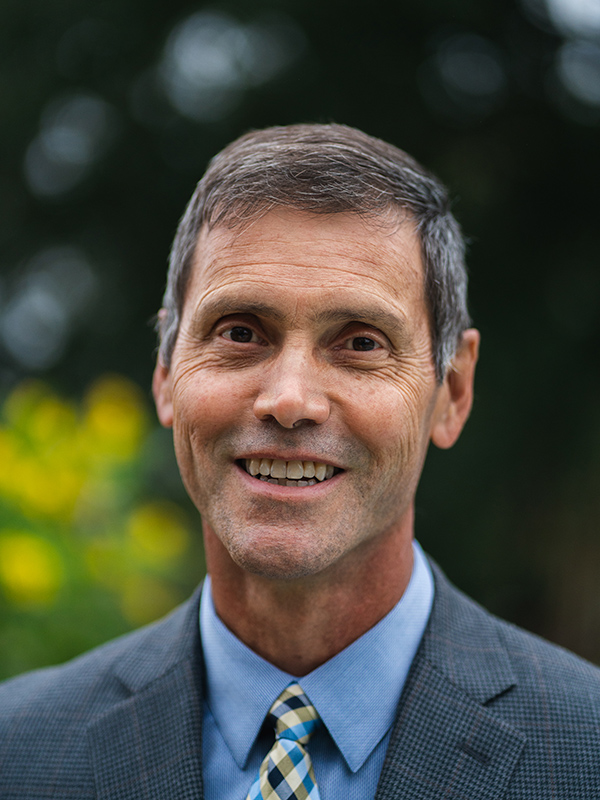
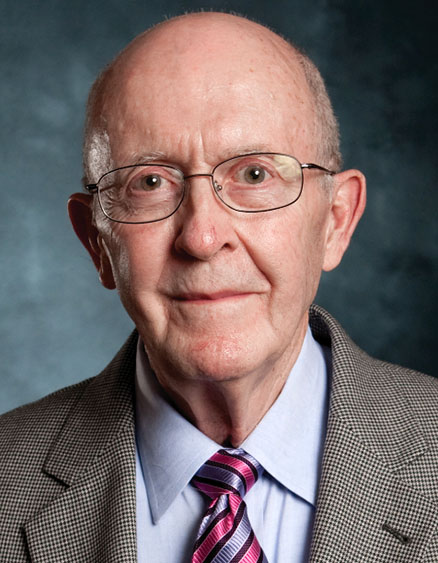
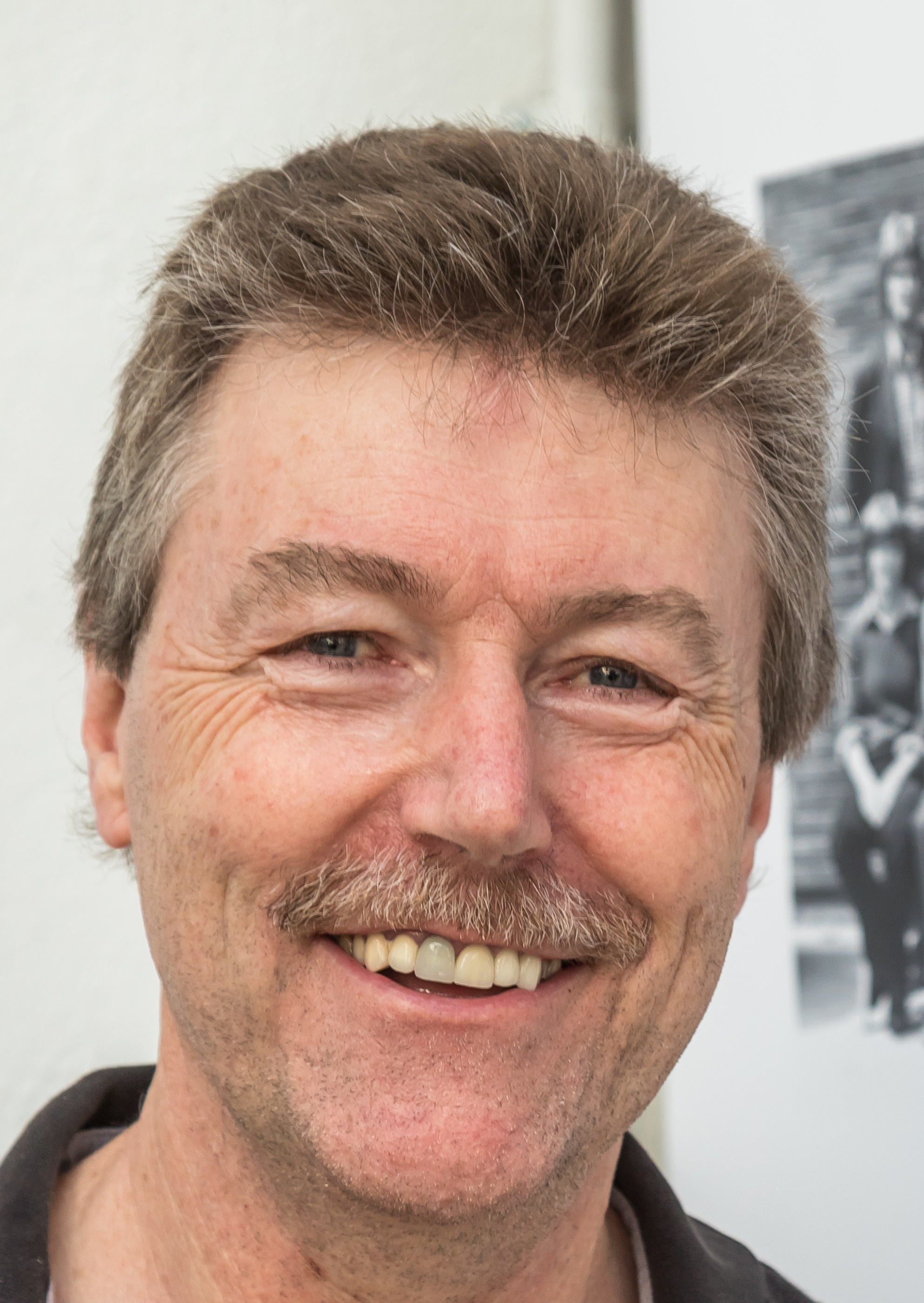
John Stolz is Professor of Environmental Microbiology and Director of Environmental and Energy Engineering at Duquesne University's School of Science and Engineering. His NASA-trained research examines microbial metal reduction, modern stromatolite ecosystems, and shale gas extraction impacts. His lab investigates arsenic/selenium biotransformation pathways, microbial communities in Shark Bay stromatolites, and environmental impacts of unconventional energy development. Recognized with multiple excellence awards including the Nobel J. Dick Endowed Chair. Over 150 publications explore microbial respiration mechanisms, biogeochemical cycling, and environmental bioremediation. Current grants support water quality testing near shale gas operations.
Guy G. Drijkoningen is an Associate Professor in Applied Geophysics at Delft University of Technology (TU Delft), Faculty of Civil Engineering and Geosciences. He is actively involved in teaching and research within the Department of Applied Geophysics & Petrophysics. Education: MSc, Delft University of Technology, The Netherlands PhD, Cambridge University, UK Research Focus: His work centers on Seismic Experiments & Modelling , particularly in exploration and shallow-subsurface contexts. Key areas include: Seismic data acquisition on land Continuous seismic monitoring Shallow shear-wave imaging (land and marine) Seismic wave propagation in porous media Current projects leverage advanced sensor networks (e.g., LOFAR), full-waveform inversion for tunnel-boring machines, and novel vibrator technologies. Publications Trend: Recent works (2011–2016) emphasize seismic modeling, inversion techniques, and experimental validation across marine and terrestrial environments. Topics span poroelastic wave theory, ambient-noise interferometry, and innovative seismic source design, reflecting a blend of theoretical and applied geophysics. Scientific Awards: Best-paper award Geophysics 2015 for "A seismic vertical vibrator driven by linear synchronous motors" Professional Memberships & Editorial Roles: Member: Society of Exploration Geophysicists (SEG) Member: European Association of Geoscientists and Engineers (EAGE) Associate Editor: Geophysics Teaching: He teaches undergraduate and graduate courses including Introduction to Geophysics, Reflection Seismology, and specialized PhD-level modules on seismic data analysis.
Tao Wen serves as an Assistant Professor in the Department of Earth and Environmental Sciences at Syracuse University's College of Arts and Sciences, where he joined the faculty in 2020. He directs two specialized research laboratories: the Hydrogeochemistry And eNvironmental Data Sciences (HANDS) Lab and the Noble Gases in Earth Systems Tracing (NEST) Lab, focusing on human-natural system interactions in water and elemental cycles. Education: Ph.D. in Geology, University of Michigan (2017) M.S. in Geology, University of Michigan (2014) B.S. in Environmental Sciences, University of Science and Technology of China (2011) Dr. Wen's research integrates field measurements, laboratory analyses, and advanced computational methods to investigate water-carbon cycles across spatial and temporal scales. His group employs noble gas geochemistry (He, Ne, Ar, Kr, Xe), isotopic tracing (O, H, C, N), and machine learning to assess impacts from energy extraction, urbanization, and climate change on freshwater systems. Key methodologies include ion chromatography, mass spectrometry, and geostatistical modeling for environmental data science applications. Recent publications demonstrate a pronounced shift toward data-intensive environmental science, with machine learning models increasingly central to analyzing freshwater salinization, methane migration pathways, and shale gas impacts. The research portfolio spans regional groundwater contamination studies to continental-scale freshwater analyses, consistently emphasizing the interplay between anthropogenic activities and natural processes in Earth-surface systems. Scientific Awards: Excellence in Review Award from Applied Geochemistry, International Association of GeoChemistry (2021) Dr. Wen serves as Editor for Applied Geochemistry (2023-present) and previously for Frontiers in Earth Science (2021-2024). He secured NSF funding for developing climate change data search engines and advises students through senior thesis projects and laboratory research in the WEN group. Media coverage of his work includes features in Popular Mechanics, Yahoo News, and AGU press releases regarding freshwater salinity trends and shale gas environmental impacts. The HANDS Lab develops machine learning tools for environmental data analysis while NEST Lab specializes in noble gas applications for tracing fluid migration and tectonic events, together supporting comprehensive investigations of water quality degradation mechanisms across diverse geological settings.
Dr. Laura Minet is an Assistant Professor in the Department of Civil Engineering at the University of Victoria. She leads the Clean Air (CLAIR) lab, focusing on improving urban air quality and reducing health impacts from air pollution through advanced modeling and policy analysis. Her expertise spans air quality, transportation engineering, and population health. Education: BEng/MEng (Ecole Centrale de Nantes), MASc (McGill University), PhD (University of Toronto). Postdoctoral work at the Diamond Environmental Research Group (2020-2021). Research Interests: Urban air quality modeling, vehicle emissions, dispersion modeling, and the intersection of transportation policies with public health. The CLAIR lab develops empirical and physical models to evaluate urban planning impacts and climate-driven changes. Recent research emphasizes machine learning applications in air quality prediction, health co-benefits of zero-emission vehicles, and disparities in pollution exposure. Over 40 publications span environmental engineering, public health, and transportation systems. Recruitment: Actively seeking graduate students/postdocs in environmental engineering, atmospheric science, and related fields. Contact via email with subject 'CLAIR lab opportunities'. Labs/Teams: Director of the CLAIR lab focusing on urban air quality solutions. Engaged in interdisciplinary collaborations involving urban planning, public health, and environmental policy.
Cejna Anna Quist-Jensen is an Associate Professor at the Department of Chemistry and Bioscience, Aalborg University, affiliated with the Bioresources and Process Engineering Center and the Center for Membrane Technology. Her research focuses on membrane-based technologies for resource recovery, including minerals/metals and freshwater from unconventional sources like waste streams. She specializes in membrane distillation, membrane crystallization, electrodialysis, and forward osmosis. Education: PhD in Membrane Crystallization (Institute on Membrane Technology, ITM-CNR, 2016) and MSc in Chemical Engineering (2012). Key projects include BEYONDBATTREC (battery recycling), CORNERSTONE (water-energy-solute recovery), and EXBRINER (seawater brine resources). She teaches Integrated Process Modeling and supervises students across multiple semesters in water/wastewater treatment. Research interests span sustainable development goals (SDGs), particularly clean water (SDG 6), affordable energy (SDG 7), and responsible consumption (SDG 12). Her work addresses industrial wastewater treatment, produced water management, and circular economy strategies. Notable contributions include advancements in 3D-printed membranes, percrystallization for zero liquid discharge, and lithium/magnesium recovery from brines. She actively participates in conferences and collaborates internationally on membrane technology innovations.
Dr. Ilan Kroo Academic Appointments: Thomas V. Jones Professor in Aeronautics and Astronautics at Stanford University's School of Engineering. Active in teaching and research since at least 1983 (PhD Stanford). Education: PhD in Aeronautics and Astronautics, Stanford University (1983). Research Focus: Multidisciplinary optimization and aircraft synthesis Unconventional aircraft configurations (e.g., joined wings, oblique wings) Low-speed aerodynamics: vortex wake analysis, induced drag computation Awards: Elected Member of the National Academy of Engineering (2013–Present). Teaching: Leads courses on aircraft design, applied aerodynamics, and sustainable aviation. Courses include AA 146A/B, AA 241A/B, and independent study modules. Students: Advises master's students William Ho, Sean Lin, Adrian Loekman, and Sebastian Monsalvo. Labs/Teams: Involved in NASA and industry-sponsored projects on computational aircraft design and transonic formation flight. Recent Work: Focus on pilot-induced oscillation mitigation, extended formation flight efficiency, and UAV swarm control. Active in publishing since 2009, with 116+ papers.
Christian Brannstrom is a Professor and Associate Dean for Academic Affairs at Texas A&M University's College of Geosciences, Department of Geography. His research focuses on the social and political dimensions of renewable energy and unconventional fossil fuels, particularly in Texas and Brazil. He holds a Ph.D. in Geography from the University of Wisconsin-Madison (1998). Key affiliations: Texas A&M University Leadership role: Associate Dean for Academic Affairs Research interests include: Renewable energy governance in Brazil (wind power in Ceará state) Unconventional fossil fuels' socioeconomic impacts Environmental policy and justice Teaching includes Geography 309 (Energy), integrating field studies in Texas energy sites. Recent publications analyze: Offshore wind energy challenges in Brazil Hydrogen hubs in the US Desalination social perspectives His work addresses energy transition equity and participatory governance. Awards: 2017: Distinguished Achievement Award (Teaching) 2017: Outstanding Service to CLAG 2016: Bush Excellence Award for International Teaching Advises graduate students Thomas Loder and Ryan Dicce. Collaborates with Brazilian institutions like Universidade Federal do Ceará on wind energy sustainability.
John Lee is a Professor and Regents Professor in the Harold Vance Department of Petroleum Engineering at Texas A&M University, holding the Kelly L. '87 and William D. '87 Von Gonten, Jr. Chair. A member of the National Academy of Engineering, his research focuses on reservoir engineering and carbon storage technologies. Dr. Lee's educational background includes a Ph.D. in Chemical Engineering from Georgia Institute of Technology. His current research investigates enhanced oil recovery, carbon sequestration optimization, and geomechanical responses during CO2 injection. Recent publications focus on machine learning applications for reservoir management and experimental studies on caprock integrity. His articles consistently address challenges in carbon storage engineering, with recent work developing co-optimization frameworks and pressure management strategies for CCS projects. Publication trends show increasing focus on geochemical monitoring and machine learning applications in reservoir characterization. Lee has received numerous honors including the DeGolyer Distinguished Service Medal and Anthony F. Lucas Gold Medal. His research team develops novel experimental methods to evaluate reservoir rock behavior under injection conditions.
Derek Elsworth is the G. Albert Shoemaker Chair and Professor of Energy and Mineral Engineering and Geosciences at Pennsylvania State University. He is a co-founder of the Center for Geomechanics, Geofluids, and Geohazards, where he leads research in computational mechanics, rock mechanics, and fluid flow in fractured systems. His work spans multiple energy-related applications including geothermal energy, CO 2 sequestration, and unconventional hydrocarbon extraction. Professor Elsworth's research focuses on the mechanical and transport characteristics of fractured rocks, with applications spanning multiple domains. His work in computational geomechanics addresses challenges in geothermal energy development , CO 2 geological sequestration , and unconventional hydrocarbon extraction . He investigates fundamental processes including fracture mechanics, permeability evolution, and fault reactivation under various stress and fluid pressure conditions. His laboratory and field studies often integrate advanced computational modeling with experimental approaches to understand complex coupled thermo-hydro-mechanical-chemical (THMC) processes in subsurface systems. Analysis of Professor Elsworth's recent publications reveals a strong focus on cutting-edge challenges in subsurface energy systems. His work increasingly incorporates machine learning and advanced imaging techniques to address complex problems in rock mechanics and fluid flow. Key themes include fracture behavior in shale systems, fault stability during fluid injection operations, and the development of novel characterization methods for subsurface reservoirs. His research bridges fundamental science with practical applications for sustainable energy development. Professor Elsworth has developed and taught numerous courses including Fluid Mechanics (EME 303), Geothermal Energy Engineering, and Computational Geomechanics. He has also led short courses internationally on reservoir geomechanics. His research is supported through multiple projects including studies on volcano dynamics, enhanced geothermal systems, and in situ testing methodologies. As co-founder of the Center for Geomechanics, Geofluids, and Geohazards, he oversees a collaborative research environment focused on subsurface processes relevant to energy and environmental challenges.
Radisav Vidic is the Nickolas A. DeCecco Professor in the Department of Civil and Environmental Engineering at the University of Pittsburgh's Swanson School of Engineering. With over three decades of academic and research experience, he has established himself as a leading expert in environmental engineering, particularly in water treatment technologies for unconventional gas extraction wastewater. His research interests focus on membrane distillation processes, produced water treatment from hydraulic fracturing operations, management of naturally occurring radioactive materials (NORM), and sustainable water reuse strategies. Vidic's work bridges fundamental science with practical engineering solutions for the challenges posed by shale gas development. Vidic's recent publication record demonstrates a strong emphasis on solving critical problems in membrane distillation technology for treating high-salinity produced waters. His research spans fundamental investigations of scaling mechanisms, optimization of system configurations, and development of practical treatment solutions for the oil and gas industry. A significant portion of his work addresses the unique challenges of treating Marcellus Shale produced water, including radioactive contaminants and scaling issues. William Kepler Whiteford Professor, University of Pittsburgh (2012, 2008) Professor of the Year, American Society of Civil Engineers, Pittsburgh Section (2008) Fulbright Scholarship, University of Belgrade (2003) Outstanding Doctoral Thesis Award (1993) Multiple William Kepler Whiteford Faculty Fellowships (1994, 1996, 1998) As an advisor, Vidic has mentored numerous graduate students, with several receiving awards for their research. His work has attracted significant funding from both government agencies and industry partners, supporting laboratory and pilot-scale research on advanced water treatment technologies. His research group collaborates with experts in chemistry, materials science, and environmental health to address complex water challenges.
Praveen Linga is a Professor in the Department of Chemical and Biomolecular Engineering at the National University of Singapore (NUS) , where he has served since 2010. He held leadership roles as Vice Dean (Industry-Relation, Innovation & Enterprise) and Vice Dean (Communications & Outreach) at NUS's College of Design and Engineering . Dr. Linga co-leads the Centre for Energy Research & Technology (CERT) at NUS and maintains visiting professorships at institutions in India, China, and Thailand. His research focuses on clathrate hydrates for clean energy storage , CO₂ capture , and environmental stewardship , aligning with UN Sustainable Development Goals 6, 7, and 13. The Linga Lab combines fundamental and applied studies to optimize hydrate formation/dissociation kinetics and explore energy recovery from natural gas hydrates. Recent publications highlight innovations in CO₂ hydrate kinetics using amino acid promoters, methane storage in seawater systems, and hydrogen hydrate stability analysis. His work appears in leading journals like Energy & Fuels , Applied Energy , and Chemical Engineering Journal , with over 200 peer-reviewed papers and significant citation impact (h-index 77). Dr. Linga is recognized as a Highly Cited Researcher (Clarivate, 2018-2024), NRF Investigator (S$3.5M grant), and recipient of multiple Best Paper Awards from Applied Energy and Advances in Applied Energy . He serves as Executive Editor of Energy & Fuels and sits on editorial boards of 12 journals. Linga Lab's work has been featured in global media (Chemistry World, Science et Vie) and recognized by Research.com as #9 in Singapore's engineering scientists. His research bridges chemical engineering fundamentals with large-scale energy applications, particularly in hydrate-based CO₂ sequestration and unconventional gas storage.
Yun Li is a Research Assistant Professor and Master's Supervisor at Southern University of Science and Technology (SUSTech), affiliated with the Department of Earth and Space Sciences within the Faculty of Science. He serves as a youth council member of the mineral materials division of the Chinese Ceramic Society and holds multiple research grants including the National Natural Science Foundation of China Youth Fund Project. Research Assistant Professor at SUSTech (2022-present) Postdoctoral Research Associate at SUSTech (2020-2022) Youth Director of International Association of Clay Minerals (2025-2029) Principal Investigator for multiple research projects Dr. Li earned his B.S. in Petroleum Engineering from Yan'an University (2010-2014), M.S. in Oil and Gas Field Development Engineering from Southwest Petroleum University (2014-2017), and Ph.D. in Mineralogy, Petrology, Mineral Deposit Geology from Guangzhou Institute of Geochemistry, Chinese Academy of Sciences (2017-2020). Dr. Li's research focuses on mineral surface-interface interactions and gas hydrates, with particular emphasis on unconventional oil and gas resources including gas hydrates, shale oil and gas, and geological hydrogen/helium. His work investigates the geological storage and mineralization of carbon dioxide, employing surface-interface analysis techniques, molecular simulation methods, and in-situ visualization experimental techniques (X-ray and neutron) to study energy/environmental fluid interactions with clay minerals. His research has significant applications in unconventional oil and gas development and carbon capture technologies. Analysis of Dr. Li's recent publications reveals a strong focus on molecular dynamics simulations of hydrate formation mechanisms in clay minerals, particularly examining how different cations, organic matter, and mineral structures affect methane and carbon dioxide hydrate formation. His work bridges fundamental surface science with practical energy applications, showing increasing emphasis on carbon dioxide storage mechanisms in recent years. His publications appear in high-impact journals including ACS Sustainable Chemistry & Engineering, Applied Surface Science, Applied Clay Science, and Langmuir. Young Director of International Association of Clay Minerals (AIPEA) (2025-2029) Young Director of Mineral Materials Branch of Chinese Ceramic Society (2023-2028) SUSTech 'Qiming' and 'Taiyi' Star Scientific Research Achievement Awards (2024) Top Ten Young Scholars' Report at 10th National Conference on Mineral Science and Engineering (2024) Excellent Presentation Awards at multiple international clay and mineral conferences Outstanding reviewer for Applied Clay Science journal As a Master's Supervisor, Dr. Li mentors graduate students in earth sciences and energy-related research. He has secured significant research funding including the China Postdoctoral Science Foundation, Guangdong Basic and Applied Basic Research Foundation, and Shenzhen Science and Technology Program. His current projects include the National Natural Science Foundation of China Youth Fund Project (2025-2027) focusing on unconventional energy resources. Dr. Li has participated in major infrastructure projects including the material genomics experimental facility in Shenzhen and the high-pressure neutron diffraction/imaging spectrometer at Chinese Spallation Neutron Source. Dr. Li's research integrates computational modeling with experimental techniques through collaborations with major research facilities. His work on in-situ visualization techniques connects with neutron source facilities, while his molecular simulation research requires high-performance computing resources. He serves on editorial boards for journals including Unconventional Resources and special issues on unconventional oil and gas, demonstrating leadership in his research community.
Kenneth H. Carlson is a Professor of Civil and Environmental Engineering at Colorado State University (CSU), with over 25 years of expertise in water and wastewater management. He directs the Center for Energy Water Sustainability (CEWS), focusing on optimizing energy-water synergies, produced water treatment, and climate adaptation strategies for military installations. His research spans hydraulic fracturing wastewater management, real-time groundwater monitoring, and GIS-based decision tools for oil and gas operations. Education: B.S. in Chemical Engineering (University of Wisconsin, 1983), M.S. in Civil Engineering (CSU, 1993), Ph.D. in Environmental Engineering (University of Colorado Boulder, 1996). Research Interests: Energy-water nexus, produced water treatment innovations, climate resilience in infrastructure, and agricultural reuse of treated wastewater. Current projects include using treated produced water for biofuel crop irrigation, analyzing soil and crop impacts, and developing climate adaptation frameworks for military bases. Key Contributions: Pioneered water stewardship models for oil and gas operators, explored methane emission reduction in natural gas engines, and advanced AI-driven membrane separation technologies. His work bridges environmental engineering, sustainability, and policy, addressing global challenges in resource management. Labs/Teams: Director of the Center for Energy Water Sustainability (CEWS), collaborating with interdisciplinary teams on water-energy-food systems integration and smart cities initiatives.
Dr. Tzahi Y. Cath is a Professor in the Department of Civil and Environmental Engineering at the Colorado School of Mines , where he leads innovative research in water and wastewater treatment technologies. He serves as Director of the Advanced Water Technology Center (AQWATEC), Co-Director of the Colorado Center for a Sustainable WE2ST, and holds a Joint Appointment at the National Renewable Energy Laboratory (NREL) Water and the Environment division. His work focuses on enabling water reuse through membrane processes, energy-water systems, and data-driven solutions. Education PhD in Environmental Engineering, University of Nevada, Reno (2003) MS in Environmental Engineering, University of Nevada, Reno (2001) BSc in Mechanical Engineering, Tel Aviv University (1992) Research Interests Dr. Cath's research spans membrane filtration (forward osmosis, pressure-retarded osmosis), desalination (membrane distillation, nanofiltration), and direct potable reuse technologies. He explores integrated water-energy systems , data science applications in water treatment, and mineral harvesting from brines. His projects address oil and gas produced water treatment, scalability of membrane systems, and sustainability in industrial water use. Article Trends His recent publications emphasize reverse osmosis, membrane distillation, and data science tools for process optimization. Key subfields include PFAS removal, lithium recovery, ammonia resource recovery, and computational fluid dynamics modeling. Emerging themes are buoyancy-driven heat transfer, economic assessments of thermal desalination, and governance frameworks for net-zero urban water systems in arid regions.
Dr. Fabian Abiusi is a post-doctoral researcher in Sustainable Food Processing at ETH Zurich's Institute of Food, Nutrition and Health, part of the Department of Health Sciences and Technology (D-HEST). His work focuses on developing innovative bioprocesses to convert industrial food by-products into high-quality microalgal biomass using mixotrophic cultivation strategies. His research emphasizes enhancing microalgae productivity through oxygen-balanced systems and improving protein bioaccessibility via in vitro digestion models and cell disruption techniques. His academic background includes a PhD (details unspecified) followed by postdoctoral research at ETH Zurich. Key research themes include acidophilic microalgae (e.g., Galdieria sulphuraria), photobioreactor optimization, and leveraging extremophilic organisms for sustainable food production. He has contributed to projects like the MAB2.0 initiative integrating algae into wastewater treatment systems. Abiusi's publications highlight advancements in mixotrophic cultivation, protein bioaccessibility assessment, and utilization of volcanic microalgae for nutritional applications. Though no awards are explicitly listed, his work aligns with emerging trends in circular bioeconomy and alternative protein sources. His research group collaborates on lab-scale to pilot-scale systems, aiming to bridge gaps between microbial biotechnology and food industry applications.