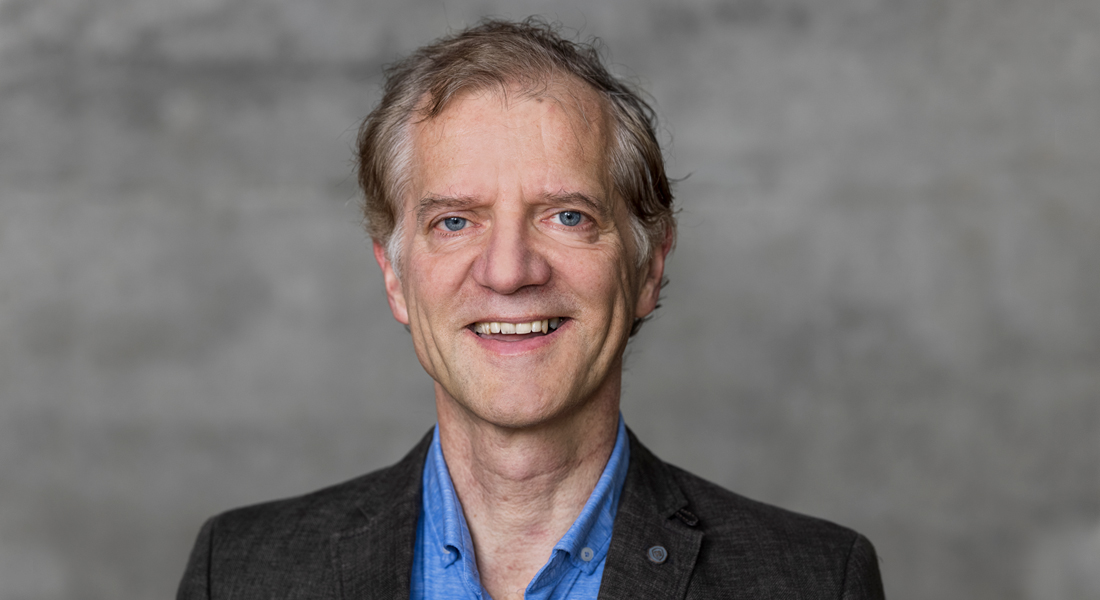
Michael McAlpine is a Professor in the Mechanical Engineering department at the University of Minnesota . He also holds affiliations with the Biomedical Engineering and Electrical and Computer Engineering departments. His research focuses on 3D printing functional materials & devices , Nanoscale inks , Biomedical devices , Bioelectronics , and Flexible Microsystems . Research Interests : 3D Printing, Biomedical Engineering, Nanotechnology, Flexible Electronics, Microfluidics Labs : ME 361/363 Contact : mcalpine@umn.edu , (612) 626-3303, ME 117 Recent Research Trends include 3D Printed Biomedical Devices , Flexible Electronics , and Bioprinting Applications . His work spans from Spinal Organoid Formation to Programmable Drug Release Capsules . Scientific Award : Circulation Research 2020 Best Manuscript Award
Takeshi Ikenaga is a Professor at Waseda University’s School of Fundamental Science and Engineering and Graduate School of Information, Production and Systems . He earned his Ph.D. in Information & Computer Science from Waseda University in 2001, following B.E. and M.E. degrees in Electrical Engineering (1988–1990). His career spans roles at NTT LSI Laboratories (1990–2002), Kitakyushu Foundation for Advancement of Industry, Science and Technology (FAIS) (1999–2002), and visiting researcher at the University of Massachusetts (1999–2000). Research Interests : Application-specific SoCs for video/image processing, including compression (H.264/AVC, H.265/HEVC), filters (super-resolution, noise reduction), recognition systems (feature detection, object tracking), and communication (UWB, LDPC). He also works on many-core processor design, ultra-low-delay vision systems, and sports analytics (volleyball, figure skating) with real-time 3D pose estimation and ball tracking. Awards : Recipient of the Furukawa Sansui Award (Waseda University, 1988) IEICE Research Encouragement Award (1992) Multiple Best Paper/Presentation Awards (2006–2022) at conferences including DAC/ISSCC, LSI IP Design, ISOCC, ISPACS, and CVIT APSIPA Distinguished Lecturer Certificate (2015) Waseda University Presidential Teaching Award (2020)
Professor Matthias Mann is a world-leading scientist serving as Director of the Proteomics and Signal Transduction department at the Max Planck Institute of Biochemistry in Martinsried, Germany, and Director of the Proteomics department at the Novo Nordisk Foundation Center for Protein Research, Faculty of Health Sciences, University of Copenhagen, Denmark. With an h-index exceeding 277 and over 350,000 citations, he is recognized as the highest cited German researcher and one of the most influential scientists globally in proteomics. His educational background includes: Ph.D. in Chemical Engineering from Yale University (1988) Master's Degree in Physics from Georg August University Göttingen (1984) Bachelor's of Arts in Mathematics from Georg August University Göttingen (1982) Professor Mann's research focuses on advancing mass spectrometry-based proteomics to understand biological systems at the protein level. His work spans technological developments in mass spectrometry, bioinformatics and computational analysis, signal transduction and posttranslational modifications, and clinical proteomics applications for disease diagnosis and treatment. The Mann lab has pioneered groundbreaking methods like SILAC for quantitative proteomics and MaxQuant for proteome data analysis. Their vision is to translate proteomics knowledge into clinical practice for predictive, diagnostic, and preventive medicine, with recent work focusing on AI-guided platforms for analyzing proteomes from minimal tissue samples. Analysis of Professor Mann's recent publications reveals a strong trend toward clinical applications of proteomics, particularly in cancer research, metabolic diseases, and neurodegenerative disorders. His work increasingly integrates spatial proteomics, single-cell resolution techniques, and artificial intelligence approaches to uncover disease mechanisms and identify potential biomarkers, with a clear shift from basic technology development toward direct clinical applications and personalized medicine. Professor Mann has received numerous prestigious awards throughout his career: 2025: Elected member of the American National Academy of Sciences 2024: Dr. H.P. Heineken Award for Biochemistry and Biophysics 2023: Otto Warburg Medal 2019: Nominated member of the Bavarian Academy of Sciences 2013: Elected member of Leopoldina German National Academy of Sciences 2012: Körber European Science Award, Louis-Jeantet Foundation Prize for Medicine, Ernst Schering Prize, and Leibniz Prize Professor Mann leads a highly collaborative research team involved in multiple international networks including the Bill & Melinda Gates Foundation, Michael J. Fox Foundation for Parkinson's Research, CLINSPECT-M, and Munich Heart Alliance. His lab has mentored numerous successful researchers, with several former postdocs receiving prestigious ERC Starting Grants. The Mann group has developed innovative clinical proteomics pipelines for analyzing archived tissue specimens and body fluids, aiming to identify protein markers for early detection of diseases such as diabetes and cancer. The Mann lab operates across two major research centers with state-of-the-art mass spectrometry facilities. Their Clinical Knowledge Graph platform integrates multi-omics data with extensive metadata, creating an ecosystem for machine learning applications in proteomics. Current research focuses on developing highly sensitive methods that can profile thousands of proteins from minimal cell samples, enabling the identification of critical disease-related proteins and supporting the development of individualized therapies.
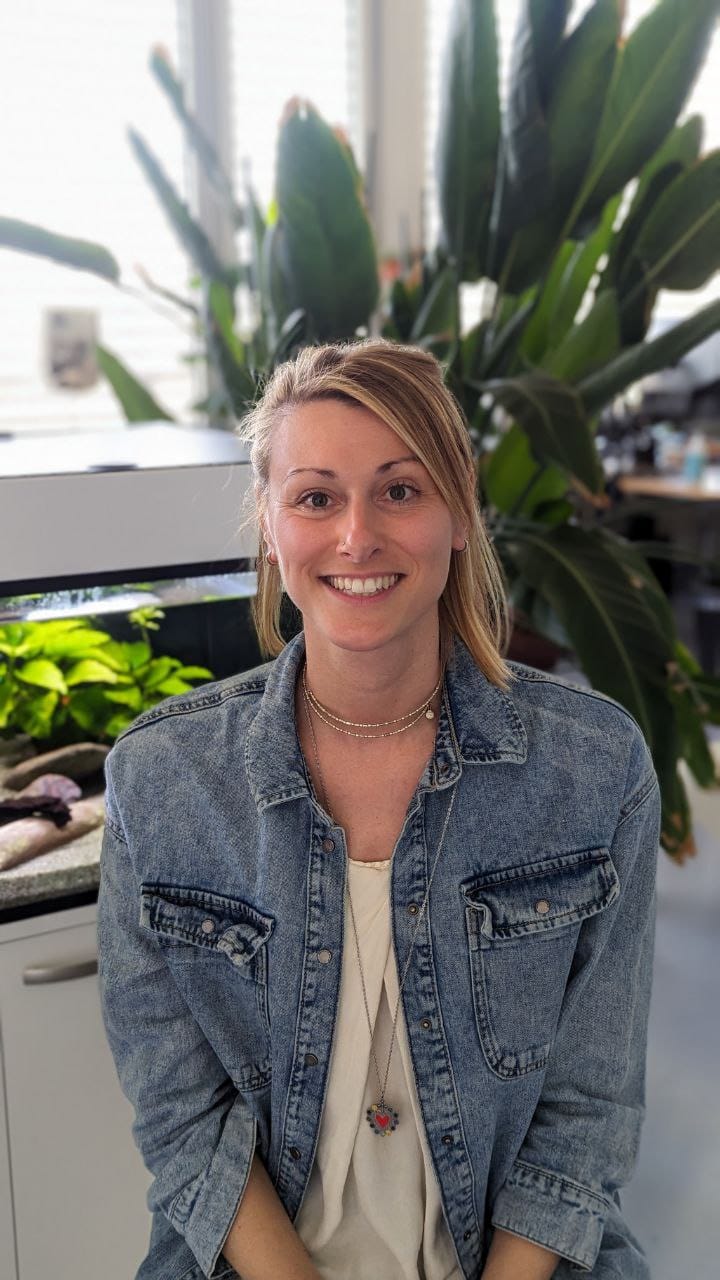
Dr. Elisa Donati is a researcher and independent group leader at the Institute of Neuroinformatics , affiliated with both the University of Zurich and the Swiss Federal Institute of Technology Zurich . Her work bridges neuromorphic engineering, biomedical signal processing, and wearable healthcare technologies, with a focus on creating brain-inspired systems for neuroprosthetics and rehabilitation. Affiliation: Institute of Neuroinformatics, University of Zurich & ETH Zurich Email: elisa@ini.uzh.ch Elisa’s research emphasizes developing neuromorphic signal processing strategies for wearable and embedded systems, enabling real-time closed-loop interactions with the nervous system. She specializes in translating neuroscience insights into energy-efficient technologies for digital health applications, including neuroprosthetics and personalized biomedical devices using neuromorphic hardware. Her recent publications (2024–2025) highlight advancements in gesture recognition via EMG and event-based systems, neuromorphic heart rate monitoring , and spiking neural network architectures . These works span biomedical signal processing, low-power computing, and adaptive algorithms, reflecting her commitment to robust, real-time, and brain-inspired solutions for healthcare. Elisa’s contributions to neuromorphic computing are evident in her exploration of heterogeneous population encoding , event-driven processing , and ultra-low-power microcontrollers . Her projects often integrate wearable systems with neuroscience, aiming to improve prosthetic control and rehabilitation technologies .
Dr. Alicia Kulczynski is an Associate Professor of Marketing and Head of the Marketing, Tourism & Business Analytics Discipline at the University of Newcastle. She holds a PhD in Management (Marketing) and undergraduate degrees in Forensic Science and Communication Studies. Her research focuses on consumer behavior, branding, and advertising, with emphasis on spokesperson characteristics, psycholinguistics in branding, and music concert attendance. She has published in top-tier journals like the Journal of Marketing and European Journal of Marketing, and was recognized as Associate Editor of the Year (2024) for the Journal of Consumer Behaviour. Her work bridges academia and industry through collaborations with organizations such as the NSW Ombudsman and Ultra Music Festival. Education - PhD in Management (Marketing), University of Newcastle (2014) - Bachelor of Science (Forensic), University of Newcastle - Bachelor of Arts (Communication Studies), University of Newcastle Research Interests - Consumer behavior and decision-making - Branding and brand communication - Advertising strategies and spokesperson effectiveness - Psycholinguistics in brand naming and consumer priming - Music concert attendee behavior and motivations - Cause-related marketing and social impact initiatives Awards - Associate Editor of the Year (2024) - Multiple Best Paper Awards at ANZMAC (2015–2024) - Teaching Excellence Awards (2016–2024) - Industry Collaboration Recognition (e.g., Ultra Music Festival) Grants & Industry Work - Partnered with NSW Ombudsman to develop AI tools for complaint assistance. - Established an Industry Consultative Committee with Pacific Smiles, Newcastle Airport, and HMRI. - Collaborated on diabetes management system market research with a Swedish SME. Teaching & Mentorship - Teaches marketing research courses with industry-linked projects. - Supervised PhD students on topics like AI-driven pricing, post-purchase dissonance, and omnichannel consumer experiences. - Guided students to publish in top journals such as the Journal of Consumer Behaviour and European Journal of Marketing. Labs & Teams - Leads the Marketing, Tourism & Business Analytics Discipline. - Co-founded the Social Marketing Research Team for Youth (SMRTY) initiative.
Deepak Ganesan is a Professor at the Manning College of Information and Computer Sciences (CICS) at the University of Massachusetts Amherst. His research focuses on low-power sensing and communication, networked systems, and machine learning applied to pervasive health monitoring and societal challenges. PhD, Computer Science, University of California, Los Angeles (2004) MS, Computer Science, University of California, Los Angeles (2000) BTech, Computer Science, Indian Institute of Technology, Madras (1998) Ganesan's work bridges wireless sensor networks, smart textiles, and healthcare applications. He designs ultra-low-power wearable devices for tracking health signals like drug use, smoking, and cognitive performance, often integrating machine learning for robust detection. His research emphasizes societal impact, particularly in aging and Alzheimer's care through the Massachusetts AI and Technology Center for Connected Care (MassAITC) and the Center for Personalized Health Monitoring (CPHM). Recent publications highlight innovations in edge-cloud collaboration, fabric-based sensors, and longitudinal health analytics. His NIH-funded MD2K Center for Excellence and affiliations with the Center for Data Science and Computational Social Science Institute further underscore his interdisciplinary approach. ACM Fellow NSF CAREER Award (2006) IBM Faculty Award (2008) UMass Junior Faculty Fellow (2008) UMass Lilly Teaching Fellow (2009) Best Paper at CHI 2013 Best Paper Runner-up at Mobicom 2014 Honorable Mentions at Ubicomp 2013 Ganesan leads the SENSORS: Wireless Sensor Networks Group and contributes to global initiatives like the Internet of Battlefield Things. His work spans academic research, industry partnerships, and policy development in AgeTech and digital health.
Professor Marios C. Angelides is a full-time faculty member at Brunel University London , serving as Professor of Computing and Divisional Lead within the College of Engineering, Design and Physical Sciences . He leads the Creative Computing Research Group under the Institute of Digital Futures and contributes to the Digital Media department at Brunel Design School. BSc (First Class Honours) and PhD in Computing from the London School of Economics (LSE) Chartered Engineer (CEng) and Chartered Fellow of the British Computer Society (FBCS CITP) His research focuses on Creative Computing , specifically applying Machine Learning , Serious Gaming , and Cognitive Modeling to develop Smart IoT Applications . His work spans autonomous drone fleets for environmental monitoring, cybersecurity middleware for Android systems, wearable technology for lifestyle recommendations, and historical analysis of Alan Turing’s legacy in modern AI. Recent publications highlight trends in deploying Machine Learning for: IoT systems optimization Autonomous aerial/underwater vehicle coordination Deepfake detection using Turing’s Imitation Game Energy allocation in CubeSats via gaming mechanics Scientific recognition includes being Deputy Editor of The Computer Journal and runner-up for the 2016 Oxford University Press Wilkes Award . He has supervised PhD students in topics like Smart Android Middleware for Cybersecurity and Wearable Recommendation Systems , with active involvement in editorial boards and international conferences.
Dr. Craig R. Forest is a Professor at the Georgia Institute of Technology's Woodruff School of Mechanical Engineering, specializing in bioMEMS, neuroengineering, and high-throughput instrumentation. He leads the Precision Biosystems Laboratory, focusing on developing robotic tools for neuroscience and genomics. His research bridges mechanical engineering with biological systems, creating innovations like the PatcherBot for automated electrophysiology. Forest earned his Ph.D. (2007) and M.S. (2003) from MIT and B.S. (2001) from Georgia Tech. He has been recognized with awards including the 2013 Georgia Tech Class of 1940 W. Roane Beard Outstanding Teacher Award and Engineer of the Year (2013). His work emphasizes interdisciplinary collaboration, particularly through initiatives like CREATE-X and the Invention Studio, fostering student entrepreneurship and maker culture. Key contributions include ultra-high-throughput genomics tools, microfluidic systems, and acoustic reporter genes for medical imaging. Forest’s lab explores emerging fields like intracellular robotics in neuroscience and molecular communication networks, with applications in drug discovery and personalized medicine. Scientific awards highlight his impact in education and engineering innovation. His grants and collaborations span academic and industrial partnerships, advancing both theoretical and applied research in bioengineering and nanotechnology.
Jana Kesenheimer, PhD is a researcher at the Department of Social Psychology , University of Innsbruck . Her work bridges social psychology and environmental psychology , focusing on the interplay between personality traits, prosocial behavior, and psychological well-being. She employs intensive longitudinal methods (diary studies, experience sampling) to investigate how environmental actions, remote work, and ultra-endurance sports affect individuals differently based on their psychological profiles. Research Highlights Connecting dark personality traits (e.g., narcissism) with pro-environmental behavior fatigue Analyzing fluid retention and cardiac strain in ultra-distance cyclists Studying remote work's impact on mental health through basic psychological needs Scientific Focus : Her publications reveal a trajectory in behavioral ecology , health psychology , and personality-driven motivation . Key subfields include exercise psychology , pandemic-induced value shifts , and moral self-regulation in ecological contexts.
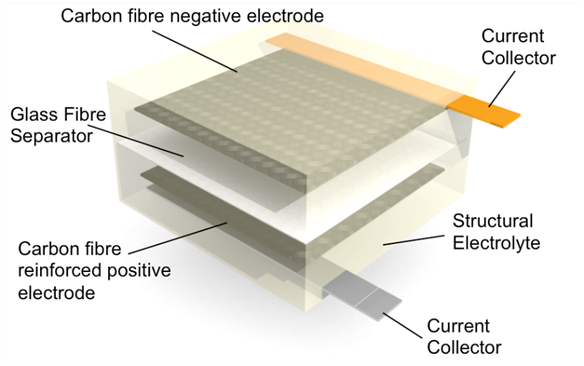
Professor Dan Zenkert is a faculty member at Kungliga Tekniska Högskolan (KTH) in the Department of MATERIAL AND STRUCTURAL MECHANICS. He earned his M.Sc. (Aeronautics) and Ph.D. (Lightweight Structures) from KTH, becoming a docent (D.Sc.) in 1996, associate professor in 1998, and full professor in 2001. His research focuses on multifunctional composite materials, particularly carbon fiber-based systems for energy storage (structural batteries), shape-morphing composites, integrated sensing, and energy harvesting. Collaborations with Electrochemistry and Polymer Chemistry groups drive innovations in structural batteries, where materials simultaneously bear mechanical loads and store energy. He teaches courses on lightweight structures and composite mechanics. Research highlights include structural battery design using laminated carbon fiber electrodes, piezo-electrochemical sensing via Li-ion intercalation, and shape-morphing composites through electrochemical actuation. Recent work explores electrolyte optimization, LiFePO₄-coated electrodes, and long-term performance of multifunctional systems. Publications span over 30 years, with contributions to journals like Composites Science and Technology and Advanced Energy & Sustainability Research . His teaching includes roles as examiner and course responsible for programs like Fibre Composites and Future Sustainable Aviation. Personal interests include fly-fishing, motorcycle riding, and basketball coaching. Scholarly contributions include over 130 peer-reviewed articles and book chapters, with active involvement in conferences like ICCM and ECCM.
Professor Bill O'Neill is a Fellow in Engineering at Downing College and holds the Professor of Laser Engineering position at the University of Cambridge. He leads the Centre of Industrial Photonics and focuses on cutting-edge laser-based manufacturing technologies. BSc (Essex) MSc (Essex) MA PhD (Imperial) His research spans high-power laser applications in materials processing, including aerospace alloys, medical alloys, ceramics, and polymers. He investigates ultra-short laser-matter interactions (femtosecond pulses) for thermal-free machining and nanofabrication techniques aimed at developing personal factory systems. Key projects include electron backscattered diffraction analysis (EBSD) validation of material responses and £10M UK research council-funded innovations. Publications highlight advancements in laser microstructuring, x-ray collimation, and cold gas dynamic spray technologies. His work trends toward precision manufacturing, materials science, and photonics applications. As head of the Centre of Industrial Photonics, O'Neill's team explores nanoparticle manipulation for on-demand fabrication of complex products, envisioning a future where desktop printers create micro/nano devices.
Annechen Bahr Bugge is a sociologist and Researcher I at Consumption Research Norway (SIFO), Oslo Metropolitan University. Her work focuses on food culture, culinary heritage, and sustainable consumption patterns, with particular emphasis on Norwegian dietary traditions and their evolution from the 16th century to present day. PhD in Sociology (2005) from Norwegian University of Science and Technology (NTNU) Current leader of FoodStories project (2025-2028) examining Norwegian food heritage Previously led FoodLessons project (2021-2024) connecting culinary history with future food development Her research explores: dietary transitions, plant-based diets, food policy interventions, and the sociocultural dimensions of food consumption. She has published extensively on Norwegian food culture, including the book Fattigmenn, tilslørte bondepiker og rike riddere (2019) and upcoming Food Cultures of Norway: Cuisines, Customs, and Issues (2025, co-authored with Henry Notaker). Recent publications focus on: food heritage revitalization, sustainable diets, retail interventions for healthier choices, and digital marketing influences on youth consumption patterns. Her work combines historical analysis with contemporary food challenges to inform future sustainable food systems. For a complete overview of her research and publications, see her Cristin profile: Cristin Profile
Sandeep Kumar Mishra, PhD, is an Associate Research Scientist in the Department of Radiology & Biomedical Imaging at Yale School of Medicine, where he holds a primary appointment in the Magnetic Resonance Research Center within the Division of Bioimaging Sciences. He completed his doctoral training at Pondicherry University (2017) and finished post-doctoral research at Yale in 2024 before transitioning to his current research-intensive faculty role. Education: PhD, Pondicherry University – 2017 Post-doctoral Associate, Yale University – 2024 Research Focus: Mishra’s work integrates multinuclear magnetic resonance spectroscopy, responsive paramagnetic probes, and nano-constructs to quantify the tumor microenvironment. Major themes include in-vivo mapping of interstitial pH and sodium gradients in gliomas, development of Fe(II)/Co(II)/Ni(II)-DOTA tetraglycinate complexes for simultaneous pH–temperature sensing, and engineering dual-modal nano-agents that couple MR angiography with therapeutic delivery (chemo-photothermal, cryo-ablation, MMP inhibition). Publication Trends: Across 28 peer-reviewed articles (2016-2025) he demonstrates a sustained trajectory in cancer imaging, moving from theranostic nanoparticles toward sophisticated spectroscopic imaging of tumor acid–base and ionic homeostasis, with increasing translational orientation involving rodent glioma and hepatocellular carcinoma models. Collaborations & Affiliations: He is embedded in Yale’s inter-disciplinary MR research ecosystem, collaborating recurrently with faculty in Radiology, Biomedical Engineering, and the Magnetic Resonance Research Center (D. Coman, F. Hyder, P. Herman, J. Verhagen, J. Santana, A. Shewarega). Contact: sandeepkmishra11@gmail.com | Magnetic Resonance Research Center, 300 Cedar Street, New Haven, CT 06519, USA
Brian D. Gerardot is a Professor at the School of Engineering & Physical Sciences , Heriot-Watt University , where he leads the Quantum Photonics Laboratory within the Institute of Photonics and Quantum Sciences. His research focuses on creating ultra-coherent quantum photonic devices that bridge quantum optics, condensed-matter physics, materials science, and nano-optics. BSc in Materials Science from Purdue University (1998) PhD from UC Santa Barbara (2004) His work explores semiconductor quantum dots and defect centers in diamond, utilizing advanced nano-fabrication techniques to design and characterize photonic structures. Research outputs highlight quantum technologies, entangled imaging, exciton dynamics in 2D materials, and coherence in photon emission systems. Scientific Awards include: Chair in Emerging Technologies (Royal Academy of Engineering, 2018) Wolfson Merit Award (Royal Society, 2018) ERC Consolidator Grant (2018) ERC Starting Grant (2013) Personal Research Fellowship (Royal Society of Edinburgh, 2006-2009) University Research Fellowship (Royal Society, 2009-2017) Challenging Engineering award (2011) He manages the NanoFab Disco Saw facility and has secured significant grants for quantum technologies and nanophotonic research, with collaborations spanning international institutions and datasets supporting breakthroughs in exciton-polarons, quantum imaging, and photonic coherence.
Wout Joseph is a Professor in the domain of Experimental Characterization of wireless communication systems at Ghent University (Belgium), where he has been working since October 2009. He is also an IMEC Principal Investigator since 2017. His research is conducted within the wireless, acoustics, environment & expert systems (WAVES) research unit at the Department of Information Technology (INTEC). Dr. Joseph was born in Ostend, Belgium on October 21, 1977. He received his M.Sc. degree in electrical engineering from Ghent University in July 2000. From September 2000 to March 2005 he was a research assistant at the Department of Information Technology (INTEC), where his scientific work focused on electromagnetic exposure assessment around base stations for mobile communications related to health effects. This work led to his Ph.D. degree in March 2005. Professor Joseph's research expertise spans multiple domains within wireless communications and bioelectromagnetics. His primary research interests include electromagnetic field exposure assessment, in-body electromagnetic field modeling, electromagnetic medical applications, propagation for wireless communication systems, IoT, antennas and calibration. He also specializes in wireless performance analysis, industry 4.0 applications, wireless localization, and Quality of Experience metrics. His work is particularly notable for its focus on dosimetric studies in the radiofrequency range, where his research is ranked first in number of peer-reviewed studies. His research has practical applications in wireless network planning, occupational safety, and public health policy related to electromagnetic fields. His extensive publication record (over 886 publications with an h-index of 45 in ISI Web of Science and 66 in Google Scholar) demonstrates a clear trajectory from fundamental electromagnetic field measurements to applied research in industrial wireless networks and bioelectromagnetic applications. Recent work shows a strong emphasis on 5G exposure assessment across multiple European countries, millimeter-wave channel modeling, and the application of machine learning techniques to exposure assessment and wireless localization. EBEA council board member (2015-2018) EBEA board member at large (2019) Bioelectromagnetics Society board member (2022) Bioelectromagnetics Society board member (2024) 24 research awards Professor Joseph leads significant research efforts in electromagnetic field exposure assessment, with particular emphasis on developing measurement methodologies and computational models for real-world exposure scenarios. His work bridges theoretical electromagnetic modeling with practical applications in wireless communications and bioelectromagnetics. His research group within the WAVES unit is highly active in both theoretical and experimental aspects of wireless communications and bioelectromagnetics, with current projects focusing on 5G exposure assessment across Europe, millimeter-wave channel modeling for data centers and industrial environments, and the development of novel exposure assessment methodologies using advanced signal processing and machine learning techniques.