Rhenish Friedrich Wilhelm University of BonnGermany
Prof. Waldemar Kolanus leads the Molecular Immunology and Cell Biology department at the University of Bonn's Life & Medical Sciences Institute (LIMES) . His research bridges immunoregulation , stem cell dynamics , and metabolic stress responses in immune cells. Unit 2 member at LIMES Principal investigator in SFB 704 and ImmunoSensation Cluster Leads a multidisciplinary lab with postdocs, PhD students, and technical staff His work focuses on intracellular signaling pathways connecting immune activation to tissue homeostasis, particularly through: Cytohesin proteins in integrin-mediated adhesion and migration TRIM71 in stem cell regulation and congenital hydrocephalus High-salt environments affecting macrophage function Publication trends show expertise in immune cell migration , genetic models , and chemical inhibition , with frequent use of mice and zebrafish for in vivo studies. Key articles explore: TRIM71's dual role in auditory development and germ cell maintenance Cytohesin family's Golgi regulation and insulin signaling Ruxolitinib's off-target migration inhibition of dendritic cells Contact details: Address: LIMES Institute, Carl-Troll-Straße 31, Bonn Email: kolanus.sekretariat@uni-bonn.de Phone: +49 228 73-62788
Jeff Schorey is the George B. Craig Jr. Professor and a full Professor in the Department of Biological Sciences at the University of Notre Dame, where he has been a faculty member since 2004. He currently serves as Director of the Integrated Biomedical Sciences (IBMS) graduate program and previously held leadership roles including Chair of the Institutional Animal Care and Use Committee (IACUC) and Associate Director of the Eck Institute for Global Health. His research focuses on the pathobiology of mycobacterial diseases, particularly Mycobacterium tuberculosis and M. avium . His work investigates the molecular interactions between mycobacteria and host macrophages, with a special emphasis on the role of exosomes in immune modulation, diagnostics, and vaccine development. He also explores novel antibiotic development in collaboration with chemists at Notre Dame and global partners. His recent publications reveal a strong trend in extracellular vesicle biology, host-pathogen signaling, and translational applications in TB diagnostics and treatment. The articles span immunology, microbiology, and molecular biology, with recurring themes in exosome function, RNA sensing, and antimicrobial development. George B. Craig Jr. Collegiate Professor Dr. Schorey has advised graduate students and leads an active research lab focused on mycobacterial pathogenesis. His work is supported by collaborations across disciplines and institutions, particularly in drug development and clinical translation. He has contributed significantly to understanding how exosomes can serve as both biomarkers and therapeutic tools. His lab employs cellular immunology, animal models, and clinical sample analysis to study mycobacterial infections. He leads the IBMS program, shaping graduate education in biomedical sciences at Notre Dame.
Caetano Reis e Sousa is a Professor of Immunology at Imperial College London and Senior Group Leader/Assistant Research Director at the Francis Crick Institute. He leads the Immunobiology Laboratory, focusing on dendritic cell biology, immune responses to pathogens, and cancer immunotherapy. His research explores how dendritic cells detect pathogens and dying cells, triggering adaptive immunity. Key roles include investigating cross-presentation mechanisms, C-type lectin receptors (e.g., DNGR-1), and vaccine development strategies. Education: BSc (Hons) Biology from Imperial College London (1989), DPhil in Immunology from University of Oxford (1992). Postdoctoral training at NIH under Ron Germain. Career milestones include founding the Immunobiology Lab at CRUK London Research Institute (1998–2015) before joining the Crick. Awards & Recognition: Highly Cited Researcher (Thomson Reuters), BD Biosciences Prize (2002), Liliane Bettencourt Award (2008), Louis-Jeantet Prize (2017), Fellowships at Royal Society (2019), Academy of Medical Sciences (2006), and EMBO (2006). Named Officer of the Order of Sant'Iago da Espada (Portugal, 2009). Research Themes: Dendritic cell activation pathways, cross-presentation of tumor antigens, microbiome-cancer immunity links, and immune evasion mechanisms. Collaborations involve institutions like UCL, King's College London, and global health networks. Labs/Teams: Head of Immunobiology Lab at Crick, with expertise in immunology, cell biology, and virology. Facilities include Flow Cytometry, Genomics, and Light Microscopy cores. Active in pandemic response (e.g., SARS-CoV-2 testing initiatives).
Yukiko Gotoh is a Professor at the Department of Pharmaceutical Sciences, Graduate School of Pharmaceutical Sciences, The University of Tokyo. She serves as the Deputy Director and Principal Investigator at the International Research Center for Neurointelligence (IRCN). Her research focuses on understanding the mechanisms that regulate neural stem/progenitor cell fate during embryonic brain development and in the adult brain. Dr. Gotoh's research interests include: Genetic and epigenetic regulation of neural stem/progenitor cell fate Neuronal maturation processes Genesis and maintenance of adult neural stem cells Relevance of neural stem/progenitor cell dysregulation in neurodevelopmental disorders such as autism spectrum disorders Investigation of mechanisms regulating neural stem-progenitor cell fate during neocortical development Genetic and epigenetic regulation of neuronal activation Analysis of Dr. Gotoh's recent publications reveals a strong focus on neural stem cell biology, epigenetic regulation, and neurodevelopmental disorders. Her work demonstrates how chromatin modifiers like Polycomb group proteins and HMGA proteins regulate neural stem cell fate decisions during brain development. A significant portion of her research explores the embryonic origins of adult neural stem cells and how dysregulation of these processes contributes to conditions like autism spectrum disorders and schizophrenia. Her laboratory also investigates the basic mechanisms of cellular responses to viral infection in the brain and their relevance to neurodevelopmental disorders. Dr. Gotoh has made significant contributions to understanding: The role of Polycomb group proteins in neural development How chromatin modifiers regulate neurogenic potential Cell cycle regulation in neural stem cells The PDK1-Akt pathway in neuronal migration Layer-specific heterogeneity of astrocytes Mechanisms underlying schizophrenia-related abnormalities Dr. Gotoh's laboratory conducts research on multiple fronts related to neural development and stem cell biology. Her team investigates: Mechanisms regulating neural stem-progenitor cell fate during neocortical development Genetic and epigenetic regulation of neuronal activation The embryonic origin of adult neural stem cells Dysregulation of neural stem-progenitor cell and neuronal fate in neurodevelopmental disorders Innate immune responses in the brain
Shabaz Mohammed is an Associate Professor of Proteomics at the University of Oxford, holding joint appointments in the Departments of Chemistry and Biochemistry. Since 2020, he has served as Head of the Mechanistic Proteomics research programme at the Rosalind Franklin Institute. His research focuses on advancing proteomics technologies to study protein post-translational modifications and their roles in cellular processes, with applications in viral infections and disease mechanisms. Education: BSc in Chemistry, UMIST (now The University of Manchester), 1999 PhD in Biological Mass Spectrometry, University of Manchester, 2003 Postdoctoral Research, University of Southern Denmark (with Ole Jensen), 2005-2008 Postdoctoral Research, Utrecht University (with Albert Heck), 2008 Professor Mohammed's research centers on developing novel mass spectrometry approaches for large-scale characterization of protein post-translational modifications (PTMs). His group innovates in chromatographic techniques for single-cell proteomics, creates materials for PTM enrichment (glycosylation/phosphorylation), and applies these tools to study viral infections (SARS-CoV-2), cell cycle regulation, and signaling pathways. His work bridges chemistry, biochemistry, and cell biology to understand dynamic protein functions in health and disease. His recent publications (2023-2025) demonstrate strong emphasis on viral proteomics, particularly virus-host RNA-binding protein interactions, and innovations in mass spectrometry fragmentation techniques and chromatography. Key themes include viral remodeling of host cells, new labeling strategies for PTMs, and advancements in single-cell proteomics, with significant implications for understanding viral pathogenesis. Scientific Awards: No specific awards or fellowships were detailed in the source material. Advising and Grants: Information regarding graduate students supervised or specific research grants was not provided in the available text. As an active research group leader, Professor Mohammed likely mentors PhD students and secures competitive funding for proteomics research. Laboratories and Collaborations: Professor Mohammed leads a research group at Oxford focused on proteomics technology development. He collaborates extensively with the Ben Davis group on PTM detection materials and across the university on biochemical applications. At the Rosalind Franklin Institute, he heads the Mechanistic Proteomics programme to unravel protein functions through advanced proteomic methods.
Marina Cella is a Professor in the Department of Pathology & Immunology at Washington University School of Medicine (WUSM). Her research focuses on innate immune cells, including dendritic cells (DCs), natural killer (NK) cells, and innate lymphoid cells (ILCs), investigating their roles in pathogen response and human diseases. Education: MD in Medicine and Surgery (1989) and specialization in Medical Microbiology and Virology (1993) from the University of Genova, Italy. Leadership: Director of the Pathology & Immunology Flow Cytometry Core Facility since 2006. Editorial Roles: Section Editor for the Journal of Immunology (2020-present) and Editor for Frontiers in HIV (2007-present). Her work spans three main areas: plasmacytoid DCs in viral immunity and autoimmunity, NK cell receptor regulation, and ILC diversity in mucosal tissues. Publications highlight discoveries in innate immunity mechanisms, including roles of Rorγt-positive DCs in T cell regulation, CSF1R gene mutations affecting microglia, and TREM-1/3 signaling in macrophage recruitment to injured hearts. Contact: mcella@wustl.edu | Lab: 314-362-0368 | Office: BJC-IH Building, Suite B 8210
Haoming Qiu, M.D. serves as an Associate Professor in the Department of Radiation Oncology at the University of Rochester School of Medicine and Dentistry. He practices clinically at both Wilmot Cancer Center in Rochester and Sands Cancer Center in Canandaigua, providing radiation oncology services for gastrointestinal, lung, and prostate cancers. Board-certified by the American Board of Radiology, Dr. Qiu specializes in advanced radiotherapy techniques including external beam radiation and radiopharmaceutical therapies. Education: MD, Johns Hopkins University (2011) Residency in Radiation Oncology, University of Rochester Medical Center (2013-2016) Residency in Radiation Oncology, Loyola University Medical Center (2012-2013) Internship in Internal Medicine, Sinai Hospital of Baltimore (2011-2012) Research Focus: Dr. Qiu's work centers on optimizing radiation therapy for gastrointestinal malignancies, prostate cancer, and neuroendocrine tumors. His investigations into theranostics explore novel applications of Lutathera for neuroendocrine tumors, Pluvicto for prostate cancer, and Therasphere for liver cancers. Current research emphasizes combining stereotactic body radiotherapy with immunotherapeutic agents to overcome treatment resistance in pancreatic and rectal cancers. Publication Trends: Recent publications (2023-2025) reveal a strategic shift toward adaptive radiotherapy techniques for pelvic malignancies and immunoradiotherapy combinations. His work demonstrates growing emphasis on modulating tumor immune microenvironments through radiation, particularly in pancreatic and rectal cancers. The integration of mRNA nanotechnology with SBRT represents a cutting-edge frontier in his research portfolio. Scientific Recognition: Roentgen Resident/Fellow Research Award (2015) Excellence in Medical Student Research (2011) Clinical Leadership: Dr. Qiu directs multiple clinical trials at the University of Rochester focusing on radiopharmaceutical applications and adaptive radiotherapy protocols. His patient-centered approach is reflected in consistently high patient satisfaction scores (4.9/5 stars) across communication, empathy, and treatment explanation metrics. Care Coordination: As part of the Wilmot Cancer Center and Sands Cancer Center teams, Dr. Qiu collaborates with multidisciplinary groups including medical oncologists, surgeons, and radiologists to deliver integrated cancer care through Accountable Health Partners network.
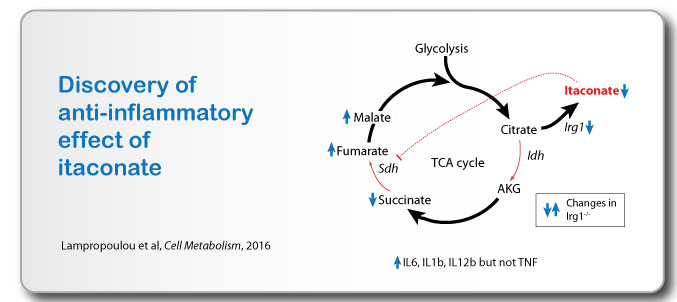
Maxim Artyomov is an Alumni Endowed Professor and Professor of Pathology and Immunology at Washington University School of Medicine , with affiliations to the Institute of Clinical and Translational Sciences (ICTS), Bursky Center for Human Immunology & Immunotherapy Programs (CHiiPs), and Siteman Cancer Center. His research spans Systems Immunology , Immunometabolism , and Cancer Immunology , focusing on integrating epigenetic, transcriptional, and metabolic regulation in immune cells. 2018 promoted to Associate Professor with Tenure 2017 awarded LEAP Inventor Challenge 2018 Unanue Prize for Innovative Research in Immunology Key research contributions include: Discovery of itaconate's anti-inflammatory role (2016) Metabolic reprogramming in macrophage polarization (2015) TREM2's function in microglial metabolic fitness (2017) Development of CORESH gene signature search engine (2025) His high-throughput omics pipelines enable cross-disciplinary analysis of immune responses in tuberculosis, Alzheimer's, and cancer. Notable collaborations include work with Schreiber's lab on immune checkpoint therapy (2018) and ITMO University on systems biology workshops (2017-2018). Awards and grants include the Unanue Prize (2018), LEAP Inventor Challenge (2017), and R01 grant from NIAID (2017). He mentors PhD/MSTP students and co-organizes international systems biology workshops.
Simon Arthur is a Professor of Immune Signalling at the University of Dundee, School of Life Sciences, within the Department of Cell Signalling and Immunology. His research focuses on understanding inflammatory processes, particularly the role of innate immune cells in coordinating inflammation and resolving immune responses. He holds a PhD from the University of Oxford (1995) and a BSc from Durham University (1990). Arthur is a Fellow of the Royal Society of Biology (2015) and serves on the editorial board of the Journal of Biological Chemistry . His teaching includes courses on Genetics, Cell Signalling, Immunology, and advanced topics in immunology and cell signalling. He supervises PhD projects on microglial phenotypes in brain ageing and immunomodulatory factors in helminth-host interactions. Arthur leads research projects funded by the Medical Research Council and other agencies, including studies on liver fibrosis, bile acid diarrhoea, and pulmonary fibrosis. Key research themes include cytokine regulation, macrophage function, and the molecular mechanisms underlying chronic inflammation. His work spans from fundamental biology to translational research, aiming to develop therapies for autoimmune and inflammatory diseases. Arthur collaborates internationally and has over 180 publications in high-impact journals.
Dr. Wei Li is an Associate Professor of Urban Planning at Texas A&M University and founder of the ENDEAVR Institute, a 501c3 nonprofit focused on smart-city technologies for underserved communities. His research focuses on small-town mobility solutions using autonomous vehicles, sustainable transportation, and environmental economics. He holds 40+ peer-reviewed articles and $3.9M in grants from NSF, NIH, Google, and the U.S. Department of Transportation. Education: PhD in Planning, Policy & Design (University of California, Irvine) MA in Planning (University of Waterloo) BA in Business Administration (Renmin University of China) Research Interests: Smart and connected communities Autonomous vehicles for social equity Sustainable transportation systems Environmental economic policies His work bridges academic rigor with practical solutions, emphasizing community engagement and equity in urban planning. Awards: 2021 W.K. Kellogg Award for Community Engagement 2021 Smart 50 International Award 2019 Texas A&M Distinguished Achievement Award Teaching & Mentorship: Developed 3 smart-cities courses using ENDEAVR pedagogy Mentored 44 committees (7 PhD, 37 MS) and 66 additional students Trained 300+ students across 10+ majors in service-learning projects ENDEAVR Institute: A nonprofit advancing smart-city technologies for small towns and marginalized populations through partnerships with communities, governments, and private sectors.
Professor Luke A.J. O'Neill is Chair of Biochemistry at Trinity College Dublin , Ireland. He leads research at the intersection of immunology and metabolism , focusing on molecular mechanisms of inflammation and innate immune signaling . His work has pioneered understanding of TLR signaling , pro-inflammatory cytokines , and immunometabolism in immune cells. B.A. (Mod.) in Natural Sciences (Biochemistry), Trinity College Dublin (1985) PhD in Pharmacology, University of London (1988) Key research themes include: Metabolic Reprogramming in immune cells during infection TLR signaling and inflammatory pathways NLRP3 inflammasome in diseases like COPD and autoimmune conditions Itaconate and its derivatives as immunomodulatory metabolites Signal Transduction mechanisms in innate immunity Immunothrombosis and coagulation regulation Recent publications highlight his leadership in immunometabolism , with articles on: Targeting mitochondrial metabolites for inflammation Role of Krebs cycle intermediates in immune activation Therapeutic potential of itaconate family in asthma and viral infections Metabolic checkpoints in macrophage polarization Awards include: Boyle Medal for Scientific Excellence (2009) Science Foundation Ireland Researcher of the Year (2009) Gold Medal for Life Sciences, Royal Irish Academy (2012) Fellow of the Royal Society (FRS, 2016) He has held leadership roles including: Founder Director, Trinity Biomedical Sciences Institute (2011) Chair, European Research Council Infection and Immunity Panel (2008-2011) President, International Cytokine Society (2011)
James Barrett, PhD , is an Assistant Professor in the Department of Anesthesiology at the University of Maryland School of Medicine . His research focuses on neuroinflammation, traumatic brain injury (TBI), and immune responses in neurological disorders. Education : BA in Natural Science (Physiology) from Trinity College Dublin (2010); PhD in Neuroscience from Trinity College Dublin (2014). Training : Research Fellow (2014–2017) and Postdoctoral Fellow (2017–2019) at the Shock, Trauma, and Anesthesiology Research Center. Dr. Barrett’s research explores how aging, metabolic factors, and immune mechanisms influence neuroinflammatory responses post-TBI. He investigates: Type I interferon signaling in chronic neuroinflammation Epigenetic regulation via miRNAs in irradiation-induced neurodegeneration Microglial/macrophage polarization dynamics Exercise interventions and molecular pathways in TBI recovery His recent work highlights the role of systemic inflammation in exacerbating TBI outcomes and the therapeutic potential of HDAC inhibitors like romidepsin. Collaborations with institutions such as Trinity College Dublin and the University of Maryland underscore his interdisciplinary focus. Dr. Barrett’s lab also examines bidirectional brain-systemic interactions, leveraging single-nucleus transcriptomics and epigenomics to identify age-related vulnerabilities in TBI models.
Steven L. Kunkel, Ph.D., is Executive Vice Dean for Research in the University of Michigan Medical School and Chief Scientific Officer for Michigan Medicine. He holds the Peter A. Ward Distinguished University Professor title in the Department of Pathology and has served the faculty as an Endowed Professor of Pathology Research. Executive Vice Dean for Research, University of Michigan Medical School Chief Scientific Officer, Michigan Medicine Peter A. Ward Distinguished University Professor Endowed Professor of Pathology Research Research Interests: Kunkel’s work focuses on molecular mechanisms of lung inflammation, cytokine/chemokine biology, and their roles in acute/chronic disease progression. His group investigates epigenetic regulation in diabetic wound healing and T cell differentiation via Notch signaling. Scientific Awards: NIH MERIT Award Leadership & Grants: He has maintained continuous NIH funding for decades, served on NIH study sections, and led program projects on lung inflammation. As an administrator, he held roles like interim Vice Provost for Academic Affairs and co-directed Departmental Research in Pathology.
University of North Carolina at Chapel HillUnited States
Blossom A. Damania is the Boshamer Distinguished Professor at the University of North Carolina at Chapel Hill School of Medicine, where she serves as Vice Dean for Research. She is a member of the UNC Lineberger Comprehensive Cancer Center and Co-Leader of the Virology Research Program. Her research focuses on the molecular pathogenesis of oncogenic human tumor viruses, particularly Kaposi's sarcoma-associated herpesvirus (KSHV) and Epstein-Barr virus (EBV), which are associated with various cancers including Kaposi's sarcoma, lymphomas, and other malignancies. Education: PhD, University of Pennsylvania Dr. Damania's research spans virology, cancer biology, and immunology, investigating how oncogenic viruses cause cancer and evade host immunity. Her laboratory examines the molecular mechanisms by which viruses like KSHV and EBV transform cells and persist through latent and lytic infection phases. Key research areas include: Viral proteins involved in cellular transformation and cell signaling modulation Mechanisms of viral-induced angiogenesis in Kaposi's sarcoma Host-pathogen interactions, particularly viral evasion of innate immunity Development of therapeutics targeting viral replication and persistence Translational applications of viral cancer research to non-viral cancers Analysis of Dr. Damania's publication record shows a consistent focus on viral immune evasion mechanisms, with recent work emphasizing DNA sensing pathways like cGAS-STING and their subversion by viral proteins. Her research increasingly identifies potential therapeutic targets for virus-associated cancers, demonstrating strong translational potential. Scientific Awards and Honors: Hyman L. Battle Distinguished Cancer Research Award, 2021 Award for Excellence in Basic Science Mentoring, UNC-Chapel Hill, 2020 Fellow, American Academy of Arts and Sciences, 2020 Faculty Award for Excellence in Doctoral Mentoring, UNC-Chapel Hill, 2018 Fellow, American Association for the Advancement of Science (AAAS), 2017 Dr. Damania has secured substantial research funding from sources including the National Institutes of Health, Burroughs Wellcome Fund, and Leukemia & Lymphoma Society. She is recognized for excellence in mentoring, having received multiple awards for doctoral and basic science mentoring. Her collaborative research approach is exemplified by her long-standing partnership with Dirk Dittmer, with whom she has co-authored 57 publications and successfully navigated the 'two-body problem' in academia. Dr. Damania leads the Damania Lab at UNC Lineberger Comprehensive Cancer Center, which maintains weekly joint lab meetings with Dirk Dittmer's laboratory. During the COVID-19 pandemic, their labs collaborated on SARS-CoV-2 sequencing. She co-directs the Lineberger Comprehensive Cancer Center's Virology and Global Oncology programs, working to develop treatments for virus-associated cancers worldwide.
Sonia Navas-Martin is a Professor in the Department of Microbiology & Immunology at Drexel University College of Medicine. She holds a PhD from Universidad Autónoma de Madrid (1997). Her research focuses on innate immunity mechanisms during viral infections and neurodegenerative diseases, with emphasis on CNS pathologies and cellular senescence. Education: PhD in Microbiology & Immunology, Universidad Autónoma de Madrid (1997) Research Interests: Dr. Navas-Martin investigates how innate immune pathways contribute to immunopathology in viral infections (e.g., coronaviruses), neuroinflammation, and neurodegenerative diseases like Alzheimer’s. Her work combines molecular biology, immunology, and animal models to identify therapeutic targets. Key areas include: Microglial responses to viral pathogens Role of non-coding RNAs (e.g., miRNAs) in immune regulation Cellular senescence in HIV-associated neurocognitive disorders Cross-talk between TLR signaling and viral replication Publications: Her recent work includes studies on SARS-CoV-2 antiviral strategies, microglial antiviral mechanisms, and HIV-HCV co-infection dynamics. The articles reflect a focus on innate immunity modulation, viral pathogenesis, and translational therapies. Awards: Curator, American Society for Microbiology’s COVID-19 Research Registry Grants & Mentorship: She oversees an NIH-funded neuroimmunology graduate position and mentors students in scientific excellence. Her lab is known for collaborative, open research environments fostering innovation. Labs & Teams: Active in the Institute for Molecular Medicine & Infectious Disease at Drexel, collaborating on coronavirus immunology and SARS-CoV-2 therapeutic development. Her research integrates virology, immunology, and neurobiology to address critical gaps in understanding viral CNS pathogenesis.