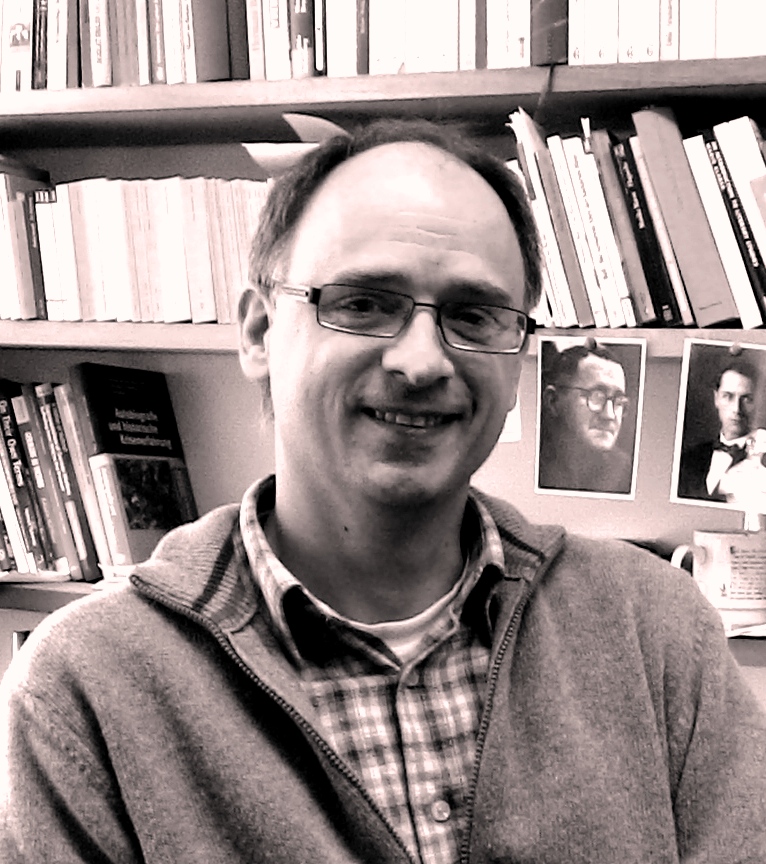
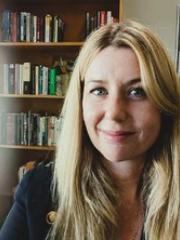
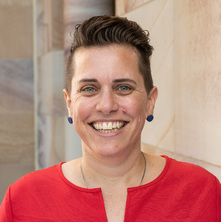
Prof. Dominique Hansen is a Full Professor in Exercise Physiology and Rehabilitation of Internal Medicine at Hasselt University's Faculty of Rehabilitation Sciences, and a research associate at the Hasselt Heart Center (Jessa Hospital). His research focuses on 'precision exercise' to combat cardiometabolic diseases like obesity, diabetes, and cardiovascular disease, emphasizing tailored exercise protocols over generic recommendations. He co-developed the EXPERT tool, a digital decision-support system used across Europe to create personalized exercise prescriptions for cardiovascular patients. Education: Advanced degrees in Exercise Physiology and Medicine (details not specified) Key Collaborations: Prof. Paul Dendale, Prof. Karin Coninx, and the 30+ member EXPERT Network Group spanning 10+ European countries His research has produced over 200 peer-reviewed publications, including European guidelines for cardiac rehabilitation. Two major research lines include: (1) developing precision exercise guidelines for CVD prevention and treatment, and (2) exploring exercise's role in protecting non-cardiac organs (e.g., the brain in type 2 diabetes patients). He advocates for exercise as a core component of secondary prevention, emphasizing the need to move beyond 'one-size-fits-all' approaches. Current projects include optimizing physical activity monitoring via wearable tech and mHealth interventions for older adults. Labs/Teams: Hasselt Heart Center Research Group, EXPERT Network Group Grants: Funding details not specified, but receives donations via Hasselt Heart Center
Bruce M. McLaren is a Professor at Carnegie Mellon University's Human-Computer Interaction Institute (HCII), where he heads the McLearn Lab. He previously served as President of the International Artificial Intelligence in Education Society (2017-2019) and has been elected to the Executive Committee of the AI-ED Executive Committee for two separate terms (2012-2017 and 2022-2027). Dr. McLaren's research focuses on how technology can support education through digital learning games , intelligent tutoring systems , and collaborative learning environments. His work has demonstrated that students can learn decimals more effectively through Internet-based learning games compared to conventional methods. He has also conducted significant research on erroneous examples in learning, showing how students benefit from working with incorrect solutions alongside intelligent tutors. His publications reveal a strong trend toward integrating artificial intelligence with educational technologies, particularly in analyzing student learning patterns, developing adaptive educational games, and creating tools that support both students and teachers in classroom settings. Recent work increasingly focuses on the application of generative AI like ChatGPT in educational contexts. Best Paper Award at ECTEL 2023 for research on ChatGPT in decimal learning Fulbright Scholarship recipient for educational technology work in Chile (2019) Multiple best paper awards at major AI in Education conferences Erskine Fellowship for teaching Intelligent Tutoring Systems in New Zealand As an advisor, Professor McLaren has mentored numerous students in the HCII program and has secured significant research funding, including NSF grants for projects like AdaptErrEx and LASAD. His lab, the McLearn Lab, serves as a hub for interdisciplinary research at the intersection of learning sciences and artificial intelligence. Beyond academia, he brings over 20 years of commercial sector experience, having served as Director of eCommerce Technologies at OpenWebs Corporation and leading expert system projects at Carnegie Group, Inc.
Greta Falavigna is an External Lecturer and PartTime Lecturer at the Polytechnic of Turin 's Department of Management and Production Engineering (DIGEP) , teaching Economics and Business Organization and Political Economy . She holds a Ph.D. in Economics and Technology Management and serves as Research Director (I° livello, Dirigente di ricerca) at CNR-IRCrES (National Research Council of Italy's Research Institute on Sustainable Economic Growth). Key research areas: Econometrics , Artificial Neural Networks , Work-Life Balance , Industry 4.0 , Healthcare Evaluation , and Public Research Analysis . Active in European labor policy with focus on aging populations and gender dynamics , particularly in work-life balance studies using two-step analytical approaches . Collaborates with institutions like European Commission , Italian automotive supply chain , and Italian National Research Council (CNR) . Scientific contributions include methodological innovations in non-parametric econometrics , policy evaluation frameworks for Industry 4.0 , and empirical studies on financial constraints in SMEs. Her work appears in journals like Expert Systems with Applications , European Journal of Operational Research , and Health Care Management Science . Scientific recognition includes National Scientific Qualifications for full/associate professor positions in multiple Italian disciplinary sectors (13/A2, 13/A4, 13/A3, 13/B4). Member of Italian Society of Industrial Economics and Policy (SIEPI) , European Sociological Association (ESA) , and Italian Society of Law and Economics (SIDE-ISLE) .
Professor Helmut Schmitz is a faculty member in the Department of German at the University of Warwick. His academic career spans over two decades, with expertise in post-war and contemporary German literature, memory studies, and representations of the Nazi period and Holocaust in cultural discourse. Education: MA, University of Warwick (1992) PhD, University of Warwick (1996) His research explores post-war German memory cultures, focusing on victim and perpetrator dynamics, family narratives, and the re-emergence of love and intimacy as themes in 21st-century German literature. He has led interdisciplinary projects and collaborated internationally through the Arbeitskreis für Literatur und Politik. Recent publications analyze intersections of trauma, identity, and aesthetics, reflecting his Leverhulme Research Fellowship project on literary representations of love. His work often bridges literature, philosophy, and historical analysis. Scientific Awards: Leverhulme Research Fellowship (2020) He supervises PhD students in topics ranging from posthumanism to non-realist war narratives and contributes to academic discourse through editorial roles and conference coordination.
Martin Bicher is a PostDoc Researcher at TU Wien, affiliated with the Department of Data Science under the Faculty of Informatics. He specializes in agent-based simulation, epidemiological modeling, and decision support systems for public health crises. His work focuses on optimizing resource allocation, vaccination strategies, and policy evaluation during pandemics. He teaches courses such as Modeling and Simulation (194.076), Modelling and Simulation in Health Technology Assessment (194.094), and Advanced Modeling and Simulation (194.056). His research is supported by projects like DynOptTestControl (2022–2026) and KLIPHA-COVID19 (2020–2021). Key research interests include agent-based modeling frameworks, integration of machine learning into simulation systems, and multi-criteria decision support for public health interventions. His publications analyze pandemic response strategies, vaccination prioritization, and the impact of environmental factors on disease spread. Recent work includes developing mathematical models for equitable disease testing, simulating vaccination strategies under supply uncertainties, and evaluating contact-tracing policies. He collaborates with interdisciplinary teams to address challenges in healthcare resource optimization and policy design. Advising two students, Bicher has mentored theses on railway simulation and delay modeling. His contributions to pandemic decision support have been featured in high-impact journals like Omega and PLoS ONE.
Michele Gattullo serves as an Assistant Professor within the Department of Mechanics, Mathematics & Management at the Polytechnic University of Bari, Italy, specializing in design methods for industrial engineering (ING-IND/15). His research bridges cutting-edge extended reality technologies with practical industrial applications, focusing on human-centered solutions for manufacturing, maintenance, and workplace design. Dr. Gattullo's research portfolio centers on Augmented Reality, Virtual Reality, and Biophilic Design, with significant contributions to Human-Computer Interaction in industrial contexts. He investigates how nature-inspired elements in virtual workspaces enhance employee well-being and productivity, while simultaneously developing practical AR tools for assembly guidance, technical documentation, and maintenance support. His work uniquely integrates ergonomics, cognitive psychology, and industrial engineering to optimize human-technology interaction in complex production environments. Analysis of his 15 most recent publications reveals two dominant research trajectories: biophilic design frameworks for virtual/metaverse workspaces (2023-2025) and industrial AR authoring methodologies. The biophilic stream establishes evidence-based guidelines for digital nature integration, while the AR stream delivers validated tools like ADAM and minimal AR approaches that streamline technical documentation creation. Both trajectories emphasize user experience validation through rigorous industrial studies, demonstrating strong interdisciplinary impact across computer science, industrial engineering, and environmental psychology. Scientific Awards: No awards or honors were documented in the available sources. Advising and Grants: The provided materials contain no information regarding graduate student supervision, research grants, or funding sources. His academic profile emphasizes publication output over mentoring activities or project financing details. Laboratories and Teams: While Dr. Gattullo's research involves advanced XR technologies, the source text does not specify laboratory facilities, research groups, or collaborative teams associated with his work at Politecnico di Bari.
David W Parent serves as Professor in the Electrical Engineering Department at San José State University's College of Engineering. He holds office ENGR 355 with contact (408) 924-3963 and email david.parent@sjsu.edu. As co-Principal Investigator and Project Coordinator for Project Engineering Success—a five-year, $5 million Department of Education grant—he leads initiatives to improve Hispanic and low-income student outcomes in engineering and computer science through partnerships with San Jose City College and Gavilan Community College. Professor Parent's research spans two critical domains: semiconductor device engineering and innovative engineering education. His technical work focuses on neuromorphic circuits, particularly ReRAM implementations, semiconductor fabrication, MOS devices, solar cells, and MEMS technologies. His education research targets student success mechanisms for underrepresented populations, including directed self-placement exams, transfer student pathways, and faculty development for inclusive teaching practices. The Microscale Process Engineering Laboratory under his direction supports hands-on semiconductor research. Analysis of his recent publications reveals a strategic shift toward addressing systemic barriers in engineering education while maintaining technical expertise. His work demonstrates growing emphasis on Hispanic student retention, community college transfer pathways, and faculty development programs—complementing his ongoing contributions to neuromorphic hardware design. This dual focus creates meaningful bridges between advanced technical research and practical educational interventions. As co-PI of Project Engineering Success, Parent manages multiple grant-funded activities including the 3-Day Summer Faculty Workshop (focused on active learning strategies for diverse classrooms), Model Transfer Curriculum Pathways development, and industry outreach programs with partners like SEMI. He provides critical leadership in creating structured support systems that help students rapidly progress through core engineering courses at SJSU and partner institutions. Professor Parent directs several key project components: Activity 3 (Faculty Development), Activity 4 (Transfer Pathways), and Activity 5 (Industry Outreach). His laboratory work in the Microscale Process Engineering Laboratory continues to advance semiconductor research while his educational innovations reach beyond campus through partnerships with community colleges and industry. He maintains active research profiles on Research Gate, ORCID, and Google Scholar while developing course materials for EE110/EE110L and providing student success guidance for electrical engineering coursework.
Thomas Bjørner is an Associate Professor at Aalborg University's Department of Architecture, Design and Media Technology within The Technical Faculty of IT and Design. He serves as Head of the Media Innovation & Game Research (Me-Ga) unit and co-founded the research network for qualitative methods (since 2007) with 40+ company collaborations. Specializes in qualitative/mixed methods for technology evaluation Teaches PhD courses in advanced qualitative methods EU expert evaluator for research grants His research focuses on gamified learning , VR for social communication , and technology acceptance studies , often addressing UN Sustainable Development Goals. Recent projects include: Audio-only VR for blind gamers Generative AI integration in education Plastic crisis awareness games Smart city implementation barriers Scientific Awards: Serious Game Competition Award (2022) International conference prizes (2020, 2018) With over 121 publications including two textbooks, his work emphasizes applied qualitative methods with improved validity in technology contexts, particularly for youth education and media research.
Nicola Logan is a Professor of Optometry & Physiological Optics at Aston University, UK, within the College of Health and Life Sciences. Her research focuses on myopia development, progression, and management, including clinical trials of interventions to slow myopia in children. She leads the Optometry & Vision Science Research Group (OVSRG) and runs an active myopia research lab alongside a clinical service in myopia management. Dr. Logan has held academic roles at Aston University since 2002, progressing from Research Fellow to her current position as Professor. She holds a PhD in Optometry (1997) and an MEd (2017), alongside advanced teaching fellowships (SFHEA and FHEA). Her qualifications include registration with the General Optical Council and membership of the College of Optometrists. Her teaching responsibilities include modules on binocular vision, pediatric optometry, evidence-based practice, and myopia for optometry students and professionals. She chairs the International Myopia Institute’s Taskforce and serves on the Myopia Management Committee of the British Contact Lens Association. Key research contributions include the development of the PreMO risk indicator for predicting myopia onset, analysis of age-related myopia progression, and validation of myopia control interventions like dual-focus contact lenses. Over 66 peer-reviewed publications and two notable awards highlight her impact: the Neil Charman Medal (2018) and Life Fellowship of The College of Optometrists (2024). Her work bridges laboratory research and clinical practice, emphasizing translational studies and global collaboration. Ongoing projects include evaluating AI tools for myopia management and conducting long-term trials of novel spectacle and contact lens technologies.
Christos Nicolaides is an Assistant Professor at the Department of Business and Public Administration within the School of Economics and Management at the University of Cyprus (UCY), holding a secondary appointment as a Digital Fellow at MIT's Initiative on the Digital Economy. Previously, he spent three years as a James McDonnell Foundation-funded Postdoctoral Fellow at MIT Sloan School of Management. His educational background includes a PhD in Engineering from Massachusetts Institute of Technology (2014), SM from MIT (2011), MSc in Applied Mathematics from Imperial College London (2009), and BSc in Physics from University of Thessaloniki (2008). Nicolaides' research applies mathematical, statistical, and computational tools to large-scale empirical questions in social influence mediated by digital technologies. His work spans Data Science , Machine Learning , Social Networks , and Computational Social Science , with significant contributions to understanding human mobility patterns, disease transmission dynamics, and social contagion effects. His research has established novel methodologies for analyzing complex network structures in mobility data and social interactions. Analysis of his 15 most recent publications reveals a consistent focus on applying network science to real-world problems, particularly in pandemic response (12 publications), human mobility analytics (9 publications), and social contagion dynamics (7 publications). His work demonstrates increasing interdisciplinary integration, combining computer science, epidemiology, and organizational behavior since 2020. Marie S. Curie Fellow Two Highly Cited Papers by Web of Science (2017, 2020) Best Paper Award by Risk Analysis Society (2019) Professor of The Week by Poets & Quants (2020) As principal institutional investigator, Nicolaides has secured over €1 million in research funding from the European Commission, industry partners, Cyprus Innovation and Research Foundation, and Cyprus Ministry of Health. His current teaching includes Social Networks and Entrepreneurship, Introduction to Operations Management, and Quantitative Methods in Management. Media coverage of his work spans major outlets including The New York Times, CNN, Nature, and Science, with significant impact on public health policy discussions during the COVID-19 pandemic.
Melissa Johnston is a Lecturer in the School of Political Science and International Studies at the University of Queensland and Deputy Director of the Rotary Peace Centre. She holds a PhD in Politics from Murdoch University and was awarded a prestigious Discovery Early Career Researcher Award (2022-2025) for her project on Brideprice, Conflict and Violence Against Women in Southeast Asia. Her research focuses on two interconnected areas: the role of misogyny and violence against women in violent extremism and populism, and the political economy of post-conflict rebuilding. Her groundbreaking work demonstrates that support for violence against women is the best predictor of support for violent extremism—a finding cited multiple times by the UN Secretary General in 2019 and 2020. Her second research stream examines how gender programming by international development agencies is shaped by power relations between men and women, particularly in Timor-Leste where brideprice practices influence both class formation and gender injustices. Dr. Johnston's recent publications reveal a clear trend toward analyzing the material basis of gender-based violence in conflict settings, with increasing focus on Southeast Asia (particularly Myanmar, Sri Lanka, and Timor-Leste), the intersection of brideprice systems with conflict dynamics, and theoretical development of feminist political economy frameworks. Her work bridges empirical research with policy impact, particularly through her DECRA project and collaborations with international organizations. Winner of the 2019 Australian Political Studies Association thesis prize Winner of the 2024 BISA IPEG book prize for 'Rebuilding Patriarchy' Winner of the 2021 Australian International Political Economy Network best journal article prize Discovery Early Career Researcher Award recipient (2022-2025) Research cited in UN Secretary General Reports and international policy statements Dr. Johnston actively supervises PhD students working on Indonesia, Myanmar, and Timor-Leste, with current projects examining jihadist recruitment of children, matrilineal societies in borderlands, and investment de-risking in Indonesia. She has secured significant funding including a Global Affairs Canada grant for 'Supporting Democratic Action in Myanmar' (2024-2026) and her ARC DECRA project (2022-2025). Her research has direct policy applications, particularly through her role at the Rotary Peace Centre where she oversees the Applied Field Experience and academic mentorship for Rotary Peace Fellows.
Professor Kylie Tucker is a distinguished academic at the University of Queensland, serving as Professor and School Director of Teaching and Learning in the School of Biomedical Sciences within the Faculty of Health, Medicine and Behavioural Sciences. She is also an Affiliate of the Centre for Innovation in Pain and Health Research (CIPHeR) and currently serves as President of the International Society of Electrophysiology and Kinesiology (ISEK) for the term 2024-2026. Professor Tucker leads a dynamic research environment focused on advancing knowledge about muscles and movement control, with significant contributions to understanding how pain impacts movement, methods for estimating muscle forces, and assessment of childhood movement control and adolescent skeletal maturity. Professor Tucker earned her Bachelor of Arts, Bachelor of Science, and Doctor of Philosophy from the University of Adelaide. Her academic journey has positioned her as a leader in neuromuscular research, particularly in the areas of motor control and pain adaptation. Within the School of Biomedical Sciences, she has held significant leadership roles including Deputy Director of Teaching and Learning (2018-2020), inaugural chair of the REMEDE committee (2021-2023), and Director of Teaching and Learning (2024-2025). She also co-facilitates UQ's flagship Career Progression for Women program. Her research interests span motor control, pain research, biomechanics, electromyography, neuromuscular control, pediatric movement, scoliosis, and muscle physiology. Professor Tucker's work has transformed understanding of pain's impact on movement and advanced assessment methods for childhood movement control and skeletal maturity. She has recently proposed new insights into scoliosis progression, identifying unique muscle features that can be non-invasively detected early in curve progression. Approximately 3-7% of children worldwide develop adolescent idiopathic scoliosis, often requiring surgical intervention when conservative treatments fail. Analysis of Professor Tucker's recent publications reveals a strong focus on neuromuscular control mechanisms, particularly in relation to pain, scoliosis, and pediatric movement disorders. Her work integrates advanced methodologies including electromyography, shear wave elastography, and biomechanical modeling to investigate muscle function across diverse populations. A notable trend is her leadership in consensus projects (CEDE) establishing standardized methodologies for electromyography research, reflecting her commitment to methodological rigor in the field. Professor Tucker actively mentors the next generation of researchers, supervising numerous PhD students across projects related to scoliosis, knee osteoarthritis, pain research, and pediatric movement disorders. Her research is supported by significant funding including NHMRC MRFF EPCDR grants for chronic musculoskeletal conditions in children and the SRS Research Grant for novel insights into adolescent idiopathic scoliosis. She leads the Motor Control and Pain Research Lab, a collaborative environment bringing together basic science and clinical researchers. The lab focuses on two main research streams: Motor Control and Pain Research and Child and Adolescent Neuromotor Control Research. Professor Tucker teaches across 10 UQ programs with class sizes ranging from 70-1400 students, demonstrating her commitment to education alongside her research leadership.
Donald H. Taylor is a Professor at Duke University with dual appointments in the Sanford School of Public Policy and the Department of Family Medicine and Community Health. He serves as the Director of the Social Science Research Institute and is an Executive Core Faculty Member at the Duke-Margolis Institute for Health Policy. Additionally, he holds affiliations as an Associate of the Duke Initiative for Science & Society and an Affiliate of the Duke Global Health Institute. Dr. Taylor's educational background includes: Ph.D. in Public Health, Health Policy and Management from the University of North Carolina, Chapel Hill (1995) M.P.P. from the University of North Carolina, Chapel Hill (1992) B.S. from the University of North Carolina, Chapel Hill (1990) As a leading health policy scholar, Dr. Taylor's research has evolved through several key phases. Initially focusing on rural health and identification of underserved areas, his work expanded to examine the economics of smoking and cessation. For the past two decades, his primary focus has been on elderly care systems and their impacts on individuals, families, public programs, and inter-generational wealth. More recently, he has delved into archival research methods to illuminate the role of race in American history, and is exploring how visual art and fiction might effectively challenge cultural acceptance of various forms of inequality. His extensive publication record shows consistent focus on Medicare, Medicaid, palliative care, and end-of-life care. A significant portion of his recent work examines racial disparities in healthcare, the economics of nursing and palliative care, and the impact of policy changes on vulnerable populations including the elderly and homeless. His research often employs sophisticated economic analyses to evaluate healthcare interventions and policy changes, with particular attention to how policies affect different demographic groups. Dr. Taylor has held significant leadership roles including serving as Chair of the Academic Council (2017-2019) and Director of the Social Science Research Institute since 2019. His grant portfolio demonstrates sustained funding for projects examining palliative care, Medicare/Medicaid policy, and health disparities, with current projects spanning from 2018 to 2025. His ongoing research initiatives focus on community-based palliative care models, racial inequality in healthcare, and innovative approaches to making health policy more effective and equitable. Through his work with the Duke-Margolis Institute for Health Policy, he continues to influence health policy at both state and national levels, particularly regarding Medicare reform, Medicaid expansion in North Carolina, and addressing systemic racial disparities in healthcare delivery.
Professor Marilyn Lennon is a leading academic in the Department of Computer and Information Sciences at the University of Strathclyde , holding the title of Professor in Digital Health and Care. She founded and directs the Digital Health and Wellness Group (DHaWG) , focusing on multidisciplinary research for designing, evaluating, and implementing digital technologies that enhance individual and population health and wellbeing. First class BSc in Psychology (University of Glasgow, 1998) PhD in Computing Science (University of Glasgow, 2002) Postgraduate diploma in academic practice (Fellow of Higher Education Academy) With over two decades of experience in Human-Computer Interaction (HCI) , usability, and user-centered design, her research spans wearable and mobile technologies for home healthcare, including remote monitoring (predictive falls monitoring), remote diagnosis (colon capsule technology evaluations), and smart home solutions for social care. She specializes in addressing technical and social barriers to real-world health technology implementation, emphasizing robust yet rapid evaluation methods. Recent publications highlight her work in 3D healthcare visualization, telehealth implementation, and medication management systems. Her research combines lab-based usability testing with real-world ('in the wild') evaluations of technologies like smart home systems and telehealth solutions. Key trends include cross-disciplinary collaboration, accessibility for sensory-impaired individuals, and AI-driven healthcare innovations. Scientific Awards MyCity: Glasgow - Gamechanger Award (Gold Medal) 2025 Images of Research 2025 Shortlist Emerald Outstanding Paper Award 2013 Best Paper Award (most replicable scientific paper) 2013 As course director for the Masters in Digital Health Systems , she has supervised 5 PhD students (2 completed) and over 100 honors projects. Current projects include the No Need to Fall initiative funded by the Health Foundation (£400k) and the PREMIO project co-creating clinical trials in advanced breast cancer. She maintains active collaborations with NHS, charities, and international institutions like the University of Waterloo.
Dr. Najat Salameh is a Senior Lecturer at the University of Aberdeen's School of Medicine, Medical Sciences and Nutrition, where she leads the Medical Imaging Technologies theme at the Institute of Medical Sciences. She co-founded the Center for Adaptable MRI Technology (AMT Center) in 2017 and relocated it to Aberdeen in April 2023, establishing what will become the largest low-field MR technology platform with approximately 900 m 2 of lab and office space at the Foresterhill campus. Her educational background includes: PhD in Biomedical Sciences from Université Catholique de Louvain (2009) DEA (Master) in Health Sciences from Université Catholique de Louvain (2008) Diplôme ès Sciences Physiques from University of Geneva (2005) Dr. Salameh has developed over 20+ years of expertise in MR imaging, positioning herself at the interface between Physics and Medicine. Her research spans from fundamental physics to microsurgery in rodents, with specialization in MR elastography for liver and brain applications, thermometry, metabolic imaging, and low magnetic field MRI systems. She designs, implements, and validates imaging protocols across magnetic fields ranging from 0.0065 T to 9.4 T, with a strong focus on making MRI technology more accessible and adaptable for clinical use. Her work bridges the gap between advanced imaging technology development and practical clinical applications. Her recent publication portfolio reveals a clear trajectory toward practical implementation of low-field MRI systems, with emphasis on hardware innovation, deep learning applications for image reconstruction, and clinical translation of MR elastography techniques. The research demonstrates significant progress in making quantitative tissue characterization more accessible through cost-effective imaging solutions. Her scientific recognition includes: V-LF-Spiro3D grant from Research Councils UK (2023-2027) for low-field 3D magnetic resonance spirometry Interventional and susceptibility artifact-free MR Imaging award from Swiss National Science Foundation (2017-2021) In vivo detection and imaging of free radicals using the Overhauser effect grant from Swiss National Science Foundation (2013-2014) MR elastography for chronic liver diseases award from Fonds pour la formation à la recherche dans l'industrie et l'agriculture (2005-2009) As co-founder and leader of the AMT Center, Dr. Salameh collaborates with Dr. Sarracanie, Dr. Broche, and Dr. Ross on developing the next generation of low-field MRI technology. Her center is currently establishing a major research infrastructure with three fixed low-field scanners and two Field-Cycling whole-body systems in a newly refurbished facility, positioning Aberdeen as a global hub for adaptable MRI technology development. The Center for Adaptable MRI Technology represents a significant investment in accessible imaging technology, with the relocated platform forming what will be the largest low-field MR technology facility globally. This initiative supports research across multiple clinical applications while addressing the need for more affordable and widely deployable imaging solutions.