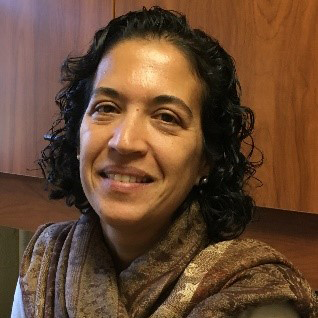
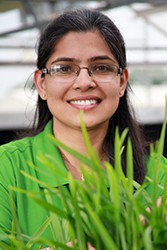
Dr. Ambika Chandra is Professor and Assistant Director of Texas A&M AgriLife Research & Extension in Dallas, specializing in turfgrass genetics and breeding. Her research adopts a holistic systems approach to cultivar development for home lawns, athletic fields, and golf courses, integrating molecular genetics, physiology, entomology, pathology, and socio-economics. Her research focuses on developing high-throughput phenotyping methods for evaluating biotic and abiotic stress tolerances in breeding populations. She has established interdisciplinary collaborations across turfgrass science domains to enhance sustainable turf production. Recent publications demonstrate advancements in drought resistance, salinity tolerance, and sustainable turf management, with field trials spanning multiple U.S. regions. Her work emphasizes genetic improvements for environmental resilience and reduced resource inputs. Her grants include projects on water-efficient turfgrasses and multi-state cultivar development initiatives. Dr. Chandra contributes to graduate education, training future plant breeders and turfgrass professionals.
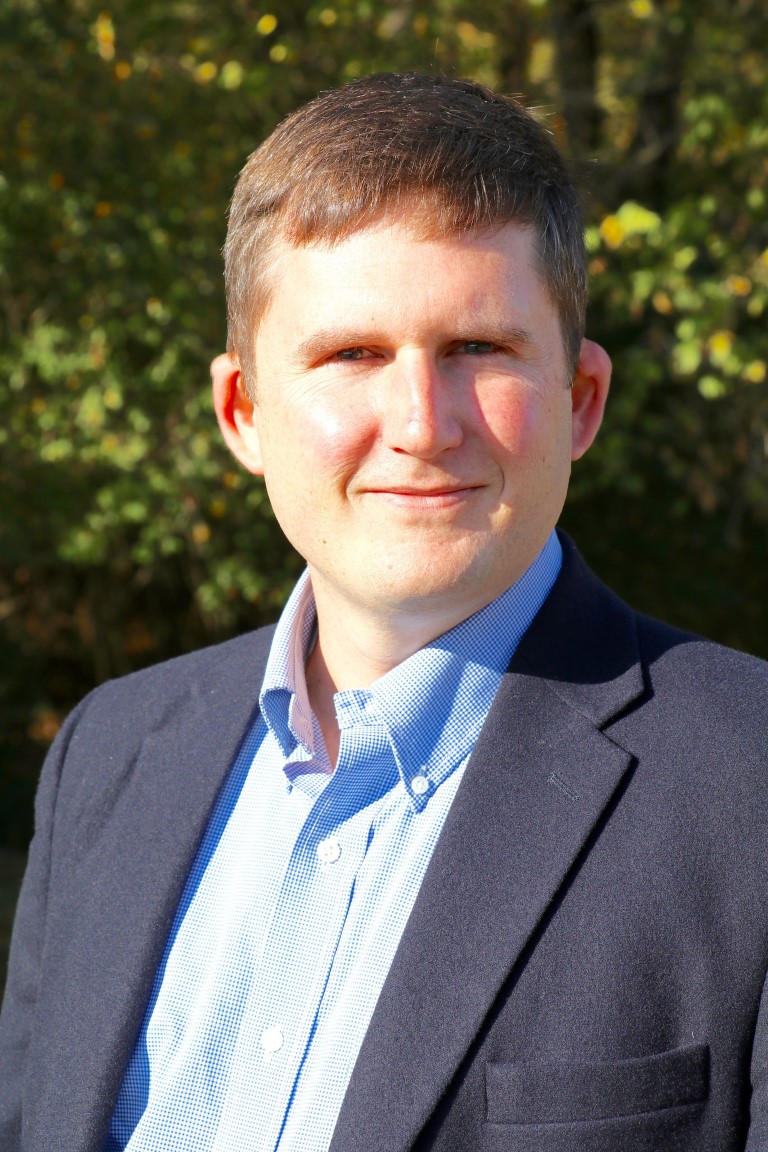
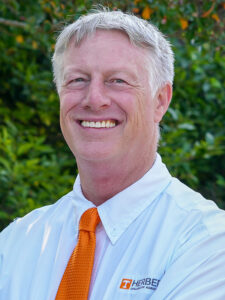
John Clinton Stier serves as the Associate Dean for academic programs at the Herbert College of Agriculture, University of Tennessee. His responsibilities include leadership for advising, communications, employer relations, career development, enrollment, and student life and success, with oversight of undergraduate and graduate curriculum and assessments. He also maintains expertise in turfgrass science with a specialization in sports turf and environmental issues including pesticides, water quality, invasive species and carbon sequestration. Dr. Stier earned his Doctorate in Soil Science and Agronomy from Michigan State University in 1997, an MS in Plant Pathology from Ohio State University in 1991, and a BS in Agriculture from Ohio State University in 1988. His academic journey has led him from faculty positions at the University of Wisconsin-Madison, where he served as department chair, to his current administrative role at the University of Tennessee. An expert in turfgrass science, Dr. Stier's current research focuses on the FIFA World Cup 26 enclosed environments, LED lighting and player-to-surface interactions. His broader research examines environmental impacts and ecology of turfgrasses for lawns, roadsides, golf and sports turf, with areas of work including water use, carbon cycling, nutrient and pesticide movement, reduced maintenance, weed control, and invasiveness. His scholarly work shows a strong focus on sustainable turfgrass management, with recent publications addressing light optimization in indoor stadiums, economic analysis of turf maintenance, water conservation, carbon sequestration, and the environmental impacts of turf systems. Dr. Stier's administrative service includes chairing the Tenure, Promotion, and Performance Review Committee for the University of Tennessee Institute of Agriculture, participating in SACS accreditation, space and classroom upgrades, and UTIA-UTK collaborations. Externally, he serves on the APLU Board for Agriculture Assembly, chairs the C-5 Crop Science Society division, and chairs the Environmental Quality Section of the American Society of Agronomy. He has also developed international MOUs and administered study abroad programs. As an educator, Dr. Stier teaches AGNR 480 'How to Feed the World,' PLSC 250 'World Food & Fiber Crops,' and co-teaches PLSC 456/556 'Turfgrass Weed Science' with Dr. Brosnan. His outreach efforts include Integrated Pest Management for K-12 schools, radio and mass media interviews, popular press and industry journals and webinars, and co-founding of the Wisconsin Sports Turf Managers Association.
Dr. Kimberly Moore is an Associate Center Director and Professor in the Environmental Horticulture department at the University of Florida's Fort Lauderdale Research and Education Center. Her work focuses on sustainable nutrient management, alternative growing substrates, and plant responses to saline irrigation water. She collaborates with researchers and industry leaders to evaluate bedding plants and rose cultivars in trial gardens, emphasizing resource conservation and environmental stewardship. Role: Associate Center Director and Professor Institution: University of Florida (Fort Lauderdale Research and Education Center) Department: Environmental Horticulture Research Interests Dr. Moore's research explores: Alternative substrates for peat replacement Plant responses to reclaimed wastewater and saltwater intrusion Surfactant applications for deficit irrigation Sustainable ornamental production systems Hydrophobic soil management Salinity stress mitigation in greenhouses Scientific Awards 2021 Award Recipient's Breakfast (By Invitation Only) Affiliation and Lab She leads the Trial Garden Lab at the Fort Lauderdale Research and Education Center, collaborating with industry partners to assess plant performance under environmental stressors. Her extension programs include advanced water management initiatives for Master Gardener Volunteers and educational resources on irrigation water analysis.
Lawrence E. Datnoff is Professor and Head of the Department of Plant Pathology and Crop Physiology at Louisiana State University's College of Agriculture. His research focuses on mineral nutrition and plant disease interactions, particularly silicon-mediated disease resistance. Education: PhD in Plant Pathology, University of Illinois (1985) MS in Plant Pathology, Virginia Polytechnic Institute and State University (1981) BS in Horticulture and Plant Pathology, University of Georgia (1976) Dr. Datnoff investigates silicon's role in suppressing soilborne and foliar diseases of rice, turf, and vegetables. His work explores interactions between silicon and fungicides, host resistance enhancement, and mechanisms of silicon-mediated disease resistance against pathogens like Magnaporthe grisea (rice blast) and Colletotrichum species. Recent publications (2007-2023) demonstrate silicon applications across diverse crops including hemp, turfgrass, citrus, and ornamentals. Research trends include sustainable disease management, soil silicon dynamics, and global implementation of nutritional disease control strategies. Dr. Datnoff teaches Fundamentals of Plant Pathology, training graduate students in pathogen biology, disease diagnosis, and management principles. He has supervised 8 PhD, 5 MS, and 3 Doctor of Plant Medicine students while hosting international research scholars.
Paul Voroney is a Professor at the University of Guelph, Department of Earth and Atmospheric Sciences. His research focuses on soil biology, biochemistry, and biogeochemical cycling of carbon, nitrogen, and phosphorus. He leads studies on soil management practices, organic waste utilization, and their impacts on soil fertility and organic matter dynamics. Voroney’s work employs advanced techniques like isotope tracing (¹³C, ¹⁴C, ¹⁵N) and has contributed to patented waste management solutions for industries. Education: B.Sc., University of Calgary M.Sc. and Ph.D., University of Saskatchewan Research Interests: Soil organic matter decomposition and stabilization Soil phosphorus availability and cycling Agroecosystem management and carbon sequestration Bioremediation of industrial wastes Impact of land-use changes on soil health Publications Trends 2020–2025: Recent work emphasizes soil carbon modeling, hyperspectral imaging for soil analysis, and the role of aromatic compounds in SOM stability. Key themes include perennial biomass crops for carbon sequestration, riparian buffers for phosphorus retention, and biochar applications in tropical agriculture. Labs and Facilities: Conducts experiments in Alexander Hall Lab (Room 217), focusing on soil microbial ecology and advanced spectroscopic techniques. Collaborates with industry on waste management innovations.
Joanna Endter-Wada serves as Professor of Natural Resource Policy and Social Science in the Department of Environment and Society at Utah State University. She leads the WaterMAPS™ program and co-directs the National Environmental Policy Act (NEPA) Graduate Certificate Program, focusing on interdisciplinary approaches to natural resource governance and human-environment interactions in arid regions. Her educational foundation includes: PhD in Social Ecology from University of California at Irvine MS in Planning from University of California at Irvine Dr. Endter-Wada's research examines water policy frameworks and human dimensions of natural resource use through multiple lenses: Great Salt Lake ecosystem management and policy development Urban landscape water conservation strategies and behavioral drivers Human adaptation to drought and climate change impacts Wetland protection mechanisms in water-scarce environments Social-ecological system interactions in arid landscapes Analysis of her recent publications (2020-2025) reveals intensifying focus on Great Salt Lake policy documentation for legislative action (2023-2025), integration of land-water planning for community health, and innovative water management strategies like banking systems. Her work consistently bridges social science methodologies with practical water conservation applications in western U.S. contexts. No specific scientific awards are documented in the provided materials. Dr. Endter-Wada mentors students through the NEPA Graduate Certificate Program while directing interdisciplinary research initiatives. Her WaterMAPS™ program develops analytical tools for municipal water use assessment, and she co-directs federal policy training that prepares students for environmental regulatory careers. Current projects address water security challenges through stakeholder-engaged approaches across Utah's diverse landscapes. She directs the WaterMAPS™ program which creates software for urban water management analysis and co-directs the NEPA Graduate Certificate Program that trains future environmental policy professionals. These initiatives operate within Utah State University's broader ecosystem of water research centers focused on arid region sustainability.
Benjamin Campbell serves as Professor & Extension Coordinator in the Agricultural & Applied Economics department at the University of Georgia's College of Agricultural & Environmental Sciences. His dual appointment combines 60% extension coordination with 40% teaching responsibilities, focusing on translating research into practical industry applications. Based at 208B Conner Hall in Athens, GA, he maintains active engagement with both academic and horticultural industry stakeholders through his extension role. His educational background includes a Ph.D. from Texas A&M University (2009), M.S. (2003), and B.S. (2001) from Auburn University. Campbell teaches AAEC 3200 (Selling in Agribusiness) and AAEC 4980 (Agribusiness Management), emphasizing practical business applications in agricultural contexts. Research interests center on consumer behavior in horticultural markets , with particular expertise in ornamental plant purchasing, labeling effects, and regulatory impacts. His work bridges economic theory and industry practice, frequently employing experimental methods like eye-tracking and contingent valuation. Recent projects address hemp/CBD consumer perceptions, pandemic-era industry adaptations, and long-term pesticide regulation consequences. Publication analysis reveals consistent focus on market segmentation , regulatory compliance , and consumer response to labeling across horticultural sectors. His 2023-2025 articles demonstrate methodological diversity (experimental auctions, conjoint analysis, eye-tracking) applied to emerging challenges like hemp product confusion and synthetic turf transitions following pesticide bans. The research portfolio shows strong continuity from foundational work on local food definitions to current investigations of novel plant products. As Extension Coordinator, Campbell oversees outreach programming connecting UGA research with industry stakeholders. His extension interests specifically target ornamental horticulture and agribusiness sectors, developing resources on market trends and regulatory compliance. While no formal grants are listed in the source material, his appointment structure suggests significant programmatic funding through extension mechanisms. Teaching responsibilities include developing curriculum for agribusiness sales and management courses.
David Jespersen is an Associate Professor in the Department of Crop & Soil Sciences at the University of Georgia's College of Agricultural & Environmental Sciences. Contact: Email: djesper@uga.edu Phone: 770-228-7357 Location: Turfgrass Research and Education Center 216A, Griffin, GA 30223 Research interests span crop science, soil science, and environmental sustainability. His work focuses on turfgrass systems, including agronomic practices and ecological impacts in managed landscapes.
Briana Wyatt is an Assistant Professor in Soil Physics & Hydrology at Texas A&M University's College of Agriculture & Life Sciences. She leads research on soil moisture dynamics using in-situ/remote sensing data to quantify water balance components. Her work supports sustainable management of soil/water resources. Education: Ph.D. Soil Science - Applied Soil Physics & Hydrology, Oklahoma State University (2019) M.S. Plant and Soil Science, Oklahoma State University (2015) B.S. Environmental Science, Oklahoma State University (2013) Research Focus: Integrates meteorological data, soil moisture monitoring, and remote sensing to analyze evapotranspiration, drainage patterns, and hydrological fluxes across landscapes. Current projects examine soil health impacts on water cycles and develop precision agriculture tools. Awards: Early Career Award (2024) Students: Seyed Ali Azizi Jaiveer Brar Ke Ni Bismark Osei Mingxiu Wang Kathryn Watson Dallas Williams
Megan Kennelly is a Professor and Department Head in the Department of Plant Pathology at Kansas State University. She specializes in diseases of horticultural crops, including turfgrasses, trees, ornamentals, fruits, and vegetables. Her roles encompass research, extension, diagnostics, and collaboration on new zoysiagrass varieties. Education: Ph.D. in Plant Pathology, Cornell University (2005) B.S. in Botany, University of Wisconsin-Madison (1999) Research Focus: Practical disease management strategies for specialty crops, with emphasis on integrated approaches for sustainable agriculture. Collaborative efforts include breeding resistant turfgrass varieties. Extension & Diagnostic Services: Leads educational programs for Kansas' commercial horticulture sectors, providing diagnostic support for plant health issues. Awards & Grants: No specific awards listed, but her work aligns with institutional priorities in agricultural extension and crop science. Labs & Teams: Oversees research programs within the Department of Plant Pathology, coordinating faculty and staff resources.
Erin Hill, Ph.D., is a Weed Science Diagnostician at Michigan State University (MSU) within the Department of Plant, Soil and Microbial Sciences, part of the College of Agriculture & Natural Resources. She holds a B.S. in Plant Biology from the University of Michigan and M.S. and Ph.D. degrees in Horticulture and Crop and Soil Science from MSU. Her role involves diagnosing abiotic plant stress, herbicide-related injury, and herbicide resistance, alongside providing weed control recommendations and collaborating on plant identification initiatives. She also teaches two weed science courses: Introduction to Weed Management (CSS126) and the Weed Science Laboratory (CSS226L), managing the weed identification garden at the Hancock Turfgrass Research Center. Her research focuses on herbicide resistance screening, abiotic stress analysis, and outreach activities related to weed identification and management. Her recent publications emphasize herbicide misuse prevention, regional weed resistance trends, and innovative identification techniques like app-based diagnostics. She has contributed to over 50 counties across Michigan through extension services, addressing diverse agricultural and horticultural challenges. Dr. Hill’s work bridges academic research and practical application, with a strong emphasis on farmer education and sustainable practices. Her articles highlight themes such as herbicide resistance management, invasive species control, and integrated pest management strategies. She is actively involved in MSU Plant & Pest Diagnostics and collaborates with the Turfgrass Program to enhance agricultural and environmental outcomes.
Josh Heitman is the William Neal Reynolds Professor & Alumni Distinguished Graduate Professor in the Department of Crop and Soil Sciences at NC State University's College of Agriculture and Life Sciences. His research focuses on soil physics and hydrology, specifically heat and water transfer dynamics in soils, agricultural efficiency, and urban soil management. He leads the Heitman Environmental Soil Physics Laboratory, emphasizing interdisciplinary approaches combining lab experiments, field studies, and numerical modeling. Education details are not explicitly listed, but his career at NC State involves both teaching and research. Research interests include soil water budgets, ecohydrological processes in drylands, and biocrust influences on soil properties. Recent publications highlight innovations in thermal conductivity-based soil analysis, compost applications for stormwater management, and biocrust dynamics. He actively participates in extension programs, contributing to agricultural best practices and environmental sustainability. His work bridges soil science with engineering solutions for urban and agricultural challenges, such as improving soil health and mitigating runoff in post-construction landscapes. Notable collaborations include research on bioenergy crops, soil microbial diversity under terraced agriculture, and pest ecology linked to soil conditions. The laboratory trains graduate students and postdocs, integrating field and lab methodologies to advance soil science applications.
Dr. Jack Fry is a Professor and Extension Specialist in Turfgrass Science at Kansas State University. He holds a 60% research and 40% extension appointment, focusing on reducing inputs for turfgrass. His roles include advising students, authoring publications, and collaborating with organizations like the Golf Course Superintendents Association of America (GCSAA). He oversees events like the Kansas Turfgrass Conference and Field Day and contributes to the K-State Turf Blog and website. Education: Ph.D. Turfgrass Management, Colorado State University (1987) M.S. Agronomy, University of Maryland (1984) B.S. Horticulture, Kansas State University (1982) His research emphasizes drought-resistant, cold-hardy zoysiagrass cultivars (e.g., Chisholm and Innovation), developed with Texas A&M and Purdue University. These grasses reduce water, fertilizer, and pesticide needs in the U.S. transition zone. Dr. Fry advises professional turf managers, organizes industry events, and contributes to extension resources like the Kansas Turfgrass Conference and K-State Turf Blog . He collaborates with U.S. Golf Association-funded projects and maintains active roles in academic and industry networks.
Chris Kucharik is a Professor of Agronomy and Environmental Studies at the University of Wisconsin–Madison College of Agricultural and Life Sciences. He holds affiliate appointments in Atmospheric and Oceanic Sciences, Agroecology, and Limnology and Marine Science. His interdisciplinary research bridges field studies and ecosystem modeling to analyze climate change impacts on agroecosystems, focusing on carbon-water-nutrient cycles, bioenergy sustainability, and climate regulation. Supported by NASA, NSF, USDA, and the Great Lakes Bioenergy Research Center, his work spans the Midwest U.S. and global regions. PhD in Atmospheric Sciences (minor in Soil Science), University of Wisconsin–Madison Key Expertise: Agroecosystems, Agroclimatology, Soil Carbon Sequestration, Ecological Modeling Courses: Environmental Biophysics (Agronomy/Soils/AOS 532), Agroecosystems and Global Change (Agronomy/Agroecology/Environmental Studies 724) His recent publications examine cover crop integration, nitrate dynamics, urban heat islands, and policy implications for agricultural sustainability. Current projects include modeling climate-vegetation interactions, evaluating bioenergy crops, and developing tools for groundwater quality management. Scientific awards include: Badger Bioneer, Sustain Dane (2013) Principal Investigator, NSF Water Sustainability and Climate Project Chris emphasizes systems thinking in teaching, highlighting cross-disciplinary impacts like meteorology-soil-water interactions in agriculture. He advocates case studies of human-nature resource conflicts and quantitative-qualitative synthesis for problem-solving.
Susana Milla-Lewis is a Professor specializing in Turfgrass Breeding & Genetics at North Carolina State University, based in Williams Hall (Room 4114). Her work focuses on developing sustainable turfgrass cultivars requiring reduced inputs while maintaining performance under biotic and environmental stresses. Contact: susana_milla-lewis@ncsu.edu . Her research integrates conventional breeding with advanced genomic technologies. Key interests include germplasm characterization, breeding for cold tolerance in warm-season grasses, heat/drought tolerance in tall fescue, pest resistance, mutation breeding, and high-throughput phenotyping. She utilizes QTL mapping, GWAS, molecular markers, and tissue culture techniques to link phenotypic traits to DNA polymorphisms for turfgrass improvement. 2025 publications reveal strong emphasis on drought/shade tolerance across multiple species (bermudagrass, zoysiagrass, St. Augustinegrass), with significant use of multi-omics integration, UAV-based phenomics, and genetic mapping to identify candidate genes and resistance mechanisms. Recent work includes seven new cultivar registrations demonstrating practical outcomes of her breeding program. No scientific awards were mentioned in source materials. While lacking formal extension appointment, her program actively engages sod growers, seed companies, and industry stakeholders through outreach. She teaches CS (HS) 211 – Plant Genetics and leads breeding initiatives targeting reduced-input turfgrass solutions. The NC State Turfgrass Breeding & Genetics program under her direction develops cultivars for stress tolerance while generating genomic resources. Current activities span mutation breeding, exotic germplasm utilization, and phenomics-driven trait selection to enhance industry sustainability across warm-season grasses.

-422x272.png)