University of California, Los AngelesUnited States
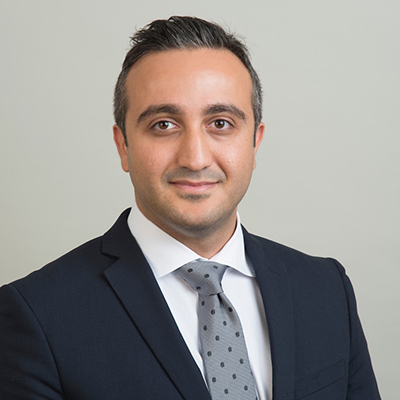
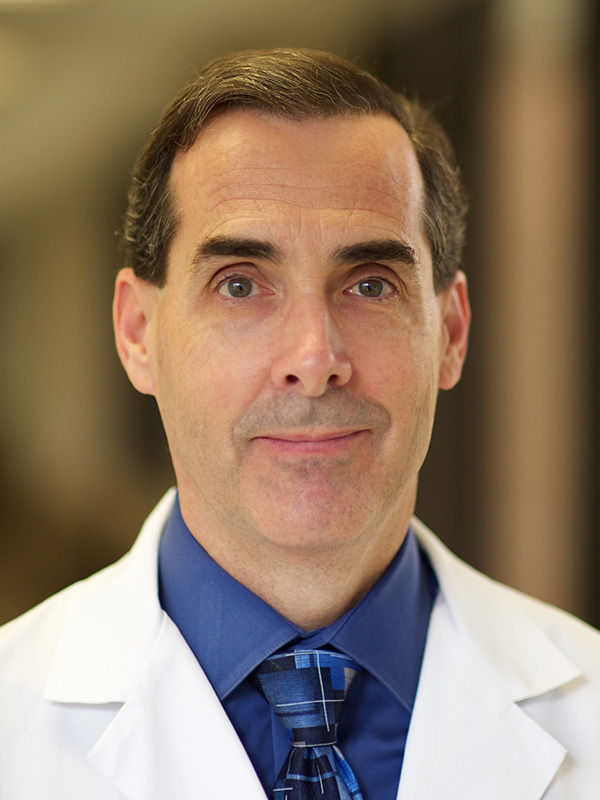
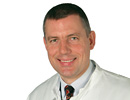
Dr. Aria Fallah, MD, is an Assistant Professor in Neurosurgery at the University of California, Los Angeles (UCLA), with secondary appointments in Health Policy and Management. His research focuses on Evidence-Based Surgery , Clinical Trials , and Meta-Analyses for pediatric epilepsy surgery outcomes, including prognostic tools and comparative effectiveness studies . He actively participates in international collaborations like the CTSI and has published extensively in journals such as Epilepsia , Neurology , and Clinical Neurophysiology . University: University of California, Los Angeles Department: Neurosurgery Email: afallah@mednet.ucla.edu Dr. Fallah’s research integrates machine learning and deep learning to analyze high-frequency oscillations in epilepsy, aiming to refine diagnostic and therapeutic strategies. His recent work includes developing tools like PyHFO for oscillation detection and HOPS calculator for predicting seizure freedom after hemispherectomy. His publications highlight collaborations across institutions in pediatric epilepsy surgery , hemimegalencephaly , and thalamic neuromodulation . While no explicit awards or student advisement are listed, his contributions span clinical trials , neuroimmunology , and global neurosurgery initiatives , including work in Haiti.
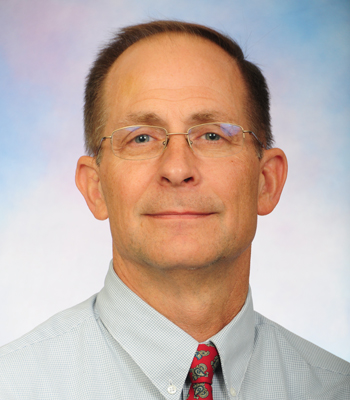
Dr. Jason Webber is a Senior Lecturer in Biomedical Sciences at Swansea University Medical School. He holds an honorary position as a Research Fellow at Cardiff University and is a board member of the UK Society for Extracellular Vesicles. His research focuses on extracellular vesicles (EVs), particularly their role in cancer progression and as biomarkers for aggressive tumors like prostate cancer. He completed his PhD at Cardiff University's Institute of Nephrology in 2009 and received a Prostate Cancer UK Career Development Fellowship (2014–2020). Dr. Webber's expertise includes EV biology, tumor microenvironment dynamics, and translational research. He actively contributes to teaching modules such as 'Genetics of Cancer' and 'Advanced Research Topics in Biomedical Science'. His work spans collaborations with institutions like Erasmus MC and the CIC bioGUNE in Spain. Key grants include funding for projects like 'Extracellular Vesicle Glycoproteins for Prostate Cancer Diagnosis (EVGlyProD)' and investigations into EV roles in bone metastasis and rare diseases like tuberous sclerosis complex. His research highlights EVs' dual role as functional mediators of tumor growth and potential biomarkers. Notable achievements include demonstrating EV-HSPG's role in stromal activation and developing methodologies for EV-based diagnostics. Dr. Webber supervises multiple PhD and MSc students, emphasizing mentorship in EV research and cancer biology.
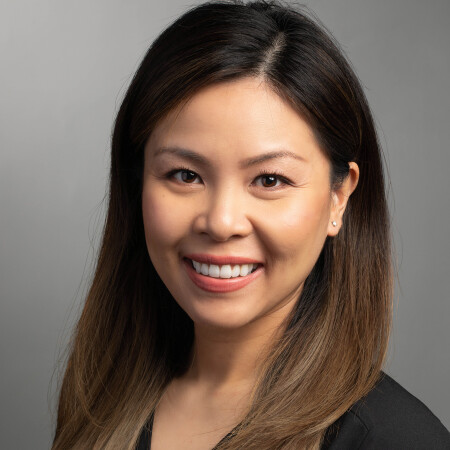
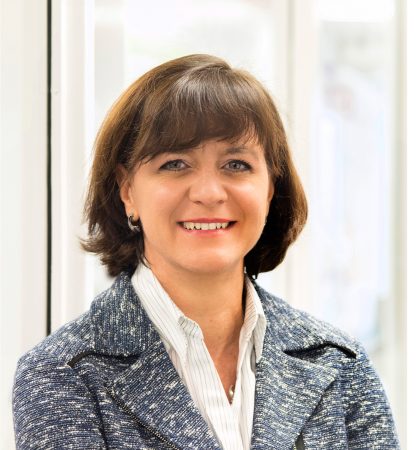
Professor Maria Paola Canevini holds the position of Full Professor of Child Neuropsychiatry and directs the Developmental Neurology - Regional Epilepsy Center at ASST Santi Paolo e Carlo in Milan. Her academic work focuses on epilepsy, neurodevelopmental disorders, and genetic studies in neurological conditions. She graduated in Medicine and Surgery from the University of Milan and specialized in Neurology, with over 300 scientific publications to her name. Her research spans epilepsy therapy optimization (e.g., brivaracetam, cannabidiol), neurogenetic syndromes (Rett syndrome, Tuberous Sclerosis Complex), and sleep neuroscience in neurologic populations. She leads projects on inclusion of people with disabilities and adolescent mental health , addressing transitions to adulthood for patients with ADHD or epilepsy. Collaborative efforts include the BRIVAFIRST epilepsy drug study and CRISIS AFAR pandemic impact analysis. Her work integrates machine learning (e.g., predicting perinatal depression) and innovative wearable technologies for chronic disease monitoring. She has contributed to multinational studies on epilepsy genetics and participates in EU-funded sustainability initiatives (MUSA project).
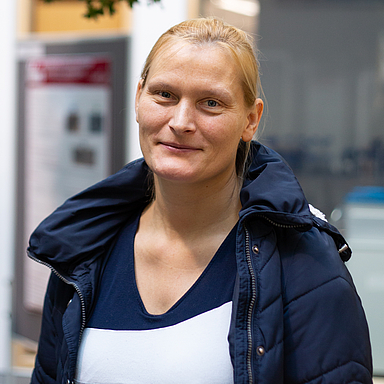
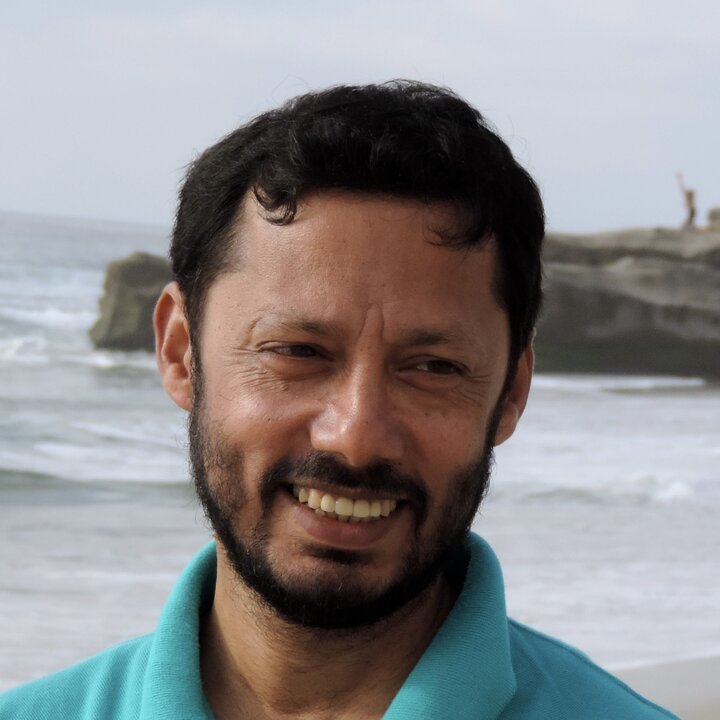
Alan Dombkowski is a Professor of Pediatrics at Wayne State University School of Medicine, specializing in molecular mechanisms of neurological disorders through genomic and bioinformatic approaches. Key research focus: Epileptogenic potential of cortical tubers in Tuberous Sclerosis Complex (TSC) Methods: Next-gen sequencing, microarrays, proteomics, and epigenetic analysis of human brain tissue Current projects funded by federal grants examining microRNA regulation and therapeutic targets in epilepsy Recent publications span: 2024: Cisplatin-induced cochlear synaptic proteomics 2023: Multi-omic biomarkers for prostate cancer aggressiveness 2021: Exosomal miRNA in TSC epilepsy 2018: Neuroinflammatory mechanisms in pediatric epilepsy Collaborations include Harry Chugani (neuroimaging), Diane Chugani (neurochemistry), Eishi Asano (epileptology), and Paul Stemmer (molecular pharmacology).
Lena Nguyen is an Assistant Professor at the University of Texas at Dallas (UTD) within the School of Behavioral and Brain Sciences. Her research focuses on understanding the neurobiological mechanisms of brain development and how molecular signaling pathways contribute to neurodevelopmental disorders and epilepsy. She leads the Neurodevelopmental Disorders and Epilepsy Lab, aiming to advance treatments for conditions like tuberous sclerosis complex and focal cortical dysplasia. Nguyen holds a B.S. in Biology (University of Houston, 2009), a Ph.D. in Neuroscience (Baylor College of Medicine, 2016), and completed postdoctoral training in Neurosurgery and Cellular & Molecular Physiology at Yale University School of Medicine (2022). Her work integrates molecular biology, animal models, and translational approaches to study mTOR signaling pathways and their role in epilepsy pathogenesis. Key research interests include cortical neuron development, molecular mechanisms of epilepsy, and translational control. Her studies investigate how dysregulation of pathways like mTORC1 and 4E-BP1 leads to neuronal dysfunction and seizures, with a focus on developing therapeutic strategies. Recent work highlights the potential of targeting MEK-ERK signaling and HCN4 channels in epilepsy treatment. Nguyen has received prestigious awards including the American Epilepsy Society Fellows Program (2019), the Epilepsia Basic Science Prize (2016), and the Grass Foundation Young Investigator Award (2014). Her funding includes grants from the TSC Alliance, NIH-NICHD, and the Yale Swebilius Foundation, supporting projects on translational control mechanisms, gene therapy, and developmental epilepsy. Her lab actively explores novel therapeutic targets and employs cutting-edge techniques such as in utero electroporation and translating ribosome affinity purification to study age-dependent gene expression in cortical neurons. Ongoing projects aim to bridge basic research with clinical applications, focusing on improving outcomes for patients with neurodevelopmental and epileptic disorders.
Susanne Gerber is a Professor at iDNA and Adjunct Director at the Institute of Molecular Biology (IMB), Johannes Gutenberg University Mainz (JGU), affiliated with the Faculty of Biology's Bioinformatics department. Her academic journey includes an Assistant Professorship in Bioinformatics at JGU (2015-2020) and postdoctoral research at Università della Svizzera italiana. Her educational background comprises a PhD in Biophysics from Humboldt University of Berlin (2011), an M.Sc. in Bioinformatics from Free University of Berlin and Konrad Zuse Institute (2007), and a B.Sc. in Bioinformatics from Free University of Berlin and Max Planck Institute (2004). Dr. Gerber's research spans Bioinformatics, Computational Genomics, Systems Biology, Molecular Evolution, and Neuroinformatics , focusing on developing computational frameworks for genomic analysis, neurodegenerative disease modeling, and microbiome interactions. Her work integrates machine learning with multi-omics data to address complex biological questions in molecular evolution and neural systems. Analysis of her 15 most recent publications (2024-2025) reveals a strong emphasis on nanopore sequencing applications for RNA modification detection, deep learning frameworks for genomic data enhancement, and neurobehavioral modeling using AI-driven approaches. Key thematic clusters include epitranscriptomics, chromatin dynamics, and computational psychiatry with ethical AI considerations. Her methodological innovations include tools like COMET for network analysis, CCUT for chromatin data enhancement, and ModiDeC for RNA modification classification, demonstrating translational impact across genomics and neuroscience. Dr. Gerber leads research groups at IMB and iDNA focusing on computational genomics, advising students in bioinformatics and securing grants for AI-driven genomic analysis. Her labs develop open-source tools for nanopore data processing and neuroimaging analysis, fostering collaboration between computational and experimental biologists.
Uniformed Services University of the Health SciencesUnited States
Dr. Thomas N Darling serves as Professor and Chair of Dermatology at Uniformed Services University of the Health Sciences (USUHS) School of Medicine, with secondary appointments in Anatomy/Physiology/Genetics and Molecular/Cell Biology. His 25-year career at USUHS spans roles from Assistant Professor (1999) to current Department Chair (2014-present), following clinical training at Duke University and NIH. His educational background includes: B.S. in Biology, Houghton College (1979-1983) M.D.-Ph.D., Duke University (1983-1990) Medicine Internship, UNC Hospitals (1990-1991) Dermatology Residency, Duke University Medical Center (1991-1994) Clinical Fellow, NIH Dermatology Branch (1994-1998) Dr. Darling's research focuses on the genetic mechanisms of skin tumors in tuberous sclerosis complex (TSC), with expertise in somatic mutations, PI3K-AKT1 pathway disorders, and skin regeneration. His work bridges clinical dermatology and molecular genetics to develop targeted therapies for genodermatoses. Analysis of his 2014-2023 publications reveals consistent focus on TSC pathogenesis, with increasing emphasis on next-generation sequencing diagnostics and mTOR inhibitor therapeutics. His research demonstrates strong NIH collaboration and clinical translation from genetic discovery to treatment protocols. His scientific awards include: James Leonard Award for Clinical Research Excellence (2009) NHGRI GREAT Award for Proteus syndrome discovery (2012) NHGRI GREAT Award for PI3K-AKT1 pathway disorders (2013) NHLBI Orloff Science Award for LAM/TSC tumor cell research (2016) Dr. Darling leads USUHS dermatology research through collaborations with NHGRI and NHLBI, contributing to international TSC consensus guidelines. His work integrates military medical priorities with cutting-edge genomic dermatology, though specific lab structures aren't detailed in available materials. No information on student advising or grant funding is provided in the source materials.
Uniformed Services University of the Health SciencesUnited States
Dr. David T. Hsieh serves as Professor and Vice Chair of Education in the Department of Neurology at the Uniformed Services University of the Health Sciences (USU) School of Medicine. Board-certified in Pediatrics, Child Neurology, Clinical Neurophysiology, and Epilepsy, he provides clinical care at Walter Reed National Military Medical Center and maintains active military medical affiliations. His academic training includes: M.D. from Uniformed Services University (2001) Pediatrics Residency at David Grant USAF Medical Center (2004) Pediatric Neurology Fellowship at Children's National Medical Center (2008) Pediatric Epilepsy and Clinical Neurophysiology Fellowship at Massachusetts General Hospital (2012) Dr. Hsieh's research centers on pediatric epilepsy with specialized focus on tuberous sclerosis complex, epileptic spasms in infancy, and ketogenic diet therapies. His work addresses seizure management in developmental disabilities and genetic epilepsy syndromes like Dravet syndrome, emphasizing clinical translation for military and civilian pediatric populations. Analysis of his 2010-2022 publications reveals consistent contributions to understanding genetic epilepsy mechanisms, status epilepticus management, and neuroimaging in infantile seizures. His military medicine perspective informs research on resource-limited care delivery, as demonstrated by his deployment aboard USNS Comfort during Continuing Promise 2009. Following a distinguished 23-year Air Force career culminating as Colonel and Chief of Physician Education at Air Force Personnel Center, Dr. Hsieh retired from active duty in 2024 while continuing his academic leadership at USU. His service includes roles as Air Force Pediatric Consultant and Medical Staff Chief at Yokota AB, Japan, integrating operational medicine with neurology expertise.
Daniel Kümmel is University Professor of Biochemistry at the University of Münster , Germany. He heads the Kümmel Group within the Institute of Biochemistry and is an active member of the Cells in Motion Cluster of Excellence, where he contributes to the graduate program CiM-IMPRS. Research Interests span membrane trafficking and signal transduction, with particular emphasis on the regulatory protein complexes of small GTPases. His laboratory combines structural biology—using X-ray crystallography and cryo-electron microscopy—with protein engineering and inhibitor design to elucidate how membrane targeting and vesicular transport are controlled at the molecular level. Recent work has produced the first 3-D structures of key regulatory assemblies such as the Mon1-Ccz1 complex, revealing how Rab7/Ypt7 GTPases are activated on late endosomes and how the TSC complex senses lysosomal lipid signals to regulate mTORC1. Scientific Awards & Honors: Although no specific prizes are listed in the provided text, Prof. Kümmel’s sustained publication record in high-impact journals (PNAS, Nature Communications, Molecular Cell, Structure, Angewandte Chemie) attests to significant recognition by the scientific community. Advising & Funding: He mentors doctoral researchers within the CiM-IMPRS graduate program and participates in collaborative projects funded by the Multiscale Imaging Centre and the Cells in Motion Cluster of Excellence. Laboratory & Collaborations: The Kümmel Group operates state-of-the-art facilities for protein crystallization, cryo-EM, and biochemical reconstitution, collaborating closely with groups led by Christian Ungermann, Stefan Raunser, and Andrea Rentmeister to integrate structural, cell-biological, and chemical-biological approaches.
Indranil Mukhopadhyay serves as a Professor in the Department of Statistics at the University of Nebraska-Lincoln, where he conducts cutting-edge research at the intersection of statistics, genomics, and public health. His work bridges theoretical statistical methodology with urgent real-world health challenges, particularly in infectious disease modeling and genomic data analysis. His primary research interests encompass biostatistical methodology development for multi-omics integration, epidemiological modeling of infectious diseases (notably HIV/AIDS and COVID-19), and statistical genetics for complex trait analysis. He has pioneered robust computational frameworks for handling high-dimensional biological data, with emphasis on isoform quantification, gene expression clustering, and genetic association studies in diverse populations. Analysis of his recent publications reveals a strong trajectory toward public health applications , where statistical models directly inform pandemic response strategies and disease control policies. His work consistently demonstrates innovation in adapting mathematical frameworks (e.g., critical community size theory) to contemporary health crises, while maintaining rigorous methodological foundations in sequential estimation and robust statistics. No scientific awards were documented in the provided materials. Information regarding student advising, research grants, or laboratory infrastructure was not available in the source text. His publication record suggests active collaboration with medical researchers, particularly in studies involving Indian population cohorts and rare genetic disorders. No details about specific research laboratories or collaborative teams were provided in the available documentation.
Nathalie Arbour is a Full Professor in the Department of Neuroscience at the University of Montreal and an accredited professor in the Department of Microbiology, Infectious Diseases, and Immunology. She holds the Claude-Bertrand Chair in Neurosurgery and is affiliated with the Centre de Recherche du Centre Hospitalier de l'Université de Montréal (CRCHUM). Her research focuses on neuroimmunology, particularly the interactions between the immune system and the central nervous system (CNS), with a focus on T lymphocytes in multiple sclerosis (MS) pathogenesis. She has published over 56 articles and secured grants from agencies like the MS Society of Canada, CIHR, and NSERC. Affiliations: University of Montreal (Faculty of Medicine, Department of Neuroscience) CRCHUM (Neurosciences Axis Lead) CHUM (Centre Hospitalier de l'Université de Montréal) Research Interests: Elucidating T cell mechanisms in autoimmune CNS diseases, cytokine modulation of immune responses, and neural cell interactions. Key projects include studying IL-15 and IL-27 in MS progression, and evaluating cannabinoids for symptom relief. Grants & Awards: - Claude-Bertrand Chair in Neurosurgery (2019–2024) - Multiple grants from IRSC, NSERC, and MS Society of Canada Teaching & Mentorship: Supervised over 20 graduate students and teaches immunology and neurosciences courses. Involved in training programs like the CIHR Integrated Training Program in Neuroinflammation. Labs/Teams: Leads a lab at CRCHUM (office R09.464, lab R09.326) focusing on neuroimmunology. Collaborates on projects like the CANSEP trial evaluating cannabinoid efficacy in MS.
Dr. Deborah K. VanderVeen serves as Professor of Ophthalmology at Harvard Medical School and practices at Boston Children's Hospital, where she directs both the Pediatric Cataract Service and Retinopathy of Prematurity Service. With clinical expertise spanning pediatric cataract surgery, retinopathy of prematurity, childhood glaucoma, and strabismus management, she provides comprehensive care across multiple locations including Boston and Waltham. Her educational background includes: Undergraduate studies at Kansas State University (1985) Medical degree from University of Kansas Medical Center (1993) Internship at University of Kansas Medical Center (1994) Residency at Boston University Medical School (1997) Fellowship at Boston Children's Hospital (1998) Dr. VanderVeen specializes in complex pediatric eye conditions including cortical visual impairment, ocular manifestations of genetic disorders (Marfan syndrome, neurofibromatosis, tuberous sclerosis), and pediatric glaucoma. Board-certified by the American Board of Ophthalmology, she provides care in both English and Spanish, serving a diverse patient population with conditions ranging from blocked tear ducts to severe retinopathy of prematurity. Her extensive publication record demonstrates a strong focus on developing evidence-based approaches for pediatric eye care, particularly in retinopathy of prematurity screening algorithms (FIRST-ROP, TWO-ROP), pediatric cataract outcomes through the Toddler Aphakia and Pseudophakia Study, and childhood glaucoma management. Recent work explores innovative applications of artificial intelligence for patient education and examines how socioeconomic factors influence visual outcomes in children. As Director of specialized clinical services at Boston Children's Hospital, Dr. VanderVeen leads teams dedicated to advancing care for children with complex eye conditions. Her work with national registries and contribution to American Academy of Ophthalmology guidelines demonstrates her leadership in shaping best practices for pediatric ophthalmology.
Prof. Dr. Florian Heinen is a faculty member at the Ludwig-Maximilians-University Munich (LMU), affiliated with the School of Medicine and the Department of Pediatrics. He serves as the Manager of the Integrated Social Pediatric Center (iSPZ-LMU) at the Dr. von Hauner Children's Hospital, focusing on social pedagogy, pediatric neurology, and developmental neurology. His work addresses chronic illnesses, neurogenomics (e.g., Pediatric Neurogenomik, Tuberous Sclerosis), and specialized pediatric care, including epilepsy, migraines, neuroimmunology, and aerodigestive anomalies. He leads interdisciplinary teams at one of Germany's leading university children's hospitals and collaborates with the Bavarian Association for Physically and Multiply Disabled People. Contact details include phone numbers (+49 (0)89 / 4400-57851 or -52881) and email (florian.heinen@med.uni-muenchen.de). The iSPZ Hauner provides holistic care for children with complex medical and developmental needs, emphasizing individualized approaches and parental involvement.
Dr. Philippe Major is a Clinical Associate Professor at the Faculty of Medicine at the University of Montreal, affiliated with the Department of Pediatrics and Department of Neuroscience . He is a practicing pediatric neurologist and director of the University of Montreal's Pediatric Neurology Residency Program since 2012.
Dr. Anna Jansen is a Clinical Professor at Vrije Universiteit Brussel, affiliated with the Faculty of Medicine. She serves as an External employee in both Public Health Sciences and the Department of Genetics Reproduction and Development, with a specialized focus on the Mental Health and Wellbeing research group. Her research spans neurology, genetics, and developmental disorders, with a particular emphasis on malformations of cortical development and their associated neurological conditions. Dr. Jansen's primary research interests center around Malformations of Cortical Development (MCD) , Tuberous Sclerosis Complex , and genetic neurological disorders . Her work investigates the genetic basis of brain malformations, particularly conditions like lissencephaly, polymicrogyria, and tuberous sclerosis. She has made significant contributions to understanding the relationship between specific gene mutations (such as ARX and SUFU) and neurological phenotypes. Her research employs advanced genomic techniques including whole exome and genome sequencing to identify novel genetic variants associated with neurodevelopmental disorders. Analysis of Dr. Jansen's recent publication record reveals a strong focus on translating genetic discoveries into clinical applications. Her work demonstrates an increasing emphasis on patient-centered approaches, interdisciplinary collaboration, and the development of diagnostic protocols for children with developmental disabilities. There's a clear trajectory toward integrating artificial intelligence with clinical neurology, as evidenced by her involvement in multiple AI-focused research projects. Her publications consistently address the intersection of genetics, neurology, and clinical care, with particular attention to improving diagnostic pathways and therapeutic interventions. Dr. Jansen has received several prestigious awards recognizing her contributions to neurology and genetics research: American Academy of Neurology Fellowship (2010) John Stobo Prichard Award (2016) Fonds Jeanne & Alice Van de Voorde for Medical-Scientific Research (2013) As an advisor, Dr. Jansen has supervised or served on committees for 23 master's theses, focusing on topics related to pediatric neurology, developmental disorders, and public health. Her grant portfolio includes 17 major research projects totaling approximately 5 million euros in funding. Notable projects include "TANDem 2: Closing the Gap to Interventions for TAND" (2024-2027), "IOF GEAR: Artificial Intelligence from bench to bedside in neurology" (2022-2026), and "What brain malformations can teach us" (2020-2025). These projects involve interdisciplinary collaborations with institutions across Europe and focus on translating basic research into clinical applications. Dr. Jansen leads the Mental Health and Wellbeing research group at Vrije Universiteit Brussel, which comprises 15 researchers including geneticists, neurologists, and bioinformaticians. Her team collaborates extensively with the University Hospitals Leuven and other European institutions through multiple EU-funded initiatives. The group maintains strong partnerships with patient advocacy organizations, particularly those focused on tuberous sclerosis and cortical malformation disorders, ensuring that research priorities align with patient needs.