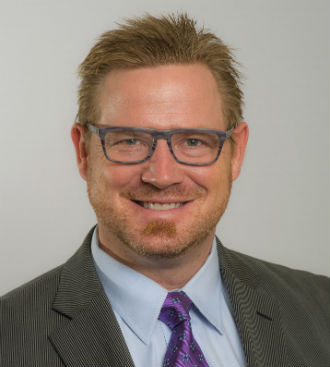
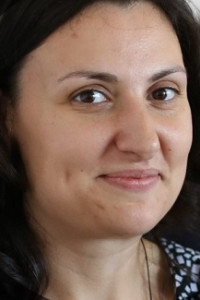
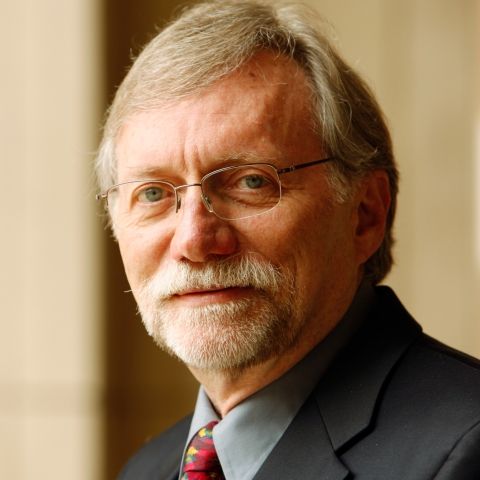
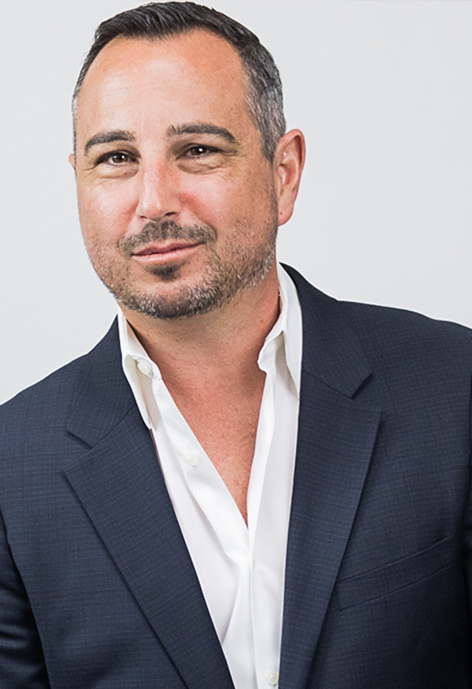
Alessandra Camplani is an Assistant Professor at the Niels Bohr Institute, University of Copenhagen, specializing in Experimental Particle Physics. She is actively involved with the ATLAS collaboration at CERN's Large Hadron Collider, contributing to cutting-edge research in high energy physics. Her research focuses on: High Energy Physics and Particle Physics Higgs Boson properties and measurements Searches for physics beyond the Standard Model Heavy ion collision physics Advanced statistical methods for particle physics data analysis Dr. Camplani's work demonstrates expertise in multiple areas of experimental particle physics, with significant contributions to parameter estimation techniques, trigger systems development, and precision measurements of fundamental particles. Her research spans both theoretical implications and technical aspects of detector operation. Her scientific contributions include: 567 research outputs as listed in her publication record Multiple high-impact publications in leading physics journals Active participation in major ATLAS collaboration analyses across different physics topics Dr. Camplani maintains active research collaborations worldwide and contributes to the advancement of particle physics through her work on the ATLAS experiment. She is based at the Niels Bohr Institute in Copenhagen, Denmark, where she continues to push the boundaries of our understanding of fundamental physics.
Jørgen Beck Hansen is an Associate Professor at the Niels Bohr Institute , University of Copenhagen, specializing in Experimental Subatomic Physics . His career spans roles at CERN and NBI, focusing on particle physics detectors, high-energy collisions, and computational methods. Education: Ph.D. in Particle Physics (1996) and M.Sc. in Physics (1993) from the University of Copenhagen. Research interests include two-boson physics at the ATLAS detector, precision measurements within the Standard Model, effective Lagrangian densities, and searches for new physics beyond the Standard Model (e.g., Higgsless theories, extra dimensions). He also works on GRID computing and distributed data analysis. Recent trends in his research involve Higgs boson studies, vectorlike top quarks, photonuclear collisions, and detector trigger optimization. Collaborative efforts with the ATLAS Collaboration and Danish NORDUGRID team highlight his interdisciplinary approach. Scientific awards : Skou Stipend (Assistant Professor) from the Danish Natural Science Council Teaching and supervision include mentoring 5 summer students, 2 Ph.D., 4 Master's, and 10 Bachelor's students. He has contributed to popular science through Danish Cosmic Rays at Schools and public lectures. Labs and teams : Actively involved in the ATLAS Collaboration and the Danish NORDUGRID team for distributed computing infrastructure.
Robert Sherwin is an Associate Professor at Wayne State University School of Medicine, Department of Emergency Medicine, and serves as Director of Clinical Research at Sinai-Grace Hospital. He has held leadership roles such as Assistant Residency Program Director and Co-Director of Resident Research, with a focus on critical care and sepsis management in emergency settings. Education: MD from Wayne State University (1998), BS in Biology from University of Michigan (1994) Specialty: Emergency Medicine, Critical Care, Sepsis, Hyperbaric Oxygen Therapy His research interests span emergency critical care , sepsis treatment protocols , hyperbaric medicine , and clinical research methodology . Recent work emphasizes biomarker utility , resuscitation practices , and urban healthcare challenges , including vaccination behavior studies and systemic gas embolism treatment. Recognized with multiple scientific awards , including the National Teaching Award (2009) College Teaching Award (2012) Fellowships in ACEP and AAEM Top Gun Awards for academic excellence in residency , he has also led course development for medical students and residents, such as the ED-Critical Care Elective and Intro to Clinical Research in Emergency Medicine honors course.
Cristina Stângaciu is a Lecturer at the Department of Computer and Information Technology, Politehnica University of Timisoara. Her research focuses on embedded systems, real-time systems, IoT, and energy-efficient computing. She has contributed to mixed criticality task scheduling and wireless sensor networks. PhD in Real-Time Systems (2015) Scientific Secretary of Department Involvement in projects: Bright Cityscapes - Synthia, CloudPUTing, TEEFIOS Her research interests span real-time task scheduling, embedded operating systems, and smart sensing systems. Recent work explores IoT security and multicore scheduling techniques. Key article trends include real-time scheduling frameworks, IoT protocol optimization, and energy-efficient embedded systems. Topics like lightweight cryptography and CAN FD improvements are prominent in her 2024-2025 publications. Merit Diplomas (2021, 2022) Merit Awards 2025 As advisor to PhD students, she contributes to advancements in real-time systems through grants and collaborative projects like SCMUPT 2025. Her work integrates practical and theoretical aspects of sensor networks and cloud platforms.
Prof. Dr. Andre Franke is a Full Professor of Molecular Medicine at the Christian-Albrechts-University of Kiel (CAU) and Managing Director of the Institute of Clinical Molecular Biology (IKMB). He leads the Genetics and Bioinformatics group and oversees high-throughput facilities at the Centre for Molecular Biosciences. Franke serves as the speaker for the DFG Research Training Group 1743 and the research unit miTarget. Education: Diploma in Biology (2003), Christian-Albrechts-University of Kiel Dr. rer. nat. in Genetics (2006), Christian-Albrechts-University of Kiel His research integrates high-throughput technologies and bioinformatics to investigate genetic and epigenetic mechanisms of chronic inflammatory diseases. Key interests include: Genome-wide association studies (GWAS) for Crohn's disease and ulcerative colitis Host-microbiome interactions and microbial genomics Immunogenetics of psoriasis and autoimmune disorders SARS-CoV-2 genetic susceptibility and COVID-19 severity factors Recent publications (2022-2024) demonstrate a focus on immunopeptidomics, T-cell receptor dynamics, gut microbiome ecology , and inflammatory disease mechanisms . His work frequently combines multi-omics approaches with large-scale clinical cohorts to identify therapeutic targets. Scientific Awards: Thannhauser Prize (2017) - German Society for Digestive and Metabolic Diseases Schleswig-Holstein Excellence Chair (2017) Ludwig-Demling Research Prize (2012) Janssen Prize (2011) Hensel Prize (2008) Franke leads interdisciplinary teams managing genomic data infrastructure, biobanking, and high-throughput sequencing platforms. His collaborations include international consortia like the IBD Genetics Consortium.
Niels Bjørn-Andersen is an External Professor at Copenhagen Business School's Department of Digitalization within the CBS School of Business. His academic career spans five decades with significant contributions to Information Systems research, particularly in socio-technical systems and digital transformation. Recent work focuses on societal impact measurement and maritime informatics. His research interests center on Information Systems with specialization in digital ecosystems, value co-creation, and societal impact assessment. Key areas include: Maritime informatics and container supply chain optimization Open government data sustainability frameworks ERP systems evolution and implementation challenges Socio-technical traditions in Scandinavian IS research Academic impact beyond bibliometric metrics Recent publications show a strategic shift from technical ERP studies toward societal value measurement and maritime digitalization. With 150+ publications including 41 journal articles and 28 conference proceedings, his work demonstrates consistent engagement with real-world digital transformation challenges. Notable contributions include frameworks for PortCDM implementation and societal value measurement methodologies. Media engagement is substantial with 160 press appearances addressing IT failures in Danish public sector systems and e-commerce impacts on retail. Professional activities include AIS Grand Vision Project participation and lectures on Scandinavian socio-technical research origins. His supervised work encompasses 5 academic projects, though specific student names aren't disclosed in available materials. Current research trajectories emphasize sustainable value creation through digital infrastructure and redefining academic impact metrics.
Dr. Thomas G. Blanchard is a Professor in the Department of Pediatrics at the University of Maryland School of Medicine. He serves as the Director of the University of Maryland Brain and Tissue Bank (UMBTB) and has held this position since 2007. His academic journey includes a PhD in Immunology from the University of Massachusetts (1991) and a JD from Case Western Reserve University (2002). Education: University of Massachusetts, B.S., Biology, 1985 University of Massachusetts, Ph.D., Immunology, 1985-1991 Case Western Reserve University, J.D., 2002 Dr. Blanchard specializes in immunology, particularly mucosal immunology, focusing on the host response to Helicobacter pylori (H. pylori) infections. His work has elucidated mechanisms of immune evasion by H. pylori and pioneered vaccine development strategies, including neonatal vaccination and systemic/mucosal delivery. Notably, he has demonstrated the roles of IL-10, Treg cells, dendritic cells, and Th17/Th1 responses in immunity. Recent research explores andrographolide (AGP) in colon cancer therapy, revealing its capacity to induce ER stress, upregulate tumor suppressor genes (PTEN, RASSF1A), and trigger apoptosis. His publications span topics like H. pylori genomics, IRAK-M signaling, and lymphoid follicle formation, reflecting interdisciplinary expertise in immunology, microbiology, and oncology. Leadership Roles: Director, University of Maryland Brain and Tissue Bank (2007–present)
Femke Vossepoel is a Professor of Earth System Simulation at the Delft University of Technology 's Faculty of Civil Engineering & Geosciences. She leads a research group focused on data assimilation in geosciences, integrating observations with dynamic Earth-system models to address challenges in urban heat islands, subsidence, and seismic hazard forecasting. Her interdisciplinary background spans oceanography, petroleum engineering, and climate resilience. Research Focus Earthquake occurrence estimation using advanced filtering algorithms Subsidence due to subsurface fluid extraction Climate resilience applications in urban environments AI-enhanced data assimilation for CO2 storage optimization Her work bridges geoscience and computational methods, with key roles in EU's Destination Earth initiative and the UrbanAIR consortium. She received funding from the Dutch Research Council (NWO), Delphi Consortium, and Petrobras for her innovative projects.
John T. Monahan is a distinguished Professor at the University of Virginia School of Law, specializing in psychology and law. He is a member of both the National Academy of Medicine and the American Academy of Arts and Sciences, and has received notable awards including the Manfred Guttmacher Award for outstanding research in law and psychiatry. Monahan has authored or edited 17 books and over 300 articles, with work cited over 40,000 times, including by the U.S. Supreme Court. His career includes founding the American Psychological Association’s Division of Psychology and Law and directing two MacArthur Foundation research networks. Current Affiliation: University of Virginia School of Law Visiting Roles: Harvard/NYU Law Schools, American Academy in Rome, All Souls College Oxford Research Focus: Violence risk assessment, mental disorder-crime links, legal admissibility of psychological evidence, and forensic psychiatry. His work bridges clinical practice with actuarial methods, examining racial bias, age factors, and neuroscientific contributions to risk models. Scientific Awards: Manfred Guttmacher Award (2 books) Guggenheim Fellowship Stanford Center for Advanced Study Fellowship National Academy of Medicine Membership American Academy of Arts and Sciences Membership Monahan’s publications include systematic reviews of risk assessment tools, longitudinal studies of attorney careers, and analyses of pretrial decision-making. His MacArthur studies on violence risk assessment remain foundational in forensic psychiatry and criminal justice reform.
Dr. Felix Gross serves as the Group Leader of the 'Marine Geohazards' working group at the Center for Ocean and Society within Kiel Marine Sciences. He is affiliated with the Marine Geophysics and Hydroacoustics department at Christian-Albrechts-Universität zu Kiel, where he has established himself as a leading researcher in submarine landslide dynamics and coastal hazard assessment. His work integrates field expeditions, advanced imaging techniques, and hazard modeling to understand geological processes at continental margins. Dr. Gross received his academic training at German institutions: Bachelor of Science in Geosciences (2009) from Albert-Ludwigs-Universität Freiburg Master of Science in Marine Geosciences (2012) from Christian-Albrechts-Universität zu Kiel Doctoral degree (2015) from Christian-Albrechts-Universität zu Kiel with thesis on 'Architecture, tectonic control and instability of the submarine continental margin offshore Mount Etna, Italy' His research focuses on coastal hazard assessment, deformation processes at continental margins, and submarine landslide mechanisms. Dr. Gross employs multiple methodologies including marine 2D/3D seismics, sediment echo-sounding, multibeam bathymetry, and UAV/drone technology for mapping coastal areas and shallow waters. His work has significant implications for understanding tsunami generation, volcanic flank collapse, and slope stability in various marine environments worldwide. Analysis of his publication record reveals a consistent focus on submarine landslides across diverse geographical settings including New Zealand's Hikurangi Margin, the Mediterranean Sea, Northwest Africa, and Arctic regions. His research demonstrates an evolution from studying specific landslide complexes to developing broader understanding of triggering mechanisms, including the role of gas hydrates, tectonic activity, and volcanic processes in slope instability. Dr. Gross has participated in numerous research expeditions aboard vessels including RV Maria S. Merian, RV Meteor, RV Poseidon, and others, conducting fieldwork in regions such as Cape Verde, Labrador Sea, Chile/Peru margin, Greece, Italy, New Zealand, Svalbard, Sicily, Thailand, and the Baltic Sea. His collaborative approach is evident through extensive co-authorship with international researchers across multiple disciplines. As Group Leader of the 'Marine Geohazards' working group since February 2019, Dr. Gross directs research on coastal hazard assessment and slope stability mechanisms. Previously, he served as Coordinator for the 'Ocean Disasters' research area (2017-2018) and held PostDoc positions focused on submarine clathrate hydrate imaging and marine geophysics at Kiel University. His extensive field experience includes participation in over 14 research cruises since 2010, demonstrating sustained engagement with marine geological processes in diverse settings worldwide.
Erin R. Kulick is an Assistant Professor in the Department of Epidemiology and Biostatistics at Temple University's College of Public Health . Her research focuses on environmental and social determinants of brain aging, particularly in underserved and minoritized communities. She integrates traditional epidemiologic methods with environmental exposure analysis to study associations between air pollution and neurological outcomes. PhD, Epidemiology, Columbia University MPH, Epidemiology, Drexel University BS, Biology, Villanova University Kulick's research explores the impact of ambient air pollution on stroke, subclinical cerebrovascular disease markers, and cognitive decline trajectories in older adults. Her work also investigates mechanistic pathways—such as inflammatory biomarkers and vascular risk factors—and the joint effects of air pollution with neighborhood sociodemographic characteristics. She teaches graduate-level courses including Spatial Analysis in Public Health , Concepts and Methods in Health Research , and MPH Fieldwork programs. Her lab, the Kulick Lab , operates within the Behavioral and Cancer Epidemiology Research Program and Human Exposure Assessment Lab (HEAL) at Temple University.
Mehrnoosh Faghih serves as an Associate Clinical Professor in the Department of Obstetrics & Gynecology at McMaster University's Faculty of Health Sciences. With an active research profile spanning over 15 years, Dr. Faghih focuses on reproductive medicine, fertility treatments, and clinical embryology, contributing significantly to the field of assisted reproductive technology. Dr. Faghih's research interests center on reproductive medicine , with particular expertise in in vitro fertilization (IVF) outcomes , embryo selection and transfer techniques , fertility preservation , and pregnancy outcomes among various patient populations. Her work addresses critical issues in reproductive healthcare, from optimizing frozen embryo transfer protocols to understanding environmental impacts on fertility treatments. Analysis of Dr. Faghih's recent publications reveals a strong focus on improving clinical outcomes in IVF , with specific attention to embryo quality assessment, blastocyst development timing, and non-invasive embryo selection methods. Her research also extends to societal aspects of fertility , including the challenges faced by female physicians in balancing careers and motherhood, as well as the impact of environmental factors like air pollution on reproductive outcomes. Picked up by 19 news outlets Blogged about by 4 sources Referenced in 1 clinical guideline Featured on 1 Facebook page Discussed by multiple X (Twitter) users Read by numerous researchers on Mendeley Dr. Faghih maintains an active research collaboration network, with primary co-authors including Karnis Megan Freebury and Shilpa Amin, with whom she has published extensively. Her work demonstrates consistent contributions to reproductive medicine literature, with publications appearing regularly in high-impact journals such as Fertility and Sterility, Reproductive BioMedicine Online, and the Journal of Obstetrics and Gynaecology Canada.
Susanne Keesman serves as Programme Director of the Deep Transitions Lab and is part of the Navigating Deep Transitions Flagship Team led by Professor Johan Schot at Utrecht University's Centre for Global Challenges (UGlobe). Her work focuses on global sustainability transitions through an international project team spanning institutions in the Netherlands, United Kingdom, Spain, Austria and Estonia. Her research interests center on transformative investment approaches, systemic innovation, and deep transitions toward sustainability. Keesman specializes in developing frameworks that redirect investment from system optimization toward addressing root causes of unsustainable practices that increase social inequality. Her work bridges historical analysis with contemporary sustainability challenges, connecting institutional frameworks with practical investment strategies. The two most recent publications demonstrate her evolving research trajectory from historical security studies to contemporary sustainability transitions. The 2022 publication establishes principles for transformative investment that trigger multi-dimensional change, while her 2013 historical work examines post-WWII political dynamics in the Netherlands. Keesman has managed significant research projects including MOTION (2019-2021) which developed methodologies for catalyzing transformative change through system innovation, and PROPORTION (2020) which prototyped indicator frameworks for systemic innovation. Within the Transformative Innovation Policy Consortium (TIPC), she served as project manager for MOTION and VINNOVA projects. As an experienced project leader, Keesman brings expertise in research funding, grant proposal writing, and research data management to her role. She has organized academic events including the ERC SECURE Final Conference on 'Cultures of Security in the Nineteenth Century' in 2019.
Dr Rachel Rimmer-Piekarczyk is a Senior Lecturer in Drama and Contemporary Performance at the Manchester School of Theatre, Manchester Metropolitan University. An artist-scholar and core member of the internationally recognized performance group Reckless Sleepers since 2012, she bridges critical theory and artistic practice. Her research centers on agency cultivation through critical reflection in dance training, drawing on Bourdieu and Freire to interrogate embodiment and pedagogical power structures within westernized technique frameworks. Her academic qualifications include: PhD in Dance Studies from Manchester Metropolitan University (2014-2021) MA in Contemporary Arts from Manchester Metropolitan University (2009-2011) BA in Community Arts from Manchester Metropolitan University (2004-2007) Postgraduate Certificate in Academic Practice from Manchester Metropolitan University (2011-2013), earning Advance HE Fellowship Rimmer-Piekarczyk's research investigates how dialogical reflection subverts dominant discourses in dance education to foster performer agency. Her ethnographic-action research examines social conditions within training environments, exploring how critical consciousness develops through praxical pedagogy. She extends this inquiry into contemporary scored performance, analyzing how choreographic scores like Reckless Sleepers' A String Section create structures for emergent agency while destabilizing habitual power dynamics. Her 2023-2024 publications reveal a concentrated focus on doxic agreements and ethical agility in British dance training, demonstrating how reflexive-dialogical approaches disrupt entrenched pedagogical norms. This work increasingly integrates theoretical frameworks with artistic practice, particularly through performance-presentations that materialize embodied knowledge. Her scholarship consistently emphasizes the transformative potential of critical reflection to cultivate 'somatic authority' and ethical responsiveness in dancers. She currently supervises PhD research in contemporary theatre practice, pedagogy, and musical composition while serving as External Examiner for the University of Wolverhampton's Dance and Creative Performance programme. Her academic leadership extends through postgraduate research supervision and curriculum development informed by her dual expertise as practitioner-scholar. As a core Reckless Sleepers member, she contributes to international touring projects as performer, deviser, and facilitator. The company's collaborative process—especially the long-term development of A String Section —functions as a living laboratory for her research, where theoretical concepts about agency and structure are tested and refined through embodied practice.
Mark Paul Leach serves as the Mendicino Family Chair of Sales and Salesmanship and Professor of Marketing within the Department of Management and Marketing at the University of Wyoming's College of Business. With extensive experience in academic leadership and research, he contributes significantly to the institution's R1 research status through his publications in top-tier marketing journals and editorial board service for leading publications including the Journal of Marketing Theory and Practice. Ph.D. from Georgia State University B.S. from the University of Arizona Professor Leach's research program centers on business-to-business marketing and sales, with particular emphasis on buyer-seller relationships, leveraging the sales function to manage profitable customer relationships, and effective sales training methodologies. His work bridges theoretical frameworks with practical sales applications, addressing contemporary challenges in sales performance, customer reacquisition, and salesperson adaptation during disruptions. The interdisciplinary nature of his research connects marketing theory with organizational behavior and psychological principles to develop comprehensive sales frameworks. Analysis of his recent publications reveals a strong focus on evolving sales challenges in digital and crisis environments, with particular attention to salesperson adaptation during the pandemic, emotional drivers in B2B decisions, and technological impacts on sales processes. His research trajectory demonstrates consistent contributions to sales theory while addressing emerging industry challenges through empirical investigation and conceptual development. Professor Leach actively contributes to the academic marketing community through editorial review board service for the Journal of Marketing Theory and Practice, the Journal of Business and Industrial Marketing, and the Journal of Business-to-Business Marketing. His research has been published in leading academic journals including Industrial Marketing Management, Journal of Business Research, Journal of Personal Selling & Sales Management, and the Journal of Applied Social Psychology. With teaching expertise in Professional Selling, Sales Force Management, and Business-to-Business Marketing, Professor Leach brings practical industry insights to his classroom instruction. His pre-academic experience as a behavioral research scientist at the Centers for Disease Control and Prevention, combined with faculty positions at Loyola Marymount University and Purdue University prior to joining Wyoming in 2017, provides a rich foundation for his educational approach that integrates real-world applications with theoretical frameworks.