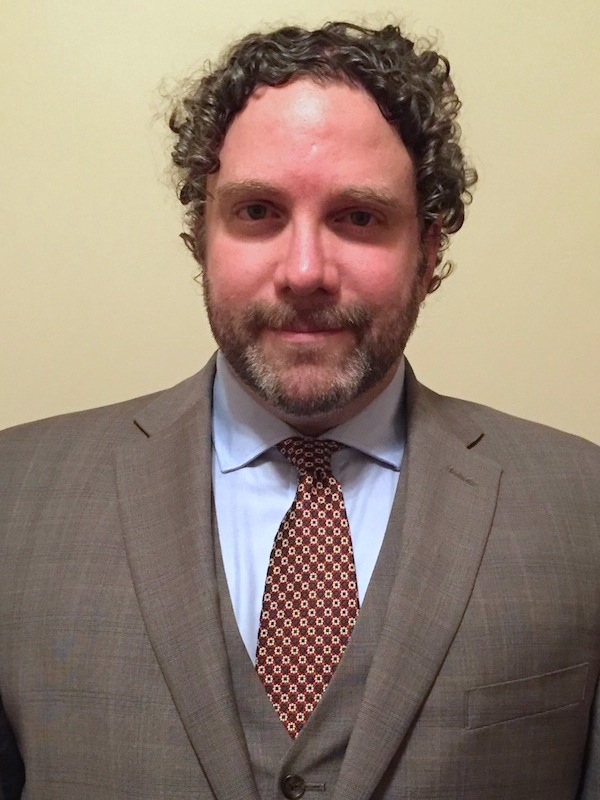
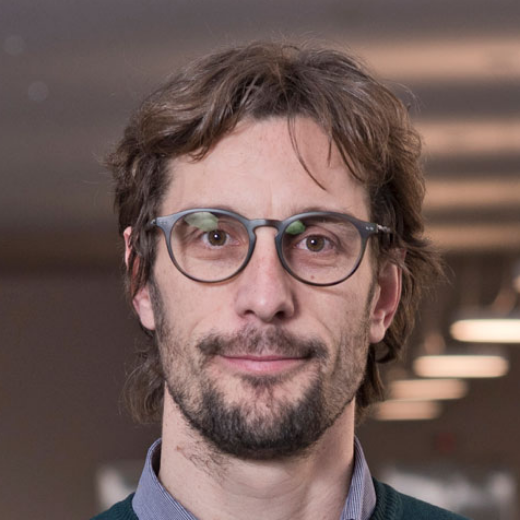
Yin Bao is an Assistant Professor in Plant and Soil Sciences and Mechanical Engineering at the University of Delaware since 2023, previously holding the same position at Auburn University's Department of Biosystems Engineering (2019-2023). He holds a BE in Mechanical Engineering from China Agricultural University (2012) and a PhD in Agricultural and Biosystems Engineering from Iowa State University (2018), followed by postdoctoral research there until 2019. His research focuses on automation technology for agriculture and forestry, leveraging robotics, machine learning, and sensing systems to develop tools for precision farming and plant phenotyping. Key areas include unmanned systems (UGVs/UAVs), spectral imaging, and AI-driven predictive models for crop and livestock management. Recent work emphasizes automated inventory systems for forest nurseries, UAV-based vegetation assessment, and machine learning applications in crop yield prediction. His publications span robotic guidance systems, root segmentation in X-ray CT scans, and equine gait analysis using deep learning. Notable projects include the Robotic Assay for Drought (RoAD) system and the 'smart canopy' sorghum initiative. Collaborative efforts involve integrating multifrequency microwave sensing and electronic nose technologies for crop quality analysis.
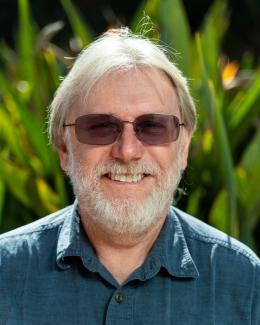
Dr. Anthony Filippi is an Associate Professor and Director of Graduate Programs at Texas A&M University. His research focuses on remote sensing, geographic information systems (GIS), and machine learning applied to aquatic and terrestrial environments. He leads the Fluvial-GEOS Lab, studying riverine/floodplain systems using remote sensing and GIS technologies. Educational Background: Ph.D. in Geography, University of South Carolina (2003) M.S. in Geography, University of South Carolina B.A. in Geography, Kansas State University Research Interests: Imaging spectroscopy, hyperspectral remote sensing of rivers and coastal oceans, GIS-based modeling, data fusion, aquatic optics, and machine learning. His work addresses coastal ocean bathymetry estimation, floodplain dynamics, and applications in environmental monitoring, including hazardous waste site tracking and agricultural studies. Recent Research Trends: Recent publications highlight advancements in UAS-based image analysis, LSTM networks for floodplain classification, and environmental policy impacts on forest resources. His work integrates machine learning with remote sensing to improve ecological and geomorphological understanding. Labs/Teams: Director of the Fluvial-GEOS Lab, focusing on remote sensing and GIS applications in riverine environments.
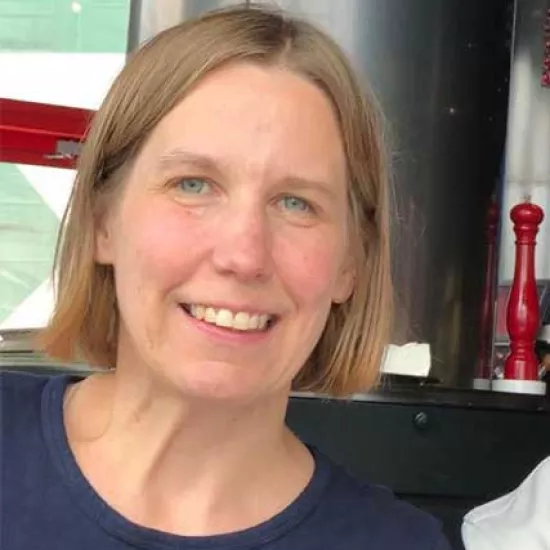
Prof. Dr. Fabian Gieseke is a Professor and Chair of Machine Learning and Data Engineering at the University of Münster. He holds a PhD in Computer Science from Carl von Ossietzky University of Oldenburg and a dual degree in Mathematics and Computer Science from the University of Münster. His research focuses on Machine Learning, High-Performance Computing, and their applications in Geosciences, Smart Cities, and Astrophysics. Education: PhD in Computer Science (2012), Carl von Ossietzky University of Oldenburg University studies in Mathematics and Computer Science (2006–2011), University of Münster Research Interests: Data Mining and Machine Learning High-Performance Computing & Distributed Systems Deep Learning Applications in Environmental Science and Astrophysics Geospatial Data Analysis using Satellite Imagery Publications Trends: His recent work emphasizes large-scale environmental monitoring via deep learning, including canopy height estimation, forest biomass prediction, and national-scale tree counting. He also explores interactive systems for geospatial data retrieval and optimization of machine learning models for resource-constrained environments. Advising & Grants: Supervised over 30 theses on topics like satellite image analysis, deep learning on microcontrollers, and data marketplaces for smart grids. Active in securing grants for interdisciplinary projects combining AI with Earth observation. Labs/Teams: Leads the Machine Learning and Data Engineering group at the University of Münster, focusing on scalable AI solutions for real-world challenges in science and industry.
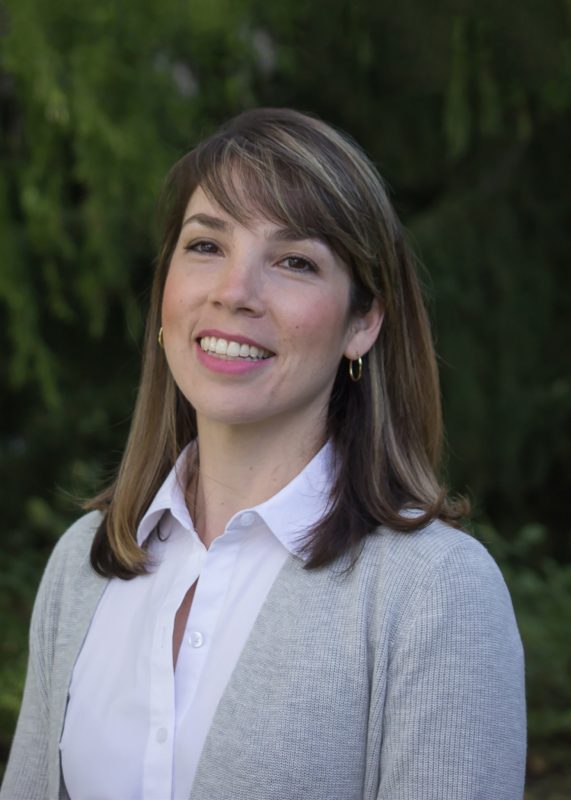
Dar Roberts is a Professor in the Department of Geography at the University of California, Santa Barbara, where he directs the Visualization & Image Processing for Environmental Research (VIPER) Lab. His research focuses on advanced remote sensing applications including: Imaging spectrometry for ecosystem analysis Wildfire fuel mapping and fire emissions modeling Drought impact assessment on vegetation Land use/land cover change detection Integration of remote sensing with climate modeling Roberts leads the Southern California Wildfire Hazard Center and has pioneered techniques for mapping wildfire fuels using remote sensing technologies. His work combines field measurements with satellite, airborne, and drone-based sensors to monitor environmental changes.
Professor Stuart Phinn is a distinguished academic at the University of Queensland, serving as Professor in the School of the Environment and Centre Director of the Remote Sensing Research Centre (Earth Observation Research Centre). He also maintains affiliations with the Centre for Marine Science. With a career spanning over two decades, Professor Phinn has established himself as a leading expert in earth observation and environmental monitoring, with over 559 publications including 295 journal articles. His educational background includes a Bachelor (Honours) of Science (Advanced) from The University of Queensland and a Doctor of Philosophy from San Diego State University. Professor Phinn's leadership extends to founding directorships of Australia's national earth observation coordination body (www.eoa.org.au) and collaborative research infrastructure (www.tern.org.au), as well as a world-leading research-to-operational program supporting government environmental monitoring (www.jrsrp.org.au). He also leads the Earth Observation for Government Network. Professor Phinn's research focuses on monitoring environmental change using earth observation and field data. His work primarily involves using images collected from satellites and aircraft, combined with field measurements, to map and monitor Earth's environments and how they change over time. This research is conducted in collaboration with environmental scientists, government agencies, NGOs, and private companies. A growing aspect of his work focuses on national coordination of earth observation activities and the collection, publishing, and sharing of ecosystem data. His work provides solutions to support sustainable development and resource use for governments, industries, and communities. His recent publications demonstrate a consistent focus on applying earth observation technologies to solve environmental challenges across multiple domains. The 15 most recent articles reveal strong themes in coral reef mapping and monitoring, land cover change detection, fire resilience analysis, and advanced remote sensing techniques including multi-sensor fusion and machine learning applications. His work spans terrestrial, coastal, and marine environments, with significant contributions to understanding environmental change in Australia and internationally, particularly in Indonesia. Professor Phinn has secured substantial research funding from diverse sources including government agencies (Queensland Government, Great Barrier Reef Marine Park Authority), industry partners (SmartSat CRC, Blue Economy CRC), and international organizations (Google Inc, Vulcan Inc). Current projects include evaluating impacts of threats to endangered reptiles, automating tree-scale vegetation structure monitoring, and continuing the Joint Remote Sensing Research Program. As an academic supervisor, Professor Phinn has mentored numerous PhD and Master's students, with current supervision spanning topics from forest disturbance analysis to kelp forest mapping and fire resilience of mine site rehabilitation. His extensive supervision history demonstrates his commitment to training the next generation of earth observation scientists. The Earth Observation Research Centre he directs fosters a collaborative research environment focused on transforming satellite and airborne images with field survey data into meaningful environmental information for decision-making.
Professor Harriet D Allen is a leading academic in Physical Geography at the University of Cambridge, affiliated with the Department of Geography and Girton College. She holds dual roles as Professor of Physical Geography and Fellow/Tutor at Girton College since 2002. Her research focuses on Mediterranean ecosystems, biogeography, and environmental change with particular emphasis on remote sensing applications for landscape ecology and vegetation dynamics. Education: MA (Cambridge/Girton College), MSc (University of Calgary, Canada), PhD (Cambridge, focusing on Quaternary studies in Greece). She has held academic positions since 1986, including Senior Lecturer roles at Homerton College and current roles in Cambridge's Geography Department. Research Interests: Modeling Mediterranean shrubland ecosystems using LiDAR and multisensor data Vegetation response to Holocene and contemporary environmental changes Restoration of Mediterranean mosaic landscapes Ecological impacts of land use changes in Portugal and Greece Palaeoecological reconstruction using sedimentary records Advising & Grants: Supervised 3 PhD students (Amy McGuire, William Fletcher, William Simonson) focusing on Quaternary environments, forest structure, and landscape history. Active in curriculum development as Director of Undergraduate Teaching (2014–2022). Labs/Teams: Member of Climate & Environmental Dynamics and Biogeography & Biogeomorphology research groups. Collaborates with Plant Sciences Department on lidar applications. Leads fieldwork in Portugal, Switzerland, and Greece.
Anna Jensen is an Associate Professor in Forestry at the Department of Forestry and Wood Technology, Faculty of Technology, Linnaeus University. Her research focuses on forest ecology and ecophysiology, particularly how woody plants respond to environmental changes including climate change. She leads several research projects related to oak regeneration, carbon sequestration, and forest management. She received her M.S. in Biology from Lund University and her Ph.D. in Forest Management from Swedish University of Agricultural Sciences. After completing her doctorate in forest management, she worked for several years as a researcher in the USA before joining Linnaeus University. Dr. Jensen's research interests center on ecophysiological questions related to forest management and production, as well as the effects of climate change. She investigates how woody plants respond to environmental stresses at leaf, shoot, and plant levels, with a particular focus on carbon cycling, photosynthesis, and oak regeneration. Her work bridges fundamental plant physiology with practical forest management applications. Her recent publications show a strong focus on carbon dynamics in forest ecosystems, particularly CO2 refixation, carbon partitioning under drought conditions, and the effects of climate change on tree physiology. There's a clear trend toward studying how forest ecosystems can mitigate climate change through carbon sequestration, while also adapting to changing environmental conditions. Her work spans temperate and boreal forests, with particular attention to oak species. Lisa Johannesson: Att sätta kronan på verket- en fallstudie om hur individskötsel kan ta tillvara på ekens potential Marcus Maiorana: Kan träd göra anatomiska anpassningar i lövens mesofyll som respons till omgivningens koldioxidkoncentration She leads multiple research projects including 'Adaptation to changes: emerging forest ecosystems in a changing climate,' 'CONFLICT – Can continuous cover forestry lead to increased carbon uptake,' and 'How useful is an acorn?' She is also part of The Bridge, a unique partnership between Södra, IKEA, and Linnaeus University focused on innovation and sustainability in forestry and wood. She leads the Forest Ecology and Ecophysiology research group, which focuses on nature conservation, soil ecology, nutrient dynamics in forests, ecophysiology, water and carbon balances. This group conducts research that directly informs sustainable forest management practices in the face of climate change.
Professor Tenley Conway is a faculty member at the University of Toronto Mississauga within the Department of Geography, Geomatics and Environment. Her research focuses on urban forest governance, human-environment interactions, and geospatial analysis of urban ecosystems, with specific interests in environmental justice, green infrastructure, and socio-ecological systems. PhD in Geography from Rutgers University MSc in Geography from Rutgers University BSc in Natural Resources from Cornell University Conway's work integrates environmental geography, urban ecology, and landscape ecology to examine urban forest governance structures, resident engagement with green infrastructure, and the ecological impacts of policy decisions. She employs diverse methodologies including GIS, remote sensing, statistical analyses, and community surveys to address questions about urban tree distribution equity, invasive species management, and the effects of urban greening initiatives. Recent publications demonstrate her focus on quantifying urban forest diversity using national datasets, developing cost-effective canopy monitoring techniques through Landsat imagery, and analyzing the ethical frameworks of arboricultural practices. She has contributed to understanding how invasive pests reshape distributional justice in urban forests and the relationship between tree proximity and subjective wellbeing across Canadian and Australian cities. As associate editor of Urban Forestry and Urban Greening and board member of LEAF and EcoSpark, she actively participates in urban forestry governance discussions. Her HOUSE Laboratory examines human-environment interactions across urban-suburban-exurban gradients, emphasizing community engagement in sustainable urban forest management.
Dr. Stella Zucchetti Schons Do Valle serves as Assistant Professor of International Forest Economics and Management within the Department of Forest Resources and Environmental Conservation at Virginia Tech's College of Natural Resources and Environment. Her work bridges economic theory with on-the-ground conservation challenges, particularly in tropical forest contexts. Educational background: B.S. in Economics, Universidade Estadual de Campinas (UNICAMP, 2005) M.E.M. and M.B.A., Yale School of Forestry & Management (2010) Ph.D. in Forestry, Virginia Tech (2017) Her research centers on natural resource economics with emphases on community-based forest enterprises, forest finance mechanisms, and policy instruments for sustainable development. Key interests include rural credit systems, international conservation frameworks, and community monitoring of forest resources—particularly in Brazilian Amazon and Indian contexts. She employs mixed-method approaches combining econometric modeling with field data collection to analyze landowner behavior and policy effectiveness. Analysis of her 15 most recent publications (2020-2025) reveals consistent focus on economic drivers of forest conservation: 60% examine Brazilian Amazon cases (governance, land conflict, migration), 25% address Indian agroforestry systems, and 15% cover U.S. forestry applications. Methodologically, 70% utilize quantitative economic modeling while 30% incorporate remote sensing or policy analysis. Recurring themes include incentive design for smallholders, carbon program optimization, and post-pandemic urban forestry challenges. No scientific awards were documented in the source materials. Professional activities include advising on forest policy instruments and community enterprise development, though specific grant details or student mentorship records weren't provided. Her work demonstrates strong institutional collaboration with Brazilian environmental agencies and Indian agricultural research bodies.
Andrea Pitacco is an Associate Professor in the Department of Agronomy, Food, Natural Environment and Energy (DAFNAE) at the University of Padova, Italy. His academic field is AGR/03 (Arboriculture and Tree Cultivation), with research focused on viticulture and precision agriculture. Based at the Agripolis campus in Legnaro (Padova), he maintains an active research profile in plant-environment interactions. Dr. Pitacco's research spans multiple dimensions of modern viticulture, with particular emphasis on carbon and water flux dynamics in vineyard ecosystems. His work integrates micrometeorological techniques, remote sensing, and physiological approaches to address climate change impacts on grapevine production. Key research areas include: Carbon footprint analysis and carbon farming potential in vineyards Effects of climate extremes on grapevine physiology Microclimate modification through protective netting systems Soil management impacts on erosion and greenhouse gas emissions Plant-pathogen interactions under abiotic stress conditions His publication record demonstrates strong methodological expertise in eddy covariance measurements and turbulent flow characterization within vineyard canopies. The research output shows consistent focus on Mediterranean agricultural systems with practical applications for sustainable viticulture. Dr. Pitacco actively contributes to understanding how vineyards function as carbon sinks/sources and how management practices can optimize environmental performance while maintaining productivity. His work connects fundamental plant physiology with practical agricultural applications in changing climatic conditions.
Professor Arko Lucieer is the Head of the School of Geography, Planning, and Spatial Sciences at the University of Tasmania. He holds a PhD in Remote Sensing from Utrecht University (Netherlands). His research focuses on advancing drone and remote sensing technologies for environmental monitoring, particularly in biodiversity mapping, ecosystem dynamics, and Antarctic ecology. He leads the TerraLuma research group, pioneering ultrahigh-resolution remote sensing applications. Key roles include: Established TERN DroneScape for national ecosystem monitoring Developed protocols for drone-based data collection and AI-driven analysis Recipient of the 2008 National Banksia Environmental Award Research Interests: Integration of drone technology, multispectral/hyperspectral imaging, and AI to quantify plant traits, map ecosystems, and address climate change impacts. Projects span forest health, Antarctic moss communities, and precision agriculture. Grants & Projects: TERN DroneScape: $1.6M for standardized drone-based ecosystem monitoring NatureScan: $1.2M for national biodiversity monitoring using drones and AI Supervision: Mentor to over 20 doctoral students, focusing on remote sensing applications in ecology, forestry, and environmental science. Labs/Teams: TerraLuma research group, specializing in drone remote sensing innovation and environmental data analytics.
Anne McIntosh is an Associate Professor and Associate Dean at the Augustana Campus of the University of Alberta, with an adjunct appointment in the Department of Renewable Resources at the Faculty of Agricultural, Life and Environmental Sciences. Her research spans forest ecology, disturbance dynamics, and ecological reclamation, focusing on post-disturbance recovery of biodiversity and ecosystem services. PhD in Biology MSc in Ecology BSc (Honours) in Environmental Science Her research explores: Ecological recovery after natural and anthropogenic disturbances (mountain pine beetle, oil sands, reclamation) Microbial and plant community interactions Functional trait variability in forest ecosystems Conservation in mixed-use landscapes Teaching innovations in ecology and biology Her recent publications emphasize trait-based forest restoration, invasive species impacts, and monitoring reclaimed ecosystems globally. She leads the Ecological Recovery Lab and collaborates on cross-continental studies in Canada, Sweden, and Costa Rica. She teaches advanced courses in: AUBIO 315 - Advanced Biological Analysis (statistical methods) AUBIO 323 - Plant Biology AUBIO 253 - Ecological Interactions AUBIO 411 - Capstone Biology Perspectives AUSTA 215 - Statistical Methods for Natural Sciences Her lab focuses on long-term ecological monitoring, using field surveys and UAV technology to assess recovery trajectories in forest and grassland ecosystems.
Damiano Zanotelli serves as Professor at the Free University of Bozen-Bolzano's Faculty of Agricultural, Environmental and Food Sciences, where he conducts pioneering research on climate change adaptation in mountain agriculture. His work bridges fundamental plant science with practical solutions for sustainable food production in Alpine regions, with particular emphasis on water management and fruit tree resilience. His research portfolio centers on: Physiological responses of apple and grapevines to heatwaves and drought stress Evapotranspiration dynamics and precision irrigation systems in mountain orchards Carbon sequestration mechanisms in vineyard and orchard ecosystems Soil-plant-atmosphere interactions under climate extremes Sustainable management of mountain crop ecosystems Analysis of his 15 most recent publications (2023-2025) reveals a dominant focus on climate stressors, with 80% addressing water relations during heat events. His methodology combines isotopic tracing, multi-sensor monitoring, and computational modeling to develop practical irrigation strategies. A distinctive trend is the integration of physiological measurements (sap flow, chlorophyll fluorescence) with ecosystem-level carbon flux analysis, particularly in Italian Alpine vineyards and apple orchards. No scientific awards were documented in the available materials. Professor Zanotelli teaches six courses across bachelor's, master's, and doctoral programs including Sustainable Management of the Mountain Environment and Statistical Methods for Agricultural Research. He leads an active research group focused on water management systems for apple cultivation, as highlighted in university news regarding efficient irrigation solutions for South Tyrolean apple production. His team employs field experiments, sensor networks, and modeling approaches to optimize water use while maintaining productivity under climate change.
Shawn Landry is a Research Associate Professor and Director of the USF Water Institute at the University of South Florida's School of Geosciences. His research focuses on environmental equity, water resource management, and geospatial technologies, with a strong emphasis on applied projects addressing urban forests, wetlands, and land cover change. He holds a Ph.D. (2013), two M.S. degrees (2005, 1996), and a B.S. (1992) from the University of South Florida and University of New Hampshire. Key projects include the Statewide Ecosystem Assessment of Coastal and Aquatic Resources (SEACAR) and the development of decision-support tools like the Water Atlas and Tampa Tree Map. His work integrates remote sensing, machine learning, and GIS to support policy and community engagement in coastal and urban environments. Landry is a PI on multiple NSF-funded initiatives and collaborates with state agencies and municipalities on flood mitigation, urban forest resilience, and environmental justice. Education: Ph.D., University of South Florida (2013) M.S., University of South Florida (2005) M.S., University of South Florida (1996) B.S., University of New Hampshire (1992) Key Projects: RAPID Collaborative Research on urban forest resilience post-Hurricane Irma SEACAR database for coastal resource assessment Orange/Seminole County Water Atlas initiatives GIS-based tools for urban forestry and floodplain management His research outputs span over 50 peer-reviewed articles and technical reports, focusing on topics like urban tree canopy analysis, groundwater dynamics, and policy-driven environmental decision-making. Landry also teaches GIS 6355 (Water Resources GIS) and serves on committees for organizations including the American Association of Geographers and the Tampa Bay Estuary Program.
Deborah Hilbert is an Assistant Professor in the Department of Sustainable Resources Management at the State University of New York College of Environmental Science and Forestry (SUNY ESF), where she conducts transdisciplinary research at the intersection of urban forestry, arboriculture, and socio-ecological systems. Her educational background includes: Ph.D. in Environmental Horticulture from the University of Florida (2021) B.Sc. in Biology from Eckerd College (2013) B.A. in Environmental Studies from Eckerd College (2013) Dr. Hilbert's research examines urban tree growth, species diversity, canopy cover assessments, and human decision-making within urban forests. She investigates sustainable management practices—including pruning, soil/water management, and fertilization—alongside ecological factors like ice loading effects on tree failure and long-term survival metrics. Her work emphasizes participatory approaches with practitioners to address real-world challenges in built environments. She actively seeks prospective students for transdisciplinary projects focused on urban forest resilience, particularly in trialing underutilized tree species for diversity enhancement and analyzing policy impacts on urban canopy sustainability.