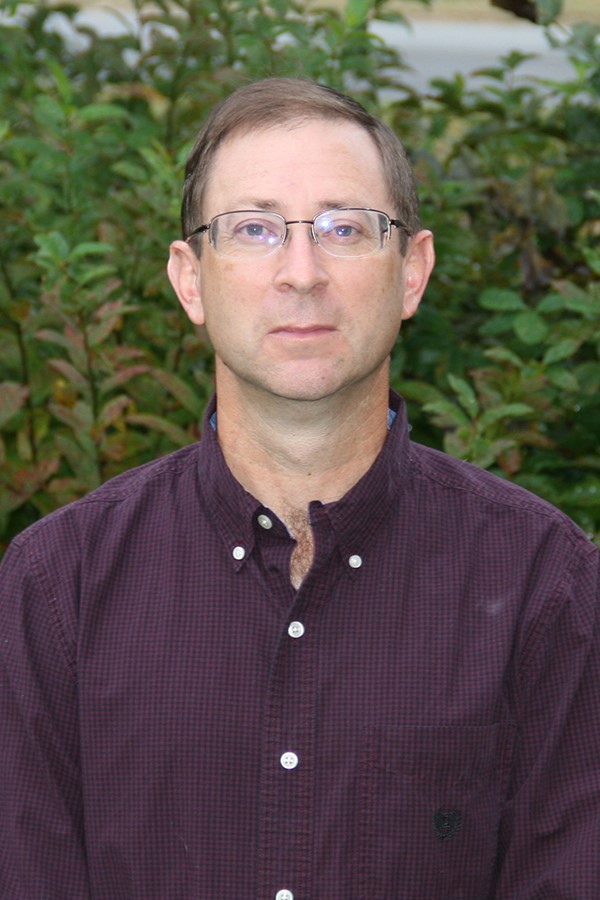
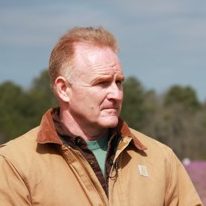
Patrick J. Conner is a Professor and Research, Extension, and Instruction (REI) Coordinator in the Horticulture Department at the University of Georgia's Tifton Campus. He leads the UGA pecan breeding program (established in 1998) and the muscadine grape breeding program (since 2004), both focused on developing cultivars adapted to the southeastern U.S. His work integrates traditional breeding with molecular biology tools to enhance efficiency and genetic understanding. He holds a B.S. in Horticulture Science and Technology from Purdue University (1991) and a Ph.D. in Plant Breeding from Cornell University (1996). Research Interests: Dr. Conner investigates genetic control of horticultural traits via biparental mapping and GWAS, germplasm diversification in muscadine grapes, aroma volatile analysis for cultivar development, and compact pecan tree cultivars. He emphasizes leveraging native North American crops' untapped genetic potential for agricultural innovation. Appointments: 95% Research, 5% Service.
Prof. Yu Kang is a Professor of Precision Agriculture at the TUM School of Life Sciences, Technische Universität München (TUM). His research focuses on integrating imaging, sensing, and computational methods to study plant-environment interactions. He aims to enhance resource efficiency and reduce environmental impact through precision crop management. Prior to TUM, he held positions at China Agricultural University (CAU) and conducted postdoctoral research at ETH Zurich and KU Leuven. Prof. Yu's career includes roles such as Associate Professor of Crop Science at CAU and postdoctoral fellowships in physical geography. His educational background includes a doctoral degree from the University of Cologne (2014) and undergraduate studies at China Agricultural University. Key research areas include remote sensing for crop health monitoring, hyperspectral imaging for disease detection, and machine learning applications in agriculture. His work has led to innovations in crop nitrogen management and precision phenotyping. Awards include the Innovation Team Award (2019) from the Crop Science Society of China and the GSGS Fellowship (2014) from the University of Cologne.
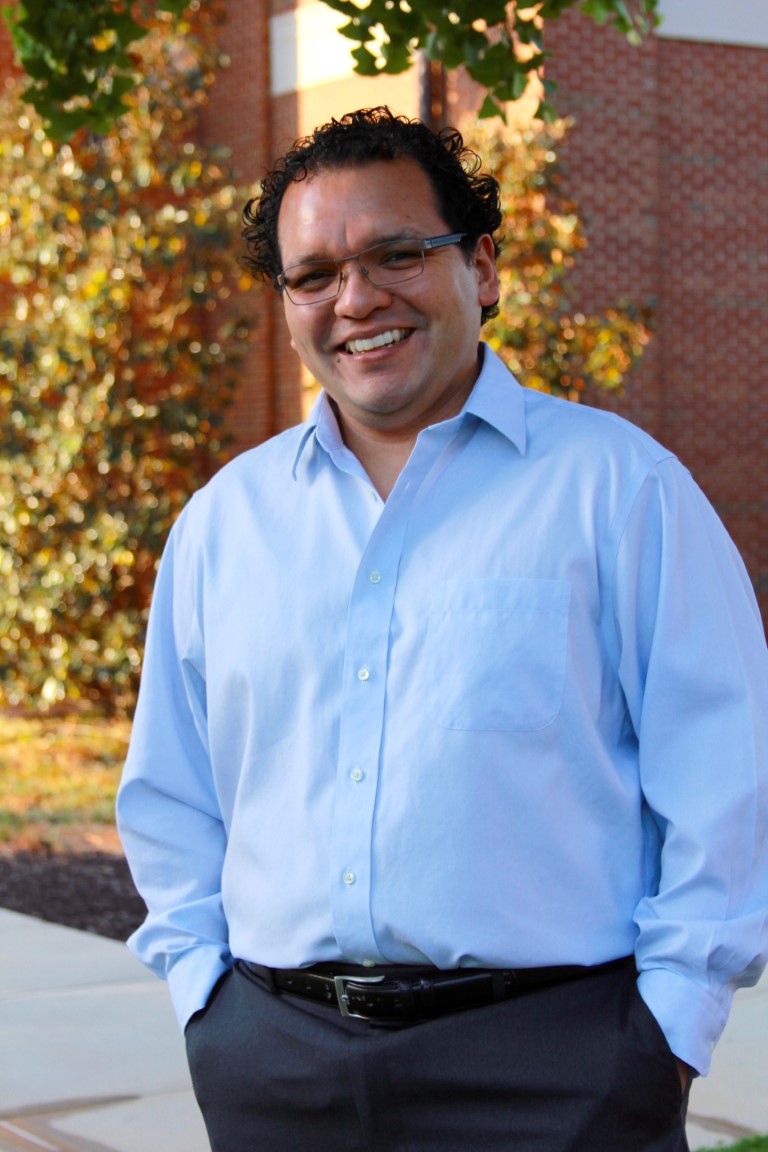
Dario Chavez is an Associate Professor in the Horticulture department at the University of Georgia's College of Agricultural and Environmental Sciences. His research focuses on peach and citrus breeding through the Institute of Plant Breeding, Genetics and Genomics (IPBGG) and Institute for Integrative Precision Agriculture. With 75% research, 20% extension, and 5% service appointments , Dr. Chavez develops cultivars with improved traits for Southeast US production. Education: Ph.D. in Horticulture (University of Florida, 2013) MS in Horticulture (University of Florida, 2008) BS in Agricultural Sciences (El Zamorano, 2005) Research interests span plant breeding, genetics, and climate adaptation in fruit crops. Recent publications demonstrate expertise in: 3D phenotyping of tree architecture Postharvest quality optimization Nanocellulose-based freeze protection Phenological modeling Rootstock performance evaluation His work addresses agricultural challenges through: Genetic improvement for cold hardiness Smart irrigation technologies Pest and disease resistance breeding Consumer-driven quality traits
Dr. Fawad Ali is an Advance Queensland Industry Research Fellow at Griffith University's Centre for Planetary Health and Food Security, specializing in environmental sustainability and management. His research focuses on sustainable crop production systems with particular expertise in tropical fruits, rice, and coffee breeding. Education: PhD in Plant Breeding and Genetics, Southern Cross University (2016-2021) MSC (Hons) in Plant Breeding and Genetics, University of Agriculture Faisalabad (2010-2012) BSC (Hons) in Plant Breeding and Genetics, University of Agriculture Faisalabad (2006-2010) Dr. Ali's research spans plant breeding, quantitative genetics, and environmental remediation, with emphasis on developing sustainable agricultural systems that address food security and environmental challenges. His work integrates molecular biology, field trials, and computational approaches to improve crop resilience and quality. His publication record reveals strong focus areas in environmental remediation (particularly arsenic and heavy metal contamination), tropical fruit breeding (papaya and citrus), and stress-responsive crop improvement. Recent work demonstrates innovative approaches combining microbial solutions with plant systems for pollution mitigation. Awards & Recognition: Best Poster Award at TropAg 2019 Qualified Person (QP) certification for Intellectual Property and Plant Breeding Rights (IP Australia, 2022-2025) Dr. Ali actively supervises doctoral research, currently serving as Associate Supervisor for genomic platform development in Australian papaya. His funded research includes the $646,000 Advance Queensland Industry Research Fellowship project 'Invigorating the Coffee Industry in Tropical North Queensland' and the 'National Papaya Breeding and Evaluation Program' ($1.5M). He collaborates extensively with industry partners to translate research into practical agricultural solutions, particularly in specialty coffee and tropical fruit production. His laboratory work encompasses plant tissue culture, molecular biology techniques, field-based breeding trials, and environmental remediation experiments, with strong emphasis on industry-relevant outcomes and consumer preferences.
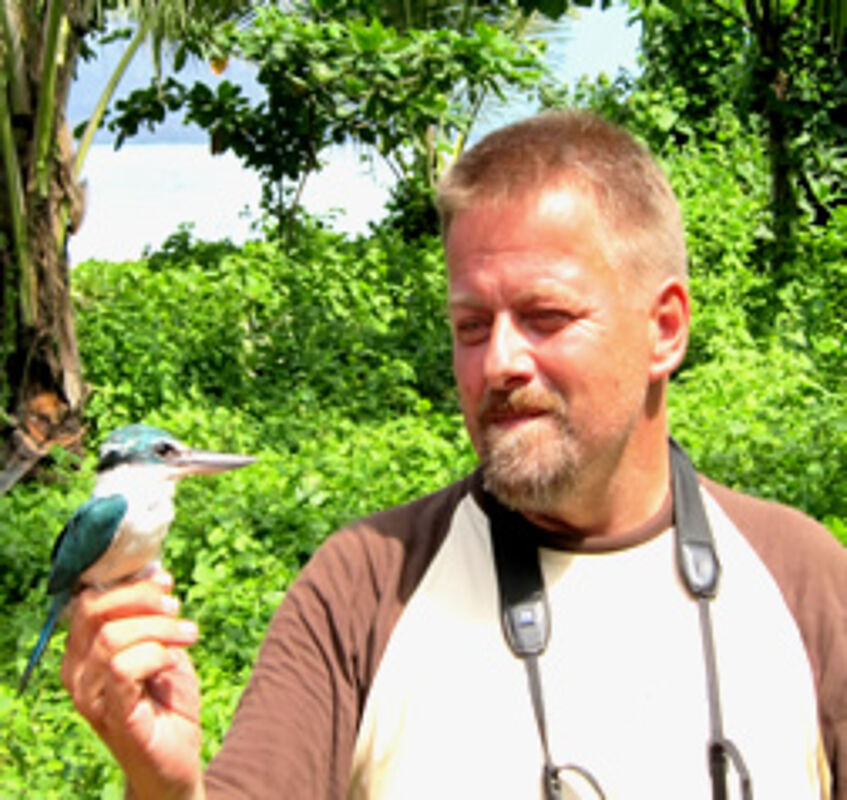
Dr. Christian H. Schulze is a researcher at the University of Vienna , affiliated with the Faculty of Life Sciences and the Department of Botany and Biodiversity Research . His work focuses on tropical ecology, animal biodiversity, and conservation biology, with field studies in Central Europe, Costa Rica, and the Galápagos Islands. Key research areas include: Thermoregulation in avian species Effects of land use on tropical and alpine ecosystems Invasive plant management and island biodiversity Urban ecology and floodplain conservation His publications (138+) span topics from dragonfly community dynamics to coffee farming impacts on birds, with recent emphasis on climate change and habitat degradation. Scientific awards are unlisted in the provided texts. Contact: christian.schulze@univie.ac.at
Debra Davidson is a Professor in the Department of Resource Economics & Environmental Sociology at the University of Alberta's Faculty of Agricultural, Life and Environmental Sciences. Her research focuses on climate change impacts, environmental equity, energy transitions, and natural resource governance. She co-leads a SSHRC-funded project on impact assessment reform ($652,000, 2020-2023), addressing Indigenous sovereignty, knowledge integration, and climate impacts in Canadian policy processes. Her teaching includes R SOC 271 (Politics of Food/Natural Resources) and R SOC 558 (Sociology of Environmental Risk). Recent interdisciplinary research projects include genomic-assisted tree breeding in Alberta forests and climate change mitigation in agricultural sectors. Davidson's work bridges social sciences and environmental policy, emphasizing reflexive governance, risk communication, and justice-centered approaches. She has published widely on fossil fuel politics, fracking impacts, and the sociological dimensions of climate adaptation, with over 50 peer-reviewed articles since 2014.
Gaurav Sharma is a Professor at the University of Rochester, holding joint appointments in the Department of Electrical and Computer Engineering, Computer Science, and Biostatistics and Computational Biology. He is also a Distinguished Researcher at the Goergen Institute for Data Science and Artificial Intelligence. His research focuses on Data Analytics, Cyber Physical Systems, Signal and Image Processing, Computer Vision, Media Security, and Communications. Previously, he served as Director of the Center for Emerging and Innovative Sciences (2008-2010) and held roles at Xerox Research (1996-2003). He earned a PhD in Electrical and Computer Engineering from North Carolina State University (1996), alongside degrees from Indian institutions including the Indian Institute of Science and IIT Roorkee. Education: PhD (NCSU), M.S. Applied Mathematics (NCSU), M.S. Electrical Communication Engineering (IISc), B.Eng (IIT Roorkee) Awards: Fellow of IEEE, SPIE, and IS&T; Elected Sigma Xi member Editorial Roles: Editor-in-Chief of IEEE Transactions on Image Processing (2018-2020) and Journal of Electronic Imaging (2011-2015) Leadership: Chair of IEEE Signal Processing Society committees and SPIE/EI conferences His research spans interdisciplinary areas like medical imaging analytics, cybersecurity in IoT systems, and computational methods for biomedical applications. Recent work includes studies on cardiac mortality patterns, viral protein inhibition, and federated learning for privacy-sensitive healthcare tasks. Dr. Sharma’s contributions to academic governance include roles on IEEE publication committees and strategic planning boards, reflecting his commitment to advancing technical standards and open science practices.
Jordan Knapp-Wilson is a Researcher affiliated with the Institute of Plant Breeding, Genetics and Genomics (IPBGG) within the College of Agricultural & Environmental Sciences. Their work focuses on advancing 3D phenotyping techniques for fruit tree architecture using terrestrial laser scanning (TLS) and computational modeling. Specializes in peach tree morphology and crown architecture analysis Develops novel quantitative indices for plant phenotyping Applies TLS technology for high-resolution agricultural monitoring Recent research emphasizes computational modeling of tree architecture to improve genetic trait mapping and precision agriculture strategies. Their work bridges plant biology with advanced imaging technologies to enhance crop breeding programs. Focus areas: Genotype-phenotype correlations, precision phenotyping, agricultural robotics integration
Dr. Pat White is an Associate Professor at Edinburgh Napier University , affiliated with the School of Applied Sciences and Centre for Conservation and Restoration Science . He joined the university in 2013 as a Lecturer in Environmental Biology after completing his PhD at the University of Reading and postdoctoral work at the Game & Wildlife Conservation Trust (GWCT). Education: BSc in Ecological Sciences, University of Edinburgh (2001-2005) PhD in Agri-environmental Research, University of Reading (2005-2009) Pat's research focuses on applied ecology , conservation biology , and innovative survey methodologies . He has pioneered the use of robotics and autonomous systems in ecological monitoring, particularly for terrestrial biodiversity and bat surveys . His work addresses critical questions in habitat management , species conservation , and policy development . Recent publications highlight his leadership in evaluating forestry impacts on wader species and optimizing ecological survey protocols . He has secured multiple grants from Forestry Commission England and The AEB Charitable Trust for projects on curlew conservation , bat monitoring , and seabird disturbance . Awards: Fellow of the Chartered Institute of Ecology & Environmental Management (2023) Fellow of the Higher Education Academy Pat supervises PhD and Master’s students in projects spanning Nubian ibex conservation , otter monitoring , and black grouse studies . He also collaborates with institutions like University of Stirling and University of Aberdeen through the SUPER DTP program.
Dr. Beatriz Bizzuti is a researcher with the University of Wisconsin's Forage Extension program, specializing in agroecological systems and climate-smart agriculture. Her work focuses on greenhouse gas emissions, soil carbon sequestration, and sustainable forage management. Previously at the University of São Paulo, she studied silvopastoral systems and nutrient cycling. Currently, she investigates interseeding corn-alfalfa systems and machinery traffic impacts on alfalfa fields. Her research integrates tropical agroecosystems, intercropping strategies, and emission mitigation techniques. Education and professional experience include advanced research roles in Brazil and the U.S., with expertise in static chambers, CRDS analyzers, and fibrolytic enzyme applications. Dr. Bizzuti collaborates with UW's Crop Weed Science, Silage and Biofeedback Breeding Program, and Forage Extension teams. Her studies address global challenges like carbon footprint reduction and sustainable livestock feed production. Publications emphasize tropical systems, with recent work exploring Tithonia diversifolia's role in silvopastoral systems, sun hemp intercropping benefits, and methane mitigation through forage treatments. Though no awards are listed, her contributions advance agricultural sustainability through interdisciplinary approaches.
Jared M. LeBoldus is an Associate Professor of Forest Pathology at Oregon State University with a joint appointment between the Department of Botany and Plant Pathology in the College of Agriculture and the Forest Engineering, Resources and Management Department in the College of Forestry. His research laboratory focuses on understanding host-pathogen interactions in forest ecosystems, particularly the genomic basis of these relationships and their implications for landscape-level biotic disturbances. Dr. LeBoldus specializes in the Populus-Sphaerulina pathosystem, employing computational and molecular tools to investigate host-parasite interactions at the genomic level. His research interests include forest pathology, host-parasite genomics in natural ecosystems, impacts of biotic disturbances on forest structure and function, molecular mechanisms of plant innate immunity, and tree and pathogen genomics. His work has significant implications for forest health management and conservation in the face of emerging pathogens. Analysis of his recent publications reveals a strong emphasis on molecular approaches to understanding forest diseases, with particular focus on Phytophthora species (including the sudden oak death pathogen) and Sphaerulina musiva affecting poplar trees. His research spans from fundamental molecular mechanisms of pathogenesis to applied forest management solutions, including diagnostic development, resistance breeding, and disease monitoring approaches. OSU Extension Association Search for Excellence Award (2019) Graduate Student Teaching Award for PLSC 385 (2010) Dr. LeBoldus began his appointment at OSU in fall 2015 after completing his Ph.D. in Forest Biology and Management at the University of Alberta, Canada. His undergraduate degree is in Forest Science from the University of British Columbia. He maintains active collaborations with researchers across multiple institutions and agencies, contributing significantly to our understanding of forest pathogens and their management.
Jeff S. Kuehny is the Resident Director of the LSU AgCenter Botanic Gardens and part of the LSU College of Agriculture. He holds a Ph.D. in Plant Physiology/Horticulture from Clemson University and has conducted extensive research on ornamental plant physiology, urban watersheds, and wetlands. His roles include directing the Botanic Gardens, which supports Louisiana’s agricultural industries through research and education. Kuehny has taught numerous plant science courses, including Landscape Management and Urban Landscape Management, and co-founded ACCEPtS for collaborative course sharing between universities. Education: A.S. (1983, Northern Oklahoma College), B.S. (1986, Oklahoma State University), M.S. (1988, North Carolina State University), Ph.D. (1993, Clemson University), and a postdoc at the Boyce Thompson Institute. Research focuses on ornamental crop physiology, urban forest management, and environmental impact. Recent projects include implementing the Botanic Gardens’ Master Plan, emphasizing Louisiana’s agricultural heritage and ecological preservation. His publications span plant growth models, nutrient dynamics, and biocontainer use in horticulture. Awards: None explicitly listed. Grants and advising: No detailed information provided. Labs/Teams: Affiliated with LSU AgCenter and the Burden Museum & Gardens.
Heike Sederoff is the William Neal Reynolds Distinguished Professor and University Faculty Scholar in the Department of Plant Biology at North Carolina State University. Her research focuses on metabolic engineering and plant physiology to enhance agricultural sustainability, particularly through improving crop nutrient efficiency and engineering symbiotic plant-microbe interactions. She leads projects on CO2 fixation optimization in Camelina sativa, re-establishing arbuscular mycorrhizal symbiosis in Brassicaceae, and solar-powered greenhouse systems. Education: Ph.D. and M.S. in Biochemistry from the University of Göttingen, Germany (1993 and 1990). Courses taught include Applied Bioinformatics (BIT 476/576), Advanced Plant Physiology (PB 751), and Innovation in Agricultural Biotechnology (PB 495/595). Research emphasizes climate-resilient agriculture, including drought tolerance engineering, photosynthetic efficiency, and microbiome-root interactions. Major grants include a $30M Novo Nordisk Foundation InRoot project and NSF funding for FEW system biotechnology education. Awards include the William Neal Reynolds Professorship and University Faculty Scholar designation. Labs and collaborations involve the NCSU Phytotron facility upgrades and international partnerships in Peru through bioinformatics training programs. Key students include Nathan Wilson (synthetic CO2 fixation), Sam Acheampong (sweetpotato biotechnology), and Cristina Salinas.
Mike Parker is an Associate Professor and Extension Specialist in the Department of Horticultural Science at North Carolina State University, specializing in tree fruit crops. His work spans extension (80%), research (10%), and teaching (10%), focusing on applied horticultural strategies such as apple rootstock performance, peach thinning, and orchard floor management in the southeastern U.S. He holds a PhD in Horticulture from Michigan State University (1989) alongside MS and dual BS degrees in Horticulture and Agricultural Engineering Technology from the same institution. Research interests include optimizing cultural management practices, rootstock adaptation, and sustainable orchard systems. His publications address topics ranging from biochar effects on peach trees to postharvest fruit storage solutions. Parker has received multiple awards, including the John E. Hutchison Extension Award (1996) and NC Apple Growers Honorary Life Membership (2001). He is affiliated with professional organizations like the American Society for Horticultural Science (ASHS) and the International Fruit Tree Association (IFTA). His extension work emphasizes bridging research to practical applications for growers, exemplified by initiatives like the eApples platform for disseminating research-based information.
Cory Garms is a Courtesy Faculty member in the Department of Forest Engineering, Resources & Management at the College of Forestry. His research focuses on remote sensing technologies, lidar-based forest inventory, climate change impacts on tree species, and sensor calibration for environmental monitoring. Collaborating with Dr. Bogdan Strimbu since June 2024, his work bridges technical innovation with ecological applications. Key research areas include spectral imaging systems, tree physiology under environmental stress, and sustainable forest management strategies. His studies often integrate cutting-edge sensors like lidar and unmanned aircraft systems to improve accuracy in forest inventories and ecological assessments. Publications from 2024 emphasize advancements in airborne imaging performance metrics and collaborative military-environmental projects, while earlier work (2020-2021) explores tree morphology, climate adaptation, and disease resistance in species like Douglas-fir and Pinus strobiformis. No scientific awards or grants are explicitly listed in the provided texts. Collaborative projects and institutional affiliations remain central to his academic profile.