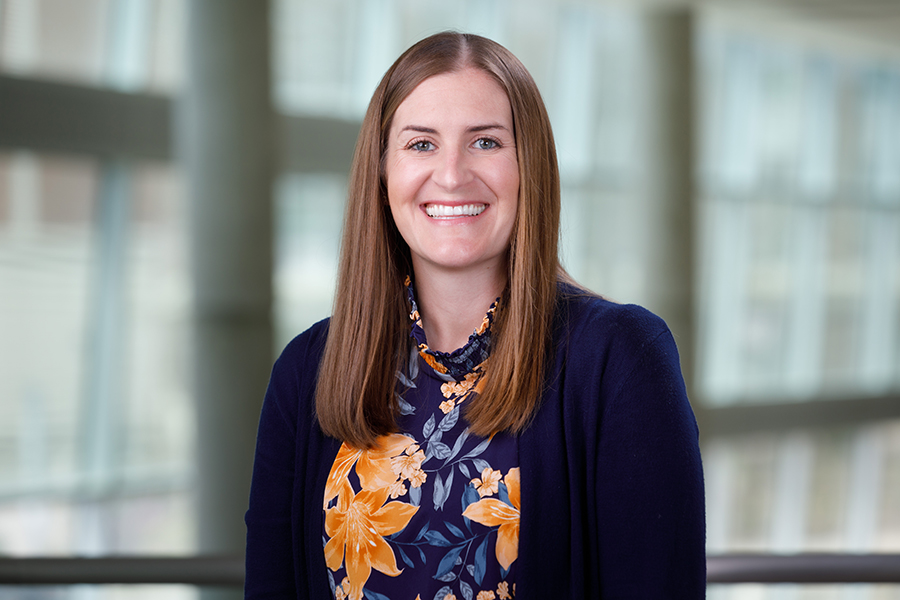
Collin Michels, MD is a Clinical Assistant Professor at the University of Wisconsin–Madison, affiliated with the UW School of Medicine and Public Health and the Department of Emergency Medicine . He serves as the Service Chief at the William S. Middleton Memorial Veterans Hospital Emergency Department and directs the Administration, Quality, & Leadership Fellowship program. Education: University of South Dakota (Undergraduate and Medical School), Stanford University (Emergency Medicine Residency), University of Wisconsin Hospitals and Clinics (Fellowship in Administration) Leadership: Board of Directors, American Academy of Emergency Medicine (California Section); Alternate Councilor, ACEP Quality Improvement & Patient Safety Section Research Interests Dr. Michels focuses on: Emergency department operations and systems Interdepartmental collaboration in healthcare Medical education and resident training Pediatric emergencies and clinical leadership His recent publications address pandemic response, opioid use disorders, and trauma systems. Scientific Awards Chief Resident of the Year, Emergency Medicine Residents Association (EMRA) Robert L. Norris Outstanding Leadership Award, Stanford University Practice Locations University Hospital BerbeeWalsh Emergency Department (Madison, WI) East Madison Hospital Emergency Department (Madison, WI)
Jessica Downes, PharmD, BCACP, CDCES is a Clinical Associate Professor in the Department of Pharmacy Practice and Science at the University of Nebraska Medical Center's College of Pharmacy. She also serves as a Clinical Pharmacist at OneWorld Community Health Center, where she practices in ambulatory care with a focus on working with underserved populations to manage chronic conditions including hypertension, diabetes, and cardiovascular risk reduction. Dr. Downes received her pharmacy education from the University of Kansas in Lawrence, KS, followed by a PGY1 residency at Integris Baptist Medical Center in Oklahoma City, OK, and a PGY2 residency at the University of Oklahoma College of Pharmacy in Tulsa, OK. She holds dual board certifications as an Ambulatory Care Pharmacist and Certified Diabetes Care and Education Specialist. Dr. Downes' research focuses on population-based health with particular emphasis on vulnerable populations. Her work examines how to improve medication management and health outcomes for underserved communities through pharmacist-led interventions. She investigates chronic disease management strategies, particularly for hypertension and diabetes, with attention to health equity and accessibility of care for marginalized groups. Her research often involves community health centers and explores innovative approaches to healthcare delivery that address social determinants of health. Analysis of Dr. Downes' publication record reveals a consistent focus on improving healthcare for vulnerable populations through pharmacy practice. Her work spans chronic disease management (particularly diabetes and hypertension), transitions of care, medication safety, opioid stewardship, and hepatitis C treatment in community settings. She has also contributed to veterinary medicine research, demonstrating a broad interest in healthcare systems and patient outcomes across different contexts. Board Certified Ambulatory Care Pharmacist Certified Diabetes Care and Education Specialist As an educator, Dr. Downes serves as a section coordinator in Pharmacotherapy I and II courses, provides lectures on hypertension and diabetes management, coordinates a diabetes elective for third-year pharmacy students, and precepts fourth-year students during advanced pharmacy practice experiences. Her teaching focuses on translating clinical research into practical patient care strategies, particularly for managing chronic conditions in underserved populations. Dr. Downes works within the ambulatory care setting at OneWorld Community Health Centers, where she integrates clinical practice, education, and research to improve healthcare delivery for vulnerable populations. Her work bridges academic pharmacy with direct patient care in community health settings.
Professor Janet Kelly is a nurse researcher and course coordinator at the University of Adelaide's Adelaide Nursing School, part of the Faculty of Health and Medical Sciences. She specializes in improving healthcare outcomes for Aboriginal and Torres Strait Islander peoples, focusing on culturally respectful participatory action research and health journey mapping tools. Her work addresses disparities in renal care, cardiac care, and other healthcare settings through collaborative projects like AKction2 (NHMRC Ideas Grant) and AKction1. She holds a PhD in Aboriginal women's health and a Master's in Nursing, with extensive experience in Aboriginal health research across urban and regional settings. Key roles include co-leading AKction2 (2021–2026), which engages First Nations communities in kidney care improvement, and leading the Health Journey Mapping initiative (2020–2022). Her research outputs include patient journey tools, policy briefs, and culturally safe care guidelines endorsed at national levels. Collaborations involve organizations like Kidney Health Australia, SA Health, and the National Indigenous Kidney Transplantation Taskforce. Professor Kelly's research focuses on participatory methods, cultural safety, and equity in healthcare. Her work has informed national policies and produced practical tools for clinicians and communities, emphasizing Indigenous-led solutions to health disparities. Current projects include expanding AKction2's impact and developing oral health interventions for Indigenous kidney patients.
Gil Shlamovitz is a Clinical Professor of Emergency Medicine at the Keck School of Medicine, University of Southern California, and serves as the Chief Medical Informatics Officer for Keck Medicine of USC. He practices emergency medicine and clinical informatics with national recognition for advancing healthcare delivery through integrated people, processes, and technology solutions. His research spans diagnostic accuracy in emergency settings, patient safety protocols, and clinician well-being. Key investigations include validation of clinical decision rules (e.g., San Francisco Syncope Rule), procedural safety standards, and diagnostic error reduction—particularly for acute abdominal pain and syncope. Recent work focuses on healthcare provider burnout interventions, reflecting his commitment to optimizing care team experiences alongside patient outcomes. Analysis of his publication history reveals an evolution from foundational emergency medicine diagnostics (2004-2011) toward health services research and systems-based quality improvement (2016-2024). His current work emphasizes informatics-driven approaches to mitigate burnout while maintaining cost-effective, high-quality care delivery. As Chief Medical Informatics Officer, Dr. Shlamovitz leads enterprise-wide initiatives integrating clinical informatics into Keck Medicine of USC's operations, directing electronic health record optimization, clinical decision support systems, and data analytics programs to enhance patient care and operational efficiency.
Barbara M. Walsh, MD is a Clinical Associate Professor of Pediatrics in Emergency Medicine at Boston University's Chobanian & Avedisian School of Medicine. She holds an MD from the University of Massachusetts Medical School and a BA from Brandeis University. Dr. Walsh specializes in medical simulation education, pediatric emergency care, and interprofessional team training. She leads the COMET program, a national initiative using in situ simulation to improve resuscitation teamwork and patient safety. She also directs mobile outreach and in situ simulation at Boston Medical Center's Solomont Simulation Center. Education: MD, University of Massachusetts Medical School BA, Brandeis University Research Interests: Dr. Walsh focuses on advancing simulation-based education for healthcare providers, particularly in high-risk pediatric emergency scenarios. Her work emphasizes improving clinical practices through interprofessional collaboration and addressing system-level safety challenges. The COMET program, which she created in 2010, uses high-fidelity simulations to train teams nationwide in managing rare but critical resuscitation events. Notable Achievements: Recipient of multiple awards including the 2016 Paul Gamling EMS Physician Award PI for grants addressing pediatric resuscitation and trauma management Over 50 lectures/presentations on medical education and simulation Publications: Her recent work explores deviations in pediatric status epilepticus management, telemedicine simulation during pandemics, and distance learning innovations in healthcare education.
Dr. Alyson Norman is an Associate Professor in Psychology and Associate Head of School for Teaching, Learning, Quality, and Student Experience at the University of Plymouth's Faculty of Health. She leads the MSc/MPsych Clinical Psychology Programme and specializes in clinical psychology interventions, particularly focusing on acquired brain injury (ABI), visible difference psychology, and mental health challenges in healthcare contexts. Her work integrates clinical practice with systemic service improvements, emphasizing family-centered approaches and professional competency development. Key research areas include neurorehabilitation outcomes, psychosocial support for pituitary conditions, and maternal health after traumatic childbirth. Dr. Norman has supervised doctoral research on mindfulness interventions for anxiety, postoperative pain management, and family experiences of limb loss. Her studies often employ qualitative methodologies such as interpretative phenomenological analysis to explore lived experiences. Teaching focuses: Brain injury rehabilitation, clinical psychology techniques, and appearance-related psychological support Professional roles include advocacy for ABI-informed social work practices and improving care pathways for invisible disabilities Recent work highlights include developing the 'Life Threads' approach to family support after TBI, investigating media impacts on breastfeeding perceptions, and analyzing systemic gaps in neurorehabilitation services. She collaborates with organizations like the Pituitary Foundation to improve patient support systems and advocates for policy changes addressing unmet healthcare needs. Publications span over 50 peer-reviewed articles, with a focus on translating research into clinical practice. Her work consistently emphasizes marginalized voices, including young carers, families of individuals with ABI, and women experiencing traumatic birth.
Craig J. Huang is an Associate Professor of Pediatrics at UT Southwestern Medical Center, practicing in the emergency departments at Children’s Health Dallas and Plano. He serves as Trauma Medical Director for Children’s Health Plano campus (since 2016), Division Director for Trauma and Prehospital Services in Pediatric Emergency Medicine, and Medical Director for the ED Senior Paramedic Program. Previously, he directed the pediatric emergency medicine fellowship (2009-2015). His educational background includes: Medical School: University of Texas Medical Branch, Galveston Pediatric Residency: Medical College of Virginia, Richmond Pediatric Emergency Medicine Fellowship: Eastern Virginia Medical School/Children’s Hospital of The King’s Daughters, Norfolk Dr. Huang’s research centers on pediatric emergency conditions with emphasis on trauma systems, appendicitis diagnostics, and toxicology. His work bridges clinical practice and system improvement, notably adapting Pulmonary Embolism Response Teams (PERT) for pediatrics and developing national disaster response competencies. Recent publications highlight innovations in point-of-care diagnostics (e.g., nonmydriatic fundoscopy) and safety initiatives addressing workplace violence. Analysis of his 15 most recent publications (2012-2025) reveals three dominant themes: 1) Trauma and critical care systems (PERT implementation, injury pattern analysis), 2) Diagnostic refinement (appendicitis scoring, pneumonia recognition), and 3) Safety and quality improvement (workplace violence prevention, toxicology protocols). Notably, his work increasingly focuses on multidisciplinary team approaches for complex conditions. Scientific awards: No specific awards documented in source materials Dr. Huang mentored fellows during his tenure as associate fellowship director (2009-2015). While grant details are unspecified, his leadership in national initiatives (e.g., disaster core competencies) suggests significant research funding involvement. He currently directs trauma and prehospital services programs impacting regional emergency care systems. He leads the pediatric Pulmonary Embolism Response Team (PERT) and integrates with Children’s Health Plano’s trauma center infrastructure, focusing on rapid response systems for time-sensitive emergencies like pulmonary embolism and severe trauma.
David Klocko holds the title of Associate Professor and Distinguished Teaching Professor in the Department of Physician Assistant Studies at The University of Texas Southwestern Medical Center's School of Health Professions. His academic roles emphasize both teaching excellence and clinical education innovation. Education: Bachelor's in Physician Assistant Studies from Kings College (1986) Master's in Physician Assistant Studies from University of Nebraska Medical Center (1998) Doctor of Medical Sciences (DMSc) in Medical Sciences from University of Lynchburg (2020) Research interests focus on clinical education methodologies, interprofessional collaboration, and physician assistant training . His work explores innovations in teaching techniques, such as the RIME scoring framework for clinical evaluations and the use of simulation-based learning during the pandemic. He has also investigated cognitive biases in clinical decision-making and the impact of physician assistants in emergency medicine. Publications reflect a focus on medical education, clinical skills development, and healthcare collaboration. Recent work includes studies on patient handoff communication, cardiac auscultation techniques, and interprofessional education programs. His contributions span textbooks, case studies, and peer-reviewed journal articles. No scientific awards were explicitly listed in the provided text. He maintains professional associations with organizations relevant to health professions education, though specific affiliations were not detailed. No advising/grants narrative available, as student advisees and grant information were not provided in the text. His work appears centered on curriculum development and educational program evaluation within the School of Health Professions.
Robert D. Timmerman, M.D., serves as Professor and Chair of Radiation Oncology and Professor of Neurosurgery at the University of Texas Southwestern Medical Center, holding the Effie Marie Cain Distinguished Chair in Cancer Therapy Research. His clinical focus centers on treating adult and pediatric brain tumors using advanced stereotactic techniques. Dr. Timmerman's research portfolio demonstrates deep expertise in stereotactic body radiation therapy (SBRT/SABR), particularly through leadership in the PULSAR (Personalized Ultra-Fractionated Stereotactic Adaptive Radiotherapy) initiative. His work bridges radiation physics, immunotherapy, and AI-driven adaptive systems, with recent publications emphasizing biology-guided radiotherapy, multi-omics outcome prediction, and radio-immunotherapy synergies. Current investigations explore FLASH radiotherapy, PET-guided treatments, and real-time adaptive workflows using novel platforms like the RefleXion X1 system. His publication trends reveal three dominant themes: (1) Technical innovation in adaptive radiotherapy (35% of recent work), focusing on CBCT-guided and PET-guided systems; (2) Radio-immunotherapy combinations (30%), particularly mathematical modeling of synergistic effects; (3) Clinical implementation of hypofractionated regimens (25%) across multiple cancer types. Notable projects include the VALOR phase 3 trial comparing lung cancer surgery to stereotactic radiotherapy and NRG Oncology/RTOG 0631 for spinal metastases. Fellow of the American Society for Radiation Oncology (FASTRO) Fellow of the American College of Radiology (FACR) As national principal investigator for RTOG trials and leader of the Veterans Affairs Cooperative Studies Program Study 2005 (VALOR), Dr. Timmerman directs multiple multi-institutional grants evaluating stereotactic radiotherapy for early-stage lung cancer. His team collaborates extensively with physics and AI researchers to develop real-time adaptive systems, including the SCINTIX biology-guided platform. Current efforts focus on integrating circulating tumor DNA analysis with radiation response and optimizing risk-benefit ratios through Calculated Useful Trauma (CUT) frameworks. Dr. Timmerman co-leads the PULSAR research consortium developing personalized ultra-hypofractionated regimens, with active projects spanning prostate, renal cell carcinoma, and brain metastases treatments. The team maintains close partnerships with medical physics and bioengineering departments to implement novel imaging and delivery systems.
Dr. Tom Webb is an Associate Professor at Coventry University’s Research Centre for Business in Society, leading the Referee and Sports Official Research Network. His work focuses on global management of sport officials, abuse prevention, mental health, and career development. He has secured £1.7m+ in funding from UEFA, EU, and national sporting bodies. Recent projects include the REFS initiative to inspire future officials. Webb advises PhD students on topics like official abuse and governance. His media contributions span BBC, ESPN, and international outlets. Research interests include sport officials’ operational environments, policy impacts, and cross-sport analysis (football, rugby, cricket). Key outputs include books on refereeing challenges and abuse, with over 50 peer-reviewed articles. Current projects address recruitment/retention barriers and female officiating diversity. Advising and grants: Supervises PhD projects on abuse dynamics and governance. External roles include examiner at Leeds Beckett and Southampton Solent Universities. Media engagements highlight VAR controversies and official safety.
Alessio Toraldo is an Associate Professor of Cognitive Neuropsychology at the Department of Brain and Behavioural Sciences, University of Pavia, Italy, where he has been teaching Cognitive Neuropsychology and Statistics since 2004. He previously served as a Lecturer at the same institution from 2004 to 2015. Dr. Toraldo earned his Academic degree in Psychology from the University of Padova in 1996 with highest honors (110/110 summa cum laude). He completed his PhD in Psychology at the University of Pavia in 2000. As part of his doctoral research, he visited the Psychology Department at the University of St Andrews in 1999. Following his PhD, he was granted a post-doctoral position at the Cognitive Neuroscience Sector of the International School for Advanced Studies (SISSA-ISAS) in Trieste from 2000 to 2004. Dr. Toraldo's primary research focuses on cognitive processing involved in visual space perception, studying both normal subjects and patients with right hemisphere lesions, particularly those with neglect and/or hemianopia. His work also investigates neglect dyslexia mechanisms, encoding of stress position in Italian polysyllabic words, humor processing, and the development of statistical methods for neuropsychological diagnosis with particular attention to Information Criteria within a Bayesian approach. His research has led to the development of standardized procedures for diagnosing unilateral neglect and analyzing dissociations in neuropsychological single-case studies. Analysis of Dr. Toraldo's publication record reveals a consistent trajectory of methodological innovation in neuropsychological assessment. His early work focused on developing refined methods for analyzing the Landmark Task and Block Design test. Over time, his research has increasingly emphasized statistical approaches to neuropsychological diagnosis, culminating in his recent 2022 work on dissociations in single-case studies. A recurring theme throughout his career is the development of standardized, quantifiable methods for assessing cognitive deficits, particularly in spatial attention and perception. His work bridges theoretical cognitive neuroscience with practical clinical applications, providing clinicians with reliable tools for diagnosis and assessment. Dr. Toraldo has supervised numerous PhD students through the University of Pavia's Doctoral Programs in Psychology, Neuroscience and Data Science. His research has been supported by various grants enabling his work on neuropsychological diagnosis, humor processing, and measurement of visual space. He has collaborated extensively with researchers across Europe and maintains active research projects investigating cognitive processing in normal subjects and patients with neurological conditions. Dr. Toraldo leads research projects within the Department of Brain and Behavioural Sciences at the University of Pavia, focusing on developing and validating neuropsychological assessment tools. His team works on multiple fronts including theoretical modeling of cognitive processes, development of statistical approaches for diagnosis, and clinical validation of assessment methods. Current projects include "NEUROPSYCHOLOGICAL DIAGNOSIS," "HUMOUR," and "MEASUREMENT OF VISUAL SPACE," each investigating specific aspects of cognitive processing and their neural underpinnings.
Todd Ritzman is an orthopedic surgeon specializing in pediatric spinal deformities, serving as Surgeon-in-Chief at Akron Children's Hospital and Clinical Assistant Professor at Northeast Ohio Medical University. His clinical focus includes scoliosis treatment, spinal deformity correction, and pediatric trauma management. Dr. Ritzman completed his medical education at The Ohio State University, residency at Cleveland Clinic, and fellowship in Pediatric Orthopedics & Scoliosis at San Diego Children's Hospital. His research interests center on spinal deformity biomechanics, surgical innovation in scoliosis correction, and improving outcomes in pediatric orthopedic trauma. Published works demonstrate extensive investigation into spinal instrumentation techniques, growth-modulating implants, and perioperative pathway optimization. Dr. Ritzman holds fellowships with the American Academy of Orthopedic Surgeons and American Orthopedic Association, recognizing his contributions to the field. He maintains active membership in professional societies including the Pediatric Orthopaedic Society of North America and Scoliosis Research Society.
Amanda Bergold, Ph.D., is an Assistant Professor of Psychology at Seton Hall University's Department of Psychology. She specializes in Psychology and Law, focusing on racial bias in the criminal justice system and applications of technology in forensic contexts. Her research addresses wrongful convictions, jury decision-making, and eyewitness identification improvement through facial recognition and AI technologies. Education: PhD in Psychology and Law from John Jay College & CUNY Graduate Center (2017), BA in Psychology from Williams College (2009). Research emphasizes two core areas: 1) Racial bias in legal processes (jury diversity effects, systemic prejudice), and 2) Technological solutions for fair eyewitness procedures (AI-generated lineup fillers, facial recognition ethics). Her recent work critiques facial recognition's role in wrongful arrests and explores jury-level interventions to reduce bias. No scientific awards are listed in the provided materials. Courses taught include Research Methods and Psychology and Law.
David M. Gaba, M.D., is a Professor of Anesthesiology, Perioperative, and Pain Medicine at Stanford University School of Medicine. He also serves as the Associate Dean for Immersive and Simulation-based Learning (since 2004). His research focuses on improving patient safety through simulation-based education and crisis management strategies. He holds an MD from Yale School of Medicine (1980) and a BS in Biomedical Engineering from Northwestern University (1976). His scholarly interests include applying organizational safety theories to healthcare, developing simulation techniques for training, and measuring hospital safety cultures. He has pioneered the use of emergency manuals in perioperative crises and contributed to ventilator design during the COVID-19 pandemic. Notable awards include the John M. Eisenberg Award (2021) and the Pioneer in Simulation Award (2017). He has led professional organizations like the Society for Simulation in Healthcare, serving as Editor-in-Chief of Simulation in Healthcare (2004–2016 and 2016–present). His recent publications emphasize decision-making under pressure, simulation reliability, and crisis team dynamics. Current roles include teaching courses like Independent Studies in Anesthesiology and supervising research across graduate and undergraduate programs. His work bridges education, innovation, and patient safety through interdisciplinary collaboration.
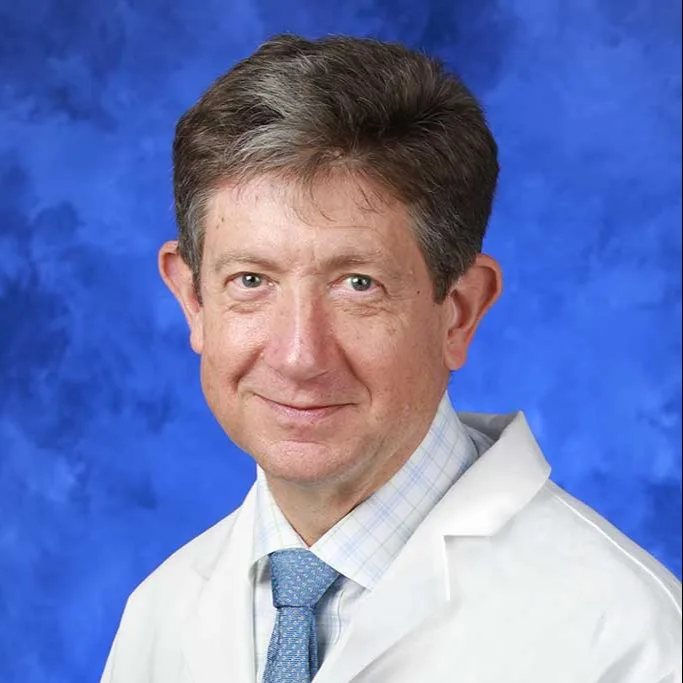
Dr. Timothy Mosher is a Distinguished Professor and Kenneth L. Miller Chair in Radiology at the Penn State College of Medicine. He holds joint appointments in Pediatrics and Orthopaedics & Rehabilitation. His primary affiliation is the Department of Radiology. Education: BS in Chemistry (Ursinus College) MS in Chemistry (University of Virginia) MD (Penn State College of Medicine) Residency in Diagnostic Radiology (Penn State Health) Fellowship in Body Imaging (Johns Hopkins) Postdoc in In Vivo NMR Research (Penn State) Research Interests: Quantitative MRI biomarkers for articular cartilage and osteoarthritis Reduction of diagnostic errors in radiology through cognitive neuroscience Radiology education focusing on diagnostic process improvement His work addresses neurocognitive factors in radiologist errors and clinical decision support systems. He leads Penn State Health's Imaging Services and serves on national patient safety boards.