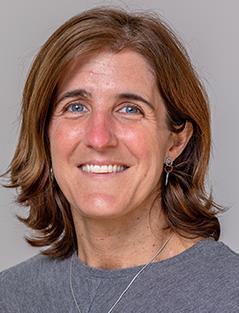
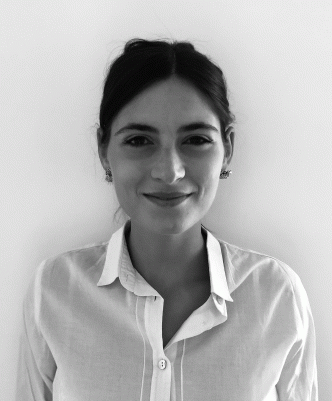
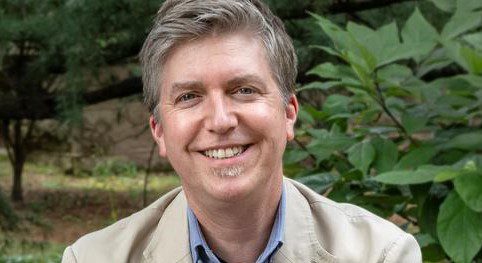
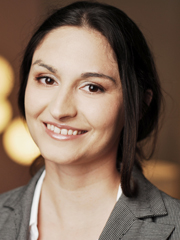
Professor Susan Brooks is a faculty member at Oxford Brookes University in the School of Biological and Medical Sciences . Her research focuses on glycobiology , cancer progression , and the role of extracellular vesicles in metastasis. Professor of Cell Biology Director of Researcher Development Focus on breast and ovarian cancer Specialized in glycosylation mechanisms Research Interests : Dr. Brooks' work explores how aberrant glycosylation of proteins and glycans influences cancer cell behavior, including metastasis and drug resistance . Her recent studies examine extracellular vesicles as diagnostic tools and therapeutic targets. Article Trends : Over 25 years, Dr. Brooks has published 15+ articles on glycosylation patterns in breast and ovarian cancer. Key areas include lectin binding , miRNA regulation , and radiation-induced metastatic changes . Her work bridges cell biology and clinical applications .
Kari Vaahtomeri is a University Researcher at the University of Helsinki, affiliated with the Molecular and Integrative Biosciences Research Program and the CAN-PRO Translational Cancer Medicine Program. He serves as a Cellular Communication Supervisor in the Doctoral Programme in Integrative Life Science, focusing on lymphatic biology, immune cell migration, and tumor-endothelial interactions. Research Programs: Molecular and Integrative Biosciences, CAN-PRO Translational Cancer Medicine Supervision: Doctoral Programme in Integrative Life Science His research explores the lymphatic system's role in cancer metastasis, immune cell transmigration, and vascular network development. Key areas include chemokine signaling, endothelial cell dynamics, and the molecular mechanisms of antigen presentation in tumors. Recent publications highlight his work on lymphatic endothelial multicellular junctions, melanoma-lymphatic crosstalk, and AMPK signaling in lung cancer immune evasion. His projects span from 2017 to 2027, funded by the Sigrid Jusélius Foundation and the Academy of Finland. Key Collaborations: IST Austria, international lymphatic research networks Activities: Oral presentations at conferences, academic visits to research institutions
Sophie Withaeckx is an Assistant Professor at the Faculty of Arts and Social Sciences , Maastricht University , specializing in philosophy and ethics. Her work bridges critical inquiries into culture, gender, and morality with empirical studies on violence and transnational adoption. Doctorate in Philosophy and Moral Sciences (VUB) Master's in African Languages & Cultures (UGent) and International Politics (University of Antwerp) Research Focus: Normative conceptions of 'humanity' in public institutions and higher education decolonization Ethics of transnational adoption, examining humanness, family structures, and kinship Intersectional analysis of intimate partner violence in general practice Recent Publications address adoption reform resistance, ethical caregiving practices, and intersectional policy frameworks, reflecting her interdisciplinary approach to gender, violence, and transnational ethics. PhD Supervision: Eva Vergaert: Intersectional care for intimate partner violence Atamhi Cawayu: Transnational adoption inequalities Folashade Ajayi: Black activism in Europe Career History: Former coordinator at RHEA (VUB), lecturer at Odisee University College, and staff member at IVCA (Intercultural Women’s Center Antwerp).
Professor Erez Raz serves as Director of the Institute of Cell Biology at the University of Münster and is affiliated with the Center for Molecular Biology of Inflammation (ZMBE). He is a prominent member of the Cluster of Excellence "Cells in Motion" and serves on the board of the CiM-IMPRS graduate program. His research group "AG Raz: Cell biology in vivo - Germ-cell development" investigates fundamental mechanisms of cell migration in living organisms. Professor Raz's research focuses on cell migration, cell-fate maintenance, and organogenesis within live vertebrate embryos. His laboratory primarily employs zebrafish as a model organism due to its transparent embryos that develop externally, enabling high-resolution live imaging of cellular processes. His work has revealed critical mechanisms of how cells navigate within developing organisms, with significant implications for understanding pathological conditions like cancer metastasis and inflammatory processes where cell migration becomes dysregulated. His recent publications demonstrate a sustained focus on molecular mechanisms controlling germ cell migration, including the roles of RNA-binding proteins like Dnd1, bleb formation dynamics, mitochondrial regulation of germ cell fitness, and tissue microenvironment influences on cell protrusion types. His research uniquely integrates approaches from cell biology, biophysics, genetics, and mathematical modeling to gain comprehensive insights into cellular migration dynamics. Over 100 publications spanning two decades Extensive collaborations across disciplines Methodological innovations in cell imaging and manipulation Professor Raz has successfully mentored numerous doctoral students and postdoctoral researchers, fostering interdisciplinary collaborations between biologists, physicists, mathematicians, and clinicians. His laboratory has developed innovative techniques for cell ablation, mRNA labeling, and in vivo manipulations using optical tweezers, contributing significantly to methodological advances in the field. His laboratory participates in the Multiscale Imaging Centre and the "Cells in Motion" research network, providing access to state-of-the-art imaging capabilities for studying cellular dynamics at multiple scales, from molecular interactions to whole-organism development.
Prof. Dr. Alexandra Cuffel is a leading scholar in medieval and early modern interreligious encounters, currently serving as Professor of Jewish Religion in Past and Present Times at Ruhr University Bochum's Center for Religious Studies and Director of the Käte Hamburger Kolleg 'Dynamics in the History of Religions'. Her research spans Jewish, Christian, and Muslim relations in the medieval Mediterranean and beyond, with particular expertise in religious polemics, gender studies, and environmental crises in premodern societies. Ph.D. in Medieval History, New York University (2002) M.Phil. in Medieval History, University of Cambridge (1990) B.A. in Medieval Studies, Indiana University (1988) Her recent work examines cross-religious festivals, medical theories, and environmental attitudes in premodern Afro-Eurasia, culminating in the 2024 monograph Shared Saints and Festivals among Jews, Christians, and Muslims in the Medieval Mediterranean and the forthcoming Religious Encounter and Environmental Crises . She also co-authors studies on Jewish warrior traditions and the Ten Lost Tribes with Prof. Adam Knobler. Dr. Cuffel's publications demonstrate deep engagement with sensory religious practices, bodily fluids in polemics, and apocalyptic narratives. She has held prestigious fellowships from ACLS, Harvard Divinity School, and Hebrew University, and currently leads the 'JewsEast' and 'The Ten Lost Tribes' projects at Ruhr University. ACLS Fellowship (2007) Harvard Divinity School Fellowship (2006) Dorot Foundation Fellowship (1996) Her research continues to reshape understanding of religious entanglement through material culture, ritual practices, and environmental challenges in premodern contexts.
Dr. Zekine Özertural is a researcher affiliated with the University of Bonn's Department of Central Asian Linguistics and Cultural Studies, specializing in Manichaean Studies and Old Turkic languages. Her work bridges historical linguistics, religious studies, and manuscript analysis, focusing on pre-Islamic Old Turkish texts and their cultural contexts. Research Focus: Old Turkish Uyghur Manichaeism, Dictionary of Old Uyghur, Cataloging of Oriental Manuscripts in Germany (KOHD), and Pre-Islamic Old Turkish Texts Electronic Corpus (VATEC). Scientific Activities: Collaborative projects like KOHD for manuscript preservation, editorial contributions to academic proceedings (e.g., 2011's Eastern Manichaeism ), and interdisciplinary analysis of textual evolution. Her recent publications (2002-2014) analyze Manichaean-Uyghur textual structures, phonetic/orthographic peculiarities, and cross-cultural linguistic influences, particularly between Turkic and Iranian traditions. She has co-authored works on Sogdian-Old Turkic relations and confessional texts like Xuastvanıft, contributing to understanding Central Asian religious syncretism.
Xia Liu, PhD, is an Assistant Professor in the Department of Toxicology and Cancer Biology at the University of Kentucky. Her research focuses on understanding mechanisms of breast cancer metastasis, particularly the roles of neutrophils, tumor-associated inflammation, and liquid biomarker discovery. She co-leads projects on immune checkpoint inhibitors in triple-negative breast cancer (TNBC) and tumor-induced granulopoiesis. Dr. Liu earned her PhD in Cancer Biology from Peking Union Medical College & Chinese Academy of Medical Sciences, China. Her lab's work integrates molecular biology, immunology, and translational approaches to identify therapeutic targets and improve cancer treatment efficacy. Key research areas include: Neutrophil biology in cancer progression CD44-mediated tumor cell clustering ICAM1-suPAR-CD11b axis as a therapeutic target Machine learning applications in cancer biomarker discovery Her lab has published in high-impact journals like Molecular Cancer , Nature Communications , and Cancer Discovery . She collaborates with institutions globally to advance metastasis research and clinical translation. Dr. Liu's lab is located at Research Building 2, Room 424, and maintains an active research website at xialiulab.com .
Loredana Polezzi is the Alfonse M. D’Amato Chair in Italian American and Italian Studies at Stony Brook University, appointed in 2020. She holds a BA from the University of Siena (Italy), and MA and PhD from the University of Warwick (UK). Her research focuses on transnational and diasporic Italian studies, travel writing, translation, and multilingual education. She has held roles at Cardiff University and Warwick, and co-founded the 'Transnational Modern Languages' book series. Education: BA: Università degli Studi di Siena, Italy MA and PhD: University of Warwick, UK Research Interests: Her work explores transnational Italian studies, migrant narratives, and the intersections of translation, mobility, and identity. Key themes include postcolonial literature, self-translation, and language pedagogy. Grants and Leadership: Co-Investigator, AHRC Global Challenge Research Fund (2016–18) Co-Founder, Mobility, Identity, and Translation Network (2014–17) Co-Organizer, Venice-based Erasmus programs (2013–14) Awards and Affiliations: Fellow, Learned Society of Wales (2017–) President, IATIS (2017–) Monash-Warwick Honorary Professor (2013–15) Publications: Includes monographs like Translating Travel (2001) and co-edited volumes such as Transnational Italian Studies (2020). Her work bridges critical theory, postcolonial studies, and pedagogy.
Pilar Alcaide is a Professor of Immunology at Tufts University School of Medicine. Her research focuses on understanding molecular mechanisms of T lymphocyte trafficking in inflammatory heart diseases, particularly heart failure. She combines immunology, vascular biology, and cardiac physiology to investigate immune-cardiac interactions using mouse models and advanced microscopy techniques. Education: Ph.D. and M.S. in Immunology from Universidad Autónoma de Madrid (Spain) Dr. Alcaide's lab explores how T cell-endothelial interactions contribute to cardiac pathophysiology, with translational goals toward developing immune-based therapeutics. Key areas include: STING signaling in microglial-neuronal interactions Myeloid fatty acid metabolism in HFpEF CXCR3 blockade for immunotherapy myocarditis Her work has been funded by NIH grants (e.g., mechanisms of T cell activation in cardiac fibrosis). Notable awards include the ASIP Cotran Early Career Investigator Award.
Camilla Musci is a Researcher and Curator of Special Collections at the Kunsthistorisches Institut in Florenz , part of the Max Planck Society. She holds an M.A. in Art History from Sapienza University of Rome, Sorbonne University (Paris IV), and the École Pratique des Hautes Études. Her research focuses on the history of medieval collections and the transnational circulation of Byzantine and Medieval art between the 19th and 20th centuries, particularly examining patterns of collecting in Italy and France. She has held research roles at the Kunsthistorisches Institut’s Gerhard Wolf Department and the Gemäldegalerie Alte Meister in Dresden. Since 2023, she oversees acquisitions, cataloging, digitization projects, and scholarly initiatives related to the Biblioteca Serlupiana. Her work bridges historical research with contemporary debates on cultural heritage, transmigration of objects, and museum practices. Education: M.A. in Art History (2016), École Pratique des Hautes Études, Paris Studies at Sapienza University of Rome and Sorbonne University Research Interests: Comparative study of medieval/Byzantine art collecting practices Cultural transmigration and its impact on scholarly discourse Digitization and preservation of special collections Responsibilities: Curatorial oversight of the Biblioteca Serlupiana Leadership in library digitization and scholarly projects
Philip Osdoby is a Professor in the Department of Biology at Washington University. His research focuses on bone development, pathological bone loss, and regenerative medicine, particularly cell-based therapies and tissue engineering. He investigates cell-molecular interactions involving osteoclasts, osteoblasts, immune cells, and vascular cells, emphasizing endocrine and local signaling pathways. His work spans bone biology, cellular immunology, and molecular mechanisms underlying skeletal disorders. Key areas include osteoclastogenesis regulation, cytokine signaling (e.g., IL-1, TNF-α), chemokine receptor (CXCR4) roles in osteoclast recruitment, and biomineralization processes. He explores autocrine feedback mechanisms (e.g., iNOS/NO pathways) and the interplay between angiogenesis and bone resorption in vivo models like the chick chorioallantoic membrane. Publications highlight osteoclast formation from RAW 264.7 cells, galectin-3 isoforms, and SDF-1-driven osteoclast migration. His studies often integrate in vitro and in vivo approaches to dissect bone cell microenvironment dynamics. Philip Osdoby holds no explicitly listed scientific awards. His lab’s research has contributed to understanding osteoporosis, inflammatory bone diseases, and regenerative strategies for bone repair.
Igor V. Pivkin is a full professor at the Institute of Computing within the Faculty of Informatics at the University of Lugano (USI). He holds a B.Sc. and M.Sc. in Mathematics from Novosibirsk State University, followed by an M.Sc. in Computer Science and a Ph.D. in Applied Mathematics from Brown University. Before joining USI, he was a Postdoctoral Associate at MIT's Department of Materials Science and Engineering. His research focuses on multiscale/multiphysics modeling , numerical methods, and large-scale simulations of biological and physical systems. Key areas include biophysics, cellular/molecular biomechanics, stochastic modeling, and coarse-grained molecular simulations. He leverages high-performance computing and particle-based methods to address complex biological phenomena. His work spans diverse applications, including cancer cell dynamics, bioleaching bacterial biofilms, and erythrocyte mechanics in human spleen circulation. He has pioneered computational tools such as the Bayesian recursive global optimizer (BaRGO) and the in-silico lab-on-a-chip framework, enabling petascale simulations of microfluidic systems at cellular resolution. Pivkin collaborates extensively with institutions like the SIB Swiss Institute of Bioinformatics and has contributed to advancing methodologies for multi-model scientific simulations. His research integrates experimental data with computational models to bridge gaps between microscopic and macroscopic biological processes.
Garry Sparks is an Associate Professor in Princeton University's Department of Religion, joining in Fall 2023. His research focuses on ethnohistorical analysis of Indigenous theological production in the Americas, particularly among Mesoamerican peoples during the 16th-century Iberian missionary era and modern movements like liberation theologies and Indigenous traditionalism revitalization. His work bridges critical Christian thought histories with Indigenous perspectives. Key research projects include editing the 16th-century Maya Highlands manuscript Kislak 1015 and translating the Theologia Indorum from Mayan manuscripts. Supported by NEH, AAR, and APS grants, his scholarship examines colonial religious encounters and Indigenous agency in theological formation. He serves on the editorial board of the International Journal of Latin American Religions and advises The Maya Book Project . Behrman Faculty Fellow Co-editor of critical manuscript editions Recipient of multiple prestigious research grants His teaching and research emphasize interdisciplinary approaches to Indigenous religious systems, colonial discourse analysis, and post-contact cultural dynamics. Current projects explore Maya moral frameworks and colonial-era religious syncretism.
Laila Prager is an Assistant Professor at the Institute of Social and Cultural Anthropology within the Faculty of Humanities at the University of Hamburg. She has held this position since April 2013, having previously served as a Senior Lecturer at the Institute of Ethnology at Münster University from 2011 to 2013. Her academic work focuses on the anthropology of the Middle East, with particular expertise in Alawi religious practices, kinship systems, gender relations, and cultural heritage. Dr. Prager received her Doctorate in Social and Cultural Anthropology from the Westfälische Wilhelms-University of Münster in 2010, with a dissertation titled 'Die 'Gemeinschaft des Hauses': Religion, Heiratsstrategien und transnationale Identität türkischer Alawi/Nusairi-Migranten in Deutschland' (The People of the House: Religion, Marriage Choices, and Transnational Identity of the Alawi/Nusairy Migrants in Germany). She completed her Magister degree in Social and Cultural Anthropology, Modern History, and Pre-History at the same institution in 2005, including Erasmus studies at the École des Hautes Etudes en Sciences Sociales in Paris. Dr. Prager's research spans multiple interconnected domains within anthropology. She has made significant contributions to understanding Alawi/Nusairi religious practices, particularly examining concepts of rebirth, stigmata, and transmigration. Her work on kinship and gender has explored matrifocality in the Arab world, cousin marriage practices, and changing family structures. In recent years, she has expanded her research to include heritage construction in the Gulf states, particularly examining museums, cultural festivals, and national identity formation in the UAE. Her studies of Bedouin soap operas have provided insights into how tribal identities are represented and transformed through contemporary media. Her publication record demonstrates a consistent focus on religious practices, kinship systems, and cultural identity among Middle Eastern communities, with an evolving emphasis on heritage production and gender dynamics in the Gulf region. Her most recent work explores the experiences of Emirati women leaders navigating between state-promoted feminism and traditional gender expectations. Forschungsförderungspreis der Frobenius Gesellschaft, Frankfurt (2010) Dr. Prager has supervised numerous research projects funded by organizations including the German Research Foundation. Her current research includes investigations into heritage discourses in the Middle East, matrifocality in the Arab world, and religious change among Alawi communities. She has organized significant academic events including workshops on varieties of Emirati womanhood and conferences on museums in Arabia. Her research connects with broader academic networks through collaborations with scholars specializing in Middle Eastern studies, gender studies, and anthropology of religion. Dr. Prager's work bridges disciplinary boundaries, connecting anthropology with religious studies, gender studies, and media studies to provide nuanced understandings of cultural transformation in the Middle East.
Dr. Emma Louise Shepherd is a Lecturer at the College of Health and Life Sciences (Aston University, UK). Her research focuses on experimental biology, liver disease mechanisms, and the role of extracellular matrix in fibrogenesis and tissue repair. Liver disease progression Extracellular matrix dynamics In vitro/ex vivo disease modeling Drug target identification She develops advanced models to study liver scarring and repair processes. Recent work examines Gremlin-1 as a therapeutic target in steatohepatitis, senescent secretome effects on liver endothelial cells, and metabolic analysis using NMR techniques. Her publications in iScience , eLife , and methods chapters highlight interdisciplinary approaches combining molecular biology with tissue engineering.