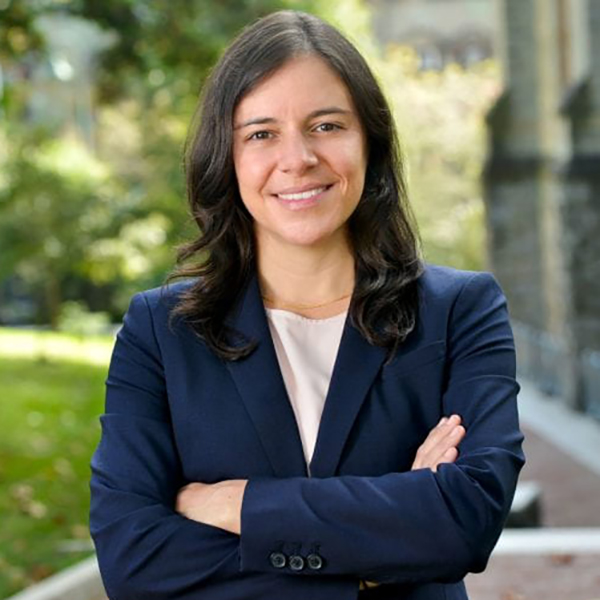
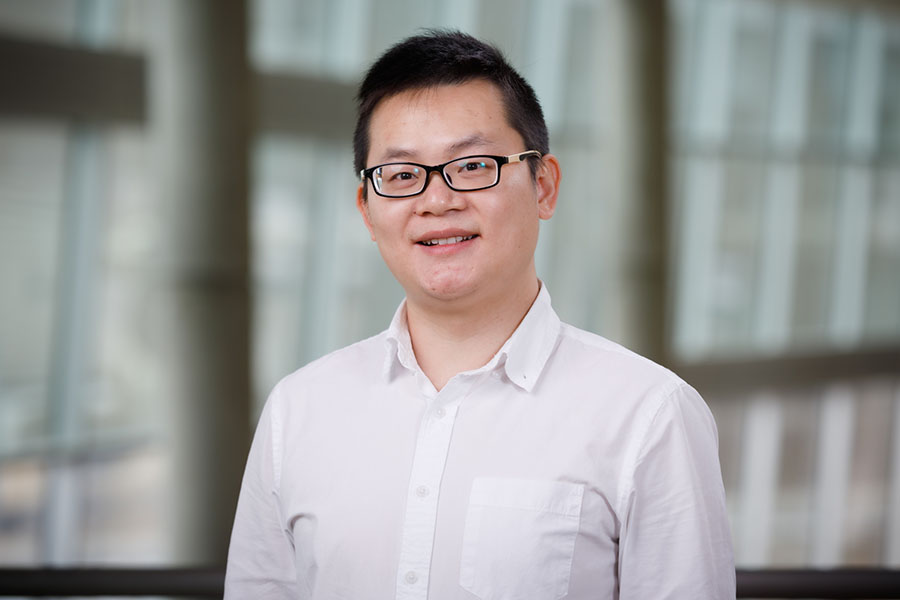
Professor Michael Inouye is a leading systems genomics and population health researcher at the University of Cambridge (Department of Public Health and Primary Care) and Baker Heart & Diabetes Institute (Melbourne). His work bridges statistical genetics, computational biology, and clinical translation, with a focus on cardiovascular/respiratory diseases and sustainable research practices. Director of Research (Research Professor) since 2021 Honorary Professorial Fellow at University of Melbourne since 2021 Co-leader of Cambridge Baker Systems Genomics Initiative since 2017 Research Interests include: Polygenic risk score development and clinical implementation Multi-omic integration (genomics, proteomics, microbiomics) Host-microbiome interactions in disease Sustainable computational methodologies Cardiometabolic disease prevention Scientific Contributions show leadership in: Developing the Polygenic Score Catalog infrastructure Creating environmentally sustainable algorithmic frameworks Elucidating microbiome contributions to chronic diseases Advancing multi-modal risk prediction models Integrating genetic and metabolic pathway analysis Recent Publications demonstrate expertise across: Polygenic score optimization for blood traits and diabetes Microbiome-disease interaction networks Computational sustainability in biomedical research Cardiovascular risk stratification Multi-omic data harmonization Genetic determinants of molecular phenotypes
Billie Bonevski is a Professor of Public Health and Matthew Flinders Professor at Flinders University's College of Medicine and Public Health. She serves as Dean of Research and Director of the Flinders Health and Medical Research Institute (FHMRI), and co-Director of the NHMRC Centre of Research Excellence on Achieving the Tobacco Endgame at the University of Queensland. Behavioral Scientist with 25 years in health/medical research 2024 Matthew Flinders Professor 2023 SRNT Service Award recipient Over $55M in research funding as Chief Investigator 240+ peer-reviewed publications, 77% in Q1 journals Her research focuses on public health , tobacco control , smoking cessation , and reducing health disparities . Recent work includes COPD management, health equity interventions, and co-designing data analytics platforms. She has led NHMRC-funded studies and mentored 13 PhD students. Broad article trends span: Public Health : Tobacco control, health disparities, chronic disease prevention Medicine : COPD, cancer screening, clinical interventions Behavioral Science : Smoking cessation strategies, nicotine product perceptions Health Policy : Program implementation, policy translation Clinical Trials : RCTs on mHealth, pharmacist-led interventions Health Informatics : Data analytics platforms for public health Scientific awards: 2024 Matthew Flinders Professor 2023 SRNT Service Award 2019 Monash University Research Impact Award 2018 APSAD Outstanding Mentor Award 2017 Hunter Children's Research Foundation Award 2016 TSANZ President's Prize Bonevski has secured 32 NHMRC/MRFF grants ($55M total) and led the Flinders Clinical Trials Unit. She is an Honorary Professor at the University of Newcastle and Queensland, and contributes to UN Sustainable Development Goals through her work.
Professor Prokar Dasgupta serves as Chair in Robotic Surgery & Honorary Consultant Urological Surgeon at King's College London's School of Medicine, specifically within the Peter Gorer Department of Immunobiology. He is a pioneering figure in robotic urological surgery in the UK and serves as Editor-in-Chief of the British Journal of Urology International (BJUI) since 2013. As theme lead for Experimental Surgery within King's Health Partners, he oversees significant translational research initiatives within one of the UK's largest Academic Health Sciences Centers. Professor Dasgupta's research spans multiple cutting-edge domains in urological surgery. His primary focus includes robotics in urology with scientific evaluation of procedures, stem cell and cell-targeted therapies for prostate and bladder cancer, bladder physiology research focusing on receptors like TRPV1 and P2X3, and innovative applications of botulinum toxin for overactive bladders. His work integrates engineering principles with clinical practice, developing mechatronic sensors, augmented reality systems, and 3D planning tools to enhance robotic surgical precision. His research group employs advanced techniques including micro-array technology, real-time PCR, and immunohistochemistry in both human tissues and animal models. Analysis of Professor Dasgupta's recent publications reveals a strong trend toward integrating artificial intelligence with robotic surgery. His work increasingly focuses on surgical workflow analysis, video recognition systems, and overcoming technical limitations in telesurgery. The publications demonstrate his leadership in both clinical applications of robotics and the underlying technological innovations that enable more precise surgical interventions. His research bridges engineering, computer science, and clinical urology to address fundamental challenges in surgical practice. His scientific recognition includes the prestigious Karl Storz-Harold Hopkins Golden Telescope award from the British Association of Urological Surgeons for significant contributions to urology, along with multiple awards for educational contributions including Best Oral Presentations and Best Posters in surgical education. He has been consistently recognized as one of BJUI's top reviewers. Professor Dasgupta has secured approximately £70 million through 36 research grants from major funding bodies including EUFP7, MRC, MS Society, and BUF. He leads a 28-strong multidisciplinary team comprising basic scientists, engineers, and clinician-scientists at King's College London. His supervisory role extends across numerous PhD students and research fellows, contributing to the 84 PhD students supervised by the 41 principal investigators within his division. His educational contributions include serving as tutor for MSc and FRCS (Urol) courses and as an examiner for the University of London. His research environment includes active collaboration with the Wellcome/EPSRC Centre for Medical Engineering and leadership in several major projects including AI-driven surgical skills acquisition, international AI research ecosystems, and innovative prostate cancer treatment trials. His laboratory work integrates robotics, imaging technology, and molecular biology to advance precision surgery in urological oncology.
Maria Cuellar is an Assistant Professor at the University of Pennsylvania , holding joint appointments in the Department of Criminology, Department of Statistics and Data Science, and Department of Biostatistics, Epidemiology, and Informatics. Her work bridges statistics and law , focusing on causal inference and the statistical foundations of forensic science. Education: PhD in Statistics and Public Policy (2017), MPhil in Public Policy (2016), MS in Statistics (2015) from Carnegie Mellon University; BA in Physics (2009) from Reed College. Her research in causal inference addresses legal questions like determining causation in toxic torts and shaken baby syndrome cases. She developed a robust influence-function-based method for estimating probabilities of causation without strict parametric assumptions. In forensic science, she investigates issues like toolmark analysis validity , contextual bias , and facial recognition accuracy in law enforcement. Dr. Cuellar’s publications highlight her focus on improving statistical rigor in forensic disciplines. Recent work includes probabilistic models for contextual bias, critiques of black-box firearm comparison studies, and algorithmic approaches to toolmark identification. Her interdisciplinary methodology combines machine learning and nonparametric estimation techniques. She serves as an expert witness and consultant in legal trials, translating complex statistical concepts for lay audiences. Affiliated with organizations like CSAFE , Quattrone Center , and Penn Center for Causal Inference , she advocates for evidence-based practices in criminal justice. Her personal life includes being a mother of twins and being married to philosopher Justin Humphreys.
Madhavi Ganapathiraju is an Associate Professor in the Department of Biomedical Informatics at the University of Pittsburgh School of Medicine, where she conducts research at the intersection of computational biology and medicine. She also serves as Adjunct Faculty at the Language Technologies Institute (LTI) at Carnegie Mellon University, leveraging her expertise in natural language processing and machine learning for biomedical applications. Dr. Ganapathiraju received her Ph.D. in Language and Information Technologies from the School of Computer Science at Carnegie Mellon University in 2007. Prior to that, she earned an M.Eng. in Electrical Communications Engineering from the Indian Institute of Science (1993) and a B.Sc. in Electronics, Physics, and Mathematics from Delhi University (1990). Her research focuses on large-scale discovery of protein-protein interactions and their application to understanding disease mechanisms. She leads projects predicting mental health and inflammation (MHAIN) interactomes, funded by the NIMH BRAINS award. Using machine learning approaches including active learning and transfer learning, her lab develops methods to analyze interaction networks for biologically relevant insights. Her work bridges computational biology with clinical applications, particularly in schizophrenia, congenital heart disease, and inflammation-related disorders. Analysis of Dr. Ganapathiraju's publications reveals consistent focus on protein-protein interaction networks across multiple disease contexts. Her work spans computational method development for predicting interactions, application to specific disease areas (particularly schizophrenia and congenital heart conditions), and translation of network findings into potential therapeutic insights. The research demonstrates increasing sophistication in integrating multi-omics data with network analysis. Notable achievements include the NIMH BRAINS award supporting her work on mental health interactomes. Her publications in high-impact journals like Nature Genetics, Cell Stem Cell, and npj Schizophrenia demonstrate the significance of her contributions to understanding the genetic and molecular basis of complex diseases. Dr. Ganapathiraju mentors students through rotation projects focusing on genetic variant to function studies for complex diseases using interactome network analysis and prioritizing coding variants using protein structure, function and interaction studies. Her lab employs machine learning and bioinformatics approaches to address challenging problems in biomedical research.
Matthew Harris is a Clinical Reader in Public Health at Imperial College London’s Department of Primary Care and Public Health, and an Honorary Consultant in Public Health Medicine at Imperial College Healthcare NHS Trust. His research focuses on global health, innovation diffusion, and bidirectional learning between the NHS and low-income countries, particularly through Reverse Innovation. He holds a DPhil from Oxford and has extensive international experience, including roles in Brazil, Ethiopia, and Mozambique. Key roles include Director of Postgraduate Taught Programmes in the School of Public Health and co-Editor of the Reverse Innovation series in Globalization and Health . Education: DPhil (Public Health), University of Oxford (2009) MSc (Public Health in Developing Countries), London School of Hygiene & Tropical Medicine (2004) MBBS, University College London (1998) Research Interests: Reverse Innovation, global health equity, primary care reform, and frugal innovation. His work challenges geographic bias in healthcare knowledge and advocates for decolonizing healthcare curricula and practices. Awards: Commonwealth Fund Harkness Fellowship (2014) NHS National Clinical Impact Award (2024) Imperial College Teaching & Learning Grant (2018) Advising & Grants: Directed the MSc in Public Health (2016–2022), led Imperial’s Global Health Innovations modules, and secured grants for decolonizing curricula. Advises the Pan-American Health Organization and chairs Primary Care International, a social enterprise supporting low-resource healthcare systems. Labs/Teams: Affiliated with the Centre for Health Policy and involved in global health initiatives like the UNHCR partnership for refugee healthcare.
Dr. Mizanur Khondoker is an Associate Professor in Medical Statistics at Norwich Medical School, University of East Anglia, with affiliations in Population Health and Norwich Epidemiology Centre. His research program focuses on developing advanced statistical methodologies for healthcare applications including dementia risk prediction, electronic health records analysis, and clinical trial design. He holds a PhD in Statistics from the University of Edinburgh, an MSc in Biostatistics from University of Dhaka, and postgraduate teaching qualifications from King's College London. As a Fellow of the Higher Education Academy, he maintains active roles in academic leadership including editorial positions for Statistical Methods in Medical Research. Khondoker's methodological research spans machine learning applications in genomics, longitudinal data modeling for cognitive decline trajectories, and dynamic prediction models. His clinical collaborations address pressing issues in mental health, neuroepidemiology, and post-pandemic health outcomes. Recent interdisciplinary work examines social prescribing interventions for dementia care and inflammation-related comorbidities. His publication record demonstrates consistent focus on psychiatric epidemiology and medical statistics, with emerging interests in the neurological sequelae of viral infections and health disparities. Methodological innovations appear in analysis of complex biobank datasets and causal inference techniques for observational studies. As principal investigator on multiple NIHR-funded projects, he leads research on anxiety assessment in stroke patients, motor neuron disease caregiver support, and inflammation-related comorbidities. His team maintains active industry partnerships to translate methodological advances into clinical practice.
Dr. Shibiao Wan is an Assistant Professor in the Department of Genetics, Cell Biology, and Anatomy at the University of Nebraska Medical Center (UNMC), and Assistant Director of the Bioinformatics and Systems Biology Core. With 14+ years of expertise in machine learning, bioinformatics, and computational biology, he has published over 50 articles in high-impact journals. His research focuses on AI-driven solutions for biomedical challenges, including cancer, neurological disorders, and precision medicine through multi-omics and clinical data integration. Education: Postdoctoral training at the University of Pennsylvania and Princeton University; PhD from The Hong Kong Polytechnic University; BEng from Wuhan University. Research interests include developing AI/ML methods for single-cell analysis, spatial transcriptomics, and clinical informatics. He collaborates with researchers in cancer biology, neuroscience, and immunology to address translational biomedical problems. Notable awards include the UNMC New Investigator Award (2024), Nebraska EPSCoR FIRST Award (2023), and Clarivate's Top Reviewer recognition (2019). He serves on editorial boards for journals like Briefings in Functional Genomics and as a conference program committee member. Labs/Teams: Wan Lab focuses on integrating omics data with AI for disease modeling and diagnostics. Collaborative projects span oncology, cardiology, and developmental biology.
Sara Lundell is an Associate Professor in physiotherapy at the Department of Community Medicine and Rehabilitation , Umeå University. Her research focuses on how stigma-related emotions like shame and guilt affect self-management in people with COPD and the development of eHealth tools to support these patients and healthcare professionals. Her educational background includes a master's degree in physiotherapy (2012) and a 2018 dissertation on COPD care implementation. She has led projects such as the ECHO-COPD initiative (2021-2024) and the current Countering Stigma in COPD Self-Management project (2024-2026). Research themes include: eHealth Interventions for COPD self-management Stigma-related Emotions in chronic disease Co-creation Processes involving patients and HCPs Qualitative Methodologies for patient experience analysis Recent publications address co-designed COPD care systems, eHealth usability, and interprofessional dynamics. She teaches functional examination, communication, and research methods at Umeå University's Physiotherapy program.
Christine Elsik is a Professor at the University of Missouri, affiliated with the Divisions of Animal Sciences and Plant Science & Technology within the College of Agriculture, Food and Natural Resources (CAFNR). Her research focuses on computational genomics and bioinformatics, with expertise in genome annotation and database development for livestock, aquaculture, Hymenopteran insects, and maize. Key projects include the Bovine Genome Database, Hymenoptera Genome Database, and AquaMine. Dr. Elsik holds a Ph.D. in Genetics from Texas A&M University. She teaches AN_SCI/PLNT_SCI 8430: Introduction to Bioinformatics Programming . Her work is supported by grants from the NSF, USDA, NIH, and the European Union, among others. Research highlights include telomere-to-telomere genome assemblies of livestock, FAANG data ecosystems, and tools like BovineMine and HymenopteraMine. The Elsik Lab collaborates globally to advance agricultural genomics, emphasizing data integration and functional annotation. Her contributions span genomic resources for cattle, honey bees, maize, and aquatic species, with a focus on translating genomic insights into practical applications for agriculture and animal health.
Professor Mark Morgan is a distinguished academic and clinician at Bond University's Faculty of Health Sciences & Medicine, where he serves as Associate Dean for External Engagement and Professor in the Department of General Practice. With extensive experience in both clinical practice and research, he has established himself as a leader in primary care research and policy development in Australia. Professor at Bond University, Faculty of Health Sciences & Medicine Associate Dean for External Engagement Chair of the RACGP Expert Committee for Quality Care Active researcher with numerous recent publications Professor Morgan's research interests span multiple critical areas in primary care including patient safety, management of patients with multiple long-term conditions, shared decision making, and deprescribing. His work bridges clinical practice and health policy, with significant contributions to understanding how healthcare systems can deliver better outcomes for patients. His research often focuses on translating evidence into practice improvements within general practice settings. His recent publications demonstrate expertise across diverse areas including antimicrobial stewardship, medication safety, end-of-life care in general practice, and the management of multimorbidity. The research output shows a strong trajectory with increasing publication activity in recent years, particularly in high-impact areas of primary care. Professor Morgan actively contributes to national health policy through his roles on the Health Care Homes Implementation Advisory Group and the Medicare Benefits Review General Practice and Primary Care Clinical Committee. His policy work focuses on improving healthcare systems, digital health record safety, and medical benefits scheduling. As an educator, Professor Morgan teaches within Bond University's Medical Program and holds a Graduate Certificate in Clinical Education from Flinders University. His educational expertise complements his clinical and research activities, creating a comprehensive academic profile that strengthens medical education at Bond University.
Scott Reeves is a Professor at Kingston University, specializing in interprofessional education and healthcare collaboration. His work focuses on enhancing collaboration among healthcare professionals through research and educational initiatives. He has co-authored over 200 articles, books, and guidelines addressing interprofessional teamwork, patient-centered care, and healthcare education systems. His research explores challenges and opportunities in interprofessional practice, including studies on discharge collaboration, interprofessional training, and the integration of pharmacists in primary care. Reeves has contributed to frameworks like the InterProfessional Activity Classification Tool (InterPACT) and co-edited key texts such as *Interprofessional Teamwork for Health and Social Care*. Reeves' work emphasizes the sociological and organizational aspects of healthcare teams, advocating for evidence-based interprofessional education to improve patient outcomes. He has engaged in international collaborations, including studies in Italy, Brazil, and Canada, and his methodologies include ethnography, systematic reviews, and mixed-methods research.
Professor Hua Dong is a leading academic in inclusive design at Brunel University London , serving as Full Professor in Design, Director of Brunel Design Research Centre, and Inaugural Dean of Brunel Design School (2020-2024). She was elected Vice-Chair of the Design Research Society (DRS) in 2024, is a Fellow of DRS, and will chair QAA's Art and Design Subject Benchmarking Statement in 2025-26. Research Expertise: Dong pioneers inclusive design theory and application across industrial, engineering, architectural, and service design domains, with a focus on AI-powered products, mHealth for aging populations, and multisensory design. Her work bridges academia and industry through projects like the Design Bugs Out Challenge and collaborations with Ant Financial, Shanghai M&G Stationery, and UK-China initiatives. Scientific Contributions: She has secured major grants including an EPSRC grant and Newton Funds . Her publications span 2007-2024, covering AI-enhanced design ideation, service ontology for aging populations, and sustainable inclusion frameworks. She co-founded the Inclusive Design Research Centre in China and curated a special issue on inclusive design for Design magazine. Scientific Awards: Fellow of Design Research Society (2019) AHRC SEED Fellowship Member of Peer Review College of AHRC Teaching & Leadership: Dong holds a PGCert in Academic Practice and has shaped design education through co-design methodologies. She has supervised 14 PhD and 1 EngD student completions, organized the Cambridge Workshop for Universal Access since 2014, and served as External Examiner at Imperial College. Global Impact: As International Judge for SDGs Design Awards and advisor to UK charities (AgeUK), governments (Nanjing), and corporations (Reckitt Benkiser), she translates design research into tangible societal benefits. Her work has been exhibited at international venues including the Milan Triennale and Zurich Design Museum .
Dr. Muhammad Faisal is an Associate Professor at the Centre for Digital Innovations in Health & Social Care, University of Bradford. He holds a PhD in Biostatistics from the University of Vienna and has over 15 years of applied health research experience. His work focuses on developing equitable clinical prediction tools and leveraging big health data for improved healthcare outcomes. Key contributions include leading the CARSS (Computer Aided Risk Scoring System) project, highlighted in the Goldacre review, and co-founding the NHS-R community to advance R-based analytics in healthcare. Education: MSc in Statistics (Bahauddin Zakaryia University, 2006), PhD in Biostatistics (University of Vienna, 2012). Professional Affiliations: Royal Statistical Society (RSS), International Society for Clinical Biostatistics (ISCB). Awards: Wolfson Centre for Applied Health Research Fellow, Fellow of Advance HE. Research Interests: Clinical prediction modeling, machine learning applications in healthcare, big data analytics, and translational research for population health. He leads the £5.8M Yorkshire & Humber Patient Safety Research Collaboration and evaluates interventions for cancer screening in South Asian Muslim women (funded £440,699). Teaching: Courses include Health Data Science, Health Informatics, and Clinical Prediction Modelling. Grants: Reviewed NIHR and UKRI grants, served on UKRI Peer Review College and NIHR HS&DR committees. Notable Publications: Over 100 peer-reviewed articles, with one achieving top 5% Altmetric attention (17 news stories). Labs/Teams: CARSS Research Group, NHS-R community. Future Work: Expanding equitable prediction tools and digital health innovation.
Vito D’Orazio is an Associate Professor in the Department of Political Science at West Virginia University (WVU), affiliated with the John D. Rockefeller IV School of Policy and Politics. He holds the Woodburn Professorship. His research bridges Political Science and Data Science, focusing on conflict forecasting, militarized disputes, predictive modeling, machine learning, and natural language processing for content analysis. He co-leads the Militarized Interstate Dispute (MID) project and the UTD Event Data project, supported by NSF and DARPA grants. Education: Ph.D. in Political Science from Pennsylvania State University (2013), with concentrations in International Relations, Political Methodology, and Information Science. Previously, he taught at the University of Texas at Dallas and was a postdoctoral researcher in data science at Harvard University’s Institute for Quantitative Social Science. Research interests include conflict forecasting systems, AI-driven methods for political violence analysis, and software development for social science. His work emphasizes automated machine learning (AutoML), domain-specific language models (e.g., ConfliBERT-Spanish/Arabic), and event data coding frameworks. Grants: National Science Foundation (NSF), Defense Advanced Research Projects Agency (DARPA). Collaborations: MID dataset updates via crowdsourcing, cross-lingual NLP tools for conflict analysis. Labs/Teams: Co-Principal Investigator (Co-PI) on MID and UTD Event Data projects, leading interdisciplinary teams in conflict data science.