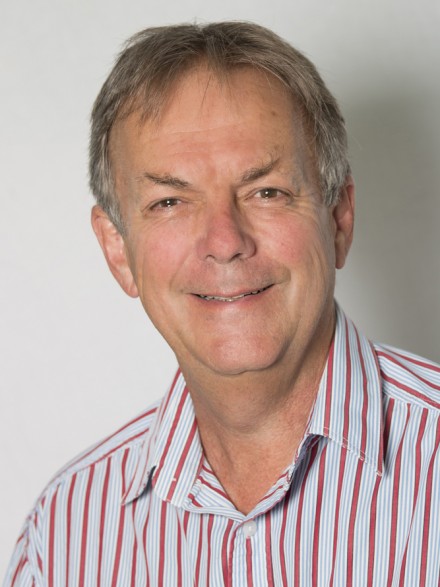
Patrick T. Brandt is a Professor of Political Science, Public Policy, and Political Economy at the University of Texas at Dallas , affiliated with the School of Economic, Political and Policy Sciences . His work integrates advanced statistical methods with political science, focusing on time series analysis, machine learning, and Bayesian modeling to study political dynamics. His research spans international relations , political economy , terrorist targeting , and conflict forecasting . He specializes in developing novel models for event count time series, including the Bayesian Poisson Vector Autoregression and MS-BVAR packages for R. His NSF-funded projects focus on event data generation and real-time conflict forecasting. Recent publications emphasize domain-specific language models (ConfliBERT variants), graph neural networks for conflict prediction, and machine translation challenges in political text analysis. He maintains the OpenEvent Data Repository and develops software like MSBVAR and PESTS for academic use. Scientific Awards : Robert H. Durr Award for Best Methodology Paper, Midwest Political Science Association (2006)
Michael Krauthammer is a Professor of Medical Informatics and Chair of the Department of Quantitative Biomedicine at the University of Zurich, affiliated with the University Hospital of Zurich. His lab focuses on Clinical Data Science and Translational Bioinformatics, leveraging AI and machine learning to address healthcare challenges. Key areas include cancer genomics, federated learning, and automated medical imaging analysis. Education and affiliations: Krauthammer leads an interdisciplinary team supported by major funding agencies. His research spans bioinformatics, clinical decision support systems, and multimodal data integration. Notable projects include AI-assisted diagnosis in rheumatology and prime editing efficiency prediction. Recent work emphasizes longitudinal cfDNA analysis, drug interaction modeling, and personalized oncology. The lab collaborates across disciplines, with projects funded by Swiss and international grants. Students and postdocs work on topics like machine learning for radiology reports, longitudinal disease trajectories, and protein design. Key projects include the NTCIR-18 RadNLP challenge, prime editing prediction models (Nature Biotechnology 2024), and vision transformers for capillaroscopy analysis. The lab advocates for reproducible data science and ethical AI in healthcare.
Dr. Lucia D'Ambruoso is a Senior Lecturer at the Institute of Applied Health Sciences, School of Medicine, Medical Sciences and Nutrition, University of Aberdeen. She is based at the Aberdeen Centre for Health Data Science and leads international research on health systems, participatory methods, and verbal autopsy. She holds honorary and visiting positions at the University of the Witwatersrand (South Africa), Umeå University (Sweden), and Stellenbosch University, and serves on multiple international research and policy committees. PhD in Public Health, University of Aberdeen (2011) MSc in Public Health and Health Services Research, University of Aberdeen (2003) BSc (Hons) in Pharmacology, University of Aberdeen (1997) Her research focuses on health policy and systems, social determinants of health, and participatory action research, especially in sub-Saharan Africa and South Asia. She uses qualitative and mixed methods to understand how health systems can be made more equitable and responsive through community engagement, inter-sectoral action, and innovative data systems like verbal autopsy. Her recent publications demonstrate a strong focus on community-led health research, digital health platforms for emergency care, school-based mental health, and mortality data systems. She leads major NIHR and GCRF-funded programmes in South Africa and Rwanda, aiming to strengthen primary care and injury response systems through participatory methods. Scientific Awards: University of Aberdeen Interdisciplinary Research Award (2024) University of Aberdeen Outstanding Research Award (2024) Fellow, Stellenbosch Institute of Advanced Study (2025) Fellow, Royal Society for Public Health (2021) Fellow, Higher Education Academy (2017) Dr. D'Ambruoso teaches across global health, health policy, and research methods at both undergraduate and postgraduate levels. She supervises PhD students and is Deputy Director of the Centre for Global Development at the University of Aberdeen. She is actively involved in community engagement through NHS Grampian and serves on the editorial board of Global Health Action and the Steering Committee of the Politics of Health Group. Her research is supported by NIHR, MRC, Wellcome Trust, and international philanthropies. She leads the Verbal Autopsy with Participatory Action Research (VAPAR) initiative, which connects communities, researchers, and policymakers to generate actionable evidence on health equity. Her team works closely with the Agincourt HDSS in South Africa and has developed innovative tools for community health worker training and data collection.
Rhys Jones is a Professor of Human Geography and former Head of Department in the Department of Geography and Earth Sciences at Aberystwyth University. He is a leading scholar in political geography, with a focus on Welsh nationalism, state territoriality, devolution, and behavioral insights in public policy. He is a Fellow of the Learned Society of Wales (FLSW) and the Academy of Social Sciences (FAcSS), and serves on the Board of Natural Resources Wales, demonstrating significant academic and public impact. His research interests center on the interplay between identity, place, and governance. Key themes include the spatial dimensions of Welsh nationalism, the peopled character of the state, devolution in the UK, and the ethical and practical applications of behavioral science in policymaking. His work often engages with issues of spatial justice, territorial cohesion, and regional movements within the European Union. The recent publications and projects reflect a strong trend toward interdisciplinary, policy-relevant research. His work spans books, peer-reviewed articles, commissioned reports, and digital media outputs, with a focus on heritage tourism, linguistic vitality, and cross-border dynamics between Wales and Ireland. He frequently collaborates with researchers across institutions and nations, particularly through EU-funded programs like Horizon 2020 and INTERREG. His scientific recognitions include: Fellow of the Learned Society of Wales (FLSW) Fellow of the Academy of Social Sciences (FAcSS) Gwobr Adnodd Cyfrwng Cymraeg (Welsh Language Resource Award, 2020) Rhys Jones has secured substantial research funding from the ESRC, AHRC, Leverhulme Trust, Horizon 2020, INTERREG, and the Welsh Government. He leads or contributes to multiple active projects, including those on territorial cohesion in the EU, regional movements, and heritage tourism. He also plays a key role in knowledge exchange, public engagement, and media outreach, particularly on issues related to Welsh identity, language, and governance. He is actively involved in organizing exhibitions, film launches, and public talks, often in collaboration with cultural and academic partners in Wales and Ireland. He is involved in several research networks and teams, including the WISERD Civil Society project and the Centre for Welsh Politics and Society. His work contributes to UN Sustainable Development Goals, particularly those related to reduced inequalities, sustainable cities, and strong institutions.
Prof Kamal R Mahtani is a Professor of Evidence-Based Healthcare at the University of Oxford , based at the Centre for Evidence-Based Medicine within the Nuffield Department of Primary Care Health Sciences. He is a practicing NHS General Practitioner and co-founder of the Oxford Social Prescribing Research Network. Adjunct Professor at University of New South Wales (2025) Fellow of Kellogg College and Royal College of General Practitioners Research Interests focus on service innovations in primary care, including social prescribing, evidence translation, and workforce dynamics (paramedics, pharmacists, link workers). His work bridges healthcare delivery with behavioral science and policy impact. Publications emphasize realist evaluations, systematic reviews, and meta-analyses across social prescribing, chronic disease management, and data-driven prescribing interventions. Notable funding includes NIHR Fellowships and £1.2M for the Oxford Social Prescribing Research Network. Awards include: 2016 RCGP/SAPC Yvonne Carter Award 2020 RCGP/SAPC John Fry Award Key role in Athena Swan Gold award (2023) via leadership development Education & Leadership features directing Oxford's MSc Global Healthcare Leadership and Primary Care Research Leadership Programme, alongside graduate medical education (BSc, PhD, MBBS, FRCGP). He advocates for diversity in academia as the first British-Indian Oxford Professor in his department.
Prof. Dr. Georg Schett is Vice President for Research at Friedrich-Alexander-Universität Erlangen-Nürnberg (FAU) and Chair of Internal Medicine III at the University Hospital Erlangen. He has been a leading figure in rheumatology and internal medicine research since joining FAU in 2006, directing the Department of Medicine 3 and shaping FAU's research strategy as a key member of university leadership. His educational background includes a medical degree from the University of Innsbruck (1994), residency and habilitation in internal medicine at the University of Vienna, and specialized training in rheumatology. He also completed a research fellowship at Amgen, USA. Georg Schett’s research focuses on rheumatology, autoimmune diseases, inflammation, and translational immunology . His work bridges clinical practice and molecular investigation, aiming to understand disease mechanisms and improve therapeutic outcomes. He has published over 1,000 peer-reviewed articles and maintains an exceptionally high h-index of 155, reflecting significant global impact. Although specific recent publications are not listed in the source text, his extensive publication record demonstrates sustained contributions across immunology, clinical rheumatology, and molecular pathways of chronic inflammation. Scientific Awards: Gottfried Wilhelm Leibniz Prize (2023) Member, German Academy of Sciences Leopoldina (since 2021) As Principal Investigator and spokesperson in major third-party funded projects, Prof. Schett has secured substantial research grants and led collaborative initiatives nationally and internationally. He mentors researchers and oversees a large research team, though named students are not listed. His collaborations include institutions such as the Karolinska Institute (Sweden), VIB (Belgium), and the Kennedy Institute of Rheumatology (UK). He leads the research group at the Department of Medicine 3, University Hospital Erlangen, and is actively involved in national and international scientific networks. His lab focuses on inflammatory diseases with strong translational goals, integrating clinical data with molecular profiling.
Adrien Depeursinge is a Professor at HES-SO Valais-Wallis - Haute Ecole de Gestion, affiliated with the School of Economics and Services and the Management Information Systems department. His research focuses on radiomics, personalized medicine via image-based analysis, and clinical workflow optimization. He leads the development of the QuantImage platform, a physician-centered web-based tool for radiomics research, and contributes to radiomics standardization efforts through initiatives like the Image Biomarker Standardization Initiative (IBSI). His work emphasizes machine learning applications in healthcare, including tumor segmentation, biomarker extraction, and improving diagnostic accuracy through computational models. Key research themes include: 1) Radiomics – developing quantitative imaging features for cancer diagnosis/prognosis; 2) Medical Imaging Analysis – advancing texture-based models, multi-modal fusion, and automated lesion detection; 3) Physician-AI Collaboration – designing user-centric tools for clinical integration. His contributions span neuro-oncology (brain metastases), head-and-neck cancer, and multiple sclerosis imaging. Publications emphasize methodological advancements (e.g., kernel optimization in CNNs, steerable detectors) and clinical validation (e.g., reproducibility of radiomics features across imaging protocols). He collaborates with institutions like the University Hospital of Lausanne (CHUV) and international teams on projects like the HECKTOR challenge for PET/CT tumor segmentation. His work bridges technical innovation with clinical impact, aiming to translate radiomics into actionable clinical tools. QuantImage v2, his flagship tool, enables no-code development of machine learning models using clinical imaging data. Research also includes phantom-based validation of radiomics features and addressing challenges in feature stability across imaging modalities. Current projects explore improving contour quality for radiomics studies and optimizing AI explainability in medical decision-making.
Payam Barnaghi is a Professor and Chair in Machine Intelligence Applied to Medicine at Imperial College London's Department of Brain Sciences, part of the Faculty of Medicine. He holds multiple leadership roles, including Co-Director of the School of Convergence Science in Human and Artificial Intelligence and Deputy Head of Neurology. His research focuses on AI-driven healthcare solutions, particularly in neurosciences and dementia care. He leads the Translational Machine Intelligence group at the UK Dementia Research Institute (UK DRI) and is a Visiting Professor at University College London's Institute of Child Health. His affiliations include the NVIDIA Deep Learning Institute, the British Heart Foundation Centre for Research Excellence, and the UK DRI Care and Research Technology Centre. He has received awards such as the Wellcome Trust Mental Health Ideathon Award (2023) and the IEEE Outstanding Leadership Award (2017). His work emphasizes remote patient monitoring, digital biomarkers, and explainable AI for early health event detection. Key projects include the TIHM (Technology Integrated Health Management) initiative for dementia care, leveraging wearable sensors and machine learning. He contributes to interdisciplinary efforts in smart care ethics and has published extensively on topics like neural network applications, healthcare data analysis, and clinical decision support systems.
Professor Mark Morrison is an Affiliate Professor at the School of Chemistry and Molecular Biosciences, University of Queensland, and holds roles as Chair & Group Leader of Metagenomics at the Frazer Institute within the Faculty of Health, Medicine and Behavioural Sciences. His research focuses on clinical microbiology, gastroenterology, and the microbiome’s role in diseases like inflammatory bowel disease (IBD) and diabetes. He has extensive academic qualifications, including a Bachelor of Science from the University of New South Wales, a Master’s from James Cook University, and a PhD from the University of Illinois. Education : Bachelor of Science, University of New South Wales Masters (Research) of Science, James Cook University Doctor of Philosophy, University of Illinois His research interests span microbiome-driven health and disease mechanisms, particularly in gut-brain interactions, mucosal microbiota dynamics, and translational therapies. Over 390 works include studies on dietary FODMAP effects, microbiome-based IBD diagnostics, and SCFA therapy for diabetes. He leads interdisciplinary grants on microbiome manipulation and has advised numerous PhD students on topics like Crohn’s disease, archaeal biodiversity, and immune modulation. His recent articles highlight microbiota roles in SIBO, anastomotic leaks, and probiotic efficacy. While no explicit awards are cited, his contributions to gut microbiome science are recognized through active research collaborations and funding. He actively supervises students and chairs teams advancing metagenomics and clinical applications.
Robert Furbank is a Professor and Centre Director at the Australian National University (ANU), leading the ARC Centre of Excellence for Translational Photosynthesis. He specializes in enhancing crop yields through improving photosynthesis and abiotic stress tolerance in cereals like wheat and rice. His work spans plant phenomics, genetic manipulation, and high-throughput phenotyping techniques. He co-leads the C4 Rice Consortium, aiming to introduce C4 photosynthesis into rice to boost productivity. Furbank holds a BSc (Hons) from the University of Wollongong (1979) and a PhD from ANU (1982). He has received prestigious awards, including the Queen Elizabeth II Research Fellowship (1987) and the CSIRO Plant Industry Leadership Award (2014). Research interests include C3/C4 photosynthesis mechanisms, carbon allocation, and developing tools for plant phenomics. He collaborates internationally with organizations like CIMMYT and IRRI, focusing on translational research to bridge experimental findings with crop improvement. His recent projects address heat tolerance in wheat and satellite-based phenotyping for crop analysis. Education: Bachelor of Science (First Class Honours), University of Wollongong, 1979 PhD, Australian National University, 1982 Research Highlights: Combining molecular genetics and phenomics to understand genetic variation in photosynthesis; developing CO2-concentrating mechanisms in rice; improving wheat yield via high-throughput measurement tools. Awards: Queen Elizabeth II Research Fellowship (1987) ACT ICT Innovation Award (2013) CSIRO Plant Industry Leadership Award (2014) Grants and Collaborations: Leads major initiatives like the ARC Centre and participates in global consortia such as the International Wheat Yield Partnership. His work integrates advanced imaging and machine learning for crop trait prediction.
Dr Akanksha Srivastava serves as a Researcher at the John Curtin School of Medical Research (JCSMR), Australian National University, with affiliations spanning the Centre for Computational Biomedical Sciences, Division of Genome Sciences and Cancer, and the Eyras Group specializing in Computational RNA Biology. Her research focuses on computational approaches to RNA biology and genomics within cancer research, contributing to JCSMR's mission of advancing translational medical science. She works at the intersection of biomedical data analysis and disease mechanism studies, particularly in cancer genomics and RNA sequencing methodologies. As a core member of the Eyras Group, Dr Srivastava participates in multidisciplinary projects addressing critical health challenges including cancer, metabolic disorders, and genomic diseases, leveraging computational frameworks to drive biomedical discovery at ANU's premier medical research institution.
Debbi Marais is a Professor (Teaching Focussed) at the University of Warwick within the Warwick Medical School and Health Sciences department. She serves as the Director of Postgraduate Education and is a Principal Fellow of the UK Higher Education Academy , demonstrating strategic leadership in enhancing teaching quality, curriculum development, and student mentorship. With over 25 years of experience in higher education, she has held academic positions at Stellenbosch University , University of Aberdeen , and University of Warwick . Her expertise spans teaching, assessment, program coordination, quality assurance, and reflective practice. Marais’ research interests include pedagogical innovation , with a focus on technology-enhanced teaching and employability & professionalism , as well as public health nutrition covering infant and young child feeding , nutrition transition , and global health . She employs mixed methods in her research and has contributed to understanding exclusive breastfeeding barriers , maternal obesity trends in Africa, and Arabic weight-loss app design . Her work often intersects with technology-enhanced health education and interdisciplinary collaboration . Her recent publications highlight qualitative studies on food-based dietary guidelines in Kenya and South Africa, mobile health interventions for weight loss, and educational innovations in medical and nutrition training. These works reflect her commitment to global health equity and digital pedagogy , with recurring themes in African and Southeast Asian health contexts. She emphasizes participatory research methods and policy translation in maternal and child nutrition. Scientific Awards Principal Fellow of the UK Higher Education Academy Marais has supervised postgraduate research students (PhD and Masters) and contributed to curriculum reform through collaborative international projects. She has secured external funding for research and demonstrated interdisciplinary expertise in nutrition , public health , and health education .
Sume Ndumbe-Eyoh is an Assistant Professor at the Dalla Lana School of Public Health, University of Toronto, and Director of the Black Health Education Collaborative (BHEC). Her work focuses on health equity, structural racism, and critical race theory in public health. She holds a Master of Health Sciences in Health Promotion and Global Health from the University of Toronto. Her research examines anti-Black racism, knowledge translation, and health disparities in Black communities. Key research areas: Health equity, Critical Race Theory, Black health, structural determinants Major projects: Reimagining Black Health in Canada (PI), Defining Black Health Competencies (CIHR-funded) Publications: 8+ peer-reviewed articles on equity frameworks, racism, and pandemic responses (2015–2023) Community engagement: Co-led EGAP data governance framework, developed BHEC storytelling resources Education leadership: Teaches African/Black Practicum Preparation course Her work bridges academic research and policy advocacy through Another World Lab and national collaborations.
Dr Bastien Lechat is a Research Fellow at Flinders Health and Medical Research Institute (FHMRI): Sleep Health, within the College of Medicine and Public Health at Flinders University. He is also a Full Member of the College of Science and Engineering and the Medical Device Research Institute. As an NHMRC Emerging Leadership Fellow, he leads innovative research at the intersection of sleep medicine, artificial intelligence, and wearable technology. Education: PhD in Sleep Health, Adelaide Institute for Sleep Health, Flinders University (2018–2021) Bachelor of Engineering in Engineering Science/Acoustics, Université du Maine, France (2014–2017) Dr Lechat’s research focuses on understanding the physiological mechanisms and consequences of obstructive sleep apnea (OSA), particularly night-to-night variability and patient subtypes. He develops AI-driven tools for efficient and accurate diagnosis using wearables and signal processing. His work aims to create a scalable, low-cost model of care for sleep-disordered breathing, addressing global diagnostic gaps. His recent publications reveal a strong trend in digital health innovation, with a focus on machine learning for OSA detection, circadian rhythm modeling, cardiovascular risk prediction, and climate impacts on sleep. His research has been published in top journals including Nature Communications , Journal of Sleep Research , and Sleep Medicine , demonstrating interdisciplinary reach. Scientific Awards and Recognition: NHMRC Emerging Leadership Fellow (2023) Helen Bearpark Memorial Scholarship (2022) Emerging Research Leader Award, Flinders University (2021) Multiple early-career awards from Sleep Down Under, Australasian Sleep Association, and Adelaide Sleep Retreat Ranked in the top 5% of international authors in sleep apnea by Expertscape Dr Lechat has secured over $2.5 million in competitive research funding and actively supervises and mentors junior researchers. He serves on the program committee of the American Thoracic Society meetings and contributes to clinical guidelines. He collaborates globally with industry and academic partners to translate research into clinical practice. Laboratories and Research Teams: He co-leads the 'Novel use of digital innovations & technology development' theme at FHMRI: Sleep Health, working closely with Professor Danny Eckert. His team integrates expertise in biomedical engineering, data science, and clinical sleep physiology to advance digital sleep medicine.
Xiaoning Ding is an Associate Professor in the Department of Computer Science at New Jersey Institute of Technology (NJIT). His research focuses on virtualization, multicore computing, cloud infrastructure optimization, and mobile systems. He leads projects addressing challenges in nested virtualization, memory management, and cache conflicts in distributed and cloud environments. Key research interests include optimizing task scheduling in cloud VMs, reducing TLB misses through huge page strategies, and mitigating interference in multi-tenant GPU clouds. His work on page placement mechanisms and dynamic page coalescing aims to enhance virtualized cloud performance. Ding has received federal funding, including an NSF grant for virtualization research in heterogeneous memory hierarchies (2016–2019). His research outputs span over 74 publications, with notable contributions in EuroSys, IEEE Transactions, and conferences like PACT. Media coverage highlights his studies on cloud computing and collaborative mobile systems, such as parking assignment algorithms. Beyond technical contributions, Ding advises students in interdisciplinary projects, exemplified by collaborations with Applied Math majors on cloud computing challenges.