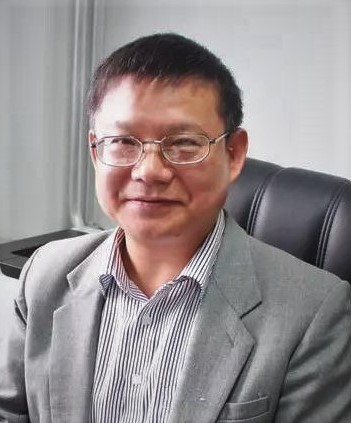
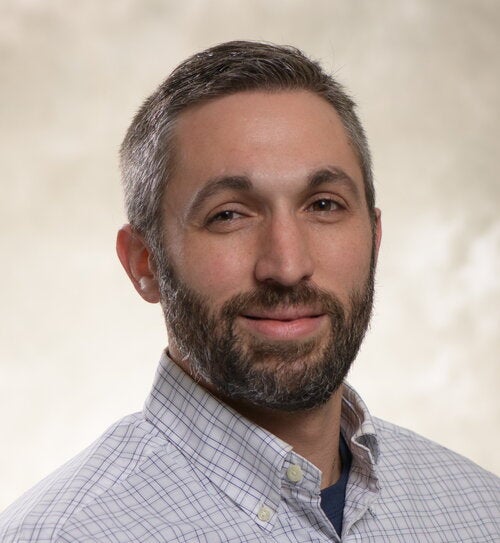
Harris R Perlman is Chief of Rheumatology in the Department of Medicine at Northwestern University Feinberg School of Medicine and holds the Mabel Greene Myers Professor of Medicine. His research focuses on macrophage biology, inflammatory arthritis, and fibrotic diseases like systemic sclerosis and pulmonary fibrosis. Affiliation: Northwestern University Academic Rank: Professor Key Institutes: Center for Human Immunobiology, NUCATS, Lurie Cancer Center Research Interests: His work explores: Macrophage heterogeneity in arthritis and fibrosis Complement pathway activation in rheumatoid arthritis Profibrotic monocyte-derived macrophages in lung disease Role of Wnt-beta catenin in macrophage pathogenesis Transcriptional profiling for precision medicine in autoimmune diseases Age-related immune dysregulation in inflammatory conditions Scientific Awards: Mentor of the Year (2022) Clinical Trials: Synovial Macrophage Transcriptional Signatures for Predicting Therapeutic Efficacy Pathogenic Wnt-beta catenin target genes in macrophages and fibrosis
Professor Peter Z. Qin is a faculty member in the Department of Chemistry at the University of Southern California (USC), affiliated with the USC Dornsife College of Letters, Arts and Sciences. His research focuses on understanding nucleic acid recognition mechanisms, genome engineering, and CRISPR-Cas systems, employing advanced techniques like Site-Directed Spin Labeling (SDSL) and electron paramagnetic resonance (EPR) spectroscopy. Qin earned his Ph.D. from Columbia University (1999) and B.S. from Peking University (1991). Research interests include structural dynamics of nucleic acids, protein-nucleic acid interactions, and CRISPR-mediated DNA cleavage mechanisms. His work bridges physical chemistry and biochemistry, with applications in diagnostics, therapeutics, and gene editing. Notable contributions involve elucidating CRISPR-Cas9 and Cas12a mechanisms, DNA-unwinding checkpoints, and the role of bridge helices in target discrimination. Recent publications (2021–2025) emphasize CRISPR-Cas systems, DNA dynamics, EPR-based instrumentation, and molecular mechanisms of genome editing. His group develops tools like dual-mode EPR spectrometers and phosphorothioate-based RNA labeling techniques. The lab actively publishes in high-impact journals and collaborates on translational projects like CRISPR-engineered mouse models. Prof. Qin’s work is supported by grants and collaborations, though specific funding details are not listed. His lab maintains a dedicated website detailing ongoing research and methodologies.
Brigitta Stockinger is a distinguished Professor at the Francis Crick Institute, leading research in the Division of Molecular Immunology. With a career spanning over three decades, she has established herself as a leading authority in immunology, particularly in the study of T cell biology and the aryl hydrocarbon receptor (AHR) pathway. PhD in Biology from the University of Mainz Postdoctoral training in London, Cambridge, and Heidelberg Member of the Basel Institute for Immunology (1985-1991) Group leader at MRC National Institute for Medical Research (1991-present, now part of Francis Crick Institute) Head of Division of Molecular Immunology (2010-present) Professor Stockinger's research has evolved from studying immune tolerance using T cell receptor transgenic mouse models to pioneering work on immunological memory with CD4 memory T cells. Her lab made seminal discoveries regarding Th17 cell differentiation factors, which led to groundbreaking research on the aryl hydrocarbon receptor (AHR) as an environmental sensor in the immune system. Her work spans fundamental immunology, infection responses, inflammation, and the intersection of environmental factors with immune regulation. Analysis of her extensive publication record (over 65 Crick publications) reveals a strong focus on Immunology (38 publications), followed by Model Organisms (12), Genetics & Genomics (10), and Tumour Biology (9). Her most influential work appears in top journals including Nature (5 papers), Nature Immunology (6 papers), and Immunity (6 papers), demonstrating the high impact of her research on understanding T cell plasticity, AHR signaling, and mucosal immunity. Fellow of the Academy of Medical Sciences (2005) EMBO fellow (2008) Fellow of the Royal Society (2013) ERC Advanced Investigator grant (2009) Wellcome Senior Investigator Grant (2013) CRUK grant (2015) Wellcome Investigator Grant (2018) Professor Stockinger's laboratory investigates how environmental factors influence immune responses through the AHR pathway, with particular emphasis on intestinal immunity, inflammation, and host-microbe interactions. Her work has significant implications for understanding inflammatory bowel diseases, infection responses, and the role of dietary components in immune regulation. She has established numerous collaborations across the Francis Crick Institute and maintains active research programs examining AHR's role in both innate and adaptive immunity.
Professor Phil Jones serves as a Senior Group Leader at the Wellcome Sanger Institute and Professor of Cancer Development at the University of Cambridge, with additional clinical responsibilities as a Consultant in Medical Oncology at Addenbrooke's Hospital. His research focuses on understanding how normal cell behavior is altered by mutation during aging and early cancer development. Dr. Jones's laboratory investigates mutations in normal skin epidermis and oesophageal lining, which accumulate significant mutation burdens by middle age. His research program centers on three key areas: mutations in normal tissues, how mutant cells take over normal tissues, and tracking mutant cell behavior. His team employs deep sequencing of human tissues combined with transgenic mouse models, 3D culture methods, gene editing, live imaging, and single-cell analysis. A significant finding from his work reveals that normal tissues are extensively colonized by mutant cells, with some mutations increasing cancer risk while others may decrease it. Current research focuses on redirecting evolutionary selection to reduce the burden of deleterious mutations, with potential implications for cancer prevention strategies.
Najat Aourz is an unpaid guest professor in the Department of Pharmaceutical and Pharmacological Sciences , focusing on neuropharmacological research. Her work intersects epilepsy, Alzheimer's disease, and neurodegenerative mechanisms, often utilizing mouse models. Research interests include: Neuropharmacology of anticonvulsants Alzheimer's disease pathogenesis Neuronal excitation and DNA damage Neuropeptide interactions (e.g., cortistatin, ghrelin) Recent outputs highlight her work on: Alzheimer's disease models showing increased seizure vulnerability Role of amyloid-beta and tau in epileptogenesis DNA damage responses during early neurogenesis following irradiation
Associate Professor Patrick Bertolino at the University of Sydney's Central Clinical School leads the Liver Immunology Program at the Centenary Institute. With 20+ years of international recognition in liver immunology , he pioneered discoveries about CD8+ T cell activation and hepatocyte-mediated immune tolerance , including the paradigm-shifting finding that liver-activated T cells are deleted via hepatocyte lysosomes. His work bridges transplantation immunology , chronic hepatitis , and malaria vaccine development using transgenic mouse models . Trained by immunology luminaries: Chantal Rabourdin-Combe (ENS-Lyon), Jacques Miller (WEHI), Barbara Fazekas de St Groth (Centenary Institute) Continuous NHMRC funding since 2000: 2 Program Grants, 6 Project Grants 2010 NHMRC Senior Research Fellowship Research Themes explore how the liver uniquely regulates immunity: Induces transplant tolerance via T cell deletion Exploits immune subversion in hepatitis B/C and malaria Develops gene therapy and mRNA vaccines for liver-targeted immunity Investigates hepatitis C reinfection post-transplant Article Trends show sustained focus on T cell-liver interactions , with recent work on mRNA vaccines (2023), neuroinflammation in GVHD (2024), and long-lived TRM cells in malaria (2025). Publications span high-impact immunology , hepatology , and transplantation journals . Awards include: 2010 NHMRC Senior Research Fellowship 2009 Centenary Institute student paper award 1999 Kevin Lafferty Prize for Autoimmunity 1997 University of Sydney U2000 Fellowship Teaching includes 3rd-year Immunology lectures (since 1998). Led liver immunology group since 2011, mentoring students and postdocs. Collaborates with Centenary Institute and National Hepatitis C Elimination Program .
Professor Alain de Bruin (born 1968) is a distinguished academic at Utrecht University, serving as Professor in the Department of Biomolecular Health Sciences within the Faculty of Veterinary Medicine. Since January 1, 2020, he has been Head of the Department of Biomolecular Health Sciences. His academic journey began with veterinary medicine studies at the University of Hannover in Germany, followed by a PhD from the University of Bern in Switzerland in 1999. After specializing in veterinary pathology and completing a postdoctoral position at Ohio State University, he was appointed professor of pathobiology at Utrecht University in 2005. In 2010, he founded the Netherlands Molecular Pathology Center (UU/UMCG) and became an honorary professor of molecular pathology at the University of Groningen in 2014. Professor de Bruin's research primarily focuses on cancer biology, liver pathology, tumor suppression mechanisms, and aging processes. His expertise includes in vivo modeling, cell cycle analysis, generating transgenic mouse models, pathological analysis of animal disease models, and single-cell transcriptomics. His work centers on proteins that regulate cell proliferation, particularly E2F transcription factors, which he has discovered play critical roles in inhibiting cancer cell growth. His research themes span Life Sciences, Regenerative Medicine, and the Utrecht Platform for Organoid Technology. Analysis of his recent publications reveals a consistent research trajectory centered on cell cycle regulation, particularly the atypical E2F transcription factors (E2F7 and E2F8), and their roles in cancer development, polyploidization, and liver disease. His work demonstrates how these factors influence tumor suppression, angiogenesis, and cellular responses to DNA damage. The publications span multiple disciplines including cancer biology, molecular oncology, hepatology, and regenerative medicine, with applications in both human and veterinary medicine. Professor de Bruin has held significant leadership positions, including chairing the research council (2017-2019) and coordinating the 'Regenerative Medicine, Stem Cells, and Cancer' research program (2013-2019). He serves on the editorial board of 'Frontiers in Cell and Developmental Biology' and participates in review committees for NWO-Rubicon/Veni, the research alliance UTwente/UU/UMCU, and the Comprehensive Cancer Center at Ohio State University. His laboratory work has made significant contributions to understanding how E2F transcription factors regulate cell proliferation, with implications for developing novel cancer therapy strategies. His research on polyploidization mechanisms has provided insights into liver regeneration and tumor development, while his work on senescence has implications for aging-related diseases.
Shahzad S. Khan is an Assistant Professor at the University of North Carolina at Chapel Hill School of Medicine , affiliated with the Departments of Neurology and Cell Biology and Physiology . His research focuses on the molecular basis of neurodegeneration , aging mechanisms, and signal transduction in neurological diseases. Education : PhD in Neuroscience (2018) from The University of Virginia; Postdoctoral Scholar (2018-2023) at Stanford University; B.Sc. in Chemical Sciences (2011) from Florida State University His work combines mouse models , neural cultures , human brain samples , and advanced techniques like single-cell transcriptomics and proteomics to study Alzheimer’s and Parkinson’s diseases. Recent publications highlight LRRK2 kinase activity in cilia dynamics, tau signaling in Alzheimer’s, and hedgehog pathway disruptions in neurodegeneration. Key awards include the Rising Star Award (UNC, 2022), Stanford PRISM Fellowship (2017), and NIH predoctoral support (2016-2017). He leads the Khan Lab at UNC Neuroscience Research Building, investigating therapeutic targets for age-related neurodegenerative diseases.
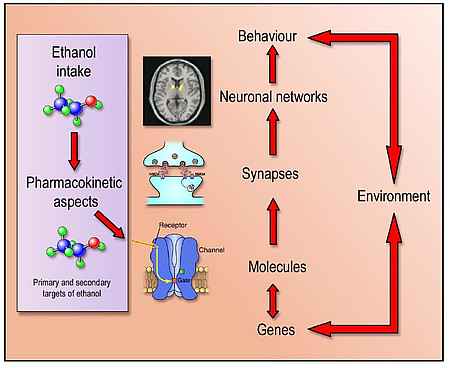
Prof. Dr. Rainer Spanagel serves as the Head of the Institute of Psychopharmacology at the Central Institute of Mental Health (ZI) within the Medical Faculty Mannheim of Heidelberg University. His research focuses on addiction neuroscience, particularly alcohol and drug dependence, with a strong emphasis on translational approaches bridging preclinical and clinical research. Key areas include comorbid psychiatric disorders (anxiety, depression, ADHD), neurobiological mechanisms of relapse, and the development of novel therapeutic interventions. Spanagel's work utilizes advanced methodologies such as transgenic animal models, neuroimaging (MRI/fMRI), and systems medicine approaches. He leads projects on epigenetic modulation (e.g., oxytocin in alcohol addiction), drug repurposing (psilocybin), and the impact of adverse childhood experiences on addictive behaviors. Major grants include EU NEURON, BMBF (AERIAL, Target-OXY), and DFG funding for systems medicine and single-cell sequencing studies. His research integrates genetic, environmental, and neurochemical factors to address addiction's biological underpinnings. Notable contributions include identifying hyperdopaminergic states in alcohol abstinence and the role of RasGRF2 in cocaine reward pathways. Current initiatives focus on precision medicine strategies for substance use disorders through multi-omics integration and behavioral monitoring. Key Research Themes: Translational addiction, neuropharmacology, comorbidity mechanisms, epigenetics. Collaborations: Pharmaceutical industry partnerships for preclinical drug trials, multi-institutional consortia (SysMedSUDs, TRR265). Facilities: 9.4T MRI for animal neuroimaging, in silico brain banks integrating single-cell omics data.
Margaret Izabella Chustecki is an Associate Clinical Professor at the Yale School of Medicine's Department of Internal Medicine. She obtained her MD from Warsaw Medical School (1988) and an MBA from the Yale School of Management (2009). Her clinical practice focuses on improving healthcare efficiency through quality programs achieving NCQA accreditation and implementing initiatives like Meaningful Use and PQRS. She coordinates medical education for trainees while maintaining an active clinical practice. Education: MD - Warsaw Medical School (1988), MBA - Yale School of Management (2009) Clinical Experience: Extensive inpatient/outpatient internal medicine, hospitalist service leadership Practice Management: Founded Internal Medicine of Greater New Haven in 2003 Her research interests center on cardiovascular disease management, diabetes therapies, and healthcare quality improvement. She has led over 30 clinical trials evaluating treatments for cardiovascular conditions, diabetes, COPD, migraines, and osteoarthritis. Key areas of investigation include statin efficacy, anticoagulant therapies, and novel diabetes medications. Dr. Chustecki's clinical trials portfolio demonstrates expertise in cardiology, endocrinology, and gastroenterology. Recent studies focus on residual cardiovascular risk reduction, type 2 diabetes combination therapies, and migraine treatment innovations. Her work bridges clinical practice improvements with rigorous evidence-based research. Teaching contributions include supervising Yale medical students, PA trainees, and residents in both hospital and ambulatory settings. She actively participates in medical education program development and interprofessional team coordination. Labs/Teams: Collaborates with Yale New Haven Hospital teams in clinical trial execution and quality improvement initiatives.
Jenni Harvey is a Professor (Teaching and Research) of Cellular Neuroscience at the University of Dundee. She holds leadership roles in neuroscience education, supervising undergraduate and postgraduate students in Pharmacology/Neuroscience programs. Her research focuses on neuronal synaptic mechanisms, particularly the role of leptin in synaptic plasticity and neurodegenerative diseases like Alzheimer’s. Education: BSc Honours in Pharmacology (University of Edinburgh, 1990), PhD in Neuroscience (University of Birmingham, 1993). Postdoctoral training at the Universities of Birmingham and Aberdeen before establishing her lab at Dundee in 2001. Research Interests : Leptin’s effects on synaptic function, hormonal regulation of synaptic plasticity, Alzheimer’s disease mechanisms, and neuroprotective strategies. Utilizes electrophysiology, transgenic mouse models, and confocal microscopy. Recent Work Trends : Over 77 publications, recent focus on leptin-based therapies for synaptic dysfunction, GPER1 signaling in AMPA receptors, and tau protein regulation. Key findings include leptin’s role in preventing amyloid-driven neuronal degeneration and cognitive enhancement. Awards : Wellcome Trust Fellowships (1999, 2005). Active in public engagement, including Alzheimer’s Society Volunteer Network and Women in Science initiatives. Grants/Projects : 15 active or completed projects, recent topics include leptin mimetics for neurodegenerative diseases and GPER1’s neuroprotective actions. Supervised 9 research projects including MSc/PhD students. Labs/Teams : Leads a research group studying leptin’s molecular mechanisms in the brain, collaborating on UN SDG-related neuroscience research.
Professor Youming Zhang is a leading academic at Shandong University , serving as Director of the Shandong University–Helmholtz Institute of Biotechnology and the State Key Laboratory of Microbial Technology since 2013. He has pioneered advancements in biotechnology through cross-border collaborations between Germany and China. Ph.D. in Medicine (University of Heidelberg, 1995) Postgraduate studies (Chinese Academy of Medical Science, 1988-1990) Bachelor’s degree (Xiamen University, 1985) His research focuses on synthetic biotechnology , genome editing , and microbial natural product biosynthesis , with groundbreaking work in Red/ET DNA recombineering and heterologous gene expression. His publications span high-impact journals like Nature , Nature Biotechnology , and PNAS , emphasizing techniques for efficient DNA manipulation and natural product discovery. He has received major accolades including the Elsevier 'Chinese Most Cited Researchers' (2018) and the National 'Thousand People Plan' expert (2013) . His career includes founding Gene Bridges GmbH (2000) and holding EMBO Long-Term Fellowships at EMBL (1997-2000).
Benjamin D. Auerbach is an Assistant Professor in the Department of Molecular & Integrative Physiology at the University of Illinois at Urbana-Champaign. He holds additional affiliations with the Beckman Institute for Advanced Science and Technology and the Carl R. Woese Institute for Genomic Biology. His research focuses on neural mechanisms of sensory processing and plasticity, particularly in the auditory system, with emphasis on neurodevelopmental disorders like autism spectrum disorders and hearing impairments such as hyperacusis. Auerbach uses rodent models and multidisciplinary techniques including electrophysiology, optogenetics, and behavioral analysis to study experience-dependent plasticity and its disruption in disease. He completed his Ph.D. at MIT and postdoctoral training at the University at Buffalo's Center for Hearing and Deafness. His awards include the NARSAD Young Investigator Award and Blavatnik Award Nominee recognition. His lab actively investigates auditory hypersensitivity in Fragile X Syndrome and the functional neuroanatomy of tinnitus/hyperacusis, aiming to translate findings into therapies. Key research themes include: 1) Auditory perception and plasticity; 2) Mechanisms of sound processing deficits in ASD; 3) Central auditory gain control following hearing loss. Recent grants include NIH funding to study autism-related sensory hypersensitivity mechanisms. Lab members include postdocs, graduate students, and undergraduates. Notable collaborations span neuroscience, physiology, and bioengineering. Future directions emphasize developing transgenic rat models and optogenetic tools for studying circuit-level dysfunction in ASD.
Professor Elizabeth Fisher is a leading academic in Neurogenetics at the UCL Queen Square Centre for Neuromuscular Diseases , affiliated with the Faculty of Brain Sciences at University College London. She specializes in mouse models for human neurodegenerative diseases. Undergraduate: Physiological Sciences, University of Oxford (1978–1981) PhD: Mouse Molecular Genetics, St Mary’s Hospital Medical School (Imperial College) and MRC Mammalian Genetics Unit (Harwell) (1983) Her research focuses on Down’s syndrome and amyotrophic lateral sclerosis (ALS) , using mouse models to investigate the neurological basis of these conditions. She collaborates extensively, including with Victor Tybulewicz since 1991. Recent publications highlight her work in neurogenetics , mouse modeling , and neurodegenerative disease mechanisms , including studies on ALS, Down syndrome, and metabolic alterations in genetically modified mice. Scientific recognitions include: Fellow of the Academy of Medical Sciences (2007) Member of EMBO (2009) Fellow of the Royal Society of Biology (2010) Wellcome Trust Senior Investigator (with Victor Tybulewicz) Her work emphasizes interdisciplinary collaboration and translational approaches, leveraging mouse genetics to address fundamental questions in neurodegeneration.
Benjamin Wolozin is a Professor at the Boston University Chobanian & Avedisian School of Medicine in the Department of Pharmacology , with an adjunct position in Neurology. He specializes in neurodegenerative diseases, particularly Alzheimer's , Parkinson's , and ALS . MD/PhD, Albert Einstein College of Medicine Past Associate Professor at Loyola University Medical Center (1996-2004) Current affiliations: Alzheimer's Disease Center, Boston University Graduate Program for Neuroscience His research investigates RNA binding proteins (RBPs) , stress granules , and liquid-liquid phase separation in neurodegenerative disease. Key projects include the role of TIA1 and HNRNPA2B1 in tauopathy, m6A RNA methylation in Alzheimer's pathology, and development of 3D iPS-neuron/astrocyte assembloids to model dementia. His lab has identified disease-linked circRNA changes and explores nanobodies targeting stress granule components. Recent awards include the Donald B. Lindsley Prize (Society for Neuroscience) and A. E. Bennett Award . He serves on NIH CDIN study sections and editorial boards for Journal of Biological Chemistry and Neurodegenerative Diseases . Grants include multiple NIH R01 and U01 awards for AD/tauopathy research.