Caroline Bergenfelz is a researcher at Lund University (Cancer Immunology, Malmö) and Principal Investigator at LUCC: Lund University Cancer Centre. She also serves as a Project Coordinator for Infect@LU. Key Collaborations: Lund University Cancer Centre (LUCC), Allmänna Sjukhusets i Malmö Stiftelse för bekämpande av Cancer Projects: High-resolution tumor-immune interaction mapping (2025-2027), Spatial immune landscape in metastases (2025-2026), HAMLET bacterial death mechanisms (since 2017) Her research spans cancer immunology and microbiology , focusing on: Tumor-associated macrophages and monocytes in breast cancer Inflammatory response modulation by respiratory microbiota Gene expression profiling for metastatic prognosis Apoptotic pathway regulation in tumor microenvironment Clinical immuno-oncology biomarkers Microbial ecology in cancer progression Article trends show strong emphasis on breast cancer immunology (CD163+ cells, TAM/TAN interactions) and microbiota-cancer crosstalk (Corynebacterium species, inflammation modulation). She actively contributes to academic events, including: Co-organizing LUCC-Malmö Cancer Seminars (2024) Collaborations with 10+ researchers across Sweden
Martin N Andersson is a Senior Lecturer at Lund University, affiliated with the Pheromone Group and Sensory Biology. His research focuses on insect chemical ecology and olfaction, particularly in bark beetles and their ecological interactions. He holds a Master’s (2006) and PhD (2011) from Lund University and the Swedish University of Agricultural Sciences. Since 2017, he has been an Associate Professor while continuing as Senior Lecturer. His work addresses odorant receptor evolution, insect-microbe symbiosis, and ecological specialization. He has secured grants from the Swedish Research Council and FORMAS, leading projects on beetle olfaction and forest pest genomics. Awards include the 2018 Early Career Award in Chemical Ecology. He advises PhD students such as Magnusson A., Burchards J.G., and Montes Ortiz Z., and contributes to UN SDGs related to biodiversity conservation and sustainable ecosystems. Education: PhD in Biology, Lund University (2011) Master’s in Biology, Lund University (2006) Research Interests: His work spans genetic/molecular studies of odorant receptors to behavioral ecology, aiming to understand how insects perceive and interact with their environment. Current projects investigate olfactory receptor evolution in bark beetles and the sensory basis of symbiotic relationships between beetles and fungi. He employs genomic, electrophysiological, and field-based approaches. Publications: His 63+ articles highlight contributions to insect genomics, chemical ecology, and environmental impacts on avian biology. Recent work includes studies on bark beetle symbiosis and urban pollutant effects on birds. Awards: Early Career Award in Chemical Ecology (2018) Prominent PhD Thesis (2011) Supervision & Grants: Leads projects funded by VR and FORMAS, including studies on bark beetle host specificity and olfactory receptor conservation. Supervises doctoral research on beetle olfaction and fungal interactions. Active in media outreach, discussing forest pest management strategies. Labs/Teams: Part of the Pheromone Group at Lund University, collaborating internationally on chemical ecology and biodiversity research.
Susanne Schlisio is a Senior Lecturer (Docent) at the Department of Oncology-Pathology, Karolinska Institutet , where she has been faculty since 2017 and Senior Lecturer since 2023. Her research focuses on oxygen-sensing pathways in cancer, particularly neuroblastoma and pheochromocytoma of the sympathoadrenal lineage, intratumor heterogeneity, and mitochondrial metabolism. Education: PhD in Cancer Research (2002, Duke University); Postdoctoral Researcher (2008, Dana-Farber Cancer Institute/Harvard Medical School). Research Highlights: She investigates how oxygen deprivation (hypoxia) drives cancer via altered oxygen-sensing mechanisms, utilizing single-nuclei transcriptomics, spatial sequencing, and novel mouse models to dissect tumor heterogeneity and identify differentiation strategies for therapy. Her work links hypoxia to mitochondrial dysfunction in VHL syndrome and defines cellular identities correlating with neuroblastoma clinical outcomes. Awards and Grants: Recipient of the ERC Synergy Grant (2019) , senior funding from the Swedish Cancer Foundation (2017), Ludwig Cancer Institute (2008), and multiple postdoctoral fellowships. Her lab collaborates with SciLifeLab and Mats Nilson’s group for spatial transcriptomics. Scientific Impact: Work on oxygen-sensing pathways in Kaelin’s lab contributed to the Nobel Prize in Physiology or Medicine .
Lisa Klasson serves as Senior Lecturer at Uppsala University's Department of Cell and Molecular Biology, where she leads research in microbial genomics and evolutionary biology. She currently directs the Master's program in Bioinformatics, bridging computational and biological sciences. Her research focuses on comparative genomics of insect-associated bacterial symbionts , particularly Wolbachia and Coxiella, investigating evolutionary forces shaping host-symbiont interactions. Using whole genome sequencing , transcriptomics , and comparative genomic analyses , she examines genome reduction mechanisms, horizontal gene transfer, and symbiont-induced speciation phenomena. Key interests include Wolbachia's role in cytoplasmic incompatibility, endosymbiont genome stability after host transfers, and evolutionary transitions along the parasitism-mutualism continuum. Analysis of her 15 most recent publications reveals dominant themes in Drosophila-Wolbachia coevolution (73% of works), with significant contributions to understanding mitochondrial introgression (2023), genome expansion exceptions (2019), and reticulate evolution (2024). Her work consistently employs advanced genomic methodologies to dissect symbiotic mechanisms across evolutionary timescales. Lisa actively contributes to academic leadership as Program Director for the Bioinformatics Master's program, shaping next-generation genomic scientists. Her collaborative research spans international institutions, with frequent co-authorship with Drosophila and symbiosis specialists. Her laboratory investigates evolutionary impacts of symbionts on host genomes through transcriptomic and genomic approaches, maintaining focus on Wolbachia-Drosophila systems while expanding to Coxiella-tick models. Current projects include analyzing horizontal gene transfer dynamics and symbiont-mediated speciation mechanisms.
Professor Jacob Höglund is a distinguished academic at Uppsala University, where he serves as Professor of Animal Conservation Biology in the Department of Ecology and Genetics, specializing in Animal Ecology. His research focuses on the importance of genetic variation for the persistence of small and fragmented populations, with primary emphasis on vertebrates though he has also contributed to insect conservation projects. Höglund has held significant positions at Uppsala University, including: Professor, Animal Conservation Biology, Department of Ecology and Genetics (2006-present) Head of Department, Division of Population Biology and Conservation Biology (1999-2005) Senior lecturer/Associate Professor in Evolutionary Biology, Department of Zoology (1993-1998) Assistant Professor, Department of Zoology (1989-1993) Höglund's research program spans conservation genetics, population genomics, and evolutionary biology, with particular emphasis on understanding how genetic variation influences population viability. His work frequently examines MHC (Major Histocompatibility Complex) diversity, population structure, and the application of genomic approaches to conservation challenges. While primarily focused on avian species (particularly grouse and other game birds), his research extends to amphibians, mammals, and insects, reflecting a broad ecological perspective on conservation genetics. His recent publications reveal a strong trend toward applying cutting-edge genomic techniques to conservation problems. Höglund has been instrumental in developing chromosome-level genome assemblies for threatened species, analyzing population structure and genetic diversity, and investigating the impacts of inbreeding and outbreeding depression. His work often combines field studies with sophisticated genomic analyses to address critical questions in wildlife conservation. Höglund has made significant contributions to bridging the gap between genomic research and practical conservation applications, helping establish frameworks for using genomic data in conservation decision-making for species with small or fragmented populations. His collaborative research spans multiple continents and involves numerous international partners, reflecting the global relevance of his work in conservation genomics.
Rike Stelkens is an Associate Professor in the Department of Zoology at Stockholm University, where she leads the Stelkens Lab. Her research focuses on evolutionary biology, particularly using yeast as a model system to study how populations adapt to environmental stress and change. Dr. Stelkens' research interests center on evolutionary adaptation, with particular emphasis on: Genetic and phenotypic responses to environmental stress Adaptation in deteriorating or poor quality environments Hybridization and its role in evolutionary processes Population genetics of adaptation Thermal performance curve evolution Genetic architecture of adaptive traits Her research group uses baker's yeast (Saccharomyces cerevisiae) and its wild relatives as model systems, employing experimental evolution, whole genome sequencing, transcriptomics, and phenotyping. They work with populations ranging from clonal (genetically identical) to extremely diverse hybrid swarms, propagating them for hundreds of generations to observe evolution in action. Their work combines time-series analysis of fitness and genomic data from frozen 'fossil records' to parse the contributions of mutation, genetic drift, recombination, and selection to adaptation dynamics. Analysis of Dr. Stelkens' recent publications (2022-2025) reveals a strong thematic focus on thermal adaptation, hybrid evolution, and genomic approaches to understanding evolutionary processes. Her work spans both fundamental evolutionary questions and applied research with implications for climate change adaptation and industrial applications like brewing. Dr. Stelkens has received funding from multiple prestigious sources: Vetenskapsrådet (Swedish Research Council) Knut and Alice Wallenberg Foundation Carl Tryggers Stiftelse Science for Life Laboratories Erik Philip-Sörensens Stiftelse Wenner Gren Foundations Stockholm University Royal Physiographic Society of Lund She actively mentors Master's students and has advertised for postdoctoral researchers to join her lab. Her research group, the Stelkens Lab, is an international team of evolutionary biologists investigating how populations evolve to adapt to environmental stress, with a particular focus on yeast as a model system that provides powerful genetic tools and high-quality reference genomes.
Mattias Rantalainen is a Senior Lecturer and Docent at Karolinska Institutet's Department of Medical Epidemiology and Biostatistics, where he leads the Predictive Medicine research group. His work focuses on applying statistical machine learning, artificial intelligence, and big data analytics to medical research, with particular emphasis on computational pathology and cancer precision medicine. The research group maintains over 300,000 whole slide images for population-based studies, primarily focused on breast, prostate, and colorectal cancer. Dr. Rantalainen completed his PhD at Imperial College London developing multivariate pattern recognition methods with applications in metabonomics. He previously held a research fellowship (2009-2013) with joint affiliation at the Department of Statistics and the Wellcome Trust Centre for Human Genetics at the University of Oxford, where he was awarded the MRC Centenary Early Career Award (2012-2013) and a Medical Research Council Special Training Fellowship in Biomedical Informatics (2009-2012). He holds an undergraduate degree in Engineering Biology (combined BSc/MSc) from Umeå University in Sweden. His research interests span computational pathology, cancer precision medicine, and AI-driven medical research. The Predictive Medicine group develops and applies AI and machine learning methodologies for predictive modeling in biomedical applications. Their mission is to transform large biomedical datasets into clinically relevant predictions at the individual level, with a particular focus on precision pathology applications where the goal is to predict patient outcomes. Their work integrates comprehensive molecular profiling (DNA- and RNA-sequencing), clinical information, and medical imaging data. Analysis of his recent publications reveals a strong trend toward developing and validating deep learning models in computational pathology, particularly for breast cancer applications. His work focuses on risk stratification, histological grading, and gene expression prediction from histopathology images. There's a clear progression from method development to clinical validation and implementation, with increasing emphasis on real-world applicability and comparison with established clinical assays. His research bridges the gap between computational methodology and clinical practice in cancer diagnostics. MRC Centenary Early Career Award (2012-2013) Medical Research Council (MRC) Special Training Fellowship in Biomedical Informatics (2009-2012) Dr. Rantalainen serves as main supervisor for PhD students Philippe Weitz and Abhinav Sharma, and as co-supervisor for several other doctoral candidates including Dusan Rasic, Sandra Kristiane Sinius Pouplier, and Tewodros Yalew. He coordinates the Swedish AI Precision Pathology (SwAIPP) consortium, which focuses on translation and implementation of AI-based pathology. His group has received significant funding, including a recent 120 million SEK grant to the Department of Medical Epidemiology and Biostatistics from Swedish funding agencies. The Predictive Medicine group operates within the Department of Medical Epidemiology and Biostatistics at Karolinska Institutet, coordinating several national and international initiatives including the CHIMES study (www.chimestudy.se), ABCAP (www.abcap.org), and the Swedish AI Precision Pathology consortium (www.swaipp.org). The group has developed numerous AI-based tools that improve cancer diagnosis and risk prediction, with several projects advancing toward clinical implementation as regulatory-approved medical devices. Their work represents a significant contribution to the field of precision pathology and AI-driven cancer diagnostics.
Patric Nilsson serves as an Associate Professor of Bioscience at the University of Skövde, Sweden, within the School of Bioscience and Department of Biosciences. His academic position combines teaching responsibilities as Education Course Coordinator with active research in immunology, microbiology, and systems biology. Based in Room G2311, he can be contacted at patric.nilsson@his.se or by phone at 0500-448630. Dr. Nilsson's research interests span multiple interconnected fields including Immunology, Microbiology, Systems Biology, Mathematical Modeling, Stem Cell Research, Quorum Sensing, T-cell Development, and Bacterial Pathogenesis. His work demonstrates a unique interdisciplinary approach that bridges experimental biology with computational methods to understand complex biological systems. His publication record from 2003-2013 reveals a strong focus on mathematical modeling of biological processes, particularly examining T-cell development dynamics, bacterial quorum sensing mechanisms, and stem cell differentiation pathways. The research shows consistent collaboration with colleagues across immunology and microbiology disciplines, indicating active participation in research networks. While specific awards aren't documented in the available materials, his publication record in reputable journals such as Journal of Biological Chemistry, Infection and Immunity, and Stem Cells demonstrates significant scholarly contributions. His work on T-cell development and bacterial communication systems represents important contributions to understanding fundamental biological processes with potential therapeutic applications.
Zelmina Lubovac-Pilav is a Senior Lecturer in Bioinformatics at the School of Bioscience, University of Skövde. She coordinates advanced and foundational courses in bioscience and serves as Programme Coordinator for Master's-level programs. Her research focuses on bioinformatics , systems biology , and disease module analysis , particularly in pancreatic cancer , multiple sclerosis , and breast cancer . Her work involves multi-omics data integration (genomics, proteomics, transcriptomics) and biomarker discovery , supported by projects like BIO-AID (AI-driven biomedical analytics) and DMDPipe (disease-causing protein modules in asthma). She develops computational tools such as MODalyseR and TFTenricher for disease module inference and transcription factor analysis. The 15 most recent articles highlight trends in latent space modeling , network biology , and clinical data analysis , with applications in pancreatic cancer early detection , multiple sclerosis biomarkers , and miRNA functional analysis . These studies emphasize algorithm development , data normalization , and community-driven network predictions . Contact: zelmina.lubovac@his.se
Pierre Dönnes serves as an Adjunct Senior Lecturer in Bioinformatics at the School of Bioscience, University of Skövde. His research bridges computational methods with biomedical applications, particularly in stem cell biology and cardiac research. His primary research interests include: Computational approaches to stem cell maturation and differentiation Multi-omics data integration for biomarker discovery AI-driven analysis of cardiac transcriptomics Development of in vitro models for disease research Translational applications of bioinformatics in precision medicine Analysis of his publication timeline reveals a clear progression from foundational computational methods to increasingly translational research. His work has evolved from theoretical immunoinformatics (2012) to sophisticated stem cell maturation techniques and wound healing applications (2024), demonstrating growing clinical relevance. The consistent focus on data integration across biological scales shows his commitment to solving complex biomedical problems through computational approaches. Dr. Dönnes has contributed to significant research initiatives: BIO-AID (Biomedical AI-driven data analytics, 2020-2024) AI-driven precision medicine initiative (2025-2033) His laboratory work centers on developing computational models that enhance the translatability of stem cell research to clinical applications, particularly in cardiac biology. Working within the Systems Biology framework at the University of Skövde, he maintains strong collaborations between computational scientists and experimental biologists, creating an interdisciplinary research environment focused on solving real-world medical challenges.
Edoardo Sozzi is a Visiting Research Fellow and PhD student at Lund University's Faculty of Medicine, specializing in the Developmental and Regenerative Neurobiology group under Prof. Malin Parmar. He earned a BSc in Biotechnology (2018) and a dual MSc in Neuroscience (2020) from the University of Pisa and Scuola Normale Superiore, Italy. His research focuses on the development, functionality, and diversity of human dopaminergic neurons using 3D cell culture systems like brain organoids and xenograft models, with heavy reliance on single-cell RNA sequencing. His work intersects neuroscience, developmental biology, and regenerative medicine, targeting neurodegenerative disorders such as Parkinson's disease. Key publication trends include innovations in organoid technology , single-cell transcriptomics , and WNT signaling modulation . He has contributed to 11 scientific outputs , including a 2025 doctoral thesis, peer-reviewed articles in Nature Methods and Development , and a 2023 Horizon Europe grant (OpenMIND project) for opto-electronic neural modeling in neurodegenerative diseases. Sozzi actively participates in academic events, organizing conferences like Neuroscience Day 2024 and UniStem Day 2024 , and serves as a presenter in multidisciplinary initiatives (MultiPark). His work aligns with UN Sustainable Development Goals for Medical and Health Sciences and Neurosciences .
Yenan Bryceson is a Professor in the Department of Medicine at Karolinska Institutet, specializing in immunology and hematology. He leads the Yenan Bryceson Group at the Center for Hematology and Regenerative Medicine (HERM), focusing on molecular mechanisms of hyperinflammatory disorders and cytotoxic lymphocyte function in health and disease. His research combines clinical insights with genetic and immunological studies to develop personalized treatments, particularly in cancer immunotherapy. Education: PhD in Medicine from Karolinska Institutet (2008). Research Interests: Molecular basis of immunodeficiencies, cytotoxic lymphocyte biology (NK cells and T cells), hyperinflammatory syndromes, and translational immunotherapy. His work explores how genetic defects in cytotoxic pathways lead to severe immune disorders and cancer susceptibility. Collaborations: Partnerships with institutions globally, including Moffit Cancer Center, CeMM Research Center (Vienna), and NIH, to advance understanding of immune system dysfunction and therapeutic applications. Grants: Funded by the Swedish Research Council, Wallenberg Foundation, Swedish Cancer Foundation, and Center for Innovative Medicine. Labs/Teams: The Yenan Bryceson Group includes postdocs, PhD students, and researchers investigating cytotoxic lymphocyte differentiation, immune surveillance, and genetic immunodeficiencies. Key projects involve developing NK cell therapies and understanding cytokine storm syndromes.
Jonas Frisén is a Professor of Stem Cell Research at Karolinska Institutet, Sweden, leading the Stem Cells in Tissue Homeostasis and Regenerative Medicine group within the Department of Cell and Molecular Biology. His work focuses on stem cell roles in healthy and diseased tissues, including neural, cardiac, and intestinal systems. Key methodologies include 14C dating for cell turnover analysis and spatial transcriptomics. Education: University Medical Degree, Karolinska Institutet (1991) Research Interests: Stem cell dynamics in neural, cardiac, and intestinal tissues Regenerative medicine applications for neurodegenerative and cardiovascular diseases Age-related changes in stem cell function Development of novel genomic and spatial analysis tools Publications: Recent work highlights include studies on latent cardiomyocyte regeneration in heart disease (2025), neurogenic aging trajectories (2025), and spatial immune cell receptor mapping (2023). These studies emphasize translational potential and advanced single-cell technologies. Awards & Funding: Recipient of distinguished professor grants (2023) and Wallenberg Scholar funding (2024). Notable grants include VR awards totaling SEK 660 million for KI researchers in 2023. Labs/Teams: Leads a multidisciplinary group integrating stem cell biology, genomics, and clinical applications. Collaborates with institutions like SciLifeLab and KTH Royal Institute of Technology.
Professor Johan Hartman is a leading academic and clinician at Karolinska Institutet, serving as a Professor and Senior Consultant in the Department of Oncology-Pathology. His primary role combines research leadership in precision pathology with clinical expertise in breast pathology at Karolinska University Hospital. Hartman leads a research group focused on personalized breast cancer therapy through advanced technologies like AI-driven histopathology analysis, molecular genomics, and patient-derived tumor models. Education & Qualifications: Doctoral Degree (2008), Karolinska Institutet Medical Degree (2008), Karolinska Institutet Docent (2015), Karolinska Institutet Research Focus: Hartman’s lab pioneers innovations in precision medicine, particularly in predicting treatment responses using digital pathology, AI, and genomic profiling. Key areas include tumor heterogeneity, AI tools for diagnostic accuracy, and translational research linking molecular profiles to clinical outcomes. His group has developed clinical-grade AI systems for breast cancer risk stratification and tumor characterization. Publications & Impact: With over 100 peer-reviewed articles in high-impact journals (e.g., Science, Nature Communications), Hartman’s work emphasizes breast cancer therapy prediction, immune profiling, and molecular diagnostics. Recent studies include AI-driven TIL analysis, spatial transcriptomics, and genomic heterogeneity in tumors. Awards & Recognition: 2023 Karolinska Institutet Innovation Award 2022 Athena Prize (Vetenskapsrådet) 2016 Clinical Investigator Award (Swedish Cancer Society) Grants & Collaborations: Leading projects funded by Radiumhemmets Forskningsfonder, Vinnova, and industry partnerships Co-founder of Stratipath, a KI spin-off advancing precision pathology tools Labs & Teams: Hartman’s group includes postdocs, PhD students, and clinical researchers. Key members focus on AI in pathology, tumor modeling, and translational oncology. The team collaborates internationally on initiatives like the International Immuno-Oncology Biomarker Working Group.
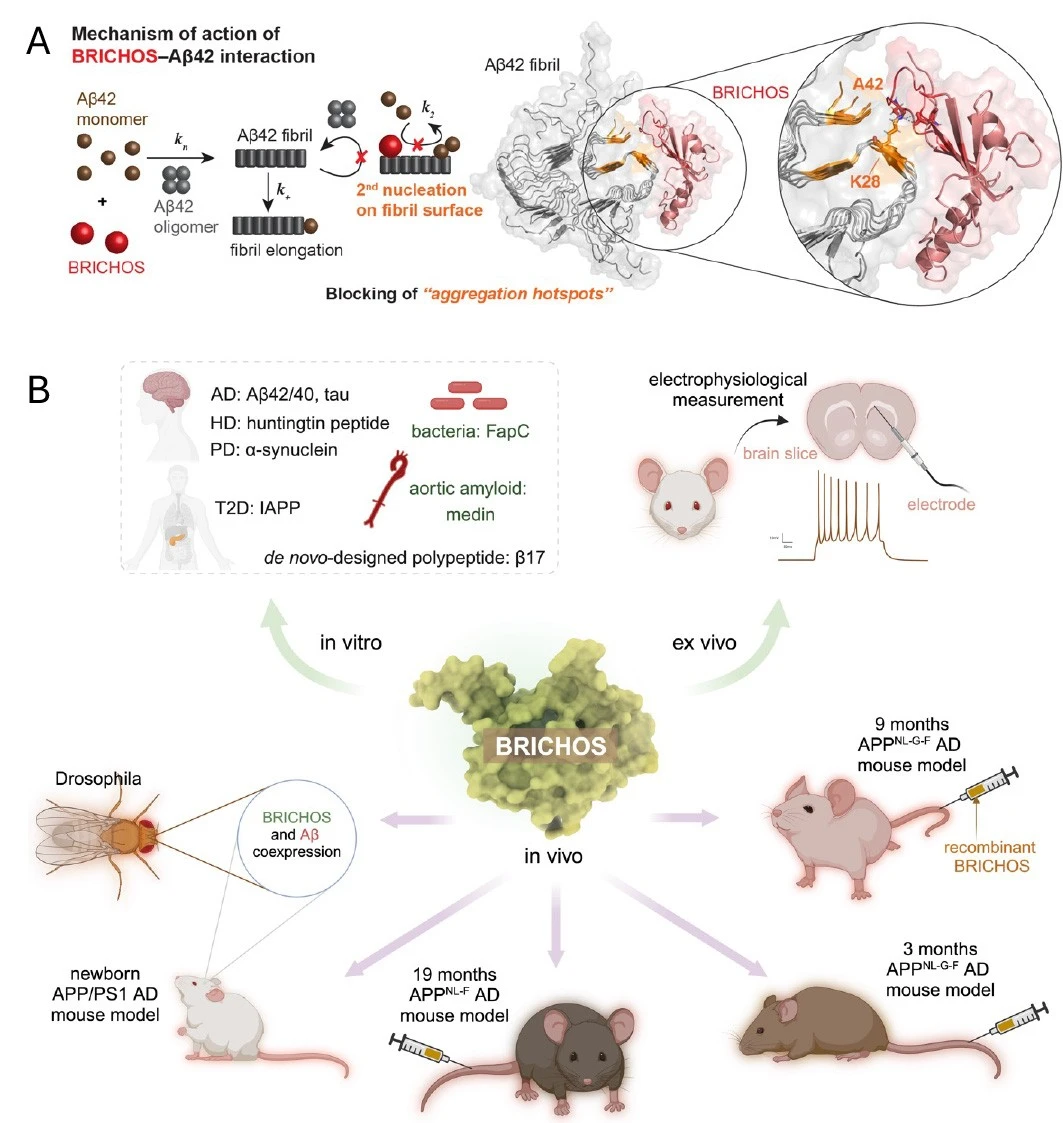
Jan Johansson is a Professor at the Department of Medicine, Huddinge, Karolinska Institutet, specializing in protein biochemistry and translational research. His work focuses on developing novel medical treatments using molecular chaperones for neurodegenerative diseases like Alzheimer’s, spider silk-based biomaterials, and synthetic surfactants for respiratory disorders. He earned his Medical Degree (1990) and PhD (1991) from Karolinska Institutet, with research spanning protein aggregation mechanisms, drug development, and biomedical applications. Education: MD from Karolinska Institutet (1990), PhD in Biochemistry (1991). Research Interests: Molecular chaperones, protein aggregation, Alzheimer’s disease, spider silk biomaterials, synthetic surfactants. Grants: Multiple projects funded by the Swedish Research Council, VINNOVA, and others, including studies on BRICHOS chaperone mechanisms and biomimetic silk production. His lab explores chaperones’ potential to cross the blood-brain barrier, combat amyloid toxicity, and deliver therapeutic agents. Notable contributions include designing synthetic surfactants for neonatal respiratory distress syndrome and elucidating spider silk’s structural basis for toughness. Collaborations with industries and academic institutions drive translational research toward clinical applications.