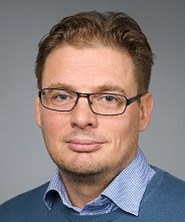
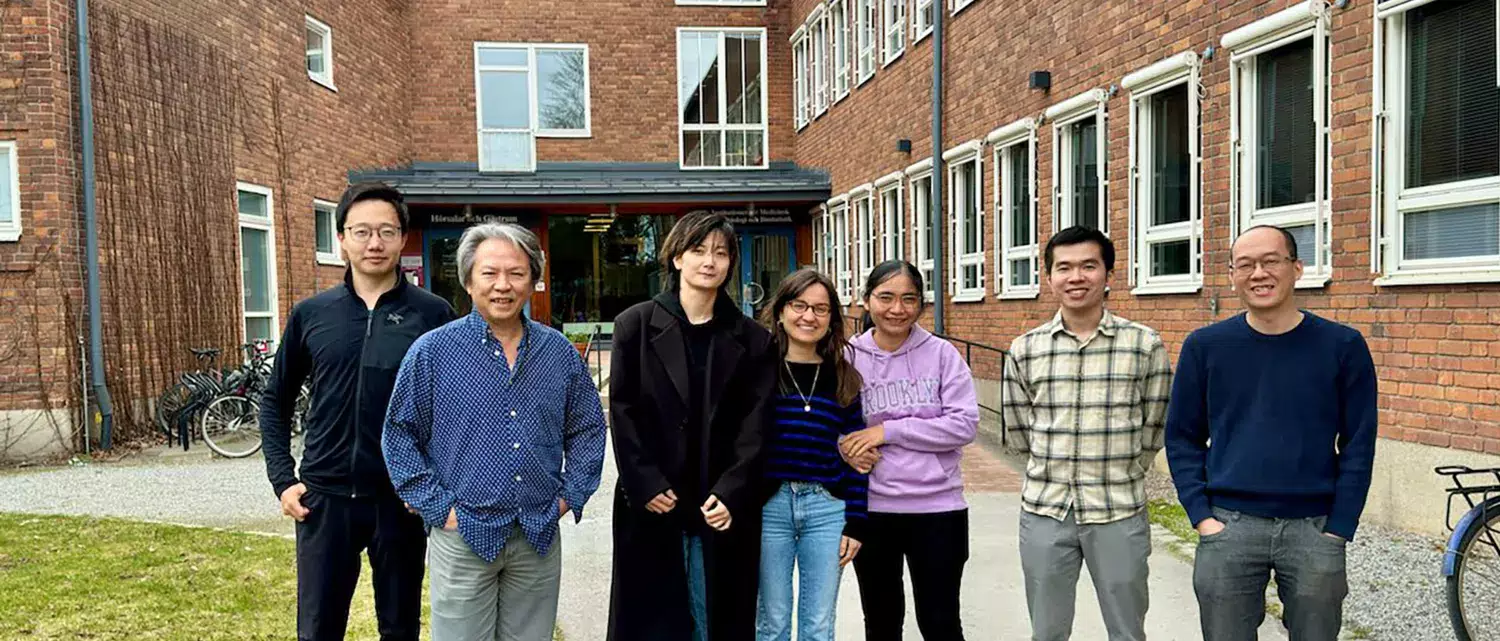
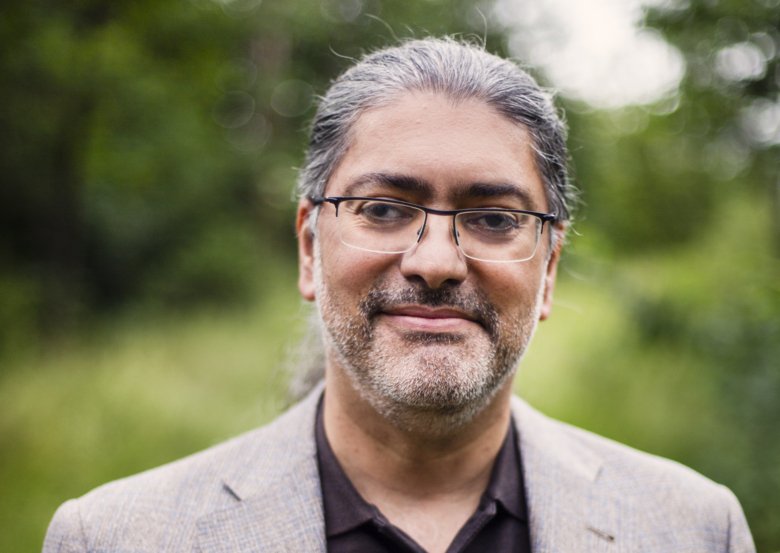
Lene Uhrbom is Professor of Molecular Brain Tumor Research at Uppsala University's Department of Immunology, Genetics and Pathology within the Faculty of Medicine. She leads the Neuro-oncology and Neurodegeneration Research Programme and maintains an active research group focused on glioblastoma mechanisms. Her team includes PhD students Veera Jokinen and Ines Neves, Master's student Ellen Rahmqvist, doctoral assistant Xi Lu, and research assistant Rebeca-Noemi Imbria. Her research centers on neuro-oncology with emphasis on glioblastoma stem cells, molecular mechanisms of tumorigenesis, and cell-of-origin studies. She investigates how epigenetic regulation, signaling pathways, and tumor microenvironment interactions drive glioma development and therapeutic resistance. Her work bridges basic molecular biology with translational applications for improved diagnostics and treatments. Analysis of her 15 most recent publications reveals a strong focus on molecular subtyping of glioblastoma, stem cell biology, and therapeutic targeting. Her research consistently explores how cellular lineage, epigenetic regulation, and microenvironmental factors create distinct tumor subgroups with different clinical outcomes. Recent work has expanded into vascular biology, immunotherapy, and advanced imaging techniques for tumor detection. Professor Uhrbom has received significant recognition for her work, with publications in high-impact journals including Nature Communications, Cancer Cell, and Journal of Clinical Investigation. Her research has been featured in multiple news outlets, cited in patents, and referenced in Wikipedia, demonstrating its broad scientific impact. Her laboratory maintains an extensive collection of patient-derived glioblastoma models and employs advanced techniques including single-cell sequencing, epigenetic profiling, and sophisticated mouse models. Current projects focus on developing targeted therapies based on molecular subtyping and improving drug delivery across the blood-brain barrier. She actively collaborates with clinical neuro-oncology teams to translate basic findings into potential therapeutic strategies.