Verena Siewers is a Research Professor at the Department of Biology and Biological Engineering, Chalmers University of Technology. Her work focuses on synthetic biology and metabolic engineering of yeast cell factories for producing biofuels, pharmaceuticals, nutraceuticals, and bioplastics, with particular emphasis on developing biosensor tools for pathway optimization. Key research themes: yeast-based biosensors, lipid metabolism engineering, CRISPRi/a applications, and dynamic gene regulation Notable projects include: Development of acetic acid tolerance mechanisms Optimization of fatty acid ethyl esters production Engineering phosphoketolase pathways for acetyl-CoA overproduction Her recent articles reveal trends in: CRISPR-mediated pathway engineering Stress response transcriptional profiling Heterologous plant gene expression in yeast Promoter and transcription factor engineering Funding sources: VINNOVA Novo Nordisk Foundation Carl Tryggers Stiftelse EU Horizon grants Swedish Research Council (VR) Formas
Sten Linnarsson is a Professor of Molecular Systems Biology at Karolinska Institutet, leading the Sten Linnarsson group within the Department of Medical Biochemistry and Biophysics. His research focuses on single-cell analysis of the human brain and brain cancer, leveraging molecular atlases to identify therapeutic targets. He holds a PhD from Karolinska Institutet (2001) and has served as Head of Department (2021-2023) and current Dean of KI Solna. Notable awards include the Erik K. Fernström Prize (2015) and Methusalem Lecture (2023). Education: PhD in Medical Biochemistry and Biophysics (Karolinska Institutet, 2001) Affiliations: Director of the Sten Linnarsson Lab; member of the Human Cell Atlas initiative Research interests span single-cell genomics, neurodevelopment, and cancer biology. Key projects include mapping the first-trimester human brain and identifying cell states in gliomas. Over 200+ publications span high-impact journals like Nature , Science , and Cell . Grants: Over SEK 200M for EU-funded projects (2024) Advising: Supervises PhD students (e.g., Jokubas Janusauskas, Ivana Kapustová) and postdocs Lab activities include developing EEL FISH (in situ profiling) and synthetic biology tools for cell targeting. Future goals involve programmable therapies for brain cancer and advancing spatial transcriptomics.
Iva Filipovic serves as a Research Specialist in the Department of Laboratory Medicine, Division of Clinical Microbiology at Karolinska Institutet since 2025, following her Postdoctoral Research Fellowship (2019-2025) at the Department of Medicine Huddinge, Center for Infectious Medicine. She contributes to The Systems Virology Lab under Ujjwal Neogi, focusing on translational immunology in medical contexts. Her educational background includes: PhD in Physiology, Development and Neuroscience (Reproductive Immunology), University of Cambridge (2019) MSc in Immunology, Imperial College London (2015) BSc in Molecular Biology with Physiology, University of Belgrade (2014) Her research integrates tissue-resident immunology with systems approaches, examining innate lymphocytes in reproductive health, infectious diseases, and cancer. She employs advanced methodologies including RNA-Seq, single-cell analysis, and 29-color flow cytometry to investigate immune mechanisms in endometrial tissue, liver fibrosis, and viral pathogenesis. Current work emphasizes translational applications in sepsis, cholangiocarcinoma, and SARS-CoV-2 immunity. Analysis of her 15 most recent publications (2018-2025) reveals dominant themes in mucosal immunology, with significant contributions to understanding MAIT cells in sepsis, NK cell dynamics in reproduction, and immune biomarkers in cancer. Her work consistently bridges basic immunology with clinical applications through multi-omics approaches and large-scale collaborative studies like the Karolinska KI/K COVID-19 immune atlas. She actively participates in The Systems Virology Lab, contributing to Karolinska's infectious disease research infrastructure. Her technical expertise in high-dimensional immune profiling supports collaborative projects across virology, hepatology, and oncology research groups at Karolinska Institutet.
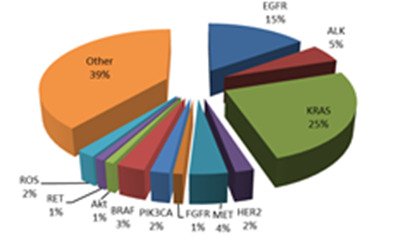
Simon Ekman is a Professor of Oncology at Karolinska Institutet and Senior Physician at Karolinska University Hospital. His research focuses on precision cancer medicine in lung cancer, particularly mechanisms of therapy resistance (tyrosine kinase inhibitors, immunotherapy) and brain metastasis. He leads translational programs integrating molecular profiling of tumors and liquid biopsies (plasma, CSF, pleural effusions) with PET imaging and clinical trials. Appointments: Professor (Karolinska, 2023), Chief Physician (Karolinska University Hospital, 2015) Education: Medical degree and PhD (Uppsala University, 2000), Postdoc (Rudbeck Laboratory, 2002-2005), Visiting Research Fellow (University of Colorado, 2011-2012) His work includes 15 recent articles on topics like exosome-based diagnostics, miRNA-driven resistance, and brain metastasis imaging. Collaborations span institutions including University of Colorado, Oslo University, and University of Manchester. He has secured major grants from the Sjöberg Foundation and Erling Persson Foundation. Scientific awards and funding include SEK 18 million from Sjöberg Foundation (2021) Erling Persson Foundation support for nanotechnology diagnostics Swedish Cancer Society and Research Council grants Simon Ekman's clinical expertise includes NSCLC/SCLC treatment, stereotactic radiotherapy, and brain metastasis management. His group involves principal investigators like Per Hydbring and Kristina Viktorsson, with PhD students and postdocs analyzing tumor biology and therapeutic strategies.
Enric Llorens Bobadilla is an Assistant Professor at the Department of Cell and Molecular Biology, Karolinska Institutet, leading the Systems regenerative neurobiology – Enric Llorens Group . His research focuses on promoting central nervous system regeneration through stem cell biology , systems biology , computational biology , and molecular engineering in mouse models of disease . Fields of Research : Medical Biotechnology (Cell Biology, Molecular Biology, Biochemistry) and Neurosciences Key research approaches include single-cell genomics, spatial genomics, computational biology, gene delivery, and CNS injury models. The lab develops synthetic gene circuits to study regenerative responses and spatial molecular profiling technologies for understanding pathological cell states. Scientific awards include the 2022 ERC Starting Grant 2022 Swedish Foundation for Strategic Research Future Leaders 2022 StratNeuro Startup Grant The lab collaborates with teams across Karolinska Institutet and employs PhD students (Gabriel Gomez Rydholm, Timm Häneke, Adrián Martínez Martín, Lei Wang) and researchers (Simon Perrin, Margherita Zamboni) to advance CNS regeneration studies.
Carlos Guerrero Bosagna is a Senior Lecturer at Uppsala University's Department of Organismal Biology; Physiology and Environmental Toxicology. His research bridges evolutionary biology, epigenetics, and environmental science, focusing on how environmental exposures (e.g., toxins, stress) induce epigenetic modifications that influence developmental processes and transgenerational phenotypic variation. Role: Senior Lecturer, Uppsala University Department: Physiology and Environmental Toxicology Key Projects: Epigenetic stress response in chickens, metabolic/reproductive effects of environmental toxins, germline epigenetic variation in speciation His work has secured a FORMAS grant for modeling environmental toxicant impacts on chicken reproduction and metabolism. Recent publications analyze avian methylation patterns , mito-nuclear interactions , and Z-chromosome epigenetic regulation . Collaborations span poultry science, computational biology, and global environmental epigenetics research. Scientific awards include a FORMAS grant for environmental toxicology research His research emphasizes sustainability and evolutionary innovation, with lab projects tracking epigenetic changes across six generations to mimic early speciation events. Methodological contributions include protocols like GBS-MeDIP for concurrent genetic/epigenetic analysis.
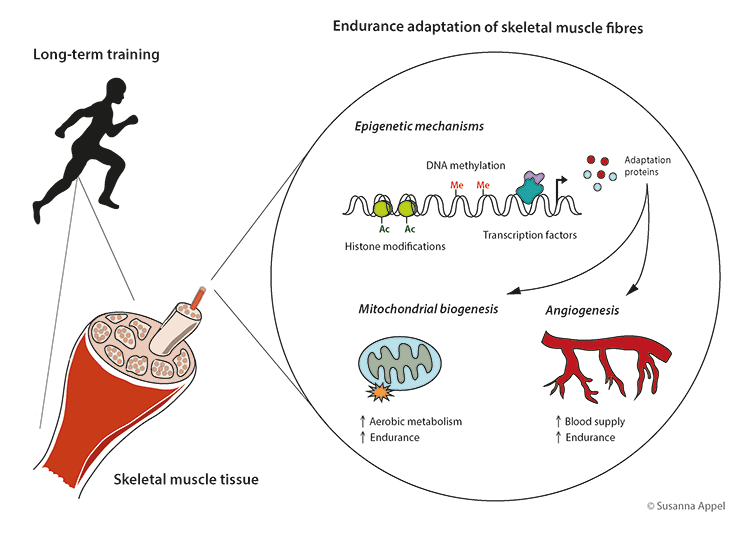
Carl Johan Sundberg is a Professor at the Karolinska Institutet , affiliated with the Department of Physiology and Pharmacology and the Department of Learning, Informatics, Management and Ethics (2025-2027). He serves as Dean for KI Nord and is a licensed physician. Current research focuses on molecular exercise physiology , including mitochondrial biogenesis , epigenetic regulation , and cardiometabolic disease . Key research areas: Medical Genetics and Genomics , Physiology and Anatomy , Public Health . His work bridges molecular mechanisms in skeletal muscle with clinical applications for diabetes, cancer, and post-stroke rehabilitation. Notable awards include the EMBO Certificate of Commendation and European Commission’s Descartes Communication Prize (2005). Recent publications highlight epigenetic differences between trained/untrained individuals, exercise-induced immune mobilization , and digital health tools for cardiac risk stratification. Grants include funding from the Swedish Research Council and Swedish Heart-Lung Foundation .
Andres Salumets is a Professor of Reproductive Medicine at the Department of Clinical Science, Intervention and Technology, Karolinska Institutet. His research focuses on molecular mechanisms underlying reproductive health, including endometrial biology, assisted reproduction technologies, and environmental influences on fertility. He leads studies on uterine fluid extracellular vesicles, genomic analysis of reproductive disorders, and the impact of endocrine disruptors on reproductive tissues. Salumets collaborates with multidisciplinary teams to translate findings into clinical applications, such as improving non-invasive prenatal testing (NIPT) and developing probiotics for male reproductive health. His work integrates cutting-edge technologies like AI-driven histology analysis, single-cell RNA sequencing, and genome-wide association studies (GWAS). Key research areas include polycystic ovary syndrome (PCOS), endometriosis, and recurrent implantation failure (RIF). Recent studies explore phthalate effects on endometrial cells and novel therapies for breast cancer using natural extracts. Salumets' research bridges basic science with clinical practice, aiming to enhance assisted reproduction outcomes and address global infertility challenges.
Kajsa Paulsson is a Professor of Medical Genetics at Lund University, where she runs the Aneuploidy in Cancer research group at the Division of Clinical Genetics. She serves as a Principal Investigator at the Lund University Cancer Centre (LUCC) and manages the research team focused on aneuploidy in cancer. Dr. Paulsson is an expert in cancer genomics with extensive experience in classic genetic techniques including chromosome analysis and fluorescence in situ hybridization, as well as state-of-the-art methodologies such as SNP array analysis and next generation sequencing (NGS). Her research primarily focuses on understanding how aneuploidy (aberrant chromosome numbers) arises in somatic cells, how it affects tumorigenesis, and its correlation with prognosis and treatment response in cancer. Her specialized studies concentrate on high hyperdiploid and hypodiploid childhood acute lymphoblastic leukemia, with the ultimate goal of improving cancer patient survival through insights into tumorigenesis mechanisms. Analysis of Dr. Paulsson's publication record reveals a strong focus on the genomic architecture of pediatric acute lymphoblastic leukemia, with particular attention to chromosomal abnormalities, mutational signatures, and regulatory mechanisms. Her work spans from fundamental research on aneuploidy development to clinical applications examining treatment outcomes in specific leukemia subtypes. The research demonstrates increasing methodological sophistication with integration of multi-omics approaches including proteogenomics, Hi-C chromatin conformation analysis, and single-cell genomics, reflecting the evolving landscape of cancer genomics research. Dr. Paulsson has received significant recognition for her work, including the prestigious Samfundet Folkhälsan Albert de la Chapelle Prize in Medical Genetics in 2022 and the Senior Investigator Award from Cancerfonden in 2015. Her publications have been widely disseminated, with multiple papers highlighted by news outlets, referenced in clinical guidelines, and extensively read on academic platforms, demonstrating the translational impact of her research. As a supervisor and mentor, Dr. Paulsson leads active research projects including 'Non-coding mutations in pediatric acute lymphoblastic leukemia' (2021-2025), where she serves as the primary supervisor. She has been involved in the Epigenetics Theme at Pufendorf IAS, demonstrating her commitment to collaborative, interdisciplinary research that spans basic science and clinical applications. Her work contributes to UN Sustainable Development Goals related to health and well-being. Dr. Paulsson actively participates in the Lund University Cancer Centre (LUCC) ecosystem, regularly organizing and speaking at seminars and conferences including the LUCC Blood, Lymphoma & Myeloma series and the Swedish Cancer Research Meeting. Her laboratory focuses on the molecular mechanisms of aneuploidy in leukemia, particularly investigating how chromosomal abnormalities develop and impact treatment outcomes in childhood cancers, with direct implications for risk stratification and therapeutic decision-making in pediatric oncology.
Jonas Waldenström is a Professor of Microbiology at Linnaeus University , focusing on disease ecology within the Department of Biology and Environment and the Faculty of Health and Life Sciences. Since 2022, he has served as Head of the Department of Biology and Environment. His work bridges avian-borne infectious diseases and their zoonotic potential, particularly influenza viruses, through field surveillance and laboratory characterization. Affiliations : Linnaeus Centre for Ecology and Evolution in Microbial Model Systems (EEMiS), Zoonotic Ecology and Epidemiology (ZEE) research group Leadership Roles : Chairman of Ottenby Bird Station, Editor for Ornis Svecica Research themes include influenza virus evolution , antimicrobial resistance dynamics , and tick-borne pathogen spread in migratory birds. His projects span Global LULC mapping , Baltic-Black Sea disease networks , and Motus radio-tracking collaborations . Publications reveal trends in microbial host-pathogen interactions , environmental drivers of microbiomes , and cross-species disease transmission . He supervises degree projects at all academic levels and contributes to One Health frameworks, emphasizing wildlife-livestock-human interfaces. Recent work explores AMR proximity patterns and influenza host attachment mechanisms . His team employs advanced virology, evolutionary modeling, and field ecology to predict disease emergence.
Anna Ehinger is a researcher in Pathology at Lund University , affiliated with the Lund University Cancer Centre (LUCC) . Her work focuses on clinical cytology , breast pathology , and biomarker validation , contributing to the UN Sustainable Development Goal of Cancer and Oncology . Department : Pathology, Lund University Collaborations : International multicenter projects, Sweden Cancerome Analysis Network—Breast (SCAN-B) Her research emphasizes reproducibility in immunohistochemistry , RNA sequencing for biomarker prediction, and biological marker stability in breast cancer tissue. She has contributed to clinical guidelines through the Nationellt Kvalitetsregister för Bröstcancer (NKBC) and participated in studies on immune cell distribution in HER2+ tumors. Key publications include work on Ki67 scoring protocols , RNA-based classifiers for biomarkers, and FFPE tissue antigenicity . Her research outputs (81) and collaborations span disciplines such as genomics , immunology , and clinical diagnostics .
Ola Hermanson is a Professor of Neuroscience at the Department of Neuroscience, Karolinska Institutet. His research focuses on understanding transcriptional and epigenetic mechanisms governing brain development, function, and disease, including neurodevelopmental disorders and brain tumors like glioblastoma. He employs cutting-edge technologies such as 3D bioprinting, bioelectronics, and molecular biology to study neural stem cells and cancer stem cells. Education and Positions: Professor of Neuroscience, Karolinska Institutet (2021–present) Senior Scientist, Karolinska Institutet (2009–2021) Assistant Professor, Karolinska Institutet (2003–2009) Postdoctoral Training, UC San Diego (1997–2002) PhD in System Neurobiology, Linköping University (1991–1997) Medical School, Lund University (1987–1990) Research Interests: Neural stem cell differentiation, epigenetic regulation, glioblastoma and medulloblastoma biology, biomedical engineering, and biomaterials. His lab develops technologies like 3D printing and bioelectronics to advance precision medicine. Publications: Over 70 peer-reviewed articles in prestigious journals like Nature , Cell , and Molecular Psychiatry . Recent work includes lithium's role in reversing radiation damage in neural progenitors and bioprinting for tumor modeling. Awards: Includes the ENI Young Investigator Award (2005), Strategic Professorship (2021), and recognition from the Canadian Government for Sweden-Canada collaboration. Teaching and Outreach: Course coordinator for neuroscience education programs (FoLäk1/2, anatomy courses). Engaged in pedagogical innovation, including TBL-based learning and neurotech education through NeurotechEU. Labs/Teams: Leads the Molecular Neurodevelopment and Neuro-Oncology group at KI. Founded the imaging core facility CLICK and co-founded Celluminova (stem cell markers SME).
Yudi Pawitan is Professor at the Department of Medical Epidemiology and Biostatistics at Karolinska Institutet, where he leads the research group on Statistical and Bioinformatics Analyses of High-Throughput Molecular Data. His work focuses on developing statistical methods for genomic studies including SNP/RNA arrays and next-generation sequencing. Education includes BSc in Statistics (Bogor Agriculture Institute, 1982), MSc in Statistics (UC Davis, 1984), and PhD in Statistics (UC Davis, 1987). Research interests span bioinformatics, cancer genomics, and statistical genetics with emphasis on high-dimensional data analysis, genetic correlations, and neural cell biology. His group addresses fundamental questions in genomic data interpretation and neurodegenerative processes. Publications demonstrate strong focus on genetic epidemiology, single-cell analytics, and statistical methodologies. Recent works explore machine learning applications in longitudinal data visualization, neural cell characterization, and cancer biomarker discovery. Awards: Not documented in provided texts. Supervises doctoral candidates including Linda Lindström and Ralf Kuja-Halkola. Manages the Live Imaging Facility at St. Vincent's Centre for Applied Medical Research. Research funded by Swedish Research Council and Swedish Cancer Society grants. Leads interdisciplinary collaborations through the Statistical and Bioinformatics research group, integrating computational biology with experimental neuroscience.
Anoop Tholamplackil Ambikan serves as a Postdoctoral Researcher at Karolinska Institutet's Department of Laboratory Medicine, conducting cutting-edge research within The Systems Virology Lab under Dr. Ujjwal Neogi's supervision. His work bridges computational biology and infectious disease pathogenesis, with emphasis on host-viral interaction mechanisms. His academic foundation includes: Ph.D. in Medical Science from Karolinska Institutet (2018-2023), specializing in systems biology for infectious disease research MSc in Bioinformatics from Amrita School of Biotechnology, India (2010-2012) Dr. Ambikan's research centers on systems biology methodologies, particularly network analysis and multi-omics integration, to decode host-pathogen dynamics. He develops molecular association networks to identify coordinated response communities and specializes in contextualizing metabolic/signaling networks within specific cellular environments. His technical expertise spans TMT-labelled proteomics, quantitative metabolomics, and metagenomics, applied primarily to HIV, SARS-CoV-2, and emerging viral infections. Analysis of his publication record reveals consistent focus on immunometabolic host responses across viral pathogens, with recurring themes of metabolic reprogramming in disease pathogenesis and network-based biomarker discovery. His work frequently employs hamster models for SARS-CoV-2 and leverages multi-omics to dissect elite HIV control mechanisms. As an integral member of The Systems Virology Lab, he contributes to Karolinska Institutet's leadership in viral pathogenesis research, maintaining active collaborations across immunology, virology, and systems medicine disciplines. No information regarding academic advising, grant funding, or scientific awards is provided in available sources.
Carl Gotthard is Professor of Animal Ecology at the Department of Zoology, Stockholm University, and also active at the Bolin Center for Climate Research. His work focuses on the evolutionary ecology of developmental plasticity and life history in insects, primarily butterflies. Gotthard's research centers on how the diapause decision affects life cycle regulation and evolves due to variation in local selection pressures. He investigates how insect diapause and thermal adaptation affect spring phenology and interactions between butterflies and their host plants. His group explores the genetic background to adaptive variation in seasonal plasticity using a wide range of methods from field experiments to genomics. His recent publications reveal consistent themes across multiple disciplines including evolutionary ecology, climate change biology, and molecular entomology. His work demonstrates how seasonal specialization drives population dynamics, how urbanization affects phenology, and how local adaptation occurs along climate gradients. The research shows intricate connections between photoperiodic responses, diapause mechanisms, and climate adaptation in butterflies. Gotthard currently supervises three PhD students (Mats Ittonen, Anna Shoshan, and Isabelle Siemers) and has previously mentored numerous successful researchers who now lead their own groups at institutions worldwide. His research is funded by the Bolin Centre for Climate Research at Stockholm University and the Swedish Research Council (VR). He leads the Gotthard Group, which conducts research on the evolutionary ecology of developmental plasticity in insects. The group uses multiple approaches including field experiments, laboratory studies, and genomic analyses to understand how insects adapt to seasonal environments and respond to climate change.