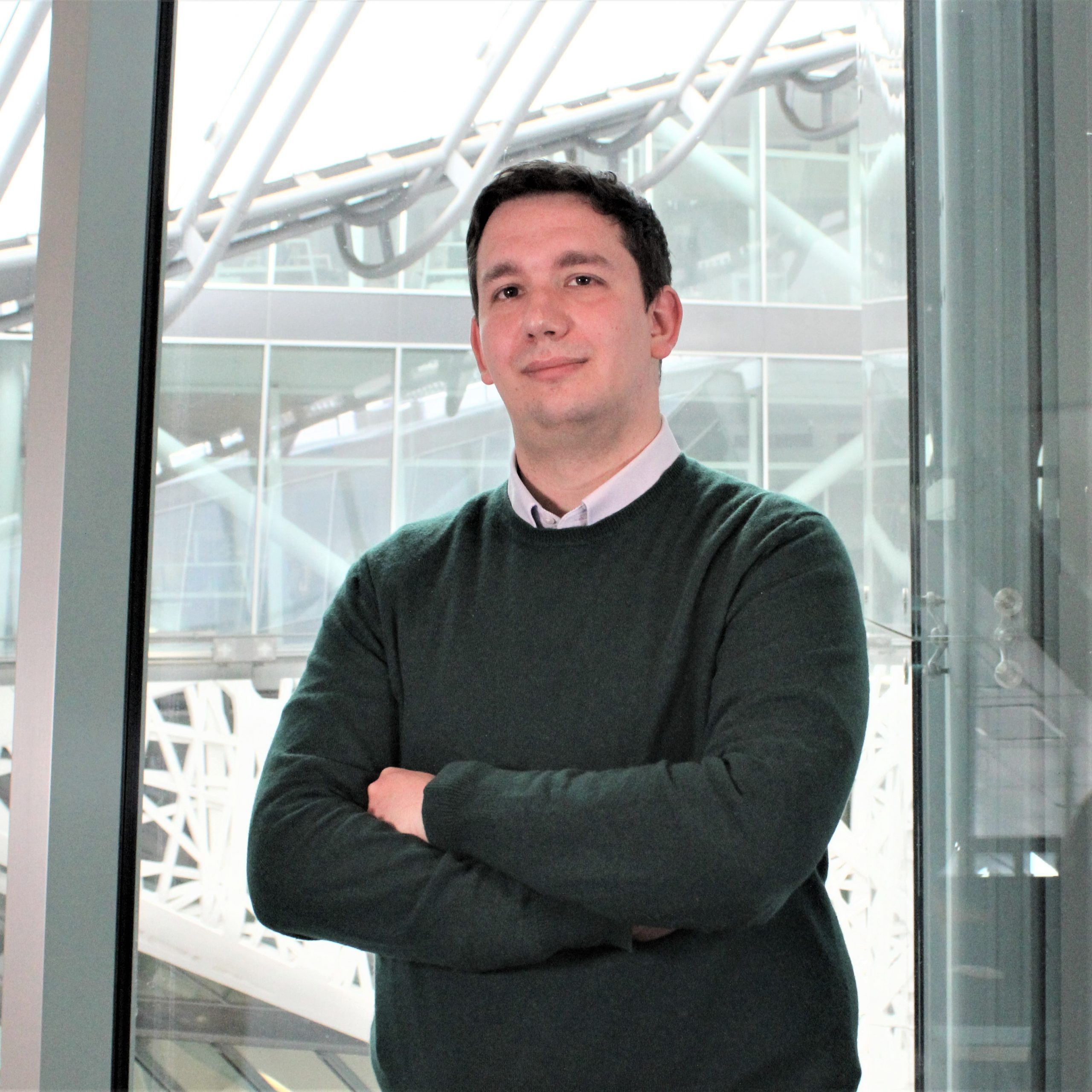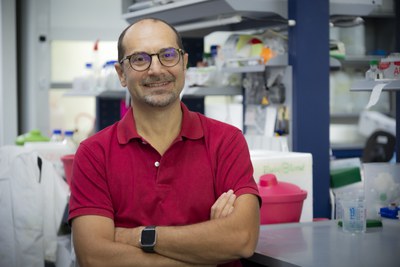
Diego di Bernardo is a Full Professor of Biomedical Engineering at the University of Naples Federico II and Principal Investigator at TIGEM, serving as Coordinator of the Genomic Medicine Program and Head of the Bioinformatics Core. His work bridges engineering and biological sciences to advance disease understanding and therapeutic development. His educational background includes a Laurea cum laude in Electronic Engineering from the University of Naples Federico II (1997) and a PhD in Medical Physics from the University of Newcastle School of Medicine (2001), funded by a European Commission Marie Curie Fellowship. Postdoctoral training followed at the Wellcome Trust Sanger Center and Boston University. Di Bernardo's research integrates Biomedical Engineering, Control Engineering, and Molecular Biology to pioneer Biomolecular Control. His lab develops microfluidics platforms for real-time cellular analysis and computational approaches for gene network reverse engineering and drug repositioning. Current work focuses on single-cell transcriptomics to combat drug resistance in cancer and engineer stress-response pathways for bioproduction optimization. His publication record demonstrates consistent innovation in computational biology, with recent work emphasizing pan-cancer transcriptomics, microfluidics-based cell control, and bioinformatics tool development for pathway analysis. The research trajectory shows increasing integration of engineering principles with genomic medicine. Scientific recognition includes: Marie Curie Fellowship He advises PhD students including Clarissa Poles and Virginia Fusco, leading a multidisciplinary team of postdocs and bioinformaticians. Major funding sources include Telethon, AIRC, Italian Ministries, HFSP, and EU programs such as Re-MEND (2023-2027) for mental health resilience and iPC (2019-2023) for pediatric cures. His TIGEM laboratory operates cutting-edge microfluidics and bioinformatics facilities to engineer living systems, with current projects targeting super-producer cell lines for biological drugs and viral vectors while reducing production costs through stress-response re-engineering.