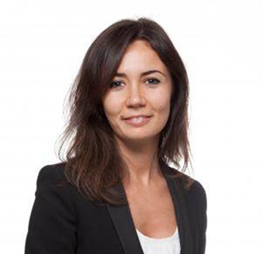
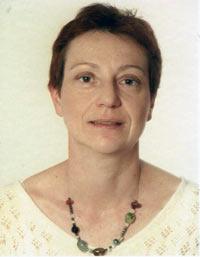
Marco Giovannetti is an Assistant Professor at the University of Turin, affiliated with the Department of Life Sciences and Systems Biology. His research focuses on plant-fungus symbiosis, root system architecture, and nutrient signaling in plants, particularly through mycorrhizal interactions and calcium-mediated pathways. He teaches courses in Plant Biotechnology (Master's Degree in Plant Biotechnology - BV) General Botany (Bachelor's Degree in Biological Sciences and MONTES) His research projects include the PRIN PNRR 2022 DOMICIL initiative, which investigates genetic and metabolic determinants of microbe-induced plant resilience. Recent publications explore symbiotic signaling, root physiology, and nutrient dynamics in legumes like Lotus japonicus , utilizing advanced sequencing and phenotyping techniques. He is actively involved in academic governance, serving on the Degree Course Council (Consiglio di Corso di Laurea) and Departmental Council (Consiglio di Dipartimento). Contact: marco.giovannetti@unito.it | Office hours by appointment via email.
Giuseppe Mannino is an Assistant Professor at the Department of Life Sciences and Systems Biology , University of Turin. He holds a PhD in Pharmaceutical and Biomolecular Sciences (2018) and joined the department in 2022 as a Type A researcher. His work bridges plant physiology, metabolomics, and nutraceutical research. Education : PhD in Pharmaceutical and Biomolecular Sciences (2018), University of Turin; MSc in Chemistry and Pharmaceutical Technology (2015). Research focuses on chemical and molecular characterization of plant bioactive compounds , including metabolomic and genomic analysis using GC-MS, LC-MS, DNA fingerprinting, and RNA sequencing . Key areas include biostimulants for crop stress tolerance, antioxidant properties of plant extracts, and pharmaceutical/nutraceutical applications of natural products. Recent articles highlight work on plant stress responses, agricultural waste valorization , biostimulant effects on crops like tomatoes and peppers, and phytochemical profiling of fruits (cherimoya, mango). Techniques span transcriptomics , metabolomics , and ROS modulation . Notable collaborations include studies on geomagnetic field effects and microbial biostimulants in aquaculture. Teaching roles include courses on Plant Physiology , Secondary Plant Metabolites , and Applied Plant Biology at the University of Turin's Biological Sciences and Environmental Biology programs.
Elena Martino is an Associate Professor at the Department of Life Sciences and Systems Biology of the University of Turin. She is affiliated with multiple academic bodies including the Commissione Orientamento and Consiglio di Dipartimento Biologia dell'Ambiente , and contributes to research in mycorrhizal interactions and environmental biotechnology. Research Focus : Molecular mechanisms of heavy metal tolerance in ericoid mycorrhizal fungi Fungal-plant symbiosis in metal-polluted environments Asbestos fiber biotransformation by soil fungi Comparative genomics of mycorrhizal mutualism Functional analysis of metal transporters and stress proteins Key Projects : International Mycorrhizal Genomics Initiative (MGI) Zinc tolerance studies in Oidiodendron maius Asbestos detoxification biotechnologies Contact : Email: elena.martino@unito.it Phone: +39 011 6705986 / +39 011 6705962 Office: Viale Mattioli 25, 10125 Turin, Italy
Dr. Michela Palmieri is a Researcher (RTDA) at Vita-Salute San Raffaele University's School of Medicine and Surgery and Project Leader in the Neuroscience Division at San Raffaele Hospital in Milan. Her research focuses on understanding the autophagy-lysosomal pathway during brain development in both health and disease, with particular emphasis on Rett syndrome. Education: PhD in Medical Genetics, Second University of Naples (2010) Specialist Degree in Biology, Second University of Naples (2006) Bachelor's Degree in Biological Sciences, Second University of Naples (2004) Dr. Palmieri's research spans molecular biology, neuroscience, and neurodevelopmental disorders, with a focus on the autophagy-lysosomal pathway's role in brain development and disease. Her work has identified molecular pathways altered in Rett syndrome and explored potential therapeutic targets. Her recent publications reveal a strong emphasis on understanding MECP2-related mechanisms, autophagy dysfunction in neurological disorders, and developing targeted interventions for neurodevelopmental conditions. Scientific Awards: PNRR Giovane Ricercatore - MSCA (2022) Giovani Ricercatori - Ricerca Finalizzata (2019) Marie Skłodowska-Curie Individual Fellowship (2018) Best Poster at Gordon Research Conference on Autophagy (2016) As a Principal Investigator and Project Leader, Dr. Palmieri has secured significant research funding including PNRR MSCA and Ricerca Finalizzata grants. She supervises PhD students like Sara Carli and serves on editorial boards for Frontiers in Cellular Neuroscience and Frontiers in Medicine. Her laboratory at San Raffaele Hospital focuses on understanding autophagy pathways in Rett syndrome and developing therapeutic strategies targeting lysosomal function.
Renato Ostuni is an Associate Professor at Vita-Salute San Raffaele University and leads the Unit of Innate Immune System Genomics at the San Raffaele-Telethon Institute for Gene Therapy (SR-Tiget). His research focuses on immunology, genomics, and inflammation in cancer and disease contexts. He is affiliated with the School of Medicine. Ph.D. in Translational and Molecular Medicine (2008-2010), Università di Milano-Bicocca Specialized in Industrial Biotechnology (2005-2007), Università di Milano-Bicocca Bachelor’s in Biotechnology (2002-2005), Università di Milano-Bicocca His research explores macrophage and neutrophil dynamics , tumor microenvironment reprogramming, and neurotoxic inflammation mechanisms. Recent work includes CRISPR-based T-cell engineering and DNA damage in neuroinflammatory diseases. His publications span top-tier journals like Science , Nature , and Cell , with a focus on immunology, cancer research, and regenerative medicine. Key collaborators include Gioacchino Natoli and Ido Amit. Scientific Awards: Alessandro Moretta Young Investigator Award (2019) Young Investigator Award, European Macrophage and Dendritic Cell Society (2018) ERC Starting Grant (2017) LaboSpace Prize (2017) Bioeconomy Rome Award (2013) EMBO Short-Term Fellowship (2012) He has served as an Associate Editor for Frontiers in Immunology and reviewed for journals like Nature Immunology and Cell Reports , alongside grant evaluations for the Italian Ministry of Health and European Research Council.
Lorenzo Piemonti serves as Associate Professor of Endocrinology at Vita Salute San Raffaele University in Milan, Italy, and holds key leadership positions at the San Raffaele Scientific Institute where he directs the Diabetes Research Institute and the Department of Regenerative Medicine and Transplantation. He previously served as Visiting Professor at Vrije Universiteit Brussels (2016-2022) and will serve as President of the International Pancreas and Islet Transplantation Association (IPITA) for 2025-2027. His research focuses on diabetes pathophysiology, beta cell biology, and regenerative medicine approaches to diabetes treatment. Key areas include beta cell replacement therapies, immune tolerance induction strategies, stem cell differentiation for insulin-producing cells, and the development of biomaterials to support islet transplantation. He has pioneered work in dendritic cell biology related to diabetes autoimmunity and has significant contributions to pancreatic oncology research. Dr. Piemonti's recent publications demonstrate a strong focus on translational research bridging basic science discoveries with clinical applications, particularly in islet transplantation outcomes, stem cell-derived beta cells, immune tolerance strategies, and precision medicine approaches to diabetes classification and treatment. Premio Alcmeone (2012) from Società Italiana di Diabetologia Premio per Giovani Ricercatori (2005) from Fondazione Guido Berlucchi As a physician-scientist, Dr. Piemonti maintains active editorial roles as Section Editor for Cell Transplantation and Associate Editor for Transplant International and Journal of Endocrinological Investigation. His leadership extends to multiple international committees including the European Pancreas and Islet Transplant Registry steering committee and various roles within IPITA. He coordinates the European Consortium for Islet Transplantation, which has provided human beta cell products for research and clinical applications across Europe since 2000. His laboratory maintains active collaborations across multiple European institutions through the European Consortium for Islet Transplantation and participates in numerous clinical trials related to beta cell replacement therapies and immune interventions for diabetes.
Professor Corrado Priami is a Full Professor of Computer Science at the University of Pisa and serves as the Vice-Rector for Knowledge Development. His career spans multiple institutions, including the University of Verona, University of Trento, and Stanford University. Full Professor of Computer Science, University of Pisa (2017–present) Visiting Professor, Stanford University (2016–2017) Full Professor, University of Trento (2001–2017) Associate Professor, University of Verona (2000–2001) His research interests focus on computational biology, machine learning, bioinformatics, and systems biology, with applications to health technology, personalized medicine, and vaccine development. Recent publications highlight advancements in digital vaccines, multi-omics integration, and holistic health databases. Scientific contributions include over 220 publications and €30 million in competitive research funding. He has founded institutions like COSBI and SPARK Pisa and served on advisory boards for EU programs, bioethics committees, and health technology firms. Medal from President Giorgio Napolitano for scientific achievements Coordinated 600+ research projects Supervised 100+ students
Manuela Petti is an Assistant Professor of Biomedical Engineering at Sapienza University of Rome's Department of Computer, Control, and Management Engineering since 2019. She is affiliated with the Bioengineering and Bioinformatics Lab and the National Bioengineering Group (GNB), and serves as Associate Editor for Frontiers in Medical Engineering (Computational Medicine section). Her academic background includes a cum laude M.Sc. in Biomedical Engineering from Sapienza University of Rome (2011) and a Ph.D. from the University of Bologna (2016), with a visiting stint at Indiana University Bloomington (2015). M.Sc. Biomedical Engineering, Sapienza University of Rome (2011, cum laude) Ph.D. Biomedical Engineering, University of Bologna (2016) Dr. Petti's research pioneers network-based computational approaches for precision medicine, integrating molecular data analysis, biological network inference, and brain connectivity estimation. Her work bridges bioinformatics and biomedical engineering to develop advanced methods for cancer research (focusing on sexual dimorphism and ethnic disparities), network neuroscience, and bioelectrical signal processing, with significant applications in oncology and neurology. Analysis of her 56 Scopus-indexed publications (1282 citations, H-index 13) reveals dominant trends in network medicine for cancer diagnostics, including immunological network signatures for immunotherapy response, miRNA regulation networks for sex disparities, and multi-omics integration for biomarker discovery. Her recent work emphasizes radiomics, drug repurposing, and patient stratification through network-based approaches. As an educator, she teaches "Bioinformatics and Network Medicine" and "Digital Epidemiology and Precision Medicine" in Sapienza's Data Science MSc program, having supervised over 10 Master's theses in Data Science, Computer Science, and Bioinformatics. She actively contributes to the Bioengineering and Bioinformatics Lab at Sapienza University of Rome, where her team develops computational frameworks for translating network-based discoveries into clinical applications, particularly in cancer therapeutics and neurological disorders.
Paola Branduardi is a Full Professor in Chemistry of Fermentation and Industrial Microbiology at the University of Milano-Bicocca's Department of Biotechnology and Biosciences. She co-founded Galatea BioTech srl and maintains collaborations with institutions across Europe including BOKU University (Austria), TU Delft (Netherlands), and Chalmers University (Sweden). Her research develops sustainable microbial bioprocesses using synthetic biology and metabolic engineering in yeasts. Key areas include: Biorefinery systems for residual biomass valorization Stress tolerance engineering in industrial strains Production of biofuels, nutraceuticals, and bulk chemicals Her recent publications focus on yeast stress responses, metabolic pathway optimization, and novel bioprocesses for carotenoids/cinnamic acid derivatives. She employs transcriptomics, adaptive evolution, and high-throughput screening. She currently advises 10 PhD and 2 Master's students. Major grants include: EU MSCA EJD 'YEASTDOC' (coordinator) MIUR 'CARDIGAN' biorefinery project (PI) Industrial projects with ENI/Gruppo Parodi She leads the IndBioTech Lab, focusing on yeast biotechnology and industrial applications.
Joannah Fergusson is a Post-doctoral Scientist in Immunology at the Nuffield Department of Medicine, University of Oxford, working within Dr. Anita Milicic's Vaccine Formulation and Adjuvants Group and collaborating with Prof. Mark Coles and Dr. Calliope Dendrou on Chan Zuckerberg Initiative-funded research into inflammatory mechanisms. Education: BSc in Immunology, University of Bristol DPhil, University of Oxford (Wellcome Trust Infection, Immunology and Translational Medicine programme) Her research centers on immunological mechanisms including T cell biology (MAIT cells, innate-like T cells), innate immunity (innate lymphoid cells, dendritic cells), and infectious disease pathogenesis. Current work utilizes ex vivo human secondary lymphoid organ models with single-cell transcriptomics and multiplexed imaging to map spatiotemporal inflammation initiation. Recent publications (2018-2025) demonstrate expertise across malaria vaccinology, tuberculosis immunity, mRNA vaccine reactogenicity, germinal center dynamics, and hepatitis B immunotherapy, reflecting strong translational focus from basic immunology to therapeutic applications. Supported by the Chan Zuckerberg Initiative, she previously contributed to Hepatitis B-targeting T cell therapy development at Immunocore (enabling first-in-human trials) and conducted innate lymphoid cell research in Prof. Hergen Spits' laboratory at the University of Amsterdam.
Paolo Borrione serves as an Associate Professor at the University of Rome Foro Italico in the Department of Human Motor Sciences and Health. His academic focus centers on Sports Medicine, Hematology, and Anti-doping research, with formal expertise in Internal Medicine. He holds significant administrative roles including Chair of the University Committee for Research and membership on the Board of the Master's Degree Program in Science and Technique of Sport. Dr. Borrione's research spans multiple critical areas in sports science, particularly examining health impacts of dietary supplements, cardiovascular risk assessment in athletes, and biological responses to doping substances. His work investigates exercise-induced modifications on bio-humoral and cellular parameters, with specialization in anti-doping protocols, hematology, and sports medicine. His research interests also include martial metabolism (likely muscular metabolism), risk parameter evaluation in sports, and biological responses to physical activity. Analysis of his publication record reveals consistent contributions to sports medicine research, with recent work focusing on anti-doping technologies, blood biomarkers, and physiological responses to exercise. His research trajectory demonstrates a clear progression from fundamental physiological studies toward more specialized anti-doping science and sports integrity issues. Notable trends include investigations into transcriptomic approaches for doping detection, innovative biomarkers for blood doping, and pandemic impacts on sports integrity. Dr. Borrione leads research projects funded by the Italian Ministry of Health, including a December 2019-June 2022 project focused on identifying innovative indirect parameters indicative of erythropoiesis-stimulating substance intake. His teaching responsibilities include courses on Biomedical Issues in Health and Exercise and Endocrinology and Sports Medicine for the Master's Degree program in Science and Technique of Sport. His office hours are held Wednesdays and Thursdays from 10:00-12:00 in studio 63A on the first floor of the university building located at Piazza L. de Bosis 6, 00135 Rome.
Fabio Pigozzi is a Full Professor at the University of Rome Foro Italico holding multiple leadership roles: Deputy Pro-Rector Delegate for general affairs, institutional and union relations, and sport Head of the Sports Medicine Laboratory Head of Sports Medical and First Aid Services Scientific Director of the University Center for Sports Medicine and Physical Exercise President of the "Foro Italico" University Foundation His research spans Sports Medicine, Sports Cardiology, and Anti-doping with specialization in physical exercise for chronic disease prevention, sudden death prevention in athletes, cardiovascular disease diagnosis, oxidative stress analysis, and novel doping detection methodologies. This work bridges clinical practice and sports science to enhance athletic performance and health outcomes through evidence-based approaches. Recent publications demonstrate a strong focus on cardiovascular health in athletes (including electrocardiographic analysis and cardiac imaging), gender inclusion frameworks in sports, mental health benefits of exercise, and molecular anti-doping techniques. These works reveal a multidisciplinary approach integrating cardiology, psychology, molecular biology, and sports ethics to address critical challenges in athletic healthcare. Professor Pigozzi directs the Sports Medicine Laboratory and Sports Medical and First Aid Services, providing clinical infrastructure for athlete care, research, and education. His leadership extends to the University Center for Sports Medicine and the "Foro Italico" University Foundation, shaping institutional strategy in sports science and healthcare delivery.
Barabino Silvia is an Associate Professor of Molecular Biology at the University of Milan-Bicocca's Department of Biotechnology and Biosciences. She leads the Barabino Lab (#BarabinoLab_BtBS), specializing in RNA biology and neurodegeneration research. Her work investigates RNA-binding proteins in transcription/RNA processing and their links to human diseases. Current projects focus on: miRNA dysregulation in amyotrophic lateral sclerosis (ALS) pathogenesis FET protein functions in DNA damage response and genome stability Molecular mechanisms connecting RNA metabolism to neurodegeneration Experimental approaches include biochemical assays, advanced microscopy, and transgenic mouse models. Recent publications demonstrate broad impact across molecular neuroscience and RNA biology, including therapeutic target identification for ALS (2020), leukemia proliferation mechanisms (2019), and oxidative stress regulation of RNA processing (2017). She maintains active collaborations with European institutions including King's College London and Stockholm University.
Claudio Isella serves as an Associate Professor in the Department of Oncology at the University of Torino's School of Medicine. His research focuses on molecular oncology, cancer genomics, and precision medicine approaches to gastrointestinal cancers. Department of Oncology, University of Torino Member of Department Council Member of Commissione per la Ricerca PhD program involvement in Complex Systems for Quantitative Biomedicine Dr. Isella's research interests center on cancer genomics, molecular oncology, and precision medicine with particular emphasis on colorectal cancer, patient-derived xenografts (PDX), and transcriptomics. His work integrates computational biology approaches with experimental models to understand cancer biology and identify therapeutic vulnerabilities. He has made significant contributions to understanding tumor evolution, drug resistance mechanisms, and biomarker discovery for precision oncology applications. Analysis of Dr. Isella's recent publications reveals a strong focus on patient-derived xenograft models for cancer research, molecular subtyping of gastrointestinal malignancies, and identification of therapeutic targets through genomic and transcriptomic approaches. His work spans colorectal cancer, gastric cancer, and other solid tumors with emphasis on translating molecular findings into clinically relevant insights for precision medicine applications. Dr. Isella teaches courses including Histology (INT0652), Multi-omics and Data Science for Precision Medicine (ONC0260), and Artificial Intelligence for Biomedicine and Healthcare. His teaching integrates molecular biology with computational approaches reflecting his research expertise.