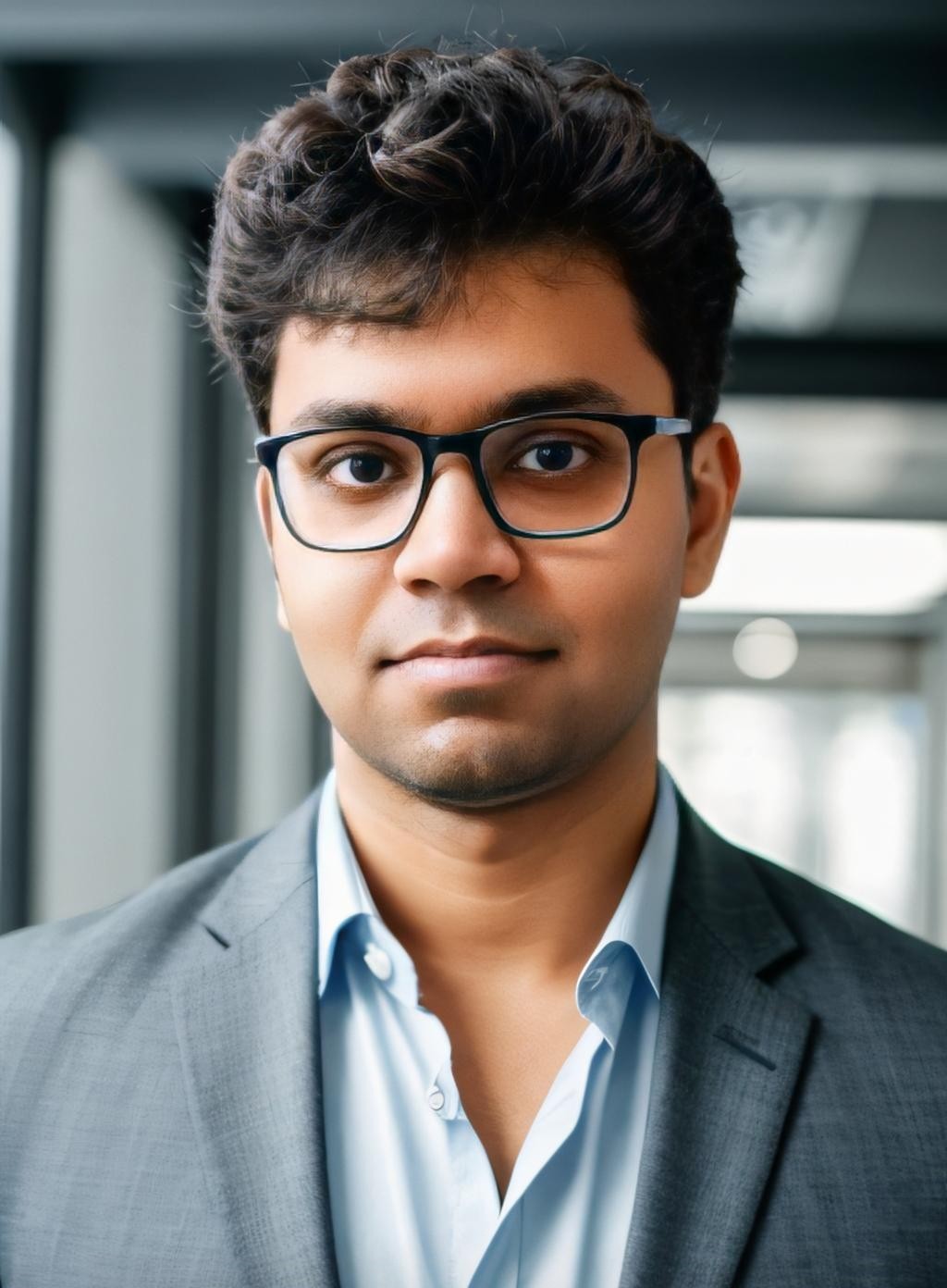
Shichun Ling is a Faculty member at the School of Criminal Justice and Criminalistics, California State University, Los Angeles. She holds a Ph.D. in Criminology from the University of Pennsylvania and a B.A. in Psychology and Social Behavior from the University of California – Irvine. Ph.D., Criminology – University of Pennsylvania B.A., Psychology and Social Behavior – University of California, Irvine Her research bridges biopsychosocial, neurocriminology, and developmental criminology to study antisocial behavior, psychopathy, and callous-unemotional traits. She examines autonomic functioning, brain structure/function, and societal perceptions of criminal justice. Recent publications explore resting heart rate interactions with empathy, HPA axis responsivity, and neurointerventions in offenders. Her work has been featured in PBS NOVA and The Future is Fantastic. 17 peer-reviewed articles (11 first-authored) 3 book chapters (2 first-authored) She teaches courses including Biopsychosocial Criminology, Statistics in Criminal Justice, and Theories in Criminal Justice. Office: Room 250, Hertzberg-Davis Forensic Science Center.
Russell Banks, a Lecturer in the Department of Communicative Sciences and Disorders at Michigan State University (MSU) , received his PhD in 2019. His research focuses on the effects of brain injury on motor control and the application of neuromodulation techniques like Transcranial Magnetic Stimulation (TMS) and Transcranial Direct Current Stimulation (tDCS) to rehabilitate speech and language impairments, particularly in sports-related concussion cases. Education: PhD, MSU (2019) MS, MSU (2015) BS, Speech and Hearing Sciences, University of Utah During his Master’s thesis at MSU, he investigated how classroom size, vocally demanding extracurricular activities, and personal habits affect teachers' voices across the U.S., with findings presented at multiple conferences and currently being written up for publication. At the University of Utah’s National Center for Voice and Speech, he contributed to voice therapy research for singers and occupational voice users, aging voice studies, and software development for voice disorder rehabilitation. Scientific Awards ASHFoundation New Century Scholars Research Fellowship (2019) Strosacker Fellowship (2016, 2017, 2018) Dr. Banks’ technical expertise includes voice and acoustical analysis software such as Praat , KayPentax programs , and Audacity , with collaborative work on software for quantifying voice recovery. His current projects aim to translate neuromodulation research into clinical speech and language rehabilitation strategies.
Dominique Durand is a Professor of Biomedical Engineering at Case Western Reserve University and Director of the Neural Engineering Center. His research focuses on neural engineering, computational neuroscience, and neuromodulation, particularly for epilepsy treatment and neural interface development. Professor, Biomedical Engineering Director, Neural Engineering Center Research interests include: Neural interfacing and prostheses Non-linear dynamics of neural systems Control of epilepsy via electrical stimulation Carbon nanotube (CNT) yarn electrodes for chronic neural recording Computational modeling of neural activity Ephaptic coupling mechanisms in seizure propagation Recent work examines: Transcranial direct current stimulation (tDCS) effects on seizures Low-frequency stimulation for seizure suppression Neural activity in tumors for cancer-state determination Advanced electrode designs for peripheral nerve interfaces Autonomic nervous system modulation in disease Laboratory affiliations include the Neural Engineering Center, which develops technologies for neural system analysis and therapeutic interventions.
Tony Cunningham serves as Director of the Center for Sleep and Cognition at Beth Israel Deaconess Medical Center and Harvard Medical School, holding faculty appointments in the Department of Psychiatry and Division of Sleep Medicine. His research integrates cognitive neuroscience with clinical psychology to investigate sleep's role in emotional memory processing across healthy and clinical populations. His educational background includes: BA in Psychology/Pre-Professional Studies, University of Notre Dame MA in Clinical Psychology, University of Notre Dame PhD in Clinical Psychology, University of Notre Dame Clinical Psychology Internship, VA Eastern Kansas Healthcare System Postdoctoral Fellowships at Boston College, Beth Israel Deaconess Medical Center, and Harvard Medical School Cunningham's research examines how sleep and sleep loss impact emotion regulation and memory consolidation, with particular focus on insomnia disorder and schizophrenia. His work bridges laboratory findings to clinical applications through studies on therapeutic interventions like transcranial direct current stimulation during sleep. Recent investigations explore real-world stressors including presidential elections and pandemics, revealing how collective traumas disrupt sleep-wake patterns and emotional processing. His publication trends show increasing emphasis on translational research, with recent work connecting sleep physiology to clinical outcomes in psychiatric disorders. Key themes include neural mechanisms of emotional memory consolidation, individual differences in sleep-related cognitive vulnerability, and population-level responses to societal stressors. Scientific recognition includes: Young Investigators Research Forum Scholarship (2020) Multiple Abstract Meritorious Awards from Sleep Research Society (2014, 2014, 2019) Dissertation Grant Award from Society for a Science of Clinical Psychology (2016) Graduate Research Challenge Award from University of Notre Dame (2014) As Principal Investigator, he directs two major funded projects: an NIMH K23 grant examining neural impacts of insomnia on emotion regulation (2022-2027), and a Sleep Research Society Foundation award investigating transcranial stimulation for schizophrenia. His active clinical trials (NCT05393830, NCT03767426) recruit participants in Boston to study sleep deprivation effects on emotional memory. He leads the Center for Sleep and Cognition research team at BIDMC/HMS, collaborating with Boston College's Psychology Department and the Department of Veterans Affairs on projects spanning basic sleep mechanisms to clinical interventions.
Ben Tamber-Rosenau is an Assistant Professor in the Department of Psychology at the University of Houston, part of the College of Liberal Arts and Social Sciences. He leads the Cognitive Neuroscience of Attention Lab, where he investigates the cognitive and neural mechanisms underlying human attention, working memory, and perceptual representation. His research focuses on understanding the flexible-yet-limited nature of human cognition, particularly how the brain processes information across tasks and how this leads to capacity limits in attention and memory. He employs advanced methodologies including fMRI, MVPA, tDCS, computational modeling, and behavioral experiments. The recent publications highlight a strong trend in exploring the architecture of attention, the nature of working memory representations, and the neural basis of cognitive control. His work bridges cognitive psychology and neuroscience, with emphasis on both theoretical models and empirical validation using neuroimaging and stimulation techniques. Ph.D. in Psychological & Brain Sciences, Johns Hopkins University Postdoctoral training, Vanderbilt University (with René Marois and Isabel Gauthier) He is actively mentoring graduate and undergraduate students in his lab and is involved in training future cognitive neuroscientists in both theoretical knowledge and technical skills. His research program aims to expand to aging and clinical populations to ameliorate cognitive deficits. He has no listed scientific awards in the provided text. He utilizes a multidisciplinary approach involving fMRI, brain stimulation, computational modeling, and behavioral paradigms. His lab collaborates across domains and supports independent research development among students.
Amba Frese serves as a Researcher in the Neuromodulation group within the Psychology and Neurosciences department at the Leibniz Research Centre for Working Environment and Human Factors (ifADo) in Dortmund, Germany. She operates under the supervision of Prof. Dr. Michael Nitsche, head of the department, and is based at the institute's headquarters: Ardeystr. 67, 44139 Dortmund. Her research focuses on neuromodulation techniques including transcranial magnetic stimulation (TMS) and transcranial direct current stimulation (tDCS), investigating their applications in cognitive enhancement and behavioral control. This work sits at the intersection of experimental neuroscience and human performance optimization, with implications for both occupational health and clinical interventions. The Neuromodulation group emphasizes methodological innovation in non-invasive brain stimulation protocols. Professional contact is maintained via email frese@ifado.de and telephone +49 231 1084-433. The department maintains active collaborations across the institute's research divisions including Ergonomics, Immunology, and Toxicology, though specific project details for Dr. Frese are not documented in the provided text.
Dr. Matthew Checketts is a Lecturer at the University of Glasgow's School of Psychology and Neuroscience. His research focuses on two primary areas: widening participation in higher education, including access, student experience, and graduate outcomes; and post-stroke spatial neglect, covering its definition, assessment, and treatment. He is actively involved in clinical rehabilitation studies, particularly exploring interventions like prism adaptation and transcranial direct current stimulation (tDCS) for stroke patients. His work bridges neurology, rehabilitation science, and healthcare equity, with contributions to international clinical guidelines and consensus-building efforts. Recent research highlights include a 2024 Delphi method study establishing consensus on spatial neglect terminology, a 2023 feasibility trial on prism adaptation training, and 2021 publications on tDCS applications and clinical assessment practices. These studies emphasize interdisciplinary collaboration, methodological rigor, and practical clinical outcomes. Dr. Checketts' work has been published in journals such as Archives of Rehabilitation Research and Clinical Translation and Clinical Rehabilitation . He maintains active engagement in stroke rehabilitation research, contributing to both experimental interventions and large-scale clinical surveys. His current office hours are Thursdays 12:30–13:30 at Room 405, School of Psychology and Neuroscience, with online availability upon request.
Monika Harvey is a Professor of Neuropsychology and Cognitive Neuroscience at the University of Glasgow's School of Psychology & Neuroscience. She holds a BSc in Psychology from the University of Bielefeld (Germany) and a PhD in Neuropsychology from the University of St Andrews (UK). Her career includes appointments at the University of Bristol and the University of Glasgow. Her research focuses on cognitive neuroscience, particularly visual perception, hemispatial neglect, and cognitive aging. She employs techniques like EEG, non-invasive brain stimulation, virtual reality, and AI to study brain age prediction and attention mechanisms. Her work spans neurorehabilitation, aging-related cognitive changes, and clinical applications of neurotechnology. She has contributed to studies on stroke recovery, attention deficits, and driver behavior in autonomous vehicles. Her research emphasizes interdisciplinary approaches, bridging psychology, neuroscience, and technology. Publications highlight her expertise in spatial attention, neglect rehabilitation, and the neural basis of perception-action systems. She collaborates on grants exploring post-stroke insomnia, driver interfaces for autonomous cars, and neuroimaging techniques. Her lab integrates experimental and computational methods to advance understanding of brain function and disorders.
Dr. Elizabeth Condliffe is an Assistant Professor at the University of Calgary's Cumming School of Medicine, Department of Clinical Neurosciences, specializing in Physical Medicine and Rehabilitation. She holds adjunct roles in the Faculty of Kinesiology and is a Full Member of the Hotchkiss Brain Institute. Her clinical and research work focuses on neurorehabilitation strategies for children and adults with cerebral palsy and neurodisabilities, emphasizing robotic technologies, neurophysiological tools, and exercise interventions to enhance motor function and quality of life. Education: PhD in Biomedical Engineering, University of Alberta (2021) MD, University of Toronto (2008) MS in Biomedical Engineering, Boston University (2004) BSE in Mechanical & Aerospace Engineering, Princeton University (2002) Research Interests: Dr. Condliffe leads the Pediatric Onset Neuromotor Impairment (PONI) Lab, exploring robotic walking aids, neurostimulation, and clinical tools to address movement impairments. Key areas include: Robotic exoskeletons for bone/muscle health Neuroplasticity mechanisms in cerebral palsy Brain stimulation for motor recovery Adapted physical activity impacts on family dynamics Labs & Networks: She co-leads the Movement Impairment team in the RESTORE Network, participates in the NonInvasive Neurostimulation Network (N3), and is part of the Vi Riddell Pediatric Pain & Rehabilitation Centre.
Stefanie Keulen is a Professor at the Brussels Center for Language Studies, Vrije Universiteit Brussel (VUB). Her research focuses on neurolinguistics, aphasia, and cerebellar contributions to language. She holds a PhD in Linguistics and Literature (2017) and a Master's in Semantics and Down Syndrome (2013). Her work explores speech disorders, bilingual language processing, and neurorehabilitation techniques like tDCS. She leads projects on Primary Progressive Aphasia and cerebellar dysfunction, with funding from grants like FWOWO44 and CONI822. Awards include the Guillaume Duflou Prize (2017) and I. Vanderschuerenprijs (2022). She advises students like Silke Coemans and Paolo Savieri, and collaborates internationally on studies involving Greek-Turkish bilingualism and pediatric language disorders. Her 43+ publications span journals like The Cerebellum and Journal of Alzheimer's Disease Reports . She actively participates in conferences and media engagements, explaining topics like Foreign Accent Syndrome and stuttering research. Education: PhD (2017), Master's (2013) Affiliations: Brussels Center for Language Studies, VUB Grants: FWOWO44, FWOTM1214, BASGO3 Labs/Teams: BCLS Research Group, Primary Progressive Aphasia Network
Dr Wei-Ju Chang is an Honorary Lecturer in the School of Health Sciences, College of Health, Medicine and Wellbeing at the University of Newcastle , Australia. He also serves as a visiting Postdoctoral Fellow at Neuroscience Research Australia (NeuRA) and maintains an active clinical role as an APA-titled Musculoskeletal Physiotherapist in private practice in Sydney. Education Doctor of Philosophy, Western Sydney University Master of Orthopaedics, Sports & Manual Physiotherapy, University of South Australia Research Focus Dr Chang’s research integrates advanced neurophysiological techniques to investigate the transition from acute to chronic musculoskeletal pain. His work explores cortical and spinal neuroplasticity, quantitative sensory testing, and the therapeutic potential of non-invasive brain stimulation—particularly repetitive transcranial magnetic stimulation (rTMS) and transcranial direct current stimulation (tDCS)—for conditions such as knee osteoarthritis and low back pain. A complementary line of inquiry examines EEG-based biomarkers, including peak alpha frequency, as predictors and modulators of pain outcomes. Publication Trends Across more than 50 peer-reviewed outputs since 2015, Dr Chang’s articles cluster in three dominant themes: (1) systematic reviews and meta-analyses that synthesize evidence on neuromodulation and quantitative sensory testing; (2) longitudinal cohort studies that identify neurobiological predictors of chronic pain; and (3) interventional pilot RCTs that test adjunctive brain stimulation combined with exercise therapy. His 2024–2025 publications emphasize individualized pain prediction, prophylactic neuromodulation, and mechanistic TMS-EEG studies. Grant Support & Collaborations 2023 : University of Newcastle Pilot Funding Scheme (AUD $4,883) – Lead CI on mechanisms of rTMS-induced analgesia. 2022 : NHMRC Postgraduate Scholarship (AUD $105,437) – Lead CI on neurobiological transition to chronic low back pain. 2022 : CHMW Strategic Research Pilot Grant (AUD $9,783) – Co-I investigating brain biomarkers for chronic postsurgical pain. 2021 : ANZMUSC Seed Funding (AUD $20,000) – Lead CI combining rTMS with exercise in knee osteoarthritis. 2019 : Physiotherapy Research Foundation Seeding Grant (AUD $9,511) – Lead CI exploring neuroplastic mechanisms of quadriceps weakness post-TKR. Laboratory & Team Affiliations Dr Chang is affiliated with the Neuroplasticity and Pain Research Group at the University of Newcastle, led by Prof Siobhan Schabrun. Through NeuRA he collaborates on multimodal imaging and neurophysiology projects, leveraging state-of-the-art TMS-EEG and MR-compatible stimulation platforms.
Merrill R. Landers serves as Interim Dean and Professor in the Department of Integrated Health Sciences at the University of Nevada, Las Vegas, holding the Cyrus Chung Ying Tang Foundation Research Professorship. He has chaired the physical therapy program since 2011 and maintains active clinical licensure as a physical therapist. His academic credentials include: Ph.D. in Biological Sciences (Integrative Physiology) from UNLV (2012) with cognates in neurobiology and statistics DPT from Creighton University (1997) B.S. in Exercise Science from Brigham Young University (1993) with minor in Scandinavian Studies Dr. Landers' research program centers on Parkinson's disease and mild cognitive impairment, specifically investigating balance impairment mechanisms, fear of falling avoidance behaviors, and neuroprotective effects of exercise. His work bridges neuroscience and rehabilitation through innovative approaches like transcranial direct current stimulation for motor priming. Current projects examine the relationship between psychological factors and mobility limitations, with emphasis on clinical translation. Analysis of his 15 most recent publications (2023-2025) reveals dominant themes in Parkinson's disease research, particularly gait analysis, dual-task performance, and psychological contributors to mobility impairment. His work increasingly incorporates cross-cultural adaptations of assessment tools and explores novel interventions including cannabis effects and nature-based mindfulness. A significant portion focuses on fear of falling avoidance behavior measurement and intervention across diverse populations. His scholarly recognition includes: Credentialed Fellowship Graduate of the APTA Education Leadership Institute Cyrus Chung Ying Tang Foundation Research Professorship As an educator, Dr. Landers teaches advanced courses including Neurophysiology (DPT 756), Genomics and Regenerative Rehabilitation (DPT 713), and Clinical Trial Design (HSC 705). His leadership as Interim Dean and department chair demonstrates commitment to advancing health sciences education while maintaining active research productivity through clinical trials and collaborative neuroscience investigations.
Marco Cambiaghi is a Temporary Assistant Professor at the University of Verona, affiliated with the Department of Neurosciences, Biomedicine and Movement Sciences. His research focuses on neurophysiology, transcranial direct current stimulation (tDCS), fear memory consolidation, and neurodegenerative disorders. Current research grants include: Airalzh 2021: Early enriched environment to prevent transgenerational effects of prenatal stress in Alzheimer's Disease PRIN 2022: The brain anti-reward centre in autism spectrum disorder as a novel therapeutic target His methodological expertise includes behavioral analysis, in-vivo electrophysiology, histological analysis, and molecular biology techniques. He teaches in multiple degree programs including: Medicine and Surgery Pharmacy Obstetrics Nursing Physiotherapy Biotechnology He serves as a referent in AQ Terza Missione and participates in various academic governance bodies including the PhD Council in Neuroscience and the Degree Course Councils.
Stuart Goodall is an Associate Professor at Northumbria University , specializing in Sport, Exercise, and Rehabilitation. He completed his BSc and MSc in Sport Science before earning a PhD from Brunel University in 2011. Joining Northumbria as a Research Associate in 2011, he advanced to Senior Lecturer in 2012 and Associate Professor in 2019. Current roles: Head of Research & Knowledge Exchange and UoA 24 REF Lead (since 2022) Editorial leadership: Associate Editor-in-Chief for Medicine & Science in Sports & Exercise , Associate Editor for Frontiers in Physiology , and Senior Board Member for BMC Sports Science, Medicine, & Rehabilitation Professional engagement: Fellow of the Higher Education Academy (2015), External Examiner for Liverpool John Moores University, and representative for The Physiological Society His research focuses on Exercise Physiology , Neuromuscular Function , and Sports Performance , with recent work examining: Sex differences in archers' energy and hydration Neural control of muscle fatigue Resistance training for aging populations Thermal interventions for soccer players Scientific awards include: Fellow (FHEA), Higher Education Academy (2015)
Dr. Durjoy Lahiri is an Assistant Professor in the Department of Medicine at Queen’s University, affiliated with the Faculty of Health Sciences. He holds a MBBS, MD, and DM from institutions in India, including Nil Ratan Sircar Medical College and the Institute of Postgraduate Medical Education and Research (IPGME&R). His clinical expertise spans primary cognitive and behavioral disorders (e.g., Alzheimer’s Disease, Fronto-Temporal Dementia) and cognitive dysfunctions in neurological conditions like ALS and atypical parkinsonism. He completed a clinical fellowship at Baycrest Academy for Research and Education (affiliated with the University of Toronto) as a Bresver Family Fellow. Dr. Lahiri’s research focuses on fluid biomarkers, emerging Alzheimer’s therapies, and neuromodulation techniques like Transcranial Direct Current Stimulation (tDCS). He has published extensively on dementia, cognitive dysfunction, and neurological disorders. Key awards include the Sandra Black Award and Young Investigator Award from the Academy of Aphasia. His teaching activities are extensive, with involvement in medical and neurology residency programs. Clinically, he specializes in telemedicine for behavioral dysfunctions in dementia, having contributed to the Virtual Behavioral Medicine (VBM) program at Baycrest. He has also received travel scholarships and grants supporting his academic contributions.