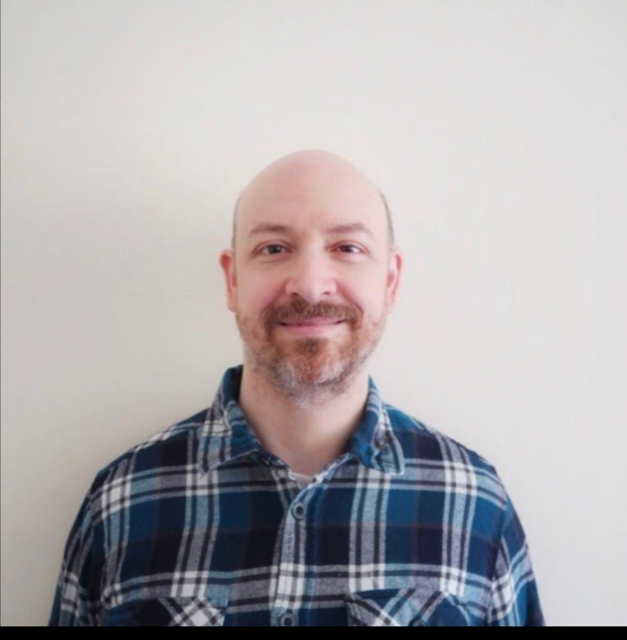
Magdalena Lang is a Lecturer at the University of Regensburg’s Faculty of Mathematics, specifically affiliated with the Chair of Mathematics Education since 2024. She serves as a supervising teacher for trainee teachers and an internship teacher for students. Her work focuses on pedagogical strategies for teaching mathematics, including how mathematical concepts are internalized and structured in lessons. Education: Studied primary school teaching at the University of Regensburg (1st State Examination, 2016). Professional Timeline: Completed preparatory service (referendariat) in Straubing (2019–2021), taught at Aschheim and Beilngries Primary Schools (2019–2024), and now supports teacher training and curriculum development in mathematics. Her research emphasizes optimizing lesson structures to enhance mathematical learning, particularly in addressing cultural and cognitive challenges faced by students. She is actively involved in cross-departmental initiatives at the University of Regensburg, including collaborations with the Center for Language and Communication (ZSK) to develop academic skills in international students.
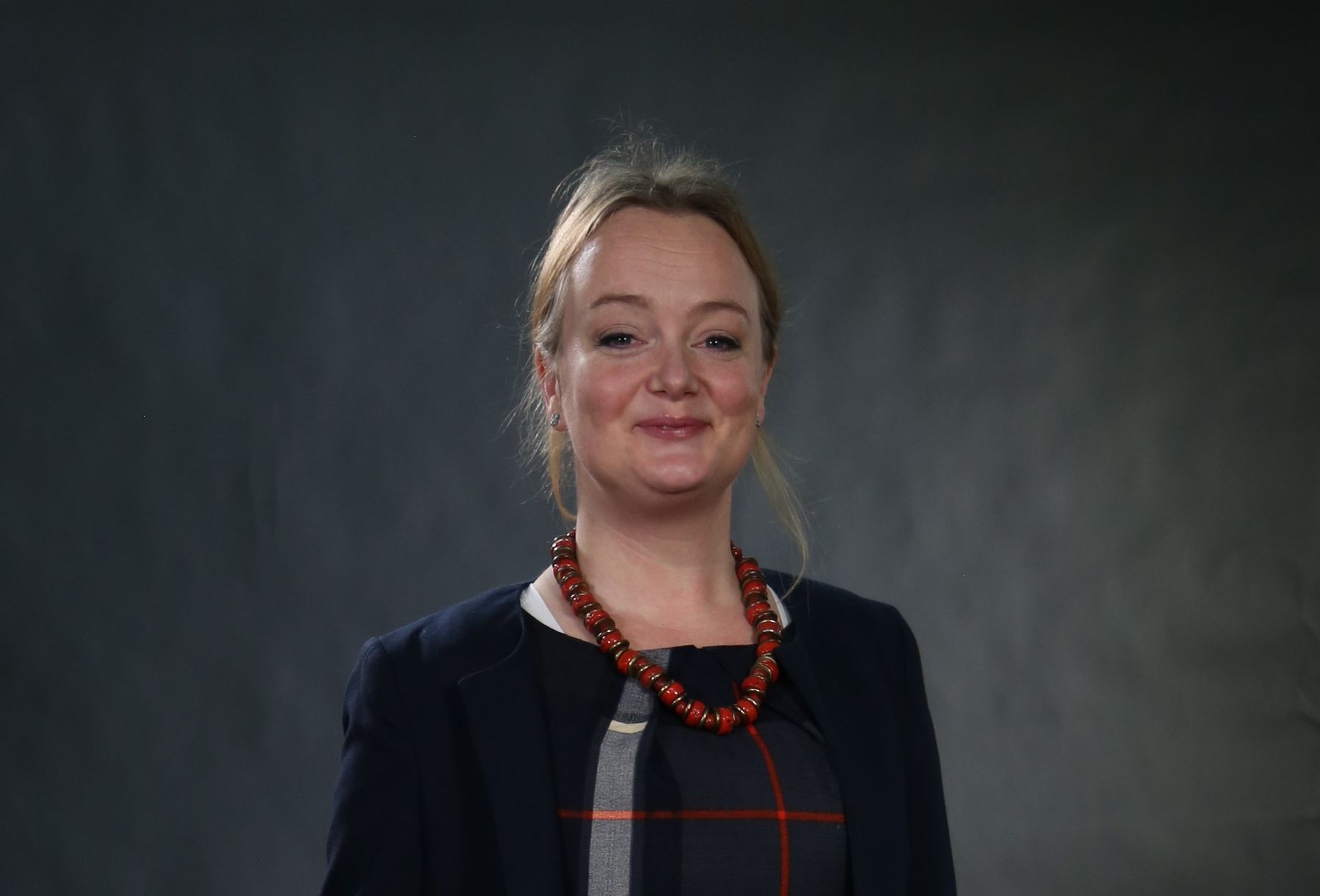
Dr Cosette Crisan is an Associate Professor (Teaching) in Mathematics Education at University College London’s IOE, ranked World Number 1 in Education. She specializes in curriculum design, subject-specific mentoring, and integrating digital technologies into mathematics education. Prior to joining UCL IOE in 2010, she taught mathematics at secondary and university levels for 16 years. Her research focuses on enhancing mathematics teaching practices through collaborative mentorship frameworks and technology integration. She co-leads the Curriculum and Subject Specialism Research Group and the ROPE group, driving pedagogical innovation. Notable achievements include the 2021 UCL Faculty Education Team Award for pandemic-era teaching support and leadership roles such as Academic Head of Learning and Teaching (2020–2023). She holds a PhD in Mathematics Education from London South Bank University and is a Principal Fellow of the Higher Education Academy. Current initiatives include developing a Mathematics and Secondary Mathematics Education BSc (QTS) Teacher Degree Apprenticeship program. Her research emphasizes revitalizing geometry education and preparing mentors to effectively guide novice teachers. Publications span topics like computer-aided assessment (STACK), pandemic-era teaching adaptations, and cross-cultural mentorship studies. Dr Crisan’s work bridges theory and practice, advocating for mathematics education as a design science. She actively contributes to the London Mathematical Society’s Education Committee, promoting public engagement with mathematics. Awards include the UCL Faculty Education Team Award (2021) and recognition for her role in transitioning teaching to online platforms during the pandemic. Her teaching portfolio includes leadership of the MA Mathematics Education program and supervision of doctoral candidates. Recent interests include exploring intersections between mathematics and cognitive neuroscience, inspired by her daughter’s career path.
Shona McIntosh is a Senior Lecturer in the Department of Education at the University of Bath, affiliated with the Centre for Qualitative Research. She holds a PhD in Education and is actively supervising doctoral students. Her work bridges theory and practice in education, with a strong commitment to social and epistemic justice. Research Interests: Climate and Sustainability Education Decolonising Education and Research Methods Global Citizenship and International Education Teacher and Professional Learning Participatory and Feminist Qualitative Research Teaching-Research Nexus in Higher Education Her research is grounded in decolonial, feminist, and sociocultural theories, emphasizing co-construction of knowledge with participants. She employs experimental and mixed methods to explore equity in educational contexts. Recent Research Trends: Her recent publications (2022–2025) reflect a sustained focus on justice-oriented education, particularly in climate change, teacher development during crises (e.g., school closures), and methodological innovation in collaborative and reflexive research. There is a clear trajectory toward developing frameworks for epistemically-just and equitable research practices, often in international and interdisciplinary contexts. Scientific Awards: Jeff Thompson Research Award from the International Baccalaureate Organization (2017) Grants and Supervision: She has secured funding from the British Academy and the British Council for projects on the teaching-research nexus and youth climate concerns. She is Principal Investigator (PI) on multiple projects and a Co-Investigator on international collaborations. She currently accepts doctoral students and has supervised several research outputs and theses. Labs and Research Groups: She is a core member of the Centre for Qualitative Research at the University of Bath, where she contributes to advancing innovative qualitative methodologies and fostering equitable research practices.
Alison Baker is a Senior Lecturer at the University of East London within the School of Childhood and Social Care. She specializes in Education and teaches modules on inclusion, Primary English, children's literature, and reflective practice in Primary Teaching. PhD candidate researching white working-class children in children's fantasy fiction Areas of expertise: Social class representation, reading for pleasure, inclusive pedagogy Research Focus: Investigates how social class portrayal in fantasy literature impacts children's reading engagement, with particular attention to working-class disempowerment in fictional narratives. Her work bridges literary analysis with educational practice through projects like the UEL Goodreads discussion group. Key Publications: Contributions on social class in Harry Potter, children's comics, and critical reading pedagogy. Notable works include analyses of social capital in fantasy fiction and the use of social media for teacher development. External Roles: Served as Children's Programme Coordinator at Eastercon 2019 (Ytterbium) and currently sits on the Editorial Board of the Journal of Historical Fiction.
Gaston Bacquet is a Lecturer in Education Studies at the University of Glasgow's School of Education, specializing in Culture, Literacies, Inclusion & Pedagogy. A Chilean teacher trainer and educator based in Scotland, he also holds qualifications as a meditation and yoga instructor. With extensive international teaching experience across K-12 and higher education systems in Chile, Japan, Saudi Arabia, Myanmar, the US, and UK, his work bridges practical pedagogy and theoretical innovation. His educational background includes a DipTESOL from Trinity College London, an MA in TESOL from the Institute of Education (UCL), and a PhD in Education from the University of Glasgow. Bacquet currently teaches in the MSc/MEd Education Studies program and leads the undergraduate Asian Religions course, while supervising dissertation students across the School of Education. Research interests center on nonviolence as transformative educational practice, with emphases on decolonial approaches, contemplative pedagogy, and inclusion of minoritized groups. His work integrates Buddhist philosophy, indigenous wisdom traditions, and international perspectives to challenge Western epistemological dominance. Key methodological commitments include participatory action research and qualitative approaches that prioritize community voices. Recent publications reveal evolving trajectories from language education toward decolonial nonviolence frameworks, with increasing focus on Global South contexts, indigenous knowledge systems, and teacher preparation. His 2024-2025 work shows intensified engagement with Buddhist-Christian dialogue, indigenous contributions to peace education, and practical applications of nonviolence in classroom power structures. As a supervisor, Bacquet mentors Master's students in inclusion, nonviolence, and educational ethics, welcoming PhD proposals aligned with his research interests. His professional activities span editorial roles with Cogent Arts and Humanities and SAGE Open , alongside active participation in international scholarly networks including the Comparative and International Educational Society and the European Network for Buddhist-Christian Studies. Professional affiliations reflect his interdisciplinary reach: British Educational Research Association (2021-present), American Educational Research Association (2022-present), International Society for Contemplative Research (2023-present), and the International Society for the Scholarship of Teaching and Learning (2025-present). His conference presentations consistently address nonviolence pedagogy, decolonial curriculum development, and participatory research ethics across global contexts from Chile to New Zealand.
Festo Kayima is an Associate Professor in Chemistry Didactics at the Department of Teacher Education, Faculty of Social and Educational Sciences, Norwegian University of Science and Technology (NTNU). His research focuses on science teacher education, classroom knowledge, and pedagogical strategies in chemistry. Doctorate in Chemistry Education (2018, University of Bergen) Master’s in Science Education (2020, NTNU) Kayima’s research projects include developing science teacher trainees’ professional knowledge through reflective practice, enhancing scientific literacy, and integrating sustainability into chemistry education. He leads the Erasmus+ project STEMkey (2020–2023), emphasizing graduate attributes and key skills for educators. His recent publications (2025) with Springer explore pedagogical themes like chemical knowledge, outdoor teaching, and technology integration. These works align with broad keywords such as Science Education, Curriculum Development, and Experiential Learning, with subfields spanning digital tools, sustainability, and misconceptions in chemistry. Co-supervised Kristine Fjelldal Sunde’s thesis on teacher questioning in labs He contributes to research groups Naturfaglig Literacy i Skole og Lærerutdanning and ScienceHumanities , bridging interdisciplinary approaches in education. His teaching includes courses like Science as a School Subject (MGLU4211) and Teacher Education: Teaching Chemistry (PPU4626).
Laura Manzie is a Senior Lecturer in English as a Foreign Language at the School of Arts & Humanities, Nottingham Trent University, where she is affiliated with the Nottingham Institute of Languages and Intercultural Communication. She serves as Subject Coordinator for TESOL in the BA Joint Honours program and actively contributes to language teaching and teacher education across multiple platforms, including the Cambridge CELTA and Trinity Cert TESOL training programs. Her research focuses on academic literacy, particularly the development of criticality in academic writing and reading. She explores pedagogical innovations such as blogging and Academic Reading Circles as tools to foster critical engagement among students. Additionally, she investigates how language classrooms can serve as spaces for building intercultural competence (ICC) , linking language learning with broader sociocultural awareness. Laura has extensive international teaching experience, having taught in Sri Lanka, Australia, Vietnam, Turkey, Japan, and China. She played a key role in establishing NTU’s Pre-Sessional English Language Programme at the Communication University of China in Beijing. Her professional work extends to community outreach, where she connects trainee teachers with opportunities to teach refugees and asylum seekers in Nottingham. She is also involved in external professional activities, working as a freelance teacher trainer in the UK and Turkey, and supports Syrian academics through CARA’s Syrian programme by providing English language assistance. Teaching Responsibilities: MA Teaching English to Speakers of Other Languages (TESOL) BA Joint Honours TESOL modules Cambridge CELTA Trinity Cert TESOL (as trainer and course director) Professional and Community Engagement: Freelance teacher trainer (Nottingham, UK; Izmir, Turkey) Participant in CARA’s Syrian programme Collaborator in NTU’s community outreach projects with refugee and asylum seeker communities
Professor Barbara Skinner is a Professor of TESOL and Education at Ulster University's School of Education, based at the Coleraine campus. She serves as Director of Development and Partnerships for the School of Education and is a member of the School's Senior Management Team. Dr. Skinner was the first lecturer in Ulster's Centre for English Language Teaching (CELT) and moved to the School of Education to become Course Director of MA TESOL in 2006. Her educational background includes a Doctorate of Education from the University of Bristol (2014). Originally from Cornwall, she has extensive experience teaching ESOL and EAP, and has served as a UCLES examiner and IELTS examiner. Professor Skinner's research focuses on language teacher education, higher education pedagogy, and intercultural competence. Her current work explores minority language pupils in Northern Ireland, examining their educational attainment, home-school partnerships between schools and migrant parents, and the socio-emotional well-being of refugee pupils. She also investigates teacher talk and second language teacher education, with particular interest in conversation analysis, threshold concepts, and teacher identity. Her research has resulted in numerous publications in key international journals including the English Language Teaching Journal, Journal of Studies in International Education, and Journal of Education for Teaching. Professor Skinner has secured significant funding from external sources including the British Council, UKISA, and international partners in Spain, Korea, China, and Central Asia, with recent projects focusing on inclusive English language teaching across multiple countries. Sustained educational excellence award (2021) Professional Practice Innovation award (2021) Distinguished teaching fellowship - highly commended (2010) Excellence in International Partnership award (2020) Professor Skinner is actively involved in doctoral supervision and examination, and serves as Northern Ireland representative for the British Educational Research Association (BERA). She is an Editor of the BERA Blog and a member of BERA Publications Committee. Her professional activities include reviewing for several prestigious journals and mentoring new reviewers globally. She leads multiple international projects, including the MA TESOL dual award program between Kazakhstan and Northern Ireland, demonstrating her commitment to advancing language education worldwide.
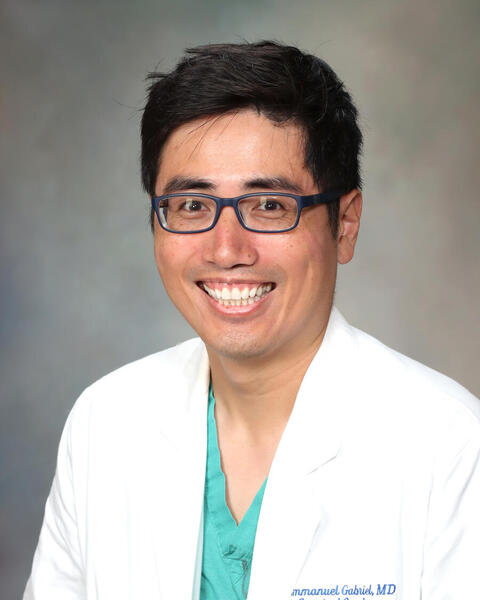
Emmanuel M. Gabriel, M.D., Ph.D., serves as Associate Professor of Surgery and Consultant in the Department of Surgery at Mayo Clinic in Jacksonville, Florida. He directs clinical and research activities within the Mayo Clinic Comprehensive Cancer Center, specializing in surgical oncology for breast cancer, melanoma, sarcoma, and gastrointestinal malignancies requiring advanced regional therapies like HIPEC. His dual MD/PhD training uniquely positions him at the intersection of immunology research and complex cancer surgery. Dr. Gabriel's educational trajectory includes: MD/PhD in Immunology, Robert Wood Johnson Medical School (2009), thesis on regulatory T cells and cancer vaccines BA in Biology/Economics with Chemistry/Mathematics minors, Drew University (2002), Summa Cum Laude Residency and Administrative Chief Residency, UT Health San Antonio Department of Surgery Fellowship in Complex General Surgical Oncology, Roswell Park Cancer Institute His research program integrates two critical cancer domains: pioneering tumor imaging techniques to visualize immune-tumor interactions during surgery, and identifying systemic barriers in cancer care delivery through health disparities research. These efforts aim to personalize immunotherapy selection and develop equitable care pathways for underserved populations. Dr. Gabriel's scientific contributions are recognized through: Faculty Teacher of the Year awards from Mayo Clinic Department of Surgery (2022) Multiple Young Surgeon Research Awards from American College of Surgeons (2016) E. Douglas Holyoke Award as Outstanding Surgical Oncology Fellow (2016) Ongoing service as grant reviewer for national cancer organizations As an educator, he mentors surgical trainees through Mayo's integrated residency programs while leading translational research in the David F. and Margaret T. Grohne Cancer Immunology Program. His clinical practice directly informs research priorities, maintaining a continuous bench-to-bedside-to-community feedback loop. Dr. Gabriel's laboratory operates within Mayo Clinic's NCI-designated cancer center infrastructure, utilizing advanced imaging core facilities and population health resources to advance both immunotherapy development and health equity initiatives.
Claas Wegner is a Professor at Bielefeld University, Germany, where he serves as the Lead Professor of the Osthushenrich Center for Giftedness Research (OZHB) at the Faculty of Biology. He also holds positions at the FHM in Bielefeld (teaching Psychology) and at the University of Koblenz (Biology Didactics). His academic journey includes a doctorate in Biology Didactics and Psychology from Bielefeld University (2009), followed by progressive academic appointments leading to his current professorship since 2015. Wegner's educational background includes comprehensive teacher training for secondary schools with a focus on biology, education, and sports (2000-2006), followed by his trainee teacher period (2007-2008). His academic qualifications were solidified with his doctoral degree in Biology Didactics and Psychology from Bielefeld University in 2009. Professor Wegner's research primarily focuses on biology education and giftedness research, with particular emphasis on: Development and validation of diagnostic instruments for identifying scientifically gifted students Implementation of interdisciplinary teaching approaches, especially connecting biology with physical education Use of technology in science education, including 3D modeling, augmented reality, and simulations Gender-specific approaches in STEM education, particularly for girls Health education, with a focus on basic life support and cardiovascular health Design-Based Research methodology in educational contexts His recent publications demonstrate a strong trend toward integrating emerging technologies like AI and AR into science education while maintaining a focus on giftedness identification and interdisciplinary approaches. Wegner's work increasingly explores how digital tools can enhance traditional biology education and make complex concepts more accessible to students of varying abilities. Professor Wegner leads the Osthushenrich Center for Giftedness Research and directs multiple educational projects including Kolumbus-Kids, ELVIS (Erklärvideos inklusionssensibel gestalten), and various initiatives focused on science education and giftedness. His research team works extensively with school laboratories (teutolab-biology, teutolab-medicine, teutolab-sport) to develop innovative teaching approaches and materials. As an educator, Wegner supervises numerous BA and MA theses, leads project modules, and organizes excursions and workshops. His teaching portfolio includes courses on biology didactics, practical teaching studies, and specialized topics in gifted education. He also serves in various administrative capacities including as Deputy member of the BiSEd Conference and member of the Faculty Conference and Quality Improvement Commission.
Dr Frank Herold is a Senior Lecturer in Physical Education and Sports Science at the School of Sport, Exercise and Rehabilitation Sciences, University of Birmingham. His work spans teaching, research, and administration, with a focus on pedagogy and professional learning in physical education. PhD : Loughborough University MA : Sports Studies, University of Wolverhampton PGDip : Management Studies, Staffordshire University BEd : Goethe University Frankfurt/Main Dr Herold's research focuses on initial teacher education in physical education, particularly on the development of subject knowledge and pedagogical content knowledge in trainee teachers. He also explores the integration of ICT in PE, assessment for learning, and inclusion practices. His teaching responsibilities include theory and practical modules in teaching and coaching across undergraduate and postgraduate programs. His recent publications reflect a strong trend in educational reform, mentorship models, and curriculum development in PE. The articles span topics such as national curriculum implementation, mentoring across career stages, and ecological approaches to teacher development, indicating a sustained scholarly engagement with pedagogical innovation and teacher training. Senior Lecturer in Physical Education and Sports Science Head of Quality and Senior Tutor Admissions He has contributed to major edited volumes on mentoring in PE and sports coaching and has presented at international conferences such as AIESEP and ECER. His collaborative work with scholars like Fiona Chambers and Mark Waring underscores his role in advancing mentorship and professional learning in physical education.
Laura Barritt is a Lecturer in Education Development at Cardiff University, affiliated with the Academy of Learning and Teaching. She supports the development and delivery of Advance HE-accredited University Education Fellowship Programmes, focusing on evidence-based and research-informed professional development for academic staff. Her role involves designing and delivering workshops, contributing to curriculum development, and offering consultancy to enhance teaching and learning across disciplines. Research Interests: Dr. Barritt's research centers on contemporary learning theory, particularly the interplay between person-environment relations and onto-epistemic development. Her work is deeply informed by posthumanist theory, phenomenology, and the exploration of learning spaces. She specializes in pedagogical development , co-constructive and posthuman pedagogy , transdisciplinary learning , and sustainability in education , with a strong emphasis on the role of art education in broader academic contexts. Publication Trends: Her recent publications explore innovative and speculative approaches to pedagogy, emphasizing complexity, entanglement, and sustainability. They reflect a transdisciplinary orientation, bridging art, philosophy, and educational theory to reimagine teaching practices in complex modern environments. Academic Background and Experience: PhD in Contemporary Learning Theory Lecturer in Education Development, Cardiff University (2022–present) Head of Secondary School Teacher Training, University of Buckingham (prior to 2022) PGCE Lecturer and Secondary School Art Teacher / Head of Faculty (since 2015) Scientific Awards: Advising and Grants: While no formal list of advisees or grants is provided, Dr. Barritt has extensive experience supervising and training postgraduate teacher trainees and supporting academic staff in pedagogical development. Her work implies leadership in educational innovation and curriculum design, though specific funding sources or grant projects are not mentioned. Labs and Research Teams: Dr. Barritt is associated with the Academy of Learning and Teaching at Cardiff University. Her research has connections to the Metatechnicity Research group at Cardiff School of Art and Design, Cardiff Metropolitan University, indicating collaborative engagement across institutional and disciplinary boundaries.
Jennifer Ouellet, MD is an Associate Professor of Medicine in the Department of Internal Medicine at Yale School of Medicine, specializing in Geriatrics. She serves as Co-Director of Internal Medicine Resident Education in Geriatric Medicine and Director of Interprofessional Education in Geriatric Medicine, and is affiliated with the Dorothy Adler Geriatric Assessment Center and Yale Medicine. Education: MHPE, University of Michigan (2019) Geriatric Medicine Fellow, Yale University School of Medicine (2017) Resident, Yale New Haven Hospital (2016) MD, University of Rochester (2015) BSc in Neuroscience, Brown University (2007) Dr. Ouellet is a dedicated geriatrician focused on optimizing care for older adults with multiple chronic conditions. Her research and clinical work emphasize patient priorities-aligned decision-making, aiming to align medical care with individual patient goals. She is passionate about medical education, teaching core geriatric principles to trainees and studying the impact of educational interventions. Her work bridges clinical practice, education, and research to improve outcomes for aging populations. Her recent publications highlight trends in geriatric care, patient priorities decision-making, and innovations in geriatric emergency and interprofessional care. These works reflect a strong thematic focus on person-centered care models, chronic disease management, and educational strategies in geriatrics. Scientific Awards: Edwin Cadman Teacher of the Year Award for Non-Core Faculty (Yale School of Medicine, 2020) UCSF Tideswell Emerging Leaders in Aging (2019) Frederick R. Shell Award (Yale School of Medicine, 2015) Frederick L. Sachs Award (Yale School of Medicine, 2015) UCSF Bechtel Summit Award in Geriatric Medicine (2014) Dr. Ouellet is actively involved in mentoring and educational leadership. She contributes to the training of medical residents and interprofessional teams, and her research is conducted in collaboration with prominent figures such as Dr. Mary Tinetti. She has no known grants listed, but her activities include ongoing research in patient-centered care models and educational innovation in geriatrics. Labs and Teams: Dorothy Adler Geriatric Assessment Center Geriatric Medicine, Department of Internal Medicine Patient Priorities Care initiative at Yale Collaborative research team with Mary Tinetti, Alexandra Hajduk, Cameron Gettel, and others
Prof. Dr. Leo van Waveren is a Professor and Head of the Technical Didactics Group at RheinMain University of Applied Sciences (RPTU/Koziel). His academic career includes postdoctoral research at the University of Stuttgart (2018-2022) and academic roles at Technische Universität Kaiserslautern. He holds a PhD (Dr. phil.) from the University of Stuttgart (2017) and a Diplom in Technikpädagogik (Dipl.-Gwl. Informatik/Chemie). His research focuses on vocational education, ICT integration in teaching, and the impact of artificial intelligence (AI) on education. Recent work emphasizes AI's role in curriculum design and teacher training. He actively participates in national and international conferences, delivering keynote speeches on topics like generative AI in classrooms and digital transformation in vocational training. Research interests include technical competency modeling, dual education systems, and educational technology. Notable contributions include studies on vocational competencies in automation technology and teacher job satisfaction across career pathways. His work bridges theoretical frameworks with practical applications, such as smartphone-based experiments in STEM education. Prof. van Waveren leads the RPTU's efforts in digital education initiatives, including the DIGILL@Praxis program. He collaborates with regional and international institutions to advance educational innovation. Despite no listed awards, his extensive publication record and active speaking engagements underscore his scholarly impact.
Vanessa Kind is an Honorary Professor in the School of Education and Durham CELLS (Centre for Ethics and Law in the Life Sciences) at Durham University. She holds roles such as Deputy Head of Faculty in Social Sciences and Health, and has served as Director of the Science Learning Centre North East. Her career spans molecular biology, chemistry teaching, and academic leadership in international schools and universities. She earned her doctorate studying post-16 chemistry students' conceptual understanding and has contributed to science education policy globally. Education: Biochemistry degree and molecular biology work Doctorate in science education focusing on student conceptual development Research Interests: Vanessa’s work explores science teacher knowledge, pedagogical strategies, practical science education, and chemical education. She focuses on how teachers’ knowledge impacts student outcomes and contributes to international STEM education initiatives like Ethiopia’s pedagogy reforms and Gatsby Foundation-funded practical work studies. Key Achievements: ESRC-DFID funded Ethiopia STEM project British Academy Newton Mobility Grant for South Africa Wellcome Trust Award on stem cell research education Publications & Supervision: Over 20 journal articles and books, including Teaching Secondary How Science Works . Supervises PhD/EdD students in science education, teacher development, and conceptual change research.