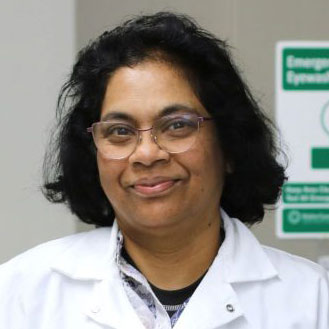
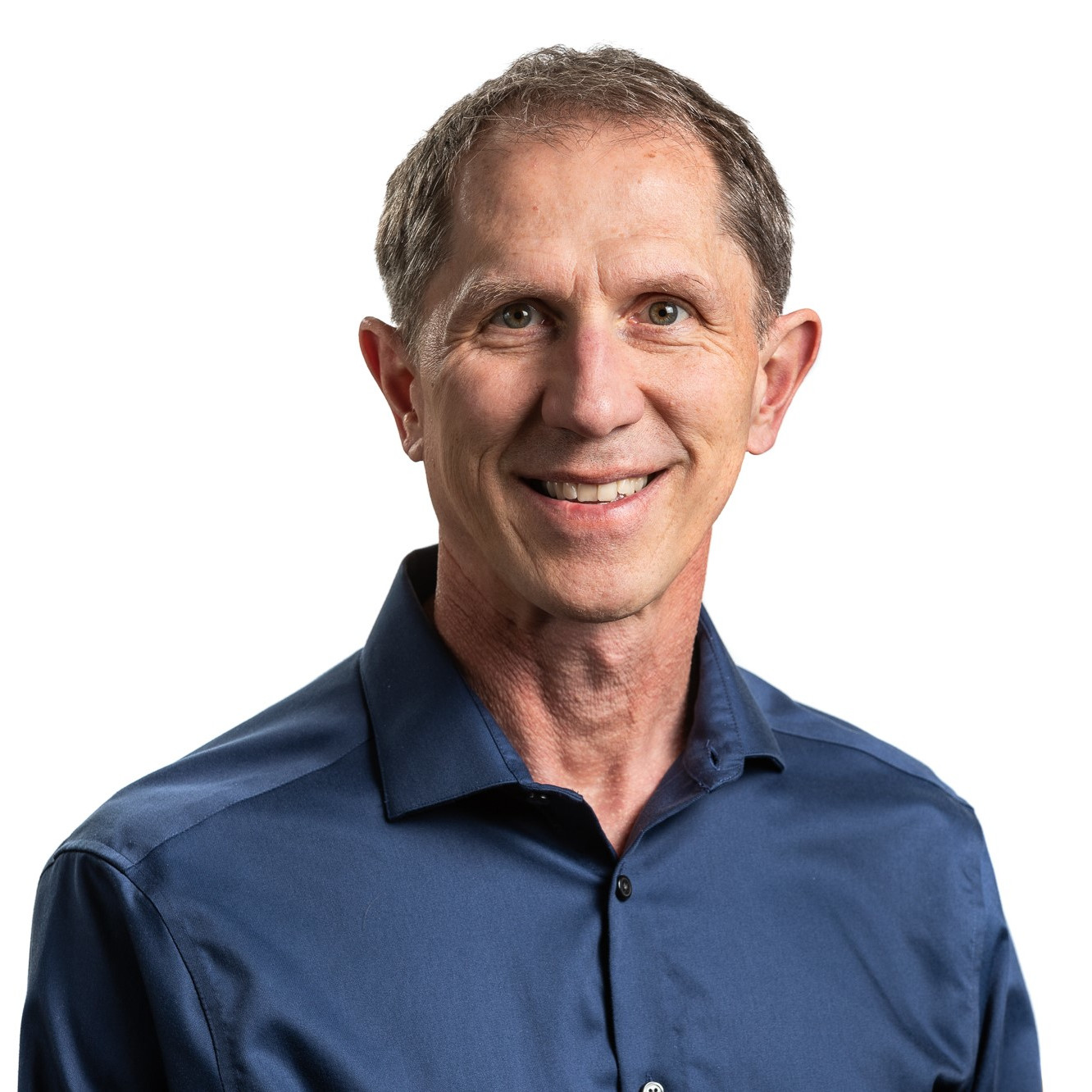
Qiang Liu is an Adjunct Associate Professor in the Department of Chemical Engineering at McMaster University . His research spans interdisciplinary domains including starch chemistry, biodegradable materials, and animal nutrition. Key research themes: Starch modification, Rumen fermentation, Thermoplastic starch processing, Dairy cow nutrition, Gut microbiota interactions, and Food science applications. Recent publications focus on starch-based biomaterials and micronutrient supplementation in livestock. Notable work includes: Co-plasticization of industrial starches for high-impact biodegradable materials Molecular mechanisms of bacterial indole degradation in gut environments Optimization of rumen fermentation through biotin and cobalamin supplementation Signal transduction pathways in mammary epithelial cell proliferation His experimental approaches integrate polymer science , nutritional biochemistry , and microbial ecology to advance both food science and sustainable materials research.
Julia Barciela Garcia serves as a Lecturer in the Department of Analytical Chemistry, Nutrition and Bromatology at the Faculty of Sciences, University of Santiago de Compostela. Her academic profile is deeply rooted in analytical chemistry with emphasis on trace element speciation and bioavailability in nutritional systems. Education PhD from the University of Santiago de Compostela (1999): Thesis on "Selenium in biological media, speciation and bioavailability of selenium in milk", supervised by Dra. Pilar Bermejo Barrera and Dr. Adela Bermejo Barrera. Research Focus Her primary research interests include analytical chemistry, speciation of trace elements (particularly selenium), bioavailability studies in biological media such as milk, and nutritional chemistry. She applies sophisticated analytical methodologies to investigate the chemical forms of elements and their impact on nutrition and health. Research Affiliations Dr. Barciela Garcia is an active member of the GI-1625 Analytical Chemistry-Lugo research group and the GETEE Group of Trace Elements, Spectroscopy and Speciation, where she contributes to collaborative projects in analytical chemistry and trace element research.
Marijana Erk is a Senior Researcher at the Ruđer Bošković Institute in Zagreb, Croatia, where she works in the Division of Molecular Medicine, Laboratory for Bioanalytics. With over two decades of research experience, she specializes in environmental toxicology, particularly focusing on metal pollution in aquatic ecosystems and the development of biomarkers for environmental monitoring. Dr. Erk received her PhD in Chemistry from the Faculty of Science, University of Zagreb in 2000, following an MSc in Oceanology from the same institution in 1995, and a BSc in Biology and Chemistry Education from J.J. Strossmayer University in Osijek in 1991. Her educational background spans chemistry, oceanology, and biology, providing a strong interdisciplinary foundation for her environmental research. Her research focuses on the assessment of metal exposure in aquatic environments using various biological indicators. She has pioneered work on metallothioneins as biomarkers of metal exposure, metal bioaccumulation in different aquatic organisms, and water quality assessment in Croatian rivers, particularly the Krka and Sava rivers. Her work often involves studying the hyporheic zone and the use of stygophilous organisms as environmental indicators. She employs advanced analytical techniques including chromatography, mass spectrometry, and electrochemical methods to study metal-protein interactions and metal distribution in organisms. Analysis of her recent publications reveals a strong focus on trace metal analysis in freshwater ecosystems, with particular attention to metal distribution in various organisms including fish, mussels, amphipods, and acanthocephalan parasites. Her research combines analytical chemistry techniques with ecological assessment to understand metal exposure pathways and effects, with increasing emphasis on the hyporheic zone as a critical interface between surface and groundwater. Dr. Erk has contributed significantly to the field through numerous publications in high-impact journals including Science of the Total Environment, Environmental Pollution, and Water. She has mentored several researchers, including supervising PhD theses, and collaborates extensively with national and international research groups. She leads research projects focused on environmental monitoring and assessment, working with a team of researchers to investigate metal pollution in Croatian waterways and develop improved biomonitoring techniques. Her laboratory employs a multidisciplinary approach that bridges analytical chemistry with ecological assessment to address complex environmental challenges.
Mavro Lučić is a Researcher affiliated with the Laboratory for Inorganic Environmental Geochemistry and Chemodynamics of Nanoparticles at the Ruđer Bošković Institute . His work focuses on environmental geochemistry, trace element dynamics, and distinguishing anthropogenic from geogenic contamination sources in aquatic systems. Education: Master's degree from the University of Zagreb's Faculty of Science (2011). His research explores sediment pollution , trace metal(loid) distribution , and environmental isotopic signatures using chemometric methods and multiparametric approaches . Key areas include the Adriatic Sea , Sava River , and Croatian olive oil provenance . Recent publications highlight trends in multi-element contamination , rare earth element geochemistry , and microbial indicators of marine health . He applies statistical modeling and elemental partitioning studies to assess environmental risks. Mavro Lučić is a member of the Croatian Statistical Association and the Society for Environmental Geochemistry and Health , reflecting his methodological and applied focus.
Neda Vdović is a Senior Research Associate and Assistant Professor at the Ruđer Bošković Institute , specifically within the Division for Marine and Environmental Research and its Laboratory for Inorganic Environmental Geochemistry and Chemodynamics of Nanoparticles . She holds a PhD in Environmental Geochemistry (1996) from the Faculty of Science, University of Zagreb, and has mentored multiple graduate and undergraduate students in sedimentology, geochemical analysis, and environmental monitoring. Education: PhD (1996), University of Zagreb, thesis: "Utjecaj organskih supstanci na modifikaciju površine mineralnih komponenata akvatičkih sedimenata" MSc/BSc mentorship in sediment analysis and environmental geochemistry Research Focus: Geochemical behavior of nanoparticles in aquatic systems Trace metal partitioning in marine and riverine sediments Anthropogenic vs. natural pollution sources Hydrodynamic sorting of suspended particles Surface properties of mineral phases Key Publications: 2025: Nanoparticle stability mechanisms in aqueous environments 2024: Multiparametric analysis of lake sediment contamination 2023: Coal ash landfill geochemistry 2022: Atmospheric carbon influence on sedimentation 2021: Rare earth element transport in river systems Fieldwork: Extensive sampling campaigns in Sava River, Boka Kotorska Bay, and Krka River Use of time-integrated sediment samplers and advanced granulometric methods Collaborations: Co-authorship with international teams in environmental and geochemical journals Contributions to conferences in Croatia, Montenegro, and France
Thilo Hofmann is a full Professor at the University of Vienna, affiliated with the Department of Environmental Geosciences and Department of Analytical Chemistry. He leads multiple research initiatives including the Research Platform Plastics in the Environment and Society and the Environment and Climate Research Hub. Academic Leadership: Head roles in plastics research and environmental climate hubs Teaching: Offers courses in biogeochemistry, environmental chemistry, and geosciences Labs: Focus on nanoparticle interactions, contaminant transport, and microplastics His research spans environmental geochemistry, nanoparticle dynamics, and pollutant behavior in ecosystems. He investigates microplastic impacts on food safety, tire-wear contaminants, and nanoparticle interactions in soils and aquatic systems. Recent publications analyze nanoplastics' role in contaminant transport, chemical leaching from plastics, and metal-pollutant interactions in marine and terrestrial environments.
James McCaughern is a Lecturer in Beef Systems at Harper Adams University's Agriculture and Environment department. His work focuses on optimizing livestock nutrition, particularly in beef and dairy systems, with an emphasis on sustainability and animal health. Research interests include copper metabolism, protein supplementation in cattle diets, and the integration of nutritional science into practical farming practices. Key research areas include: Copper nutrition and its impact on fertility and liver function Starch and protein dynamics in dairy cow metabolism Sustainable beef production through precision feeding Alternative feed sources like fermented silages Recent publications highlight studies on dietary starch effects on milk protein synthesis, copper toxicity in heifers, and the Harper Adams Future Farm case study on sustainable beef practices. While no formal awards or advising roles are listed, his work contributes to advancing livestock management practices through applied research.
Mark Hodson is a Professor at the University of Reading, Department of Geography and Environmental Science. His research focuses on environmental geochemistry, soil science, and biogeochemical processes, particularly involving earthworms' roles in mineral formation and contaminant dynamics. He has authored over 98 publications since 2002, addressing topics like soil remediation, heavy metal toxicity, and nanotechnology applications in environmental science. Research Interests: Hodson’s work spans soil-organism interactions, mineral dissolution/precipitation, and the impact of biological agents on soil chemistry. His studies on earthworm-produced calcium carbonate highlight their potential as paleoclimatic indicators. He also investigates remediation strategies using nanoparticles and organic amendments for contaminated soils. Recent Trends in Publications: His recent work emphasizes nanomaterials for metal extraction (e.g., DTPA-functionalized nanoparticles), earthworm-induced mineral transformations, and climate-smart land management post-mining. Articles often bridge geochemistry with ecological and engineering applications, addressing both fundamental and applied environmental challenges. Grants and Collaborations: While specific grants aren’t listed, his collaborative projects include international studies on soil mineralogy (e.g., Cameroon volcanic soils) and contaminated site remediation. He frequently engages with institutions like the Diamond Light Source for advanced mineral analysis. Labs/Teams: Leads interdisciplinary teams in soil geochemistry and bioremediation, possibly affiliated with the University of Reading’s Environmental Research Group. His work integrates field experiments, lab analyses, and synchrotron-based techniques.
Srimathie Indraratne is an Associate Professor in the Environmental Studies and Sciences department at the University of Winnipeg. Her academic work focuses on soil chemistry, environmental contamination, and sustainable soil management practices. University of Winnipeg Environmental Studies and Sciences Teaching courses on environmental sustainability, soil science, and impact assessment Dr. Indraratne's research investigates: Heavy metal contamination in soils Remediation techniques using organic/inorganic amendments Phosphorus dynamics under flooding conditions Soil mineralogy and pollutant characterization Long-term effects of manure applications Nano-oxide applications for metal immobilization Recent publications demonstrate expertise in nutrient cycling (particularly phosphorus), metal stabilization, and climate-dependent soil processes across diverse environments including boreal forests and tropical Alfisols. Her studies frequently employ advanced amendment strategies to address soil degradation and contamination. Dr. Indraratne's work connects directly with environmental impact assessment and sustainable agricultural practices, with field applications spanning Sri Lankan soils and Canadian boreal ecosystems.
Scott Fendorf is the Terry Huffington Professor and Senior Associate Dean for Integrative Initiatives at Stanford University's Doerr School of Sustainability. He holds academic appointments in Earth System Science, the Stanford Woods Institute for the Environment, and Photon Science. His research focuses on biogeochemical processes governing contaminant and nutrient cycling in soils and sediments, with emphasis on arsenic, chromium, and uranium mobility. Fendorf has served in leadership roles including Chair of Earth System Science (2007–2016) and multiple dean-level positions since 2016. Education: Ph.D. in Soil & Environmental Chemistry (University of Delaware, 1992), M.S. in Soil Chemistry (UC Berkeley, 1990), B.S. in Soil Science (Cal Poly, 1988). Research interests span redox dynamics, anoxic microsites, and climate impacts on soil systems. Recent work addresses arsenic threats in groundwater, wildfire-induced metal toxicity, and carbon sequestration mechanisms. Publications highlight interdisciplinary approaches to environmental challenges, including over 150 peer-reviewed articles. Awards include AGU and Geochemical Society fellowships, and teaching accolades from Stanford. Advises over 20 graduate students and chairs the Environmental Measurements Facility. Serves on national committees for soil science, environmental policy, and education.
Dr. Philip Urso is an Assistant Professor in the Department of Animal Science at South Dakota State University (SDSU), affiliated with the Center of Excellence for Bison Studies. His research focuses on mineral supplementation strategies, feed efficiency in ruminants, and nutritional physiology across diverse species including bison, cattle, deer, and goats. Key areas include zinc and chromium effects on digestion, amino acid uptake, and reproductive success in wildlife. He also investigates dental health impacts on nutrient absorption in equines and explores forage quality under varying environmental conditions. Dr. Urso’s work spans laboratory-based studies (e.g., in vitro digestibility assays) and field applications (e.g., feed additive efficacy in commercial feedlots). Recent studies address novel feed additives like bismuth subsalicylate and olive pomace, alongside trace mineral optimization for livestock and cervids. His research integrates molecular biology approaches, such as gene expression analysis, to understand nutrient-muscle interactions. Publications highlight trends in ruminant nutrition, with a focus on zinc’s role in feed digestibility, chromium’s impact on amino acid metabolism, and vitamin E/selenium synergies in wildlife reproduction. While no scientific awards are explicitly listed, his contributions to bison and cattle nutrition have positioned him as a key figure in SDSU’s agricultural sciences program. Dr. Urso collaborates with SDSU’s Animal Science Complex and the Bison Studies Center, emphasizing applied research for sustainable livestock production. His advising and grants likely focus on nutritional solutions for improving animal health and agricultural efficiency, though specific student or grant details are not provided in the text.
Dr. Rebekah Moore is a Research Fellow in the Department of Earth Science & Engineering at Imperial College London's Faculty of Engineering. She leads innovative research on isotopic and concentration analyses of biological and geological samples, with applications in environmental and biomedical sciences. Her work emphasizes multidisciplinary collaboration, involving geneticists, oncologists, soil scientists, and analytical chemists. She is a core member of the MAGIC metal-free laboratory and the Royal Society of Chemistry's Atomic Spectroscopy Interest Group, and a University Champion for the Geochemistry Group at the Geological Society. Dr. Moore holds a PhD from Imperial College London (2013–2017) and an MSci in Geoscience from Durham University (2009–2013). Her career includes roles as a Postdoctoral Research Associate, ICP-MS analyst, and Visiting Researcher at the University of Oxford. She has developed advanced analytical techniques for metals like cadmium, zinc, and lead, with applications ranging from soil remediation to cancer biomarker discovery. Her research focuses on metal isotope fractionation mechanisms, environmental contaminant cycling, and biomedical metallomics. Key areas include: Cadmium and zinc dynamics in plants and human tissues Lead transport in ocean systems Transition metal roles in microbial drug resistance Isotope tracing in hydroponic and hyperaccumulator systems Dr. Moore's work bridges geology, chemistry, and medicine, with recent studies exploring zinc isotope signatures in breast cancer tissues and cadmium uptake mechanisms in cacao plants. She advocates for mental health awareness through her MHFA England certification (2023–2026).
Else Holmfred is a Visiting Professor at Stanford University's Department of Earth & Planetary Sciences, where she integrates advanced analytical chemistry, biogeochemistry, and pharmaceutical science to develop innovative methodologies for detecting non-visual drug counterfeits. Her research leverages isotopic analysis (IRMS/MC-ICPMS) and trace elemental analysis (ICP-MS) to address critical challenges in pharmaceutical integrity. Stanford University, Department of Earth & Planetary Sciences Her work focuses on applying geochemical tools to pharmaceutical problems, earning recognition through competitive fellowships. She has pioneered techniques for isotopic fingerprinting and trace element profiling to authenticate drug products, bridging planetary science with medical quality assurance. Key trends in her publications include: Isotopic and elemental analysis for drug authentication Nanoparticle dissolution behavior in biological contexts AI-driven quality control for pharmaceutical manufacturing Case-based pedagogy in analytical chemistry education Honors include: Novo Nordisk Foundation Visiting Scholar Stanford Bio-X Fellowship (2023) Carlsberg Foundation Internationalisation Fellowship (2022) Contact: holmfred@stanford.edu
Paul Pickhardt, Ph.D., is a Professor of Biology at Lakeland University since 2006 and former Natural Sciences Division Chair (2012–2016). He holds a Ph.D. from Dartmouth College and a B.S. from the University of Wisconsin-Madison. His research focuses on aquatic ecotoxicology, particularly mercury contamination in freshwater ecosystems and algal biofuel development through collaborations with Oak Ridge National Laboratory. He co-founded Lakeland's tropical biology program in Belize with Dr. Greg Smith. Dr. Pickhardt leads the Lakeland Undergraduate Research Experience (LURE), which has produced graduates pursuing doctoral studies at institutions like Michigan Tech and UNC-Chapel Hill. His work emphasizes trace element impacts on aquatic food webs, with notable contributions to understanding mercury bioaccumulation mechanisms and eutrophication effects. He actively engages in environmental advocacy, including climate change initiatives like Focus the Nation and serves on the Ellwood H. May Environmental Park advisory board. Awards: 2011 Underkofler Excellence in Undergraduate Teaching Award Research Partnerships: Oak Ridge National Laboratory, Belize Tropical Biology Program Community Engagement: ThinkHaus alternative energy discussions, environmental park advisory roles
Corinne Parat is a Researcher at the Université de Pau et des Pays de l'Adour (UPPA), affiliated with the Institute of Analytical Sciences and Physico-Chemistry for Environment and Materials (IPREM). Since 2012, she has held a permanent position as Research Engineer, focusing on environmental analytical chemistry and sensor development. Her work integrates electrochemistry, isotopic analysis, and field instrumentation for water quality and trace metal monitoring. Education: PhD in Environment and Earth Sciences, University of Burgundy (2002) DEA/Master in Soil Sciences, University Henri Poincaré Nancy (1998) Licence in Earth Sciences, University of Burgundy (1997) Research Interests: Development of electrochemical sensors for trace metals (e.g., Co, Ni, Pb) and pesticides; freshwater quality assessment using bryophytes as biological indicators; sulfur isotope analysis in environmental samples; in situ speciation techniques like the ISIDORE probe and AGNES method. Projects: GREEN SENSOR (2017-2020): Industrial sensor collaboration with SYCLOPE ELECTRONIQUE for trace metal detection. PHYCALAB (2017-2019): Freshwater quality diagnostics using physico-chemical and bryophyte indicators (funded by Agence de l'Eau Adour Garonne). SPECIES (2012-2016): In situ metal bioavailability probe development with Portuguese collaborators (ANR-funded). Advising & Grants: Co-supervised doctoral research on isotopic sulfur analysis, pesticide biosensors, and sensor industrialization. Hosted postdocs focused on freshwater quality and field method development. Labs/Teams: Active within IPREM’s electrochemical and environmental research groups, collaborating with institutions like the University of Lleida (Spain) and Faro (Portugal).