Professor David Grainger is a faculty member at the University of Birmingham's School of Biosciences, specializing in Molecular Microbiology. He leads the Grainger Lab, focusing on bacterial chromosome biology, pathogenicity, and antibiotic resistance. His research integrates high-throughput techniques and single-molecule analysis to study gene regulation and bacterial pathogenesis. Education: PhD (2004), PGCE (2000), BSc (1999) in Biochemistry from the University of Birmingham. Affiliations: Part of the Institute of Microbiology and Infection (IMI), collaborating with experts in genomics, proteomics, and structural biology. Research Interests: Deciphering chromosome biology of pathogenic bacteria, including transcriptional regulation, toxin production control, and antibiotic resistance pathways. Utilizes cutting-edge methods like Hi-C for 3D chromatin analysis and single-molecule microscopy. Recent Articles: Focused on transposon capture mechanisms, bacterial promoter diversity, and quorum sensing signaling. Highlights include studies on Salmonella regulons and Vibrio cholerae biofilm suppression. Awards: Wellcome Trust Career Development Fellowship (2008), Runner-up in 'Science Snaps' competition for scientific communication. Grants: Career Development Fellowship-funded establishment of his research group at the University of Warwick (2008). Labs/Teams: Grainger Lab at the University of Birmingham, part of the IMI network. Engages in public science outreach via Twitter and lab website.
Mohammad Peydayesh is a Lecturer and Senior Researcher at the Department of Health Sciences and Technology , ETH Zürich. He works in the Food and Soft Material Laboratory , focusing on sustainable materials derived from food waste and agri-food byproducts. PhD in Chemical Engineering (2018, Iran University of Science and Technology) Postdoctoral Fellow at ETH Zürich under Prof. Dr. Mezzenga Senior Assistant at ETH Zürich since 2021 His research spans soft matter , self-assembly phenomena , and amyloid fibril applications in: Environmental engineering (water purification, heavy metal removal) CO2 conversion and storage Smart packaging and bioplastics development Biorefinery concepts and circular economy Nanomaterials for waste valorization Recent publications highlight trends in amyloid-based hybrid materials for: Metal recovery from e-waste and contaminated water CO2 capture and conversion Bioplastic production from agricultural waste Antiviral and detoxification applications Water desalination and purification Photonic and catalytic materials He contributes to the Laboratory of Food & Soft Materials , advancing sustainable solutions through interdisciplinary material science.
Dr. Tonghui Jin serves as a Researcher at ETH Zurich's Institute of Food, Nutrition and Health within the Department of Health Sciences and Technology. Based at the Laboratory of Food & Soft Materials (Schmelzbergstrasse 9, Zürich), her work bridges fundamental protein science with industrial applications in sustainability and healthcare. Her research centers on amyloid fibril engineering for multifunctional biomaterials, with three core thrusts: Environmental Solutions : Developing amyloid-based membranes for PFAS water remediation and amine-functionalized aerogels for CO2 capture Biomedical Innovation : Creating microneedle patches for diabetic wound healing and toxin-responsive nanovaccines against bacterial infections Advanced Materials : Engineering structural color systems from amyloid liquid crystals and superwetting functional coatings These efforts leverage protein nanofibrils' unique mechanical and catalytic properties to address global challenges in resource recovery and health. Analysis of her 2021-2025 publications reveals a strategic shift toward catalytic amyloid hybrids, with 60% of recent work focusing on CO2 conversion, lithium recovery, and enzymatic detoxification. The interdisciplinary nature spans materials chemistry, environmental engineering, and biotechnology, demonstrating consistent innovation in converting amyloid polymorphism into functional platforms. No scientific awards were documented in available sources. Dr. Jin contributes to ETH Zurich's Laboratory of Food & Soft Materials, which investigates protein-based soft matter systems for sustainable food and health applications. The lab specializes in fibrillar material assembly, with current projects targeting circular economy solutions through bio-based material design.
Michael Schulz is an Associate Professor in the Department of Chemistry at Virginia Polytechnic Institute and State University (Virginia Tech). His research focuses on designing functional polymers to address challenges in medicine, environment, and energy. Key areas include antiviral materials, toxin capture, and rare-earth element chelation. He leads the Schulz Group , which emphasizes polymer synthesis and methodology development. Education: B.S. in Chemistry (University of Iowa, 2010), M.S. and Ph.D. in Chemistry (University of Florida, 2014). Postdoctoral training included work with Prof. Klaus Mullen (Max Planck Institute) and Prof. Robert Grubbs (Caltech). Research Interests: Functional polymer design for biomedical applications (e.g., drug sequestration), environmental remediation (e.g., metal binding), and advanced materials. His group explores structure-property relationships in polymers, leveraging tools like isothermal titration calorimetry and advanced polymerization techniques. Publications: Over 50 peer-reviewed articles, including work on polymer-based drug capture, rare-earth element extraction, and antiviral materials. Recent trends focus on block copolymers , enzyme-responsive systems , and nanocomposites for biomedical and environmental applications. Awards: Fulbright Research Grant (2014), NSF East Asia-Pacific Fellowship (2013), Butler Polymer Research Award (2013). Labs: Active in polymer synthesis, materials characterization, and collaborative projects with industry partners. His lab develops architected materials via 3D printing and advanced lithography for targeted drug delivery and environmental sensing.
Professor Nick Turner is a Professor in Bioanalytical Chemistry at the University of Sheffield's Department of Chemistry within the School of Mathematical and Physical Sciences. He holds a BSc in Pharmacology (University of Southampton, 1997), an MRes in Biochemistry (University of Exeter, 1999), and a PhD in Bio-organic Chemistry (Cranfield University, 2004). His career includes roles at the University of Utah, University of Newcastle (Australia), Open University, and De Montfort University, where he progressed from Lecturer to Reader in Bioanalytical Chemistry. In 2022, he received an EPSRC Established Career Fellowship for artificial chaperone research and was awarded a personal chair. His research focuses on molecular recognition, particularly molecularly imprinted polymers (MIPs) for biosensing, nucleic-acid-polymer hybrids, and artificial chaperones. These technologies address challenges in drug detection, environmental monitoring, and biomedical diagnostics. He actively supports PhD applications in these areas. Awards: EPSRC Established Career Fellowship (2022), Senior Fellowship of HEA (2016) Professional Memberships: Royal Society of Chemistry, Macro Group UK (Secretary) Teaching interests include analytical chemistry and pharmacology, emphasizing modern techniques like VR/AR in drug design education. He contributes to interdisciplinary projects such as the Open Science Laboratory and MOOC development.
Naomi J. Halas is a University Professor at Rice University, holding appointments in the Department of Electrical and Computer Engineering, Biomedical Engineering, Chemistry, and Physics & Astronomy. She is the Stanley C. Moore Professor in Electrical and Computer Engineering and serves as Director of both the Smalley-Curl Institute and the Laboratory for Nanophotonics. As a University Professor, she holds Rice's highest faculty rank, a distinction awarded to only 10 individuals (and only the second woman) in Rice's 111-year history. Halas is a pioneering researcher in the field of plasmonics, having created the concept of the "tunable plasmon" and invented a family of nanoparticles with resonances spanning the visible and infrared regions of the spectrum. Her research spans fundamental studies of coupled plasmonic systems as well as applications in biomedicine, optoelectronics, machine learning-enabled chemical sensing of environmental toxins, and plasmon-based photocatalysis. She is the author of more than 400 refereed publications, has over 30 issued patents, has presented more than 600 invited talks, and has been cited more than 130,000 times. Her recent publications demonstrate a strong focus on practical applications of plasmonics, particularly in water purification, environmental toxin detection, and cancer treatment. Her work combines nanotechnology with machine learning approaches to create innovative solutions for pressing global challenges in healthcare, environmental sustainability, and energy. The interdisciplinary nature of her research is reflected in publications spanning journals from Nature Water and PNAS to ACS Catalysis. Benjamin Franklin Medal in Chemistry (2025) - For the creation and development of nanoshells for biomedical and chemical applications Mildred Dresselhaus Prize in Nanoscience and Nanomaterials (2024) American Physical Society Frank Isakson Prize for Optical Effects in Solids Willis E. Lamb Award Wood Prize of Optica National Security Science and Engineering Faculty Fellow (Vannevar Bush Fellow) of the U.S. Department of Defense Halas has co-founded two companies based on her research: Nanospectra Biosciences, developing photothermal therapies for prostate cancer (nearing FDA approval), and Syzygy Plasmonics, a deep decarbonization platform. She has advised numerous students who have gone on to successful careers in academia and industry. Her research has been supported by significant grants from NSF, DoD, and other funding agencies. She serves as an advisor to the Mathematical and Physical Sciences Directorate of the National Science Foundation. Halas leads the Laboratory for Nanophotonics at Rice University, where her team focuses on designing new optically active nanostructures, developing nanofabrication strategies, characterizing physical properties of these materials, and prototyping applications of technological and societal interest. Her group is dedicated to producing PhD research scientists with expanded skill sets who can develop solutions beyond traditional disciplinary boundaries.
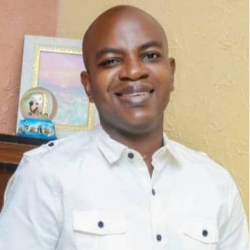
Oluwole O. Oni is a Lecturer in Intensive Animal Health and Production at the University of Surrey's School of Veterinary Medicine. He holds academic qualifications including DVM, MVSc, and PhD. His research focuses on avian and poultry health, with a strong emphasis on infectious diseases, molecular diagnostics, zoonotic transmission, and biosecurity practices. Key studies include avian influenza seroprevalence in Benin, mycoplasma characterization in Nigerian poultry, and the impact of natural toxins like aflatoxin on poultry health. He has also contributed to understanding NDV and Marek's disease virus in Nigeria, and evaluates traditional herbal remedies on animal physiology. Research highlights include the design of efficient PCR primers for rotavirus detection and investigations into the epidemiology of avian pathogens across diverse farming systems. His work underscores the importance of gender-inclusive strategies in biosecurity for smallholder poultry farming in Benin, and he advocates for improved vaccination and diagnostic protocols in resource-limited settings. No scientific awards were explicitly mentioned in the text. His collaborative efforts span international teams, particularly in Nigeria and Ethiopia, and he emphasizes molecular approaches to disease control and poultry management. No specific grants or advisees are listed, but he has conducted studies on poultry vaccines, toxin mitigation, and haemoparasitic infections in livestock.
Nathaniel Rosi is the Covestro Professor of Chemistry at the University of Pittsburgh's Dietrich School of Arts and Sciences, Department of Chemistry. His research focuses on designing and synthesizing new materials using chemical building blocks like metal clusters and biomolecules to create hierarchical structures with tailored properties for energy, medicine, and other applications. Research interests span inorganic and materials chemistry, metal-organic frameworks (MOFs), nanoparticle assembly, and sustainable energy materials. The Rosi Lab develops unifying design principles for organizing building blocks across multiple length scales, employing diverse synthetic methods and characterization techniques including NMR, TEM, X-ray diffraction, and sorption analysis. Scientific awards include: Chancellor's Distinguished Research Award (2014) Kavli Fellow (2012) ChemComm Emerging Investigator (2011) NSF CAREER Award (2010-2015) US Delegate for Transatlantic Frontiers of Chemistry Conference (2008) The Rosi Research Laboratory trains students in interdisciplinary approaches at the chemistry-biophysics interface and welcomes graduate students to explore its multi-disciplinary research environment.
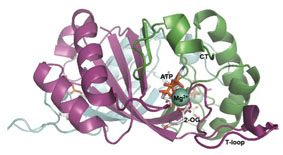
Karl Forchhammer is a full Professor at the University of Tübingen , chairing the Department of Microbiology/Organismic Interactions within the Interfaculty Institute of Microbiology and Infection Medicine Tübingen (IMIT) . He received his education at Ludwig-Maximilians-Universität München, earning a Doctorate in Microbiology with a thesis on selenocysteine biosynthesis in Escherichia coli , for which he received the VAAM Promotionspreis in 1992. His academic career includes a postdoctoral fellowship at the Institut Pasteur and associate professorship at the Justus-Liebig-Universität Giessen (1999-2007). Current Roles: Chair of Microbiology/Organismic Interactions, University of Tübingen Editor for FEBS Journal Scientific Advisory Board member, Max Planck Institute for Terrestrial Microbiology DFG panel member (Microbiology, Virology, Immunology) His research focuses on: PII Signal Transduction Proteins : Molecular mechanisms of 2-oxoglutarate sensing, ATP/ADP binding dynamics, and regulatory roles in carbon-nitrogen balance across bacteria, archaea, and chloroplasts. Nitrogen Starvation Response : Molecular basis of chlorosis in Synechocystis and Synechococcus species, including nblA gene regulation and sodium bioenergetics during dormancy. Metabolic Engineering Applications : Development of FRET sensors for metabolite detection and optimization of polyhydroxybutyrate (PHB) production in cyanobacteria. Carbon Regulation Systems : Structural analysis of SbtB redox-sensitive loops, c-di-AMP signaling in diurnal metabolism, and PirC-mediated phosphoglycerate mutase inhibition. Technological Innovations : Creation of SCAGE method for cyanobacterial transport and development of magnetic bead immunoassays for SARS-CoV-2 detection. Scientific contributions include: Discovery of plant kingdom's first glutamine sensory mechanism through PII evolution Elucidation of PII-NAGK functional conservation over 1.2 billion years Identification of 2-oxoglutarate binding site in PII proteins Demonstration of sodium bioenergetics' critical role in cyanobacterial developmental transitions Development of metabolite FRET sensors for real-time metabolic monitoring Establishment of PHB production platforms without nitrogen starvation His lab has trained 15+ PhD students and 3+ PostDocs, with collaborations spanning microbial biotechnology, structural biology, and environmental systems. Recent publications highlight: 2025 work on natural microbial community-enhanced bioplastic production 2024 structural studies of PII-regulated enzymes 2023-2024 investigations into glycogen metabolism and redox regulation 2022-2023 studies on c-di-AMP signaling and toxin-antitoxin systems
David Turner is an Associate Professor in the School of Chemistry at Monash University, specializing in supramolecular and coordination chemistry. His research focuses on chiral coordination polymers, metal-organic frameworks, and hydrogen-bonding networks for applications in enantiomeric separations and gas capture. He holds a PhD from King's College London (2004) and has been recognized with prestigious awards including the ARC Future Fellowship (2013) and Victorian Young Tall Poppy Science Award (2011). He leads the Turner Group, offering PhD projects in chiral supramolecular cages, coordination polymers, and crystal engineering. His community service includes outreach with the Australian Synchrotron and roles as Secretary of SCANZ and former President of the Victorian RACI branch. Recent research highlights include developing amine-based MOFs for precious metal remediation and sustainable phase change materials. Key collaborations involve neutron diffraction studies and advanced radiochemical technologies. His work aligns with UN Sustainable Development Goals related to clean energy and responsible consumption. Grants: ARC Training Centre for Advanced Radiochemical Technologies, Metallosupramolecular Cages for Enantioselective Applications Key Projects: Chiral hydrogen-bonding materials, magnetometry facility development Labs/Teams: The Turner Group at Monash University, collaborating with international partners in crystallography and materials science.
Edel O. Elvevoll is a Professor of Industrial Food Science at the Norwegian Fisheries College, part of UiT The Arctic University of Norway. She holds an MSc in Engineering from NTNU/RWTH Aachen (1983) and a PhD from NTNU (1988). Research Focus: Seafood health effects, processing impact on nutritional quality, marine low-trophic resources, and environmental toxins Teaching: Food safety, unit operations in food industry, design of food production facilities Research Groups: Affiliated with the Seafood Science research group and SECURE project Collaborations: Extensive work with international committees and projects like SEYFISH (H2020), SDCS, and AQUAVITAE (H2020) Her recent publications address marine resource utilization, food safety (heavy metals, POPs), and environmental impact assessments. Articles highlight innovations in lipid extraction methods, bioactive peptides, and sustainable aquaculture solutions. Key subfields include seafood processing, nutrient retention, marine toxin analysis, and climate performance. Edel O. Elvevoll contributes to policy discussions through roles in the Norwegian Scientific Committee for Food and Environment (VKM) and interdisciplinary workshops on sustainable blue food systems.
Jerzy Choma is a Full Professor at the Faculty of Advanced Technologies and Chemistry at Warsaw University of Technology. His research focuses on carbon materials, adsorption processes, and mechanochemical synthesis techniques. With expertise in chemical physics and porous structure engineering, he has published 196 papers and supervised 11 promoted theses. Research Interests: Carbon materials, adsorption, activation, carbonization, metal-organic frameworks (MOFs), graphene-based composites, sustainable synthesis, nanoporous materials Key Achievements: H-index of 35 in Scopus and Web of Science, total impact factor of 442.369, and ministerial score of 4,561 Email: jerzy.choma@wat.edu.pl His recent work emphasizes greener synthesis methods, including mechanochemical approaches for creating biomass-derived porous carbons, MOFs, and graphene composites. These materials demonstrate exceptional adsorption capacities for gases like CO₂ and benzene, aligning with environmental remediation and energy storage applications. Despite his extensive contributions, no specific scientific awards are mentioned in the provided texts.
Prof. Roland A. Fischer is a Full Professor at the Technical University of Munich (TUM) since 2016, leading the Chair for Inorganic and Metallorganic Chemistry within the TUM School of Natural Sciences. His research focuses on the synthesis and applications of supramolecular materials, particularly metal-organic frameworks (MOFs) and intermetalloid clusters, with applications in energy storage, catalysis, photonics, and microelectronics. He holds a PhD from TUM (1989) and habilitation (1995), with prior professorships at the University of Heidelberg (1996–1997) and Ruhr University Bochum (1997–2015). He served as Vice President of the German Research Foundation (DFG, 2016–2021) and Academic Director of the Central Institute for Catalysis Research since 2018. His career includes roles as Dean of the Faculty of Chemistry & Biochemistry at RUB (2005–2008) and coordination of EU-funded projects like SURMOF (EU STREP, 2006–2009) and DEFNET (Horizon 2020, 2015–2018). He has published over 680 papers (h-index 101), with contributions to MOF-based catalysis, energy materials, and stimuli-responsive systems. Awards include the Heinz Maier-Leibnitz Prize (1993), Alfried Krupp Award (1996), and an honorary doctorate from Ruhr-University (2018). Research interests include MOF design for CO₂ capture, photocatalytic fuel production, and functional hybrid materials. Notable contributions include developing MOF-based electrocatalysts and understanding cluster growth dynamics. His work bridges fundamental chemistry with applications in sustainable energy and environmental technologies. He is an editorial board member of Angewandte Chemie and Chemical Vapour Deposition . His labs focus on synthesis, characterization, and device integration of advanced materials. Collaborative projects span academia and industry, emphasizing translation from lab to real-world applications.
Soumya Mukherjee is an Assistant Professor at the University of Limerick, affiliated with the Bernal Institute, Department of Chemical Sciences, and SSPC - the SFI Research Centre for Pharmaceuticals. His research focuses on materials chemistry, nanomaterials, and porous materials for environmental sustainability, including carbon capture, water purification, and pollutant detection. He leads the Mukherjee Group, which develops energy-efficient adsorbents and innovative materials for industrial and environmental applications. Key research interests include nanoporous materials (e.g., MOFs), adsorption science, and separation processes. He has contributed to breakthroughs in gas separation, such as selective capture of CO₂ and acetylene, and trace PFAS removal from water. His work aligns with UN Sustainable Development Goals, particularly environmental protection and clean energy. Dr. Mukherjee holds prestigious awards, including the Carl Friedrich von Siemens Research Award and Humboldt Fellowship. His over 100 peer-reviewed publications and collaborations with institutions like the Technical University of Munich highlight his global impact. He actively mentors PhD students and oversees grants through fellowships like the Government of Ireland Postdoctoral Fellowship. He directs the Mukherjee Group laboratory at the Bernal Institute, focusing on interdisciplinary research in materials synthesis, characterization, and applications. Current projects emphasize eco-friendly materials for pollution control and energy storage.
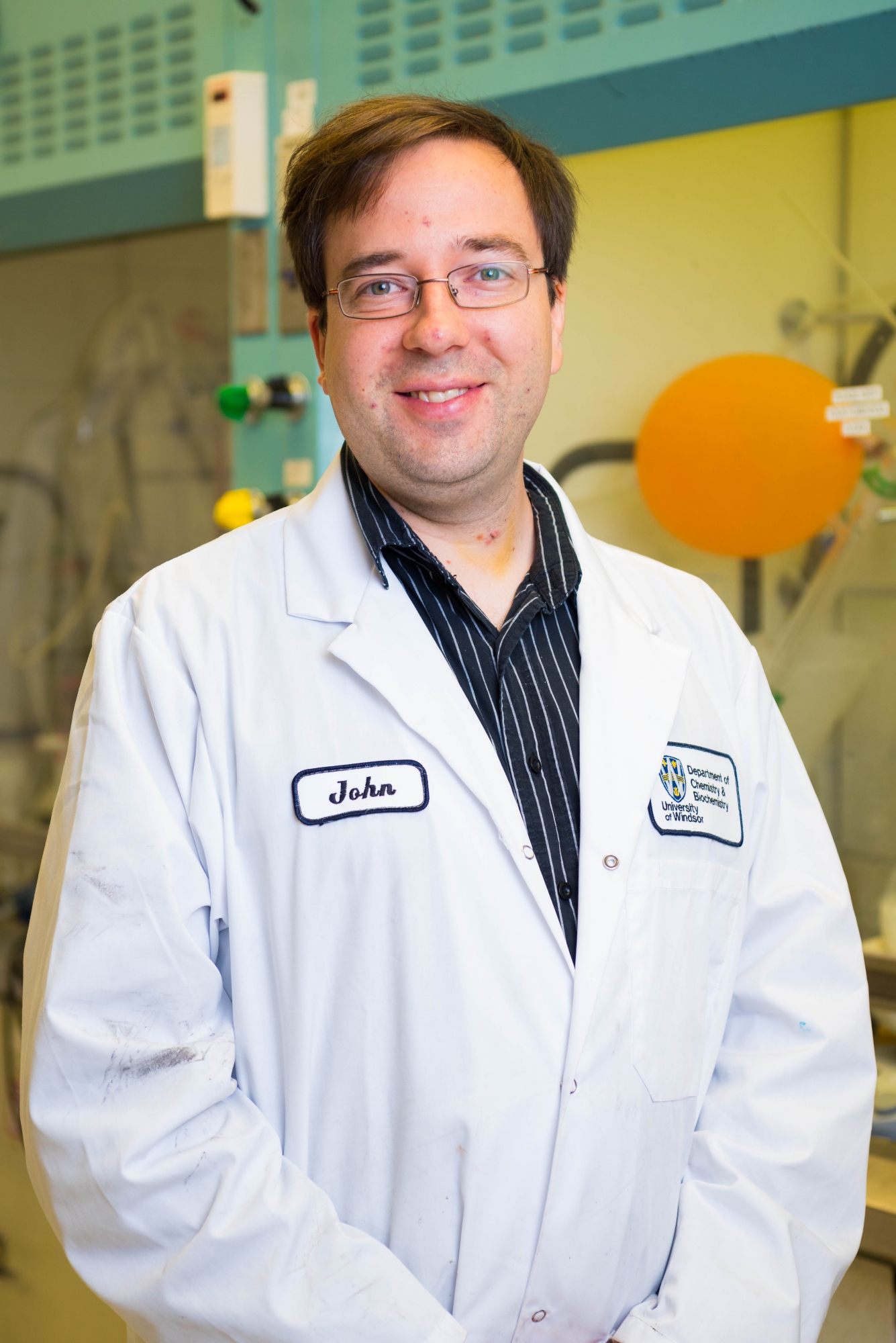
Dr. John F. Trant is an Associate Professor in the Department of Chemistry and Biochemistry at the University of Windsor. His work focuses on synthetic and bioorganic chemistry, materials science, and drug discovery. He leads the Trant Team, which integrates computational design with experimental chemistry to develop novel biologically active compounds and advanced materials. Key research areas include peptide and carbohydrate chemistry for medical applications, stable synthetic carbohydrates, and drug delivery systems. Research interests span peptide drugs for autoimmune diseases, ring-shaped cavitand molecules for antibiotic resistance solutions, and materials derived from biomolecules. Collaborations with academic and industrial partners address interdisciplinary challenges in drug development, formulation science, and nanotechnology. The lab emphasizes iterative design through synthesis, bioassay, and computational modeling. Current projects include universal drug delivery particles, enzymatic mimics using cavitands, and targeted therapies for aggressive cancers. The team also explores synthetic methods for cannabinoids, boron-based cancer agents, and nanodiamond drug delivery systems. Funding sources include government grants and industrial partnerships. Teaching responsibilities cover organic chemistry, biochemistry, and materials science. The lab maintains strong ties to industry through formulation science and analytical chemistry projects. Open to postdoctoral researchers in molecular biology, peptide synthesis, and analytical instrumentation.