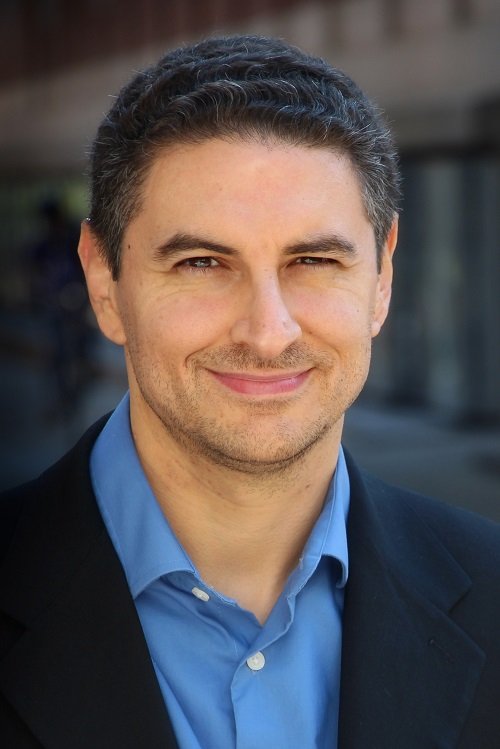
Michael McAlpine is a Professor in the Mechanical Engineering department at the University of Minnesota . He also holds affiliations with the Biomedical Engineering and Electrical and Computer Engineering departments. His research focuses on 3D printing functional materials & devices , Nanoscale inks , Biomedical devices , Bioelectronics , and Flexible Microsystems . Research Interests : 3D Printing, Biomedical Engineering, Nanotechnology, Flexible Electronics, Microfluidics Labs : ME 361/363 Contact : mcalpine@umn.edu , (612) 626-3303, ME 117 Recent Research Trends include 3D Printed Biomedical Devices , Flexible Electronics , and Bioprinting Applications . His work spans from Spinal Organoid Formation to Programmable Drug Release Capsules . Scientific Award : Circulation Research 2020 Best Manuscript Award
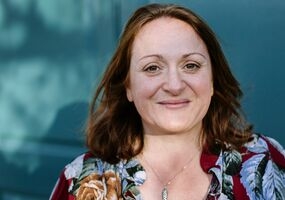
Professor Fay Couceiro is a Professor of Environmental Pollution in the School of Civil Engineering and Surveying at the University of Portsmouth. She leads the Microplastics Research Group and the 'Evaluating change across the plastics lifecycle' theme for the Revolution Plastics Institute, focusing on pollution sources, interventions, and collaborations with industry. She holds editorial roles at Cambridge Prisms: Plastics and peer reviews for multiple journals and funding bodies. Education: BSc in Marine Biology (Queen's University Belfast), PhD in Biogeochemistry (funded project on Strangford Lough), postdoctoral research at the University of Plymouth. Research Interests: Contaminants' fate, microplastics' environmental and health impacts, nutrient dynamics, heavy metals, and organic pollutants like PAHs. Her work integrates pure science with civil engineering solutions. Publications span 2007–2025, emphasizing microplastic toxicity, soil-oil interactions, and pollution mitigation strategies. Over 27 peer-reviewed articles highlight her contributions to environmental science. Advising & Grants: Supervises MSc/PhD students and collaborates with companies like Southern Water. Active in STEM outreach and UK research policy, including the EU's HR Excellence in Research accreditation process. Labs/Teams: Microplastics Research Group, Revolution Plastics Institute, and interdisciplinary teams in environmental technology and resilience.
Wenping Wang is a Professor in the Department of Computer Science & Engineering at Texas A&M University, part of the College of Engineering. His research focuses on computer graphics, computer vision, geometric modeling, and visualization. He holds Fellowships from ACM and IEEE, and has received notable awards including the 2021 AsiaGraphics Outstanding Technical Contributions Award and the 2017 John Gregory Memorial Award. Wang's educational background includes a Ph.D. from the University of Alberta and M.Eng. and B.Sc. degrees from Shandong University. His work spans advancements in neural implicit surfaces, 3D reconstruction, and medical imaging applications such as orthodontic treatment prediction. He has authored numerous influential papers in top-tier conferences like SIGGRAPH and journals like ACM Transactions on Graphics. His research interests emphasize bridging geometric modeling with machine learning, particularly in neural rendering, surface parameterization, and medical visualization. Recent projects include developing frameworks for automatic tooth alignment and high-fidelity 3D geometry generation. Wang's contributions have significantly impacted both theoretical foundations and practical applications in computer graphics.
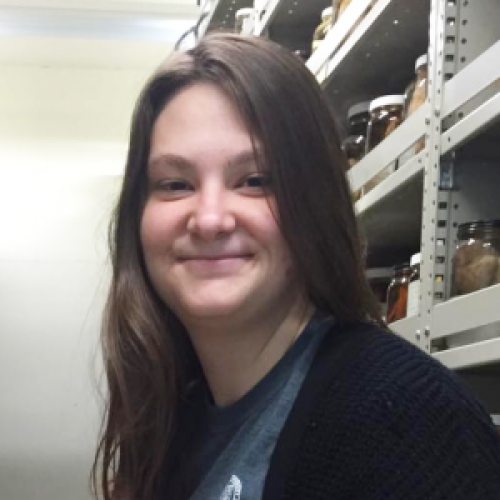
Stacy Farina is an Associate Professor in the Department of Biology at Howard University, affiliated with the College of Arts & Sciences. Her research focuses on functional morphology, biomechanics, and evolutionary biology, particularly in fish systems. She holds a B.S. in Marine and Freshwater Biology from the University of New Hampshire (2010) and a Ph.D. in Evolutionary Biology from Cornell University (2015). Her work examines skeletal morphology, respiratory systems, and functional adaptations in diverse fish species, including flatfishes, snailfishes, and elasmobranchs. Recent studies investigate remote research methodologies during the pandemic, deep-sea adaptation, and biomechanical integration in feeding systems. She directs a research lab in Just Hall, Room 410, and maintains a Google Scholar profile. Publications span topics like ventilation mechanics, acoustic signaling evolution, and skeletal density patterns in deep-sea environments. Her research emphasizes interdisciplinary approaches, combining anatomical analysis, computational modeling, and experimental biomechanics. No scientific awards or grants are explicitly listed in the provided texts. She advises no listed students, though her research involves undergraduate participation. Her lab focuses on fish morphology, ecology, and evolutionary processes.
Benedikt Günther is a research scientist at the Technical University of Munich (TUM) working within the Chair of Biomedical Physics led by Prof. Dr. Franz Pfeiffer. His research focuses on the Munich Compact Light Source (MuCLS), a laboratory-scale inverse Compton X-ray source that provides synchrotron-like radiation for biomedical applications. Günther plays a key role in developing, optimizing, and characterizing this innovative technology, contributing to both its fundamental physics and practical medical applications. His primary research interests center around X-ray physics and imaging techniques, particularly laser enhancement cavities for inverse Compton X-ray sources, X-ray microscopy, dynamic phase-contrast imaging, and X-ray spectroscopy. Günther's work bridges fundamental physics with practical medical applications, developing instrumentation that brings synchrotron-quality imaging to conventional laboratory settings. His research has significant implications for improving medical diagnostics while making advanced imaging techniques more accessible. Analysis of Günther's publication record reveals a consistent focus on advancing compact X-ray source technology and its applications. His work demonstrates expertise in both theoretical modeling and experimental implementation, with publications spanning instrument development, imaging techniques, and specific medical applications. The research shows progression from fundamental source characterization to increasingly sophisticated biomedical applications, particularly in breast imaging, dental diagnostics, and materials science. 2019 Best Poster Award at the combined meeting of the 68th Denver X-ray Conference (DXC) & 25th International Congress on X-ray Optics and Microanalysis (ICXOM) for 'Full-Field Structured Illumination Super-Resolution X-ray Transmission Microscopy' Günther regularly presents his work at major international conferences including the International Particle Accelerator Conference, High-Brightness Sources and Light-driven Interactions Congress, and specialized X-ray imaging meetings. His research is conducted within the Munich Compact Light Source facility, a collaborative project involving physicists, engineers, and medical researchers working to develop laboratory-scale synchrotron technology for widespread biomedical use.
Rick T. Dobrowsky is a Professor in the Department of Pharmacology & Toxicology at the University of Kansas School of Pharmacy. He also serves as Director of the Graduate Program in Neuroscience. His research focuses on diabetic neuropathy and molecular chaperones, exploring how hyperglycemia impacts neurotrophin signaling and mitochondrial function in peripheral nerves. Education: Ph.D. in Pharmacology, North Carolina State University (1990) Postdoctoral Training at Duke University Medical Center (1995) Research Interests: His work examines molecular mechanisms underlying diabetic neuropathy, including neuregulin signaling, mitochondrial proteome changes, and the role of molecular chaperones like Hsp70 and Hsp90. Current projects investigate how hyperglycemia alters IGF-1 signaling and neuregulinism to drive neuropathic damage. Publications: Recent work highlights therapies targeting molecular chaperones to treat diabetic neuropathy and Charcot-Marie-Tooth disease, including cemdomespib and noviomimetic compounds. Key findings include improved mitochondrial function and reduced demyelination in animal models. Advising & Grants: He has advised students like Sukhmanjit Kaur and Yssa Rodriguez. His lab collaborates on NIH-funded projects exploring mitochondrial dysfunction in diabetes and molecular chaperone-based therapies. Labs: Director of the Dobrowsky Lab, which studies signaling pathways in nerve degeneration and develops novel therapeutic approaches for peripheral neuropathies.
Dr. Yusuf AYAN is a Lecturer in the Department of Mechatronics Engineering at Karabük University's Faculty of Technology, Turkey, since 2022. He holds a PhD (2022) and Master's degree (2017) in Manufacturing Engineering from Karabük University, alongside a BSc (2012) in Mechanical Engineering from Kocaeli University. Education: PhD, Manufacturing Engineering, Karabük University (2022) MSc, Manufacturing Engineering, Karabük University (2017) BSc, Mechanical Engineering, Kocaeli University (2012) His research focuses on Welding Technologies , Metallic Materials , and Additive Manufacturing , with over 103 citations and an h-index of 5. Notable projects include TÜBA/TÜBİTAK-funded research on wire arc additive manufacturing (2023-2025) and functionally graded material development (2020-2024). His publications span journals like Materials Chemistry and Physics , Journal of Materials Engineering and Performance , and Materials Today Communications , emphasizing WAAM process optimization, fatigue properties, and multi-material fabrication. Collaborators include Nizamettin Kahraman (24 joint works, 2018-2024) and researchers such as Kenan Kaan Yetil and Ercan Çağlar.
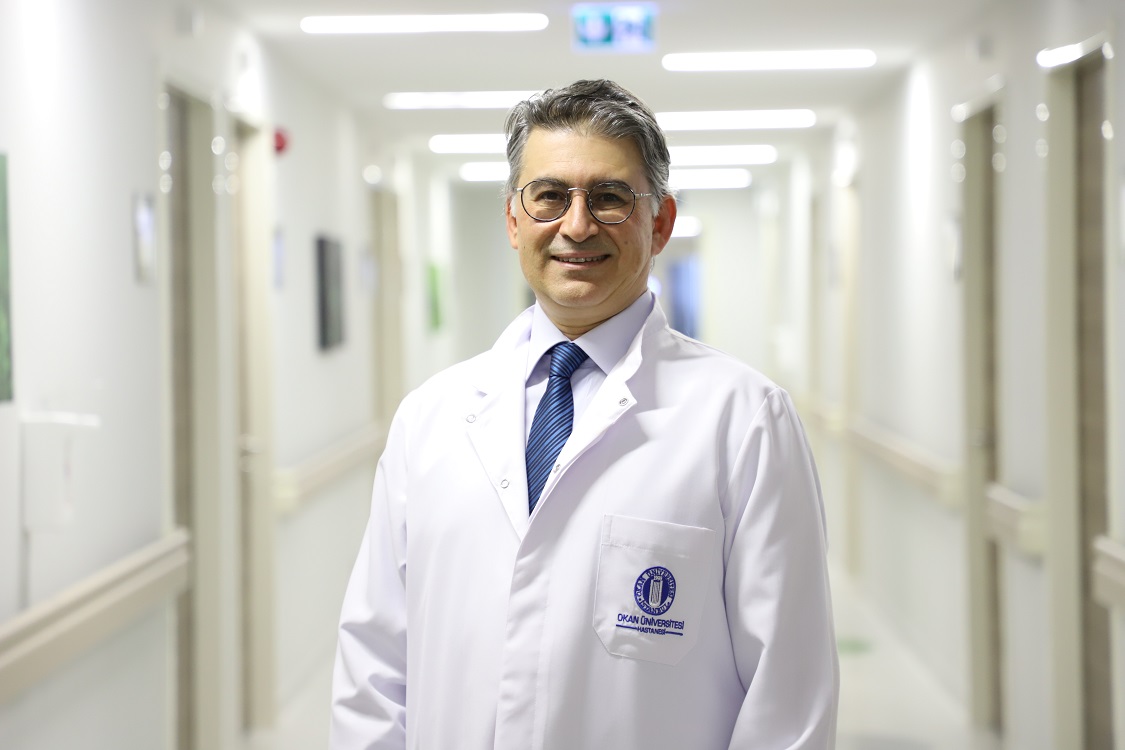
Prof. Dr. Ozan Seymen Sezen is an Associate Professor specializing in Ear, Nose, and Throat (ENT) Diseases with dual affiliations at Istanbul Okan University Hospital since 2019 and Kartal Dr. Lütfi Kırdar Training and Research Hospital since 2001. He earned his medical degree from Istanbul University Cerrahpaşa Faculty of Medicine in 1993, completed his ENT specialization in 2000 after training at the University of Michigan Medical School, and achieved associate professorship status in 2012. His educational background includes: Master's Degree from Istanbul University Cerrahpaşa Faculty of Medicine Medical Specialization in ENT at SB Dr. Lütfi Kırdar Kartal Training and Research Hospital Associate Professorship in ENT at the same institution Prof. Sezen has developed specialized expertise in facial aesthetic and plastic surgery, particularly rhinoplasty, with additional focus on snoring and sleep apnea surgery, ear diseases and surgery, and sinus diseases and surgery. His clinical practice significantly exceeds typical volumes in endoscopic sinus surgery, sleep apnea procedures, rhinoplasty, and head and neck cancer surgeries. His research spans surgical innovations, pathological studies, and interdisciplinary connections between ENT and other medical specialties. His publication record demonstrates consistent scholarly contributions over two decades, with recent emphasis on sleep apnea treatment techniques, rhinoplasty innovations, and physiological impacts of ENT interventions. The research shows strong translational focus from laboratory studies to clinical applications. Key professional recognitions include: European Otorhinolaryngology Head and Neck Surgery Certificate of Competency (2012) Fellow of the European Board of Otorhinolaryngology Head and Neck Surgery As an educator, Prof. Sezen has continuously provided scientific, practical, and surgical training to resident doctors and medical students throughout his career. He has participated in over 20 national and international courses and congresses between 2010-2018, with specialized focus on facial plastic surgery techniques. His research collaborations span multiple institutions with emphasis on advancing ENT surgical practices through evidence-based approaches. Professional affiliations demonstrate his commitment to interdisciplinary collaboration, including membership in the Turkish Otorhinolaryngology Head and Neck Surgery Association, Facial Plastic Surgery Association, Turkish Sleep Research Association, European Academy of Facial Plastic Surgery, and American Academy of Cosmetic Surgery.
Ram Samudrala is a Professor and Chief of the Division of Bioinformatics at the University at Buffalo Jacobs School of Medicine and Biomedical Sciences . His research focuses on multiscale computational biology , integrating protein structure prediction , drug discovery , and translational science to address medical challenges. He leads the development of the CANDO platform for therapeutic drug discovery and co-directs the Informatics Core at the Clinical and Translational Sciences Institute. PhD in Computational Biology (University of Maryland, 1997) BA in Computing Science and Genetics (Ohio Wesleyan University, 1993) Postdoctoral Fellowship in Protein Folding (Stanford University, 1997-2001) His work spans structural biology , genomics , and computational drug design , with applications in dentistry , infectious diseases , and cancer . He has received prestigious awards including the NIH Director's Pioneer Award (2010) and multiple Wiki Science Prizes . Samudrala's group collaborates globally, emphasizing in silico methods followed by in vitro and in vivo validation. Key grants include $1.22M NIH NCATS ASPIRE Reduction-to-Practice Award and $4.5M NIH/NLM BRIGHT Training Grant . 2023 Finalist, Clinical and Translational Sciences Institute Clinical Research Achievement Awards 2016 MacArthur Foundation 100&Change Top 50 2008 Alberta Heritage Foundation Visiting Scientist Award 2005 NSF CAREER Award He directs the BRIGHT Short-Term Training Program and serves on multiple editorial boards and review panels. Samudrala's group maintains a Protinfo web server for structural predictions and the Bioverse framework for systems-level analyses.
Professor Mary Lewis is a renowned scholar in bioarchaeology and paleopathology at the University of Reading's Department of Archaeology. Her research focuses on child and adolescent skeletal remains, particularly in understanding growth patterns, disease, and health in past populations. She is the author of influential works such as The Bioarchaeology of Children and co-editor of The Archaeology of Disease . Her academic positions include President of the Paleopathology Association (2023–2025) and convenor of courses like AR1MET (Archaeology Today) and AR3S21 (Biological Anthropology). Her research has pioneered methods for diagnosing diseases like leprosy, tuberculosis, and thalassaemia in skeletal remains. Research Interests: Puberty development, urban/industrial health impacts, non-adult osteology. Teaching: Forensic Archaeology, Biological Anthropology, Archaeology of Death. Key Projects: Studies on medieval pubertal timing, Roman-era child health, and migration patterns via skeletal analysis. Her students explore diverse topics, including child health in ancient Egypt, industrial-era diets, and the effects of famine/plague on childhood. She is a Fellow of the Higher Education Academy and actively supervises over 20 postgraduate researchers.
Antonio Simonetti is an Associate Professor at the University of Notre Dame in the Civil & Environmental Engineering & Earth Sciences department, affiliated with the College of Engineering. He leads the Isotope Geochemistry Laboratory and MITERAC facility, focusing on nuclear forensics, geochronology, and isotope geochemistry. His research spans high spatial resolution analysis of Earth materials, lunar studies, and bioarchaeological mobility tracing. Ph.D., Carleton University (1994) M.S., McGill University (1989) B.S., McGill University (1986) Research interests include: Nuclear Forensics: Developing microanalytical techniques for post-detonation materials and source attribution. Geochronology: Dating igneous and biogenic materials using U-Pb and other isotopic systems. Isotope Geochemistry: Investigating mantle-derived carbonatites and environmental pollution tracing. Bioarchaeology: Using Sr, Nd, Pb isotopes to study ancient human migration in Nubia and the Nile Valley. Recent trends in his publications highlight interdisciplinary applications of isotopic analysis across nuclear materials, lunar science, and archaeological studies. His group employs LA-MC-ICP-MS for high-resolution chemical and isotopic mapping. Students and collaborators span graduate, undergraduate, and international PhD candidates, with projects on uranium isotope signatures, carbonatite petrogenesis, and isotopic tracing of ancient civilizations. Current students include Julia Rufener (lunar KREEP analysis), Jiahua Wu (nuclear fuel cycle signatures), and Bennett Schmitt (REE mineralization in carbonatites). Labs and teams: Directs the Isotope Geochemistry Laboratory and MITERAC facility, supporting advanced ICP-MS and laser ablation analyses. Collaborates with institutions in Brazil, Turkey, China, and Ireland on geological and archaeological projects.
Amjad Javed is a Professor and Associate Dean at the University of Alabama at Birmingham , with primary appointments in the School of Dentistry - Oral & Maxillofacial Surgery and joint affiliations in Cell, Developmental and Integrative Biology , Otolaryngology , and Biomedical Engineering . His research spans bone biology, cartilage development, and myeloma bone disease. PhD in Physiology (University of the Punjab, 2003) MS in Zoology/Animal Biology (University of the Punjab, 1992) Research Interests focus on transcriptional regulation via RUNX2 and Sp7 in skeletogenesis, vascular calcification mechanisms, epigenetic control of bone formation, and tumor-bone microenvironment interactions in multiple myeloma. Key subfields include endochondral ossification, osteoclast differentiation, and nanomatrix-based tissue engineering. Scientific Contributions include discoveries about RUNX2's role in postnatal bone resorption, λ5 protein's impact on skeletal aging, and heparanase's promotion of myeloma metastasis. His work demonstrates RUNX2's dual function in chondrocyte apoptosis and cartilage degradation. Teaching & Mentorship involves graduate committee service for over 15 students and instruction in courses like Connective Tissue and Bone , Oral & Skeletal Biology , and Journal Clubs . Collaborations span Comprehensive Arthritis, Musculoskeletal, Bone and Autoimmunity Center , Integrative Center for Aging Research , and Biomatrix Eng Regen Med Center .
Grzegorz Niedzwiedzki is a Researcher at Uppsala University's Department of Organismal Biology, specializing in vertebrate palaeontology and early tetrapod evolution. He holds a PhD from the University of Warsaw (2013) and has conducted expeditions across Poland, Russia, Tunisia, Greenland, and Sweden. His research focuses on Triassic-Jurassic vertebrate ecosystems, coprolite analysis, and early dinosaur evolution. Education: PhD in Biology (2013), University of Warsaw Master's in Biology (2007), University of Warsaw Bachelor's in Biology (2004), University of Warsaw Research Interests: Grzegorz's work analyzes fossilized footprints, coprolites, and skeletal remains to reconstruct ancient ecosystems. He has pioneered studies on Early Triassic predator ecosystems via coprolites and contributed to understanding dinosaur dietary habits through coprolite microbiota analysis. His fieldwork has uncovered critical fossils like the archosaur Smok wawelski and Early Jurassic dinosaur tracks. Key Achievements: Recipient of multiple prestigious awards (National Geographic grants, Prime Minister's Special Award) Over 100 peer-reviewed publications in journals like Nature , Palaeogeography, Palaeoclimatology, Palaeoecology , and Acta Palaeontologica Polonica Co-discoverer of the oldest known mammaliaform fossil in Greenland Grants & Collaborations: Multiple international expeditions funded by Polish and Swedish institutions Collaborations with the American Museum of Natural History and Uppsala University Labs/Teams: Affiliated with Uppsala University's Evolution and Development research group and collaborates globally on fossil expeditions and synchrotron imaging projects.
Dr. Chang Lei is an ARC Discovery Early Career Researcher Award (DECRA) Fellow at the Department of Medical Sciences within the Faculty of Medicine and Health at The University of Sydney. She is also a member of The University of Sydney Nano Institute and the Charles Perkins Centre. With expertise in nanotechnology-based bioanalysis, mass spectrometry, lateral flow immunoassay, and tissue regeneration, Dr. Lei leads several innovative research projects focused on advancing healthcare through nanotechnology. Dr. Lei completed her PhD at the Australian Institute for Bioengineering and Nanotechnology (AIBN) at The University of Queensland (UQ). Her academic journey includes receiving the Queensland Government Advance Queensland Research Fellowship, the UQ Amplify Fellowship in 2021, and the prestigious ARC DECRA in 2024. Her research interests span across nanotechnology applications in healthcare, with particular focus on: Developing novel nanomaterials for single-cell metabolomics analysis Creating affordable and ultra-sensitive biomarker detection platforms Engineering silica bio-nanomaterials for stem cell differentiation and bone repair Advancing lateral flow immunoassay technologies using nanomaterials Applying nanotechnology to dental and craniofacial regeneration Dr. Lei's publication record demonstrates a strong focus on nanotechnology applications across multiple disciplines. Her recent work shows increasing emphasis on medical applications of nanomaterials, particularly in diagnostics, cancer therapy, and tissue regeneration. She has published in high-impact journals including Nature Science Review, Small, Biosensors and Bioelectronics, Angewandte Chemie, and Advanced Materials. Dr. Lei has received several notable awards and honors: 2024 ARC DECRA Fellow 2021 The University of Queensland Amplify Fellow 2020 GC Minimum Intervention Dentistry Research Award 2017 Advanced Queensland Research Fellow As a reviewer for scientific journals such as Science Advances, Journal of Nanobiotechnology, and Journal of Materials Chemistry B, and for ARC and NHMRC grants, Dr. Lei actively contributes to the scientific community. She also serves as an editor for Frontiers in Bioengineering and Biotechnology and Nano TransMed. Her current research projects are supported by grants including the ARC DECRA and the FMH Start-up Scheme. Dr. Lei is actively involved in several research groups and initiatives: Member of The University of Sydney Nano Institute Member of the Charles Perkins Centre Member of Australian and New Zealand Society for Mass Spectrometry Member of The Australian Materials Research Society Member of the Australian Nanotechnology Network
Prof. Dr. Thomas Martin serves as Chair of Paleontology at the University of Bonn's Institute of Geosciences, where he has led the Vertebrate Paleontology department since October 1, 2006. He is also Vice President of the Paleontological Society since 2009 and holds a guest professorship at Shenyang Normal University in China since 2013. His research group focuses on mammalian evolution, with particular emphasis on jaw and dentition evolution, masticatory biomechanics, and the evolution of the ear region throughout mammalian history. Dr. Martin's educational background includes: Diploma in Geology-Paleontology from Eberhard Karls Universität Tübingen (1987) PhD from Rheinische Friedrich-Wilhelms-Universität, Bonn (1991) Habilitation from Freie Universität Berlin (1997) His research interests center on the origin and diversification of mammals, with particular focus on Mesozoic mammals. He employs cutting-edge 3D methods including µCT scanning, surface segmentation, DiceCT, Occlusal Fingerprint Analyzer (OFA), virtual animation, and simulation to investigate how changes in the masticatory apparatus and feeding habits have shaped mammalian evolution. His work has significantly advanced our understanding of dietary adaptations and associated hearing enhancements during crucial moments in mammalian evolutionary history. Analysis of his recent publications reveals a strong focus on Mesozoic mammal dentition, particularly the functional morphology of early mammalian teeth and jaws. His research spans multiple continents, with significant work on German, Russian, and Chinese fossil sites, and demonstrates consistent investigation into mammalian evolutionary patterns through detailed dental and skeletal analyses. His collaborations span internationally with researchers from Russia, China, and the United States. Scientific recognition includes: Fritz-Franck-Förderpreis der Deutschen Gesellschaft für Säugetierkunde (1993) Dr. Martin has secured substantial research funding through multiple DFG (German Research Foundation) projects, including ongoing work on polar vertebrates from the Lower Cretaceous of Yakutia, Russia, and functional studies of early mammalian dentition. He currently supervises several doctoral students including Marius Losco, Thomas Engler, and Sebastian Pommerening, and maintains an active research group with multiple postdoctoral researchers. His laboratory utilizes state-of-the-art imaging and analytical techniques, with particular expertise in virtual paleontology methods. The research group maintains strong international collaborations, particularly with institutions in Russia, China, and the United States, reflecting the global nature of his paleontological investigations.