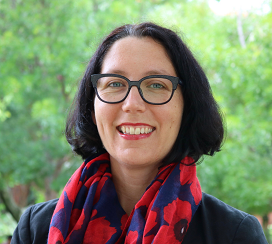
Manu Magar is a Researcher at the School of Biological Sciences , University of Western Australia , with a focus on plant genetics and climate resilience. They also hold an external position as a Biotechnologist at the National Biotechnology Research Center, Nepal Agricultural Research Council since May 2014. M.Sc.Ag. in Agricultural Science from Acharya N G Ranga Agricultural University (2012) B.Sc.Ag. in Horticulture from Tribhuwan University (2009) Research Interests Their work centers on plant breeding , gene expression , and crop genomics to combat heat stress in wheat. Key areas include transcription factor analysis , ERF gene regulation, and drought tolerance mechanisms. Article Trends Magar’s publications (2022–2025) emphasize AP2/ERF superfamily genes in wheat, heat tolerance pathways, and ethyline signaling during grain filling. Their work bridges genomic studies and transcription factor roles in stress response. Collaborations & Research Active in international collaborations between Australia, Nepal, and India, Magar contributes to crop improvement via genomic analysis and biotechnology .
Dr. Fawad Ali is an Advance Queensland Industry Research Fellow at Griffith University's Centre for Planetary Health and Food Security, specializing in environmental sustainability and management. His research focuses on sustainable crop production systems with particular expertise in tropical fruits, rice, and coffee breeding. Education: PhD in Plant Breeding and Genetics, Southern Cross University (2016-2021) MSC (Hons) in Plant Breeding and Genetics, University of Agriculture Faisalabad (2010-2012) BSC (Hons) in Plant Breeding and Genetics, University of Agriculture Faisalabad (2006-2010) Dr. Ali's research spans plant breeding, quantitative genetics, and environmental remediation, with emphasis on developing sustainable agricultural systems that address food security and environmental challenges. His work integrates molecular biology, field trials, and computational approaches to improve crop resilience and quality. His publication record reveals strong focus areas in environmental remediation (particularly arsenic and heavy metal contamination), tropical fruit breeding (papaya and citrus), and stress-responsive crop improvement. Recent work demonstrates innovative approaches combining microbial solutions with plant systems for pollution mitigation. Awards & Recognition: Best Poster Award at TropAg 2019 Qualified Person (QP) certification for Intellectual Property and Plant Breeding Rights (IP Australia, 2022-2025) Dr. Ali actively supervises doctoral research, currently serving as Associate Supervisor for genomic platform development in Australian papaya. His funded research includes the $646,000 Advance Queensland Industry Research Fellowship project 'Invigorating the Coffee Industry in Tropical North Queensland' and the 'National Papaya Breeding and Evaluation Program' ($1.5M). He collaborates extensively with industry partners to translate research into practical agricultural solutions, particularly in specialty coffee and tropical fruit production. His laboratory work encompasses plant tissue culture, molecular biology techniques, field-based breeding trials, and environmental remediation experiments, with strong emphasis on industry-relevant outcomes and consumer preferences.
William Erskine is a Senior Honorary Research Fellow at the University of Western Australia (UWA) , directing the Centre for Plant Genetics and Breeding. His career spans 18 years as a Lentil Breeder at ICARDA (Aleppo, Syria), followed by Program Leader (1998-2001) and Assistant Director General (Research) (2001-2007). Educated at the University of Cambridge (BA 1973, PhD 1979) and Papua New Guinea (MAg 1976), he focuses on plant breeding for food security. Education BA, University of Cambridge (1973) MAg, Papua New Guinea (1976) PhD, University of Cambridge (1979) His research integrates plant breeding, germplasm evaluation, and genetics to enhance food security through Climate-resilient crops in Nepal Salinity-tolerant legumes in Bangladesh Subterranean clover improvement Lentil breeding programs across 31 countries His 15 most recent articles highlight advancements in salinity tolerance mechanisms, waterlogging adaptations, and genomic approaches to crop improvement. Scientific awards Minister of Agriculture Award, Bangladesh (2005) for lentil research impact Grants include funding from ACIAR (Timor-Leste), MLA (pasture sequencing), GRDC , and ARC . He has supervised 24 PhD/MSc students at UWA and institutions in Finland, UK, Germany, Turkey, Lebanon, Syria, and Jordan. Collaborative projects span Timor-Leste, Bangladesh, Nepal, and Australia, with a focus on sustainable farming systems and UN SDG contributions.
Commonwealth Scientific and Industrial Research OrganisationAustralia
Dr. Jason Geijskes is a seasoned research leader at CSIRO, currently serving as Deputy Director - Science (Acting) and Group Leader for Trait Innovation. With over 25 years of expertise in plant biotechnology, he specializes in genetic modification, molecular biology, and crop improvement. He holds a Ph.D. in Plant Molecular Biology/Virology from Queensland University of Technology (2001), an MBA in Research Management from Southern Cross University (2010), and a Project Management Professional certification (2021). His research focuses on New Breeding Technologies, Biomass Utilisation for Biofuels, Biofortification, and Pest & Disease Resistance in crops like Canola, Wheat, Barley, and Banana. He previously led the Syngenta Centre for Sugarcane Biofuels Development and managed commercial genetic improvement programs. His work bridges academic and industrial applications, emphasizing sustainable agriculture and circular economy principles. Key career milestones include roles at Syngenta as Biotechnology Group Leader and Regulatory Affairs Lead, and as Senior Research Scientist at Queensland University of Technology. His publications span sugarcane transformation methods, transgene expression, and banana phytoene synthase research. Though no specific awards are listed, his extensive patent portfolio reflects significant contributions to agricultural biotechnology. Jason’s Trait Innovation Group at CSIRO focuses on accelerating genetic improvement using TILLING and gene editing technologies. His projects address global challenges in crop resilience and bio-based economies, collaborating with both internal and external stakeholders.
Federico Ribalta is an Adjunct Research Fellow at The University of Western Australia's School of Agriculture and Environment, with extensive expertise in plant breeding and biotechnology. He is actively involved in pulse crop improvement research, focusing on accelerated breeding techniques and physiological trait development. His educational background includes a Master's degree in Agriculture with research focused on "Molecular characterisation of Medicago truncatula regenerants" awarded on July 20, 2023. Ribalta's research interests center on plant breeding, germplasm evaluation, genetics, tissue culture for plant breeding, and biotechnology applications in agriculture. His work particularly emphasizes pulse crops including pea, lentil, chickpea, and lupin, with focus areas in flowering time control, disease resistance, waterlogging tolerance, and accelerated generation turnover techniques. His publication record shows a strong focus on developing and implementing accelerated breeding technologies, with recent work (2021-2025) emphasizing molecular approaches to flowering time control, disease resistance mechanisms, and innovative generation cycling methods. His research spans both fundamental plant physiology and applied crop improvement, with a consistent emphasis on translating discoveries into practical breeding applications. Ribalta has secured significant research funding, including projects with the Grains Research & Development Corporation (GRDC), NSW Department of Trade & Investment, and Department of Jobs, Precincts and Regions (Victoria). His collaborative work involves multiple research institutions and industry partners focused on pulse crop improvement. He maintains an active external position as Plant Growth Facilities Manager at InterGrain Pty Ltd since September 27, 2020, demonstrating strong industry-academia connections in the agricultural research sector.
Commonwealth Scientific and Industrial Research OrganisationAustralia
Dr Matthew Nelson is a geneticist and plant breeder currently serving as Team Leader at CSIRO, leading national research on canola improvement. He holds an Adjunct Professor position at The University of Western Australia’s Institute of Agriculture and has held prior academic affiliations with the Royal Botanic Gardens, Kew, and UWA. His work bridges fundamental research in plant genomics and applied crop breeding across international contexts. B.Sc. (First Class Honours) in Agricultural Botany, University of Glasgow (1995) Ph.D. in Plant Genetics, University of East Anglia (2000) Dr Nelson's research focuses on enhancing crop productivity through genetic improvement, with core interests in plant domestication, genome evolution, crop and wild relative diversity, and molecular breeding . His work integrates genomics, molecular markers, and tissue culture to improve canola, lupin, and forage crops. He has led major GRDC-funded projects targeting improved canola establishment via long hypocotyl traits and unlocking B-genome diversity for stress tolerance. The recent publications reflect a sustained focus on genomic-assisted breeding, stress resilience in oilseed crops, and the utilization of wild relatives for crop improvement . Themes include improving field establishment in canola, enhancing heat and drought tolerance, and developing molecular tools for lupin and other legumes. His research combines genetic discovery with practical breeding outcomes, contributing to over 80 peer-reviewed articles and 25 commercial cultivars. Scientific Awards and Recognition: Fay Gale Fellowship, The University of Western Australia (2011) Editorial Board Member, Theoretical & Applied Genetics (2015–Present) Dr Nelson has secured substantial research funding from GRDC, ARC, ACIAR, and Innovate UK. He has led multi-institutional projects and supervised research components at UWA. His advisory roles include serving as Impact Area Lead for Future Crops and UniMentor at UWA. He contributes to industry standards and global policy as the Australian representative on GCIRC, the global peak body for canola. He leads a research team at CSIRO focused on adapting broadacre crops to climate and agronomic challenges, with active projects on hypocotyl development and B-genome utilization in canola. His work is embedded in a collaborative network involving UWA, industry partners, and international research organizations.
Szabolcs Lehoczki-Krsjak is a Research Fellow in Rice Breeding and Genetics at Southern Cross Plant Science, Southern Cross University (Faculty of Science and Engineering). He holds a PhD from Hungary (2013), focusing on Fusarium head blight pest management in wheat. His work spans pre-breeding, commercial breeding, and marketable product development for wheat, corn, and sweet corn. His current research emphasizes pigmented rice varieties, particularly black rice adaptation for Northern NSW. Key areas include aerob rice breeding programs, genetic resource characterization, grain pigmentation genetics, and agronomic trait integration to aid farmers. His expertise bridges plant pathology, fungicide application strategies, and mycotoxin management. Key research contributions include studies on Fusarium head blight resistance, fungicide efficacy, and QTL mapping in wheat and maize. He has been recognized with the 2024 Outstanding Contribution to Research Impact award from Southern Cross University. His work combines laboratory and field research, addressing both fundamental genetics and applied agricultural challenges. Collaborative projects likely involve industry partners for crop development and disease management solutions.
Jos Mieog is a Research Fellow at Southern Cross University's Faculty of Science and Engineering. Previously, he spent seven years at CSIRO in Canberra specializing in plant breeding for cereal crops using both genetic modification and conventional methods. His PhD research at the University of Sydney investigated coral bleaching mechanisms, focusing on symbiotic relationships between corals and algae, particularly thermal tolerance adaptation. Currently, his work centers on establishing international-standard genetic resources for hemp, pre-breeding characterization of hemp germplasm, and leading a tea tree essential oil breeding program. His research interests span plant breeding methodologies, genetic resource management, cannabis metabolism regulation, and symbiotic relationships in marine ecosystems. He has developed high-throughput genotyping platforms (HASCH) and advanced tissue culture techniques for cannabis propagation. His work integrates proteomics, metabolomics, and spectral analysis to optimize crop yields and quality. Notable research trends include exploring light spectra effects on cannabinoid production, developing non-destructive analytical tools for essential oil composition, and investigating symbiotic flexibility in corals under environmental stress. His contributions bridge laboratory innovations with commercial agricultural applications, emphasizing both hemp and tea tree oil industries. Advising and grants: Mieog leads interdisciplinary projects involving genetic resource curation and industry partnerships. His work aligns with Southern Cross University's focus on applied ecological and agricultural research. Lab facilities include state-of-the-art genetic resource facilities and analytical laboratories for plant metabolite analysis.
Dr Buddhini Ranawaka is a Postdoctoral Research Fellow at the School of Biology & Environmental Science, Faculty of Science, Queensland University of Technology (QUT). Her research focuses on plant genomics, epigenetics, and biotechnology, with particular emphasis on crops like wheat and Nicotiana benthamiana. She investigates comparative genomics between rice and wheat, viral disease dynamics in plants, and molecular techniques for studying epigenetic modifications in plants. Her work includes developing multi-omic resources for fundamental research and biotechnological applications, optimizing chromatin immunoprecipitation methods, and exploring in vitro tissue culture technologies for crop improvement. Dr. Ranawaka’s contributions span plant pathology, molecular biology, and agricultural science, with publications in journals such as Crop Journal , Nature Plants , and Viruses .
Maria Pazos Navarro is a Research Fellow at the School of Biological Sciences, University of Western Australia. She holds a PhD in Science (2012) from the Technical University of Cartagena (Spain) and has conducted research at IMIDA (Spain) and PGB Research. Her expertise focuses on applying genetic and biotechnological methods to solve agricultural challenges, particularly in legume crops. BSc in Science (2006), University of Murcia MSc in Advanced Techniques in Research and Agricultural Development (2008), Technical University of Cartagena PhD in Science (Cum laude, 2012), Technical University of Cartagena Her research integrates plant genetics, molecular biology, and tissue culture to improve crop resilience. Key areas include genome editing (CRISPR-Cas systems), legume breeding, and plant stress tolerance. Recent work explores genetic interactions in disease resistance and synteny conservation in legumes. She contributed to an integrated platform project for rapid genetic gain in pulse crops (2016-2021). Her work aligns with UN SDGs related to sustainable agriculture and innovation.
Professor Rachel Burton is a plant scientist and molecular biologist at the University of Adelaide's School of Agriculture, Food and Wine, within the Faculty of Sciences, Engineering and Technology. She holds the rank of Professor and specializes in plant cell wall biology, cereal grain quality, and biofuel feedstocks. Her research focuses on crops like barley, psyllium (Plantago), chia, agave, industrial hemp, and medicinal cannabis, emphasizing their applications in food, health, and renewable energy. Roles: Head of Department (Plant Science/Food), Chief Investigator in ARC Centres of Excellence (Plant Cell Walls and Plant Energy Biology). Research Themes: Cell wall polysaccharide biosynthesis, mucilage biology, agave bioethanol, and orphan crop development. Her work bridges fundamental plant science with applied research, addressing climate change and sustainable agriculture. Collaborations include Vircura for agave tissue culture and biofuel development. She is a prominent advocate for gender equity in STEM, participating in initiatives like Science & Technology Australia's Superstars of STEM program, mentoring, and public outreach. Key contributions include the Plantago genome assembly, elucidating mucilage biosynthesis pathways, and advancing understanding of cellulose synthases in plants. Her research has been featured in journals like Frontiers in Plant Science and Journal of Experimental Botany . Awards include recognition through the Superstars of STEM program and invitations to international conferences. Her grants and collaborations fund projects on biofuel feedstocks, crop resilience, and functional food ingredients. Labs/Teams: Active in the ARC Centres of Excellence and collaborative networks focused on plant cell walls and bioenergy. Her group emphasizes science communication, engaging with schools and the public through initiatives like Pint of Science.
Dr. Liz Barbour is an Adjunct Research Fellow at the University of Western Australia's School of Agriculture and Environment and serves as CEO of the Cooperative Research Centre for Honey Bee Products (CRC). Her work focuses on tree crop domestication, seed production systems, and sustainable agricultural practices. She leads initiatives to enhance sandalwood cultivation and honey product development, contributing to UN Sustainable Development Goals. Her research expertise spans tree breeding programs, seed orchard design, plant tissue culture, and honey analysis. Notable projects include enhancing sandalwood heartwood formation in Vanuatu and developing the Kakadu Plum industry in Northern Australia. She has secured funding from bodies like the Australian Research Council (ARC), RIRDC, and ACIAR. Key collaborations involve industry, government, and international partners to advance agricultural sustainability and biodiversity through honey-based biosurveys and pollinator conservation strategies.
Dr. Kate Delaporte is a Senior Lecturer at the University of Adelaide's School of Agriculture, Food and Wine, within the Faculty of Sciences, Engineering and Technology. She serves as Curator of the Waite Arboretum and Waite Conservation Reserve, integrating her expertise in horticulture, plant breeding, and community engagement. Her research focuses on enhancing Australian native plants for horticultural applications, including propagation methods, genetic improvement, and sustainable practices. Key areas include ornamental eucalypts, indigenous food crops like muntries and Leptospermum (for bioactive honey), and urban forestry resilience under climate change. Dr. Delaporte holds a PhD in Plant Breeding from the University of Adelaide (2000) and has extensive postdoctoral experience. She has secured over $1M in research funding from bodies like AusIndustry and RIRDC, advancing commercialization of ornamental eucalypts. She has also pioneered initiatives such as the 'First Foods Garden' to promote indigenous plant utilization and STEM education. Her teaching spans plant breeding, experimental design, and horticultural science. Her professional accolades include a Churchill Fellowship (2000) and Playford Memorial Trust Scholarship (1996). She currently serves on the Playford Memorial Trust Board. Her work bridges academic research, industry collaboration, and public outreach, with a strong focus on women's empowerment in STEM fields and sustainable agricultural practices.
John Quealy serves as a Research Fellow at The University of Western Australia's School of Agriculture and Environment, where he has held continuous research positions since 1993—including current Research Officer duties (2009–present) focused on abiotic stresses in chickpea ( Cicer arietinum ). His prior roles encompassed tissue culture (1993–1995), lupin breeding with cross-fertilization emphasis (2003–2008), and herbicide resistance studies in legumes (2004–2006). He earned a B.Sc.Agric (Honours) from The University of Western Australia in 1992, establishing his foundation in agricultural sciences. Quealy's research centers on identifying physiological and genetic traits for salinity adaptation in chickpea, conducting integrated glasshouse and field experiments to quantify sodium, potassium, and chloride concentrations across plant tissues (leaves, stems, flowers, seeds). His work has demonstrated marginal salinity resistance in chickpea cultivars and advanced lupin improvement through hybridization, with fingerprint analysis confirming 100% research focus on chickpea systems. Analysis of his publication record reveals persistent investigation into salinity tolerance mechanisms, spanning controlled-environment genetics to dryland field validation. Key cross-cutting themes include ion accumulation dynamics, reproductive success under stress, and genotype-specific adaptation strategies, collectively enhancing agricultural resilience in saline environments. Funded by GRDC and the Australia-India Strategic Research Fund, Quealy supervises PhD students and technical staff for experimental execution while providing specialized demonstrations on ion analysis instrumentation for chloride measurement. His experimental framework integrates glasshouse precision with field-scale validation, operating within UWA's agricultural research infrastructure to address critical abiotic stress challenges in legume production systems.
Dr. Julia Easton serves as a Senior Research Fellow at Curtin University within the School of Molecular and Life Sciences, Faculty of Science and Engineering. She holds key leadership positions including Group Leader for the Curtin for Agribusiness Profitability (C4AP) Initiative within the Centre for Crop Disease Management (CCDM) and WA Node Leader for Food Agility Cooperative Research Centre. With over 18 years of experience in research and research management, Dr. Easton specializes in translating demand-driven research into industry practice change, working extensively with researchers, farmers, and industry professionals across Australia. Her research program focuses on bridging the utility gap between research outputs and farmer adoption through data-driven approaches. The C4AP initiative she leads employs agribusiness data analytics to provide robust economic frameworks for innovation, facilitating co-innovation cycles between researchers, farm businesses, and advisors. Current projects include On Farm Water Demand, On Farm Experimentation, Digital Edge capability building, and WA Farm Data Sharing initiatives that collectively aim to optimize farming systems profitability and sustainability through enhanced data utilization. Dr. Easton's publication record demonstrates a strategic evolution from foundational plant breeding research to contemporary digital agriculture applications. Her recent work emphasizes practical solutions for agricultural challenges, with publications spanning digital agriculture implementation, consumer behavior in food markets, and precision farming methodologies. This research trajectory reflects her commitment to addressing real-world agricultural problems through interdisciplinary approaches that integrate data science with traditional farming knowledge. As a highly skilled project manager, Dr. Easton has successfully led research portfolios totaling over $150 million across multiple institutions, including 106 projects with Future Farm Industries CRC (~$30M), 33 GRDC Research projects (~$108M), and 10 Food Agility CRC projects ($9M). She actively mentors Curtin's post-graduate research cohort while serving on the Early-Mid Career Researcher Network Committee as chair and contributing to the Industry Engagement Community of Practice. Dr. Easton's laboratory and team structure centers around the C4AP initiative within CCDM, collaborating with industry partners including DPIRD, DWER, Wildeye, Swan Systems, and numerous agribusinesses. Her WA node of Food Agility CRC coordinates research across multiple institutions, creating an integrated network that addresses complex agricultural challenges through collaborative research approaches focused on practical implementation and industry adoption.