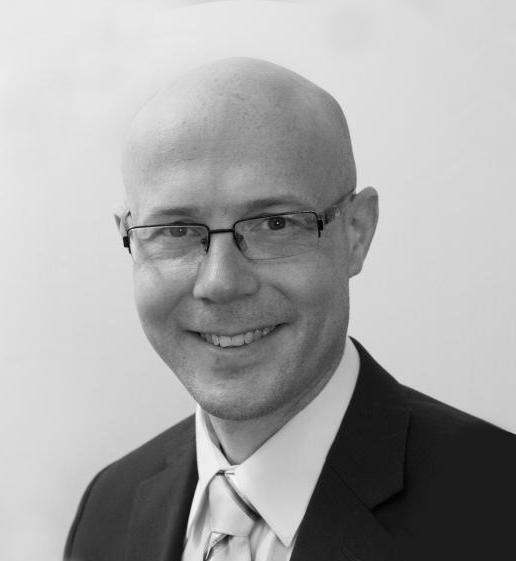
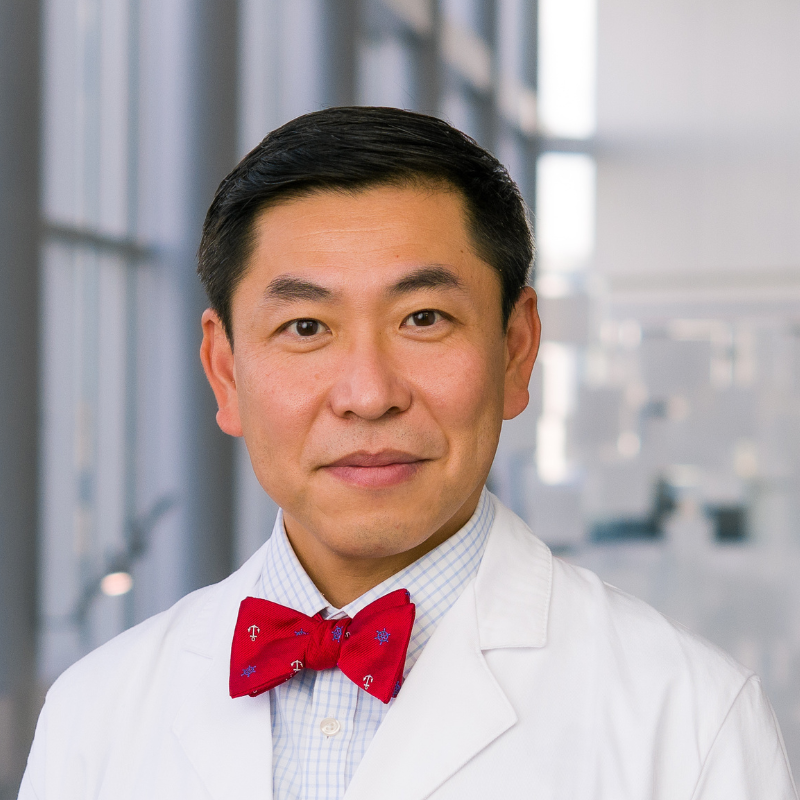
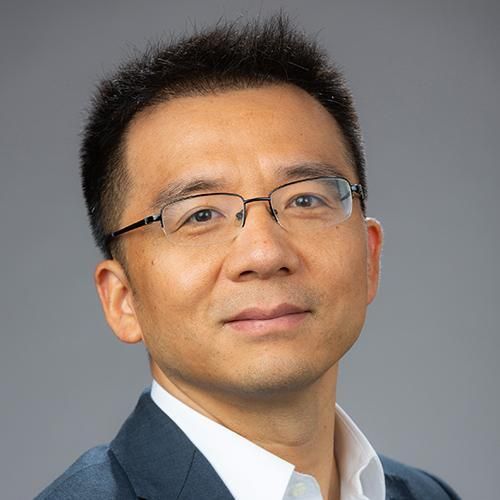
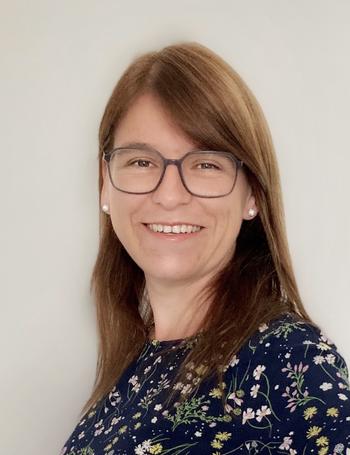
Travis B. Thompson, Ph.D. is an Assistant Professor in the Department of Mathematics and Statistics at Texas Tech University, leading the TM4 (Texas Tech Translational and Theoretical Mathematical Modeling and Machine Learning in Medicine) research group. His academic journey includes postdoctoral work at Rice University, Simula Research Laboratory, and the University of Oxford, focusing on mathematics applied to neurodegenerative diseases. Education: Ph.D. in Mathematics from Texas A&M University (2013) Dr. Thompson develops theoretical mathematical models and applies scientific computing and machine learning to study neurological pathologies, particularly Alzheimer’s disease. His work explores complex biological processes on networks, translational healthcare applications, and nutritional security implications. Current research trends integrate neuroimaging data with finite element simulations to model tau progression , amyloid beta dynamics , and glymphatic clearance in age-related diseases. Scientific awards and honors were not explicitly mentioned in the provided materials. Dr. Thompson’s interdisciplinary approach connects computational neuroscience with biomedical engineering , utilizing techniques like diffusion tensor imaging and level set methods to analyze pathological protein spread and brain tissue mechanics . The TM4 research group focuses on network neurodegeneration , personalized medicine , and machine learning diagnostics . Their work spans from microfluidic cancer detection to computational modeling of brain clearance mechanisms , addressing challenges in both neurodegenerative diseases and biomedical engineering through rigorous mathematical frameworks.
Alfred Wegener Institute for Polar and Marine ResearchGermany
Professor Bela Buck is a Marine Biologist and Head of the Unit for Marine Aquaculture within the Shelf Sea System Ecology department at the Alfred Wegener Institute. He also holds a professorship for Applied Marine Biology at the University of Applied Sciences Bremerhaven, has the right to award doctorates at the University of Bremen, and serves as an Affiliated Professor at Klaipeda University. His leadership extends to chairing the ICES Working Group on Open Ocean Aquaculture (WGOOA). Professor Buck's research focuses on applied marine biology and maritime technologies , with particular expertise in offshore and exposed aquaculture systems . His work addresses critical challenges in multi-use of offshore wind farms , shellfish and seaweed cultivation , culture techniques and system design , and site selection for marine aquaculture operations. His research bridges biological sciences, engineering, and policy development to advance sustainable marine resource utilization. An analysis of his recent publications (2022-2024) reveals a clear trend toward standardizing terminology and metrics for exposed aquaculture environments, developing integrated multi-use platforms combining renewable energy infrastructure with aquaculture, and optimizing cultivation techniques for shellfish and seaweed. His work increasingly addresses sustainability challenges, focusing on circular economy principles, resource efficiency, and climate change adaptation in marine food production systems. Professor Buck leads the AWI-Working Group 'Marine Aquaculture' and collaborates extensively with international research teams across Europe and beyond. His work has significant implications for marine spatial planning, sustainable food production, and blue economy development. He maintains strong connections with both academic institutions and industry partners to ensure practical applications of research findings. His laboratory and field work focuses on developing and testing aquaculture systems for exposed environments, with particular emphasis on site assessment methodologies, structural design for high-energy marine environments, and optimizing cultivation protocols for various marine species. The research group maintains close ties with offshore energy developers, aquaculture operators, and policy makers to ensure research addresses real-world challenges.
Naveen Chandrashekar is an Associate Professor in the Department of Mechanical and Mechatronics Engineering at the University of Waterloo. His work bridges orthopaedic biomechanics, biomedical device design, and tissue engineering with significant contributions to understanding anterior cruciate ligament (ACL) injuries. Doctorate in Mechanical Engineering (2005, Texas Tech University) Master's in Mechanical Engineering (2003, Texas Tech University) Bachelor's in Mechanical Engineering (2000, Bapuji Institute of Engineering and Technology) Research focuses on: Knee mechanics and ACL injury prevention Development of human knee simulators Sensor-integrated ligament damage measurement Virtual laboratory pedagogy effectiveness Tissue engineering applications Implant design and fixation devices Recent publications examine ACL strain mechanics, knee brace efficacy, and cervical spine dynamics. Key funding sources include: Natural Sciences and Engineering Research Council of Canada Ontario Centres of Excellence Canada Foundation for Innovation Scientific accolades include awards from Pi Tau Sigma, ASME, and Texas Tech University. Teaching portfolio covers core mechanical engineering subjects including: Mechanics of Deformable Solids (BME 281, ME 220) Finite Element Methods (ME 559) Statics (MTE 119)
Eilis Hannon is an Associate Professor in Bioinformatics at the University of Exeter Medical School and leads the Complex Disease Epigenetics Group. She holds a prestigious 5-year EPSRC Research Software Engineering Fellowship and serves as Assistant Director for Education in the Institute of Data Science and Artificial Intelligence, driving initiatives in reproducible research and data science education. Education: BSc in Mathematics, Cardiff University (2010) PhD in Bioinformatics, Cardiff University Centre for Psychological Medicine and Clinical Neurosciences (2014) Her research integrates statistical genetics, epigenomics, and bioinformatics to investigate molecular mechanisms in schizophrenia, bipolar disorder, and neurodegenerative diseases. She develops novel computational methods for analyzing DNA methylation dynamics across the lifespan and cell-type-specific epigenetic changes in brain disorders, with strong emphasis on open science and reproducible research practices. Recent publications demonstrate her leadership in multi-omics integration, particularly in cell-type-specific epigenetic epidemiology, biomarker development for neurological conditions, and methodological advances in long-read sequencing. Her work spans psychiatric disorders, Alzheimer's disease, and ALS, consistently linking genetic risk variants to functional epigenetic consequences through innovative analytical frameworks. Scientific Awards: EPSRC Research Software Engineering Fellowship NARSAD Young Investigator Award Alan Turing Pilot Project award Alzheimer's Society PhD studentship Software Sustainability Institute fellowship Alan Turing Institute Skills Policy Award As an educator, she directs the Coding for Reproducible Research training programme and mentors over 20 PhD students. She has secured substantial funding from MRC, NIA, ARUK, and the Brain and Behaviour Research Foundation, serving as PI on the EPSRC Fellowship and co-applicant on multiple international grants. Her leadership extends to the MRC GW4 Biomed DTP and the MSc module Statistics for Health and Life Sciences. She co-leads the Exeter Brain Health Analytics network within the NIHR Exeter Biomedical Research Centre and the Institute for Data Science and Artificial Intelligence, fostering cross-disciplinary collaborations in neurogenetics and computational biology.
Loic Binan is an Assistant Professor in the Department of Human Genetics at McGill University, with additional affiliations as an Associate Member in the Department of Biomedical Engineering and the Integrated Program in Neuroscience. His research focuses on developing cutting-edge technologies to investigate how gene networks control the self-organization of cells into complex 3D tissues during development and in disease conditions. Dr. Binan's research interests span multiple interdisciplinary fields, with particular emphasis on cancer metastasis , where he investigates the genetic mechanisms allowing cells to reversibly transition between epithelial and mesenchymal phenotypes. His work also explores isoforms and non-coding regions , developing technologies to understand alternative splicing in neurodegenerative diseases, and examining how past cell-cell interactions shape present transcriptional activity during development. His laboratory employs a diverse array of techniques including CRISPR gene editing, spatial transcriptomics, single-cell RNA sequencing, advanced microscopy, and computational methods for image analysis. The recent publications reveal a strong trend toward integrating high-throughput genetic screening with spatial transcriptomics to map gene regulatory networks across both cancer biology and neuroscience contexts. Dr. Binan leads the Binan Lab at the Lady Davis Institute for Medical Research, where his team develops precision gene editing tools such as Cas9 and Cas12 for high-throughput screens, creates novel imaging tools to collect spatial context data, and builds computational tools to analyze these complex new data types. His research primarily focuses on cancer and neurodegenerative diseases, with particular attention to brain development and tumor microenvironments.
Marianna Tryfonidou is a Professor at Utrecht University's Faculty of Veterinary Medicine, Department of Clinical Sciences, where she leads the Surgery of Companion Animals division and the Regenerative Orthopedics research group. She holds the position of EBVS® European Specialist in Small Animal Surgery and delivered her inaugural lecture on July 11, 2019. Professor Tryfonidou's research focuses on developing innovative treatments for osteoarthritis and back pain caused by intervertebral disc degeneration. Her work follows the One Health-One Medicine principle, aiming to create therapies that benefit both canine and human patients. She employs spontaneous diseased canine models as preclinical platforms for translation toward human applications, recognizing that dogs suffer from similar degenerative processes as humans. Her research has identified two primary treatment approaches: innovative drug delivery systems using biomaterials for pain relief in early-stage degeneration, and advanced stem cell therapies for advanced disc degeneration. Her iPSpine consortium received 15 million euros from the European Union to develop stem cell-based treatments that could rejuvenate worn intervertebral discs. Schimmel-Viruly Award (2008) NWO subsidy of €183,000 (2007) Tryfonidou has led multiple significant research projects including BioAID (biomimetic artificial intervertebral disc), William Hunter Revisited (cartilage repair), and ArIADNE (anti-inflammatory drug delivery systems). Her Regenerative Orthopedics group operates within the Regenerative Medicine Center Utrecht (RMCU) at Utrecht Science Park and maintains a biobank containing mesenchymal stromal cells, joint cartilage, and disc tissue from both healthy and degenerated sources.
Professor Torsten Nielsen is a clinician-scientist at the University of British Columbia 's Department of Pathology & Laboratory Medicine (Faculty of Medicine), based at Vancouver General Hospital and BC Cancer . He directs UBC's MD/PhD Program , contributes to cancer clinical trials with the Canadian Cancer Trials Group , and chairs the international Connective Tissue Oncology Society 's Research Committee. Key affiliations: UBC, Vancouver General Hospital, BC Cancer, Molecular and Advanced Pathology Core Academic focus: Translational research in sarcomas and breast cancer His research prioritizes translating genomic discoveries into clinical diagnostics and treatments, particularly for synovial sarcoma , breast cancer subtypes , and tenosynovial giant cell tumors . He develops FDA-cleared molecular assays like the PAM50 (Prosigna) test and leads pan-Canadian precision oncology initiatives . Collaborative efforts include work with Stanford, Leiden, and DKFZ Heidelberg. Recent publications highlight advancements in epigenetic therapies , immune biomarker validation , and synovial sarcoma pathogenesis . His lab's work on CSF1/CSF1R signaling inspired new treatment strategies for joint-destructive tumors. Scientific Awards: Fellow, Canadian Academy of Health Sciences Fellow, Royal Society of Canada As director of UBC's MD/PhD Program, he trains future clinician-scientists. His lab team includes experts in epigenomics , proteomics , and mouse modeling . Current projects focus on precision oncology for sarcomas and Ki67 standardization in breast cancer.
Andrew Z. Wang, M.D., is a tenured Professor and holds the A. Kenneth Pye Professorship in Cancer Research at the University of Texas Southwestern. He serves as Vice Chair for Translational Research and Commercialization in the Department of Radiation Oncology, having joined UTSW in August 2021. Previously, he held faculty positions at the University of North Carolina, where he rose from Assistant to Tenured Professor. Dr. Wang's research integrates biomedical engineering with oncology to develop innovative cancer diagnostics and therapeutics. His work focuses on: Nanotechnology-enabled drug delivery systems Cancer immunotherapy and vaccine development Biomaterial applications in oncology Liquid biopsy technologies for treatment monitoring Radiotherapy-enhancing strategies His 128+ publications demonstrate consistent focus on translational nanomedicine, with recent works advancing combination therapies (chemoradiation-immunotherapy), 3D-printed medical devices, and machine learning applications in oncology. Clinical publications emphasize optimizing radiation techniques for genitourinary/gastrointestinal cancers. Major scientific recognitions include: Fellow of the American Association for the Advancement of Science (AAAS) Fellow of the American Institute for Medical and Biological Engineering (AIMBE) Fellow of the American Society for Clinical Investigation (ASCI) A. Kenneth Pye Professorship in Cancer Research Dr. Wang leads a prolific research program generating 38 patents and founding three biotechnology startups. Clinically, he specializes in advanced radiation techniques (IMRT, SBRT, brachytherapy) for genitourinary and gastrointestinal malignancies.
Erin Buckley is an Associate Professor at the Coulter Department of Biomedical Engineering within the College of Engineering at Georgia Institute of Technology. Her lab focuses on advancing non-invasive diffuse optical techniques for bedside monitoring of hemodynamics in the brain and other tissues. Research Interests : Biomedical Engineering, Biomedical Optics, Cerebral Hemodynamics, Non-invasive Monitoring, Medical Imaging Recent Publications : A 2023 study in Biomedical Optics Express established the feasibility of Broadband Absorption Spectroscopy (BAS) for cerebral water content measurement. Scientific Awards : ATLANTIS Program Postdoctoral Fellowship (NIH-funded) American Heart Association (AHA) Predoctoral Fellowship Students : Tara Urner (postdoctoral fellow), Vidisha Goyal (AHA fellow), and Rowan Brothers (PhD graduate) have contributed to research on diffuse optical spectroscopies and cerebral health biomarkers.
Associate Professor Christopher Marquis is a biochemical engineer at the School of Biotechnology & Biomolecular Sciences at the University of New South Wales (UNSW). He specializes in interdisciplinary research at the intersection of protein biotechnology and bio-nanotechnology, with projects focused on organohalide bioremediation, therapeutic protein production, and recombinant spider silk generation. His research encompasses bioprocess development for therapeutic bacteriophage and plasmid DNA production. He directs the Recombinant Products Facility , which provides fermentation and protein purification infrastructure for academic and industrial partners. Key keywords from his recent publications include biochemistry, biotechnology, nanotechnology, and environmental science. Marquis has over 30 years of academic experience at UNSW, progressing from Lecturer (1994) to Associate Professor (2016). His teaching includes convening the Biotechnology Program (3053) and instructing BABS3031 Biotechnology and Bioengineering. His work has been supported by grants in bioprocessing, nanotoxicology, and biomedical applications.
University of Illinois Urbana-ChampaignUnited States
Jonathan Freund is Professor of Mechanical Science and Engineering and Aerospace Engineering at the University of Illinois at Urbana-Champaign, holding the Donald Biggar Willett Professorship since 2016. He serves as Head of Aerospace Engineering (2020-present) and is Co-Director of the Center for Exascale-enabled Scramjet Design (CEESD). His academic journey began with all three degrees in Mechanical Engineering from Stanford University (B.S. 1991, M.S. 1992, Ph.D. 1998), followed by faculty positions at UCLA (1997-2001) before joining UIUC. Freund's research spans fluid mechanics with applications in biomedical systems, aeroacoustics, and materials science. His work focuses on computational modeling of cellular blood flow, jet noise control, plasma-coupled combustion, uncertainty quantification, and nanoscale material processing. He develops advanced simulation tools to investigate phenomena ranging from atomically thin liquid films to spacecraft propulsion systems. His laboratory leverages high-performance computing to solve complex multiphysics problems requiring exascale capabilities. Analysis of his recent publications reveals a strong emphasis on computational fluid dynamics applied to biological systems (35%), aeroacoustics and jet noise (25%), materials processing at nanoscale (20%), and uncertainty quantification methods (20%). His work consistently bridges fundamental fluid mechanics with practical engineering applications, particularly in medical technologies and advanced propulsion systems. Donald Biggar Willett Professor (2016-present) Kritzer Faculty Scholar (2011-2016) Fellow of the American Physical Society (2011) Campus Excellence in Faculty Mentoring Award (2017) APS DFD Gallery of Fluid Motion Winner (2000) Associate Fellow of AIAA (2012) Freund has advised numerous graduate students and received multiple teaching honors including the Engineering Council Award for Excellence in Advising (2008, 2012) and repeated recognition on the List of Excellent Teachers. His research has been supported by agencies including the Department of Energy's National Nuclear Security Administration. He leads the CEESD center which develops physics-faithful predictive simulations for scramjet design using advanced high-temperature composite materials.
Tony Jun Huang is the William Bevan Distinguished Professor of Mechanical Engineering and Materials Science at Duke University, with additional professorships in Electrical and Computer Engineering and Biomedical Engineering. His research focuses on acoustofluidics, optofluidics, and micro/nano systems for biomedical diagnostics and therapeutics. Ph.D. in Mechanical and Aerospace Engineering (UCLA, 2005) Huang's research has revolutionized biomedical microsystems through acoustofluidic technologies, enabling contactless particle manipulation, exosome isolation, and advanced diagnostic platforms. His work has been cited over 36,000 times (h-index: 102) with 30 issued/pending patents. Recent publications highlight his innovations in acoustic tweezers, extracellular vesicle analysis, topological acoustofluidics, and AI-assisted biomimetic imaging. His lab develops technologies for single-cell analysis, non-invasive diagnostics, and programmable material systems. 2023 Highly Cited Researcher (Web of Science) 2020 Fellow of the National Academy of Inventors (NAI) 2019 Van C. Mow Medal (ASME) 2017 Analytical Chemistry Young Innovator Award (ACS) 2010 NIH Director's New Innovator Award Huang has taught courses including ME 535: Biomedical Microsystems and mentored numerous graduate students through his Duke Acoustofluidics Lab. His lab's technologies are applied in cancer biomarker detection, Alzheimer's diagnostics, and wound healing hydrogels.
Anne Seidlitz is a Professor of Pharmaceutical Technology at the Free University of Berlin since October 2024, previously holding the same position at Heinrich Heine University Düsseldorf (2021-2024). Affiliated with the Institute of Pharmacy , she leads the Seidlitz Pharmaceutical Technology Group , focusing on solid dosage forms and biorelevant drug release studies using 3D printing and hydrogel compartments . Doctorate in Pharmaceutical Technology (Greifswald, 2009) Habilitation in Natural Sciences (Greifswald, 2015) Qualified Person under German Medicines Act (AMG) Visiting Professorships: Hamburg, Jena Research Interests: Formulation development for implants , intravitreal injections , and subcutaneous delivery systems , with emphasis on biorelevant dissolution testing under physiological flow/movement conditions. Her group pioneers 3D-printed drug delivery devices and custom hydrogel models for vitreal , ear canal , and vascular implants . Publication Trends: Recent articles focus on thermal stability of steroids during extrusion, individualized implant design , and hydrogel compartments for non-oral dissolution testing . Key collaborations include EUFEPS Network and APV (Association for Pharmaceutical Process Engineering). Scientific Involvement: Member of EUFEPS Network on Bioavailability Scientific Council, German Federal Chamber of Pharmacists Active in APV (Arbeitsgemeinschaft für Pharmazeutische Verfahrenstechnik) Student Supervision: Mentored 24+ theses including 3D-printed tablets , implant coatings , and vitreal drug distribution . Collaborates with institutions in Düsseldorf , Jena , and Hamburg .
Ali Sarkhosh serves as an Associate Professor and Extension Specialist in the Department of Horticultural Sciences at the University of Florida's Institute of Food and Agricultural Sciences (UF/IFAS). His expertise focuses on specialty crop production for Florida's unique subtropical and tropical agricultural environment, with emphasis on stone fruits, persimmons, and alternative crops for small-scale farming operations. Dr. Sarkhosh's research interests span tropical and subtropical fruit cultivation, with particular specialization in peach and nectarine production systems adapted to Florida's climate. His work addresses critical challenges in persimmon horticulture, elderberry development as an alternative crop, passion fruit industry potential, and postharvest physiology of specialty fruits. His research bridges practical extension needs with scientific investigation to support Florida growers. Analysis of Dr. Sarkhosh's publication record reveals a strong focus on translating research into practical applications for growers. His work demonstrates expertise across multiple domains including crop physiology, pest management, irrigation scheduling, postharvest technology, and economic feasibility of alternative crops. The publications consistently target practical solutions for Florida's unique agricultural challenges, particularly for crops requiring low chill hours. As an Extension Specialist, Dr. Sarkhosh has produced numerous practical guides for Florida growers covering crop production techniques, pest management strategies, and postharvest handling procedures. His work supports the development of alternative agricultural enterprises for small farms throughout Florida. Dr. Sarkhosh's collaborative research network includes colleagues across UF/IFAS departments, with frequent collaborations with researchers in horticultural sciences, entomology, and agricultural engineering. His work demonstrates strong integration between research and extension missions of the land-grant university system.
Professor Luke Connal is a full professor at the Research School of Chemistry at the Australian National University (ANU), where he leads the Connal Group. He joined ANU in 2017 after serving as a Senior Lecturer at the University of Melbourne. Currently, he holds an ARC mid-career industry fellowship and serves as the chair of the Royal Australian Chemical Institute (RACI) polymer division. Professor Connal is also an associate editor for the Royal Society of Chemistry journal "Molecular Systems Design and Engineering" and co-founder of two spin-out companies focused on polymer technologies. Professor Connal received his Bachelor of Chemical Engineering and PhD in polymer chemistry from the University of Melbourne, Australia. Following his doctoral studies, he completed a post-doctoral position with Professor Frank Caruso at the University of Melbourne, developing new techniques for the self-assembly of polymers. He then held a joint Sir Keith Murdoch postdoctoral Fellowship and Australian Linkage International Fellowship at the University of California, Santa Barbara, working with Professor Craig Hawker. Professor Connal's research focuses on the development of molecular design concepts to create new materials for diverse applications, including artificial skin and tissues, sustainable polymers and surfactants, additive manufacturing electronics, and water harvesting. His core competencies center around advanced polymer design, self-assembly, and catalysis . His group explores four main research themes: Catalysis, Functional Materials and Interfaces, Soft Matter, and Supramolecular Chemistry . They develop innovative materials such as enzyme-inspired polymer catalysts, smart polymers for 3D printing, and polymer electrolytes for energy storage applications. Analysis of Professor Connal's recent publications reveals a strong focus on developing biomimetic materials and responsive polymers. His work bridges fundamental polymer chemistry with practical applications in environmental remediation, healthcare, and sustainable technologies. A notable trend is the increasing emphasis on CO2 capture technologies through enzyme-inspired catalysts and hydrogel systems. His group has also made significant contributions to 3D printing of functional materials , particularly self-healing gels and pH-responsive polymers. The research demonstrates a consistent trajectory toward creating smart, responsive materials with applications addressing global challenges in sustainability and healthcare. David Syme Research Prize (2020) Grimwade Prize in Industrial Chemistry (2019) Professor Connal actively supervises multiple PhD students including Lilian Boton, Jason Buchanan, Sandra Jestin, Saif Rahaman, Peidong Shen, Ming Li Tan, Moki Thanusing, and Jekaterina Viktorova. His current research is supported by several significant grants including projects on sustainable and compostable plastic alternatives, multimaterial 3D printed antenna arrays, developing vitrimers as next-generation reusable plastics, multi-material 3D printing, and smart materials for atmospheric water management. These projects demonstrate his commitment to translating fundamental polymer research into practical solutions for environmental and technological challenges. The Connal Group at ANU operates at the intersection of polymer chemistry and materials science, developing innovative solutions across multiple domains. Their laboratory work focuses on creating new polymers with applications spanning artificial skin development, sustainable packaging alternatives, atmospheric water harvesting, and advanced electronics. The group's unique approach combines biomimicry principles with cutting-edge polymer synthesis techniques to create materials with precisely controlled properties. Current projects include developing strong and self-healing polymer materials for biological applications, expanding 3D printing capabilities for functional materials, creating fully recyclable or compostable plastics, and designing thermoresponsive polymer desiccants for sustainable water harvesting.