- Cell Signaling
- cAMP Signaling
- Biomedical Imaging
- +۵ مورد دیگر
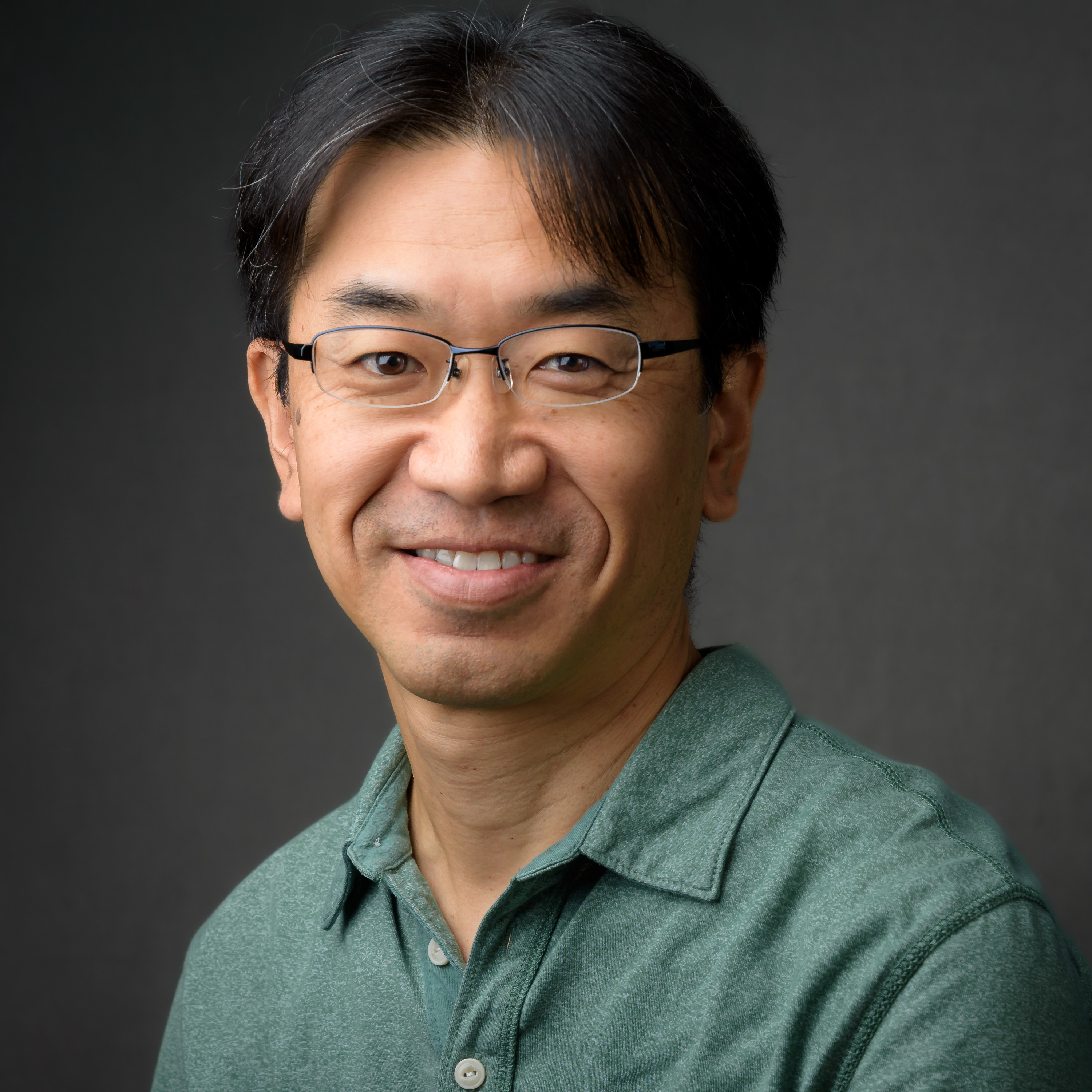
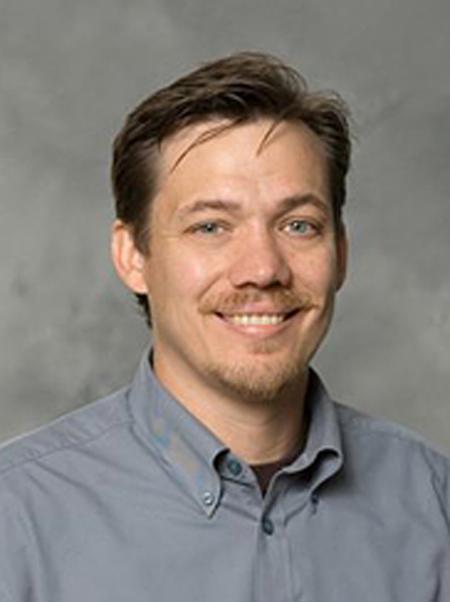
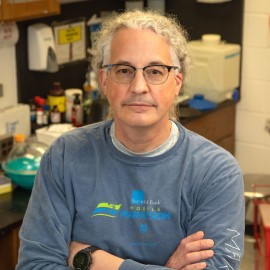
Thomas C. Rich serves as Professor of Pharmacology and Director of the Bioimaging Core Facility at the University of South Alabama's Frederick P. Whiddon College of Medicine, where he leads innovative research in cellular signaling dynamics and advanced imaging technologies. His educational background includes: Baccalaureate with Honors in Engineering from Georgia Institute of Technology Masters in Aerospace Engineering from Georgia Institute of Technology Ph.D. in Biomedical Engineering from Vanderbilt University Dr. Rich's research focuses on cellular signaling specificity , particularly cAMP pathways and phosphodiesterase regulation . His laboratory pioneered single-cell cAMP sensors and excitation-scanning hyperspectral imaging (HSI) techniques enabling 100-fold signal-to-noise improvements over traditional FRET. Key contributions include mapping cAMP gradients in pulmonary endothelial cells and airway smooth muscle, revealing previously undetectable signaling microdomains through collaborations with Dr. Silas Leavesley and Dr. Michael Francis. Analysis of his 14 publications (2015-2024) shows consistent innovation in quantitative imaging and signal transduction , with increasing emphasis on multi-parametric measurement (cAMP, Ca2+, NO, cGMP) and real-time dynamic tracking . His work spans fundamental enzymology to clinical applications, particularly in respiratory physiology and endoscopic technology development. No scientific awards were mentioned in the provided documentation. While specific advisees and grant details are not documented, Dr. Rich's research program demonstrates extensive collaboration through co-authorship patterns and facility leadership. His Bioimaging Core Facility serves as a hub for interdisciplinary projects requiring advanced fluorescence measurement capabilities. Dr. Rich leads the Bioimaging Core Facility in a collaborative research ecosystem centered around hyperspectral imaging development. His team works closely with Dr. Leavesley on optical system engineering and Dr. Francis on dynamic region-of-interest algorithms, creating an integrated approach to overcome limitations in cellular signal measurement within the 'turbulent maelstrom of the cellular environment'.