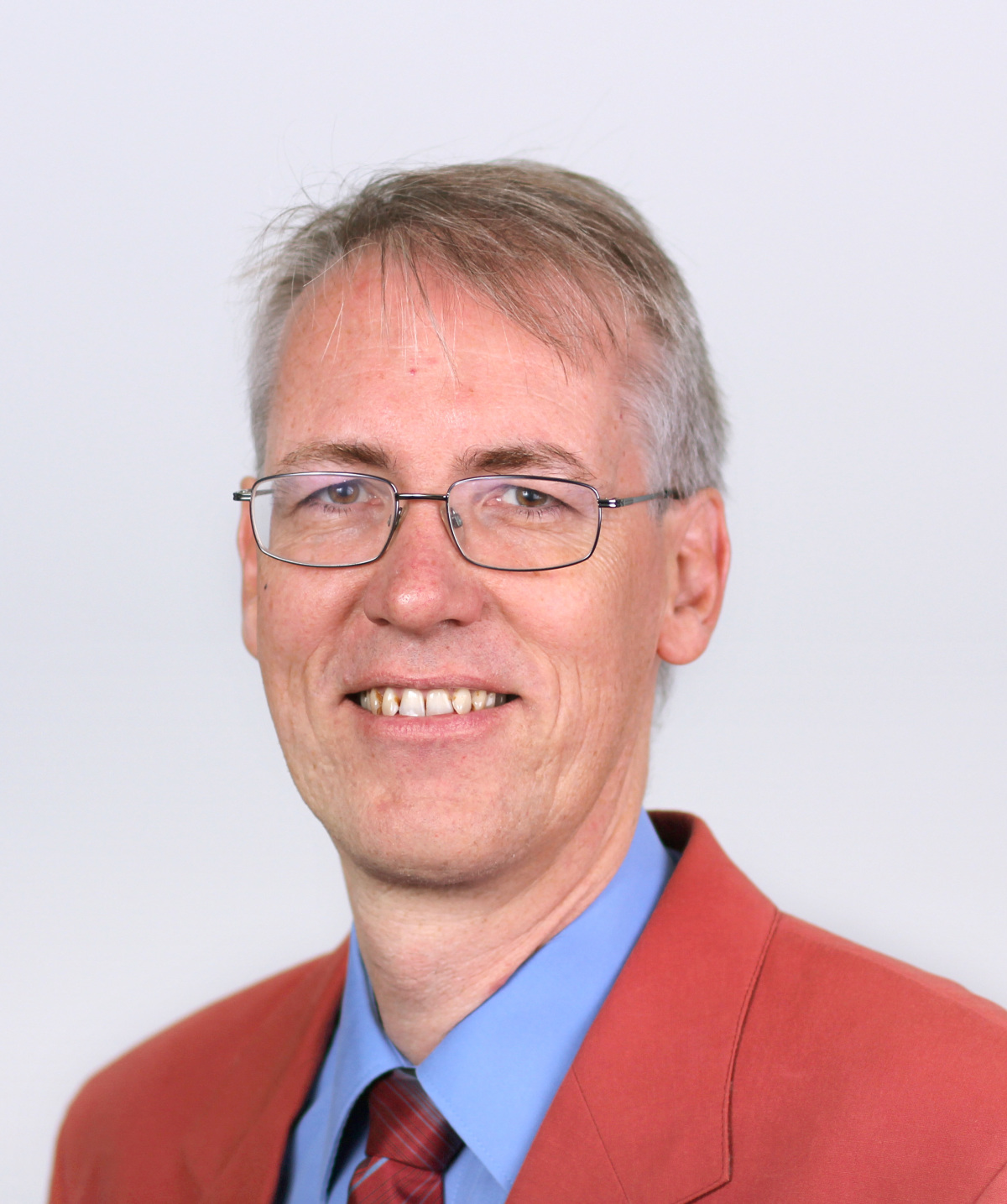
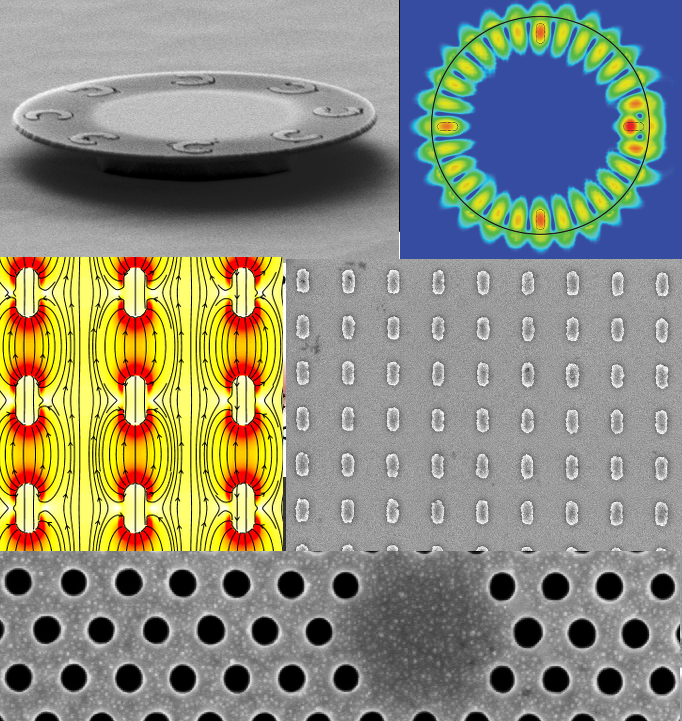
Professor Thomas Bein is affiliated with the Department of Chemistry at Ludwig-Maximilians-Universität München (LMU) , where he leads the Functional Nanosystems research group. His work focuses on synthesizing and characterizing nanostructured materials with applications in energy, catalysis, and biomedical delivery. Mesoporous nanoparticles for drug delivery Semiconductor nano-morphologies for photovoltaics Photoelectrochemical water splitting Metal-organic frameworks (MOFs) Electroactive networks His research emphasizes atomic-scale control of material architectures using self-assembly, hydrogen bonding, and covalent interactions, enabling precise tuning of electronic, optical, and catalytic properties. A review of his recent publications reveals cutting-edge investigations into covalent organic frameworks (COFs), perovskite-inspired solar materials, and functional nanoparticle systems. Key trends include optimizing energy conversion efficiency, enhancing stability in optoelectronic devices, and exploring bio-compatible nanocarriers for targeted therapies. Professor Bein’s group actively contributes to interdisciplinary projects at the intersection of chemistry, physics, and biomedical engineering, with ongoing collaborations in solar energy, sustainable materials, and nanomedicine.
Benedikt Günther is a research scientist at the Technical University of Munich (TUM) working within the Chair of Biomedical Physics led by Prof. Dr. Franz Pfeiffer. His research focuses on the Munich Compact Light Source (MuCLS), a laboratory-scale inverse Compton X-ray source that provides synchrotron-like radiation for biomedical applications. Günther plays a key role in developing, optimizing, and characterizing this innovative technology, contributing to both its fundamental physics and practical medical applications. His primary research interests center around X-ray physics and imaging techniques, particularly laser enhancement cavities for inverse Compton X-ray sources, X-ray microscopy, dynamic phase-contrast imaging, and X-ray spectroscopy. Günther's work bridges fundamental physics with practical medical applications, developing instrumentation that brings synchrotron-quality imaging to conventional laboratory settings. His research has significant implications for improving medical diagnostics while making advanced imaging techniques more accessible. Analysis of Günther's publication record reveals a consistent focus on advancing compact X-ray source technology and its applications. His work demonstrates expertise in both theoretical modeling and experimental implementation, with publications spanning instrument development, imaging techniques, and specific medical applications. The research shows progression from fundamental source characterization to increasingly sophisticated biomedical applications, particularly in breast imaging, dental diagnostics, and materials science. 2019 Best Poster Award at the combined meeting of the 68th Denver X-ray Conference (DXC) & 25th International Congress on X-ray Optics and Microanalysis (ICXOM) for 'Full-Field Structured Illumination Super-Resolution X-ray Transmission Microscopy' Günther regularly presents his work at major international conferences including the International Particle Accelerator Conference, High-Brightness Sources and Light-driven Interactions Congress, and specialized X-ray imaging meetings. His research is conducted within the Munich Compact Light Source facility, a collaborative project involving physicists, engineers, and medical researchers working to develop laboratory-scale synchrotron technology for widespread biomedical use.
Max Born Institute for Nonlinear Optics and Short Pulse SpectroscopyGermany
Prof. Stefan Eisebitt is a Director at the Max-Born-Institut für Nichtlineare Optik und Kurzzeitspektroskopie and holds a Professorship in Experimental Physics at the Technische Universität Berlin. His research focuses on ultrafast magnetization dynamics, nanoscale structure analysis, and novel imaging techniques using coherent XUV/X-ray spectroscopy. He leads the Transient Electronic Structure and Nanoscience group and is involved in cutting-edge projects involving femtosecond laser-driven X-ray sources and spintronic materials. Education and Career: He obtained his Diplom (1992) and Ph.D. (1996) from Cologne University, followed by postdoctoral research at the University of British Columbia and Forschungszentrum Jülich. He became a Privatdozent at Humboldt-Universität Berlin (2005) and held professorships at TU Berlin (2008–2015) and Lund University (2012–2015) before his current role since 2015. He leads the Functional Nanomaterials joint research group between Helmholtz-Zentrum Berlin and TU Berlin. Research Interests: His work spans transient electronic structure, ultrafast optical manipulation of magnetization, nanoscale material characterization, and advanced coherent imaging methods. Key techniques include XUV/X-ray spectroscopy, laser-driven plasma sources, and femtosecond time-resolved studies. Professional Roles: He chairs the Physikalische Gesellschaft zu Berlin and the Elettra Scientific Advisory Council. He has held leadership roles in the European XFEL Scientific Advisory Committee and the Komitee für Forschung mit Synchrotronstrahlung (KFS). His lab develops state-of-the-art setups for ultrafast X-ray scattering and holography.
Prof. Dr. Ioachim Pupeza serves as Group Leader in the Department of Spectroscopy/Imaging at the Leibniz Institute of Photonic Technology (Leibniz-IPHT) in Jena, Germany. His research focuses on advanced optical measurement techniques, particularly in the field of field-resolved spectroscopy and precision optical measurements. Dr. Pupeza's research interests center around optical spectroscopy with a particular emphasis on field-resolved techniques that capture the complete electric field waveform of light-matter interactions. His work spans infrared spectroscopy , molecular fingerprinting , ultrafast laser technology , and precision optical measurements . He has made significant contributions to electro-optic sampling techniques, which enable characterization of electric-field waveforms across the terahertz to visible spectral range. His research also extends to mid-infrared light generation , terahertz spintronic emitters , and cavity-enhanced spectroscopy , with applications ranging from fundamental physics to medical diagnostics. Analysis of Dr. Pupeza's recent publications reveals a strong trend toward increasingly sophisticated field-resolved spectroscopy techniques with applications in both fundamental science and practical diagnostics. His work has evolved from basic measurement techniques to applications in cancer detection through molecular fingerprinting of biofluids. A consistent theme across his publications is the pursuit of higher precision, broader bandwidth, and improved sensitivity in optical measurements, often achieving attosecond-level precision. His research bridges physics, engineering, and medical applications, demonstrating how fundamental optical advances can translate to real-world diagnostic tools. Dr. Pupeza leads the research group "Field-Resolved Optical Precision Measurement Methods" at Leibniz-IPHT, which appears to collaborate extensively with other research institutions and groups. His work involves sophisticated laser systems including high-power Yb:YAG thin-disk oscillators, femtosecond enhancement cavities, and dual-oscillator systems for precision measurements. The group's research has implications for molecular spectroscopy, medical diagnostics, and fundamental studies of light-matter interactions at the most fundamental time scales.
Dr. Golo Storch is a Junior Fellow and Research Group Leader at the Technical University of Munich (TUM), where he leads the Emmy Noether Research Group funded by the German Research Foundation and holds an ERC Starting Grant. He is affiliated with the TUM School of Natural Sciences and the Department of Organic Chemistry I, focusing on flavin-based catalysis for organic synthesis. Dr. Storch completed his undergraduate and graduate studies in Chemistry at Heidelberg University (2007-2012), followed by a doctorate in 2016 under Prof. Oliver Trapp, focusing on stereodynamic ligands and self-amplifying catalysis. He then conducted postdoctoral research at Yale University (2016-2018) with Prof. Scott Miller, exploring quinone redox-interconversion and peptide ligands for site-selective catalysis. Since 2019, he has led his independent research group at TUM. Dr. Storch's research centers on designing molecular flavin catalysts for selective organic transformations, inspired by flavoenzyme chemistry. His work focuses on position- and stereoselective catalysis, particularly using non-covalent interactions to control catalytically active sites. Key research directions include photochemical excitation of flavins for oxidation/reduction reactions, activation of molecular oxygen for selective oxygenation, and applications in modifying peptide natural products and complex organic molecules. His group combines synthetic methodology, photochemistry, DFT calculations, and spectroscopy to develop sustainable alternatives to precious metal catalysts. Dr. Storch's recent publications demonstrate significant contributions to flavin catalysis, showing how tailored flavin structures can enable diverse chemical transformations including hydrogen atom abstraction, C-H functionalization, selective oxygenation, and deracemization reactions. His work bridges photochemistry and organocatalysis, with applications in natural product modification and sustainable synthesis. Research Award of the Dr. Otto Röhm Memorial Foundation (2023) ERC Starting Grant 2023 (2023) ADUC Prize of the German Chemical Society (2023) Member of the Young College of the Bavarian Academy of Sciences and Humanities (2023) Exploration Grant, Boehringer Ingelheim Foundation (2024) ORCHEM Award 2024, German Chemical Society Emmy Noether Programme, German Research Foundation (since 2021) Liebig Fellowship, Chemical Industry Fund (2019-2021) Dr. Storch actively mentors PhD and Master's students in his research group, with several successful PhD completions. His research is supported by multiple prestigious grants including the ERC Starting Grant "BifurCAT," the DFG Emmy Noether Programme, and the Boehringer Ingelheim Foundation Exploration Grant for hybrid macrolide natural products research. He is also an Associate PI at the Catalysis Research Center (CRC) and participates in the newly funded CRC 392 on Molecular Evolution. The Storch Lab, part of the TUM Catalysis Research Center, focuses on "Designed Flavins for Catalysis" with the motto "Tailor-Made Catalysts - New Reactivity - Selective Editing." The group collaborates extensively with other research teams at TUM, including the de Vivie-Riedle group, Hauer lab, Bach group, and Dreuw labs, demonstrating strong interdisciplinary connections within the university's chemistry and physics departments.
Max Born Institute for Nonlinear Optics and Short Pulse SpectroscopyGermany
Dr. Alexandre Mermillod-Blondin is a Principal Investigator heading a DFG-funded project on 'Micromachining with few-cycle pulses' at the Max Born Institute. His research focuses on fundamental laser-matter interactions and direct laser writing of 3D micro-optical systems in transparent materials. Key investigations include plasma formation mechanisms in dielectrics, relaxation dynamics, and applications in photonic device fabrication. His group utilizes phase-contrast microscopy and time-resolved techniques to characterize ultrafast processes.
Max Planck Institute for Multidisciplinary SciencesGermany
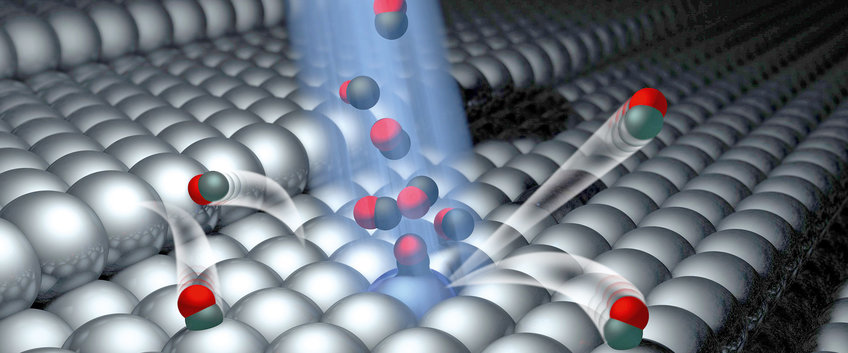
Alec M. Wodtke serves as Director at the Max Planck Institute for Biophysical Chemistry and holds a Professorship at the University of Göttingen. He leads the Dynamics at Surfaces research group, which employs cutting-edge laser, molecular beam, and ultrahigh vacuum technologies to study molecular interactions at interfaces. His research focuses on understanding the fundamental rules governing energy conversion at molecular interfaces. Wodtke's work bridges macroscopic energy conversion phenomena with molecular-scale processes, investigating how energy transfers occur one molecule and one collision at a time. His group specializes in designing well-defined experiments that capture molecules in the act of reacting, providing benchmark measurements for theoretical advances in surface chemistry. Recent research trends show a strong focus on ultrafast molecular dynamics, with significant contributions to understanding hydrogen-graphene interactions, energy dissipation mechanisms at surfaces, and atomic-scale reaction kinetics. His work has important implications for developing heterogeneous catalysts, photovoltaics, and fuel cell technologies. Alexander von Humboldt Professorship (2011) ERC Synergy Grant worth 12 million euros (2024) Ertl Lecture Prize (2022) Somorjai Visiting Miller Research Professorship Moore Distinguished Scholar at Caltech Wodtke directs multiple project groups including Atom-surface scattering dynamics, Chemical dynamics using ultra-short atom pulses, First-principles simulations of molecule-surface dynamics, and Time-resolved spectroscopy of surface adsorbates. His research team has secured significant funding including Advanced ERC Grants and operates specialized facilities for surface science research.
Prof. Dr. Michael Horn-von Hoegen is a full professor in the Faculty of Physics at the University of Duisburg-Essen , Germany. His research focuses on ultrafast structural dynamics , surface physics , and 2D materials , particularly using electron diffraction and plasmonic imaging techniques. He leads the Horn-von Hoegen Group , which plays a central role in the Collaborative Research Center CRC 1242 Non-Equilibrium Dynamics of Condensed Matter in the Time Domain , where his team investigates driven phase transitions and phonon systems with sub-femtosecond temporal resolution. Location: Office Window MF260, Faculty of Physics, Lotharstr. 1-21, 47057 Duisburg Contact: Tel. +49 (203) 379 1439 | Fax +49 (203) 379 1555 His research spans ultrafast electron diffraction of photo-induced phase transitions in atomic wires and topological materials , with recent breakthroughs on Kibble-Zurek dynamics in the Si(001) surface and chiral plasmon polaritons . The group’s 15 most recent publications (2025-2022) address phenomena such as negative thermal expansion in 2D materials , electron-phonon coupling in Pb/Si heterostructures , and quantum pathway analysis in Bismuth films . These works are categorized under disciplines like Condensed Matter Physics , Nanooptics , and Ultrafast Dynamics , with subfields including Ising Model Transitions , Plasmon Focusing , and Time-Resolved Diffraction . Prof. Horn-von Hoegen serves as DFG Liaison Officer for the University of Duisburg-Essen, providing guidance on Deutsche Forschungsgemeinschaft (DFG) proposals . His group has mentored notable researchers including Dr. Simon Sindermann (postdoc at IBM), Dr. Anja Hanisch-Blicharski (Leopoldina Fellow), Dr. Hichem Hattab (Leopoldina Fellowship), and Dr. Marin Petrovic (Humboldt Fellow). The group’s laboratory facilities include advanced ultrafast electron diffraction and photoemission microscopy systems, enabling studies of atomic-scale processes such as molecular dynamics simulations of laser-excited surfaces and domain wall motion in Si(553)-Au systems .
Elena del Valle is a Research Professor at the Technical University of Munich and Universidad Autónoma de Madrid, specializing in Theoretical Condensed Matter Physics. As a Hans Fischer Fellow at TUM-IAS, her research focuses on quantum optics, light-matter interactions, and nanophotonics. Her work explores quantum light generation, including single-photon sources, N-photon bundles, and quantum correlations in cavity-QED systems. She investigates fundamental phenomena such as photon statistics, entanglement, and polariton dynamics in semiconductor nanostructures. Del Valle's research demonstrates strong trends in quantum emitter technologies and nanophotonic device applications, with publications frequently appearing in high-impact journals like Nature Photonics and Physical Review Letters. Her contributions advance quantum communication, sensing, and computing platforms. She has received numerous awards including the Excellence Award for University Professors (2020), Ramón y Cajal award (2014), and Humboldt Research Fellowship (2011). She supervises research in quantum optics and mentors students in nanophotonics. As Principal Investigator of multiple projects, she leads the 'Novel quantum-light sources' focus group at TUM-IAS, collaborating with experimental groups to develop next-generation quantum technologies.
Peter Awakowicz is a Senior Professor and former head of the Chair of Electrical Engineering and Plasma Technology at the Faculty of Electrical Engineering and Information Technology , Ruhr-Universität Bochum . His work focuses on plasma physics and technology, with applications in surface treatment, sterilization, and diagnostics. He is affiliated with the Department of Applied Electrodynamics and Plasma Technology, where he leads interdisciplinary research combining experimental plasma science with technological innovation. Research Interests: Plasma-assisted surface modification and thin-film deposition Dielectric barrier discharges and atmospheric pressure plasmas Plasma sterilization and biomedical applications Plasma-catalysis for environmental and energy applications Advanced plasma diagnostics and optical emission spectroscopy His recent publications demonstrate a strong focus on volatile organic compound (VOC) conversion , NO dynamics in low-pressure plasmas , microdischarge behavior , and plasma-assisted pyrolysis . These works highlight his expertise in both fundamental plasma physics and applied plasma engineering. Contact & Resources: Email: awakowicz@aept.rub.de Faculty Page: https://etit.ruhr-uni-bochum.de/en/faculty/professorships/prof-dr-ing-peter-awakowicz/ Google Scholar: https://scholar.google.de/citations?user=MPKunGAAAAAJ
Prof. Dr. Jürgen König is a Professor at the University of Duisburg-Essen , contributing to projects within the Collaborative Research Centre 1242. His research focuses on Charge Carrier Dynamics in Nanostructures (Project A02) and Unifying Theoretical Description of Relaxation in Electron Systems (Project B07). Contact details include email: koenig@thp.uni-due.de . Research interests span Condensed Matter Physics , Quantum Transport , Nanostructures , and Electron Dynamics . His work often employs theoretical modeling of quantum systems, with recent publications analyzing phase transitions in 2D Ising systems Floquet engineering in superconductors nonlocal thermoelectric correlations Lee-Yang zero analysis of transport . Articles from 2017-2024 highlight expertise in quantum dot systems , spin dynamics , surface physics , and full counting statistics .
Max Planck Institute for Chemical Physics of SolidsGermany
Professor Phil King leads a research group within the School of Physics and Astronomy at the University of St Andrews, where he is part of the Centre for Designer Quantum Materials. His research focuses on the electronic structure and many-body interactions of quantum materials using electron spectroscopy, particularly angle-resolved photoemission (ARPES), and creating new designer quantum materials through atomic layer-by-layer growth. King's research interests center on quantum materials, with particular emphasis on topological matter, transition-metal oxides, and 2D quantum materials. His group investigates strain and pressure tuning of quantum materials, photoemission spectroscopy of correlated systems, and engineering band structures in 2D conductors. They develop methods to exploit strong electronic interactions in 2D systems to create new functional materials with tunable properties. Their approach combines experimental screening of candidate materials, bottom-up atomic assembly of custom heterostructures, and advanced spectroscopic feedback. Analysis of King's recent publications reveals a strong focus on the electronic structure of quantum materials, particularly transition metal dichalcogenides, delafossite metals, and topological systems. His work frequently examines charge density waves, spin-orbit coupling effects, Van Hove singularities, and quantum phase transitions. A notable trend is the integration of materials synthesis with advanced spectroscopic characterization, enabling precise control over electronic properties through strain engineering, doping, and heterostructure formation. King actively supervises PhD students on projects related to quantum materials, including probing elastic coupling in exotic magnets, angle-resolved photoemission from tailored mesostructures, thermodynamics and spectroscopy, oxide metals, and gate tuning of 2D quantum materials. His research is supported by major funding sources that enable access to cutting-edge equipment and international facilities. The King Group operates advanced experimental facilities including a high-resolution lab-based ARPES system with multiple light sources, and two DCA R450 molecular-beam epitaxy systems optimized for transition-metal oxides and chalcogenides. They are developing the UK's first spin-resolved ARPES capability. The group regularly utilizes major international facilities including Diamond Light Source, Elettra, SOLEIL, and HiSOR synchrotrons, as well as the ARTEMIS facility for time-resolved studies.
Prof. Dr. Cedrik Meier is a faculty member at the University of Paderborn , affiliated with the Faculty of Natural Sciences and serving as the head of the Department of Physics . He holds the academic rank of Professor and chairs the Audit Committee. Education: Diplom in Physik, Ruhr-Universität Bochum (1998) Dr. rer. nat. in Experimentalphysik, Ruhr-Universität Bochum (2001) Habilitation, Universität Duisburg-Essen (2007) His research focuses on Nanophotonics , Plasmonics , Metamaterials , and Nonlinear Optics . The work involves developing novel photonic devices using nanofabrication techniques and materials like zinc oxide (ZnO) and silicon metasurfaces . Recent publications highlight advancements in third harmonic generation , correlated photon sources , and nonlinear optical effects in nanostructured materials. Key projects include TRR 142 (Tailor-Made Nonlinear Photonics) and studies on quantum dot positioning and liquid crystal-tunable devices . Scientific Awards: Golden Chalk for teaching physics (2016) Junge Kolleg, NRW Academy of Sciences (2007) Gottschalk-Diederich Baedeker Prize (2007) NanoFutur Award (2006) DFG Postdoc Fellowship (2003) Evangelical Study Association Villigst Scholarship (1998) He has led research groups at multiple institutions and currently oversees the Nanophotonics & Nanomaterials working group. His teaching includes Experimental Physics D and Lab Projects .
Thorsten Stumpf is a Professor and Director of the Institute of Resource Ecology at Helmholtz-Zentrum Dresden-Rossendorf (HZDR), with a joint professorship in Radiochemistry/Radioecology at Technische Universität Dresden. His work bridges fundamental chemistry and environmental safety in nuclear waste management. Research Interests: His research focuses on the molecular-level understanding of actinide and radionuclide behavior in the environment, including speciation, migration, and interaction with minerals, organic matter, and microorganisms. Key areas include radiochemistry, geochemistry, environmental chemistry, and nuclear waste disposal science. The recent publications reflect a strong trend in using advanced spectroscopic and synchrotron techniques (e.g., TRLFS, EXAFS, XRD) to study actinide speciation and redox behavior. Themes include bioassociation of radionuclides with plants and fungi, formation of actinide nanoparticles, and molecular interactions at mineral-water interfaces—critical for deep geological repository safety assessments. Scientific Awards: Fritz-Straßmann-Preis of the GDCh 'Fachgruppe Nuklearchemie' (2013) Advising and Grants: He has led significant research initiatives, including the Helmholtz-University Young Investigator Group and the Virtual Institute 'Advanced Solid – Aqueous Radiogeochemistry'. While specific students are not listed, his extensive publication record with multiple co-authors suggests active mentoring. His work is supported by Helmholtz Association funding and strategic collaborations. Labs and Teams: He leads the Institute of Resource Ecology at HZDR, which houses advanced laboratories for radiochemistry, spectroscopy, and environmental simulation. The institute is part of a larger network including CASUS and the Dresden High Magnetic Field Laboratory, enabling interdisciplinary research.
Christoph T. Koch is a Professor of Physics at Humboldt-Universität zu Berlin, where he has held the W3 Chair since 2015. Previously, he held a similar position at Ulm University (2011–2015), supported by the Carl Zeiss Foundation. His research focuses on advanced electron microscopy techniques, including quantitative transmission electron microscopy (TEM), electron holography, and strain mapping. He leads the AG Strukturforschung/Elektronenmikroskopie group, advancing materials science through innovations in imaging and spectroscopy. Education: B.Sc./M.Sc. in Physics at Heidelberg University (1996–1998), followed by an exchange at Arizona State University (1997–1998). PhD in Physics from Arizona State University (2002, advisor: Prof. John C.H. Spence). Postdoctoral research at the Max Planck Institute for Metals Research, Stuttgart (2002–2011). Research interests include: Electron diffraction and phase retrieval Nanometer-scale strain and defect analysis Electron energy-loss spectroscopy (EELS) for plasmonics and bandgap mapping Development of FAIR data infrastructure for materials science Leadership: Managed the Department of Physics at Humboldt University (2020–2024). Collaborates widely, with key co-authors including P.A. van Aken, W. Sigle, and C. Felser. His work bridges experimental microscopy and computational modeling, addressing challenges in semiconductors, ceramics, and 2D materials. Notable contributions include pioneering methods for 3D reconstruction via electron ptychography, dynamic electron diffraction analysis, and strain mapping in advanced CMOS technologies. Current efforts emphasize real-time imaging and AI-driven data analysis in materials research.