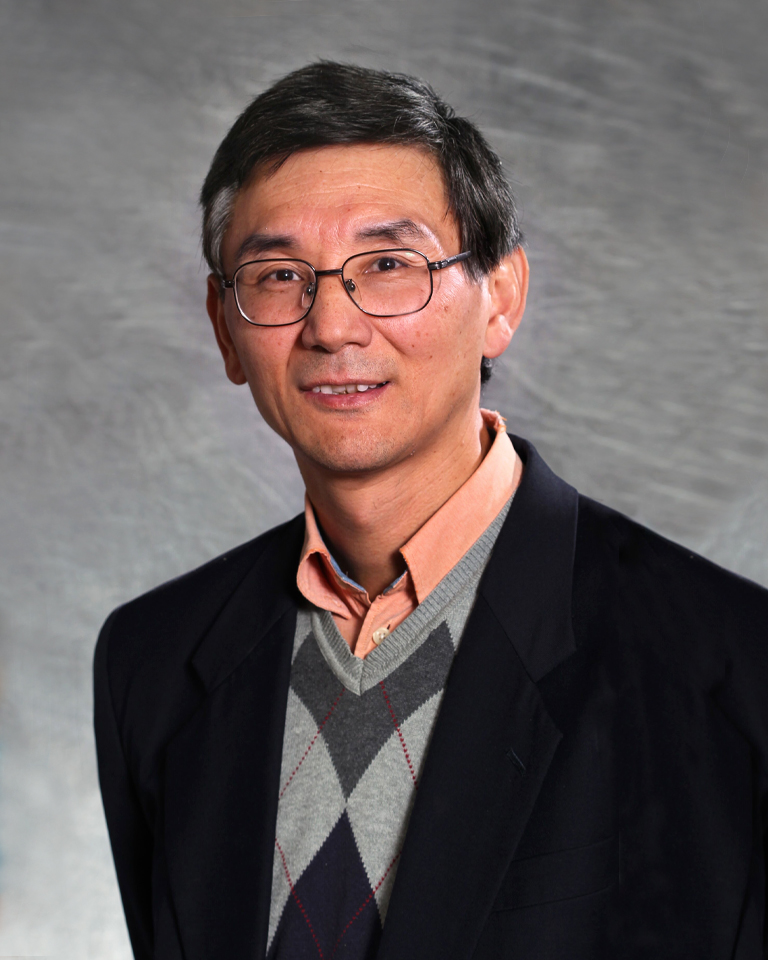
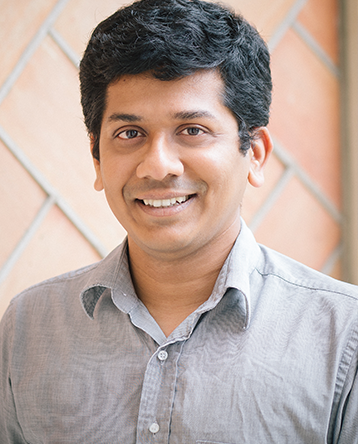
Prof. Dr. Dennis Säring is a faculty member at the University of Applied Sciences Wedel , specifically affiliated with the School of Engineering. His academic and research activities focus on Deep Learning , Medical Image Analysis , and applications of Artificial Intelligence in healthcare and biomedical imaging. He has led seminars on Deep Learning topics and supervised student projects in Autonomous Driving at Audi's AADC 2018 competition. Research Highlights : Cardiovascular imaging, forensic age estimation via MRI, neural network-based bone segmentation, and cerebrovascular aneurysm analysis. Technical Expertise : Cardiac MRI, 3D/4D image processing, parametric mapping, and spatiotemporal data fusion. His recent publications (2018-2023) emphasize 3D MR segmentation for age assessment, CMR strain analysis in athletes, and T1/T2 mapping for myocarditis. Key collaborations include institutions like the University Medical Center Hamburg-Eppendorf and Wedler Hochschulbund, with funding for autonomous vehicle research. While no explicit scientific awards are listed, his work spans clinical cardiology, forensic radiology, and AI-driven medical diagnostics.
Mark Foster is an Associate Professor in the Department of Electrical and Computer Engineering at Johns Hopkins University, with a primary appointment in the Whiting School of Engineering. He is also a Fellow of the Hopkins Extreme Materials Institute. His research focuses on developing ultrahigh-speed optical systems at the intersection of photonics and electronics, emphasizing photonic devices and information theory to advance imaging, sensing, and communications technologies. Applications include quantum-optical systems, ultrawide-bandwidth microwave photonics, and terahertz-rate imaging systems. Dr. Foster received his BS (2003), MS (2007), and PhD (2008) in Applied and Engineering Physics from Cornell University. Before joining Johns Hopkins in 2010, he served as a postdoctoral associate there. His work has been funded by the NSF, IARPA, DTRA, and NIH, resulting in over 200 publications and eight patents. He has held leadership roles, including chairing the IEEE Photonics Society’s Baltimore chapter (2011–2014). Research Highlights: World-leading imaging systems achieving terahertz frame rates Quantum-optical platforms and nonlinear photonic materials (e.g., NbTiOx) Secure authentication via physically unclonable functions (PUFs) Applications in fusion energy diagnostics and medical imaging His awards include the NSF CAREER Award (201?), DARPA Young Faculty Award, and ONR Young Investigator Award. Current projects explore machine learning-resistant PUFs, multi-modal imaging systems, and photonics for extreme environments.
Aleksei Zheltikov is a University Distinguished Professor at Texas A&M University's Department of Physics and Astronomy. He holds dual affiliations with the International Laser Center and Physics Department of M.V. Lomonosov Moscow State University, and the Russian Quantum Center. His research focuses on ultrafast nonlinear optics and biophotonics, addressing applications in imaging, laser filamentation, and strong-field physics. Zheltikov earned his PhD (1990) and Doctor of Science (1999) degrees from Moscow State University, becoming a full professor there in 2000 before joining Texas A&M in 2010. He leads a research team including Xinghua Liu and Ajithamithra Dharmasiri. Recipient of prestigious awards including the Russian Federation State Prize (1997), Lamb Award (2010), and Kurchatov Prize (2014), his work bridges fundamental optics research with medical diagnostics and quantum technologies. Key contributions include developing laser filament-based imaging techniques and advancing Raman scattering-based frequency conversion methods in hollow-core fibers.
Edoardo Charbon is a Full Professor at École Polytechnique Fédérale de Lausanne (EPFL) in the School of Engineering, where he leads the Advanced Quantum Architecture Lab (AQUA). He also serves on the School Council STI and is Co-Director of STI-SSIQ Administration. Previously, he was a full professor and chair at Delft University of Technology from 2008 to 2016. Charbon received his Elektrotechnik Diploma from ETH Zurich, M.S. from UC San Diego, and Ph.D. from UC Berkeley, all in electrical engineering. His career spans industry experience at Cadence Design Systems and Canesta Inc. before joining EPFL in 2002. His research focuses on ultra high-speed and 3D optical sensors, with applications in LiDAR, FLIM (Fluorescence Lifetime Imaging Microscopy), PET (Positron Emission Tomography), FCS (Fluorescence Correlation Spectroscopy), and NIROT (Near-Infrared Optical Tomography). He has pioneered deep-submicron CMOS SPAD technology, which is now mass-produced and used in smartphones, telemeters, and medical diagnostics. His recent work bridges cryo-CMOS circuits for quantum computing with advanced optical sensing techniques. Analysis of his recent publications reveals a strong trend toward integrating quantum technologies with practical imaging applications. His work spans from fundamental device development (SPAD sensors, cryo-CMOS circuits) to applied systems (LiDAR engines, medical imaging devices), with increasing integration of machine learning techniques for real-time processing. 2023 IISS Pioneering Achievement Award Fellow of the IEEE Distinguished visiting scholar, W. M. Keck Institute for Space at Caltech Fellow, Kavli Institute of Nanoscience Delft Distinguished lecturer, IEEE Photonics Society Professor Charbon has authored or co-authored over 500 papers and two books, and holds 27 patents. His research has been supported by collaborations with organizations including Bosch, X-Fab, Texas Instruments, Maxim, Sony, Agilent, and the Carlyle Group. He has driven significant innovation in CMOS SPAD technology, which is now commercially deployed in various applications. He leads the Advanced Quantum Architecture Lab (AQUA) at EPFL, which focuses on the development of advanced sensor systems combining quantum technologies with conventional electronics. The lab has been instrumental in creating SPAD-based imaging systems that push the boundaries of time-resolved optical detection.
Naresh N. Thadhani is a Professor and Chair of Materials Science and Engineering at Georgia Tech, with an adjunct role in the Woodruff School of Mechanical Engineering. His research focuses on shock-induced material changes, high-strain-rate mechanics, and dynamic compaction of powders. He leads a lab equipped with advanced facilities like gas guns and laser-accelerated systems for studying impacts up to 1200 m/s. Education: Ph.D., New Mexico Institute of Mining and Technology (1984); M.S., South Dakota School of Mines and Technology (1981); B.E., University of Rajasthan, India (1980). Research interests include shock compression of metals/ceramics, phase transformations in metallic glasses, and structural energetic materials. His work combines experimental diagnostics (e.g., VISAR, photonic Doppler velocimetry) with computational modeling (CTH/ALE3D codes). Key awards: APS Fellow (2007), ASM International Fellow (2000). Editorial roles include Associate Editor of Shock Waves and Key Reader for Metallurgical and Materials Transactions . Lab & Group: A team of 1 postdoctoral fellow, 11 PhD students, and 3 undergraduates. Over 30 graduates to date. Active in advisory roles for national/international conferences and industrial consultancies. Future work emphasizes nanocomposite magnets and meso-scale modeling of heterogeneous materials under shock.
R. Edwin García is a Professor at the School of Materials Engineering at Purdue University, where he has been faculty since 2005. He holds appointments in the Materials Engineering department within Purdue's College of Engineering, specifically in the School of Materials Engineering located in the Neil Armstrong Hall of Engineering at Purdue's West Lafayette campus. His educational background includes: B.S. in Physics from the National University of Mexico (1996) M.S. in Materials Science and Engineering from Massachusetts Institute of Technology (2000) Ph.D. in Materials Science and Engineering with a minor in Applied Mathematics from Massachusetts Institute of Technology (2003) Professor García's research focuses on the design of materials and devices through the development of a fundamental understanding of the solid state physics of individual phases, their short and long range interactions, and associated microstructural properties and time evolution. His current research emphasizes establishing relationships between material properties and resultant performance and degradation in electrochemical systems. He integrates computational approaches ranging from kinetic Monte Carlo, phase field and level set methods, to finite elements, finite volumes, and symbolic computing. His work particularly addresses microstructure design, crystallographic texture, and grain boundary science and engineering to control the topology of underlying phases and establish practical relations between processing, microstructure, and material properties. His recent publications demonstrate a strong focus on lithium-ion battery technology, ferroelectric materials, and computational modeling of material behaviors. The research trends show increasing integration of machine learning with traditional computational methods, exploration of novel sintering techniques like flash sintering, and deeper investigation into the fundamental mechanisms of material degradation in energy storage systems. His work spans multiple length scales from atomistic to continuum modeling, reflecting a comprehensive approach to materials design and analysis. Professor García teaches several courses including MSE 230 (Structure and Properties of Materials), MSE 350 (Thermodynamics of Materials), MSE 597G (Modeling and Simulation of Materials), MSE 597I (Introduction to Computational Materials), and MSE 597N (Physical Properties of Crystals). He mentors graduate students in areas related to computational materials science, battery technology, and microstructural evolution. His research group, the Laboratory of Computational Microstructures, focuses on developing home-grown analytical theories and algorithms to resolve relevant time and length scales in materials systems. The group's work has significant implications for portable power sources, including rechargeable batteries and fuel cells, as well as for ferroelectric ceramic applications.
Kevin C. Zhou is an Assistant Professor in the Department of Biomedical Engineering at the University of Michigan. His research focuses on developing high-performance computational optical imaging systems with unprecedented spatiotemporal throughput, integrating advanced optical instrumentation with machine learning-driven algorithms to analyze big data in biology and medicine. His lab specializes in creating imaging systems capable of capturing high-resolution, high-speed, and high-dimensional datasets. Dr. Zhou holds a Ph.D. in Biomedical Engineering from Duke University (NSF GRFP Fellow) and a B.S. in Biomedical Engineering from Yale University (Barry Goldwater Scholar). Prior to joining U-M, he was a Schmidt Science Fellow and postdoctoral researcher at UC Berkeley. Key research areas include: High-throughput microscopy (gigapixel-scale systems) 3D tomographic imaging Light field and Fourier-based imaging modalities Machine learning for image reconstruction and analysis Biomedical applications in cellular/molecular imaging His recent work has advanced technologies like multi-camera array microscopes (MCAM/MCAS) and Fourier light field mesoscopes, achieving video-rate 3D imaging of freely moving organisms. These innovations enable applications in digital cytopathology, behavioral tracking, and high-content biological studies. Notable awards include the NSF Graduate Research Fellowship and Barry Goldwater Scholarship. His research has been featured in top journals and conferences with a focus on advancing optical imaging hardware and computational pipelines.
Maiken Mikkelsen is the James N. and Elizabeth H. Barton Associate Professor of Electrical and Computer Engineering at Duke University, promoted to Professor in 2025. She holds a secondary appointment as Associate Professor of Physics (2023–present) within Trinity College of Arts & Sciences. Her research bridges Nanophotonics , Quantum Materials , and Ultrafast Spectroscopy , focusing on plasmonic nanostructures and nonlinear metasurfaces for quantum optics and optoelectronic applications. Education: Ph.D. in Physics (University of California, Santa Barbara, 2009), B.S. in Physics (University of Copenhagen, 2004), postdoctoral work at University of California, Berkeley. Her work explores Plasmonics and Quantum Optics to engineer nanoscale light-matter interactions, enabling transformative technologies in Single-Photon Sources , Ultrafast Photodetectors , and Active Metasurfaces . Recent projects include real-time tunable lasing and polarization-controlled nanocavity systems. Her 2016–2025 publications highlight breakthroughs in plasmonic fluorescence enhancement, hot electron dynamics, and room-temperature quantum devices. Grants include Nano Solutions On-Chip (Triad National Security, LLC, 2025–2029) and Meta-Imaging (Air Force Office of Scientific Research, 2021–2026). Her lab, jointly based in Electrical & Computer Engineering and Physics, has graduated PhD students Eunso Shin and Hengming Li, and actively engages in STEM outreach initiatives.
Brian W. Pogue, Ph.D., is the Robert A. Pritzker Chair in Biomedical Engineering at Dartmouth College's Thayer School of Engineering, with a joint appointment as an Honorary Fellow in Medical Physics at the University of Wisconsin-Madison. His academic background includes a Ph.D. in Medical/Nuclear Physics from McMaster University and a Research Fellowship at Harvard Medical School's Wellman Center for Photomedicine. He has led significant administrative roles, including Dean of Graduate Studies at Dartmouth (2008–2012) and Chair of Medical Physics at Wisconsin (2022–2025). Research Focus : Dr. Pogue pioneers Optics in Medicine , specializing in cancer imaging, photodynamic therapy, and surgical guidance. His work integrates fluorescence imaging, radiation therapy monitoring, and molecular diagnostics to improve cancer treatment precision. Key innovations include Cherenkov imaging for radiotherapy dosimetry and hypoxia-sensitive probes for tumor resection. Publication Trends : Recent articles (2023–2025) emphasize real-time surgical guidance, hypoxia quantification, and multimodal imaging systems. Dominant themes include fluorescence tomography, radiation dosimetry, and low-cost diagnostic devices, reflecting a translational focus from preclinical validation to clinical applications. Awards & Honors : Fellow, Optica (formerly OSA) Fellow, American Institute for Medical and Biological Engineering (AIMBE) Fellow, American Association of Physicists in Medicine (AAPM) Fellow, SPIE (International Society for Optics and Photonics) Funding & Innovation : Continuously funded by the NIH since 2001 ($52M+ total), Dr. Pogue founded three startups: DoseOptics LLC (radiotherapy dose imaging) and Hypoxia Surgical LLC (tissue hypoxia cameras), bridging academic research to clinical tools.
Sean Lubner is Core Faculty at the Boston University Institute for Global Sustainability (IGS) and Assistant Professor in Mechanical Engineering within the College of Engineering. He holds a PhD from UC Berkeley and BS degrees in Mechanical Engineering and Applied Physics from Carnegie Mellon University. His research focuses on energy transport and storage systems, including thermal energy storage, battery diagnostics, and CO₂ capture technologies. Education: PhD in Mechanical Engineering, UC Berkeley (NSF Fellow) BS in Mechanical Engineering & Applied Physics, Carnegie Mellon University Research Interests: Lubner specializes in grid-scale thermal energy storage, non-invasive sensors for harsh environments, and decarbonization strategies. His work integrates machine learning with materials science to develop advanced energy systems. He collaborates with industry on patents involving battery safety, photonic surfaces, and phase change materials. Article Trends: Recent publications emphasize high-temperature materials, battery failure prediction via thermal signatures, and femtosecond laser processing for photonic surfaces. His work bridges nanoscale phenomena with macro-scale energy systems, leveraging interdisciplinary methods. Awards: Lubner was an NSF Graduate Research Fellow during his PhD. Advising & Grants: While no advisees are listed, his research is supported by industry partnerships and grants focusing on energy storage innovation. He leads the Lubner Group, which develops novel sensing and storage technologies. Labs/Teams: The Lubner Group at BU focuses on sustainable energy solutions, combining experimental and computational approaches to address climate challenges.
Yiguang Ju is the Robert Porter Patterson Professor of Mechanical and Aerospace Engineering at Princeton University, affiliated with the HMEI Grand Challenges Program. His research focuses on plasma-assisted combustion, alternative fuels, and nano-material synthesis via flame processes. He investigates energy-efficient systems for microscale energy conversion, catalytic reactions, and low-temperature plasma chemistry. Research interests include non-equilibrium plasma dynamics, ammonia synthesis, and high-pressure oxidation kinetics. He develops advanced diagnostics like hybrid laser spectroscopy and machine learning models to study reaction mechanisms. Recent work explores plasma-enhanced combustion for hydrogen and alternative fuels, with applications in energy storage and emission reduction. His studies address challenges in plasma-chemistry interactions, material synthesis, and high-pressure combustion systems. His articles highlight innovations in plasma catalysis, combustion kinetics, and atmospheric chemistry. Collaborative projects include plasma-based material recycling and supercritical-pressure reactor analysis. He leads initiatives in clean energy technologies and sustainable chemical processes.
Mathieu Odijk is a Full Professor at the University of Twente's Faculty of Science and Technology, leading the Integrated Devices and Systems department. His research focuses on microfluidic systems, catalysis, and organ-on-chip platforms, with contributions to UN Sustainable Development Goals through advanced material characterization and biomedical engineering. He has authored over 120 publications and holds an h-index of 27 with 1,820 citations. Expertise: Microfluidics, catalyst particle diagnostics, SERS substrates, organ-on-chip systems, and spectroscopic techniques. Collaborations include Weckhuysen (catalysis), van den Berg (microfluidics), and Meirer (materials science). Key projects: Modular organ-on-chip platforms (STARTER), droplet-based catalyst screening, and real-time reaction monitoring via ATR-IR systems. His research combines nanotechnology and chemical engineering to develop tools for sustainable energy, environmental remediation, and biomedical applications. Recent work includes microreactors for catalyst particle analysis, light-driven urea oxidation for wearable kidney devices, and standardized platforms for organ-on-chip research.
Terese Løvås serves as Vice Dean of Research and Innovation at the Faculty of Engineering, Norwegian University of Science and Technology (NTNU), where she leads strategic development of research and innovation activities. She concurrently holds the position of Professor of Combustion and Thermodynamics within the Department of Energy and Process Engineering. Her leadership responsibilities include oversight of Centers of Excellence, Horizon Europe projects, and PhD researcher training. Her research focuses on combustion engineering and alternative fuel technologies , particularly investigating ammonia and hydrogen combustion for zero-emission engines, biomass gasification processes, and reactive multiphase flow modeling. She heads the Engine Lab at NTNU and teaches Thermodynamics, Heat, and Combustion courses. Her work bridges theoretical modeling with experimental validation in sustainable energy systems. Løvås actively contributes to major research initiatives including LowEmission (SFI center), ACTIVATE (ammonia-powered agricultural vehicles), AMAZE (ammonia zero-emission), and CAHEMA (marine ammonia/hydrogen engines). Her publications reveal strong trends in ammonia combustion chemistry , emissions reduction , and advanced computational modeling for sustainable fuel systems, with increasing focus on nitrogen oxide formation mechanisms and dual-fuel strategies. Member of the Board of Directors, Combustion Institute (2022–present) Joint Editor, Proceedings of the Combustion Institute (2019–present) Alumni Fellow in Engineering, Churchill College, Cambridge University As Vice Dean, she manages NTNU's Research and Innovation Committee and represents the faculty in NTNU's Research and Innovation Committee. She supervises multiple PhD candidates and leads international collaborations through projects funded by the Norwegian Research Council, Nordic Energy Research, and EU programs. Her laboratory work focuses on optical engine diagnostics and advanced combustion testing. Løvås maintains active industry engagement through her leadership in the ComKin Research Group and membership in the Institute of Physics and Scandinavian-Nordic Section of the Combustion Institute. Her current work emphasizes practical implementation of ammonia-fueled engine technologies for marine and agricultural applications.
Olof Mikael Lindgren is a Professor of Physics at the Norwegian University of Science and Technology (NTNU) , Department of Physics, Faculty of Natural Sciences. Since 2003, he has led research at the Applied Optics group and Biophysics group , focusing on advanced optical spectroscopy and imaging for biomedical applications. His research spans laser-based spectroscopy, time-resolved optical techniques, and nonlinear optics. He applies these methods to study biomolecular systems, particularly in the context of amyloid diseases like Parkinson’s and Alzheimer’s, and to develop photo-dynamic therapy approaches. He also investigates hybrid organic-inorganic nanomaterials and triplet state dynamics. Recent publications highlight his work on oligothiophenes for amyloid fibril detection, BODIPY-based photosensitizers for cancer therapy, and multimodal fluorescence microscopy of protein aggregates. These studies collectively advance optical diagnostics and therapeutic strategies in life sciences. He teaches the course TFY4195 - Optics and is actively involved in outreach and academic service. His contact email is mikael.lindgren@ntnu.no , and his office is located at Realfagbygget, D4-190, Gløshaugen .
Aswin Sankaranarayanan is a Professor in the Department of Electrical and Computer Engineering at Carnegie Mellon University (CMU) , where he leads the Image Science Lab . His research focuses on computational photography , 3D shape estimation , and novel imaging system design . He earned his Ph.D. in Electrical and Computer Engineering (2009) from the University of Maryland and completed a postdoctoral fellowship at Rice University (2012) . Research Themes: Developing imaging systems that exploit low-dimensional signal models to overcome traditional sensing limitations Co-design of optics and processing algorithms for efficient sensing Application of non-linear signal models to high-dimensional data Advancing compressed sensing and big data processing techniques Scientific Recognition: SIGGRAPH 2023 Best Paper Award (Split-Lohmann Multifocal Displays) CVPR 2019 Best Paper Award (Fermat Paths for NLOS Reconstruction) NSF CAREER Award (2017) Dean’s Early Career Fellowship (2018-2021) Herschel Rich Invention Award (2016) Technical Contributions: His recent publications reveal expertise in non-line-of-sight shape reconstruction , VR/AR display systems , and biomedical imaging . Collaborations span institutions like University College London and University of Toronto.