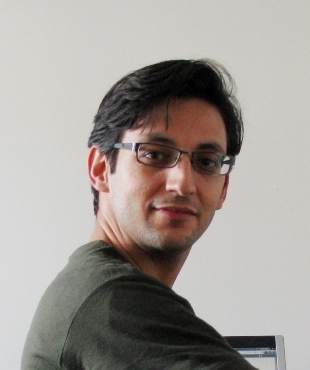
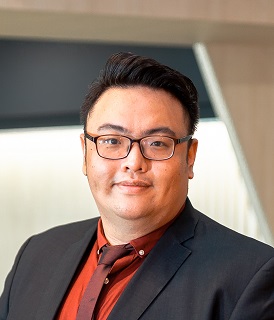
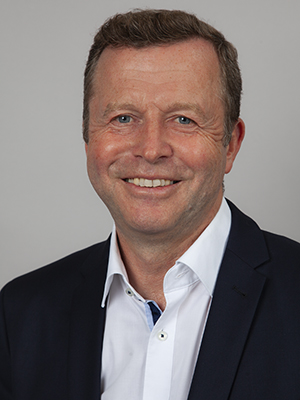
Badeka Anastasia is an Associate Professor at the Department of Chemistry, University of Ioannina, specializing in Food Chemistry and Technology. She holds a PhD in Chemistry (2001) and has 20+ years of academic experience focused on food packaging safety and analytical methods. 1995–2013: 19 research grants (EU programs, Greek agencies) 2018–2020: HPLC/DAD and mass spectrometry unit management 2020–present: Food authenticity assessment via volatile analysis Her research spans food packaging migration , preservation technologies , and chemical differentiation of agricultural products . Key projects include NEA GNOSI (2012–2015) and RESTART (2016–2020) with Cypriot collaborators. Recent publications (2023–2025) focus on spirulina-infused cheese packaging , prickly pear authentication , and olive ripening profiles . She supervises 5 PhD/MSc students and has served on 38 departmental committees, including quality assurance and Erasmus+ initiatives.
Hideyuki Sawada is a Professor at Waseda University's School of Advanced Science and Engineering, Faculty of Science and Engineering. He has been in this position since April 2017, following 7 years as a Professor at Kagawa University (2010-2017) and 11 years as an Associate Professor there (1999-2010). His academic career also includes visiting professorships at Universite de Savoie in France (2005, 2009) and previous research positions at Waseda University. His educational background is deeply rooted at Waseda University: Ph.D. in Pure and Applied Physics, Waseda University Graduate studies in Pure and Applied Physics, Waseda University (1995-1998) Graduate studies in Pure Physics and Applied Physics, Waseda University (1990-1992) Bachelor's degree in Applied Physics, Waseda University (1986-1990) Professor Sawada's research spans multiple interdisciplinary fields with a strong focus on robotics, human-computer interaction, and intelligent systems. His work bridges mechanical engineering, information science, and biomedical applications, with particular emphasis on tactile sensing, biomimetic robotics, and 4D space visualization. His laboratory actively explores shape memory alloy (SMA) applications in robotics, self-propelled droplet systems, and novel human interface technologies that enhance virtual reality experiences. His recent publication trends show a strong focus on tactile interfaces using shape memory alloys, self-propelled droplet systems leveraging Marangoni convection, continuum robotics for medical applications, and human-in-the-loop machine learning for robot control. These publications demonstrate his laboratory's interdisciplinary approach that combines fluid dynamics, robotics, and human perception studies. Professor Sawada has received numerous prestigious awards recognizing his research contributions: Best Paper Award Finalist at IEEE International Conference on Mechatronics and Automation (2025) Certificate of Editors' Choice from Biomimetic Intelligence and Robotics Journal (2025) Specially Selected Paper award from Information Processing Society of Japan (2024) Award for excellence in interdisciplinary research from The Japan Society of Mechanical Engineers (2024) Best paper award at the 7th International Conference on Sustainable Information Engineering and Technology (2022) Professor Sawada actively mentors students and researchers, as evidenced by numerous student awards where he appears as an advisor. His laboratory has secured funding for various research projects in robotics, human interface technology, and biomimetic systems. He serves on multiple editorial boards and program committees for international conferences, demonstrating his leadership in the academic community. His research group maintains strong international collaborations, particularly with institutions in France and Southeast Asia. His laboratory focuses on several key research directions: the development of SMA-based tactile interfaces and sensors, self-propelled droplet systems for micro-transport applications, continuum robotics for medical use, and 4D space visualization systems. The lab maintains strong industry connections, particularly in medical robotics and human interface technology development.
Mahdi Vasighi is currently serving as an Assistant Professor at the Department of Computer Science and Information Technology, Institute for Advanced Studies in Basic Sciences (IASBS) in Zanjan, Iran, a position he has held since February 2012. Prior to this, he was a Post-doc Researcher at the same institution from February 2011 to February 2012. He has also served as a Visiting Researcher at the Milano Chemometrics and QSAR Research Group, University of Milano - Bicocca, Milan, Italy from September to October 2009, and as a Guest Lecturer at the Pasteur Institute, Tehran, Iran since September 2016. Dr. Vasighi earned his educational qualifications from the Institute for Advanced Studies in Basic Sciences (IASBS) in Zanjan, Iran, where he completed his Ph.D. in Chemometrics in May 2010 and his M.Sc. in Analytical Chemistry between 2002 and 2005. His undergraduate education was in Pure Chemistry at Imam Khomeini International University, Qazvin, Iran, from 1998 to 2002. Dr. Vasighi's primary research interests lie at the intersection of bioinformatics, machine learning, and data analysis. His work focuses on structural bioinformatics, particularly on modeling relationships between biological sequences and their corresponding structure or function. He has made significant contributions to the field of self-organizing maps with dynamic structure, developing innovative approaches like the Directed Batch Growing Self-Organizing Map (DBGSOM) that enhance topology preservation and visualization of high-dimensional data. His research spans multiple domains including protein structural classification, cancer diagnostics using fluorescence spectroscopy, and drug discovery for diseases like COVID-19. Dr. Vasighi's publication record demonstrates a strong trajectory in applying machine learning techniques to solve complex problems in bioinformatics and medical diagnostics. His recent work shows an increasing focus on applying computational approaches to healthcare challenges, including cancer detection, protein analysis, and drug discovery for viral diseases. He has successfully bridged the gap between theoretical machine learning advancements and practical applications in biology and medicine, with a particular emphasis on developing interpretable models that can be used by domain experts. Dr. Vasighi has actively contributed to the academic community through teaching and conference organization. He has served as Local Chair for the International Conference on Contemporary Issues in Data Science 2019 (CiDaS 19) and as Scientific Committee Member and Organizing Chair for previous CICIS conferences. His teaching portfolio includes graduate courses in Artificial Neural Networks, Computational Data Mining, Bioinformatics, Statistical Pattern Recognition, and Multimedia Systems. Dr. Vasighi has supervised numerous MSc students, with over twenty graduated students and nine current students listed in his profile. His research has been supported through collaborations with institutions like the Pasteur Institute, where he worked on projects related to nuclear magnetic resonance-based screening of thalassemia and determination of coronary heart disease risk using NMR spectra of plasma lipoproteins. Through his Directed Batch Growing Self-Organizing Map (DBGSOM) package and other software contributions, Dr. Vasighi has made his research tools accessible to the broader scientific community. His work continues to push the boundaries of how machine learning can be applied to solve challenging problems in bioinformatics and medical diagnostics.
Dr. Oliver Faust is an Associate Professor at Anglia Ruskin University's Faculty of Science and Engineering, within the Department of Computing and Information Science. An international expert in AI-driven medical diagnostics, he specializes in physiological signal processing, medical image analysis, and Internet of Medical Things applications. With over 140 publications, his research has significantly impacted computer-aided diagnosis methodologies. His academic credentials include: Doctor of Engineering in Biomedical Science, Chiba University PhD in Electronics, University of Aberdeen Diplom-Ingenieur in Communication Engineering, FH Dieburg Fellow of the Higher Education Academy, UK Chartered Engineer, Institution of Engineering and Technology Dr. Faust's research bridges artificial intelligence with clinical applications, particularly focusing on deep learning approaches for healthcare. His primary investigations involve developing diagnostic algorithms for medical imaging (ultrasound, fundoscopy, thermography) and physiological signal analysis (EEG, ECG). Secondary interests include eHealth systems and IoT-enabled medical devices, with strong emphasis on translational research impacting stroke risk assessment and chronic disease management. His publication portfolio demonstrates extensive work in nonlinear signal analysis, wavelet transformations, and deep learning architectures applied to neurological, cardiovascular, and oncological diagnostics. Recent trends show increasing focus on LSTM networks for arrhythmia detection and comprehensive AI diagnostic frameworks. Honors include: Fellow of the Higher Education Academy, UK Dr. Faust actively supervises PhD students with projects funded by international scholarships. His grants portfolio includes: £75,000 from Sheffield Hallam (2021-2022) £30,000 from Innovate UK (2021-2022) £40,000 from Grow MedTech (2019-2020) Multiple PhD scholarships totaling £99,600 He contributes to the Transformative Artificial Intelligence Applications research cluster and Computing, Informatics and Applications Research Group at ARU, fostering collaborations across 20+ international institutions.
Dr. Joel Than Chia Ming serves as Senior Lecturer and Head of Department for Information Technology & Software Engineering at Swinburne University of Technology's Sarawak Campus Faculty of Engineering, Computing and Science. Joining in 2020 after completing his PhD and postdoctoral work at Universiti Teknologi Malaysia (UTM), he leads research in AI-driven medical imaging solutions with national grant funding. His academic foundation includes: Bachelor of Engineering (Biomedical), Universiti Tunku Abdul Rahman (2013) Master of Philosophy, Universiti Teknologi Malaysia (2015) Doctor of Philosophy in Deep Learning & Medical Imaging, Universiti Teknologi Malaysia (2019) Dr. Than's research program bridges artificial intelligence with clinical medicine, focusing on lung disease diagnosis through deep learning and explainable AI systems. His work integrates multi-modal data fusion for applications ranging from pandemic hospital planning to coronary artery disease detection. Current projects emphasize clinical interpretability of AI models to build trust in medical decision support systems. His publication portfolio demonstrates consistent growth in medical AI, with recent work shifting toward explainable frameworks for lung severity classification and cross-domain applications like smart construction. This evolution reflects strategic expansion from pure image analysis to integrated AI solutions with real-world implementation pathways. Key recognitions include: 3-Minute Thesis Champion, IEEE ICSIPA 2019 Best Paper Award, ICBAPS 2018 IEEE Signal Processing Malaysia Best Master Thesis Award (2016) UTM Razak Faculty Best Master Student (2016) IEEE ISSBES Best Student Paper (2015) Dr. Than actively supervises research students through three active FRGS grants, maintaining close mentorship with emphasis on clinical validation and industry translation. His research group operates within Swinburne's engineering infrastructure, collaborating with Sarawak healthcare providers to ensure medical relevance. Prospective students receive direct access to grant resources including GPU computing clusters and clinical imaging datasets. The research environment fosters interdisciplinary work connecting computer science with biomedical engineering, preparing students for careers in healthcare AI through hands-on experience with real clinical challenges and international conference participation.
Paweł Sowiński is an Associate Professor at the University of Warmia and Mazury in Olsztyn within the Faculty of Agriculture and Forestry , specifically affiliated with the Department of Soil Science and Microbiology . With a career spanning over two decades, he has contributed extensively to soil science and environmental analysis. Research Focus: Geochemical landscapes, organic soils, heavy metal contamination, soil-water interactions, particle-size distribution, and sustainable agricultural practices. Scientific Achievements: 46 publications, 264 Google Scholar citations (h-index 7), with studies on Martian regolith simulant applications, urban soil contamination, and organic soil transformations. Infrastructure: Active in research groups analyzing soil properties in young-glacial and lacustrine landscapes, collaborating on European-scale projects like short-rotation plantations with sewage sludge amendments.
Dr. hab. inż. Piotr Zapotoczny, Professor at the University of Warmia and Mazury, specializes in Systems Engineering within the School of Technical Sciences. His research focuses on applying image analysis and hyperspectral imaging to evaluate food quality, particularly in agri-food products and granular mixtures. Scientific Discipline: Mechanical Engineering, Food and Nutrition Technology Email: zap@uwm.edu.pl ORCID: https://orcid.org/0000-0003-3051-6940 His work explores: Physical properties of biological materials Image analysis for food quality Drying technology for edible insects Optimization of agricultural processes His recent publications (2025–2017) show expertise in computer vision, hyperspectral imaging, and thermophysical analysis of agricultural products. Key subfields include granular mixture identification, fungal infection detection, and sustainable food processing techniques. He supervises doctoral projects in Polish but not foreign candidates, with laboratory infrastructure available for research tasks.
Tonci Balic Zunic is an Associate Professor in Mineralogy and Crystallography at the Department of Geosciences and Natural Resource Management, Faculty of Science, University of Copenhagen. He leads the X-ray diffraction laboratory and has made significant contributions to the field of mineralogy, particularly in the study of crystal structures and diffraction methods. His work spans theoretical development, experimental techniques, and practical applications in geological and planetary studies, materials development, environmental protection, and medical applications. His educational background includes a Dr.Sci in Geology from the University of Zagreb (1984), a PhD in Mineralogy & Petrology (1978), and a Master of Science in Geology (1975), all from the University of Zagreb. His academic career began in Croatia before moving to Denmark in the early 1990s. Dr. Balic Zunic's research focuses on understanding the nature of the solid state through mathematical tools and experimental methods. His primary areas of interest include Mineralogy of Icelandic fumaroles, Limits and improvement of the Rietveld method in Mineralogy, High-pressure crystallography of sulphosalts, and Mineralogy of Stone Age artefacts. He has developed original theoretical tools for the quantification of atomic coordination deformations in solids and authored the computer program IVTON for crystal structure analysis. His recent publications demonstrate a continued focus on mineral discovery, particularly fumarolic minerals from volcanic environments, high-pressure mineral physics, and advanced crystallographic analysis techniques. His research shows strong international collaboration across Europe and beyond, with numerous discoveries of new minerals and structural studies under extreme conditions. Honorary Member of the Italian Society of Mineralogy and Petrology Dr. Balic Zunic has supervised 12 Master's and 6 PhD students. He has led numerous research projects including the Nordic Mineralogical Network (2006-2010), Modular crystal structures and ordering of atoms in minerals (2006-2008), and several projects focused on high-pressure crystallography and mineral analysis. His work spans diverse fields including cement and ceramics, crystal chemistry of sulphosalts, silicates and fluorides, environmental protection, planetology, metamorphic petrology, ore mineralogy, paleoclimate, biomineralogy with medical applications, heterogeneous catalysis and archaeology. He leads the X-ray diffraction laboratory at the University of Copenhagen and has organized international research groups including the Nordic Mineralogical Network and research groups on fumaroles and high-pressure crystal structures. His work involves extensive collaboration with research institutions across Europe and worldwide, including universities and research centers in Athens, Bari, Basel, Bayreuth, Belgrade, Bilbao, Bochum, Cairo, Firenze, Genova, Göttingen, Heidelberg, Iceland, Innsbruck, Moscow, Nantes, Oslo, Padova, Perugia, Petropavlovsk-Kamchatsky, Prague, Roma, Salzburg, Stockholm, Taipei, Tokyo, Torino, Wien and Zagreb.
Professor Eyad Elyan is a leading academic and researcher at Robert Gordon University's School of Computing, Engineering and Technology, where he serves as a Professor in Machine Learning and Computer Vision. He is the founder and head of the Machine Vision Research Group, driving innovative research in applied computer vision and deep learning with significant industry impact. Professor Elyan's research focuses on converting complex and unstructured data into knowledge and actionable insights, with particular emphasis on learning from images, videos, and other forms of unstructured data. His work spans engineering diagrams processing, remote inspection for oil and gas installations, intelligent condition monitoring of offshore assets, predictive maintenance, biometric applications, and medical datasets analysis. His expertise in ensemble-based learning and learning from unstructured and imbalanced datasets has been successfully implemented in various real-world applications. Professor Elyan was awarded the UK Knowledge Transfer Partnership Academic of the Year Award in 2023 for his transformative work in developing pioneering AI solutions for the oil and gas sector, and was a finalist for the Scottish Knowledge Exchange Award in 2024. These recognitions highlight his exceptional ability to bridge academic research with practical industry applications. His research has been supported by various public funding bodies including Innovate UK, the Data Lab Innovation Centre, Oil and Gas Innovation Centre (OGIC), NetZero Technology Centre (NTZ), and Historic Environment Scotland. Professor Elyan has supervised twelve PhD students to completion and examined more than fifteen others. He plays an active role in the academic community as a Fellow of the British Higher Education Academy and The International Neural Network Society, and serves as the Scotland Data Lab Innovation Centre Ambassador. Under Professor Elyan's leadership, the Machine Vision Research Group has developed innovative solutions including an end-to-end system for processing Piping and Instrumentation Diagrams (P&ID), AI-driven inspection systems for oil and gas assets, and defect recognition technologies. His work demonstrates a consistent commitment to translating cutting-edge research into practical tools that address real-world challenges, particularly in the energy sector.
Prof. Dr. Gabi Schierning is a Professor at the University of Duisburg-Essen, where she leads research in the Institute for Energy and Material Processes and the Applied Quantum Materials group. With a publication record spanning over two decades, she has established herself as a leading researcher in thermoelectric and quantum materials science. Her work bridges fundamental materials research with practical energy conversion applications. Prof. Schierning's research focuses on understanding and enhancing thermoelectric properties through nanostructuring, quantum effects, and novel material systems. Her work encompasses both traditional thermoelectric materials like bismuth telluride and emerging quantum materials with topological properties. She investigates the fundamental relationships between crystal structure, electronic properties, and transport phenomena to develop materials with improved energy conversion efficiency. Analysis of her recent publications (2021-2025) reveals consistent focus on thermoelectric materials, quantum transport phenomena, and energy conversion applications. Her research spans fundamental investigations of electronic structure and phase transitions to applied work on micro thermoelectric generators and coolers. The interdisciplinary nature of her work is evident in publications spanning physics, materials science, and engineering journals. Active research in thermoelectric materials for energy harvesting Investigation of quantum effects in topological materials Development of nanostructured materials for enhanced performance Advanced characterization of transport phenomena Device engineering for practical applications Prof. Schierning maintains an active research program with numerous collaborations across Germany and internationally. Her work on micro thermoelectric devices for IoT applications represents a strategic direction toward practical implementation of fundamental research findings. The group appears well-equipped for materials synthesis, characterization, and device fabrication, supporting a comprehensive research pipeline from fundamental science to application development.
Bing Yu, Ph.D. is an Assistant Professor of Biomedical Engineering at Marquette University with significant affiliations at the Medical College of Wisconsin where he is a member of the Cancer Center. His research bridges engineering innovation and clinical medicine to develop practical optical technologies for cancer detection and patient monitoring. Dr. Yu's research focuses on: Development of portable diffuse reflectance spectroscopy systems for cervical cancer detection Deep ultraviolet fluorescence imaging for breast tumor margin assessment Machine learning approaches for medical image analysis Optical monitoring systems for endotracheal tube placement Visible diffuse reflectance spectroscopy for tissue oxygenation monitoring His recent publications (2020-2025) demonstrate a strong focus on translating optical imaging technologies into clinical practice, with increasing integration of artificial intelligence to improve diagnostic accuracy. His work on endotracheal tube monitoring has resulted in the development of dual-camera systems with high precision (mean discrepancy less than 0.5 mm), while his breast cancer research has produced innovative approaches to intraoperative margin assessment that could reduce the need for repeat surgeries. Notable contributions include: Development of use-error robust machine learning models for clinical spectroscopy applications Portable optical devices designed for resource-limited settings Texture analysis techniques for improving breast tumor margin detection Validation studies for liver tissue oxygenation monitoring Dr. Yu maintains active collaborations with clinicians at the Medical College of Wisconsin, ensuring his research addresses genuine clinical needs. His work demonstrates a consistent commitment to developing cost-effective, practical medical technologies that can improve patient outcomes across diverse healthcare settings.
Alessandro Ulrici is a Full Professor of Analytical Chemistry (SSD CHIM/01) in the Department of Life Sciences at the University of Modena and Reggio Emilia (UNIMORE), a position he has held since December 2023. He also serves as Vice-Director of the Department of Life Sciences. Previously, he was an Associate Professor at UNIMORE from November 2010 to December 2023 and a University Researcher from August 2001 to October 2010. Professor Ulrici's research focuses on three main areas: Development and application of rapid, non-destructive analytical techniques based on chemometric approaches for food control and characterization Development of new algorithms for signal and image analysis, for the selection of significant variables and for the study of complex systems Product and process optimization through multivariate experimental design techniques His recent publications (2023-2025) demonstrate a strong focus on applying advanced analytical techniques to food science problems, particularly in viticulture and oenology, food authentication, and quality control. His work frequently employs NIR hyperspectral imaging, electrochemical sensors, and smartphone-based analytical devices, combined with sophisticated chemometric analysis. Professor Ulrici has received numerous scientific awards including: Highly cited research paper 2016 from Chemometrics and Intelligent Laboratory Systems Multiple Best Poster and Best Oral Presentation Awards from NIRITALIA, IASIM, and the Scandinavian Symposium on Chemometrics As an educator, Professor Ulrici teaches courses in Analytical Chemistry and Chemometrics for undergraduate and graduate students in biotechnology, food safety, and agricultural sciences. He previously served as Coordinator of the PhD Course in Agri-Food Sciences, Technologies and Biotechnologies at UNIMORE from 2017 to 2023. Professor Ulrici directs research activities through the Chemistry and Spectroscopy Laboratory (ChimSLab) at UNIMORE, which maintains an online presence at http://www.chimslab.unimore.it/ .
Associate Professor Muzaffer Aslan is a faculty member at Bingöl University's Faculty of Engineering and Architecture, specializing in applied artificial intelligence research. His work bridges computer science, electrical engineering, and biomedical domains with practical implementations in industrial, medical, and energy systems. His academic journey includes a BSc in Electronic-Computer Education from Gazi University (1993), MSc from Fırat University (2004), and PhD in Electrical-Electronics Engineering from Fırat University (2016). This multidisciplinary foundation enables his cross-domain research approach. Professor Aslan's research centers on developing efficient deep learning solutions for real-world problems. His primary focus areas include medical imaging analysis (brain tumor and COVID-19 detection from X-rays), fall detection systems using depth sensors, emotion recognition from EEG signals, and appliance classification for smart grids. He innovates through hybrid architectures that combine CNNs with signal processing techniques like wavelet transforms and dispersion entropy, achieving high accuracy while maintaining computational efficiency. His publication record shows accelerating output since 2020, with 11 journal articles in 2021-2022 alone spanning medical diagnostics, agricultural technology, and industrial quality control. Recent work demonstrates increasing sophistication in model design, particularly in efficient architectures for resource-constrained environments as seen in his 2023 surface defect detection paper. As Principal Investigator for a TÜBİTAK 1002 project on appliance classification, he secures active research funding while mentoring graduate students. His supervision style emphasizes practical implementation, with students frequently co-authoring publications and contributing to textbook development. The collaborative nature of his work is evident in multi-institutional authorship patterns across his publications.
Professor Axel Müller serves as Research Group Leader for the Norwegian Center for Mineralogy (NORMIN) at the Natural History Museum, University of Oslo. His academic career spans industry, government geological surveys, and academia, with current focus on mineralogy and petrology of granites and pegmatites. Müller maintains dual affiliations as External Researcher at the Natural History Museum of London since 2012. Professor of Mineralogy, University of Oslo (2015-present) Research Group Leader, NORMIN External Researcher, Natural History Museum London (2012-present) Associate Editor, Journal of Geochemical Exploration Scientific Associate, Natural History Museum London Professor Müller's research centers on genetic mineralogy, particularly quartz chemistry in pegmatite systems, with applications for solar cells and microchip production. His work bridges fundamental mineral science and industrial applications, focusing on rare-metal (Li, Sn, W, Nb, Ta, REE) and industrial mineral deposits. Current projects emphasize exploration for critical raw materials essential to the energy transition. His publication record demonstrates consistent output in top geoscience journals, with recent work (2023-2025) focusing on pegmatite exploration techniques, quartz chemistry, and machine learning applications in mineral deposit identification. Müller leads the significant EU-funded GREENPEG project developing tools for locating buried pegmatite deposits containing lithium and high-purity quartz. Society of Economic Geologists (SEG) Society for Geology Applied to Mineral Deposits (SGA) Mineralogical Society of UK and Ireland Leibniz-Sozietät der Wissenschaften zu Berlin Professor Müller actively supervises graduate students through the University of Oslo, with research opportunities connected to NORMIN's analytical facilities and international collaborations. His GREENPEG project provides substantial funding for PhD and postdoctoral positions focused on critical raw materials exploration. The research group maintains strong industry partnerships with mineral exploration companies and geological surveys across Europe. NORMIN serves as Norway's national hub for mineralogical research, housing advanced analytical equipment and the Mars Sample Return Analogue Sample Library (MSR ASL). Müller's group conducts fieldwork across Norwegian pegmatite provinces and European lithium deposits, with recent work in Austria's Wolfsberg deposit and Norway's Tysfjord region.
Mohamed Alimoussa is a Postdoctoral Researcher at the National Institute of Applied Sciences of Toulouse since June 2025, working in the MICS (Metrology, Identification, Control and Surveillance) group at Espace Clément Ader. His research focuses on multi-instrumentation methods for drone pose estimation to characterize deformations of kite-sails in maritime propulsion systems using sensor fusion and computer vision. He holds a PhD from the University of the Littoral Opal Coast (2020-2024) where he developed compact hybrid descriptors for texture classification in color and hyperspectral imaging. His educational background includes advanced work in feature selection, dimensionality reduction, and GPU-accelerated image processing algorithms. Dr. Alimoussa's research spans drone navigation, sensor fusion (visual odometry, RTK GPS, laser rangefinders), SLAM algorithms, and Digital Image Correlation for mechanical deformation measurement. His work bridges computer vision with mechanical engineering, emphasizing robust real-world applications in non-structured outdoor environments and industrial metrology. His publication record shows consistent innovation in texture analysis and feature engineering, evolving from foundational work on color texture descriptors to current applications in drone-based metrology. Recent publications demonstrate increasing focus on multi-sensor fusion systems and robustness against environmental variables like lighting changes and rapid motion. He actively co-supervises Master's students and interns in texture classification projects while participating in the ANR-funded ESKIF project (JCJC 2024). His experimental work involves collaborations with LMGC (University of Montpellier) and Beyond the Sea for coastal validation trials. As a core member of the MICS research group at Espace Clément Ader, he contributes to metrology systems development and participates in workshops on drone applications for mechanical measurement, maintaining strong industry-academia partnerships for experimental validation.