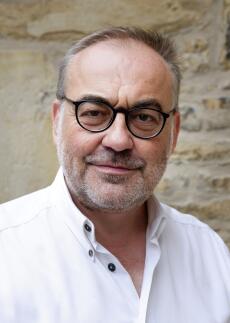
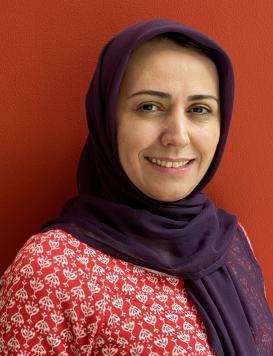
Thorsten Gromesمشاهده پروفایل
عضو هیئت علمی
Thorsten Gromes is a Senior Researcher and Project Leader at the Peace Research Institute Frankfurt (PRIF), within the Research Department Intrastate Conflicts. His research centers on post-civil war societies and humanitarian military interventions, with a regional focus on the Balkans, particularly Bosnia and Herzegovina, Kosovo, and Macedonia. He has held academic positions as a deputy professor at the Universities of Leipzig and Erfurt and has been affiliated with PRIF in various research capacities since 2002. Fields of Interest: His research spans democratization after civil wars, peacekeeping effectiveness, exit strategies for international missions, legitimacy of interventions, and data reliability in conflict studies. He has developed datasets on humanitarian military interventions and post-conflict power-sharing, contributing to both academic and policy debates. Recent Publication Trends: His recent articles (2023–2025) reflect a strong engagement with contemporary conflicts, especially the wars in Afghanistan, Mali, and Ukraine. He critically analyzes mission failures, public discourse on war, election platforms, and the feasibility of peace referendums. A recurring theme is the complexity of causal explanations in conflict termination and the dangers of oversimplification in policy learning. Scientific Awards: No awards are mentioned in the provided text. Advising and Grants: While no specific students or doctoral advisees are listed, Gromes leads research projects and frequently collaborates with colleagues such as Matthias Dembinski and Florian Ranft. His work is supported by PRIF and appears in policy-oriented publications like PRIF Spotlights and Reports, indicating institutional funding and research leadership. He contributes to major German peace policy assessments (Friedensgutachten), suggesting involvement in nationally significant research initiatives. Labs and Teams: He is a key member of PRIF’s Research Department on Intrastate Conflicts, contributing to interdisciplinary teams focused on conflict analysis, peacebuilding, and security policy. His work integrates qualitative and quantitative methods, including QCA (Qualitative Comparative Analysis), and he is involved in creating research datasets that support comparative studies.