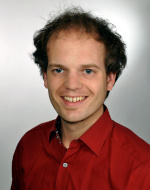
Michael Schererمشاهده پروفایل
استادیار
Michael Scherer is a Group Leader in Computational and Single-Cell Epigenomics at the German Cancer Research Center (DKFZ) in Heidelberg, Germany, a position held since 2024. Previously, he was a Postdoctoral Researcher at the Center for Genomic Regulation in Barcelona (2021-2023) and completed his PhD at the Max Planck Institute for Informatics and Saarland University (2016-2020). Education: Bachelor of Science in Computational Biology, Saarland University (2011-2014) Master of Science in Computational Biology, Saarland University (2014-2016) Dr. Scherer specializes in computational epigenomics with core expertise in single-cell data analysis, statistical learning methodologies, and cancer epigenomics. His research develops advanced computational frameworks to decode epigenetic mechanisms in disease contexts, particularly focusing on DNA methylation dynamics in hematological malignancies and aging. Key innovations include algorithms for quantifying epigenomic heterogeneity and tools for multi-omic integration that bridge molecular profiling with clinical phenotypes. His recent publications (2022-2025) reveal a concentrated focus on acute myeloid leukemia epigenetics, leveraging single-cell and spatial multi-omics to dissect clonal architecture, enhancer hijacking events, and retrotransposon activity. Recurring themes include the development of specialized bioinformatics tools (e.g., EpiCHAOS, scTAM-seq) and the discovery of epigenetic drivers like MNX1 dysregulation in leukemia subtypes. Work spans cancer biology, aging research, and environmental epigenetics with strong translational implications. No scientific awards were mentioned in the source material. As a newly established Group Leader at DKFZ, Dr. Scherer's current advising activities and grant portfolio are not detailed in available texts, though his role implies responsibility for mentoring trainees and securing competitive research funding for computational epigenomics projects. He leads the Computational and Single-Cell Epigenomics group at DKFZ, developing computational pipelines for epigenomic data analysis with applications in cancer evolution, aging, and therapeutic response prediction.