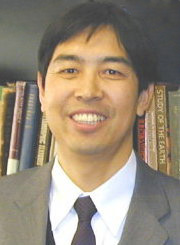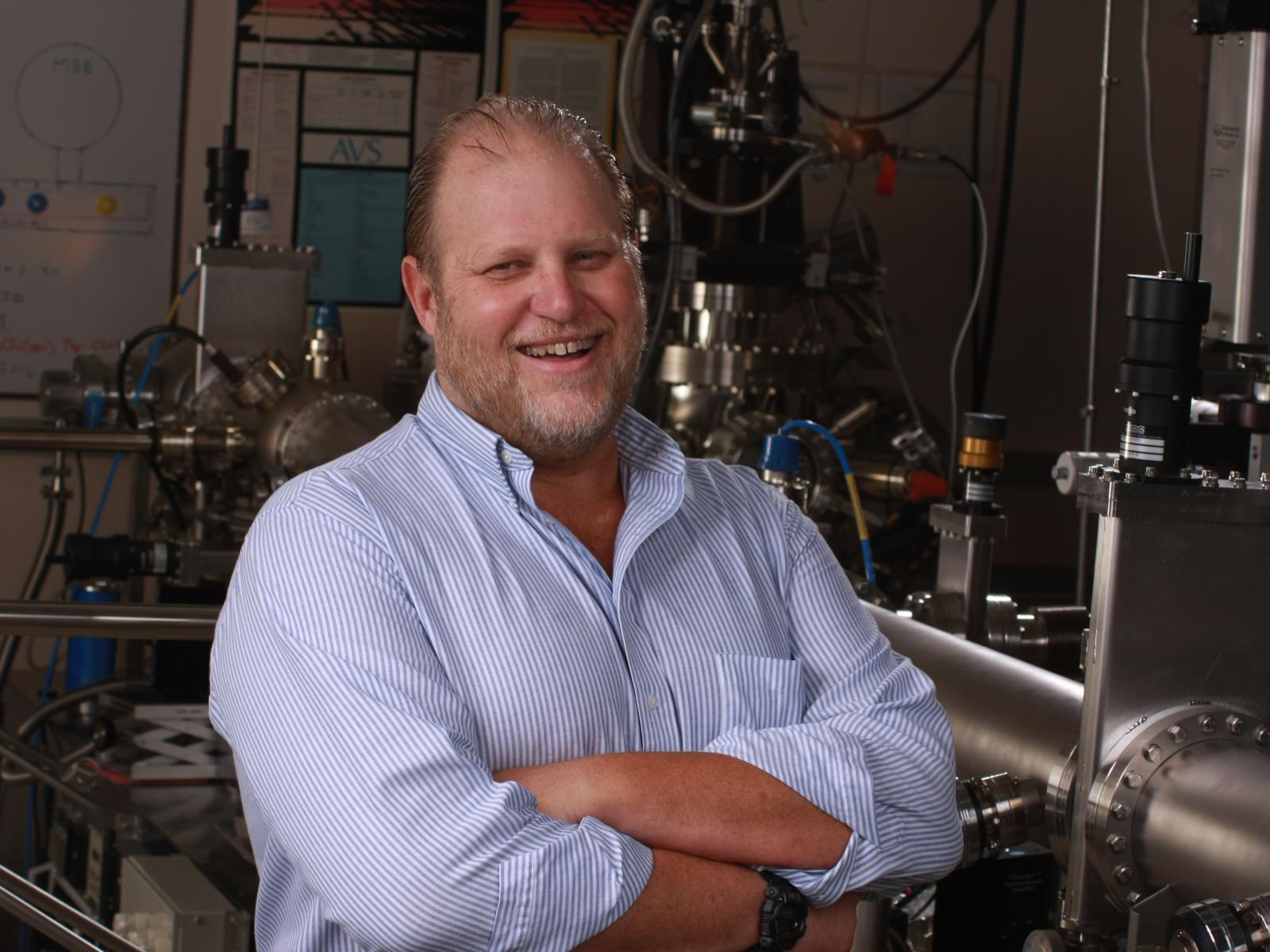
Vladimiros G. Papangelakis is a Professor at the University of Toronto's Faculty of Applied Science and Engineering, holding the Senior Industrial Research Chair in Water and Sustainable Extractive Metallurgy and leading the Aqueous Process Engineering and Chemistry Group. His work pioneers sustainable solutions for mineral processing through advanced aqueous chemistry and engineering. His educational foundation includes a Dipl. Eng. from the National Technical University of Athens and M.Eng./Ph.D. degrees from McGill University, complemented by Professional Engineer (P.Eng.) certification. Dipl. Eng., National Technical University of Athens M.Eng., McGill University Ph.D., McGill University Professor Papangelakis specializes in developing low-impact metallurgical processes, with research spanning hydrometallurgy, bio-hydrometallurgy, and electrolyte solution chemistry. His group focuses on critical areas including water recovery via forward osmosis/freeze crystallization, bioleaching of sulfidic wastes for metal recovery and environmental remediation, and rare earth element extraction from complex ores. Current projects target water capture from mining operations, tailings bioleaching, and ionic clay processing. Analysis of his 12 recent publications (2012-2018) reveals a cohesive research trajectory centered on sustainable extractive metallurgy, with dominant themes in water conservation technologies (35% of works), rare earth element processing (25%), and electrochemical monitoring of hydrometallurgical systems (20%). His work consistently integrates chemical modeling with experimental validation to address industry challenges in resource efficiency. His scientific contributions have been recognized through prestigious fellowships: Fellow of the Canadian Institute of Mining, Metallurgy and Petroleum (FCIM) Fellow of the Canadian Academy of Engineering (FCAE) Professor Papangelakis actively mentors graduate students, currently accepting MASc candidates for research in water purification and metal recovery technologies. His work is supported by industrial partnerships through the Senior Industrial Research Chair program, with recent grants focusing on sensor development for high-temperature processes and scale control in hydrometallurgical operations. He directs the Aqueous Process Engineering and Chemistry (APEC) group, which maintains strong industry collaborations to develop commercially viable solutions for water recycling, tailings remediation, and critical metal extraction, positioning the team at the forefront of sustainable mineral processing innovation.