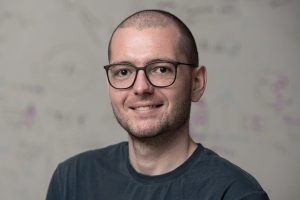
Mathias Unberath is the John C. Malone Associate Professor in the Department of Computer Science at Johns Hopkins University, with secondary appointments in Ophthalmology and Otolaryngology—Head and Neck Surgery at the School of Medicine. He is a core faculty member of the Laboratory for Computational Sensing and Robotics (LCSR) and the Malone Center for Engineering in Healthcare, and affiliate faculty at the Institute for Assured Autonomy and Data Science and AI Institute. Education: PhD in Computer Science from Friedrich-Alexander University of Erlangen-Nürnberg (2017), MSc in Optical Technologies (2014), BSc in Physics (2012) His research focuses on computer-assisted medicine, integrating computer vision, machine learning, and medical robotics to develop human-centered solutions through mixed reality and embodied technologies. His work addresses surgical phase recognition, explainable AI, and digital twin representations for clinical workflows. Unberath's 15 most recent publications demonstrate expertise in surgical AI (7/15), medical imaging (12/15), and mixed reality (8/15), with specific subfields including segmentation frameworks (3 papers), cognitive load estimation (4 papers), and surgical robotics (5 papers). NSF CAREER Award NIH NIBIB Trailblazer R21 Google Research Scholar Award Inaugural DSAI Junior Faculty Award IPCAI 2025 Best Paper Award He teaches graduate courses in machine learning, AI system design, and interpretable machine learning. His group, the ARCADE Lab, develops technologies for computer-assisted interventions, emphasizing robustness, explainability, and human-AI collaboration in clinical settings.
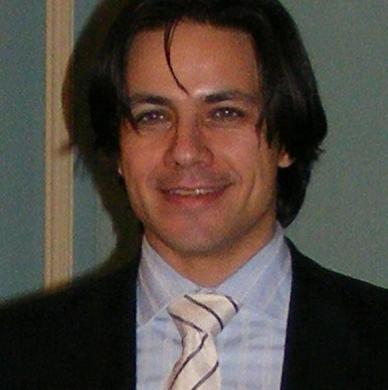
Juan Wachs is the James H. and Barbara H. Greene Professor at the Edwardson School of Industrial Engineering, Purdue University. He holds a courtesy appointment in Biomedical Engineering and is an Adjunct Professor of Surgery at the IU School of Medicine. His research focuses on the intersection of robotics, human-AI interaction, and healthcare systems, with a particular emphasis on surgical robotics, assistive technologies, and telemedicine. Education: PhD in Industrial Engineering (Intelligent Systems), Ben-Gurion University of the Negev MSc in Industrial Engineering (Information Systems), Ben-Gurion University of the Negev BEdTech in Electrical Education, ORT Academic College in Jerusalem Research interests include surgical telementoring via augmented reality, gesture-based interfaces for sterile environments, and semi-autonomous robotic systems for healthcare. His ISAT Lab develops solutions like the STAR telementoring system and robotic assistants like Gesturenurse and FIST-D for explosive ordnance disposal. Recent work emphasizes AI-driven medical decision support (Trauma THOMPSON), burn wound characterization, and robotic ultrasound automation. Key contributions include over 100 publications in robotics, medical AI, and human factors. Scientific Awards: James H. and Barbara H. Greene Professorship Purdue University Faculty Scholar Advising & Labs: Guides over 10 PhD/Master’s students in robotics and healthcare tech ISAT Lab fosters interdisciplinary projects in surgical robotics, human-robot interaction, and accessibility
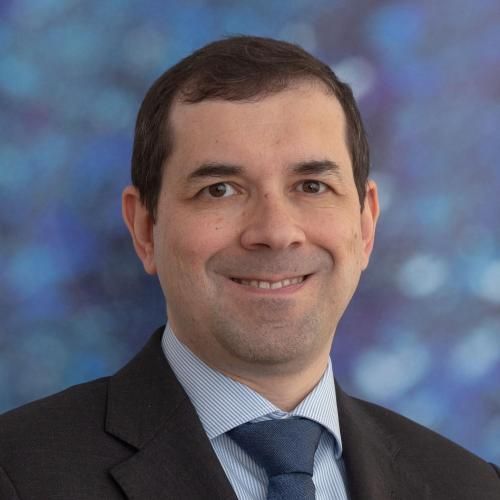
Farshid Najafi is an Assistant Professor of Professional Practice and Graduate Student Supervisor in the School of Mechatronic Systems Engineering at Simon Fraser University (SFU). He holds a Ph.D. (2009) and M.Sc. (2004) in Mechanical Engineering from the University of Manitoba, Canada, and a B.Sc. (1996) in Mechanical Engineering from Sharif University of Technology, Iran. His research focuses on medical and surgical robotic systems, haptic devices, internet-based tele-robotic systems, and educational robotics for STEAM (Science, Technology, Engineering, Arts, and Mathematics). Teaching interests include robotics, mechatronics, industrial internet of things (IIoT), and smart manufacturing. He currently teaches courses such as Smart Factory II, Industrial Internet of Things, and Industry 4.0. No scientific awards or specific grants/advising details are listed in the provided text. He is affiliated with the Faculty of Applied Sciences and contributes to SFU’s Mechatronic Systems Engineering programs.
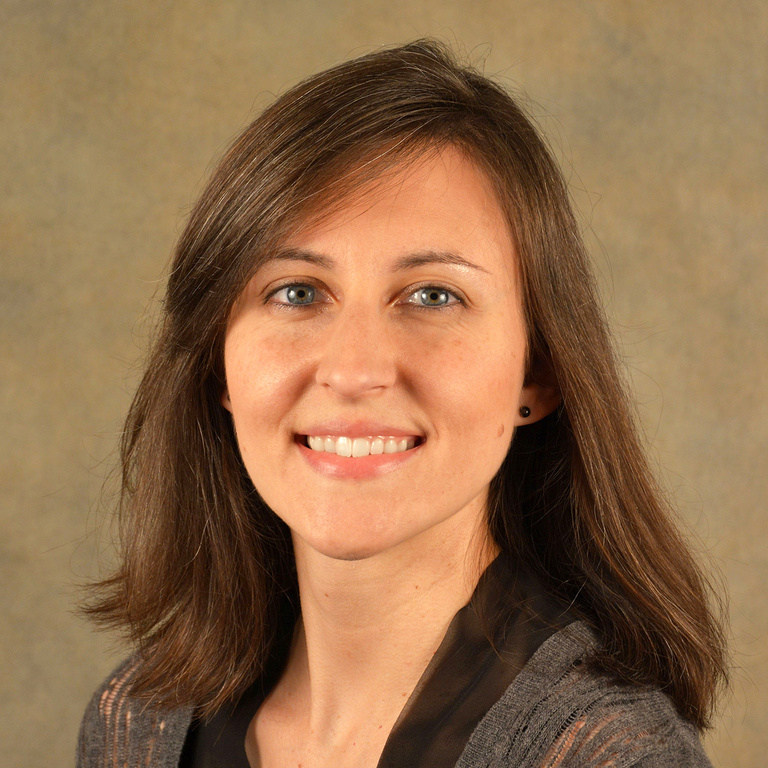
Dr. Chan Ping Yi is a Lecturer at the Malaysia School of Engineering, Monash University, with expertise in biomechanics, Parkinson’s disease tremor measurement systems, and renewable energy. She holds a PhD in biomechanics from Universiti Sains Malaysia (2013–2018). Her research focuses on developing advanced tele-monitoring systems for movement disorders, tremor compensation devices, and electromagnetic energy harvesting technologies. Notable achievements include winning RM20,000 in an innovation competition, filing patents in Malaysia and PCT, and publishing in prestigious journals like IEEE Transactions on Neural Systems and Rehabilitation Engineering and Scientific Reports. She leads two major projects: 'Unveiling the Parkinson’s disease tremor clinical marker with explainable artificial intelligence' (2023–2026) and 'Blockchain-based Peer-to-Peer Energy Trading with Cloud Energy Storage' (2023–2024). Her work bridges clinical diagnostics and sustainable energy, contributing to UN SDGs such as Good Health & Well-being and Affordable Clean Energy. Key research areas include tremor quantification using inertial sensors, AI-driven tremor prediction, and optimizing photovoltaic-thermal systems. She actively collaborates on industry-relevant projects and mentors PhD students in tremor compensation research.
Antonio Frisoli is a Full Professor of Engineering Mechanics and Robotics at Sant'Anna School of Advanced Studies, where he leads the Human-Robot Interaction area at the Institute of Mechanical Intelligence. He serves as President of Artes4.0, the Italian National Competence Center on Robotics and Industry 4.0, and holds editorial roles including Associate Editor for IEEE Robotics Automation Magazine. His educational background includes: PhD with honors in Industrial and Information Engineering from Scuola Superiore Sant'Anna (2002) MSc in Mechanical Engineering, minor Robotics, from University of Pisa (1998) MSc in Industrial Engineering from Scuola Superiore Sant'Anna (1998) as an honor student Professor Frisoli's research spans collaborative robotics, rehabilitation robotics, wearable robotics and exoskeletons, multimodal interaction and haptics, wearable devices, and virtual reality. His work leverages expertise in human perception biomechanics to develop advanced haptic devices and robotic systems for rehabilitation, teleoperation, and virtual environments, with significant focus on clinical applications for stroke rehabilitation and orthopedic recovery. Analysis of his recent publications reveals strong emphasis on haptic interface innovation, exoskeleton optimization, and human-robot collaboration. Key trends include wearable haptic gloves for remote interaction, musculoskeletal modeling for rehabilitation exosuits, running efficiency enhancement through hip exoskeletons, and tele-echography systems resilient to time delays, demonstrating consistent translation of theoretical research into practical applications. Professor Frisoli actively drives technology transfer through co-founding two spin-off ventures: Wearable Robotics srl: A market leader in exoskeleton technology Next Generation Robotics srl: Specializing in robotic solutions for railway systems He directs the Human-Robot Interaction research group within PERCRO (Perceptual Robotics Laboratory), which maintains deep expertise in psychophysics of human perception and biomechanics. The group develops force feedback exoskeletons, large workspace haptic devices, and virtual reality systems for applications ranging from telepresence to clinical rehabilitation, with ongoing projects enhancing stroke therapy through robotic supplementation of traditional one-to-one treatment.
Anthony Nanlin Kuo, M.D., is a Professor of Ophthalmology and Professor of Biomedical Engineering at Duke University , where he also serves as Vice Chair for Technology and Director of Research Data . As a clinician-scientist, he maintains an active clinical practice in cornea and refractive surgery and leads a laboratory focused on developing and translating high-resolution optical coherence tomography (OCT) technologies for ophthalmic use, including intra-surgical OCT systems. Education : M.D. from Vanderbilt University (2002) Trainings & Certifications : University of Pittsburgh (2002-2006), Duke University (2006-2008) Research Interests span: Optical Coherence Tomography (development of handheld, surgical, and robotic OCT systems) Medical Robotics (autonomous surgical platforms, AI integration) Corneal Diseases (keratoconus, limbal stem cell deficiency) Refractive Surgery (intraoperative OCT guidance) Scientific Contributions include: Advancing robotically-aligned OCT for motion-corrected retinal imaging Developing spiral scanning techniques to improve fixation stability Optimizing optical clearing agents (e.g., tartrazine) for enhanced transscleral OCT Applying AI to microbial keratitis screening with synthetic data Grants and Collaborations : His research has been funded by the National Institutes of Health , U.S. Department of Defense , and Coulter Foundation , with extensive interdisciplinary collaboration at Duke University.
Kevin Huang is an Associate Professor of Engineering at Smith College, specializing in robotics with a focus on teleoperation, human-robot interaction, and medical robotics. His work bridges engineering principles with applications in surgical robotics and operator interface design. Expertise in teleoperated robotic systems Research interests in haptic feedback and minimally invasive surgery Active in robotics outreach and education His recent research explores operator authentication, 3D viewpoint adjustment, and surgical tool segmentation. Huang also investigates security aspects in teleoperated systems and sensor-aided grasping techniques. Notable projects include visionless exploration of moving objects and transparent object manipulation, demonstrating technical versatility across robotics subdomains. No scientific awards are listed in available data. Education includes a Ph.D. and M.S.E.E. from the University of Washington, and a B.S. from Trinity College. He previously taught at Trinity College and chaired IEEE Robotics and Automation Society activities in Connecticut.
Markian Pahuta MD PhD is an Associate Professor of Surgery at McMaster University and an orthopaedic spine surgeon at Hamilton General Hospital, Ontario. Board-certified by the American Board of Orthopaedic Surgery, he completed his MD at the University of Toronto (2004-2008), residency at the University of Ottawa (2008-2015), a Clinician-Investigator Program (2011-2013), and a spine-surgery fellowship at the University Health Network/University of Toronto (2015-2016), followed by a PhD at the University of Ottawa (2013-2019). His practice and research cover the entire spectrum of spinal disorders, with a recent focus on degenerative cervical myelopathy, spinal trauma, oncology, adult deformity, health-economic valuation, and technology-enhanced surgical training. Education & Training PhD, University of Ottawa, 2013-2019 Clinical Fellowship in Spine Surgery, University Health Network/University of Toronto, 2015-2016 Clinician Investigator Program, University of Ottawa, 2011-2013 MD, University of Toronto, 2004-2008 Orthopaedic Surgery Residency, University of Ottawa, 2008-2015 Diplomate, American Board of Orthopaedic Surgery, 2019-2029 Research Interests Dr Pahuta leads Canada-wide observational studies through the Canadian Spine Outcomes and Research Network (CSORN) examining wait-times, opioid utilisation, complication rates, and cost-effectiveness of spine surgery. He publishes systematic reviews and health-economic analyses that define utility scores for metastatic epidural spinal cord compression and degenerative cervical myelopathy, enabling cost-utility and budget-impact evaluations. His surgical oncology work clarifies optimal treatment strategies for patients with intermediate SIN scores and establishes consensus terminology for cancer-related spine pain. He explores augmented- and virtual-reality platforms to enhance competency-based training of spine surgeons and investigates AI-driven automation of spinopelvic parameter measurement. Across more than 120 peer-reviewed articles since 2008, his recent output (2022-2025) clusters into four dominant themes: (1) large-scale prospective cohort analyses of Canadian elective and traumatic spine populations; (2) health-services and economic evaluations that translate patient-reported outcome scores into policy-relevant utility metrics; (3) systematic reviews and meta-analyses that synthesise complication rates, survivorship, and comparative effectiveness of cervical and lumbar procedures; and (4) innovation studies on robotics, navigation, and immersive technologies in surgical education. Scientific Awards & Recognition No specific prizes or named lectureships are listed in the supplied material; however, his work is frequently cited in national guidelines and picked up by mainstream Canadian media (>30 news outlets for one 2023 study). Grants & Advising While explicit grant numbers are not provided, he is the principal architect of multiple CSORN analyses, indicating sustained national funding. No individual graduate students or post-doctoral fellows are named in the available text. Laboratory & Team Dr Pahuta collaborates with the McMaster Spine Program, the CSORN national consortium, the AO Spine Knowledge Forum, and international working groups developing consensus frameworks such as OSCO-M. These multi-institutional teams link clinicians, epidemiologists, health economists, and data scientists across more than 20 Canadian centres and multiple international sites.
Dr. Jorge Juan Gil Nobajas is a Professor of Control Engineering and Robotics at Tecnun (School of Engineering, University of Navarra). His research focuses on robot control, haptic interfaces, and biomedical robotics, with a particular emphasis on stability analysis, haptic rendering algorithms, and mechatronic systems for medical and industrial applications. Research Interests: Robot control systems, haptic interface design, stability analysis in virtual environments, biomedical device development (e.g., bone drilling tools, allergy diagnostic systems), and mechatronic solutions for aerospace and rehabilitation. Publications: His work spans robotics, mechatronics, and biomedical engineering, with recent studies on collaborative haptic robots, automated disassembly of e-waste, and gravity compensation in rehabilitation systems. Patents: He holds international patents for haptic systems in surgical assistance and automated allergy testing.
Professor Giacinto Barresi serves as Professor of Robotics at the Bristol Robotics Laboratory, University of the West of England (UWE), within the College of Arts, Technology and Environment's School of Engineering. His research integrates Cognitive Ergonomics and Neuroergonomics to develop Robotic-Digital Systems for Health & Safety applications. His educational background includes an MSc in Experimental Psychology and Cognitive Neuroscience from the University of Padua (Italy), and a PhD in Robotics, Cognition and Interaction Technologies from the University of Genoa (Italy). Prior to UWE, he spent thirteen years as a researcher at the Istituto Italiano di Tecnologia (IIT), focusing on human-centered robotic technologies for biomedical domains. Barresi's research spans Neuroergonomics, Human-Robot Interaction, Telerobotics, and Exergames, with emphasis on embodied-enactive User Interfaces and Brain-Robot Interfaces. His work explores physio-motor processes to enhance user abilities and system performance through Virtual/Mixed Reality applications, particularly in rehabilitation contexts. His recent publications (2024-2025) demonstrate strong focus on prosthetic embodiment, tele-rehabilitation, neuroergonomic healthcare systems, and mobile health sensors, showing consistent interdisciplinary work bridging robotics, neuroscience, and clinical applications. He holds significant leadership positions including: co-representative for internationalisation on the UK-RAS Executive Committee, co-chair of the IEA Technical Committee on Human Factors in Robotics, Application Chair for Telehealth at the IEEE Telepresence Initiative, and Industry Liaison for HMI/UX at IEEE CTSoc. Barresi serves as Associate Editor for Sage Journal of Advanced Robotic Systems and Frontiers in Neuroergonomics, and Editorial Board member for the Wiley International Journal of Medical Robotics. His grant leadership includes the ENACT rehabilitation project funded by the Italian Multiple Sclerosis Association, plus contributions to European projects like µRALP and TEEP-SLA. He maintains active research collaborations through the RAISE innovation ecosystem and has held visiting positions at Kyushu University, IIT Gandhinagar, and the Open University's Knowledge Media Institute.
Myriam Le Goff serves as a Lecturer in Economics at IMT Atlantique within the Interdisciplinary Department of Social Sciences (DI2S) since 2003. She is a researcher at LEGO (Research Laboratory in Management Sciences and Economics, EA 2652) affiliated with University of Western Brittany (UBO) and IMT Atlantique. Her academic career spans over two decades with continuous research contributions in health economics, particularly focusing on digital health evaluation methodologies. Dr. Le Goff's research interests center on health economics with special emphasis on the economic and medico-economic evaluation of e-health systems, multi-criteria evaluation frameworks, analysis of e-health market dynamics and economic models, modeling of care pathways incorporating new technologies, and social impact measurement methodologies. Her work bridges economic theory with practical healthcare applications, particularly in telemedicine and digital health innovation assessment. Her publication record demonstrates consistent scholarly output with recent articles (2023-2025) spanning diverse health economic topics including knee arthroplasty epidemiology across European countries, tele-dermatology implementation, economic analysis of digital rehabilitation technologies, and surgeon perspectives on innovative prosthetic technologies. These publications reveal a strong methodological approach combining economic evaluation with clinical outcomes assessment across multiple healthcare domains. Chevalier de l'ordre des palmes académiques (January 2017) Dr. Le Goff has co-supervised two doctoral students through completion: Gérald-Réparate RETALI (thesis on economic evaluation of e-health, 2014) and Nabil NASSIRI (thesis on telemedicine networks for hospital system performance improvement, 2007). She has participated as an expert in numerous research funding evaluations including ANR generic calls, PREPS research program on healthcare system performance, and European Ambient Assisted Living programs. Her extensive project portfolio demonstrates significant grant acquisition and management capabilities across national and international funding mechanisms. She maintains active involvement in research networks including the Living Lab Santé Autonomie forum, serving on scientific committees for evaluation projects, and acting as a reviewer for multiple academic journals including Journal of Telemedicine and Telecare and Revue d'économie industrielle.
Rachel Scheperle is an Adjunct Assistant Professor in the Department of Communications Sciences and Disorders at the University of Iowa, where she oversees the Cochlear Implant Electrophysiology Laboratory at University of Iowa Hospitals and Clinics. As a dual-certified audiologist (Au.D., Ph.D., CCC-A), she bridges clinical practice and translational hearing science research with a focus on improving cochlear implant outcomes. Her research centers on auditory electrophysiology and cochlear implant technology, specifically investigating how physical and physiological measures reveal auditory system status to inform clinical decisions. The lab employs a bottom-up approach to characterize peripheral structure/function and evaluate correlations with central processing and perception, building on foundational work by Paul Abbas and Carolyn Brown in electrically evoked potentials. Analysis of her 15 most recent publications (2017-2025) reveals three dominant research trajectories: (1) Surgical innovation with robotic-assisted electrode insertion and dexamethasone-eluting arrays to preserve hearing; (2) Electrophysiological monitoring techniques including intracochlear electrocochleography and neural response telemetry for real-time guidance; and (3) Public health applications in early hearing detection programs focusing on maternal predictors of follow-up adherence. Her work consistently bridges engineering, clinical audiology, and population health. Dr. Scheperle leads the Cochlear Implant Electrophysiology Laboratory as part of the University of Iowa's nationally recognized hearing preservation initiative. The lab maintains a collaborative clinician-scientist model focused on developing clinical tools for auditory assessment in implant recipients, with ongoing projects targeting reduced surgical trauma, minimized immune response, and optimization of combined acoustic-electric hearing strategies.
Aime LAY EKUAKILLE is an Associate Professor at the University of Salento's Department of Innovation Engineering, part of the Ecotekne Center in Lecce, Italy. His expertise spans instrumentation and measurement systems for biomedical, environmental, industrial, nanotechnology, machine learning, and photovoltaic panel aging applications. He is involved in interdisciplinary projects, such as smart sensors for telemedicine, energy-efficient robotic systems, and geothermal probe design. His research integrates advanced signal processing (e.g., wavelet transforms, machine learning algorithms) with sensor technology to address challenges in healthcare, environmental monitoring, and renewable energy. He has contributed to hardware-software solutions like solar-powered spectrophotometers and anti-theft systems for photovoltaic plants. Collaborations include international initiatives in nanotechnology, wearable devices, and IoT-based tele-rehabilitation. Key projects include: Development of a robotic arm for ball bearing sorting using size measurements and RFID. Designing a distributed edge computing architecture for leak detection in waterworks. Optimizing fertilizer dosing in smart fertigation pipelines through modeling and control. Investigating the magnetic behavior of nanosized contrast agents for medical imaging. He has presented at conferences such as IEEE MeMeA (2020), I2MTC (2020), and EnvImeko (2019, 2017). His work is supported by grants like the Ministry of Health's GR-2016-02361306 and Guangdong Province's 2019B010150002.
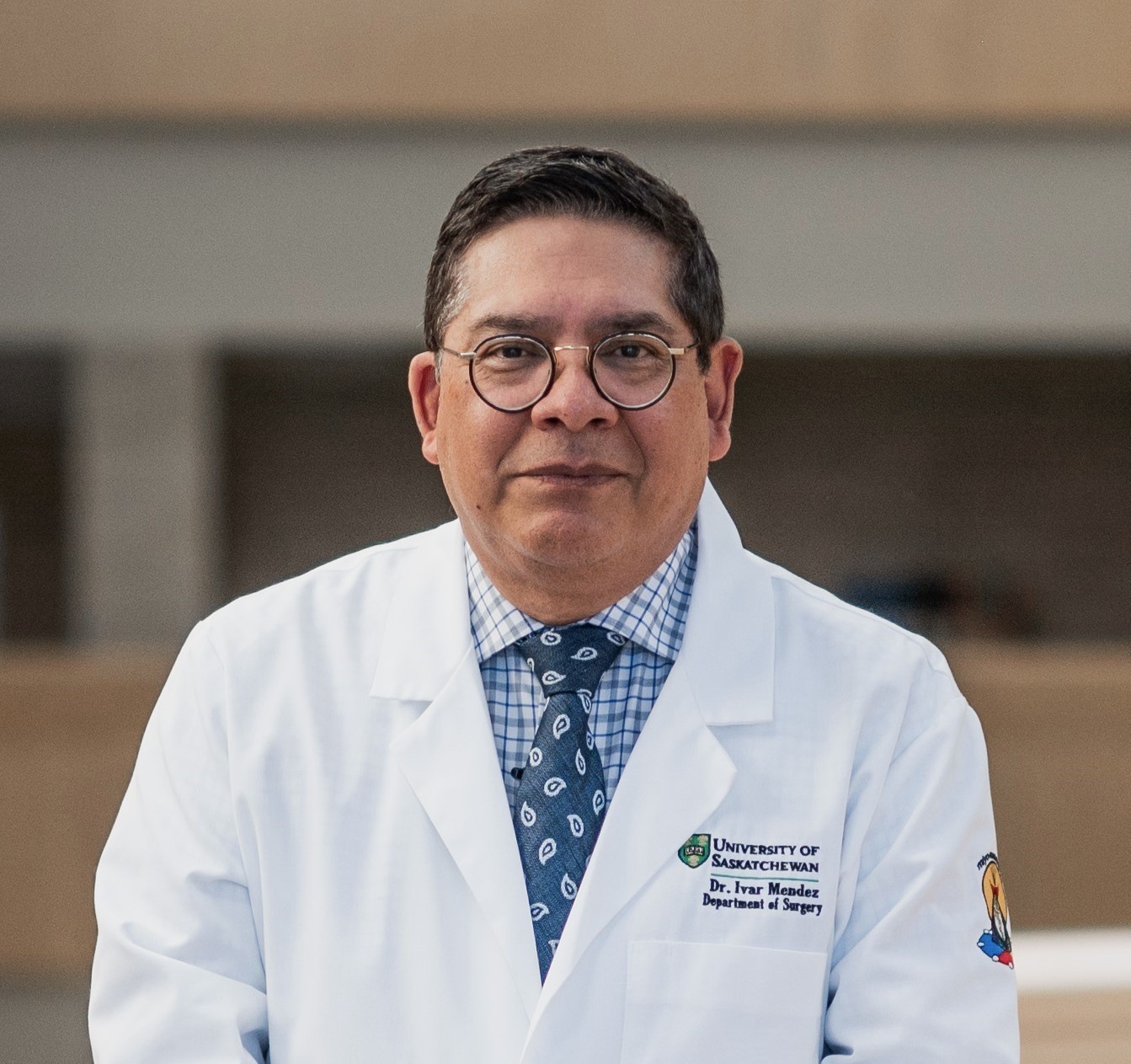
Dr. Ivar Mendez is Professor Emeritus in the Department of Surgery at the University of Saskatchewan and Director of Virtual Care and Remote Presence Robotics Programs. A neurosurgeon and neuroscientist, his research spans functional neurosurgery, brain repair, stem cell therapy, and remote-presence robotics for healthcare delivery. Mendez has pioneered robotic applications including the first long-distance telementoring neurosurgery (2002) and remote neuromodulation programming (2013). He leads initiatives deploying telerobotic ultrasound services to rural/Indigenous communities. His honors include Officer of the Order of Canada and Queen Elizabeth II Platinum Jubilee Medal. Awards: Canadian Red Cross Humanitarian of the Year (2010) Health Canada Award for Improving Health of Canadians (2011) Government of Canada Public Service Award of Excellence (2016) Officer of the Order of Canada (2022)
David Hamilton is an Associate Professor at the School of Health and Social Care, Edinburgh Napier University, where he conducts research in orthopaedics, rehabilitation, and surgical outcomes. He is actively involved in clinical research, particularly focusing on anterior cruciate ligament reconstruction, hip arthroscopy, sarcopenia, and digital interventions in rehabilitation. His research interests span Orthopaedic Surgery , Sports Medicine , Robotic-Assisted Surgery , Patient Outcomes , Digital Health Interventions , and Rehabilitation Science . His work emphasizes evidence-based practice, systematic reviews, and health technology evaluation. He has led and contributed to numerous studies assessing functional outcomes, cost-effectiveness, and preoperative factors affecting surgical success. The recent publications highlight a strong focus on orthopaedic conditions such as ACL injuries and femoroacetabular impingement, with an emphasis on improving patient recovery, return to sport, and mental wellbeing. His work increasingly integrates technology, including robotic surgery and digital adherence tools, reflecting a forward-looking approach to modern healthcare challenges. Scientific Awards: No awards listed in the provided sources. Dr. Hamilton supervises postgraduate research students and collaborates on funded projects. He serves as second supervisor for Master’s and Doctoral candidates, contributing to research in areas such as head injury in youth sports, meniscal tear management, and orthoplastic reconstruction. His projects have received funding from Stryker UK Limited and the Engineering and Physical Sciences Research Council (EPSRC) , supporting studies on robotic joint replacement and pain nociception. He is part of the Health Technologies Research Group and contributes to the ROBOTA study , which evaluates functional outcomes of robotic-assisted joint replacement at Spire Murrayfield Hospital. His collaborative work involves multidisciplinary teams across orthopaedics, physiotherapy, and engineering, aiming to translate research into improved clinical practice.