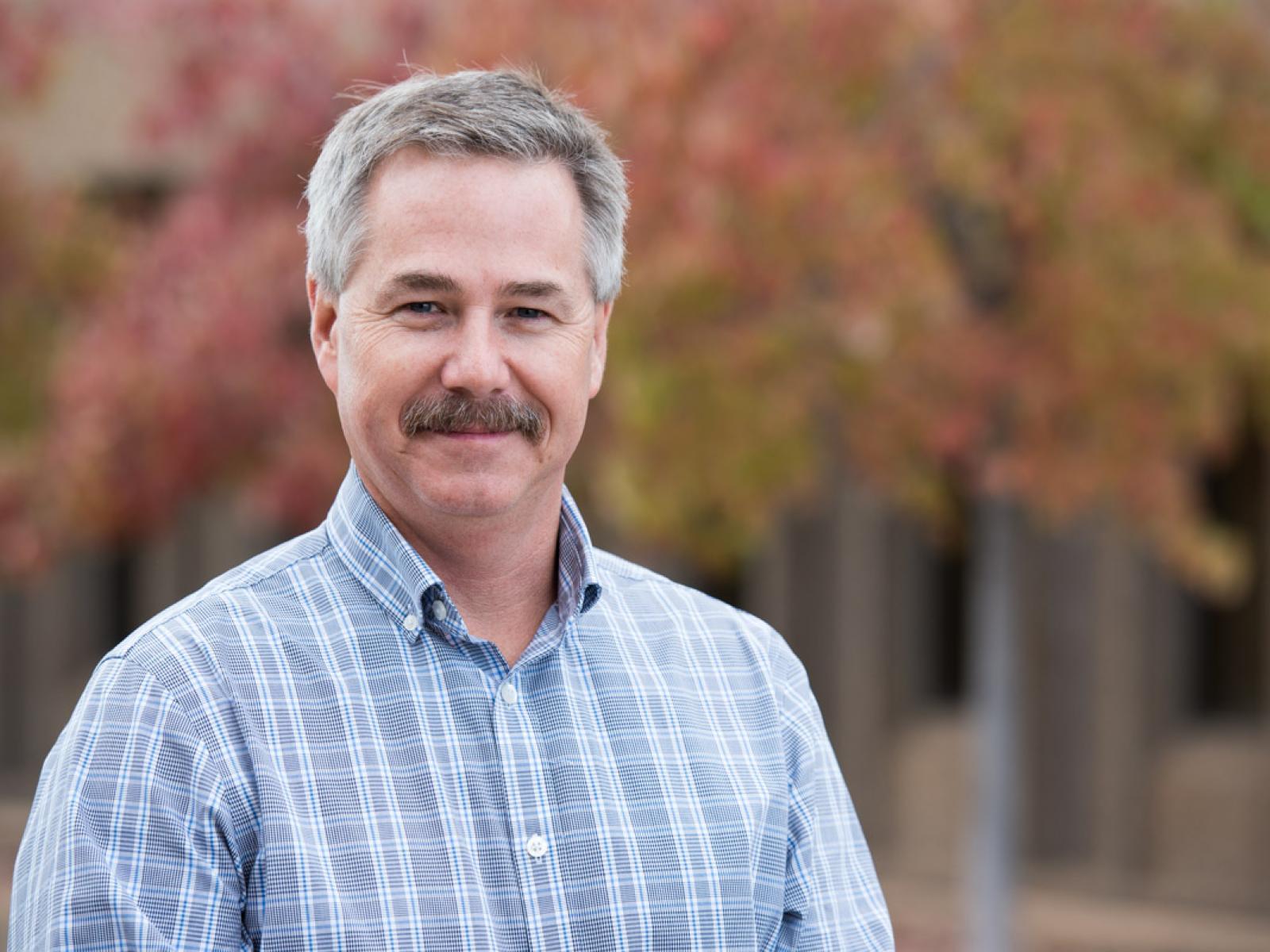
Andreas Dengel is a Professor in the Department of Computer Science at Rhineland-Palatinate University of Technology Kaiserslautern-Landau (RPTU) and Executive Director of the German Research Center for Artificial Intelligence (DFKI) in Kaiserslautern. He leads the Smart Data & Knowledge Services research area and the DFKI Deep Learning Competence Center. Doctorate from University of Stuttgart Professor since 1993 (C3), upgraded to C4 (1997) and W3 (2013) International academic appointments in Japan (Osaka Metropolitan University, Kyushu University) His research spans machine learning , pattern recognition , and semantic technologies , with applications in document analysis and earth observation. Recent publications focus on diffusion models, multi-view learning, and gaze behavior analysis. Notable awards include: Order of the Rising Sun (2021) ICDAR Outstanding Achievement Award (2019) NVIDIA Pioneer Award (2018) Gründungsförderer des Jahres (2015) He has supervised over 500 theses and secured €100 million in third-party funding. His projects include AI4DTE (Digital Twin Earth), Ageing Smart (interdisciplinary aging research), and ML4Sim (composite materials simulation).
Matthias Keicher is a Postdoc and Research Manager at the Chair for Computer Aided Medical Procedures at the Technical University of Munich , affiliated with the IFL Lab at Klinikum Rechts der Isar. His work focuses on deploying AI for clinical applications, particularly vision-language models and large language models for structured report generation and decision support systems. Education: Dipl.-Ing. in Mechanical Engineering and Management from TUM (2006-2013) Industry Experience: Former CTO and Managing Director at SurgicEye GmbH (2016-2018) Research Interests: Medical Vision-Language Models (VQA, structured reporting) Multimodal Deep Learning for diagnostics Interpretable AI with generative models Decision support systems integrating patient data Article Trends: Over 2024-2014, his publications span surgical phase recognition (TeCNO), vertebral fracture grading (iMIMIC best paper), chest X-ray classification (FlexR), radiology report generation (RaDialog), and toxin prediction (ToxNet). Keywords include Medical Imaging, Graph Networks, Language Models , with subfields like 3D Computer Vision, Federated Learning, Clinical Reasoning . Scientific Awards: MICCAI iMIMIC 2023 Best Paper Teaching: He organizes two lectures ( Computer Science for Medical Students , Innovation Generation in Healthcare ) and tutors courses such as Deep Learning for Medical Applications and Machine Learning in Medical Imaging . Labs & Teams: Works at the IFL Lab (Intelligent Future Lab) in Munich, leading a research team funded by the DIVA project focused on vision-language models in clinical settings.
Prof. Dr. Gerrit Höfker has been Professor of Building Physics at Bochum University of Applied Sciences since 2003, within the Department of Civil and Environmental Engineering. He teaches Building Physics, Fire Protection, Building Climatology, and Room Acoustics at Bachelor and Master levels, focusing on practical applications for residential and commercial buildings. His academic journey began with vocational training as a central heating and ventilation engineer (1987-1990) and paramedic (1990-1991). He then earned a Diploma in Building Physics from Stuttgart University of Applied Sciences (1991-1996) and a doctorate from De Montfort University Leicester (2001) on sorption-assisted building cooling with solar energy. Prof. Höfker's research priorities include thermal building simulation, urban climate adaptation, and thermal/auditory comfort. His work in room acoustics focuses on planning spaces with demanding acoustic requirements, while his thermal research addresses energy-efficient building design across diverse climate zones. He employs advanced simulation tools like EnergyPlus and IDAIce for thermal analysis and ray tracing for complex room acoustics. His publications from 2009-2017 show a consistent focus on building acoustics (nearly half) and thermal comfort. Notable trends include 3D visualization for energy systems, non-auditory noise effects in offices, and bottom-up models for urban energy demand. His research increasingly connects building physics with urban climate challenges. Prof. Höfker is actively involved in the Building Physics Laboratory at Bochum University of Applied Sciences, where he oversees teaching laboratories for heat transport, water vapor diffusion, and acoustics calculations. The lab supports both educational activities and applied research in building physics.
Professor Detlef Gronenborn is a distinguished archaeologist specializing in Neolithic Europe and African prehistory. He serves as Deputy Head of the Competence Area "Prehistory" at the Leibniz Centre for Archaeology in Mainz, Germany, and holds an Adjunct Professor position at Johannes Gutenberg University Mainz. His career spans over three decades, with significant contributions to understanding the Neolithization process across Eurasia and the development of complex societies in the African Sahel region. His educational background includes studies at the Albertus Magnus University of Cologne and Johann Wolfgang Goethe University Frankfurt (1982-1989), a Master's degree (1990), doctorate (1993), and dual habilitations (2001 in Frankfurt, 2003 in Mainz). His early career included research positions at Goethe University Frankfurt, the University of Florida, and the Roman-Germanic Central Museum Mainz, followed by his current long-term affiliation with the Leibniz Centre for Archaeology. Professor Gronenborn's research focuses on several interconnected areas: the Neolithization of Europe, particularly the spread of farming across Western Eurasia; social archaeology examining the emergence of complexity in early agrarian societies; climate-society interactions in prehistory; and Iron Age to historical periods in Africa, especially the Chad Basin region. He is renowned for his "Map: Expansion of Farming in Western Eurasia," which has become a standard reference in the field, with the most recent version published in 2025. His recent publications (2020-2024) reveal an increasing focus on computational approaches to understanding societal dynamics, particularly through agent-based modeling of population fluctuations and conflict. The "Landscape of Fear" model presented in his 2024 work offers new perspectives on how indirect effects of conflict can drive population declines in prehistoric societies. His analysis of the Schöneck-Kilianstädten massacre site (2015) provided crucial evidence about collective violence among Europe's first farming communities. Notable scientific contributions include: Development of the "adaptive cycles" framework for understanding Early Neolithic societal dynamics Groundbreaking research on Neolithic violence and massacre sites Extensive fieldwork in the Chad Basin region examining Iron Age political complexity Pioneering integration of climate data with archaeological evidence to understand societal change Influential theoretical work on social diversity and identity in Neolithic societies Challenging conventional evolutionary models of societal development in his edited volume "Surplus without the State" Professor Gronenborn maintains active international collaborations, particularly with institutions in Africa and across Europe. His genomic work with Rivollat et al. (2020) demonstrates engagement with cutting-edge scientific methods. His theoretical contributions bridge European and African archaeological traditions, offering comparative perspectives on societal development. His recent research trajectory shows increasing integration of computational methods with traditional archaeological analysis to address fundamental questions about societal dynamics across different cultural contexts and time periods. As Deputy Head of the Prehistory Competence Area at the Leibniz Centre for Archaeology, Gronenborn leads research initiatives examining long-term societal transformations, climate interactions, and the spread of agricultural practices. His position at the intersection of museum-based research, university teaching, and international collaboration makes him a significant figure in contemporary archaeological research.
Professor Andreas Kronenburg serves as Institute Director and Dean of Studies at the Institute for Reactive Currents (WASTE) at the University of Stuttgart. With a background in mechanical engineering from RWTH Aachen and a PhD in Combustion Engineering from the University of Sydney, he has established himself as a leading researcher in combustion science. His career includes significant positions at Imperial College London where he served as Governor's Lecturer in Thermofluids (2000-2007) and Reader in Combustion (2007-2008) before joining the University of Stuttgart in 2009. Professor Kronenburg's educational background includes: RWTH Aachen, Mechanical Engineering (1989-1994) Universidad Politécnica de Madrid, Study Abroad (1992-1993) University of California at Davis, Study Abroad (1992-1993) University of Sydney, PhD in Combustion Engineering (1995-1998) His research focuses on advanced combustion modeling, particularly turbulent reactive flows, spray combustion, and nanoparticle dynamics. Kronenburg has made significant contributions to Large Eddy Simulation (LES) techniques, Conditional Moment Closure (CMC) methods, and particle-based modeling approaches. His work spans fundamental combustion science and practical applications in energy systems, with recent emphasis on sustainable fuels including hydrogen, ammonia, and biomass conversion. His research group develops sophisticated computational models that address challenges in predicting complex combustion phenomena with high accuracy. Analysis of his recent publications (2023-2026) reveals a strong focus on emerging energy technologies, particularly hydrogen and ammonia combustion for decarbonization, advanced particle dynamics in combustion systems, and computational methods for efficient simulation of complex reacting flows. His work demonstrates consistent innovation in modeling techniques while addressing practical engineering challenges in sustainable energy systems. Professor Kronenburg's scientific achievements have been recognized with numerous prestigious awards: Fellow of the Combustion Institute (2019) Distinguished Paper Award of the Combustion Institute (2013) Hinshelwood Prize for meritorious work of a young researcher (2006) Two Sudgen Awards for significant contributions to combustion science (2005, 2006) Best paper award at the Australian Symposium on Combustion (1997) Springorum Commemorative Medal for academic excellence (1994) With over 3,300 citations across 164 publications and an h-index of 33, Professor Kronenburg maintains an active research program with significant impact. His work has received support from organizations like the German Research Foundation (DFG), and he collaborates extensively with international institutions including Imperial College London and the University of Sydney. The computational resources available to his research group through bwGrid and HLRS enable large-scale simulations that advance the understanding of complex combustion phenomena. The Institute for Reactive Currents under Professor Kronenburg's leadership focuses on cutting-edge research in combustion science and engineering. The institute develops advanced computational models for predicting combustion behavior in various applications, from traditional energy systems to emerging sustainable technologies. With expertise in both fundamental combustion processes and practical engineering applications, the institute contributes significantly to addressing current challenges in energy conversion and environmental protection.
Dr. Thorsten Zirwes serves as Deputy Head of Institute at the Institute for Reactive Currents (IRST) at the University of Stuttgart, where he leads research in combustion engineering and reactive flows. With a strong background in chemical engineering from Karlsruhe Institute of Technology (KIT), where he completed his B.Sc., M.Sc., and PhD, Dr. Zirwes has established himself as a leading researcher in computational combustion. Deputy Head of Institute, Institute for Reactive Currents, University of Stuttgart (2023-present) DAAD PRIME Fellow & Visiting Postdoctoral Scholar, Stanford University (2022) PhD in Chemical Engineering and Process Engineering, Karlsruhe Institute of Technology (2016-2021) Dr. Zirwes' research focuses on advancing computational methods for understanding and modeling complex combustion processes, with particular emphasis on carbon-free fuels like hydrogen and ammonia. His work spans fundamental flame dynamics, turbulent combustion, and the development of efficient numerical algorithms for high-performance computing environments. He has made significant contributions to the understanding of thermodiffusion effects, flame instabilities, and porous media combustion for clean energy applications. His extensive publication record shows a clear trend toward sustainable energy solutions, with increasing focus on hydrogen and ammonia combustion as carbon-free alternatives. The research spans fundamental fluid dynamics, practical combustion applications, and computational method development, demonstrating both theoretical depth and practical relevance to energy transition challenges. Jürgen Warnatz Prize (German Section Combustion Institute, 2023) Distinguished Paper Award from the Combustion Institute (2023) Bernard-Lewis Fellowship of the Combustion Institute (2022) Most downloaded author of the Springer Journal FTaC (2022) Doctorate at KIT with summa cum laude (2021) Dr. Zirwes actively supervises research projects and collaborates with both academic and industrial partners. His group develops and maintains the EBI-DNS solver, an OpenFOAM extension for direct numerical simulation of combustion processes. Current research emphasizes carbon-free combustion technologies crucial for achieving climate goals, with strong connections to industry partners working on sustainable energy solutions. His research group maintains strong connections with international institutions, including Stanford University, and participates in major collaborative projects focused on advancing clean combustion technologies. The team combines expertise in fluid dynamics, numerical methods, and high-performance computing to tackle challenging problems in sustainable energy.
Simon Ehjeij is a Scientific Staff member and Doctorate Candidate at the Department of International Agricultural Trade and Food Security (490b) within the Faculty of Agricultural Sciences at the University of Hohenheim, Stuttgart, where he has been conducting research since August 2020. Education: M.Sc. in Agricultural Economics from University of Hohenheim (2017-2020), specializing in agricultural policy and trade modelling, with Master Thesis: "How to achieve the GHG reduction targets of the EU? An analysis of policy instruments in the agricultural sector" B.Sc. in Economics from Ruprecht-Karls-Universität, Heidelberg (2013-2017), with complementary courses in political sciences and sociology, and Bachelor Thesis: "Analysis of current employment opportunities in the German labour market using Stata" Exchange semester at Universidad de Valencia, Spain Simon's research focuses on agricultural economics with particular emphasis on irrigation technology expansion in Ethiopia. He employs both meta-analysis of household farm irrigation technologies and CGE-modeling to analyze national irrigation policies. His work investigates differences in technical efficiency between irrigating and non-irrigating farmers, and assesses the impact of irrigation technology diffusion on agricultural production, household incomes, and international trade in Ethiopia. His expertise spans agricultural policy analysis, trade modeling using general equilibrium models, and scenario analysis. Simon has contributed to research on global agri-food sector implications of geopolitical events, including the war in Ukraine, and has published in the German Journal of Agricultural Economics and Rural21. His methodological approach combines quantitative economic modeling with policy analysis to address food security and trade issues. Professional Experience: Research Analyst - Doctorate Candidate at University of Hohenheim (since 08/2020) Internship at Mercedes-Benz Bank, Stuttgart: Portfolio Risk Management (06/2017-11/2017) Internship at Centre for European Economic Research, Mannheim: Research in labor markets (10/2016-12/2016) Internship at KBA NotaSys, Lausanne: Finance & Supply Chain Management (07/2014-08/2014)
Dr. Nicola Ialongo is a prehistoric archaeologist based at Georg-August-Universität Göttingen within the Department of Prehistoric and Early History . His work focuses on the Bronze Age of Europe , particularly examining economic systems through material evidence like balance weights and bullion. Specializes in exchange economies of 2nd millennium BCE Europe Develops computational tools (e.g., CQARCHAEO ) for quantitative analysis Active in fieldwork coordination and excavation leadership Education: Graduated from Sapienza – University of Rome (2004) PhD in Prehistoric Archaeology, Sapienza (2011) Research Interests span a multidisciplinary approach to Bronze Age Europe: Analyzing weight systems and pre-coinage monetary devices to understand market integration Studying sanctuaries and hoards to explore social and economic dynamics Establishing chronological frameworks for Italy and the Western Mediterranean Investigating landscape archaeology and settlement patterns in Etruria and Sardinia Recent publications reveal trends in: 2025 : Quantifying Bronze Age balance systems 2024 : Exploring economic continuity post-coinage and metal fragmentation practices 2023 : Questioning gender norms in funerary contexts Excavation Leadership includes: Vice-Director at Monte Croce-Guardia (Marche, 2010–2016) Vice-Director at Monte Cimino (Latium, 2010–2016) Fieldwork Coordinator at Broglio di Trebisacce (Calabria, 2009–2015) Field Director in Sardinian sites (2004–2008)
Prof. Dr. Olaf Kruse is a Professor at Bielefeld University in the Faculty of Biology, where he serves as Head of the Working Group on Algal Biotechnology & Bioenergy at the Center for Biotechnology (CeBiTec). He is also a Board member of CeBiTec and serves on various university committees including the Research Committee. His research focuses on harnessing microalgae as green cell factories for solar energy conversion into biomass, bioenergy, and high-value products. Dr. Kruse's work specifically targets understanding regulatory aspects of photosynthesis in microalgae and optimizing solar energy conversion into biofuels through advanced molecular biology approaches. His group employs Systems Biology strategies using omics technologies to elucidate regulatory networks of light harvesting and establish metabolic flow models for algal biofuel production pathways. Dr. Kruse's recent publications demonstrate a strong emphasis on genetic engineering of Chlamydomonas reinhardtii for enhanced production of valuable compounds including zeaxanthin, astaxanthin, and various terpenoids. His research integrates multiple approaches including CRISPR/Cas9 genome editing, metabolic pathway engineering, and development of novel cultivation techniques such as hydrogel immobilization systems. Young Scientist van't Hoff fund award of the Dutch Royal Society (2008) As an academic advisor, Dr. Kruse has mentored numerous researchers who frequently appear as co-authors on his publications, including Baier T, Jacobebbinghaus N, and Kneip J. His research has been supported through various national and international funding mechanisms including DFG Collaborative Research Centers and EU framework programs. Dr. Kruse leads the Algal Biotechnology & Bioenergy working group which operates within CeBiTec's technology platform, utilizing advanced omics technologies and bioinformatics support for their research.
Frank Achtenhagen is a Professor at the University of Göttingen, actively advising graduate students across diverse biomedical and scientific disciplines. His advisory roles span clinical research, molecular biology, neuroscience, and behavioral studies. Advisor to 20+ doctoral candidates in 2025 alone Research spans cardiological, neurological, and psychological domains Contributions to polymer chemistry and primate fitness studies His recent advisees explore topics including: Cardiovascular health and fitness trackers Neurodegenerative diseases (MS, fibromyalgia) Advanced imaging techniques (micro-CT, optical microscopy) Neurobehavioral interactions and synaptic function Molecular catalyst design for CO₂ utilization Autism epidemiology and healthcare access Current research trends emphasize interdisciplinary approaches bridging clinical practice, molecular innovation, and behavioral neuroscience. Publications from his advisees demonstrate expertise in longitudinal studies, therapeutic development, and material science applications in medicine.
Kalina Manova is Professor of Economics at University College London (UCL), specializing in international trade and investment. She chairs senior recruitment and served as Deputy Department Head from 2020 to 2023. Previously, she held academic positions at Oxford University (2015-2017), Stanford University (2007-2015), and Princeton University as a Visiting Assistant Professor. She earned her AB, AM, and PhD from Harvard University. Her educational background underpins her expertise in quantitative economic analysis and international economics. Manova's research centers on three interconnected themes: global value chains and firm production networks , examining how firms organize across borders; firm productivity, innovation, and management practices , analyzing drivers of competitive advantage; and financial frictions in international trade and investment , investigating how credit constraints affect cross-border economic activity. Her work integrates micro-level firm data with macroeconomic frameworks, with regional expertise focused on Europe, China, and the Americas. Analysis of her recent publications (2021-2025) reveals a strong emphasis on post-Brexit trade dynamics, innovation diffusion through global networks, and the structural transformation of production systems. Key trends include methodological innovation in measuring firm networks, policy-relevant analysis of trade barriers, and exploration of how intellectual property rights facilitate market entry for emerging economies. Her scientific recognition includes: Yrjö Jahnsson Award (2023) Philip Leverhulme Prize in Economics (2016) Excellence Award in Global Economic Affairs (Kiel Institute) Kenen Fellowship (Princeton) Hoover National Fellowship (Stanford) Manova has secured substantial research funding including a €2.4M ERC Advanced Grant (2024-2029), €1.5M ERC Consolidator Grant (2018-2023), and £750K ESRC Brexit Grant (2021-2024). She serves as External Consultant for the Bank of England, World Bank, and Inter-American Development Bank, providing evidence-based policy advice. Her editorial leadership includes Board Directorship at Review of Economic Studies and editorial roles at American Economic Journal: Economic Policy.
Justin Teeguarden is a Lab Fellow at Pacific Northwest National Laboratory (PNNL) and serves as Chief Science Officer for the Environmental Molecular Sciences Laboratory (EMSL) User Program. He holds a joint appointment in the Department of Environmental and Molecular Toxicology at Oregon State University, where he leads the NIH Superfund research program. With a PhD in Toxicology (University of Wisconsin-Madison, 1999) and BS in Biochemistry (UC Davis, 1990), his research integrates computational modeling, toxicology, and exposure science. His work focuses on three core areas: 1) Computational modeling of chemical transport and biological interactions; 2) Nanoparticle fate and toxicity paradigms; and 3) Quantitative assessment of environmental estrogens in humans. This spans interdisciplinary domains including nanotoxicology, pharmacokinetics, and molecular epidemiology. Teeguarden's publications emphasize mechanistic toxicology, computational dosimetry, and multi-omics approaches. Recent work explores circadian biology, aerosol toxicity, and high-throughput exposure assessment, frequently employing advanced mass spectrometry and computational frameworks. As PI of the NIH Superfund program, he coordinates translational research on environmental contaminants. He maintains extensive professional service, including EPA advisory roles, National Academies committees, and editorial positions for Computational Toxicology and Nanotoxicology .
Dr. Wolfgang Schmidt serves as a Research Group Leader specializing in Functional Materials at the Max Planck Institute for Coal Research (Max Planck Society) in Mülheim an der Ruhr, Germany. His research group focuses on the synthesis, characterization, and application of advanced porous materials for catalytic processes. Dr. Schmidt's primary research interests encompass Heterogeneous Catalysis , Functional Materials , and Porous Materials with particular expertise in zeolites, mesoporous structures, carbon xerogels, and titanium phosphates. His work bridges fundamental materials science with practical applications in energy conversion, chemical synthesis, and separation technologies. He has pioneered methodologies in nanocasting, mechanochemical synthesis, and advanced characterization techniques for porous systems. Analysis of his recent publications (2022-2025) reveals a strong focus on carbon xerogel development for energy applications, titanium phosphate catalysts for selective oxidation reactions, and mechanochemical synthesis methods. His research demonstrates consistent innovation in creating novel porous architectures with tailored properties for specific catalytic functions. Dr. Schmidt has mentored numerous researchers throughout his career and has been involved in multiple collaborative projects with academic and industrial partners, though specific student names aren't listed in the available materials. His work has contributed significantly to advancing the understanding of structure-property relationships in functional porous materials. His research group operates within the Max Planck Institute for Coal Research, which provides state-of-the-art facilities for materials synthesis, characterization, and catalytic testing. The institute's collaborative environment enables interdisciplinary research connecting chemistry, materials science, and engineering approaches to solve complex challenges in sustainable chemistry and energy applications.
Muhammad Ali Babar is a Professor in the School of Computer Science at the University of Adelaide. He leads a theme on architecture and platform for security as service in the CyberSecurity Cooperative Research Centre (CSCRC), which has an estimated budget of A$140 Millions over 7 years with A$50 Millions provided by the Australian government. Prof Babar has established CREST (Centre for Research on Engineering Software Technologies), directing the research, education, and engineering activities of more than 25 researchers and engineers. He has attracted more than $12 Millions in funding from industry and government since 2017. Prof Babar's research focuses on Secure Software Systems and Services for emerging technologies including Cloud Computing, Edge Computing, Internet of Things (IoT), and Big Data. His work sits at the intersection of Software Engineering, Artificial Intelligence (ML/NLP), and Cyber Security, employing empirical research methods both qualitative and quantitative. His recent publications demonstrate a strong emphasis on vulnerability prediction, secure microservices management, and applying large language models to security challenges. With over 320 peer-reviewed scientific papers and 17,763 citations (h-index 66 as of January 2025), Prof Babar ranks among the leading Software Engineering researchers in Australia and New Zealand. His research has been recognized with the most influential paper award for the Australasian Software Engineering Conference in 2014 and multiple best paper awards at international conferences. Most influential paper for Australasian Software Engineering Conference (2014) Multiple best paper awards at international conferences Prof Babar obtained his Ph.D. in Computer Science and Engineering from the University of New South Wales, Australia. His research is conducted in collaboration with industry and government partners including DST, ActewAGL, TSS, ATO, Jemena, Cisco, DST Group, Health SA, and Defence SA, as well as key players in the Australian Cyber Security ecosystem such as AustCyber, Data61, DST Group, Oceania Cyber Security Centre, and Australian Cyber Collaboration Centre (AC3). Prof Babar is eligible to supervise Masters and PhD students and has led high-performing R&D teams that have successfully carried out high-quality research in close collaboration with industry. His leadership in the Cyber Security Cooperative Research Centre represents a significant contribution to Australia's cyber security research capabilities and industry engagement.
Dr. Antoni Sanchez-Ferrer serves as Head of the Wood Materials Science Group and holds positions as Lecturer & Senior Research Scientist at the Chair of Wood Science, Technical University of Munich (TUM). Based at the Department of Wood Technology in Munich, he conducts cutting-edge research while contributing to academic teaching in wood science and technology. His work bridges fundamental materials science with practical applications in sustainable wood utilization. Dr. Sanchez-Ferrer's academic journey includes: Ph.D. in Chemistry from University of Barcelona (2007) Master of Advanced Studies in Chemistry from University of Barcelona (2003) Extensive research experience at Swiss Federal Institute of Technology in Zurich (2009-2018) Previous positions at University of Fribourg, BASF SE, and University of Strasbourg His research spans multiple critical areas in wood science, with particular focus on wood adhesives and primers, wood coatings, modification techniques, smart materials, wood-based polymers, and filtration systems. Dr. Sanchez-Ferrer's work consistently integrates advanced characterization techniques with practical engineering applications, exploring how wood's natural properties can be enhanced for modern technological needs. His approach combines experimental methods with theoretical modeling to understand wood behavior at multiple scales. Analysis of his recent publications reveals a strong emphasis on sustainable wood applications, particularly in water treatment technologies and eco-friendly packaging solutions. His work increasingly utilizes advanced imaging and porosimetry techniques to characterize wood microstructure, while maintaining a consistent focus on wood-water interactions that are critical for performance in various environmental conditions. The research demonstrates a clear trajectory toward developing wood-based solutions for environmental challenges. Dr. Sanchez-Ferrer actively supervises PhD, MSc, and BSc students through research projects related to wood science and technology. His teaching responsibilities include courses on Wood Materials Science and Polymers in Wood Science and Technology, where he shares expertise spanning fundamental principles to cutting-edge developments in the field. Leading the Wood Materials Science Group at TUM, Dr. Sanchez-Ferrer oversees research on innovative wood-based materials and technologies. His team collaborates with industry partners and academic institutions on projects including sustainable wood utilization, advanced modification techniques, and novel applications of wood in environmental technologies. Current research initiatives include REGULUS-LabForest, ESCIB, REGULUS-WaHo_boost, CICLICA, and several other projects focused on wood cascading and bio-based resource systems.