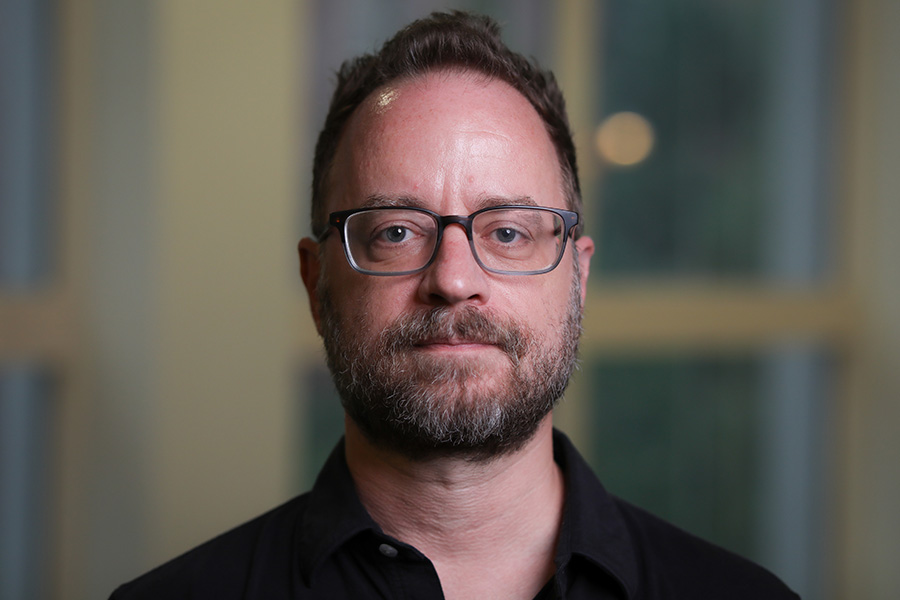
Christopher Weidlich is an Assistant Professor of Clinical in the School of Nursing and Health Studies at the University of Miami. His academic focus includes psychiatric nursing, mental health education, and healthcare provider well-being. He is involved in research addressing simulation-based education, mental health disorders in occupational groups such as fire investigators, and interventions to improve resilience among healthcare providers. His research interests span simulation modalities in psychiatric nursing education, organizational stigma's impact on mental health service utilization, and substance abuse trends like xylazine adulteration. He has also contributed to studies on military healthcare, including resilience programs for providers and PEMF therapy for chronic pain. Dr. Weidlich’s work is supported by his affiliation with the University of Miami’s School of Nursing and Health Studies, leveraging resources such as the Simulation Hospital Advancing Research and Education (S.H.A.R.E.®) facility. His research emphasizes practical applications in clinical settings and improving patient outcomes through innovative educational and therapeutic approaches.
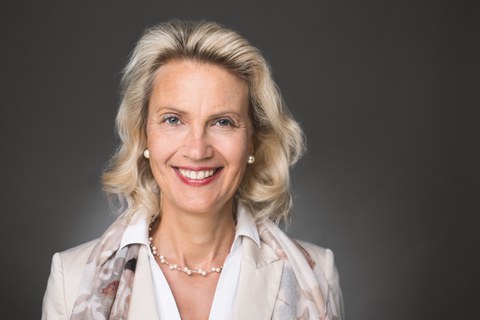
Bernadka Dubicka is a Clinical Professor and Honorary Clinical Chair in the Division of Neuroscience at the University of Manchester. She holds dual roles as a research lead at Pennine Care NHS Foundation Trust and as the child and adolescent mental health research lead for Health Innovation Manchester. She is the Editor-in-Chief of the Journal of Child and Adolescent Mental Health and previously served as Chair of the Child and Adolescent Faculty at the Royal College of Psychiatrists (2017–2021). Her academic qualifications include a BSc in Psychology and MBBs from University College London, followed by FRCPsych accreditation in child psychiatry. She earned a gold medal for her MD thesis on behavioral disorder implications in depression. Dubicka’s research focuses on adolescent depression, mood disorders, and brief interventions, including the IMPACT and STADIA trials evaluating psychological treatments and standardized diagnostic assessments. Her work also addresses technology’s role in youth mental health and the eco-crisis’s mental health impacts. Education: BSc Psychology, University College London MBBs, University of London MD Thesis (Gold Medal), University College London FRCPsych, Royal College of Psychiatrists Her research spans depression treatment efficacy, behavioral activation, and cross-national studies on pediatric bipolar disorder. She collaborates internationally and has led over 49 publications. Awards include a gold medal for her thesis and recognition as an RCPsych Fellow. Her work also emphasizes policy advocacy, such as addressing digital rights for children and mental health responses to climate change (e.g., COP26 contributions). She trains clinicians in brief psychosocial interventions and behavioral activation through academic programs and national courses. Grants & Funding: Co-investigator on the £1.1M HTA-funded STADIA trial evaluating remote mental health assessments. Principal investigator on the IMPACT trial, one of the largest adolescent depression trials globally. Labs/Teams: Collaborations include the University of Cambridge (IMPACT trial), University of Nottingham (STADIA), and international taskforces on treatment-resistant depression.
Robin Weersing is a Professor of Psychology at San Diego State University's College of Sciences and Co-Director of the SDSU/UC San Diego Clinical Psychology Joint Doctoral Program. With a focus on child and adolescent mental health, her research emphasizes development of efficient psychosocial interventions for anxiety and depression, particularly in underserved populations. PhD in Clinical Psychology, University of California, Los Angeles (2000) MA in Clinical Psychology, University of California, Los Angeles (1995) BA in Psychology, Linfield College (1993) Her work bridges clinical psychology and health services research, prioritizing transdiagnostic behavioral therapies that address comorbid anxiety and depression in youth. Key areas include: Telehealth adaptation for diverse populations Parental influences on treatment outcomes Racial/ethnic disparities in mental health care Cost-effectiveness analysis of community interventions Implementation science for primary care settings Recent publications highlight therapeutic mechanisms like avoidance reduction and parent-child interaction modifications. Her lab examines: Neural reactivity changes during treatment Implementation barriers in low-resource settings Minority stress in LGBTQ+ youth Interpersonal conflict mediation
Jesse Cougle is a Professor of Psychology at Florida State University, focusing on anxiety disorders , obsessive-compulsive and related disorders (OCRD), and problematic anger . He leads the Cougle Lab, which develops computerized treatments and investigates distress intolerance , courage , and transdiagnostic factors . Education: University of Texas at Austin (2008), Oxford University (postgraduate) Research: Cognitive-behavioral mechanisms in anxiety disorders, technology-based interventions for social anxiety and BDD, and biological processes in problematic anger Students: Mentoring Tapan Patel, James Zech, Victoria Swaine, and others His work spans interpretation bias modification , safety behavior reduction , and 'not just right' experiences in OCRD. Recent publications emphasize digital interventions for mental health and distress tolerance as a key transdiagnostic factor. Scientific Awards: President’s New Researcher Award (ABCT) Graduate Faculty Mentor Award (FSU) He serves as Editor-in-Chief of the Journal of Obsessive-Compulsive and Related Disorders and holds editorial roles in major journals. The Cougle Lab explores anxiety , perfectionism , and appearance-related psychopathology through multimodal research .
Prof. Dr. Silvia Schneider is a distinguished Professor of Clinical Child and Adolescent Psychology at Ruhr University Bochum, where she serves as Director of the Research and Treatment Center for Mental Health (FBZ). She also coordinates the Bochum-Marburg site of the German Center for Mental Health (DZPG). Previously, she held professorial positions at the University of Basel, where she served as Dean of the Psychology Faculty. Her academic career spans over three decades with significant contributions to child and adolescent mental health research. Dr. Schneider earned her doctorate from Philipps-University Marburg in 1992 with highest honors (summa cum laude) for her dissertation on "Psychological Transmission of Panic Syndrome." She completed her habilitation at Technical University Braunschweig in 2002. Her academic qualifications include board certification as a Psychological Psychotherapist (1999) and specialized credentials in behavioral therapy for children and adolescents (1998). Dr. Schneider's research primarily focuses on the etiology, prevention, and treatment of emotional disorders in childhood and adolescence. Her work examines familial transmission of emotional disorders, clinical baby and infant research, and diagnosis of mental disorders across the lifespan. She has pioneered research on anxiety disorders, particularly separation anxiety, and has developed innovative treatment approaches including exposure-based therapies. Her current work increasingly integrates neurobiological perspectives with clinical interventions, examining brain-behavior relationships in anxiety disorders through neuroimaging studies. Her extensive publication record demonstrates a consistent focus on child and adolescent mental health, with recent work expanding into digital interventions, virtual reality therapies, and large-scale multicenter studies examining anxiety disorders from both clinical and neurobiological perspectives. Her research bridges basic science with clinical application, maintaining a strong focus on evidence-based interventions for children and families. Visiting Professor at Anxiety and Depression Research Center, UCLA (2015-2016) Visiting Scholar at Center for the Treatment and Study of Anxiety, University of Pennsylvania (2009-2010) Honorary Professorship at University of Surrey Roehampton (2003-2010) Swiss National Science Foundation Professorship (2003-2006) DFG Habilitation Scholarship (1998-2001) Cassianeum Educational Foundation Dissertation Prize (1994) Dr. Schneider has successfully secured substantial research funding from major German and international funding bodies including the German Research Foundation (DFG), German Federal Ministry of Education and Research (BMBF), and Swiss National Science Foundation. Her current projects include "The Role of Parents in Child Development in the Context of Immigration" (DFG), "Mobile Research Laboratory" (DFG), and "Improving Mental Health in Refugee Families" (BMBF). As Director of the FBZ, she leads a large interdisciplinary team conducting cutting-edge research while providing evidence-based clinical services. As Director of the Research and Treatment Center for Mental Health (FBZ) at Ruhr University Bochum, Dr. Schneider oversees a comprehensive research infrastructure supporting studies from basic developmental science to clinical interventions. The FBZ serves as a hub for interdisciplinary collaboration across psychology, psychiatry, and neuroscience, with particular strengths in anxiety disorders research, early intervention, and innovative treatment approaches including digital health solutions.
Dimitris N Kiosses serves as Professor of Psychology in Psychiatry at Weill Cornell Medical College's School of Medicine since 2021. His academic affiliations center within the Department of Psychiatry with a focus on geriatric mental health services and research. His educational background includes a B.S. from Tufts University (1992), M.A. (1994), and Ph.D. (1999) from Adelphi University, establishing his foundation in clinical psychology with specialization in geriatric populations. Dr. Kiosses' research primarily investigates late-life depression, suicide prevention in older adults, and cognitive-behavioral interventions for comorbid conditions. His work emphasizes Problem Adaptation Therapy (PATH) development and implementation, particularly for depressed elders with cognitive impairment or chronic pain. Recent publications demonstrate growing focus on digital mental health tools, ecological momentary assessment, and international applications of geriatric interventions. His studies frequently examine emotion regulation mechanisms, neurocognitive correlates of depression, and implementation science approaches for real-world settings. Analysis of his 15 most recent publications reveals consistent thematic progression toward transdiagnostic approaches for late-life mental health, with increasing emphasis on technology-enabled interventions, cross-cultural adaptation, and precision medicine applications. The work spans clinical trials, implementation studies, and neurobiological investigations, predominantly targeting depression-suicide pathways in aging populations. Dr. Kiosses maintains active research mentorship through his leadership of multiple NIH-funded projects. His grant portfolio demonstrates particular strength in securing R01-level funding from NIMH and NIA for innovative geriatric mental health interventions. As Principal Investigator, he directs the Problem Adaptation Therapy research program which has evolved from home-based depression treatment (PATH) to specialized adaptations including PATH-Pain and suicide prevention applications. His work increasingly incorporates digital health components and focuses on implementation within primary care and community settings.
Pietro Liò is Full Professor in the Department of Computer Science and Technology at the University of Cambridge, where he leads research in Artificial Intelligence and Computational Biology as part of the AI group and the Cambridge Centre for AI in Medicine. He holds additional affiliations as Fellow and Council member of Clare Hall College, member of Ellis (European Lab for Learning & Intelligent Systems), and member of Academia Europaea. Professor Liò earned dual PhDs in Complex Systems and Non Linear Dynamics from the University of Florence and in Theoretical Genetics from the University of Pavia, Italy. His educational background bridges theoretical computer science with biological sciences, forming the foundation for his interdisciplinary research approach. His research focuses on developing Artificial Intelligence and Computational Biology models to understand disease complexity and advance personalized medicine. Current work emphasizes Graph Neural Network modeling for integrating multi-scale, multi-omics, and multi-physics data; combining deep learning with mechanistic approaches; explainability in medical AI; and developing AI-based medical digital twins and personal decision support systems. His work spans from fundamental algorithm development to clinical applications, with particular emphasis on translating computational advances into medical solutions. Analysis of his recent publications reveals strong activity in geometric deep learning , explainable AI for healthcare , and multi-omics integration , with increasing focus on clinically applicable tools that maintain both predictive power and interpretability. Member of Academia Europaea Listed among Top Italian Scientists by VIA-Academy Professor Liò has mentored over 40 PhD students and postdoctoral researchers, including notable names such as Petar Velickovic, David Buterez, and Chaitanya Joshi. His research is supported through collaborations with the Cambridge Centre for AI in Medicine and various international partnerships. He serves on departmental committees including Student Complaints and Postdoc Mentoring, and has completed equality and diversity training essentials. He leads research within the Artificial Intelligence group at Cambridge, focusing on creating computational frameworks that bridge biological complexity with clinical applications through advanced machine learning techniques.
Prof. Rita Bauer is a Senior Lecturer and Privatdozentin in Psychology at Technische Universität Dresden, Germany. She leads the Outpatient Clinic for Psychotherapy within the Department of Psychiatry and Psychotherapy at University Hospital Carl Gustav Carus. Her academic journey includes a PhD (Dr. phil.) from the University of Regensburg (2010), postdoctoral habilitation in Psychology (2014), and a Habilitation in Medicine at TU Dresden (2014). Bauer specializes in mood and anxiety disorders, suicide prevention, caregiver burden, and e-mental health. She has pioneered research on digital tools in psychiatry and the impact of online support groups on bipolar disorder management. Education: Diploma in Theology (1994–2000), University of Regensburg Diploma in Psychology (1997–2003), University of Regensburg PhD in Psychology (2010), University of Regensburg Postdoctoral Habilitation in Psychology and Medicine (2014) Certified in Cognitive-Behavioral Therapy (2004–2007), Institut für Therapieforschung Bauer’s research focuses on the intersection of technology and mental health. Her work on caregiver burden and suicide prevention has earned her the Lilly Research Prize (2006) and a stipend for postdoctoral research (2010–2012). She co-founded the Werner-Felber-Institut for Suicide Prevention and chairs the Working Group on Family Therapy within the German Association for Psychiatry. Her publications analyze digital health applications, including psychiatrist use of technology, environmental influences on suicide risk, and online self-help forums. She also investigates palliative care and psychooncology, reflecting her roles as a clinical psychologist and psychotherapist in Dresden since 2013. Awards: Lilly Research Prize (2006) Stipend for Postdoctoral Qualification (2010–2012) Bauer advises on suicide prevention training and collaborates with interdisciplinary teams at the Werner-Felber-Institut. Her clinical work integrates evidence-based practices with digital tools, enhancing mental health service delivery in Germany.
Jeffrey J. Borckardt is a Professor in the Department of Psychiatry and Behavioral Sciences at the Medical University of South Carolina (MUSC). His primary research focuses on neuromodulation techniques, including transcranial direct current stimulation (tDCS), transcutaneous auricular vagus nerve stimulation (taVNS), and transcranial focused ultrasound (tFUS), applied to chronic pain management and opioid use reduction. He leads multidisciplinary clinical trials investigating the efficacy of these technologies in diverse populations, including veterans and patients with hypermobile Ehlers-Danlos syndrome. Key research areas include the neurobiological mechanisms of pain, the integration of psychological interventions like cognitive-behavioral therapy (CBT), and the development of telehealth-delivered therapies. His work emphasizes improving healthcare access disparities and optimizing interprofessional teamwork. He collaborates across institutions, including the VA and international ENIGMA initiatives, to advance translational neuroscience. Recent studies explore the synergistic effects of tAN and tDCS with behavioral interventions, pain biomarkers in spine treatments, and real-time fMRI neurofeedback for addiction. His clinical trials often involve double-blind, sham-controlled designs to rigorously evaluate neuromodulation efficacy. Institutional Affiliations: MUSC College of Medicine, VA Medical Center Research Themes: Neuromodulation, Pain Rehabilitation, Opioid Crisis Mitigation
Prof. Dr. Wolfgang Lutz is a Full Professor and Head of the Department of Clinical Psychology and Psychotherapy at the Faculty of Psychology, University of Trier, Germany. He also serves as Director of the Outpatient Clinic and Postgraduate Clinical Training. Additionally, he holds an Adjunct Professor position at the University of Western Australia and is a Fellow of the Association for Psychological Science (APS). Dr. Lutz's research focuses on advancing clinical psychology and psychotherapy through precision mental health care, treatment personalization, and feedback-informed psychological therapy. His work emphasizes using data-driven approaches to optimize treatment outcomes, with particular attention to depression, anxiety disorders, and PTSD. He has pioneered the development of the Trier Treatment Navigator (TTN), a system for feedback-informed treatment that helps match patients to the most effective therapeutic approaches. His recent publications reveal a strong emphasis on integrating technology and artificial intelligence into psychotherapy research and practice. This includes developing algorithms for personalized therapy, using large language models to analyze therapy sessions, and implementing routine outcome monitoring systems. His research shows how temporal dynamics in therapy processes affect outcomes and how clinical microskills can predict therapeutic alliance and success. Fellow of the Association for Psychological Science (APS) Editor of Psychotherapy Research He leads initiatives to develop a European Psychotherapy Consortium (EPoC) to standardize outcome measurement across countries and promote cooperation in psychotherapy research. His laboratory focuses on precision mental health care, developing tools for treatment personalization, and investigating the mechanisms of change in psychotherapy.
Scott Barnes is Head of the Department of Linguistics and Course Director of the Master of Speech and Language Pathology at Macquarie University. He leads the Macquarie Linguistics Conversation Analysis Lab with Joe Blythe, supervising research on communication disabilities, speech pathology assessment, and cross-linguistic interaction analysis. His teaching focuses on acquired communication disorders, language analysis, and speech pathology foundations. Barnes researches acquired communication disabilities (aphasia, TBI) using conversation analysis and interactional linguistics. Key interests include: Everyday communication practices in clinical populations Turn-taking and repair organization across languages Multimodal interaction analysis Speech pathology assessment frameworks Cross-cultural communication disorders His publications demonstrate consistent focus on clinical conversation analysis, with recent work examining: Therapeutic interactions in mental health settings Multimodal communication in Mandarin and Indonesian contexts Auditory processing in post-stroke communication Repair strategies in dysarthria and aphasia As external accreditor for Speech Pathology Australia (2021-2026), he shapes professional education standards. He directs multiple active grants including projects on bilingual education, communication breakdowns in noise, and voice visualization technology.
Dr. Lucie Kruse is a researcher at the Department of Informatics, University of Hamburg, specializing in Human-Computer Interaction (HCI) and Virtual Reality (VR). Her work focuses on immersive user interfaces for cognitive and physical training, particularly for older adults and those with dementia. She has been an active member of the University of Hamburg's HCI group since 2018 and served on the Ethics Commission since 2023. Her research interests include: Virtual Reality Exergames Serious Games Assistive Technologies Accessibility in VR Mental Health Applications Her publications from 2021-2025 demonstrate expertise in designing VR systems for healthcare, analyzing age-related interaction patterns, and developing inclusive interfaces. She has received multiple awards including the 2024 Honorable Mention for Best Poster at ACM SUI and the 2023 Honorable Mention at ACM CHI. Scientific Awards: Honorable Mention for Best Poster Award at ACM SUI (2024) Runner-Up Prize at Metaverse for the Good (2024) Honorable Mention at ACM CHI'23 Interactive Demo (2023) Honorable Mention at ACM VRST (2021) She has supervised multiple theses on topics like AI agents for mental health, accessibility of chatbots for seniors, and VR exergame design. Her work spans collaborations with institutions like HITLab NZ and Western Sydney University's MARCS Institute.
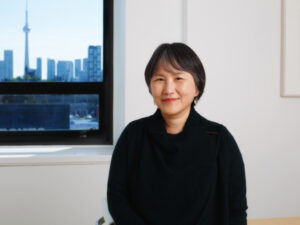
Eunjung Lee is a Professor and the Factor-Inwentash Chair in Mental Health & Health at the Factor-Inwentash Faculty of Social Work, University of Toronto, where she also serves as the Associate Dean, Academic. She holds a Ph.D. from Smith College. Her research focuses on cross-cultural psychotherapy, clinical practice in community mental health, and simulation-based learning in social work education. She critically examines policy discourses affecting immigrants and refugees under neoliberalism, challenging traditional notions of multiculturalism. Lee teaches clinical courses in the MSW program and social work theory at the doctoral level, emphasizing culturally responsive practice and social justice. Research & Grants Explores anti-Asian racism, youth cannabis use, and technology’s role in mental health for marginalized groups. Recipient of grants including the Simulation-Based Learning in Social Work Education and Global Research Network for Student Mental Health . Teaching & Leadership Chairs the MSW clinical curriculum and mentors students in critical practice. Advances equity through academic leadership and policy advocacy. Labs & Initiatives Leads the Inlight Initiative for student mental health. Pioneers digital simulation tools for culturally competent practice.
Kimberly Becker is Professor in the Department of Psychology at the McCausland College of Arts and Sciences, University of South Carolina. She holds a BA from College of William & Mary, PhD from University of Arizona, Clinical Respecialization Certificate from University of Hawaii, completed clinical internship at Kennedy Krieger Institute, and postdoctoral fellowship at Johns Hopkins University. Dr. Becker directs the Becker Lab focused on extending mental health service reach and effectiveness. Her research encompasses: Treatment engagement strategies for youth/families Clinical decision support tools development Workforce training through supervision/coaching Expanding mental health workforce capacity School-based intervention implementation Dr. Becker's publications demonstrate consistent focus on mental health services research. Recent work (2023-2025) examines clinical decision-making, implementation science, school-based services during COVID-19, and cross-cultural interventions. Her articles frequently address treatment engagement barriers, workforce development, and scalable service models in diverse settings. Her research has been supported by: William T. Grant Foundation Klingenstein Foundation National Institute on Drug Abuse She trains doctoral students in evidence-based psychosocial treatments and clinical decision-making. Dr. Becker mentors students in developing research programs to improve mental health services for underserved populations. She leads the Becker Lab whose mission emphasizes equity, authentic partnerships, applied science, and paradigm-shifting approaches to children's mental health services.
Roni Berger, PhD, is a Professor at Adelphi University's School of Social Work with over 30 years of academic experience. Her research focuses on trauma in cross-cultural contexts, immigrant/refugee experiences, and posttraumatic growth. She holds clinical credentials as a Licensed Clinical Social Worker (NYS) and Clinical Family Therapist (AAMFT). Education includes: Ph.D. from The Hebrew University of Jerusalem (1994) Psychotherapy certification from Tel Aviv University (1977) MSW and BSW from The Hebrew University of Jerusalem (1974, 1969) Her research examines how sociopolitical environments shape trauma responses across diverse populations including immigrants, refugees, and religious communities. Current investigations explore cultural mediators of posttraumatic growth, trauma-informed pedagogy, and qualitative methodologies for marginalized groups. Publication analysis reveals consistent focus on: cultural competence in trauma care, immigrant mental health interventions, innovative qualitative methodologies, and social work education reform. Recent work addresses pandemic-related pedagogical challenges and cross-cultural manifestations of psychological distress. Awards include: Two Fulbright Awards (Hong Kong 2007, Tel Aviv 2011) President Research Award (2004) NATO Science for Peace sponsorship (2012) Notable advising includes chairing 20+ dissertations on trauma, cultural identity, and marginalized populations. Secured multiple grants including from Fulbright, NATO, and Adelphi University for studies on cultural trauma and community resilience. Leads international educational initiatives in Israel, Ghana, Nepal, and Hong Kong. Directs global trauma education programs, including intensive courses in Israel examining Holocaust intergenerational trauma, security stress, and immigrant experiences. Developed cross-university collaborations in Australia and Hong Kong to advance trauma-informed curriculum development.