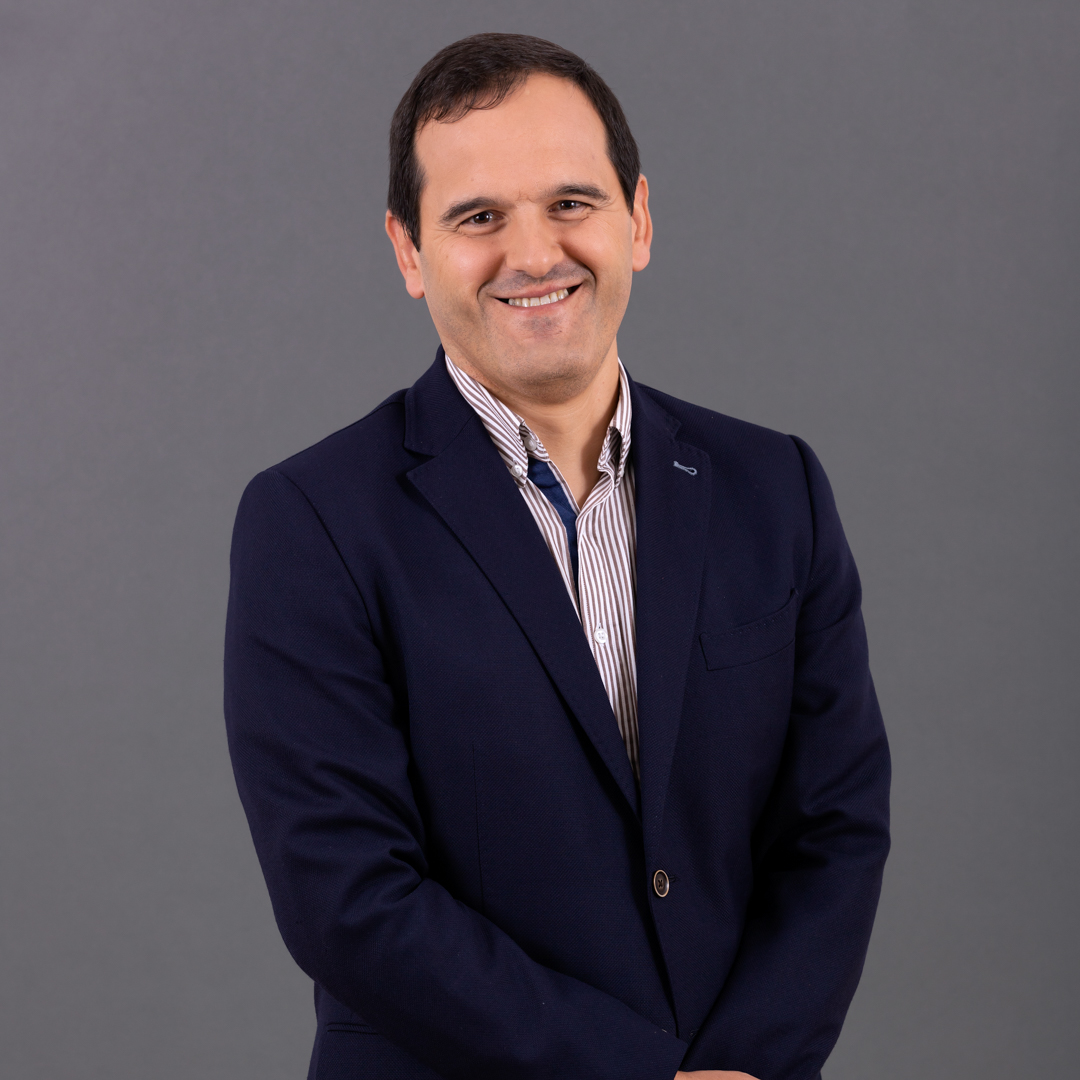
Professor Walter Timo de Vries is a faculty member at the Technical University of Munich (TUM) , holding the Chair of Land Management and Land Development within the Department of Aerospace and Geodesy, TUM School of Engineering and Design . His research focuses on intelligent and responsible land management , urban and rural development , spatial justice , and the development of a Human Geodesy framework. A graduate of TU Delft (1988) and Rotterdam (PhD), he has led international projects across Asia, Africa, and South America. At TUM, he directs the Master's and PhD Programs in Land Management , serves as Dean of Geodesy , and leads TUM.Africa . Member of the German Geodetic Commission Member of the Bavarian Academy for Rural Development Academic Coordinator of TUM SEED Center Research Interests span responsible land governance , land tenure security , land consolidation , and geospatial methods for sustainable development. His recent work examines the Water-Energy-Food Nexus and digital twins in collaborative planning. He has supervised over 20 PhD and Master’s students on topics like spatial justice , nomic pastoral tenure , and smart land use . Publications address blockchain in land administration , spatial inequalities , and land policy reforms across global contexts.
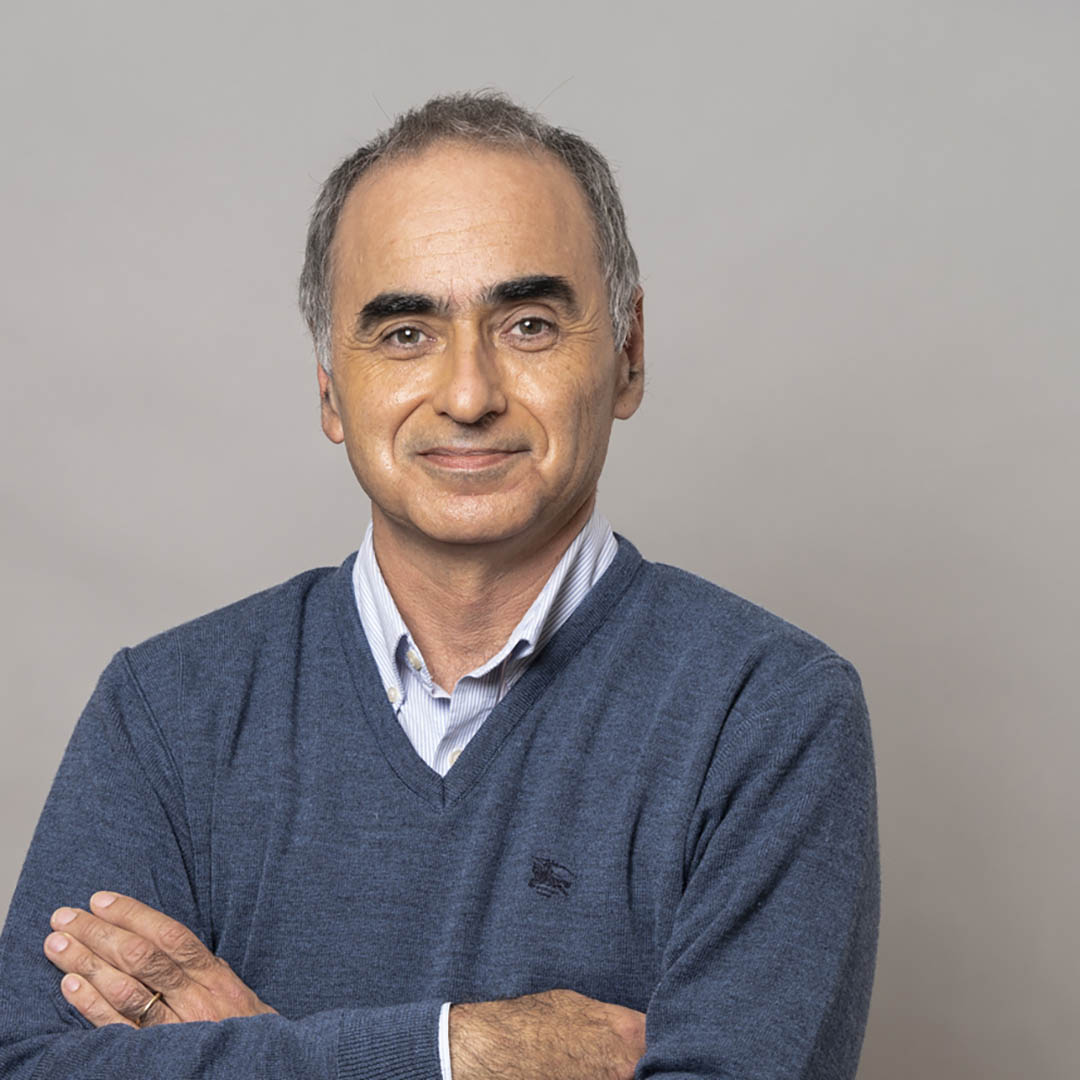
Nuno Fernandes Crespo is an Associate Professor at the Department of Strategic Management and Marketing, Lisbon School of Economics & Management (ISEG), University of Lisbon. He holds a PhD in Management (2013), a Master's in Management and Industrial Strategy (2004), and a Bachelor's in Management (1999) from ISEG. His research focuses on International Business, Entrepreneurship, and Strategic Agility in international new ventures (INVs), particularly during crises. He has published extensively in journals like International Business Review , Journal of International Management , and Technological Forecasting & Social Change . His 15 most recent works (2023–2025) explore themes including: Business model innovation during crises Supplier-country image effects in B2B marketing Sustainable entrepreneurship in family firms Digitalization and early internationalization strategies Country-of-origin stereotypes in industrial marketing Dynamic capabilities in INVs He supervises Master's students in topics spanning internationalization, digital transformation, family business strategy, and innovation. Professional roles include coordinating the Master's in Management and Industrial Strategy (2016–2022), serving on ISEG’s Executive Commission, and leading the Doctoral Program in Management (2018–2022). His methodology integrates empirical research, mixed methods, and configurational approaches.
Tejaswini Herath is a Professor of Information Systems at the Goodman School of Business, Brock University. Her research focuses on information security governance, mobile payment technologies, and the ethical implications of technology adoption. She has contributed extensively to understanding cybersecurity challenges, digital privacy, and the socio-economic impacts of emerging technologies. Her work often bridges technical and organizational aspects, emphasizing frameworks for risk management and innovation adoption. Recent studies include analyses of mobile payment systems in developing economies, cryptocurrency valuation ethics, and pandemic-era technology governance lessons. Her research spans interdisciplinary topics such as phishing susceptibility, user behavior in digital environments, and the integration of cybersecurity into organizational strategies. She has published over 50 peer-reviewed articles, with a focus on practical applications of theoretical models like Bayesian post-audit frameworks and technology-organization-environment (TOE) models. Her work addresses both academic and industry audiences, advocating for balanced scorecard approaches to security performance measurement. Tejaswini Herath is actively involved in curriculum development for information systems education, emphasizing student motivation and learning outcomes in IS courses. She collaborates with global institutions to study cross-cultural technology adoption patterns and policy implications.
Shu-Chuan (Kelly) Chu is a Professor and Program Director of Public Relations and Advertising at DePaul University's College of Communication. With a PhD from the University of Texas at Austin, her work spans research, editorial leadership, and global teaching initiatives. Education: PhD and MA in Advertising (University of Texas at Austin); BA in Advertising (National Chengchi University, Taipei, Taiwan) Research Interests: Professor Chu's research focuses on social media, electronic word-of-mouth (eWOM), brand activism, cross-cultural consumer behavior, and the intersection of interactive advertising with fashion and hospitality industries. Her work often examines how digital platforms and cultural contexts shape consumer responses and marketing effectiveness. Publication Trends: Recent articles explore AI-integrated advertising, TikTok's viral mechanics, CSR communication in social media, and mortality salience in tourism campaigns. Subfields include virtual/augmented reality, ethical marketing, and cultural variations in digital engagement. Scientific Awards: 2020 Billy I. Ross Advertising Education Award Best Reviewer Awards (Journal of Interactive Advertising, International Journal of Advertising) High Scholarly Impact Award (Journal of Global Fashion Marketing) Global Contributions: As Past President of the American Academy of Advertising (AAA), she launched initiatives like the Best DE&I Conference Paper Award and Childcare Grant. She has presented internationally and led study abroad programs in Asia.
Marianne Bradford is a Professor of Accounting at the Department of Accounting, North Carolina State University, within the Poole College of Management. She holds a Ph.D. in Accounting from the University of Tennessee (2001). Her research focuses on Enterprise Resource Planning (ERP) systems, data security and classification, audit technology, and sustainability reporting. She has contributed to studies such as 'The Critical First Step to Data Security' (2021), emphasizing the role of management accountants in defining security KPIs, and has been recognized with the Best Education Paper Award (2010). Her academic work spans ERP implementation strategies, robotic process automation governance, and the application of AI tools like ChatGPT in accounting education. She collaborates with organizations like SAP, integrating ERP modules into curricula, and has advised on ERP post-implementation maintenance and identity access management. Her engagement with industry challenges includes analyzing barriers to generalized audit software adoption and exploring stakeholder expectations in sustainability reporting. Bradford is affiliated with the Business Analytics and AI Initiative (BAI) and contributes to the Poole College's thought leadership through publications in the ISACA Journal and articles in Strategic Finance. Her teaching emphasizes ERP systems and process mapping, reflecting her commitment to bridging academic research with practical business solutions.
António Palma Dos Reis is a Professor at the ISEG School of Economics and Management at the University of Lisbon, specializing in Management Science and Information Systems. He holds a PhD in Management Science from the University of Wisconsin-Milwaukee (1996), along with MS (1993) and BS (1989) degrees in Management and Information Systems. His professional roles include leadership positions such as Dean and President of the ADVANCE research unit. His research focuses on digital transformation, robotic process automation (RPA), blockchain applications, and technology adoption in organizations. Notable studies include analyzing RPA's value for enterprises and blockchain's role in online gambling. He has advised over 30 master’s students on topics like cloud security, RPA implementation, and AI-driven decision systems. Reis has served on the scientific council of the Open University of Lisbon and contributed to institutional governance as a member of ISEG’s Senate. His work bridges theoretical frameworks (e.g., TOE model) with practical applications in procurement systems, mobile business, and financial decision-making. His publications span 30+ years, covering strategic performance analysis, e-procurement systems, and collaborative decision-making. Current research emphasizes organizational ambidexterity and post-AI societal impacts, reflecting a dual focus on technological innovation and managerial strategy.
Prof. Weimin Li serves as an Honorary Visiting Fellow at Anglia Ruskin University's Faculty of Business and Law, where he supervises PhD research. He concurrently holds professorial positions at Liaoning University's School of Economics and conducts academic research at the University of Cambridge. His work bridges theoretical economics with practical innovation frameworks across Chinese and international contexts. His research centers on innovation ecosystems and sustainable development across environmental, economic, and social dimensions, with specialized focus on Cambridge's economic history and regional economic dynamics in China. He examines how digital transformation drives green supply chains and how financial geography shapes mega-regional integration in areas like Beijing-Tianjin-Hebei and the Yangtze River Delta. Analysis of his recent publications reveals strong methodological diversity combining empirical TOE framework applications, spatial optimization techniques, and historical analysis. His work consistently addresses sustainability challenges through technological innovation while documenting regional economic evolution in Chinese contexts. His notable recognitions include: Provincial Outstanding Teaching Award from Liaoning Department of Education (2023) National Innovation and Entrepreneurship Mentor designation by China Ministry of Education (2018) Prof. Li leads major research initiatives including the 2023-2027 'Knowledge System of Regional Innovation and Entrepreneurship' project and 2022's 'Liaoning Promoting Industrial Internet Development Research'. He founded the CFCC Cambridge Academy and co-founded the CFCC-Anglia Ruskin Visiting Scholar Programme, establishing structured pathways for academic exchange and PhD development. He directs the China Future Creative Class (CFCC) ecosystem through the CFCC Smart Economy Competition and Visiting Scholar Programme, creating platforms for cross-border innovation education and entrepreneurship development between Chinese and UK institutions.
Hemantha Herath is a Professor of Accounting at the Goodman School of Business, Brock University. His research focuses on intersections of accounting analytics, information security governance, and financial risk management. He specializes in applying advanced statistical techniques like Monte Carlo simulations and Bayesian analysis to address challenges in managerial decision-making, regulatory compliance, and organizational performance. Key research themes include cybersecurity frameworks, cryptocurrency valuation, and the integration of balanced scorecards for strategic initiatives. His work frequently explores real-world applications in sectors such as winemaking, timber harvesting, and pandemic-era technology adaptation. Dr. Herath’s contributions bridge theoretical models with practical implementations in corporate social responsibility, environmental sustainability, and cost-volume-profit analysis. His publications span academic journals and industry reports, emphasizing methodological rigor and actionable insights. Notable areas of exploration include cyber-insurance pricing frameworks, regulatory pressures on small businesses, and the ethical dimensions of cryptocurrency.
Dr. Ana-Marija Stjepić serves as a Researcher at the Department of Informatics , University of Zagreb Faculty of Economics , with over 9 years of teaching experience in business informatics and digital technologies. She actively contributes to research projects funded by the Croatian Science Foundation (HRZZ) and University of Zagreb , focusing on business intelligence systems, digital transformation, and technology adoption in SMEs. PhD in Business Informatics Specializes in Business Intelligence and Digital Literacy Research Interests : Her work bridges Business Process Management (BPM) with Business Intelligence (BI) , examining their alignment in organizational performance. She investigates technology adoption models (TOE framework) in SMEs, digital transformation strategies, and social media analytics in business contexts. Recent projects focus on IoT integration in BPM and green IT in education. Scientific Contributions : With 15+ peer-reviewed publications, her research spans: Senior 2030 Project : Digital solutions for elderly care PROSPER Project : Process intelligence for business performance Digital Literacy Studies : Generational differences in ICT adoption She teaches courses on database management , data warehousing , and digital governance across bachelor's, master's, and specialist degree programs.
Kamran Ali Chatha is a Senior Lecturer in Management Science and Operations at Loughborough Business School, and Director of Doctoral Programmes. He holds a PhD and MSc in Computer Integrated Manufacturing from Loughborough University. Previously, he served as Associate Professor and Associate Dean of Academic Programs at Lahore University of Management Sciences (LUMS), Pakistan, and held roles at Abu Dhabi University, UAE. His research focuses on digital, sustainable, and resilient supply chains, manufacturing strategy, and emerging economies. He has secured grants from Pakistan and UK funding bodies and has published widely on supply chain integration, digital transformation, and lean-sustainability synergies. His industry collaborations include executive education, consulting, and applied research. Key research interests include strategic shame management for sustainability goals, big data in procurement, and supply chain resilience in crises like the pandemic. He actively explores servitization, innovation ecosystems, and the interplay between technology, organizations, and environments. Teaching spans undergraduate to PhD levels, covering operations management, supply chain strategy, and manufacturing systems. His career highlights include designing the milk collection network using location routing, and advising companies like Awais Model Farms on crop decision strategies.
Dr John Saint is an Associate Professor in Data Analytics at Regent's University London, Faculty of Business and Management. With a PhD in Learning Analytics (University of Edinburgh, 2021), he specializes in extracting insights from digital learning systems to enhance student experience. PhD in Learning Analytics, University of Edinburgh (2021) MSc in Business Intelligence and Data Mining, De Montfort University (2015) Post Graduate Certificate in Higher Education, University of Westminster (2011) BSc (Hons) in Data Processing, University of Leeds (1990) His research focuses on: Learning Analytics methodologies for analyzing self-regulated learning Temporal and sequential pattern recognition in educational data Process mining applications in digital learning systems Big Data analytics for business and marketing contexts Publications demonstrate expertise in educational data mining, MOOC behavior analysis, and algorithm validation for learning pattern detection. His work combines: Self-regulated learning frameworks Digital experience optimization Microlevel process modeling Professional affiliations include: Fellow of the Higher Education Academy Member of the British Computer Society Member of the Society for Learning Analytics Research As Director (Content) in Business Technology, he develops educational modules and supervises research projects while maintaining active industry connections through consultancy work.
Dr. Wessam Abouarghoub is a Reader in Logistics and Operations Management at Cardiff Business School, Cardiff University, and serves as the Co-ordinator for the Transport, Shipping, Port and Maritime Research Group (TRANSPAM). He joined the university in June 2013 as a Lecturer after completing his PhD at Bristol Business School. He is actively engaged in research, teaching, and postgraduate supervision. PhD in Economics, Bristol Business School, University of the West of England (2013) MSc in Shipping Trade & Finance, Cass Business School, City University London (2006) Bachelor in Maritime Navigation (Honours), Academy of Maritime Studies, Tripoli, Libya (1998) Certificate of Competency as Chief Mate Unlimited, UK Maritime Coastguard Agency (2005) Dr. Abouarghoub's research is centered on Maritime Economics, with a focus on Shipping Risk Management, Shipping Finance, Applied Business Data Analytics, and the maritime industry in developing nations. His work employs advanced quantitative techniques, including Markov-switching models, time-series analysis, and econometric modeling, to study freight market dynamics, volatility, and risk exposure. He has also contributed to interdisciplinary research on port sustainability, GHG emissions, blockchain adoption in maritime supply chains, and human resource management in the shipping sector. His teaching includes courses such as Shipping Economics, Advanced Operations Management, and Strategic Operations Management at undergraduate and postgraduate levels. The recent publications highlight a strong trend toward sustainability in maritime logistics, with multiple studies on GHG emissions, port sustainability, and environmental impact assessment. Other key themes include data quality enhancement, blockchain integration, and risk modeling in shipping markets. His collaborative work spans institutions and countries, reflecting a global research network. Fellow of the Higher Education Academy (FHEA) Member of the Nautical Institute (MNI) Member of the International Association of Maritime Economists (IAME) External Examiner, American College of Greece and Liverpool John Moores University (2016–2020) Dr. Abouarghoub has supervised and collaborated with numerous researchers and has been involved in external examination and academic review roles. He has not received specific scientific awards mentioned in the text. He leads and contributes to research on maritime sustainability, risk, and digital transformation, often in collaboration with international scholars. His industry experience as a seafarer enhances the practical relevance of his academic work.
Dr. Manimuthu Arunmozhi is a Lecturer (Assistant Professor) in Cybersecurity and Business Analytics at Aston Business School, part of Aston University's College of Business and Social Sciences. He is a core member of the Cyber Security Innovation Research Centre and an associate member of the Aston Centre for Artificial Intelligence Research and Application (ACAIRA). His research focuses on cybersecurity, artificial intelligence, sustainable operations, blockchain, and autonomous systems. He holds a PhD in Electrical Engineering and has extensive industry experience, including roles at Nanyang Technological University (NTU) Singapore and the Singapore University of Technology and Design. Education: Ph.D. in Electrical Engineering M.Eng. in Embedded and Real-time Systems B.Eng. in Electrical and Electronics Engineering Research Interests: Machine Learning in Supply Chain AI-driven Automation and Control Cyber-Physical Systems Security Blockchain Applications Autonomous Vehicle Threat Analysis Sustainable Operations and Energy Management Recent Projects: Q-SAFE: Quantum-secure messaging and file-sharing application funded by Innovate UK. Digital Financial Inclusion: Enhancing rural access via feature phones with SureCash. Peer-to-Peer Lending Platform: Risk assessment algorithms with MoneyTable. Awards: GATE Scholarship (2013-2015) Robert Bosch Innovation Award (2013-2014) Teaching: Courses include Big Data Analytics, Network Security, SQL, and Human Compliance Management. He is also an Adjunct Professor at the University of La Sabana, Colombia. Labs/Teams: Active in the Cyber Security Innovation (CSI) Research Centre and collaborates with industry partners like BMW and DESAY Automotive.
Professor Glenn Parry is a Professor of Digital Transformation and Associate Dean (Research) at the University of Surrey's Faculty of Arts, Business & Social Sciences. He leads the DECaDE: EPSRC Centre for the Decentralised Digital Economy , a £4M UKRI/EPSRC initiative. His research focuses on digital economy dynamics, blockchain applications in supply chains, and transdisciplinary engineering solutions. He holds a PhD (Cantab), MSc, BSc, and Dipl. Psychotherapy, with expertise in organizational value creation and ethical business practices. Education: PhD (Cantab) MSc BSc Postgraduate Certificate in Education (PGCertEd) Research Interests: Blockchain adoption and decentralized systems Supply chain resilience and innovation Transdisciplinary engineering frameworks Value measurement and ethical business models Healthcare manufacturing and microfactories His work bridges theory and practice, partnering with governments and industries to address real-world challenges like post-Brexit border digitization and sustainable supply chains. Key Projects: EPSRC DECaDE: Decentralized Digital Economy research EPSRC OMMS: On-body manufacturing for leukemia therapeutics RAMONA: Resilient 3D-printing supply chains Trans-Disciplinary Design-Engineers project Publications: Over 50 peer-reviewed articles and books, including studies on blockchain success factors, servitization, and digital trade reform. Recent work emphasizes blockchain’s role in sustainability, healthcare, and supply chain visibility. Labs/Teams: Co-directs DECaDE, leading a multidisciplinary team of researchers and industry partners.
Dr. Mehmood Chadhar is a Senior Lecturer in Enterprise Computing and Projects at Federation University Australia's Institute of Innovation, Science and Sustainability (IISS). He holds a PhD in Information Systems from UNSW Australia and additional qualifications in Information Technology and Education. His research focuses on blockchain adoption, enterprise systems, IT-driven organizational change, and business simulation games' impact on workforce readiness. Chadhar has supervised eight PhD students since 2016, addressing topics like cybersecurity resilience in crises, blockchain applications in healthcare and energy sectors, and ERP simulation efficacy in higher education. He actively contributes to program coordination and academic governance committees within his school. His recent work emphasizes digital resilience frameworks for crisis management, cybersecurity strategies in higher education, and actor-driven blockchain adoption models. Over 12 academic publications since 2017 reflect his interdisciplinary approach, integrating technology, organizational behavior, and pedagogical innovation. Chadhar's professional certifications include SAP ERP expertise, ERP Simulation Games Instructor Level 2, and advanced analytics tools like Tableau and IBM Watson. He maintains active memberships with SAP Australia and the Australian Computer Society.