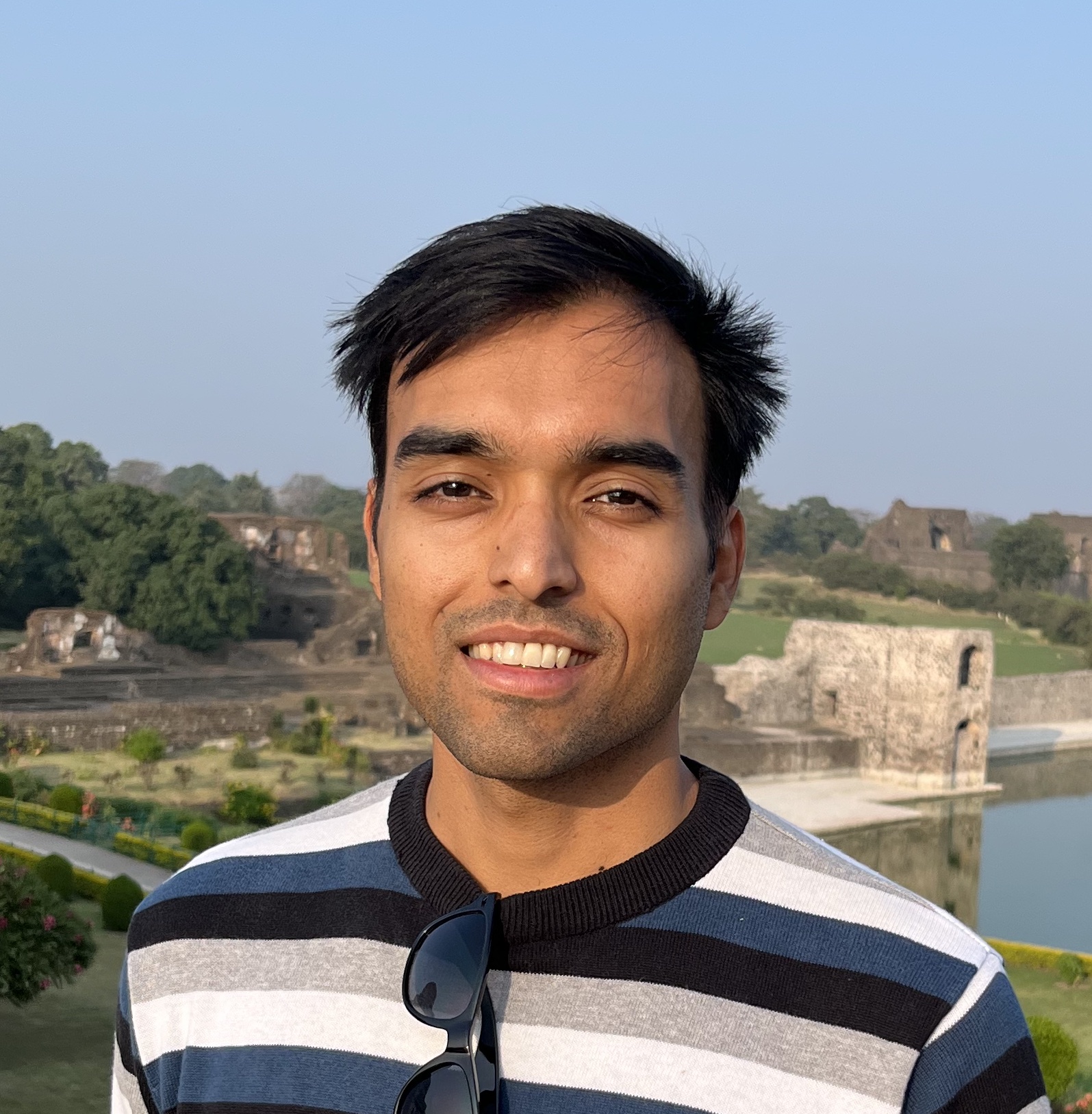
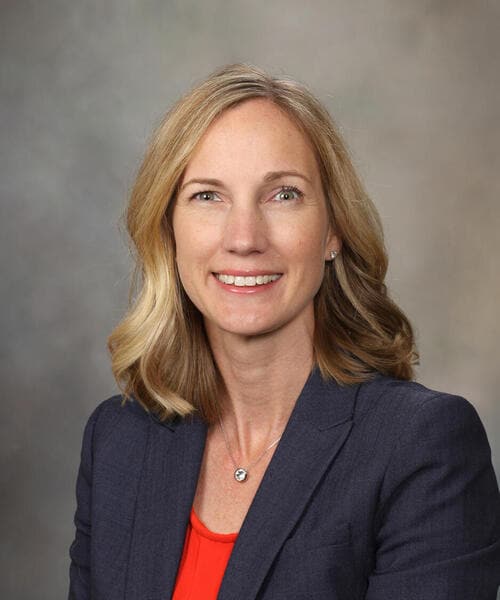
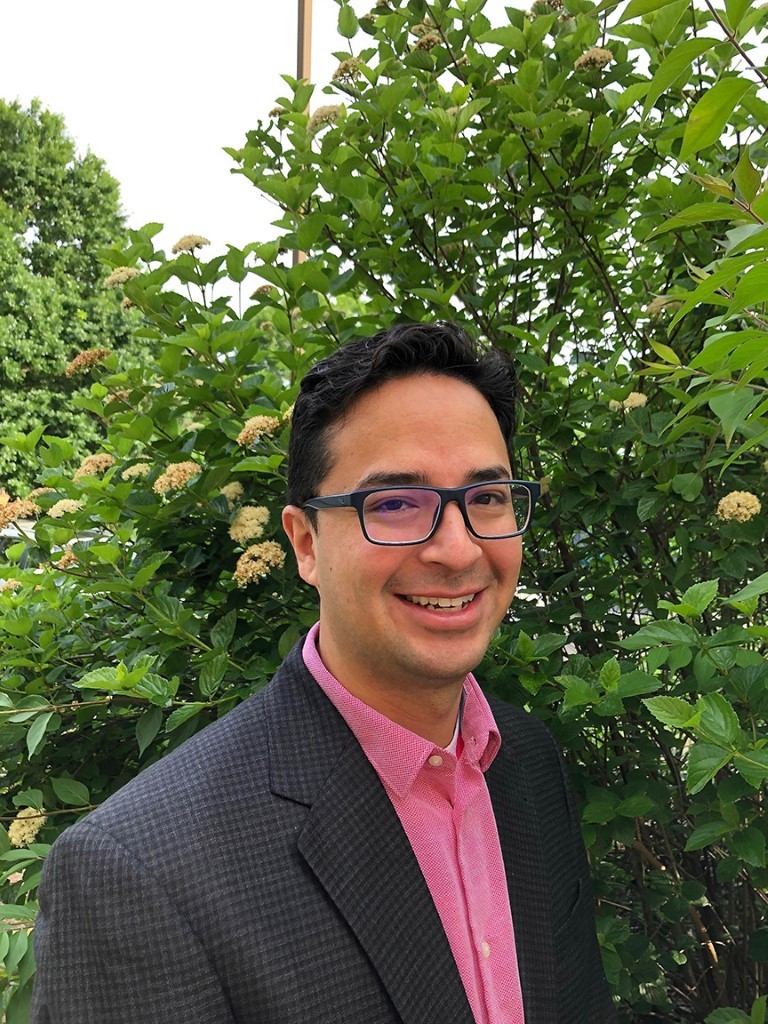
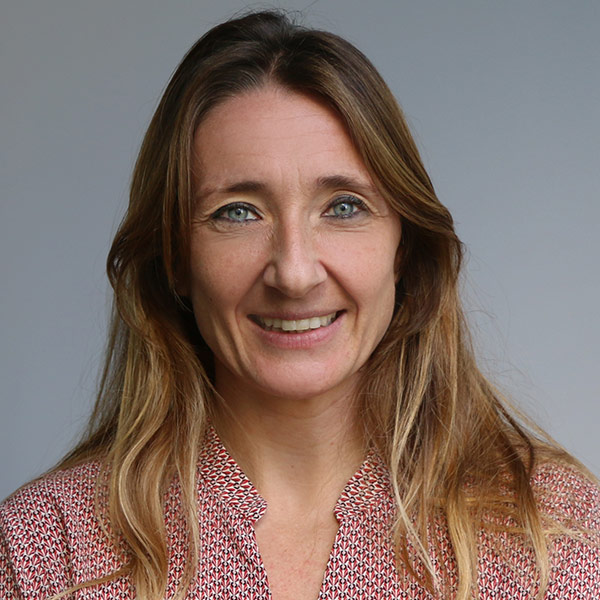
Nirupam Gupta is an Assistant Professor at the Department of Computer Science (DIKU), University of Copenhagen. His research focuses on robustness, privacy, and fairness in distributed machine learning systems, with particular emphasis on federated learning and Byzantine fault tolerance. He actively contributes to the design of secure, resilient, and privacy-preserving algorithms for collaborative AI systems. He teaches courses in Privacy in Machine Learning (PriMaL) Machine Learning B (MLB) both offered in hybrid formats with full remote participation support. His latest book, Robust Machine Learning: Distributed Methods for Safe AI , provides foundational insights into the field. Key research themes in his work include: Byzantine-Robust Optimization Differential Privacy in Federated Systems Personalization under Adversarial Conditions Secure Aggregation Techniques Contact: nigu@di.ku.dk
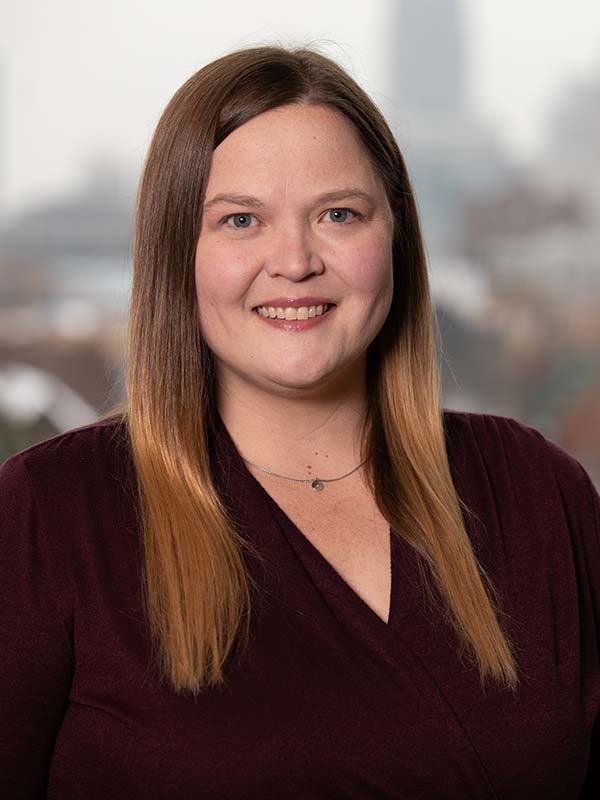
Michelle L. Mauermann, M.D., is a **Professor of Neurology** and **Chair of the Division of Neuromuscular Medicine** at Mayo Clinic. She specializes in peripheral nerve disorders, plasma cell-related neuropathies, and hereditary amyloidosis. Her research focuses on disease mechanisms, biomarker development, and clinical trials. **Education**: Completed residency and fellowship training in Neurology and Neuromuscular Medicine at the University of Virginia and Mayo Clinic. Earned her MD from the Carver College of Medicine, University of Iowa, and a BS in Chemistry from the University of Iowa. **Research Interests**: Investigates peripheral neuropathies linked to plasma cell disorders (e.g., multiple myeloma, amyloidosis), hereditary transthyretin amyloidosis, and peripheral nerve tumors like intraneural perineurioma. Her work emphasizes translating findings into clinical treatments. **Awards**: Recognized with the 2024 Distinguished Alumni Grand Rounds Speaker Award, multiple "Top Performing Provider" accolades (2020–2023), and the 2006 James Q. Miller Neurology Teaching Award. **Leadership**: Serves on the Mayo Clinic Executive Committee, International Congress on Neuromuscular Diseases Scientific Committee, and chairs the Amyloid Research Consortium Working Group. Active in editorial boards and professional committees.
Michiel E. Hochstenbach is an Associate Professor at Eindhoven University of Technology (TU/e), affiliated with the EAISI High Tech Systems and EAISI Foundational initiatives. He holds positions in the Department of Mathematics within the School of Mathematics and Computer Science. His research focuses on numerical linear algebra, ill-posed problems, and computational methods. Hochstenbach earned his PhD from Utrecht University (2003) and held roles at Düsseldorf University and Case Western Reserve University before joining TU/e in 2006. His work spans numerical analysis, scientific computing, and software development for numerical algorithms. He has secured grants including an NSF (2004–2007) and NWO Vidi (2012–2017). His research group advises PhD students who have also received awards for their contributions. Key research areas include matrix computations, inverse problems, and optimization techniques. Recent publications address subspace methods, gradient algorithms, and matrix factorization innovations. He is an editorial board member of several journals and actively contributes to interdisciplinary computational science projects. Notable awards include the NWO Vidi Award (2011) recognizing his rapid advancements in matrix methods. His teaching includes courses on calculus, linear algebra, and mathematics fundamentals. Hochstenbach collaborates internationally, contributing to computational mathematics and sustainable development through algorithmic efficiency.
Dr. Daniel Shustack serves as Professor in Environmental Studies at Massachusetts College of Liberal Arts (MCLA), teaching field-intensive courses including Ornithology, Nature of New England, and Everglades and South Florida that leverage the Berkshires' diverse ecosystems. His instruction emphasizes hands-on learning across forests, wetlands, and rivers surrounding MCLA's campus. His educational background: Ph.D. in Natural Resources, School of Environment and Natural Resources, The Ohio State University M.S. in Wildlife and Fisheries Biology, The Rubenstein School of Environment and Natural Resources B.S. in Biology, The Pennsylvania State University Research centers on songbird ecology and conservation in northeastern forests, particularly long-term banding studies of Dark-eyed Juncos examining population declines, morphological variation, and migratory movements since 2017. Additional projects investigate Northern Cardinal coloration mechanisms, Saw-whet owl migration patterns, and Evening Grosbeak wintering behavior. His 2011-2023 publications reveal consistent focus on avian conservation challenges, spanning junco subspecies stability, cardinal reproductive ecology, and flicker feather pigmentation. These works demonstrate interdisciplinary approaches connecting field observations with conservation applications for declining species. No scientific awards were documented in the source material. Dr. Shustack actively mentors undergraduate researchers, with students like E.J. Neumuth and H.L. Wait co-presenting at national conferences on junco migration and habitat use. While specific grant funding isn't detailed, his research relies on sustained fieldwork and collaborations with institutions like the USGS Bird Banding Lab. His field-based research team operates across western Massachusetts landscapes, conducting year-round banding operations and ecological monitoring through MCLA's Center for Science & Innovation, with ongoing projects adapting to address climate impacts on avian populations.
Madhur Tulsiani is a Professor at the University of Chicago's Department of Computer Science and a researcher at the Toyota Technological Institute at Chicago (TTIC). His research focuses on theoretical computer science, particularly complexity theory and algorithm design, with applications in coding theory and information theory. He has been supported by NSF grants 1254044, 1816372, and 2326685. Education: Bachelor’s in Computer Science, IIT Kanpur (2001-2005) Ph.D. in Computer Science, UC Berkeley (2005-2009), advised by Luca Trevisan Postdoctoral fellowships at the Institute for Advanced Study (IAS) and Princeton University Research Interests: Mathematical foundations of computation Complexity theory and algorithm design Coding theory and error-correcting codes Sum-of-Squares hierarchies and approximation algorithms Recent Contributions: Pioneering work on list decodable codes and expander-based constructions Advances in approximation algorithms for high-dimensional expanders Lower bounds for Sum-of-Squares algorithms using high-dimensional expanders Teaching: Information and Coding Theory Mathematical Toolkit (linear algebra/probability) Summer REU programs in theoretical computer science Students: Advised PhD students including Fernando Granha Jeronimo, Goutham Rajendran, and Shashank Srivastava Co-advised students with Sasha Razborov, Janos Simon, and others Labs/Groups: Member of the Theoretical Computer Science Group at TTIC and UChicago, contributing to cross-disciplinary research in algorithms and complexity.
Elizabeth City is a Senior Lecturer on Education at Harvard University's Graduate School of Education (HGSE). She holds an Ed.D. from Harvard University (2007). Her career spans roles as a teacher, instructional coach, principal, and consultant, all focused on empowering educators and students through strategic leadership. She emphasizes collaboration, evidence-based practice, and systemic change in K-12 education. City's research and publications center on education reform, leadership development, and organizational change. Notable works include Leading Strategically: Achieving Ambitious Goals in Education (2025) and Data Wise (2006, 2020), which provide frameworks for using data to improve teaching and learning. She also co-authored Instructional Rounds in Education (2009), a seminal text on collaborative school improvement strategies. Her courses at HGSE include Accelerating Instruction: Principals Leading Instructional Improvement and Using Instructional Rounds to Cultivate High-Quality Learning . She advocates for leaders to balance ambition with actionable, iterative steps ('think big, act small, learn fast'). City's work bridges theory and practice, addressing challenges like educator burnout and systemic inequities through strategic, relationship-driven approaches. Her contributions extend to nonprofit leadership and organizational change, reflecting her commitment to pragmatic yet imaginative solutions in education.
Gruia Calinescu is an Associate Professor of Computer Science at Illinois Institute of Technology (IIT), affiliated with the College of Computing's Computer Science Department. He joined IIT in 2000 and has held visiting positions at the University of Bonn and the University of Wisconsin-Milwaukee. His research focuses on approximation algorithms, combinatorial optimization, and theoretical computer science, with contributions to graph theory, network design, and algorithmic problems in wireless networks. Education includes a PhD from Georgia Tech's Algorithms, Combinatorics, and Optimization program (1998) under Howard Karloff. He also holds a diploma from the University of Bucharest in scheduling theory. Key research interests include algorithms for Steiner trees, network connectivity, scheduling, and power optimization. He has published extensively on topics like minimum power covering, relay placement, and LP rounding techniques. His work often bridges theoretical foundations with practical applications in wireless networks and distributed systems. Recent work includes advancements in combination algorithms for Steiner tree variants (2022), energy-aware scheduling (2016), and improved approximation algorithms for relay placement (2014). He is also involved in teaching, such as CS 530 - Theory of Computation.
Devon Evans is an Assistant Professor and Section Head of Minimally Invasive Gynecologic Surgery (MIGS) at the Max Rady College of Medicine, University of Manitoba. His work focuses on endometriosis, pelvic pain, and advancements in minimally invasive surgical techniques. Education Master of Public Health (MPH), Clinical Effectiveness, Harvard T.H. Chan School of Public Health (2022) Medical Doctor (MD), University of British Columbia (2014) Bachelor of Science, Honors (BScH), Human Physiology, University of British Columbia (2010) Dr. Evans' research interests span endometriosis , fibroids , laparoscopy , minimally invasive gynecologic surgery , and pelvic pain . He actively engages in healthcare implementation science, surgical device innovation, and quality improvement initiatives. Scientific awards include: Dean of Medicine’s Education and Research Fellowship Fund (2019) AAGL Recognition of Excellence in Minimally Invasive Gynecology (2019) Dr. I.C. and Mrs. M. Peever Memorial Fund Award (2018) Best Grand Rounds of the Year (2016, 2018) Canadian Foundation for Women's Health Resident Research Award (2016) iACT Trainee Clinical Investigator Seed Grant Award (2011) CIHR Health Professional Student Research Award (2011) Florence Heighway Summer Research Award (2011) Dr. Evans emphasizes teaching at all levels, advocating for 'SMART' goal-setting and hands-on mentorship in clinics, wards, and operating rooms. He mentors residents and students in observational research and surgical video production.
Professor Faye Gishen serves as Professor of Medical Education and Palliative Medicine, Director of UCL Medical School, and Head of the MBBS Programme at University College London. With medical qualifications including MBBS (1997), MRCP (2000), FRCP (2014), and EdD, she bridges clinical practice with academic medicine while maintaining an honorary consultant contract at the Royal Free London. Her research spans two interconnected domains: clinical palliative care through collaborations with the Francis Crick Institute on tumor heterogeneity, and medical education innovation focused on curriculum mapping, student resilience, and diversifying medical education. She pioneered UCL's electronic curriculum map which has improved student assessment experiences, and her work on Schwartz Rounds for medical students has informed national practice and enhanced reflection and wellbeing. Her research portfolio demonstrates a consistent focus on improving medical education through evidence-based innovation. Professor Gishen has received numerous awards recognizing her educational leadership, including multiple UCL Provost Awards, Excellence in Medical Education Awards, and was shortlisted for the Royal College of Physicians Excellence in Patient Care Award. She has organized national symposia on medical student resilience attended by 28 of 41 UK medical schools and contributes to curriculum reviews at institutions worldwide including St George's University, King's College London, and international institutions in Singapore, Jordan, and Egypt. UCL Provost Award (2020) UCL Faculty Award UCL Excellence in Medical Education Award (EMEA) UCL Provost Education Award Shortlisted for Royal College of Physicians Excellence in Patient Care Awards (2019) Inaugural Provost Team Award for Embedding Equality, Diversity and Inclusion (2020) As an educator, Professor Gishen has transformed medical education through innovative modules on Sustainability & Climate Change in Healthcare, Doctor as Data Scientist, and Patient Safety. She has supervised numerous postgraduate students and nurtured early career researchers. Her leadership extends nationally as she sits on the Medical Schools Council Executive, the national body for UK medical schools, shaping medical education policy across the country.
Dr. John Michael Gonzalez is a Professor in the Department of Animal and Dairy Science at the University of Georgia's College of Agricultural & Environmental Sciences. He joined UGA in April 2019 with a 20% teaching and 80% research appointment after serving on the faculty at Kansas State University from June 2011 to March 2019. PhD in Animal Sciences from University of Florida (2008) MS in Animal Sciences from Sul Ross State University (2005) BS in Agricultural Economics from Texas A&M University (2002) Dr. Gonzalez's research program focuses on three main areas: cellular influencers of muscle growth related to meat quality (particularly muscle fiber size/type and collagen crosslinks); novel technologies for manipulating muscle growth through feed additives, management strategies, and breeding; and cellular mechanisms of muscle fatigue during livestock transportation. His work has significant implications for improving meat quality, animal welfare, and production efficiency. His recent publications (2023-2025) show a strong emphasis on nicotinamide riboside supplementation across various species, meat quality assessment, and participation in the National Beef Quality Audit. These works span beef, pork, and poultry production systems with a consistent focus on muscle biology and meat science applications. Student Career Success Influencer Award (2023) Student Career Success Influencer Award (2024) Dr. Gonzalez has secured substantial funding from diverse sources including USDA NIFA, Georgia Commodity Commission for Beef, Huvepharma, Genus PIC, and various industry partners. His research program includes multiple ongoing projects focused on nicotinamide riboside applications, heat stress impacts, vitamin D supplementation, and meat quality analysis. While specific lab details aren't provided in the text, his work involves extensive collaboration with other researchers across multiple institutions as evidenced by his numerous co-authored publications.
Annalisa Croce is a Full Professor at the Graduate School of Management, Politecnico di Milano, where she teaches courses including Business Data Analytics and Economia e Organizzazione Aziendale (Business Economics and Organization) at undergraduate and graduate levels since 2014. She serves as Director of the Executive MBA Part Time program and Teaching Area Coordinator for Finance. Her educational background includes: PhD in Management Economics and Industrial Engineering, Politecnico di Milano Master of Science in Management Engineering, Politecnico di Milano Professor Croce's research specializes in empirical analyses of entrepreneurial finance, with core expertise in venture capital, business angel investments, and corporate governance in high-tech firms. Her work spans corporate finance dynamics, innovation economics, efficiency estimation across sectors, and emerging fields like social impact finance and climate finance. She employs diverse empirical methodologies to examine financing mechanisms, ownership structures, and innovation determinants in entrepreneurial ventures. Analysis of her 15 most recent publications reveals intensifying focus on gender diversity in venture capital, internationalization of angel investments, cleantech policy frameworks, and digital transformation in entrepreneurial finance. The trajectory shows growing integration of machine learning approaches and heightened attention to sustainability themes, particularly climate finance and social impact investing since 2021. Her honors include: Gate2Growth 2006 Second Best Paper Award for 'Venture Capital and the Investments of New Technology Based Firms' European Community Short-Term Scientific Mission grant (COST-STSM-IS0604-06244) at Universidad Complutense de Madrid Professor Croce directs the Bureau of Entrepreneurial Finance and serves on the Scientific Committee of Politecnico di Milano's Observatory of Climate Finance. She holds extensive editorial responsibilities including Board of Review membership for Journal of Business Venturing, Editorial Review Board for Entrepreneurship Theory and Practice, and guest editorship for Technological Forecasting and Social Change special issue on digital entrepreneurial finance. Her peer review work spans top journals in economics, finance, and management.
Amar Nath Roy Chowdhury is currently serving as an Assistant Professor in the Department of Civil Engineering at the Indian Institute of Technology Kanpur (IIT Kanpur) since December 2019. He previously held an Assistant Professor position at IIT Ropar from May 2017 to December 2019, and was a Post-doctoral Research Fellow at the National University of Singapore from January 2015 to December 2016. His academic journey includes a PhD from the National University of Singapore (2010-2014), an M.Tech from IIT Bombay (2006-2008), and a B.E. from Jadavpur University (2002-2006). Doctor of Philosophy (2010-2014), Department of Civil and Environmental Engineering, National University of Singapore, Singapore Master of Technology (2006-2008), Department of Civil and Environmental Engineering, Indian Institute of Technology Bombay, Mumbai, India Bachelor of Engineering (2002-2006), Department of Civil Engineering, Jadavpur University, Kolkata, India Dr. Roy Chowdhury specializes in Structural Engineering with research interests focused on the Stability of Plate and Shell Structures, Mechanics and Design of Thin-walled Structures, and Molecular Dynamics Simulation of Materials. His work bridges traditional structural engineering with cutting-edge nanoscale mechanics, particularly in the analysis of carbon nanotubes and other advanced materials. His research employs both theoretical continuum mechanics approaches and molecular dynamics simulations to understand structural behavior at different scales. Analysis of his publication record reveals a strong focus on structural mechanics across multiple scales - from macroscopic plate and shell structures to nanoscale carbon nanotubes. His work demonstrates expertise in vibration analysis, buckling phenomena, and stability considerations across these scales. A significant portion of his research involves developing continuum shell models to analyze carbon nanotube behavior, bridging the gap between molecular dynamics simulations and traditional structural engineering principles. Dr. Roy Chowdhury teaches courses in Stability of Structures, Steel Design, Structural Analysis, and Solid Mechanics. His teaching reflects his research expertise in structural mechanics and stability analysis. While specific information about research grants and advising is not explicitly detailed in the available information, his publication record suggests active research collaboration with international scholars, particularly with researchers at the National University of Singapore.
Susan L. Davis, Pharm.D., is Clinical Professor of Pharmacy Practice and Associate Dean for Pharmacy at Wayne State University’s Eugene Applebaum College of Pharmacy and Health Sciences, while simultaneously serving as Infectious Diseases Pharmacy Specialist at Henry Ford Hospital. Education & Training Doctor of Pharmacy, University of Michigan, 2002 Pharmacy Practice Residency, Detroit Receiving Hospital, 2003 Fellowship in Infectious Diseases Outcomes Research, Wayne State University, 2005 Research Interests Dr. Davis is internationally recognized for work in antimicrobial stewardship , epidemiology of resistant organisms , and economic outcomes of anti-infective therapy . Her investigations focus on optimizing antibiotic exposure, preventing resistance, and improving clinical outcomes in serious infections such as MRSA bacteremia, carbapenem-resistant Gram-negative pathogens, and Clostridioides difficile . Publication Themes Across more than 150 publications, her recent work (2019-2025) illustrates a clear trajectory toward pragmatic stewardship interventions—evaluating IV-to-PO switch strategies, real-world effectiveness of newer agents (ceftolozane-tazobactam, eravacycline, meropenem-vaborbactam), and pharmacist-led transitions-of-care models. Multiple multicenter cohort studies and randomized trials emphasize safety endpoints such as vancomycin nephrotoxicity and antifungal discontinuation guided by rapid diagnostics. Awards & Honors Wayne State University Board of Governors Faculty Recognition Award (2021) EACPHS Research Excellence Award (2015) Society of Infectious Diseases Pharmacists Outstanding Clinical Practice Award (2012) ASHP Foundation New Preceptor of the Year (2008) Roche & Henry Ford Preceptor of the Year distinctions (multiple years) Teaching & Mentorship Dr. Davis directs the infectious-disease pharmacotherapy sequence (PHA 5215) and precepts Pharm.D. candidates, residents, and fellows. She has built an extensive mentorship network, serving as primary research adviser for numerous Pharm.D. residents and graduate students whose projects feed into national MAD-ID research initiatives. Clinical & Administrative Roles At Henry Ford Hospital she leads antimicrobial stewardship rounds, while at Wayne State she oversees curriculum, accreditation, and strategic initiatives as Associate Dean. Her dual appointments integrate bench-to-bedside research with policy-level stewardship program development.
Professor Damien Stehlé is a faculty member at École Normale Supérieure de Lyon (ENS Lyon), where he is part of the AriC team within the Laboratoire de l'Informatique du Parallélisme (LIP). He is also a distinguished member of the Institut Universitaire de France. His research and teaching activities focus on cryptography, computational number theory, and computer algebra, with particular emphasis on lattice-based cryptographic systems. Stehlé's research primarily centers on the computational aspects of Euclidean lattices and their applications in cryptography. He has made significant contributions to lattice-based cryptography, particularly in the context of post-quantum cryptography. His work addresses fundamental questions about the hardness of lattice problems, algorithmic improvements for lattice reduction, and the development of practical cryptographic schemes based on lattice assumptions. He has been actively involved in the NIST post-quantum cryptography standardization process, contributing to the analysis of lattice-based candidates like Kyber and Saber. His publications span theoretical foundations to practical implementations, demonstrating a rare ability to bridge abstract mathematics with real-world cryptographic applications. Throughout his career, Stehlé has published extensively in top-tier cryptography and theoretical computer science venues. His research has been recognized with multiple best paper awards for groundbreaking contributions to the field. Best paper award at ASIACRYPT 2021 for 'On the hardness of the NTRU problem' Best paper award at ASIACRYPT 2015 for 'Improved security proofs in lattice-based cryptography' Best paper award at EUROCRYPT 2015 for 'Cryptanalysis of the Multilinear Map over the Integers' Professor Stehlé has supervised numerous PhD students over the years, often collaborating with other leading researchers in the field. He serves on program committees of major cryptography conferences and is a member of editorial boards for prestigious journals including the Journal of Cryptology and Designs, Codes and Cryptography. His research group at LIP's AriC team is recognized as a leading center for lattice-based cryptography research in Europe.
Davide Dalmazzo is an Associate Professor in the Department of Environment, Land and Infrastructure Engineering (DIATI) at Politecnico di Torino, Italy. He specializes in Roads, Railways, and Airports (SSD ICAR/04) and serves as the technical manager of teaching and research activities for asphalt binders at the High Quality Experimental Laboratory of Innovative and Recycled Materials for Civil Engineering Infrastructures. He has been affiliated with Politecnico di Torino since his post-doctoral research (2009–2014), progressing from Assistant Professor (2014–2017) to his current role. His research is centered on sustainable and innovative materials for transportation infrastructure, with a strong emphasis on asphalt technology, recycling, and rheology. Key areas include: Characterization and modeling of bituminous materials Use of recycled plastics and reclaimed asphalt pavement (RAP) Development of sustainable pavement solutions Rheological testing and performance modeling of binders and mixtures Low-temperature behavior and fracture resistance of asphalt His recent publications reveal a consistent focus on circular economy principles in pavement engineering, particularly through projects like Green Roads, which explores plastic-modified asphalt. He frequently employs advanced testing methods such as the Monotonic Torsional Loading (MTL) test and contributes to RILEM standardization efforts. His work bridges laboratory research with practical applications in road construction and maintenance. Scientific contributions include: Co-inventor of a national patent on workability testing equipment for asphalt and granular materials Active participation in competitive and commercial research projects Regular publication in high-impact journals such as Construction and Building Materials , Materials , and Road Materials and Pavement Design Davide Dalmazzo advises several PhD students, including Davide Cimenti, Aliasghar Akbari Nasrekani, Joseph Nicolas La Macchia, and previously Sadegh Yeganeh. He is also involved in multiple research grants and contracts, particularly those focused on sustainable materials and infrastructure resilience. He leads or contributes to teaching in Bachelor’s, Master’s, and PhD programs in Civil Engineering, with courses on pavement engineering, rheology, and infrastructure maintenance. He is a key member of the Interdepartmental Center SISCON, focusing on infrastructure safety. He is actively engaged in laboratory research and leads experimental efforts in innovative material development, particularly for rural and low-volume roads. His work supports UN Sustainable Development Goals 9 (Industry, Innovation, and Infrastructure) and 13 (Climate Action).