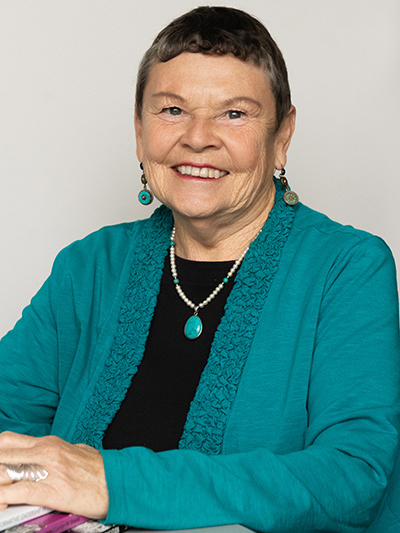
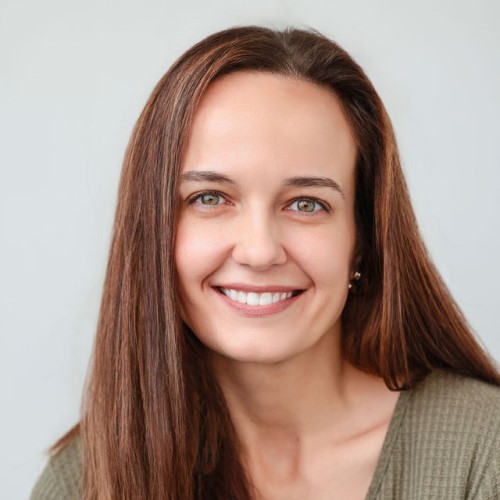
Sebastian U. Stich is a tenured Professor at CISPA Helmholtz Center for Information Security and a member of the European Lab for Learning and Intelligent Systems (ELLIS). His research focuses on optimization for machine learning, collaborative learning (distributed, federated, and decentralized methods), efficient optimization techniques, adaptive stochastic methods, and privacy/security in machine learning. Recent appointments include ERC Consolidator Grant 2024 for the CollectiveMinds project. Key contributions in federated/decentralized learning, uncertainty estimation, and communication-efficient optimization. Active in workshop organization, including the Optimization for Machine Learning workshop at NeurIPS 2024. Teaching modern optimization methods at Saarland University (2023-2025). His work has been recognized with awards such as the Google Research Scholar Award (2023) and Meta Privacy-Enhancing Technologies Award (2022) . His research group includes postdocs Dr. Anton Rodomanov and Dr. Rotem Mulayoff, and PhD students Xiaowen Jiang and Yuan Gao.
Prof. Laura Vargas Koch serves as Junior Professor at RWTH Aachen University, leading the Teaching and Research Unit of Algorithmic Game Theory and Discrete Mathematics (GDM). Her interdisciplinary work bridges mathematics, computer science, and economics through rigorous theoretical frameworks. Her research focuses on: Algorithmic Game Theory : Analyzing fair pricing mechanisms and equilibrium structures in traffic flow systems Combinatorial Optimization : Developing approximation algorithms for clustering problems and graph-based optimization Analysis of her 2021-2025 publications reveals evolving expertise in dynamic traffic modeling, routing game equilibria, and auction mechanism design. Her work consistently addresses theoretical foundations while maintaining practical relevance to transportation networks and resource allocation systems. The GDM unit under her direction provides specialized coursework and fosters collaborative research at the intersection of discrete mathematics and economic modeling.
Dr Tanya Tierney serves as Assistant Dean, Clinical Communication at the Lee Kong Chian School of Medicine, Nanyang Technological University. She is a资深 medical educator specializing in patient-centered communication and simulation-based teaching methodologies. Previously, she held roles at Imperial College London, including Course Leader for Clinical Communication and Head of Year for Graduate Entry Medicine students. Her expertise includes simulated patient (SP) training, curriculum development, and student welfare initiatives. Dr Tierney holds a PhD in Neuroendocrinology from the National Institute for Medical Research (1998) and transitioned to medical education research in 2004. Her work focuses on simulation-based learning, ethnographic approaches to non-technical skills development, and stress management in healthcare settings. Key contributions include developing assessment tools like the Imperial Stress Assessment Tool (ISAT) and advancing hybrid simulation methodologies. Her research portfolio spans over two decades, with recent emphasis on empathy development in healthcare professionals, global perspectives on equity in medical education, and optimizing simulated participant programs. She has authored numerous studies on clinical communication, surgical training, and interprofessional collaboration.
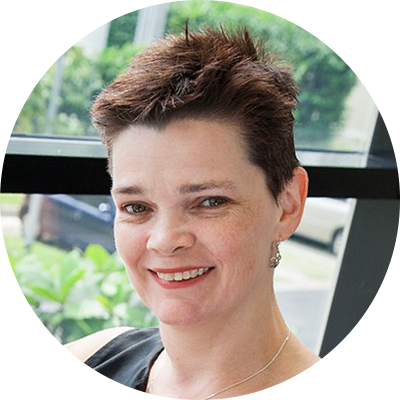
Liz Ryan is a Senior Lecturer in Nursing at the University of Southern Queensland's School of Nursing and Midwifery, with over 25 years of experience in nursing and 12 years in academia. Her career spans roles as a lecturer, clinical coordinator, program director, and deputy associate head (previous). She is affiliated with the Centre for Health Research and the Higher Education Research and Development Society of Australia (HERDSA). BNurs, MNurs, PhD from the University of New England Her research focuses on patient safety, intentional rounding, student experience, workforce dynamics, rural nursing, and acute care. She employs mixed methods, qualitative, and quantitative research methodologies. Recent publications analyze early career nurses' experiences, intentional rounding practices, rural career aspirations, and psychological resilience in nursing students. She teaches courses NUR1103, NUR1120, NUR8550, NUR8075, and NUR3379, emphasizing holistic nursing education and clinical competency.
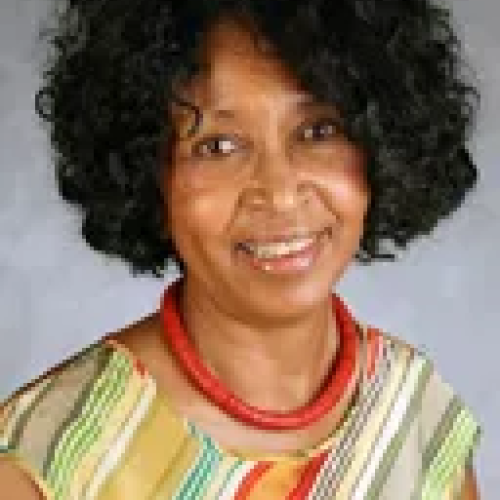
Dr. Marsha A. Echols is a Professor at Howard University School of Law and Director of The World Food Law Institute, specializing in international food regulation, trade law, and dispute resolution. She teaches commercial law, international business transactions, and world food law. Education: B.A., Howard University (Phi Beta Kappa) J.D., Georgetown University Law Center LL.M., Free University of Brussels LL.M. and J.S.D., Columbia University Law School Her research focuses on intersections between international trade law, food safety standards, and cultural protections. She has held leadership roles in the District of Columbia Bar's International Dispute Resolution Committee and served as a WTO Panelist and UN Administrative Tribunal member. Scientific Awards: Phi Beta Kappa Honor Society Professor Echols has lectured globally at institutions including Harvard Law School, HEC Paris, and the University of Nantes, and participates in Codex Alimentarius Commission meetings. Her publications emphasize geographical indications, biotechnology disputes, and agrodiversity protections.
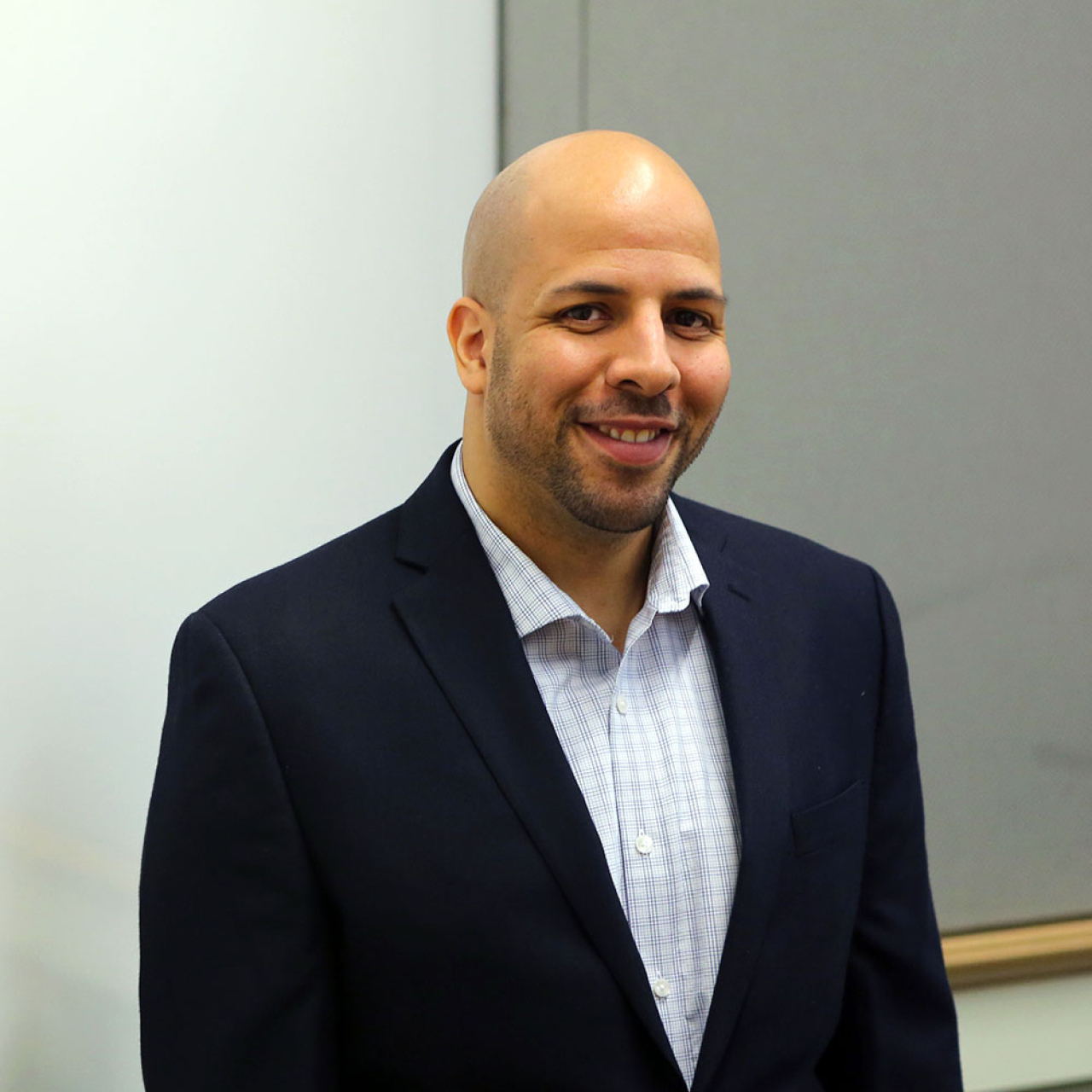
Eric Soto-Shed serves as Lecturer on Education and Director of the Harvard Teacher Fellows Program at the Harvard Graduate School of Education (HGSE). With a 25-year career in education, he has held significant leadership roles including founding director of Harvard's teacher residency program, director of Secondary History/Social Studies Education at Brown University, and teacher educator positions at Stanford and NYU. He earned his Ph.D. from Stanford University in 2013 and previously taught social studies in New York City for 8 years, which deeply informs his commitment to supporting youth from underserved communities. At HGSE, he co-chairs the foundational course 'How People Learn' and teaches curriculum design and instructional methods for history and civic education. Soto-Shed's research centers on promoting inquiry and equity in K-12 history, civics, and social studies education. He co-leads the Civics Thinking Project, which develops research-based civics assessments and curriculum. His work emphasizes balancing the study of oppression with resistance and joy in historical narratives to provide students with a more complete understanding of human experiences. His recent publications explore comprehensive approaches to teaching Black history, civics education, and methods for combatting hate through historical understanding. These works demonstrate his advocacy for year-round Black history education that incorporates competing ideologies and joyful narratives alongside the study of oppression. Grants from the Library of Congress to train educators to teach with primary sources Board member of Self-Evident Education, a nonprofit using multimedia curriculum to educate about race and racism history As a consultant, Soto-Shed works with school districts to develop social studies curriculum and conducts professional development workshops focusing on historical inquiry, teaching controversial issues, and accessibility. His approach combines rigorous academic research with practical classroom applications, making his work valuable to both scholars and practitioners in education.
Dr. Chris Gray is an Associate Professor in the Department of Medicine and a practicing cardiologist within the Division of Cardiology at Dalhousie University’s Faculty of Medicine. He is based at the QEII Health Sciences Centre in Halifax, Nova Scotia, where he provides clinical care and leads educational initiatives in cardiology and electrophysiology. His primary research interests include: Cardiac electrophysiology and arrhythmia management Atrial and ventricular fibrillation Catheter ablation techniques Inherited heart diseases Medical education and training program development Cardiac implanted electronic devices Dr. Gray's scholarly work focuses on advancing electrophysiology practices, improving training frameworks for cardiology fellows, and evaluating clinical outcomes in arrhythmia interventions. His recent publications highlight innovations in ablation technology, diagnostic pacing maneuvers, and population-level benefits of preventive device therapy. His contributions to medical education have been widely recognized through awards and leadership roles: Director of Education, Department of Medicine (2014–present) Assistant Program Director, Cardiology Residency Training Organizer of the Annual Cardiology Residents Pacemaker Course Recipient of the Cardiology Residents Teaching Award (2012) and Pfizer Award of Excellence (2007) He is actively involved in teaching across undergraduate and postgraduate levels, including PIER 4 lectures, ECG rounds, simulation training, and bedside teaching in the EP lab and intensive care units. He also serves as Secretary of the Canadian Heart Rhythm Society Executive. His laboratory and clinical team focus on arrhythmia assessment, electrophysiology procedures, and resident education, contributing to both patient care and academic advancement in cardiac rhythm disorders.
Guimu Guo is an Assistant Professor in the Department of Computer Science at Rowan University's College of Science & Mathematics. His research focuses on parallel and distributed computing techniques for large-scale graph mining problems, with applications in bioinformatics and transportation engineering. Ph.D. in Computer Science from University of Alabama at Birmingham M.Sc. in Computer Science from Tongji University Dr. Guo has published extensively in top-tier venues like VLDB, ICDE, and IEEE BigData. His work spans graph mining algorithms, parallel computing, and interdisciplinary applications in transportation and genomics. He actively mentors PhD and Master's students, offering fully funded positions. Key research trends include: Advancing GPU-accelerated graph decomposition techniques Developing distributed frameworks for subgraph querying and task concurrency Exploring parallel algorithms for frequent pattern mining and clique-like subgraphs Scientific Recognition: NSF CRII Award UAB Outstanding PhD Student Award Alabama GRSP Awards (Rounds 15 & 16) Teaching spans from foundational object-oriented programming to advanced graduate courses in parallel programming. His lab group has produced significant contributions to subgraph mining, transportation simulation, and genome assembly systems.
Dr. Elizabeth Reid Boyd is a Senior Lecturer at the School of Arts and Humanities, Edith Cowan University. Her roles include academic teaching in social science and creative writing, co-founding the #Love@ECU Research Network, and authoring works in both academic and creative domains. She holds a PhD from Murdoch University and a BSc (Honours) from Open Universities Australia. Research Interests: Love Studies, Gender Studies, Interpersonal Communication, Violence Prevention, and Creativity. Her work bridges academic scholarship with creative expression, exploring topics like intimate civility, moral imagination, and the cultural significance of love in literature and society. Publications span interdisciplinary fields: from analyzing romance novels’ gender politics to examining family dynamics in migrant communities. Recent works include studies on Pakistani women’s gender roles in Australia (2025), love literacy in fantasy literature (2024), and the evolution of #MeToo-era romance narratives (2022). Awards include membership in the Oxford Round Table (UK) and recognition by Australia’s Future Directions Forum. She has supervised numerous PhD students on topics ranging from parental alienation to holistic health and masculinity constructions. Current supervisions focus on intimate partner violence and Wiccan ritual studies. Labs/Teams: Co-leads the #Love@ECU interdisciplinary research network exploring love’s cultural, ethical, and social dimensions across arts and sciences.
Manuel Fontaine Campos serves as Associate Professor at the Faculty of Law of the Catholic University of Portugal (UCP), where he has held directorial responsibilities since 2013 and previously served as Vice-President of UCP's Porto Regional Center (2017-2021). His academic journey includes a Law degree (1996), Master's in Political Science (1999), and Doctorate in Law (2012), all from UCP. His research focuses on Public Law , European Union Law , and International Trade Law , with particular expertise in State Aid regulation, constitutional interpretation, and EU competition policy. His publication record spans over two decades, including commentaries on Portugal's Civil Code and Constitution, analyses of EU regulatory frameworks, and historical studies of international trade regulations. Professionally, he has held visiting positions at universities in Mozambique, Macau, Spain, and Portugal, and contributes to legal discourse through scholarly publications and expert opinions. His teaching portfolio includes International Trade Law, Public Law, and European Economic Law modules across multiple UCP degree programs. As both academic and practitioner (having worked as a lawyer and legal consultant), Campos bridges theoretical scholarship with practical legal application, particularly in EU regulatory compliance and constitutional interpretation. His current work continues to influence Portuguese legal scholarship through ongoing publications and institutional leadership.
Carolyn M. Shields, Ph.D., is Professor of Educational Leadership and Policy Studies in the College of Education at Wayne State University, Detroit. A scholar-activist with over three decades of experience, her work centres on transformative leadership for social justice, equity, and democratic education in both K-12 and higher-education contexts. Education B.A. French & English, Queen’s University (1968) M.A. French, Queen’s University (1970) Ph.D. Educational Administration, University of Saskatchewan (1991) Certificate in Problem-based Learning, PBL Training Institute, Palo Alto (1993) Additional certifications in assessment, creative education, special education, and administrative leadership. Research Focus Dr. Shields’ scholarship interrogates how leaders can create inclusive, democratic environments that foster academic excellence while redressing inequity. Her research spans cross-cultural leadership, transformative leadership theory, Indigenous education (notably with Navajo schools), structural reform such as year-round schooling, and international comparative studies on equity policy and practice. Publications & Thought Leadership Across more than 100 refereed works—including seven books—she has advanced transformative leadership as a vehicle for systemic change. Recent titles explore practical implementation of equity-focused leadership and allyship in schools, positioning her at the forefront of socially-just educational administration discourse. Awards & Recognition Honorary Doctorate, Laval University (2017) Liebman Book Award (2000) Fellow, Commonwealth Council for Educational Administration and Management (2004) Distinguished Service Award, Canadian Association for Studies in Educational Administration (2009) Teaching for Social Justice Award, AERA SIG (2010) Grants, Advising & Service Dr. Shields has secured over one million dollars in external funding and has supervised numerous master’s and doctoral students, many of them international. She has served as Dean of the College of Education at Wayne State, department head at both University of Illinois and UBC, board member for UCEA and CASEA, and advisor to ministries and school systems in Canada, the U.S., China, New Zealand, and France. Labs, Centres & Community Engagement She founded the School Leadership Centre at UBC and the non-profit “Books to Schools,” which ships print materials to under-resourced schools worldwide. Continuous community engagement includes leadership institutes, keynote addresses on five continents, and ongoing consultation with districts serving marginalized populations.
Matthew Kanan is a Professor in the Department of Chemistry at Stanford University, teaching core courses including CHEM 31E: Chemical Foundations and 21st Century Problems (Autumn) and CHEM 121: Understanding the Natural and Unnatural World through Chemistry (Spring). He actively mentors students through year-round independent studies (CHEM 90, CHEM 190) and research programs (MATSCI 300, CHEM 301, CHEM 200). His research pioneers sustainable solutions for carbon management, focusing on electrochemical CO 2 reduction, catalyst development for reverse water-gas shift reactions, and novel carbon capture technologies. Key innovations include carbonate-promoted carboxylation processes, membrane-free electrochemical systems for acid-base production, and metamaterial reactor designs for energy-efficient thermochemical conversion. His work bridges fundamental electrochemistry with scalable engineering for carbon-neutral chemical synthesis. Recent publications (2023-2025) demonstrate a cohesive research trajectory toward industrial-scale CO 2 utilization, with emphasis on energy efficiency, catalyst durability, and impurity tolerance. Dominant themes include electrochemical engineering for concentrated product streams, computational modeling of catalyst microenvironments, and thermal processes for mineral-based carbon removal. This integrated approach targets practical implementation in sustainable fuel and chemical production. Professor Kanan supervises undergraduate research (CHEM 190), directed instruction (CHEM 90), and Ph.D. candidates across chemistry and materials science. His research group likely secures substantial funding for projects addressing critical challenges in carbon conversion, though specific grants aren't detailed in the source material. Collaborative work spans electrochemical engineering, materials design, and process optimization for decarbonization.
Shi Li is a Professor in the Theory Group at the Department of Computer Science and Technology, School of Computer Science, Nanjing University. He previously held faculty positions at the University at Buffalo (2015–2023) as Assistant and Associate Professor, and was a Research Assistant Professor at Toyota Technological Institute at Chicago (2013–2015). He earned his Ph.D. from Princeton University in 2014 under Moses Charikar and completed his B.S. in Computer Science and Technology at Tsinghua University, where he was part of Andrew Chi-Chih Yao’s Special Pilot Class. His research lies at the intersection of theoretical computer science and combinatorial optimization, with a focus on the design and analysis of algorithms for problems in clustering, scheduling, network design, facility location, and online algorithms. He also explores learning-augmented algorithms and differential privacy in algorithmic contexts. His work combines deep theoretical insights with practical algorithmic frameworks, often leveraging linear programming relaxations, iterative rounding, and randomized techniques. The recent publications highlight a consistent trend in approximation algorithms, particularly in clustering (e.g., correlation clustering, fair k-set selection), scheduling (e.g., unrelated machine scheduling, load balancing), and robust optimization. His work frequently appears in top-tier theoretical venues such as STOC, FOCS, SODA, and ICALP, with increasing emphasis on fairness, privacy, and efficiency in algorithm design. Best Paper Award of Track A, ICALP 2011 Co-winner of Best Paper Award, FOCS 2012 Invited to Special Issue of SICOMP (FOCS 2017 paper) Best Paper Award, COCOON 2018 Invited to Special Issue of SICOMP (STOC 2019 paper) Best Paper Award of Track A, ICALP 2024 Outstanding Paper Award, SPAA 2024 Shi Li has advised several PhD and master’s students, including Yuda Feng, Han Dai, Zihao Liang, and Jia Ye, and has mentored postdoctoral researcher Ruilong Zhang. He has served on numerous program committees (e.g., STOC, SODA, ICALP) and is an Editorial Board Member of ACM Transactions on Algorithms . He teaches core algorithm courses such as Design and Analysis of Algorithms and Advanced Algorithms , and actively collaborates with researchers worldwide. His lab focuses on theoretical foundations of efficient and fair algorithm design, with applications in large-scale data analysis and distributed systems.
Laura K. Jones is a Visiting Assistant Professor in the Department of Anthropology at Emory University. Her academic background includes a PhD in Anthropology from Rice University (2010), postdoctoral fellowships at the Yerkes National Primate Center and Emory University School of Medicine, and additional training at institutions like Tulane University and the University of Texas Health Science Center. Her research focuses on surgical team dynamics, healthcare communication, and the application of anthropological methods to medical settings. Notable work includes studies on operating room behavior, telehealth innovation, and the impact of hierarchy in surgical environments. Dr. Jones has received prestigious awards such as the 2010 Graduate Student Paper Prize from the Society for Medical Anthropology and the Josephine Louise Newcomb Fellowship. She has secured research grants totaling over $174,000, including projects on interprofessional communication in operating rooms and mitigating medical errors through team-based approaches. Her interdisciplinary work bridges anthropology, bioinformatics, and clinical practice, with a particular interest in wearable technology and mindfulness integration in healthcare. Professional activities include roles as Principal Investigator at Kaiser Permanente and BioSelf Technology, as well as teaching and mentoring at Emory and Rice Universities. She has presented over 20 scholarly talks and posters at conferences like the American Anthropological Association meetings, focusing on topics ranging from ethological methods in surgery to medical error prevention strategies.
Jared R. Curhan is the Gordon Kaufman Professor and Professor of Work and Organization Studies at the MIT Sloan School of Management. He serves as Faculty Director of MIT’s Behavioral Research Lab and leads the PON Research Lab at Harvard Law School’s Program on Negotiation. His expertise spans negotiation psychology, conflict resolution, and subjective value analysis in negotiations. Curhan holds an AB in Psychology from Harvard University and MS/PhD in Psychology from Stanford University. His research focuses on subjective value frameworks (e.g., the Subjective Value Inventory), negotiation dynamics, and creativity in brainstorming. He pioneered the Program for Young Negotiators, training over 35,000 children globally in nonviolent negotiation skills. Notable awards include MIT’s Teaching with Technology Award (2019) and multiple accolades for influential negotiation research. Education: AB in Psychology, Harvard University MS and PhD in Psychology, Stanford University Key Roles: Director, MIT Negotiation for Executives Program Vice Chair for Research, Harvard PON Founder, Program for Young Negotiators Curhan’s work bridges theory and practice through executive education courses like Mastering Negotiation and Influence and AI-accelerated learning programs. His research emphasizes innovative teaching methods, including an award-winning negotiation analysis course using digital platforms. Labs/Initiatives: MIT Behavioral Research Lab, PON Research Lab. His current projects explore AI-driven negotiations and the psychological impacts of silence in negotiations.