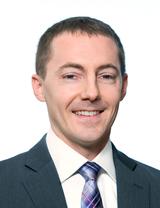
Vincent Quagliarello, MD, is Professor of Medicine in the Department of Infectious Diseases at Yale School of Medicine, where he also serves as Clinical Chief of Infectious Diseases and Vice Chair for Education and Academic Affairs in the Department of Internal Medicine. His research focuses on infections among older adults, with particular expertise in endocarditis, meningitis, and antimicrobial stewardship in geriatric populations. Dr. Quagliarello has been an NIH R01-funded principal investigator studying infections in older adults and received an NIH K07 Academic Leadership Award to mentor postdoctoral trainees and junior faculty. His publication record demonstrates consistent focus on antimicrobial use in elderly patients, particularly those with advanced cancer, nursing home residents, and end-of-life care scenarios. His research has significantly contributed to understanding appropriate antimicrobial therapy in geriatric populations and the management of infections in complex elderly patients. Scientific Awards: Clinical Teacher Award (2011) from Infectious Diseases Society of America Leah Lowenstein Award (2007) from Yale School of Medicine Department of Internal Medicine Teacher of the Year (1998, 1990) Laureate Award (1997) from American College of Physicians (CT Chapter) Bohmfalk Teaching Prize (1997) from Yale School of Medicine Dr. Quagliarello has served as an educational leader at Yale, directing the Internal Medicine Clerkship, the Yale Infectious Diseases Fellowship program, and creating the Department of Medicine Research in Residency Program. His clinical work spans the spectrum of infectious diseases with a special focus on public health impact.
Matthew B Potts, MD is an Associate Professor in the Department of Neurological Surgery at Northwestern University's Feinberg School of Medicine, with secondary appointments in Neurology (Ken and Ruth Davee Department) and Radiology. His clinical expertise spans cerebrovascular surgery, neurointerventional/endovascular procedures, and management of brain aneurysms, vascular malformations, stroke, and spinal vascular disease across multiple Northwestern Medicine hospitals including Shirley Ryan AbilityLab. Dr. Potts completed his BS at MIT (2000) and MD at UCSF (2007), followed by surgical internship (2008), neurological surgery residency (2013), and cerebrovascular fellowship at NYU (2015). BS: Massachusetts Institute of Technology (2000) MD: University of California, San Francisco (2007) Internship: University of California-San Francisco Medical Center, Surgery (2008) Residency: University of California-San Francisco Medical Center, Neurological Surgery (2013) Fellowship: New York University Medical Center, Endovascular/Cerebrovascular Surgery (2015) His research program centers on chronic subdural hematoma pathophysiology, emergency stroke thrombectomy process optimization, and aneurysm treatment outcomes. He employs clinical-translational approaches to improve cerebrovascular disease management through advanced surgical techniques and rigorous outcomes assessment. Recent 2025 publications reveal strong focus on hydrocephalus diagnostics, hematoma expansion biomarkers, vertebrobasilar anatomy, and dolichoectatic aneurysm natural history. These works demonstrate multidisciplinary collaboration across neurosurgery, neurology, and radiology to advance diagnostic precision and treatment efficacy in complex cerebrovascular disorders. Dr. Potts has received exceptional recognition for medical education, including three consecutive Outstanding Teacher Awards (2019-2021) and the John X. Thomas, Jr. Best Teachers Award (2020). His research contributions are honored by the NIH Rush L. Kirschstein Award (2012) and Howard Hughes Fellowship (2005). Outstanding Teacher Award, Northwestern University Feinberg School of Medicine (2021) Outstanding Teacher Award, Northwestern University Feinberg School of Medicine (2020) John X. Thomas, Jr. Best Teachers of Feinberg Award, Northwestern University Feinberg School of Medicine (2020) Outstanding Teacher Award, Northwestern University Feinberg School of Medicine (2019) Ivan Ciric Resident Teaching Award, Northwestern University Department of Neurological Surgery (2017) Best Scientific Presentation, UCSF Department of Neurological Surgery (2013) NIH Rush L. Kirschstein National Research Service Award, National Institutes of Health (2012) UCSF School of Medicine Alumni Scholarship Award, University of California, San Francisco (2006) Howard Hughes Medical Institute Medical Student Research Fellow, Howard Hughes Medical Institute (2005) UCSF Quarterly Research Fellowship, University of California, San Francisco (2005) MIT-Germany Program Research Fellowship, Massachusetts Institute of Technology (2001) As an educator, Dr. Potts mentors medical students and residents through Feinberg's neurological surgery program, evidenced by his resident teaching award. His research is supported by institutional resources and prior NIH funding, with current industry relationships including ownership in Rhaeos, Inc. He serves as Assistant Editor for Neurosurgery and Associate Editor for Operative Neurosurgery. He operates within Northwestern's integrated neurovascular team across multiple hospital sites, collaborating with neurologists, neuroradiologists, and rehabilitation specialists to deliver comprehensive care for complex cerebrovascular conditions, with ongoing work focused on improving health equity in stroke treatment and minimally invasive surgical innovation.
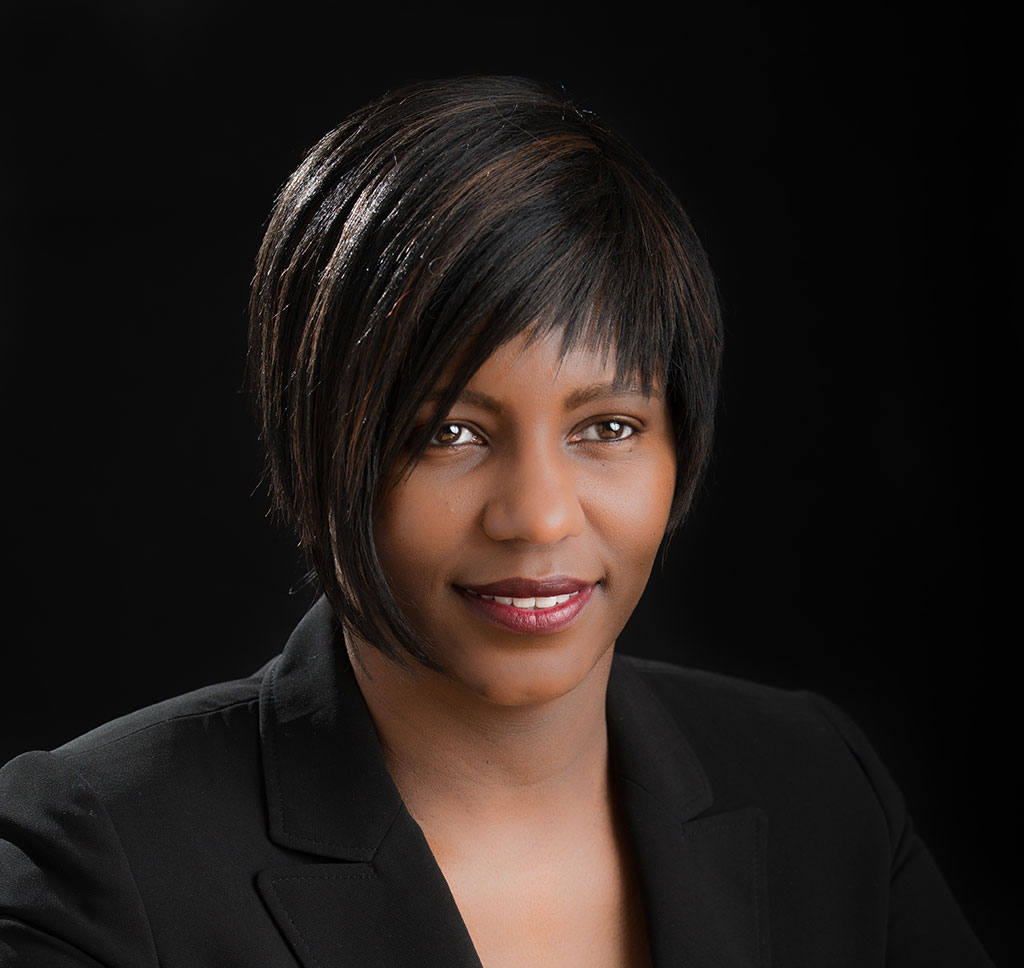
Dr. Gladis Kersaint is Vice Provost for Strategic Initiatives and Professor of Mathematics Education at the University of Connecticut's Neag School of Education. Previously serving as Dean from 2016 to 2021, she led initiatives that maintained the school's top-20 ranking, raised over $10 million for scholarships, and enhanced diversity. Her academic background includes a Ph.D. in Mathematics Education from Illinois State University, an M.S. in Education from the University of Miami, and a B.S. in Mathematics from the same institution. Her research focuses on mathematics education, teacher preparation, educational technology, rural women's development, and diversity initiatives. She has secured approximately $30 million in grants from NSF, DOE, and Florida DOE, supporting collaborative STEM projects involving school districts and university faculty. Dr. Kersaint has published extensively on topics including multilingual mathematics education, technology integration, and teacher retention. Her scholarship demonstrates consistent focus on improving educational outcomes through innovative pedagogical approaches and systemic reforms. She serves on national boards including the National Council of Teachers of Mathematics and the American Association of Colleges for Teacher Education. Prior to academia, she taught high school mathematics in Miami-Dade County Public Schools.
Archana V. Dhar, M.D., is an Associate Professor in the Department of Pediatrics at UT Southwestern Medical Center, specializing in pediatric critical care with a focus on extracorporeal therapies. She serves as Medical Director of Transport and Inpatient Access Center at Children’s Health System, Dallas. Dr. Dhar joined UT Southwestern in 2008 and holds certifications from the American Board of Pediatrics in general pediatrics and pediatric critical care. Education: MBBS from B.J. Medical College (India), pediatrics residency at University of Oklahoma Health Sciences Center, and pediatric critical care fellowship at University of Tennessee Health Science Center. Research interests include fluid balance in critically ill children and timing of CRRT initiation. She co-directs the Cardiovascular Course for pre-clerkship students and previously led the Pediatric Critical Care Fellowship Program. Adeducation, she is a Distinguished Teaching Professor and active in the Southwestern Academy of Teachers. Awards include D Magazine’s Best Doctors (multiple years) and recognition as a distinguished educator. She contributes to professional organizations like the Extracorporeal Life Support Organization (ELSO) and serves as an ad-hoc reviewer for ASAIO Journal .
Sean O'Shea is a Lecturer and Supervised Fieldwork Advisor at Bank Street College of Education, specializing in Special Education advocacy and inclusive practices. He holds an EdD from Teachers College, Columbia University. His career spans over three decades in educational administration and teaching, focusing on ensuring equitable access to programs for students with disabilities and at-risk learners. He has held roles such as Deputy Superintendent for Compliance and Administrator of Transition Programs in NYC DOE, emphasizing legal compliance and policy adherence. Research & Advocacy: Dr. O'Shea's work prioritizes advocating for underserved students, particularly those with emotional/behavioral variations, intellectual disabilities, and physical challenges. He consults pro-bono with families and community organizations to strengthen educational advocacy. His publication explores the impact of special education experience on inclusive instructional practices. Programs & Teaching: At Bank Street, he leads programs like Childhood Special and General Education Dual Certification and the Residency Program. He emphasizes preparing educators as advocates for marginalized students. His courses address compliance frameworks, differentiated instruction, and systemic barriers in education. Grants & Collaborations: While specific grants aren't detailed, his administrative roles indicate involvement in DOE-funded initiatives. He collaborates with museums and social services through dual-degree programs with Columbia School of Social Work.
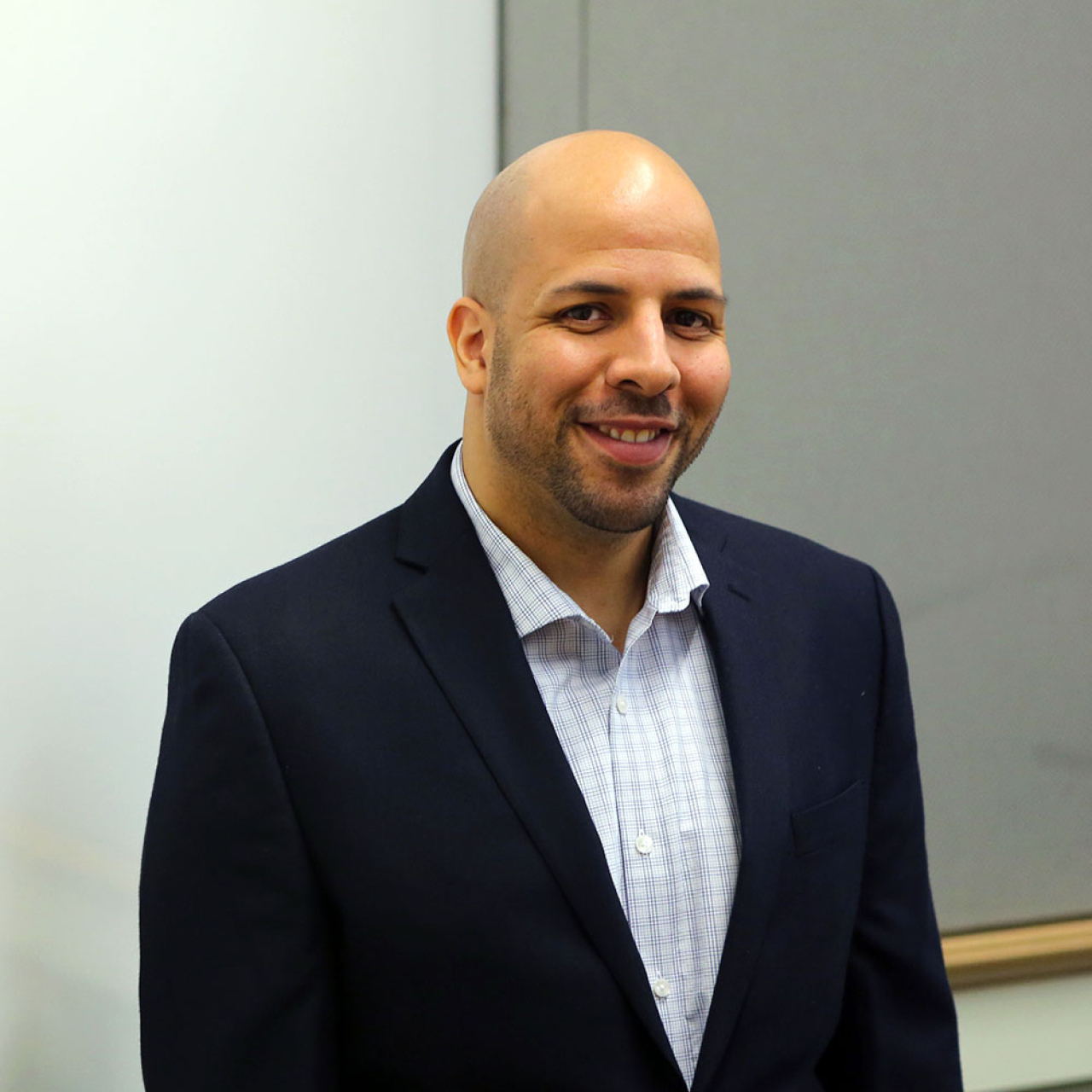
Nabil M Issa is a Professor in the Department of Surgery (Trauma and Critical Care) and Medical Education at the Feinberg School of Medicine, Northwestern University. He is a general and acute care surgeon at Northwestern Memorial Hospital, with a focus on minimally invasive techniques including robotic and laparoscopic surgery. Dr. Issa is also a Master Surgeon Educator and holds leadership roles in national surgical education organizations. Dr. Issa's educational background includes: MD: Al Mustansiriya University College of Medicine (1988) FRCS: Fellow of the Royal College of Physicians and Surgeons of Glasgow, Scotland, United Kingdom (1997) FACS: Fellow of the American Board of Surgery with additional qualification in Surgical Critical Care (2007) FCCM: Fellow of the Society of Critical Care Medicine (2007) MHPE: Master's in Health Professions Education, University of Illinois at Chicago (2016) Dr. Issa's research focuses on surgical education , particularly in creating innovative curricula and assessing technical and cognitive skills acquisition. His work spans simulation , team science , and outcome measures in trauma and critical care. He investigates evidence-based practices for surgeon credentialing and emphasizes patient education and quality improvement in acute care settings. His recent publications reflect a strong commitment to diversity in surgical training , trauma outcomes research , and sustainability in surgery . Dr. Issa examines disparities in fellowship training, morbidity in vulnerable populations, and the validation of injury severity metrics. His work bridges clinical care with educational innovation and systems-level improvements in surgical practice. Dr. Issa has received numerous honors and awards, including: Excellence in Teaching Award, Northwestern University Department of Surgery (2023) Professorship in Surgery, Northwestern University (2023) Academy of Master Surgeon Educators, American College of Surgeons (2022) Member in the National Committee on Trauma (COT), American College of Surgeons (2022) Presidential Citation, Surgical Critical Care Program Directors Society (SCCPDS) (2021) Excellence in Teaching Award, Feinberg School of Medicine (2019) Best Trauma/SICU Teacher Award, Department of Emergency Medicine (2019) Presidential Citation, Surgical Infection Society (2012) Excellence in Teaching Award, Feinberg School of Medicine, Surgical Residency Program (2011) Excellence in Teaching Award, Northwestern University (2011) Dean's Award for Teaching Excellence, Feinberg School of Medicine (2011) Presidential Citation, Society of Critical Care Medicine (2010) Excellence in Teaching Award, Feinberg School of Medicine, Surgical Clerkship (2010) Excellence in Teaching Award, Feinberg School of Medicine, Surgical Residency Program (2010) Excellence in Teaching Award, Feinberg School of Medicine, Surgical Clerkship (2009) Excellence in Teaching Award, Feinberg School of Medicine, Surgical Residency Program (2009) Excellence in Teaching Award, Feinberg School of Medicine, Surgical Residency Program (2008) Dr. Issa serves as a faculty mentor for the Surgical Education Research Fellowship (SERF) and has held leadership roles in surgical education committees. His leadership includes: Chair, Association for Surgical Education (2024-Present) Co-chair, Association for Surgical Education (2023-Present) Chair, Development Committee at ASE (2019-Present) Member, Executive committee for ASE Foundation (2019-Present) Chair, Awards Committee- Association for Surgical Education-ASE (2018-Present) Vice President, Chicago Committee on Trauma (2015-Present) Dr. Issa has developed and leads simulation-based educational initiatives at Northwestern Memorial Hospital, focusing on acute care and surgical skills. He collaborates with multidisciplinary teams in trauma, critical care, and surgical education to design curricula that address the continuum of surgical training.
Dr. Mary Ann Hunter is Associate Professor in Education at University of Tasmania, specializing in arts-based enquiry and transformative educational practice. Her work explores creative ecologies and reflective supervision frameworks for educators, examining how curiosity and nomad creativity shape learning across formal and informal contexts. Research examines: Arts-based peacebuilding methodologies Reflective supervision for educational leaders Creative ecologies in learning environments Arts-sustainability education connections Community cultural development She leads international networks including IMPACT (initiative for conflict transformation) and coordinates interdisciplinary research projects evaluating arts-based programs like Terrapin Puppet Theatre's dementia care initiative and APRA AMCOS's Songmakers residency program. Honors include the Australian Philip Parsons Prize for Research and Excellence in Leadership Award from the Australian Council for Educational Leadership.
David S. Steingard serves as Associate Professor in the Department of Management at Saint Joseph's University, Philadelphia, where he has held a tenure-track position since 1999 after teaching at Maharishi University of Management (1997-1999). His academic work critically examines business through spiritual, ethical, and postmodern frameworks with emphasis on socially responsible practices and organizational transformation. His educational foundation includes: BS, University of Illinois, Urbana-Champaign (1986) MA, University of Illinois, Urbana-Champaign (1988) PhD, Case Western Reserve University (1997) Steingard's research pioneers spiritually-integral management theory , challenging conventional paradigms through postmodern deconstructions of TQM and workforce diversity while advancing natural law perspectives on environmental stewardship. His work consistently bridges Vedic philosophy, Catholic social teaching, and stakeholder theory to develop consciousness-based organizational models. Key domains include: Business ethics grounded in spiritual-relational frameworks Globalization critiques emphasizing ethical interbeing Mediation practices informed by Taoist metaphysics Transformative pedagogy for spiritually-whole classrooms Arts-based organizational healing methodologies Analysis of his 15 most recent publications reveals an evolutionary trajectory from postmodern critiques of 1990s management fads toward sophisticated spiritually-integral frameworks that position consciousness as central to organizational viability. This progression demonstrates increasing sophistication in synthesizing Eastern philosophies with Western business theory, particularly evident in his environmental management and educational transformation work post-2000. His scholarly impact is recognized through: ONE Doctoral Dissertation Award Finalist (1998) Andrew W. Mellon Dissertation Fellowship (1996) Saint Joseph's University Faculty Merit Teaching Award (2001) Maharishi University Teacher Appreciation Award (1997-1998) Steingard secured significant external funding including a two-year The Body Shop International PLC research residency (1993-1995) and Mandell Center grants for nonprofit organizational development. While specific doctoral students aren't documented, his extensive teaching across undergraduate, MBA, Executive MBA, and international programs (India, Guadeloupe, Holland) indicates substantial mentoring activity. His consulting portfolio with The Body Shop, Northeast Ohio Jazz Society, and Romanian healthcare officials demonstrates applied scholarship connecting academic theory to real-world organizational transformation. Though no formal research labs are described, his collaborative publications with scholars like Fitzgibbons and Khalsa reveal active participation in transdisciplinary communities exploring spirituality's role in business and education, particularly through the Organization and Environment academic consortium.
Anita Kohli, MD, is an Assistant Professor of Ophthalmology and Visual Science at Yale School of Medicine and a neuro-ophthalmology specialist at Yale Medicine. She focuses on vision loss, double vision, neurological vision deficits, and strabismus surgery in adults and children. University of Maryland, B.S. in Physiology and Neurobiology (2008, summa cum laude) University of Maryland School of Medicine, MD (2012, magna cum laude, AOA President) Residency and Neuro-Ophthalmology Fellowship at Scheie Eye Institute, University of Pennsylvania and Children’s Hospital of Philadelphia (2017) Non-Degree Medical Education Fellowship (2021) and Emerging Leaders Program (2023) at Yale Her research combines MRI and ophthalmic imaging to improve diagnosis and treatment of vision disorders linked to neurological conditions. She also emphasizes residency education , winning Yale’s Bruce Shields Faculty Teacher of the Year award in 2019. Awarded American Board of Ophthalmology certification (2017) Active in American Academy of Ophthalmology and North American Neuro-Ophthalmology Society Current roles include Journal Reviewer for JACC Heart Failure and BMC Neurology (2025–present), and Committee Member in Yale’s Multidisciplinary Pituitary Program (2020–present) Dr. Kohli leads lectures (e.g., Neuro-Ophthalmology: Is it really that urgent? , 2024) and clinical programs at Temple Medical Center, New Haven. She integrates imaging technology into clinical practice while mentoring residents and advancing medical education.
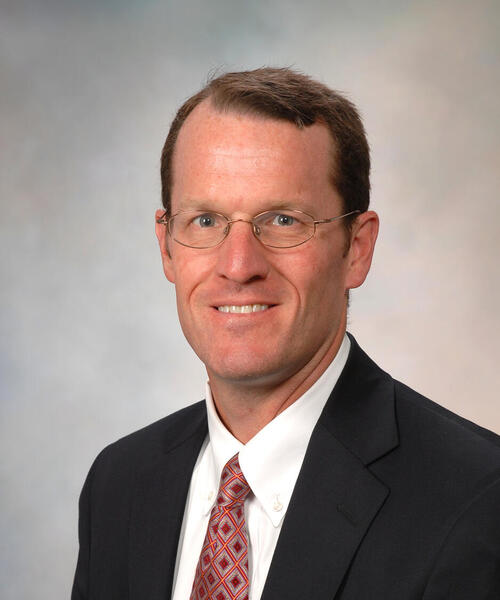
Dr. Elliot L. Dimberg is a neurologist specializing in neuromuscular disorders at Mayo Clinic Hospital in Jacksonville, Florida. He serves as faculty at Mayo Clinic Alix School of Medicine within the Department of Neurology, holding leadership roles including Vice Chair of the Curriculum Committee and Clerkship Sub Committee. Dr. Dimberg actively contributes to medical education through multiple committees related to student promotions, academic affairs, and residency program evaluation, while maintaining a clinical practice focused on complex neuromuscular conditions. Dr. Dimberg earned his MD from Tulane University in 2001. He completed his Neurology residency and served as Chief Resident at the University of Virginia, followed by fellowships in Clinical Neurophysiology at the University of Virginia (2006) and Neuromuscular Disease at Mayo Clinic Rochester (2008). He maintains board certification in Neurology, Clinical Neurophysiology, and Neuromuscular Medicine through the American Board of Psychiatry and Neurology. His clinical expertise spans neuromuscular junction disorders including myasthenia gravis and Lambert-Eaton Myasthenic Syndrome, peripheral neuropathies, brachial and lumbosacral plexus disorders, polyradiculopathies, motor neuron diseases, and myopathies. Dr. Dimberg integrates clinical evaluation with electrodiagnostic medicine to diagnose and manage these complex conditions. His research focuses on advancing diagnostic methodologies through electromyography techniques, genetic testing, and clinical trial participation for rare neuromuscular disorders. Dr. Dimberg's publication record demonstrates consistent contributions to neuromuscular medicine, with emphasis on diagnostic precision, genetic underpinnings of muscle disorders, and therapeutic innovations. His recent work includes clinical trials for hereditary transthyretin amyloidosis, studies on spinal muscular atrophy treatments, and investigations into immune-mediated necrotizing myopathy, reflecting his commitment to advancing both clinical practice and scientific understanding in his field. Multiple Above and Beyond Awards from Mayo Clinic in Florida (2008-2024) A.B. Baker Teacher Recognition Award from American Academy of Neurology (2013, 2021) Commitment to Education Award from Mayo Clinic Alix School of Medicine (2019) Alpha Omega Alpha Honor Society membership (2000) As an educator, Dr. Dimberg has coordinated the Residency Neuroanatomy Course and Clinical Pathological Correlation Conference for over a decade. He previously chaired the Curriculum Committee for the Adult Neurology Residency Program and currently serves in leadership roles for Mayo Clinic Alix School of Medicine's educational committees. His dedication to teaching has been recognized through numerous awards including the prestigious A.B. Baker Teacher Recognition Award. Professionally, Dr. Dimberg serves as Co-Chair of the American Association of Neuromuscular and Electrodiagnostic Medicine's EDX Lab Accreditation Committee and holds leadership positions in the American Clinical Neurophysiology Society. He contributes to developing certification exams, educational programming, and clinical guidelines for these organizations, maintaining active engagement with the broader neuromuscular medicine community.
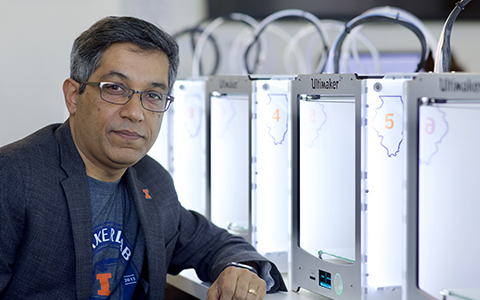
Vishal Sachdev is a Clinical Associate Professor of Business Administration at the University of Illinois at Urbana-Champaign's Gies College of Business. He serves as Director of the MS Analytics program, Director of Illinois MakerLab, and DPI Faculty in Residence. His academic roles span teaching, research, and leadership in educational technology and innovation. Education: B.A. in Mathematics, St. Stephen's College, New Delhi (1993) M.S. in International Business, Indian Institute of Foreign Trade (1996) Ph.D. in Information Systems, University of Texas at Arlington (2007) Research Interests: Dr. Sachdev focuses on technology's role in enabling collective action, cooperative production, and gamification in education. His work explores blockchain-based DAOs, 3D printing in educational settings, and the intersection of Web3 with decentralized business models. He emphasizes scalable peer-learning environments and online/blended education frameworks. Awards: Emerging Award for Excellence in Public Engagement (UIUC) List of Excellent Teachers (UIUC, multiple years) Research Excellence Award (Gies BADM, 2023) Grants & Labs: He leads Illinois MakerLab, a pioneering academic makerspace. Notable grants include Blockchain Analytics (Gies, 2023-2025), US Competitiveness in Web3 (Solana Foundation, 2022-2024), and Autodesk grants for Fusion 360 workshops. His work bridges technology, education, and innovation through applied research. Courses: Teaches courses like Blockchain Analytics, Database Design, and Digital Making Seminar, emphasizing hands-on, industry-relevant learning.
Peter Sayer is an Associate Professor in the Department of Teaching and Learning at The Ohio State University’s College of Education and Human Ecology. He specializes in sociolinguistics, bilingual education, and language policy, particularly in Mexico and the U.S. His work emphasizes translanguaging, equity, and the sociopolitical dimensions of language education. Education: Ph.D., Language and Literacy, Arizona State University (2007) M.A., Applied Linguistics, Universidad Autónoma de Oaxaca (2002) B.A., Philosophy, University of Oregon (1994) Research Interests: Dr. Sayer investigates language education policy, translanguaging practices, and the intersection of technology (e.g., AI) with pedagogy. He has conducted extensive research on early English programs in Mexico, addressing issues of equity, neoliberalism, and language ideologies. His work often critiques systemic barriers to multilingual learners and advocates for inclusive policies. Recent Activities: Organized panels on AI in education at AERA 2025 and AAAL 2025. Hosted the Multilingual Grandmaster Showdown with polyglot XiaomaNYC, showcasing students’ language abilities. Conducted workshops in Indonesia, the Philippines, and Paraguay on translanguaging and AI in language teaching. Awards: Fulbright Scholar-in-Residence (Puebla, Mexico, until 2012) Advising & Grants: Advised doctoral students including Onur Ozkaynak, Zeynep Arslan, and Charlize Wang. Collaborated on projects such as the Linguistic Landscape mapping initiative funded by GSIRI, integrating GIS data with demographic studies. Labs/Teams: Active in the Buckeye Language Education Resource Center and co-organized the Ohio Dual Language Summit, fostering statewide educator collaboration.
Eric Soto-Shed serves as Lecturer on Education and Director of the Harvard Teacher Fellows Program at the Harvard Graduate School of Education (HGSE). With a 25-year career in education, he has held significant leadership roles including founding director of Harvard's teacher residency program, director of Secondary History/Social Studies Education at Brown University, and teacher educator positions at Stanford and NYU. He earned his Ph.D. from Stanford University in 2013 and previously taught social studies in New York City for 8 years, which deeply informs his commitment to supporting youth from underserved communities. At HGSE, he co-chairs the foundational course 'How People Learn' and teaches curriculum design and instructional methods for history and civic education. Soto-Shed's research centers on promoting inquiry and equity in K-12 history, civics, and social studies education. He co-leads the Civics Thinking Project, which develops research-based civics assessments and curriculum. His work emphasizes balancing the study of oppression with resistance and joy in historical narratives to provide students with a more complete understanding of human experiences. His recent publications explore comprehensive approaches to teaching Black history, civics education, and methods for combatting hate through historical understanding. These works demonstrate his advocacy for year-round Black history education that incorporates competing ideologies and joyful narratives alongside the study of oppression. Grants from the Library of Congress to train educators to teach with primary sources Board member of Self-Evident Education, a nonprofit using multimedia curriculum to educate about race and racism history As a consultant, Soto-Shed works with school districts to develop social studies curriculum and conducts professional development workshops focusing on historical inquiry, teaching controversial issues, and accessibility. His approach combines rigorous academic research with practical classroom applications, making his work valuable to both scholars and practitioners in education.
Donna D. Elliott, MD, EdD, is a Professor of Clinical Pediatrics and Medical Education at the Keck School of Medicine of the University of Southern California (USC). She holds dual leadership roles as Vice Dean for Medical Education and Chair of the Department of Medical Education. Dr. Elliott oversees all aspects of medical student education, including pathway programs and graduate-level academic medicine and narrative medicine programs. She has been recognized with prestigious awards such as the Mellon Award for Excellence in Mentoring and the USC Master Teacher designation. Her research focuses on medical education innovation, curriculum design, and professionalism in training. Key areas include social media ethics, diversity in healthcare education, and quality improvement strategies in medical programs. Dr. Elliott has contributed to national organizations like the National Board of Medical Examiners and the AAMC Group on Student Affairs, currently serving as Chair of the National Resident Matching Program Board of Directors. Her publication record emphasizes curricular renewal, student learning environments, and the transition to clinical training. Over 20 years of work has advanced educational policies at both institutional and national levels, with a focus on fostering inclusive and effective medical training environments.
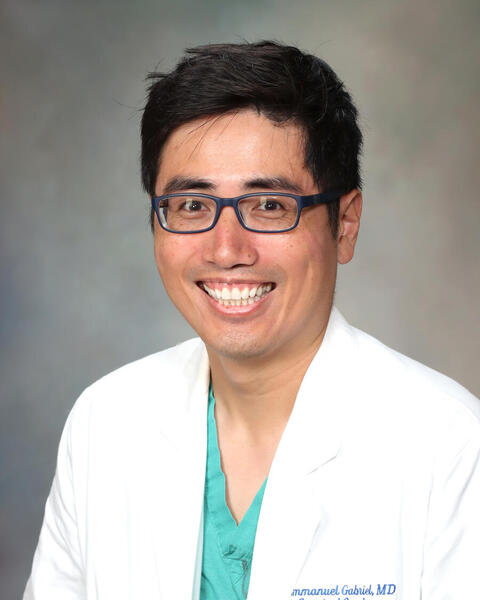
Emmanuel M. Gabriel, M.D., Ph.D., serves as Associate Professor of Surgery and Consultant in the Department of Surgery at Mayo Clinic in Jacksonville, Florida. He directs clinical and research activities within the Mayo Clinic Comprehensive Cancer Center, specializing in surgical oncology for breast cancer, melanoma, sarcoma, and gastrointestinal malignancies requiring advanced regional therapies like HIPEC. His dual MD/PhD training uniquely positions him at the intersection of immunology research and complex cancer surgery. Dr. Gabriel's educational trajectory includes: MD/PhD in Immunology, Robert Wood Johnson Medical School (2009), thesis on regulatory T cells and cancer vaccines BA in Biology/Economics with Chemistry/Mathematics minors, Drew University (2002), Summa Cum Laude Residency and Administrative Chief Residency, UT Health San Antonio Department of Surgery Fellowship in Complex General Surgical Oncology, Roswell Park Cancer Institute His research program integrates two critical cancer domains: pioneering tumor imaging techniques to visualize immune-tumor interactions during surgery, and identifying systemic barriers in cancer care delivery through health disparities research. These efforts aim to personalize immunotherapy selection and develop equitable care pathways for underserved populations. Dr. Gabriel's scientific contributions are recognized through: Faculty Teacher of the Year awards from Mayo Clinic Department of Surgery (2022) Multiple Young Surgeon Research Awards from American College of Surgeons (2016) E. Douglas Holyoke Award as Outstanding Surgical Oncology Fellow (2016) Ongoing service as grant reviewer for national cancer organizations As an educator, he mentors surgical trainees through Mayo's integrated residency programs while leading translational research in the David F. and Margaret T. Grohne Cancer Immunology Program. His clinical practice directly informs research priorities, maintaining a continuous bench-to-bedside-to-community feedback loop. Dr. Gabriel's laboratory operates within Mayo Clinic's NCI-designated cancer center infrastructure, utilizing advanced imaging core facilities and population health resources to advance both immunotherapy development and health equity initiatives.