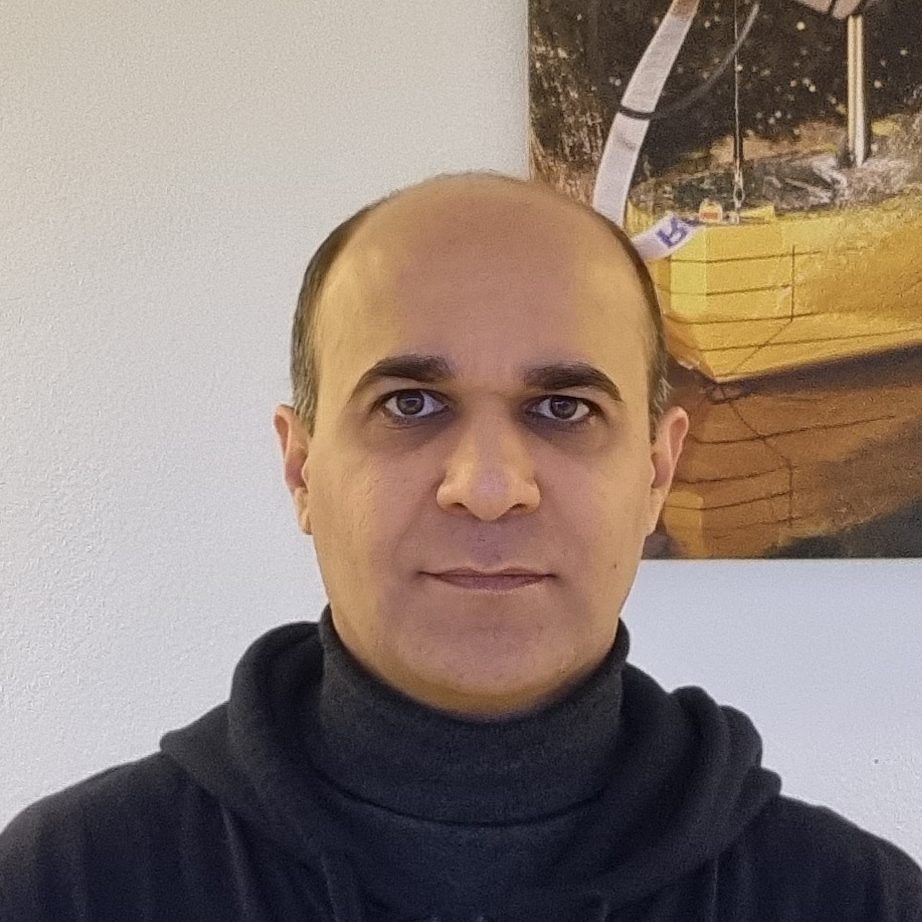
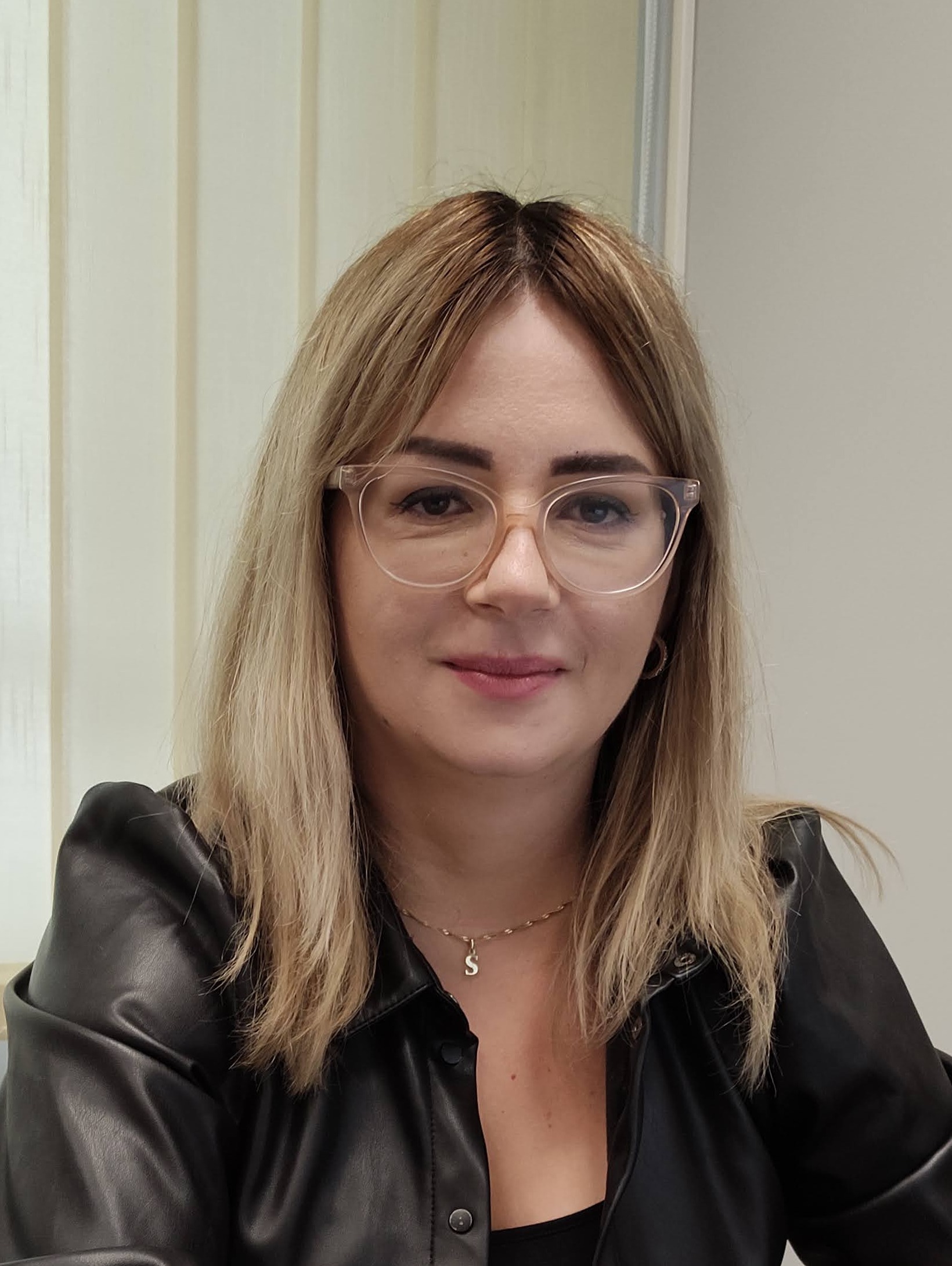
Dr. Volodymyr Shentsov is a Lecturer in Hydrogen Safety at Ulster University's Belfast School of Architecture & the Built Environment. With a PhD in Safety of Indoor Fuel Cell Systems (Ulster, 2015) and dual Master's degrees in Applied Mathematics from Ukraine's National Aerospace University, he researches hydrogen safety engineering through computational fluid dynamics (CFD), blast wave modeling, and combustion analysis. Education: PhD in Safety of Indoor Fuel Cell Systems, Ulster University (2015) MSc in Investment Project Analysis, National Aerospace University (2007) MSc in Mathematical Gas Dynamics Simulation, National Aerospace University (2006) BSc in Hydrogen Transport Modeling, National Aerospace University (2005) Research Focus: Shentsov specializes in hydrogen infrastructure risks, including jet fire dynamics, tank rupture consequences, and explosion mitigation in confined spaces. His work informs international safety standards through parametric CFD studies and experimental validations. Recent projects analyze flame stabilization mechanisms, underground parking ventilation, and blast wave propagation. Publication Trends: 37+ articles primarily explore hydrogen release scenarios (2021-2025), with recurring themes: pressure relief device optimization, fireball/blast wave modeling, and tunnel safety protocols. Computational validation against experimental data is a consistent methodology. Awards & Recognition: Fellow, Higher Education Academy (2020) Associate Fellow, Higher Education Academy (2019) Leadership: Directs the online PgCert in Hydrogen Safety program and modules on safety principles/technologies. Leads EU Horizon projects including SH2APED (£367k, hydrogen storage) and a magnetocaloric liquefaction prototype (£277k). Collaborates with Ukraine's First Hydrogen School on STEM outreach. Facilities: Develops HySAFER's e-Laboratory for virtual safety training and parametric CFD simulations. Focuses on translating research into regulations for hydrogen infrastructure deployment.