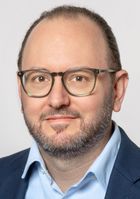
Prof. Waldemar Kolanus leads the Molecular Immunology and Cell Biology department at the University of Bonn's Life & Medical Sciences Institute (LIMES) . His research bridges immunoregulation , stem cell dynamics , and metabolic stress responses in immune cells. Unit 2 member at LIMES Principal investigator in SFB 704 and ImmunoSensation Cluster Leads a multidisciplinary lab with postdocs, PhD students, and technical staff His work focuses on intracellular signaling pathways connecting immune activation to tissue homeostasis, particularly through: Cytohesin proteins in integrin-mediated adhesion and migration TRIM71 in stem cell regulation and congenital hydrocephalus High-salt environments affecting macrophage function Publication trends show expertise in immune cell migration , genetic models , and chemical inhibition , with frequent use of mice and zebrafish for in vivo studies. Key articles explore: TRIM71's dual role in auditory development and germ cell maintenance Cytohesin family's Golgi regulation and insulin signaling Ruxolitinib's off-target migration inhibition of dendritic cells Contact details: Address: LIMES Institute, Carl-Troll-Straße 31, Bonn Email: kolanus.sekretariat@uni-bonn.de Phone: +49 228 73-62788
Konstantinos Anastassiadis is a Professor at the Center for Molecular and Cellular Bioengineering (CMCB) of Dresden University of Technology , leading the Stem Cell Engineering group at the Biotechnology Center (BIOTEC) . His research focuses on unraveling molecular pathways regulating stem cell self-renewal and lineage commitment, with a strong emphasis on genetic engineering tool development and epigenetic mechanisms during cellular reprogramming. The lab utilizes mouse and human embryonic stem cells, neural stem cells, mesenchymal stromal cells, and induced pluripotent stem cells (iPSCs) in their investigations. Core Research Areas: Molecular regulation of stem cell fate Epigenetic mechanisms (e.g., UTX/UTY histone demethylases) Genetic engineering tool development (Flp, Dre, Vika recombinases, CRISPR protocols) Conditional immortalization systems for rare cell expansion Publications highlight his contributions to understanding: Role of histone methyltransferases (MLL1, MLL2, Setd1b) in hematopoiesis and cancer Epigenetic regulation during mouse development and spermatogenesis Genetic tools for protein tagging, transposon-mediated BAC transgenesis Interactions between stem cells and niche microenvironments Transcriptional and mechanical markers during reprogramming Collaborations span immunology , developmental biology , and bioinformatics . The lab actively participates in teaching activities at CMCB and maintains a focus on translational applications of stem cell research.
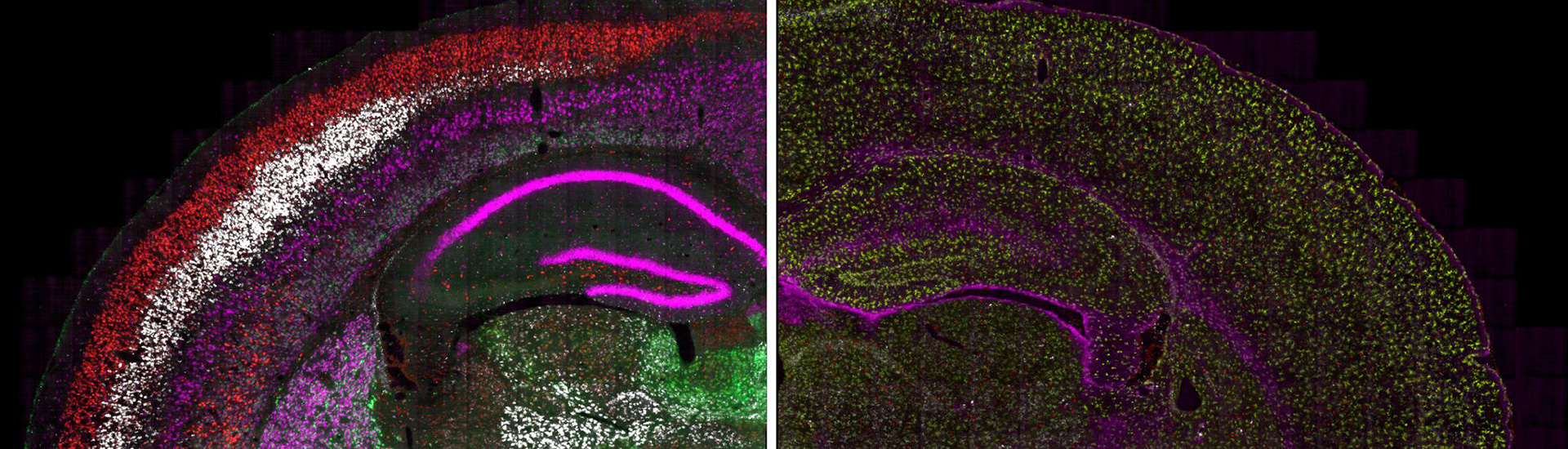
Omer Bayraktar is a Group Leader at the Wellcome Sanger Institute , leading research in the Cellular Genomics Programme. His work focuses on decoding human brain cellular diversity using spatial transcriptomics , imaging , and functional screening to study neural complexity in health and disease. Bayraktar's educational background includes a PhD from HHMI under Chris Doe, investigating neural diversity development in Drosophila , followed by postdoctoral work at University of California, San Francisco and University of Cambridge as a Life Sciences Research Foundation Fellow. He developed a spatial transcriptomic pipeline during his postdoc to analyze astrocyte heterogeneity in the cerebral cortex. His research explores neural cell type mapping , glial-neuronal interactions , and cellular pathways in neurodevelopmental disorders . Recent publications emphasize 3D tissue mapping , multi-omic integration , and computational tools like Cell2fate and WebAtlas. His work bridges neurogenetics and computational biology to advance understanding of human tissue ecosystems. Bayraktar's lab collaborates with the Human Cell Atlas initiative and develops technologies such as automated histology pipelines and highly-multiplexed smFISH for molecular cell typing. His team also investigates glia-based therapies and astrocyte functional heterogeneity in neurodevelopmental contexts. Key scientific contributions include: Discovering astrocyte layer patterns independent of neuronal laminae Developing cell2location for spatial cell mapping Characterizing Drosophila neural stem cell models with human relevance Notable awards include the Life Sciences Research Foundation Fellowship during his postdoctoral training. His current group includes a PhD student , Senior Data Scientists , and Bioinformaticians .
Prof. Joachim Spatz is a Full Professor of Biophysical Chemistry at Heidelberg University and Director of the Max Planck Institute for Medical Research. His academic career includes roles as Director at MPI for Metals Research (2004–2015) and Founding Director of the Institute for Molecular Systems Engineering (IMSE). He holds a PhD from Ulm University and habilitation in Physics, with postdoctoral training at the Institut Curie, Paris. His research spans cellular biophysics, materials science, and synthetic biology, focusing on mechanotransduction, cell-material interactions, and engineered biological systems. Education: 1989–1994: Dipl. Phys. (Physics), Ulm University & Colorado State University 1994–1996: PhD (summa cum laude), Ulm University 2000: Habilitation in Physics, Ulm University Research Interests: Spatz’s work integrates biophysics, materials science, and engineering to study cellular mechanics, synthetic cells, and mechanosensing. Key projects include developing synthetic cell models using microfluidics and exploring how mechanical forces regulate cell behavior in health and disease. Awards: 2017 Gottfried Wilhelm Leibniz Prize 2012 ERC Advanced Grant (with Prof. B. Geiger) 2002 Alfried Krupp Research Award Labs & Collaborations: Leads the Cellular Biophysics Department at MPI for Medical Research and collaborates with institutions like the Weizmann Institute and Jackson Laboratory. Active in interdisciplinary initiatives such as the Max Planck School Matter to Life.
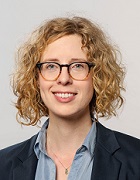
Prof. Friederike Ebner holds the Chair of Infection Pathogenesis at the Technical University of Munich (TUM) since 2023, within the TUM School of Life Sciences. Her research focuses on the immunobiology of parasite infections, particularly studying gastrointestinal helminths like Ascaris suum and their interactions with host immune systems to design novel intervention strategies. She also develops biomedical models for studying infectious diseases. Educational Background: Friederike Ebner earned a biotechnology degree from TU Berlin and Dongseo University (South Korea). She completed her PhD in biology at Humboldt University Berlin (2014), followed by postdoctoral research in immunology at Freie Universität Berlin, where she became an assistant professor before moving to TUM. Research Interests: Her work spans helminth-host immune dynamics, vaccine development, microbiome interactions in parasitic infections, and translational models for human diseases. Key topics include Th2/Th1 immune balance, helminth-derived immunomodulators, and xenotransplantation safety. Notable Contributions: Her recent studies address diagnostic methods for ascariasis, microbiome roles in helminth survival, and immunotherapeutic applications of parasite products. Current efforts emphasize bridging fundamental immunology with clinical and veterinary applications. Professional Activities: Prof. Ebner teaches immunology and parasite biology at TUM while maintaining active collaborations in global health and infectious disease research. She advocates for interdisciplinary approaches to address knowledge gaps in parasitology and vaccinology.
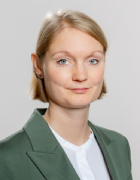
Prof. Dr. Kathrin Schumann is an Assistant Professor at the Technical University of Munich (TUM), leading the 'Engineering Immune Cells for Therapy' group within the TUM School of Medicine and Health. Her research focuses on CRISPR-based engineering of human immune cells to develop novel therapies for autoimmune and tumor diseases. She holds a doctorate from the Max Planck Institute of Biochemistry and has conducted postdoctoral research at the University of California, San Francisco, under Professors Alex Marson and Jeffrey Bluestone. Dr. Schumann’s academic career includes a Presidential Postdoc Fellowship at Novartis (Basel) and a tenure-track appointment at TUM since 2018. Her work emphasizes genomic editing of T cells to study gene function and improve cell therapy safety. Key research themes include CRISPR-mediated gene silencing, T cell receptor engineering, and HIV-host interaction studies. Education: Bachelor/Master in Biochemistry, University of Tübingen PhD, Max Planck Institute of Biochemistry (Martinsried) Postdoc, University of California, San Francisco (UCSF) Her research has yielded breakthroughs in CRISPR applications for T cell therapy, including PD-1 disruption to enhance anti-tumor efficacy and targeted editing of T cell receptors. Awards include a DFG research grant (2016). Notable achievements include the development of CRISPR ribonucleoprotein platforms for primary T cells and insights into metabolic checkpoints in T cell exhaustion. Her lab collaborates globally to translate CRISPR-based discoveries into clinical therapies.
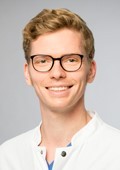
Prof. Dr. med. Franz Lennard Ricklefs is a Senior Physician and Head of the Working Group at the Department of Neurosurgery, University of Hamburg Faculty of Medicine. He is a Medical Specialist in Neurosurgery with cross-disciplinary expertise in neuro-oncology, molecular pathology, and extracellular vesicle research. Affiliations: University Medical Center Hamburg-Eppendorf (UKE), European Liquid Biopsy Society (ELBS), International Consortium on Meningiomas (ICOM) Research Interests: His work focuses on neurosurgical oncology, particularly glioblastoma and meningioma pathobiology. He investigates DNA methylation patterns, extracellular vesicle biomarkers, and liquid biopsy implementation in clinical neuro-oncology. Additional interests include surgical outcomes for epilepsy and aneurysm management. Article Trends: Over the last decade, Dr. Ricklefs has published extensively on: Extracellular vesicle applications as liquid biopsy markers DNA methylation subclasses for glioblastoma and meningioma Multicenter surgical outcome benchmarking Immune evasion mechanisms in neuro-oncology Technological innovations in neurosurgical visualization Molecular characterization of rare CNS tumors Professional Contributions: He co-authored the MISEV2023 guidelines for extracellular vesicle studies and participates in international consensus reviews for meningioma classification. His collaborations span institutions across Europe and North America.
Professor Charlotte Kloft is Head of the Department of Clinical Pharmacy & Biochemistry at the Institute of Pharmacy, Free University of Berlin since 2011, and spokesperson for the interdisciplinary Graduate Research Training Program PharMetrX 'Pharmacometrics and Computational Disease Modelling' since 2008. She previously served as Professor and Head of the Department of Clinical Pharmacy at Martin-Luther-University Halle-Wittenberg (2005-2011) and as Scientific Assistant/Senior Assistant at Freie Universität Berlin (1999-2005). Her academic credentials include a habilitation in Clinical Pharmacy from Freie Universität Berlin (2003) and a Dr. rer. nat. (summa cum laude) from the same institution (1997). She earned her license as a pharmacist in 1992 after completing pharmacy studies at Johannes Gutenberg-University, Mainz (1987-1991). Professor Kloft's research focuses on pharmacometrics, computational disease modeling, and therapeutic drug monitoring across multiple therapeutic areas. Her work bridges pharmaceutical sciences with clinical practice, with particular emphasis on personalized dosing strategies for oncology, antimicrobial resistance, and inflammatory bowel diseases. She has pioneered research in optimizing drug dosing through pharmacokinetic/pharmacodynamic modeling, with applications in both antibiotic and cancer therapies. Her recent publications demonstrate a strong evolution toward integrating advanced computational approaches with clinical pharmacology, including machine learning applications in pharmacometrics, personalized dosing strategies for biologics during pregnancy, and developing nationwide infrastructure for therapeutic drug monitoring in cancer therapy through the ON-TARGET study. Academic Center of Excellence of Pharsight (now Certara), USA (since 2000) Habilitationsreisestipendium of Dr. August and Dr. Anni Lesmüller-Stiftung (2002) Ernst-Reuter-Preis of Ernst-Reuter-Gesellschaft (1998) Joachim-Tiburtius-Preis of Berlin Senate (1998) Young Investigator Award of EORTC-PAMM (1997) Professor Kloft has successfully supervised numerous doctoral students whose research spans diverse areas including CAR-T cell therapy, antimicrobial resistance, inflammatory bowel disease treatment optimization, and pharmacokinetic modeling of novel therapeutic agents. Her research group has secured significant funding for projects including GlobalResist, ON-TARGET, ABIMMUNE, COMBINATORIALS, and TAIN. She leads a vibrant research ecosystem at the Free University of Berlin with strong collaborations across Europe and internationally, maintaining state-of-the-art laboratory facilities including Biosafety Level 2 certified labs for infectious disease research.
Prof. Lars Mägdefessel is a Professor of Vascular Biology at the Technical University of Munich (TUM), leading the Molecular Vascular Biology group within the TUM School of Medicine and Health. His research focuses on non-coding RNAs in vascular diseases, particularly atherosclerosis and aortic aneurysms, using translational approaches for molecular treatment discovery. He holds an MD from Johannes Gutenberg University (Mainz, Germany), completed cardiology clinical training, and postdoctoral research at Stanford University before joining TUM in 2016. Education: MD from Johannes Gutenberg University, Mainz Postdoctoral training at Stanford University, USA Assistant Professor at Karolinska Institute, Sweden Research Interests: Non-coding RNA regulation in vascular pathology Mechanisms of atherosclerotic plaque vulnerability Translational therapies for vascular diseases Advanced aortic aneurysm progression Awards include the ERC Consolidator Grant (2023), Russell Ross Award (2023), and Heisenberg Professorship (2016). His lab is supported by the German Center for Cardiovascular Research (DZHK).
Professor Ghazaleh Tabatabai serves as Head of Department for Clinical and Experimental Neuro-Oncology at the Hertie Institute for Clinical Brain Research, University of Tübingen. She leads a multidisciplinary research group focused on translational neuro-oncology with active collaborations through the German Glioma Network, German Cancer Consortium (DKTK), European Organisation for Research and Treatment of Cancer (EORTC), European Association of Neuro-Oncology (EANO), and International Consortium on Meningioma (ICOM). Her research program centers on molecular mechanisms of tumorigenesis, therapy resistance, and treatment-induced vulnerabilities in nervous system tumors. The laboratory employs CRISPR screening technologies, molecular profiling, and preclinical models to identify therapeutic targets, with particular expertise in glioma and meningioma biology. Current projects span from discovery through validation to clinical application, including phase I/II trials of novel therapies such as CureVac's mRNA vaccine candidate CVGBM. Recent publications demonstrate leadership in molecular classification of meningiomas, CRISPR-based target discovery, immunotherapy development, and clinical trial design. Her work on the TRACE app for patient-reported outcomes and the PRIDE trial for dose-escalated radiation therapy represents significant clinical translation efforts. The 2024-2025 publication record shows strong productivity with high-impact papers in Neuro-Oncology, Nature Medicine, and Genome Biology. Elected spokesperson of the DFG Board for Neuroscience (2024) Active participation in EANO guideline development Leadership in multiple international consortia including ICOM Principal investigator for clinical trials including N2M2/NOA-20 umbrella trial Professor Tabatabai mentors a large research team including PhD students, medical doctoral candidates, and postdoctoral researchers. Her laboratory maintains active clinical collaborations across neurosurgery, radiation oncology, and medical oncology departments. She is featured in the 'Key To My Research' podcast discussing tumor intelligence and regularly presents at major neuro-oncology conferences including ASCO, EANO, and SNO.
Univ.-Prof. Dr. med. Martin A. Kriegel serves as full Professor and Department Head of the Department of Translational Rheumatology and Immunology at the Institute of Musculoskeletal Medicine, University of Münster, while maintaining an active laboratory at Yale School of Medicine. He leads the Section for Rheumatology and Clinical Immunology (SRKI) at Medical Clinic D, where his team integrates clinical care with cutting-edge microbiome research. His department operates from Röntgenstraße 21 and Von-Esmarch-Str. 54 in Münster, Germany, with extensive collaborations including the "Cells in Motion" research initiative and the CiM-IMPRS graduate program. Dr. Kriegel's research program focuses on the critical interface between host immunity and microbiota, particularly investigating how gut commensals translocate to host tissues and trigger autoimmune responses. His laboratory pioneered the discovery that specific pathobionts like Enterococcus gallinarum and certain Lactobacillus strains can translocate from the gut to mesenteric lymph nodes, liver, and other sites, driving autoimmune responses through molecular mimicry of human autoantigens. His work has established fundamental mechanisms by which microbiota influence rheumatic diseases, cutaneous autoimmunity, and cancer immunology, with particular emphasis on Ro60 autoantigen mimicry, TLR7-dependent pathways, and diet-microbiome interactions. The laboratory employs advanced techniques including gnotobiotic mouse models, humanized systems, and detailed molecular characterization of host-pathobiont interactions. Analysis of Dr. Kriegel's publication record reveals a consistent trajectory of high-impact research connecting microbiome dynamics to autoimmune pathogenesis. His most recent work (2023-2025) demonstrates increasingly sophisticated understanding of how specific bacterial strains influence disease phenotypes across multiple autoimmune conditions, with notable advances in identifying shared microbiome signatures across lupus and inflammatory bowel disease. The publications show progressive refinement from initial observations of microbial translocation to detailed mechanistic insights into tryptophan catabolism pathways, structural basis of molecular mimicry, and diet-sensitive microbial triggers. Dr. Kriegel's scientific recognition includes US Patent No. 11,058,756 B2 for compositions treating autoimmune diseases by reducing enterococcus, reflecting the translational potential of his research. His laboratory receives substantial funding, most notably a $3 million award from the Lupus Research Alliance for the TransLuMi project investigating gut pathobiont translocation in systemic lupus erythematosus. As an educator and mentor, Dr. Kriegel directs a substantial research team including multiple postdocs (Drs. Marcia Pereira, Nathalie Becker), PhD candidates (Anna Brinkhege, Carina Brune, Helen Fuhrmann), and laboratory specialists. He participates in the CiM-IMPRS graduate program and supervises medical students through the MedK program. His laboratory currently manages multiple significant research projects including: (A) intestinal wall permeability and pathobiont translocation in autoimmunity; (B) diet-environment-microbiome interactions; (C) microbiota disruption of immunological tolerance; and (D) microbiome roles in lymphoma development. The Kriegel laboratory maintains state-of-the-art facilities at both Münster and Yale, with specialized capabilities in gnotobiotic research, microbiome analysis, and immune profiling. His team collaborates with international partners including Dr. Eran Elinav at Weizmann Institute, Dr. Nissan Yissachar at Bar-Ilan University, Prof. George Tsokos at Harvard, and Prof. Ilana Brito at Cornell University. The laboratory's website (https://www.medizin.uni-muenster.de/mikrobiom/startseite/) details ongoing projects and research opportunities.
David R. Liu is the Thomas Dudley Cabot Professor of the Natural Sciences at Harvard University and the Richard Merkin Professor at the Broad Institute. He serves as a principal investigator at the Howard Hughes Medical Institute and director of the Merkin Institute of Transformative Technologies in Healthcare. His laboratory pioneers revolutionary genome editing technologies with profound implications for basic research and therapeutic development. Liu's research spans multiple disciplines at the intersection of chemistry and biology: Organic Chemistry Chemical Biology Biochemistry Genetic Engineering Genome Editing Technologies He pioneered base editing and prime editing techniques that enable precise DNA modifications without creating double-stranded breaks, overcoming key limitations of traditional CRISPR-Cas9 systems. His work on DNA-templated synthesis and phage-assisted continuous evolution (PACE) has transformed protein engineering and drug discovery approaches. Liu's contributions have been recognized with numerous prestigious awards: ACS Award in Pure Chemistry (2006) Election to National Academy of Medicine (2020) Election to National Academy of Sciences (2021) King Faisal Prize (2022) Breakthrough Prize in Life Sciences (2025) As an entrepreneur, Liu has co-founded multiple biotechnology companies including Editas Medicine, Beam Therapeutics, and Prime Medicine to translate his discoveries into therapeutic applications. His laboratory continues to advance genome editing technologies while developing novel approaches to treat genetic diseases through precise DNA modifications.
Dr. Eric T. Reifenstein is a neuroscience researcher at Humboldt-Universität zu Berlin's Faculty of Life Sciences, Institute of Biology, specializing in neural mechanisms of spatial navigation and memory. As a key contributor to SFB 1315 (Entorhinal Cortex as Interface between Memory and Space), his work bridges computational modeling and human electrophysiology. His research focuses on egocentric spatial mapping and sequence learning mechanisms , with particular expertise in human single-neuron recordings during virtual navigation tasks. Reifenstein investigates how the brain encodes self-centered spatial representations and how synaptic learning rules enable temporal sequence memorization. His publication trends reveal a strong emphasis on translational neuroscience , connecting rodent studies to human cognition through innovative virtual reality paradigms. Key methodological approaches include single-neuron recordings, computational modeling of neural networks, and behavioral analysis of spatial memory. Scientific contributions include: Identification of egocentric bearing cells in human parahippocampal cortex Mathematical analysis of phase precession in sequence learning Vectorial representation models of egocentric space Reifenstein actively collaborates with leading researchers including Prof. Richard Kempter and Joshua Jacobs, contributing to major neuroscience journals like Neuron and eLife. His work has implications for understanding memory disorders and developing neural prosthetics.
Prof. Dr. Olivia Merkel is the Chair of Drug Delivery at LMU Munich (since 2022) and holds a tenured professorship in the Faculty of Pharmacy. Her academic journey includes postdoctoral work at Philipps-Universität Marburg (2009), a PhD in Pharmaceutics (2009), and a tenure-track professorship at Wayne State University (2011–2017). She leads the Merkel Lab, focusing on advanced drug delivery systems, particularly siRNA and nanoparticle-based therapies. Research interests: Nanomedicine, targeted drug delivery, polymer engineering, and pulmonary delivery systems. Editorial roles: Molecular Pharmaceutics, Journal of Controlled Release, and European Journal of Pharmaceutics and Biopharmaceutics. Award: 2020 PHOENIX Pharma Science Award. Her lab combines experimental and computational approaches, with recent work on machine learning-driven polymer discovery and molecular dynamics simulations. Over 20 students and researchers collaborate in her group, addressing challenges in lung fibrosis treatment and T-cell targeting in asthma.
Prof. Can Dincer is a Professor of Sensors and Wearables for Healthcare at the TUM School of Computation, Information and Technology, Technische Universität München (TUM). His research focuses on bioanalytical materials, wearable sensors, and AI-driven diagnostics for One-Health applications, integrating disposable sensor technology with data science. He holds a doctorate from the University of Freiburg (summa cum laude, 2016) and worked as a visiting scientist at Imperial College London before joining TUM in 2024. He is a member of the Munich Institute of Biomedical Engineering (MIBE). Key research interests include: Development of wearable biosensors for real-time health monitoring CRISPR-based diagnostics for nucleic acids and proteins AI integration for therapeutic drug monitoring in sepsis and other critical conditions Environmental health connections via point-of-need diagnostics Notable achievements include the 2021 Biosensors & Bioelectronics Best Paper Award and inclusion in Stanford's World's Top 2% Scientists since 2022. His work spans clinical applications, microfluidic platforms, and nanotechnology-based solutions for healthcare challenges. Publications highlight innovations like optogenetic bioassays (Science Advances, 2024), CRISPR-powered multiplexed biosensors, and wearable systems for continuous biomarker monitoring. His research bridges material science, electrical engineering, and biomedicine to create practical diagnostic tools. Prof. Dincer collaborates across disciplines, focusing on translating lab innovations into clinical and commercial applications through advanced sensor technologies.