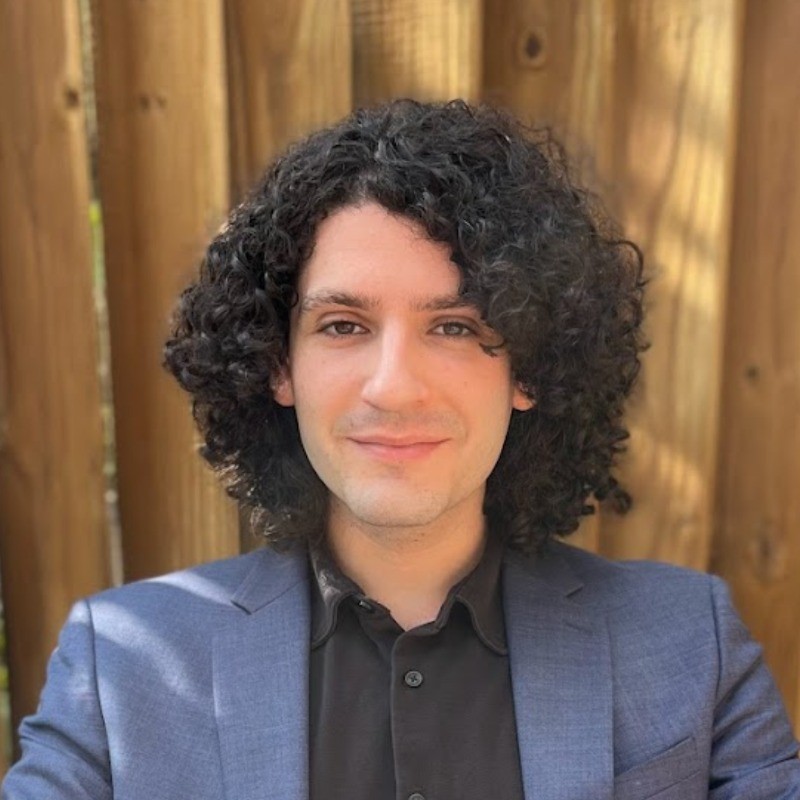
Jason Smith is a Postdoctoral Scholar at Northwestern University , affiliated with the Interactive Audio Lab . He earned his PhD in Music Technology from the Georgia Institute of Technology . Research Focus Human-AI collaboration in creative domains Interactive music systems AI-driven accessibility solutions Creative autonomy and neural audio generation Recommender systems for music libraries Publication Trends His work spans 2019–2025, emphasizing AI applications in music education, accessibility (especially for blind/visually impaired users), and immersive environments like AI holodecks. Key methodologies include co-design, hybrid recommendation algorithms, and automated creativity assessment. Lab Affiliation He contributes to the Interactive Audio Lab, exploring intersections of sound, code, and AI.
Antonio Krüger is a Professor at Saarland University and the CEO & Scientific Director of the German Research Center for Artificial Intelligence (DFKI). He leads the Ubiquitous Media Technology Lab and the Cognitive Assistance Systems department at DFKI, specializing in human-machine interaction, artificial intelligence, and intelligent user interfaces. University: Saarland University Department: Ubiquitous Media Technology Lab Organizational Role: CEO & Scientific Director, DFKI Research Interests Human-Machine Interaction User Modeling Cognitive Sciences Ubiquitous Computing Publications (2025) span disciplines including neuroscience, VR, and federated learning, focusing on topics like EEG-based BCIs, immersive plant trait analysis, and long-term mental modeling for well-being. Contact: ceo@dfki.de
Mostafa Ammar is a Regents' Professor and Interim Chair at the School of Computer Science , Georgia Institute of Technology. He holds a Ph.D. from the University of Waterloo and degrees (S.B., S.M.) from MIT. His career spans academia, industry collaboration, and leadership in networking research. Research Interests : Network architectures, protocols, and services; multicast communication; multimedia streaming; content distribution networks; disruption-tolerant networks; mobile cloud computing; network virtualization; HTTP adaptive streaming; video quality of experience (QoE); encrypted traffic analysis; vehicular networks; peer-to-peer systems; overlay networks. Funding : Supported by NSF, DARPA, AFOSR, CISCO, IBM, Intel, BellSouth, Sprint, and others. His research focuses on video QoE estimation using network measurements, mobile cloud computing , and network agility through virtualization. Recent work includes machine learning approaches for encrypted traffic analysis and scalable techniques for network performance. Key scientific awards include: IBM Faculty Partnership Award (1996), Best Paper at WWW '98, IEEE Fellow (2002), ACM Fellow (2003), GT Outstanding Doctoral Thesis Advisor (2006), IEEE TCCC Service Award (2010), ACM Mobihoc Best Paper (2012), College of Computing Awards (2015, 2018), IFIP Best Paper (2018), and multiple teaching excellence awards (2013-2017, 2022 CIOS Award). Dr. Ammar has advised 39 PhD students , many of whom hold prominent positions at institutions like UC Santa Barbara, Emory University, and companies including Google, Microsoft, and Facebook. His editorial leadership includes Editor-in-Chief of IEEE/ACM Transactions on Networking (1999-2003) and roles in conference committees.
Marta Severo is a Lecturer at University of Paris Nanterre in the Department of Information, Communication, Digital Media within the Faculty of Humanities and Social Sciences. She also maintains significant research affiliations with University of Lille where she has directed multiple projects including the PEPS Digital Routes Project (2015-2016). Her academic profile is characterized by interdisciplinary research at the intersection of digital technologies and cultural heritage. Her research focuses on digital representations of cultural heritage, particularly intangible cultural heritage (ICH) and cultural itineraries like the Via Francigena. She investigates how digital methods can be used to study, represent, and safeguard cultural heritage through social media analysis, network mapping, and participatory platforms. Her work examines the relationship between amateurs and institutions in knowledge production, with special attention to Wikipedia as a citizen science tool. Her publication portfolio demonstrates consistent scholarly output with significant contributions to understanding digital representations of cultural routes, stakeholder networks along heritage paths, and participatory approaches to cultural heritage management. Her research shows a clear trajectory from methodological development in digital humanities to applied studies of specific heritage contexts. Humboldt Research Fellowship for Experienced Researchers (2023-2025) for project on ethics of digital participation IUF project funding for 'Data in action' research on research trajectories of implication NEST project (Marie Skłodowska-Curie RISE Action Programme) visiting fellowship at UC Berkeley (2022) As a research leader, Marta Severo has directed multiple significant projects including the ANR COLLABORA project (construction of an observatory of cultural contributory devices), the Wikipatrimoine project (exploring collaborative management of cultural heritage), and the ICH Observatory project (mapping digital networks of ICH stakeholders in France). Her work demonstrates strong commitment to interdisciplinary collaboration across computer science, social sciences, and heritage management. She frequently partners with European institutions including the European Association of Via Francigena Routes and has presented at numerous international conferences on cultural heritage and digital methods.
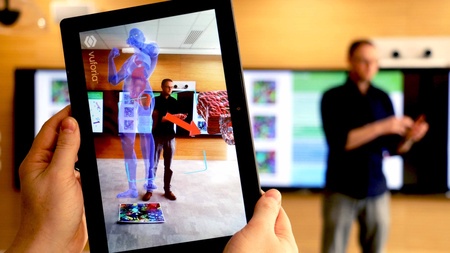
Professor John Barrow is a Professor of Biochemistry & Molecular Biology at the University of Aberdeen, where he also serves as Dean for Employability and Entrepreneurship since 2020. He is affiliated with the School of Medicine, Medical Sciences and Nutrition, based at the Institute of Medical Sciences on the Foresterhill Campus with office address at Ashgrove Road West, AB25 2ZD. Barrow earned his academic qualifications entirely from the University of Aberdeen: a BSc(Hons) in Biochemistry (2002), PhD in Molecular Biology (2005), and PGCert in Higher Education (2011). He was awarded Senior Fellow status with the Higher Education Academy in 2015. His academic career at Aberdeen has progressed from Postdoctoral research scientist (2005-2009), through Teaching Fellow (2009-2013) and Senior Teaching Fellow (2013-2015), to Senior Lecturer (Scholarship) (2015-2021), before becoming Professor in 2021. Professor Barrow's research primarily focuses on innovative approaches to biochemistry education, with particular emphasis on virtual reality and immersive learning technologies. His work bridges traditional biochemical knowledge with cutting-edge educational methodologies, creating engaging learning experiences for students. He has pioneered the use of virtual reality for teaching complex biochemical concepts such as the citric acid cycle and molecular structures. Additionally, his research extends to graduate attributes development, employability skills, and entrepreneurship education, reflecting his dual role as both educator and Dean for Employability and Entrepreneurship. Analysis of his recent publications reveals a strong trend toward educational technology and innovative teaching methods, particularly virtual and augmented reality applications in biochemistry education. His work spans molecular biology education, skills development, and the integration of enterprise and entrepreneurship into the academic curriculum. While his earlier career included more traditional molecular biology research on topics like gene promoters and receptor pathways, his recent focus has shifted predominantly toward educational innovation. His professional recognition includes: Senior Fellow of the Higher Education Academy (2015) As Dean for Employability and Entrepreneurship, Professor Barrow oversees initiatives that connect academic learning with real-world applications, including the ABDN Grad Challenge and Hack 2040 ideathon events. His work focuses on developing students' enterprise skills and preparing them for diverse career paths. He has been instrumental in creating programs like the Employability Boost Award, designed to enhance students' career readiness through structured skill development. Professor Barrow is actively involved in curriculum development at the University of Aberdeen, particularly in transforming and embedding graduate attributes across programs. His leadership extends to external examiner roles for institutions in Pakistan and reviewing for major academic publishers and journals. His innovative approach to education has positioned him as a leader in educational technology within the medical and biochemical sciences.
Alan Briones Delgado is a researcher at the La Salle School of Engineering , Universitat Ramon Llull , with a focus on Internet of Things , Cybersecurity , and Transport Protocols . His work spans projects funded by the European Commission and national grants, including EXCEL4HOUSING4.0 , WeB-Nimbus , and NG-SOC , addressing challenges in cloud computing education, ecological monitoring, and security operations. His research integrates Artificial Intelligence and Wireless Sensor Networks for sustainable solutions. Key research areas include Quality of Service in heterogeneous networks, Environmental Conservation via IoT, and Teaching and Learning strategies for Big Data. Projects like EcoSentinel and BTL-COP highlight his commitment to Environmental Monitoring and Community Policing applications. His collaborations extend to institutions in the UK , Albania , and Western Balkans . Contact: alan.briones@salle.url.edu
Dr. Nafis Alam is a Professor and Head of the School of Business at Monash University Malaysia. With over 20 years in higher education, he has held leadership roles at institutions including the Henley Business School Malaysia, University of Reading Malaysia, and Asia Pacific University. His expertise spans FinTech, financial regulation, and Islamic finance, with over 50 peer-reviewed publications and nine co-authored books. He actively engages with global industry and policy, contributing to reports by the Cambridge Centre for Alternative Finance (CCAF). Awards include the Global Islamic Finance Award's 'Upcoming Personality' (2016) and Monash University's Vice-Chancellor Medal (2016). Education: PhD in Banking and Finance (Monash University), MBA (Multimedia University), and Economics (Patna University). He holds a Postgraduate Certificate in Higher Education (PGCHE) from the University of Nottingham and is a Senior Fellow of the Higher Education Academy (SFHEA). Research focuses on FinTech regulation, digital currencies, AI ethics, and Islamic finance innovation. Recent projects include Malaysia's consumer credit framework and blockchain in energy legal systems. Media contributions include commentaries on cryptocurrency, fiscal reforms, and ESG evaluations. Key Supervision Areas: FinTech, Financial Regulation, Technology Adoption Grants/Projects: Active roles in 2023-2026 projects on legal frameworks for blockchain and consumer credit Labs/Teams: Collaborations with global institutions like CCAF and industry partners in Southeast Asia. Advocates for market-driven education programs and adult learning strategies.
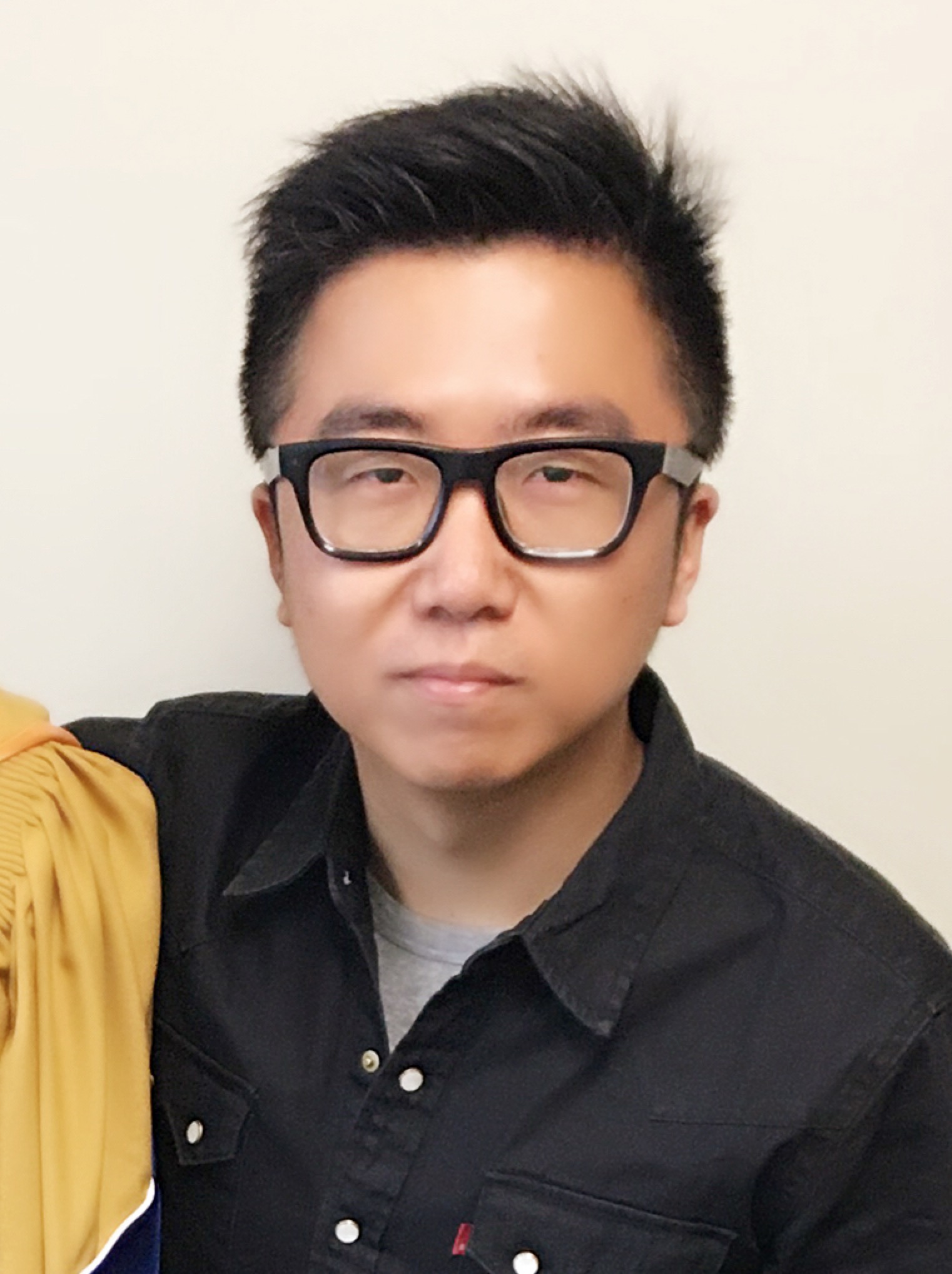
Cheng Zhang is an Associate Professor (with Tenure) in Information Science and a Field Member in Computer Science at Cornell University. He directs the Smart Computer Interfaces for Future Interaction (SciFi) Lab , focusing on integrating human-centered AI with advanced sensing technologies to empower everyday wearables. Ph.D. in Computer Science, Georgia Institute of Technology (2020) M.S. in Software Engineering, Chinese Academy of Sciences B.S. in Software Engineering, Nankai University His research examines how to solicit information on and around the human body to address real-world challenges in interaction, health sensing, and activity recognition. He builds novel sensing systems spanning hardware prototypes, algorithm design (machine learning and physics-based modeling), and high-impact applications in accessibility and health. Article Trends : His recent work includes low-power, minimally intrusive wearables (e.g., EchoForce for muscle activity tracking, Ring-a-Pose for hand poses, SeamFit for smart clothing) using acoustic sensing and machine learning. The 15 most recent articles span 2025–2023, with applications in silent speech, authentication, and pose estimation. Scientific Awards : NSF CAREER Award Ubicomp 10-Year Impact Award Best Paper Honorable Mentions at ISWC’24 and ISWC’23 Advising : Mentored Ph.D. students like Ruidong Zhang (Qualcomm Fellowship recipient) and Ke Li, with research featured in Cornell Chronicle and IEEE Spectrum .
Dana Small, PhD is a Senior Scientist at the RI-MUHC and Professor in the Department of Neurology and Neurosurgery at McGill University . Her research is centered in the Metabolic Disorders and Complications Program within the Centre for Translational Biology . Her research focuses on understanding how body and mind work together to optimize behavior, particularly through neuroimaging, metabolic, and behavioral studies of ingestive behavior. She investigates how modern food environments affect brain evolution and eating behavior. The 15 most recent publications show a consistent focus on food reward mechanisms (2025), nutrient-brain interactions (2024), addiction-genetics relationships (2023), and neural processing of taste and reward (2020-2023). These works appear in high-impact journals like Cell Metabolism and Science .
Cuiyun Gao is a Full Professor and PhD Supervisor at the School of Computer Science and Technology, Harbin Institute of Technology, Shenzhen. She has established herself as a prominent researcher in the intersection of artificial intelligence and software engineering. Her educational background includes a PhD from the Chinese University of Hong Kong (completed in 2018), followed by postdoctoral work at CUHK and a Research Fellowship at Nanyang Technological University. She also had a visiting period at University College London supervised by Prof. Mark Harman and Prof. Federica Sarro. Dr. Gao's research primarily focuses on Software Repository Mining, Natural Language Processing, Code Analysis, Large Language Models, Source Code Understanding, User Review Analysis, Vulnerability Detection, and Mobile Advertising Analysis . Her work bridges the gap between traditional software engineering practices and modern AI techniques, particularly in the context of code intelligence and software maintenance. Her recent publications (2024-2025) demonstrate a strong emphasis on Large Language Models for code-related tasks, including code generation, optimization, vulnerability detection, and software engineering applications. Her research shows a clear trend toward addressing practical challenges in integrating LLMs into the software development lifecycle while maintaining code quality and security. Scientific Awards: Distinguished Paper Award at ASE 2023 Best Paper Award of the Track at ICSE 2024 Distinguished Paper Award at ICSE 2024 Dr. Gao actively supervises multiple PhD and Master's students, contributing to the next generation of software engineering researchers. She has served on numerous conference committees including FSE, ISSTA, ICSE, ASE, and SANER. Her research has received significant attention in the software engineering community, with multiple papers published in top-tier venues like FSE, ICSE, ASE, and TSE. Her lab appears to be actively engaged in both theoretical research and practical applications, particularly in the context of WeChat and other industry collaborations, demonstrating strong industry-academia connections.
Marina Pucci is an Associate Professor of Near Eastern Archaeology at the University of Florence's Department of History, Archaeology, Geography, Arts and Entertainment (SAGAS). She specializes in the Late Bronze Age and Iron Age periods in Syria and Anatolia, with particular expertise in ceramic analysis, spatial studies, and cultural contact during these historical periods. Her extensive fieldwork includes directing excavations at key sites such as Kınık Höyük in Turkey and participating in major projects at Alalakh, Zincirli, and Tell Shech Hamad. Her academic background includes a PhD summa cum laude from Freie Universität Berlin and a Master's degree from the University of Pisa. She has held numerous academic positions including Fixed-term Researcher under the Rita Levi Montalcini program and currently serves as an Associate Professor at the University of Florence. Pucci's research focuses on material culture of the Late Bronze Age and Iron Age in Anatolia, the Levant, Central Syria, and Northern Mesopotamia. She examines group identity, migration theories, center-periphery relationships in the Neo-Assyrian and Hittite Empires, functional analysis of pottery, social archaeology, architectural space, and Syrian archaeology. Her work often explores cultural encounters, technological transfers, and the impact of political changes on material culture across the ancient Near East. Her recent publications demonstrate a consistent focus on the Amuq region, ceramic analysis, and Iron Age material culture. Her work increasingly incorporates digital documentation methods and addresses cultural heritage preservation in conflict zones. She examines transitions between historical periods, particularly the Late Bronze to Iron Age transition, analyzing how material culture reflects social, political, and economic changes. Her research connects specific archaeological findings to broader historical narratives about cultural contacts and transformations in the ancient Near East. As an academic advisor, Professor Pucci supervises undergraduate, master's, and doctoral students, guiding thesis work on Near Eastern archaeology. She has secured significant research funding including MAECI grants, OrMe Foundation support, Prin projects, and Rita Levi Montalcini funding. Her international collaborations span institutions in Turkey, Syria, Iran, Israel, Germany, and the United States. Professor Pucci leads archaeological field teams at Kınık Höyük in Niğde, Turkey, directing a group of 6-7 students and postdocs from the University of Florence. She coordinates international collaborations with the Oriental Institute at Chicago, Freie Universität Berlin, and various Turkish and Syrian universities on excavation and preservation projects. Her work has significant implications for understanding cultural heritage in conflict areas and developing preservation strategies for endangered archaeological sites.
Dr Wasim Ahmad is a Lecturer in Marketing at the Department of Marketing, Lancaster University Management School (LUMS), having joined the institution in January 2024. His prior academic appointments include Monash University, Florida State University, Teesside University, and Fujian University of Technology, where he conducted research, taught undergraduate/postgraduate modules, and led curriculum development. Education: Ph.D. in Marketing, University of International Business and Economics PostDoc, Florida State University Research Interests: Dr Ahmad investigates consumer behaviour with emphasis on negative emotions (brand hate, betrayal) and extreme responses to brands across cultural contexts. His work spans sustainability-oriented innovation in B2B firms, eco-brand strategy, and cross-cultural CSR implementation—particularly during crises like the pandemic. He employs quantitative methodologies including experimental designs and meta-analysis, frequently examining digital marketing phenomena such as virtual influencers, travel apps, and dark patterns in online interfaces. Publication Trends: His 2023-2025 output reveals concentrated research on brand hate consequences in B2B relationships, sustainability innovation linked to triple-bottom-line performance, and cross-cultural digital behaviour (e.g., social media addiction, travel app usage). Key journals include Journal of Business Research , Industrial Marketing Management , and Annals of Tourism Research , demonstrating interdisciplinary reach across marketing, sustainability, and tourism. Scientific Awards: No specific awards, prizes, or fellowships mentioned in source materials Advising and Grants: Dr Ahmad actively supervises PhD candidates in green marketing topics (product sustainability, eco-brand orientation) using quantitative approaches. He teaches core modules including International Marketing (MKTG101), Strategic Marketing (MKTG301), and Marketing Research (MKTG212). No grant funding details were provided in the directory. Labs and Teams: No dedicated research labs or teams specified in current affiliation Collaborative work evident in B2B sustainability studies with international co-authors
Nina Reiser is an Associate Professor of Financial Markets Law at the University of St. Gallen (HSG), Vice Director at the Institute for Law and Economics HSG, and co-founder of the Center for Financial Services Innovation HSG. She also holds an Adjunct Professorship in Private and Commercial Law at the University of Zurich (UZH) since December 2023. Her research and practice focus on financial market law, corporate governance, and regulatory compliance. Research Interests: Nina's work bridges corporate law with decentralized finance (DeFi), blockchain technology, and banking sector governance. She explores digital governance frameworks, regulatory challenges for decentralized autonomous organizations (DAOs), and supervisory instruments for financial stability. Her publications address Swiss and international financial regulations, emphasizing interdisciplinary collaboration. Awards & Editorial Roles: While no specific awards are listed, she serves as General Editor of CapLaw since 2025 and was elected to the board of the Association for Quality Assurance in Financial Services (VQF) in 2024. Her editorial leadership highlights her influence in capital markets discourse. Advising & Collaborations: She advises doctoral student Michael Kallenberg and collaborates with colleagues like Seraina Grünewald and Valentin Egli. Her roles at HSG include organizing symposiums on topics such as 'Regulated activities on public blockchains' and 'TBTF & Financial Stability' at ETH Zurich. Labs & Teams: Nina leads at the Institute for Law and Economics HSG and co-founded the Center for Financial Services Innovation HSG. These institutes drive research on financial regulations and technological legal integration.
Morten Søndergaard is an Associate Professor at Aalborg University’s Department of Communication and Psychology, affiliated with the Faculty of Social Sciences and Humanities. He is part of the Art, Aesthetics & Health Research Laboratory and the MASSHINE initiative. His research focuses on sound art, media art curation, and transdisciplinary practices, emphasizing the exclusion mechanisms in 20th-century art systems and unarchived avant-garde movements. Søndergaard has curated exhibitions globally, including at Kiasma and ZKM, and co-founded the POM conference series and ISACS symposia. He leads the Erasmus Master of Excellence in Media Arts Cultures, collaborating with institutions in Austria, Poland, and Hong Kong. His work bridges art, science, and technology, with recent projects exploring sonic archives and participatory curatorial frameworks. Key collaborations include roles with the European NeMe network, SUNY College New York, and the Momentum Biennial. He has organized over 20 projects since 2008, including the 2025 Momentum Biennial as head curator. His teaching spans media art theory, sound art practices, and curatorial methodologies at both bachelor and master levels. Søndergaard’s research outputs include over 145 publications, with a focus on sound art’s theoretical and practical dimensions. His current projects emphasize ‘uncurating’ methodologies and the reactivation of marginalized avant-garde practices. Notable activities include editorial roles, international conference organization, and advisory roles in art and science networks. His work has been featured in media outlets like Artdaily and the Biennial Foundation, highlighting his contributions to contemporary art discourse and curatorial innovation.
Michael Turner is a Professor of Materials Chemistry and Director of the Organic Materials Innovation Centre (OMIC) at the University of Manchester's School of Chemistry. He holds a Chair in Materials Chemistry and leads the Knowledge Centre for Materials Chemistry (KCMC), a virtual interdisciplinary research hub. His research focuses on synthesizing conjugated molecules for applications in organic electronics, including transistors, LEDs, sensors, and solar cells. He coordinates the EPSRC-funded Organic Materials for Electronics Consortium (OME-C), involving collaborations across multiple institutions. Education: Bachelor's and PhD from the University of Bristol (organometallic chemistry with Prof. Selby Knox). Postdoctoral work in the U.S. with Prof. Harry Allcock on polyphosphazenes, followed by research at the University of Sheffield on Fischer-Tropsch reactions under Prof. Peter Maitlis. Research Interests: Synthesis of conjugated liquid crystals and polymers, organic electronics, electro-optical devices, and nanoscale fabrication. His work addresses challenges in energy, environment, and material synthesis through novel polymer architectures and functional nanoparticles. Key Projects: Principal Investigator for KCMC, advancing applied materials chemistry and knowledge transfer. Leading projects on CRISPR-Cas technology integration into organic electronics and roadside breath analysis of narcotics. Contributions to neuromorphic computing via printed electronics and bioelectronics networks. Awards: Royal Society University Research Fellowship (1993). Grants & Collaborations: Coordinates EPSRC consortia and collaborates internationally on polymer synthesis, sensor systems, and bio-inspired materials. His work aligns with UN Sustainable Development Goals, particularly energy and environmental innovation. Labs & Teams: Directs OMIC and KCMC, fostering interdisciplinary research in organic materials, device fabrication, and nanotechnology applications.