معرفی
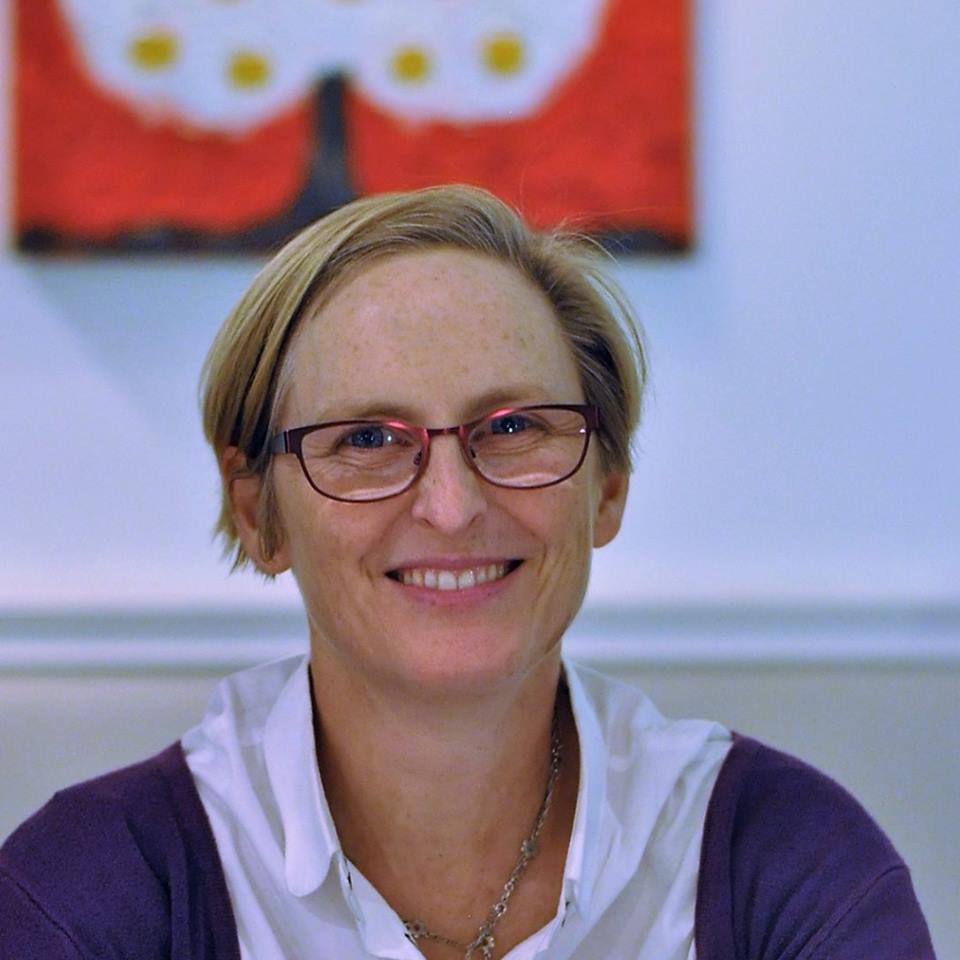
Marta Severo is a Lecturer at University of Paris Nanterre in the Department of Information, Communication, Digital Media within the Faculty of Humanities and Social Sciences. She also maintains significant research affiliations with University of Lille where she has directed multiple projects including the PEPS Digital Routes Project (2015-2016). Her academic profile is characterized by interdisciplinary research at the intersection of digital technologies and cultural heritage.
Her research focuses on digital representations of cultural heritage, particularly intangible cultural heritage (ICH) and cultural itineraries like the Via Francigena. She investigates how digital methods can be used to study, represent, and safeguard cultural heritage through social media analysis, network mapping, and participatory platforms. Her work examines the relationship between amateurs and institutions in knowledge production, with special attention to Wikipedia as a citizen science tool.
Her publication portfolio demonstrates consistent scholarly output with significant contributions to understanding digital representations of cultural routes, stakeholder networks along heritage paths, and participatory approaches to cultural heritage management. Her research shows a clear trajectory from methodological development in digital humanities to applied studies of specific heritage contexts.
- Humboldt Research Fellowship for Experienced Researchers (2023-2025) for project on ethics of digital participation
- IUF project funding for 'Data in action' research on research trajectories of implication
- NEST project (Marie Skłodowska-Curie RISE Action Programme) visiting fellowship at UC Berkeley (2022)
As a research leader, Marta Severo has directed multiple significant projects including the ANR COLLABORA project (construction of an observatory of cultural contributory devices), the Wikipatrimoine project (exploring collaborative management of cultural heritage), and the ICH Observatory project (mapping digital networks of ICH stakeholders in France). Her work demonstrates strong commitment to interdisciplinary collaboration across computer science, social sciences, and heritage management. She frequently partners with European institutions including the European Association of Via Francigena Routes and has presented at numerous international conferences on cultural heritage and digital methods.