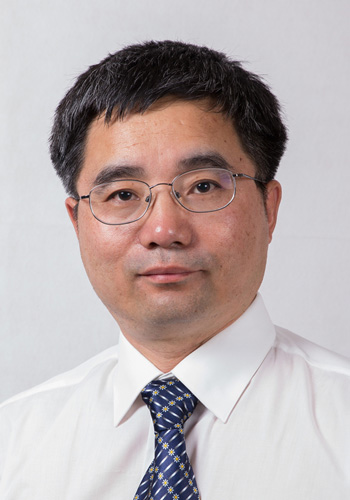
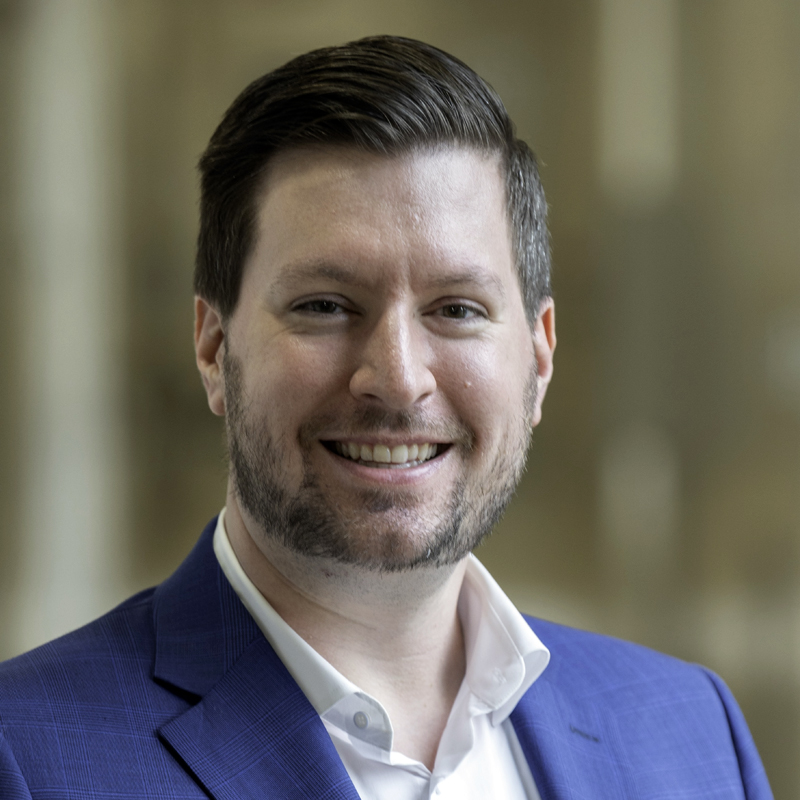
Levi Waldron is a Professor and Department Chairperson in the Department of Epidemiology and Biostatistics at the CUNY Graduate School of Public Health & Health Policy. His research focuses on data science, R/Bioconductor software development, bioinformatics, cancer genomics, and human microbiome analysis. He holds a PhD in Wood Science from the University of Toronto and completed postdoctoral training at the Ontario Cancer Institute, Dana-Farber Cancer Institute, and Harvard School of Public Health. Education: PhD in Wood Science, University of Toronto MSc in Physics, University of Waterloo BSc in Physics, University of British Columbia Research Interests: Dr. Waldron’s work integrates computational methods with biomedical data to address challenges in public health. Key areas include microbiome analysis for disease biomarkers (e.g., colorectal cancer, autism spectrum disorders), development of open-source bioinformatics tools (e.g., CellMapper, AnVILWorkflow), and improving data-sharing infrastructure for genomic research. His recent studies explore longitudinal microbiome changes in cancer immunotherapy and ethical implications of metagenomic data privacy. Grants & Collaborations: As a leader in bioinformatics, he collaborates on projects like the CHASING COVID Cohort study and contributes to initiatives like the NHGRI Genomic Data Science Analysis Lab-space. His lab develops tools for multi-omics integration and cloud-based genomic analysis.
Dr. Tianfu Wu is an Associate Professor in the Department of Biomedical Engineering at the University of Houston's Cullen College of Engineering. He completed his PhD at the Chinese Academy of Sciences, followed by postdoctoral training at the Pasteur Institute (France), Max-Planck-Institute of Bioinorganic Chemistry (Germany), and UT Southwestern Medical Center. His research focuses on biomarker discovery for autoimmune diseases, particularly lupus nephritis, and developing point-of-care diagnostic systems using proteomics, immunoproteomics, and nanotechnology-based biosensors. His work emphasizes urinary and serum biomarkers for renal pathology, autoimmune mechanisms, and neurodegenerative diseases like Alzheimer's. He has pioneered protein array technologies and smartphone-based analytical tools for rapid disease monitoring. Key research areas include identifying novel autoantibodies, immune complexes, and molecular signatures linked to lupus activity, as well as engineering theranostic nanoparticles for rheumatoid arthritis. His lab integrates engineering innovations with clinical applications to advance precision medicine in autoimmune and renal disorders.
Costel Darie is a Professor at Clarkson University, affiliated with the Coulter School of Engineering & Applied Sciences and the Department of Chemistry & Biochemistry. He holds a Ph.D. in Biochemistry from the University of Freiburg (Germany), an M.S. and B.S. in Biochemistry from Alexandru Ioan Cuza University (Romania), and an R.N. from Vaslui County Hospital. His academic journey includes roles as Associate Professor (2015) and Assistant Professor (2009) at Clarkson University, with prior research positions at Mount Sinai School of Medicine and New York University. His research focuses on analytical biochemistry techniques including mass spectrometry and proteomics, with applications in disease biomarker discovery. Key areas include: Proteomic analysis of bodily fluids for autism spectrum disorder and neurodevelopmental disorders Biomarker identification for depression, PTSD, and breast cancer Protein post-translational modifications and protein-protein interactions Signal transduction pathway analysis using advanced mass spectrometry Recent publications demonstrate a strong emphasis on cancer proteomics, novel diagnostic approaches, and biomaterial applications. His work consistently integrates cutting-edge mass spectrometry techniques with clinical research, particularly in oncology and neurodevelopmental disorders. Professor Darie has received numerous teaching awards including: Million Dollar Club Member (2021) Multiple Influential Professor Awards (2011-2016) from Delta Zeta, Theta Phi Alpha, and minority student associations
Matt Rutar is an Associate Professor in the Department of Biomedical Science, Molecular & Biochemical Therapeutics at the University of Canberra, within the Faculty of Science and Technology. His research focuses on understanding molecular and cellular drivers of vision-threatening retinal diseases, particularly age-related macular degeneration (AMD). He holds an Honorary Senior Fellow position at the University of Melbourne's Anatomy and Neuroscience department. Education: PhD in Biomedical Science from Australian National University (2008-2011). Postdoctoral research at John Curtin School of Medical Research (JCSMR) and the University of Melbourne, where he established an independent laboratory funded by NHMRC grants. Research interests include immunological mechanisms in retinopathies, environmental/lifestyle influences on eye disease, and developing therapeutic targets for AMD. He leads projects funded by organizations like the Ophthalmic Research Institute of Australia and NHMRC, including studies on neutrophils in choroidal neovascularization and Wnt signaling in multiple sclerosis. Advising: Open to supervising PhD/Masters/Honours students in his research themes. His work bridges basic science and clinical applications, aiming to translate immune regulation discoveries into novel therapies for retinal disorders. Current laboratory facilities at University of Canberra support advanced molecular and cellular investigations into retinal pathologies.
Dr. Shakil Ahmad is a Senior Lecturer at Aston Medical School , Aston University , specializing in Preeclampsia and Vascular Biology research. He is affiliated with the Translational Medicine Research Group (TMRG) and holds an ORCID profile. Education: PG Cert in Higher Education Academy (2017) PhD in Vascular Biology from University of Birmingham (2005) BSc in Biochemistry from University of Kent (1999) Research Focus includes preeclampsia pathophysiology , angiogenesis regulation , and hydrogen sulphide therapeutics , particularly examining soluble Flt-1 mechanisms in maternal hypertension and placental dysfunction. His work spans transgenic models , nanocarrier drug delivery , and mitochondrial protection strategies. Article Trends (2022-2025) show concentration on hydrogen sulphide delivery systems , placental angiogenesis , preeclampsia biomarkers , and mitochondrial dysfunction in neurological disorders . Emerging themes include microneedle patch technology and transdermal therapeutic approaches . Research Outputs include 56 publications, with recent studies in Drug Design, Development and Therapy , Journal of Pharmaceutical Investigation , and Journal of Clinical Medicine . His work has been cited in 2025 metrics. Laboratory Collaborations involve multinational teams, with recent external collaborations in neurological disease models and preeclampsia diagnostics . Key partners include researchers from University of Birmingham and University of Kent networks.
Professor Valerie O'Donnell is a distinguished academic at Cardiff University's School of Medicine, where she serves as Professor of Biochemistry and Co-Director of the Systems Immunity Research Institute (SIURI), established in 2016 with £4.5M funding. She leads the internationally recognized LIPID MAPS project (www.lipidmaps.org) and Cardiff Lipidomic Facility, positioning her at the forefront of lipidomics research. With over two decades of academic leadership, she previously served as Director of the Division of Infection and Immunity (2017-2020) and Dean of Research for the School of Medicine (2012-2014). Professor O'Donnell earned her Ph.D. in Biochemistry from the University of Bristol (1990-1993) working with Prof. OTG Jones and Dr. PJ England of SmithKline Beecham Pharmaceuticals, following her B.Sc. in Human Nutrition & Dietetics (Hons. 2.1) from University of Dublin, Trinity College, Ireland (1985-1989). Her academic journey includes prestigious fellowships at the University of Alabama at Birmingham and University of Bern, Switzerland, before establishing her career at Cardiff University. Her research focuses on using mass spectrometry to discover and characterize bioactive lipids made by circulating vascular cells that regulate immune defense and blood clotting. Over the past 20 years, her lab discovered large families of enzymatically-oxidized phospholipids (eoxPL) and has worked extensively on their structures, signaling actions in thrombosis and innate immunity. Current research examines the role of bioactive lipids in vascular inflammation including abdominal aortic aneurysm, cardiovascular disease, dementia and wound healing. Analysis of her recent publications reveals a strong emphasis on lipidomics methodology development, clinical applications of lipid research, and the role of specific lipids in disease mechanisms. Her work spans analytical chemistry, cardiovascular biology, immunology, and clinical translation, with particular focus on procoagulant lipids, oxylipins, and specialized pro-resolving mediators. The research demonstrates increasing interdisciplinary collaboration and methodological standardization efforts in the lipidomics field. Professor O'Donnell's scientific achievements have been recognized with numerous prestigious awards: 2023: Honorary Officer of the Order of the British Empire (OBE) for services to biochemical research 2020: Fellow of the Academy of Medical Sciences 2019: Journal of Lipid Research Lectureship Award 2016: Wolfson Research Merit Award, Royal Society 2015: Fellow of the Learned Society of Wales 2013: Fellow of the Royal Society of Biology She currently serves as Principal Investigator for British Heart Foundation and Wellcome Trust funding, while also participating as co-Investigator for Medical Research Council (MRC), EU (Marie Curie ITN), and Welsh Government projects. Her panel memberships include Population Systems Medicine Board (MRC) and Biomedical Resources Committee (Wellcome Trust). With a Google Scholar H-index of 52, she has been included in UK national research assessments RAE2002, RAE2008, and REF2014. Professor O'Donnell leads the Systems Immunity Research Institute, a strategic research institute at Cardiff University, and directs the Cardiff Lipidomic Facility as part of the LIPID MAPS consortium. Her laboratory continues to make significant contributions to understanding how bioactive lipids regulate vascular inflammation and coagulation, with recent work focusing on the role of specific phospholipids in conditions ranging from cardiovascular disease to SARS-CoV-2 infection. In 2024, LIPID MAPS became an ELIXIR Core Data Resource and a member of the Global Biodata Coalition, with an MRC Partnership Grant commencing funding.
Michael Griswold, PhD, is a Professor in the Department of Biostatistics at the University of Mississippi Medical Center (UMMC) School of Medicine. He serves as Director of the UMMC Center of Biostatistics and Bioinformatics and holds adjunct faculty positions at Johns Hopkins University and the University of Alabama Birmingham School of Public Health. His roles include leadership in large-scale epidemiological studies like the Jackson Heart Study (JHS) and the Atherosclerosis Risk in Communities (ARIC) Study. Education: PhD in Biostatistics from Johns Hopkins University (2005); BS in Statistics, Mathematics, Computer Science, and Physics from St. Cloud University (1999). His research focuses on biostatistical methods applied to cardiovascular disease, aging, and health disparities, with emphasis on biomarker development, longitudinal data analysis, and clinical trial design. Key areas of research include lipoprotein subclasses, cognitive decline mechanisms, and the impact of socioeconomic factors on health outcomes. He has authored over 150 peer-reviewed articles and serves as Associate Editor for Annals of Internal Medicine . Grants include NIH-funded projects on health disparities, neurocognitive studies, and sepsis outcomes. Awards include the Helen Abbey Teaching Award and Phi Beta Kappa honor society membership. He actively mentors students through programs like the Medical Student Research Program (MSRP) and advises on research design across multiple disciplines. Labs/Teams: Leads the Center of Biostatistics and Bioinformatics, collaborates with the Jackson Heart Study Coordinating Center, and participates in the NIH-funded Center for Integrative Approaches to Health Disparities (CIAHD).
Dr. Krishna Chaganti is a Professor of Medicine in the School of Medicine at the University of California, San Francisco (UCSF). She specializes in rheumatology, focusing on rheumatoid arthritis, osteoarthritis, skeletal health, and osteoporosis. She has been at UCSF since 2008 and is actively involved in clinical care, research, and teaching. Her research examines risk factors for osteoarthritis, revision hip surgery outcomes, and disability linked to arthritis. Education: A.B. in History, Princeton University, 1994 M.D., Temple University School of Medicine, 1999 M.S. in Biostatistics, Columbia University, 2009 Postdoctoral Studies, UCSF Graduate Division, 2008 Rheumatology Fellowship, Hospital for Special Surgery/Weill Cornell, 2006 Rheumatology Residency, Temple University, 2003 Research Interests: Dr. Chaganti’s work centers on musculoskeletal health, particularly osteoarthritis epidemiology, vitamin effects on joint disease, and clinical applications of musculoskeletal ultrasound. Her studies highlight nutritional factors (e.g., vitamins C/E) and anatomical traits influencing arthritis progression. She also explores inflammatory biomarkers in prosthetic complications and pregnancy-related dermatological-rheumatological comorbidities. Publications: Her research spans osteoarthritis risk factors, vitamin impacts on joint health, and case studies of rare rheumatologic conditions. Notable work includes investigations into vitamin C/E’s role in knee OA and TNF-α levels in periprosthetic osteolysis. Awards: Ira M. Goldstein Award for Outstanding Teaching in Rheumatology (UCSF, 2019) ACR Physician Scientist Development Award (Hospital for Special Surgery, 2004–2007) Teaching and Service: Dr. Chaganti teaches medical students, residents, and fellows at UCSF, coordinating clinical case conferences and lectures on core musculoskeletal topics. She also leads MSK ultrasound training programs. She contributes to the Parnassus Fellows’ clinic and the Skeletal Health clinic at the Orthopedic Institute.
Dawn Davis is a tenured Professor in the Division of Endocrinology, Diabetes, and Metabolism at the University of Wisconsin-Madison’s Department of Medicine. She serves as the Endocrinology Section Chief at the William S. Middleton Memorial VA Hospital and directs the UW-Madison Comprehensive Diabetes Center, fostering interdisciplinary research collaborations. Dr. Davis holds a B.S. from UW-Madison (1995), a Ph.D. in Pathology from the University of Chicago (2001), and an M.D. from the University of Chicago (2003). She completed residency in Internal Medicine at the University of Washington and a fellowship in Endocrinology at UW-Madison. Her research focuses on pancreatic beta cell biology, investigating mechanisms of beta cell proliferation and apoptosis to identify therapeutic targets for diabetes. Key projects include studying FoxM1 and TCF19 transcription factors, cholecystokinin’s protective role, and GLP-1 signaling. She also explores clinical applications like post-bariatric hypoglycemia and diabetes prevention diets. Dr. Davis has received awards including the Puestow Research Award, Dickie Award, and VA Senior Clinician Scientist Investigator Award. She advises students and collaborates with labs like Matthew Merrins’, Dudley Lamming’s, and Alan Attie’s. Her lab’s work spans basic science (e.g., beta cell survival mechanisms) and clinical trials (e.g., low-BCAA diets). Past trainees include Joseph Blumer (PhD ’23) and Danielle Fontaine. She leads the Davis Lab, emphasizing translational research to combat diabetes complications.
Patrick Cadet is an Associate Professor in the Department of Biological Sciences at SUNY College at Old Westbury. He serves as Director of the NRI and Co-director of CSTEP & LSAMP. His research focuses on neuroimmunology, opioid signaling pathways, and nitric oxide biology. Cadet holds a Ph.D. in Virology/Immunology from the University of Texas Medical Branch (1995), and has conducted post-doctoral research in microbiology at Vanderbilt University Medical Center. His work explores endogenous morphine systems, environmental toxin impacts on health, and the molecular mechanisms linking stress, immunity, and disease. Notable contributions include studies on morphine’s role in immune modulation, nitric oxide’s anti-inflammatory effects, and the evolutionary conservation of opioid signaling across species. Education: Post-doctoral Research, Microbiology, Vanderbilt University Medical Center Ph.D., Virology/Immunology, University of Texas Medical Branch M.A., Biology, Hofstra University B.S., Biology, SUNY College at Old Westbury Research Interests: Cadet’s work integrates immunology, neuroscience, and environmental health. Key areas include: Endogenous opioid systems and their roles in inflammation, pain, and cancer. Nitric oxide’s dual functions in immune regulation and disease pathology. Environmental toxins (e.g., lead, nonylphenol) and their impacts on neurodevelopment and immunity. Evolutionary conservation of morphine signaling pathways across invertebrate and vertebrate species. Grants & Awards: While specific grants are not listed, his consistent publication record indicates sustained research funding. His contributions to understanding morphine’s biological roles have influenced both basic science and translational medicine. Labs/Teams: Leads research teams at SUNY Old Westbury focusing on immunology, neuroendocrinology, and environmental toxicology. Collaborates with institutions like Vanderbilt and the University of Texas on multi-disciplinary projects.
Jillian Nissen is an Associate Professor and Department Chair in Biological Sciences at the State University of New York at Old Westbury. Her research focuses on neuroscience, immunology, and medical research, particularly exploring microglial function in neurological disorders and the effects of pharmacological agents like cannabidiol (CBD). She has contributed to interdisciplinary education initiatives through micro-credentialing programs in STEM labs and developed inclusive models for undergraduate science education. Her work bridges basic science with translational research, addressing topics such as multiple sclerosis, epilepsy, and autoimmune encephalomyelitis. Her recent publications (2018–2024) highlight advancements in preclinical disease models, microglia modulation, and cannabinoid-based therapies. Nissen maintains an active laboratory focused on neuroimmunology and has pioneered experimental approaches to demyelination and remyelination processes.
Jonathan Henninger is an Assistant Professor in the Department of Biological Sciences at Carnegie Mellon University (CMU), part of the Mellon College of Science. His research focuses on RNA's role in regulating gene expression and cell fate through molecular biology, soft-matter physics, and super-resolution imaging approaches. The Henninger Lab investigates RNA's interactions with proteins and condensates to uncover mechanisms underlying gene control and disease. Education: Ph.D. in Developmental and Regenerative Biology from Harvard University, followed by postdoctoral training at the Whitehead Institute for Biomedical Research, MIT. Key research interests include RNA-mediated transcriptional regulation, nuclear condensates, RNA structure-function relationships, and the development of RNA-based therapies. The lab combines experimental and computational methods to study how RNA defects contribute to human diseases like cancer and neurodevelopmental disorders. Recent work includes identifying how RNA synthesis patterns nuclear condensates and discovering roles for rRNA G-quadruplexes in nucleolar protein condensation. The lab received a Kaufman Foundation New Investigator Grant to explore RNA's role in directing transcription. Advising and grants: Jonathan mentors a diverse team of PhD, Master’s, and undergraduate students. Notable advisees include Haoran Wang, Lydia Phillips, and Arth Banka. Current projects involve synthetic transcriptional condensates and bioinformatic discovery of RNA regulatory elements. Labs and collaborations: The lab is equipped with state-of-the-art microscopy (e.g., Zeiss Lattice SIM 5) and collaborates with groups at CMU, Pitt, and NYU. Regular scientific events include the Steel City Condensate Club Symposium.
Dr. Mriganka Sur is the Newton Professor of Neuroscience and Director of the Simons Center for the Social Brain at MIT. He previously served as head of the MIT Department of Brain and Cognitive Sciences for 15 years. His research focuses on the organization, plasticity, and dynamics of the cerebral cortex, employing experimental and theoretical approaches. Key areas include synaptic plasticity mechanisms, cortical circuit development, and neurodevelopmental disorders like Rett syndrome. His lab pioneered imaging techniques to study intact brain circuits and identified gene networks underlying cortical plasticity. Education: B.Tech. in Electrical Engineering from the Indian Institute of Technology, Kanpur (1978), and PhD in Electrical Engineering from Vanderbilt University (1983). Research interests span cortical circuit dynamics, neuromodulation (e.g., noradrenaline signaling), astrocyte-neuron interactions, and translational strategies for neurodevelopmental disorders. Recent work includes discoveries on astrocyte roles in synaptic refinement and the therapeutic potential of IGF-1 for Rett syndrome. Major awards include the Krieg Cortical Discoverer Prize, Royal Society Fellowship, and multiple NIH grants. He has mentored over 80 doctoral students and postdoctoral fellows, recognized for teaching and mentoring excellence. His lab is funded by NIH BRAIN Initiative, Simons Foundation, and other institutions. Labs/Teams: Sur Lab (MIT) focuses on cortical circuits and Rett syndrome mechanisms. He directs the Simons Center for the Social Brain, advancing social neuroscience research.
Dr. Mark Hodson is an Honorary Associate Professor at the School of Pharmacy and Pharmaceutical Sciences, University of Queensland, with an extensive publication record spanning over two decades. His research profile demonstrates significant contributions across multiple scientific disciplines with a focus on metabolomics and analytical methodologies. Institution: University of Queensland School: School of Pharmacy and Pharmaceutical Sciences Academic Rank: Associate Professor Email: m.hodson1@uq.edu.au Dr. Hodson's research expertise centers on metabolomics, analytical chemistry, and pharmacology. His work involves developing and applying advanced analytical techniques, particularly liquid chromatography and mass spectrometry, to study metabolic pathways across diverse biological systems. He has made substantial contributions to understanding metabolic disorders, cancer biology, cardiovascular diseases, and the pharmacological effects of various compounds. His research often employs multi-omics approaches to integrate data from metabolomics, genomics, and other 'omics' technologies for comprehensive biological understanding. Key areas of investigation include diabetes complications, protein prenylation disorders, and marine natural products discovery. Analysis of Dr. Hodson's recent publications reveals a strong emphasis on metabolomics applications in disease mechanisms and therapeutic development. His work spans diabetes research, cancer biology, cardiovascular diseases, and pharmacological interventions, with a recurring theme of using advanced analytical techniques to profile metabolites and understand metabolic pathways in health and disease. His research demonstrates significant interdisciplinary collaboration across pharmacology, biochemistry, clinical medicine, and marine biology. Dr. Hodson has maintained an active research program with consistent publication output, including multiple high-impact journal articles and conference presentations. His collaborative approach is evident from the extensive list of co-authors across his publications, spanning numerous institutions and scientific disciplines. While specific grant details aren't provided in the available information, his sustained research productivity suggests successful funding support for his work. Dr. Hodson is associated with research teams focused on metabolomics and analytical chemistry at the University of Queensland. His work often involves collaborations with researchers across pharmacology, biochemistry, and clinical medicine, reflecting the interdisciplinary nature of his research program. His contributions to marine natural products research indicate involvement with teams studying sponge-associated marine bacteria and their secondary metabolites.
Dr. Samantha Livingstone is a Lecturer in Emergency and Critical Care (Education Focused) at the Sydney School of Veterinary Science, University of Sydney. She holds a BVSc (Hons) from the University of Queensland (2011), MANZCVS in Emergency and Critical Care (2017), and a PhD in critical care research (completed at the University of Queensland with the Critical Care Research Group). Her roles include teaching veterinary emergency and critical care, leading the emergency and critical care area of the teaching hospital, and conducting research in coagulation dysfunction, ECMO, and AI in veterinary education. She is a board member of the Australian New Zealand College of Veterinary Scientists and actively involved in curriculum development and veterinary training. Education: BVSc (Hons), University of Queensland (2011) MNZCVS in Emergency and Critical Care (2017) PhD in Critical Care, University of Queensland (2018–2021) Research Interests: Her work spans coagulation dysfunction in heart disease, AI-driven triage systems, and novel medical devices like improved intravenous catheters. She investigates therapies for acute respiratory distress syndrome (ARDS) subphenotypes and the psychological impact of negative experiences on junior veterinarians. Key projects include: Speckle-tracking echocardiography for cardiac afterload analysis Hypothermic ex vivo perfusion for heart transplants ECMO in severe cardiopulmonary failure AI in veterinary education Publications: Recent studies focus on ECMO efficacy, lung imaging in ARDS, and extended heart transplant preservation. Her work bridges preclinical models (e.g., ovine, porcine) with clinical applications in critical care. Awards: 2020 PhD Scholarship, The Common Good Foundation Teaching & Grants: Teaches VETS6401 Small Animal Clinics A. Current grants include an investigation into coagulation abnormalities in cats and dogs with cardiomyopathies (Sydney School of Veterinary Science Start-up Fund). Associations: Australia New Zealand College of Veterinary Scientists (Emergency & Critical Care Chapter) Thrombosis and Haemostasis Society of Australia and New Zealand International Society on Thrombosis and Hemostasis