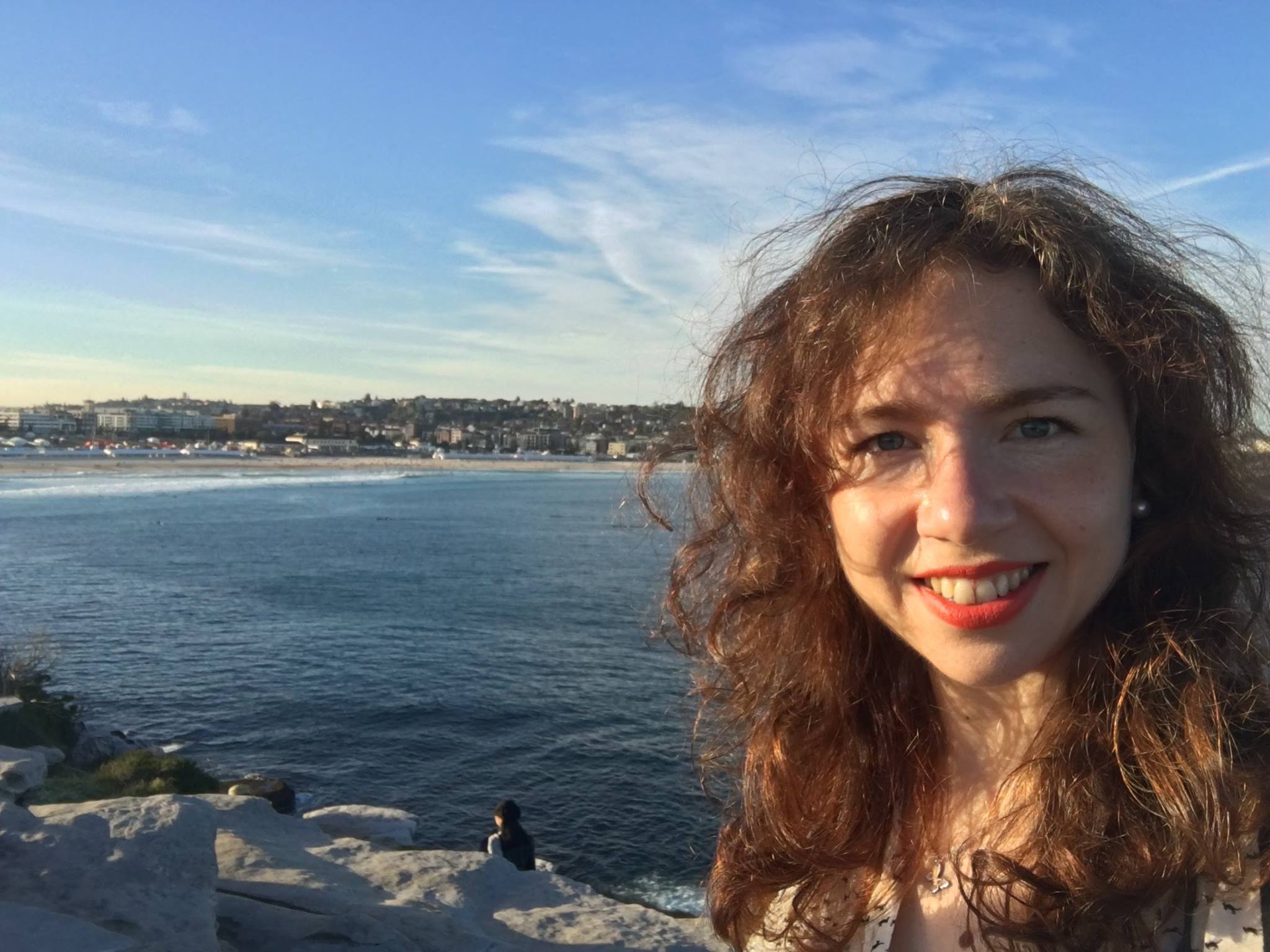
Dr. Lida Derevnina is a leading researcher in plant-pathogen interactions and immune receptor networks at the University of Cambridge , affiliated with the School of Biological Sciences and the Department of Plant Sciences . She heads the Crop Pathogen Immunity Group at the Crop Science Centre , focusing on NLR (Nucleotide-binding and Leucine-Rich Repeat) immune receptor networks and pathogen effector functions to engineer durable crop resistance. Education: PhD in Plant Pathology and Phytopathology, University of Sydney (2008-2012) BSc in Agricultural Science, University of Sydney (2004-2007) Her research explores how pathogens evade plant immunity through effector proteins and how NLR networks can be bioengineered to counteract these mechanisms. This work bridges molecular biology, evolutionary genetics, and sustainable agriculture, with recent advances in resistosome activation models and effectorome characterization. Scientific awards include the Crop Science Centre Fellowship (2022) , Marie Skłodowska-Curie Individual Fellowship (2016) , and the Jeanie Borlaug Laube Women in Triticum Award (2012) . Her work has been published in top journals such as Science , Nature , and PLoS Biology . Dr. Derevnina is actively engaged in public outreach, including the Talking Biotech podcast and a YouTube video explaining plant immunity . Her laboratory collaborates on projects related to global food security and pathogen genomics.
Prof. Dr.-Ing. habil. Gero Mühl is a W2-Professor at the University of Rostock, where he holds the chair for "Architecture of Application Systems" since October 2009. His academic journey includes positions as a Heisenberg Fellow at the Technical University of Berlin (2009), postdoctoral research at TU Berlin (2002-2009), and doctoral studies at TU Darmstadt where he received his Dr.-Ing. degree with distinction in 2002. He completed dual Diplomas in Computer Science (Dipl.-Inform.) and Electrical Engineering (Dipl.-Ing.) from FernUniversität in Hagen in 1998. Prof. Mühl's research focuses on Self-Organizing Distributed Systems , with particular expertise in distributed systems, distributed algorithms, event-based systems, middleware, energy-efficient systems, organic computing, sensor networks, web services, and electronic commerce. His work bridges theoretical foundations with practical implementations in real-world distributed environments. His recent publications show a strong trend toward time-sensitive networking, content-based publish/subscribe systems, and P4 programmable data planes. These works address critical challenges in industrial communication, real-time systems, and network reliability. His research group has made significant contributions to making distributed systems more autonomous, reliable, and efficient. Scientific awards and recognitions include: Nomination for the Berlin Science Award for Young Scientists (2008) Heisenberg Fellowship by the German Research Foundation (DFG) (2008) Best paper award in System Software and Security at SAC 2015 Prof. Mühl has been actively involved in numerous research projects and collaborations, particularly focusing on self-organizing and self-stabilizing systems. His work on the REBECA publish/subscribe middleware represents a significant contribution to autonomous distributed systems. He has supervised numerous students and researchers, contributing to the development of the next generation of computer scientists specializing in distributed systems. His laboratory at the University of Rostock focuses on practical implementations of self-organizing distributed systems, with current projects investigating time-sensitive networking, publish/subscribe systems, and energy-efficient distributed computing. The team combines theoretical analysis with practical system development to address real-world challenges in industrial and commercial applications of distributed systems.
Graeme B. Dinwoodie is a University Distinguished Professor and Global Professor of Intellectual Property Law at Chicago-Kent College of Law, Illinois Institute of Technology, where he also serves as Co-Director of the Program in Intellectual Property Law. He has held prestigious academic positions at the University of Oxford (2009-2018), where he was Director of the Oxford Intellectual Property Research Centre and a Professorial Fellow of St. Peter's College, and Queen Mary College, University of London (2005-2009). Prior to his Oxford appointment, he led Chicago-Kent's intellectual property program for several years. Dinwoodie earned his J.S.D. from Columbia Law School, LL.M. from Harvard Law School, and LL.B. in Private Law (first class honors) from the University of Glasgow. He was the Burton Fellow at Columbia Law School (1988-89) and a John F. Kennedy Scholar at Harvard Law School (1987-88). Before entering academia, he practiced intellectual property law at Sullivan and Cromwell in New York. A leading international authority in trademark law, design law, and international intellectual property law, Dinwoodie's research focuses on the intersection of national and international IP systems, trademark theory and doctrine, and the evolving landscape of digital copyright. His work explores how trademark law serves consumer interests, the challenges of harmonizing IP systems across jurisdictions, and the role of international organizations like WIPO in shaping global IP norms. He has made significant contributions to understanding territoriality in trademark law and the impact of digital technologies on IP enforcement. Dinwoodie's extensive publication record reveals a consistent focus on the tension between national sovereignty and international harmonization in intellectual property law. His recent work examines the implications of Brexit for IP systems, the evolving role of internet intermediaries in IP enforcement, and the normative foundations of trademark law. He has increasingly focused on the practical application of IP law in digital contexts while maintaining his foundational work on international IP architecture. Scientific Awards and Recognition: Inducted into the IP Hall of Fame (2020) Recipient of the Ladas Memorial Award from the International Trademark Association (2008) Awarded the Pattishall Medal for Teaching Excellence in trademarks and trade identity law (2008) Three-time recipient of the Goldman Prize for Excellence in Teaching (University of Cincinnati) Elected to membership in the American Law Institute (2003) Named Norman and Edna Freehling Scholar (2001) Dinwoodie has served in significant advisory roles, including as a consultant to the World Intellectual Property Organization on private international law matters, an adviser to the American Law Institute Project on Principles on Jurisdiction and Recognition of Judgments in Intellectual Property Matters, and a consultant to the United Nations Conference on Trade and Development on the Protection of Traditional Knowledge. He currently serves as an adviser on the ALI's project on the Restatement of Copyright Law. He has held leadership positions as past chair of the Intellectual Property Section of the Association of American Law Schools and president of the International Association for the Advancement of Teaching and Research in Intellectual Property (ATRIP) from 2011 to 2013. As Co-Director of the Intellectual Property Program at Chicago-Kent, Dinwoodie helps shape one of the nation's leading IP law programs. His work with the Center for Design, Law & Technology reflects his commitment to addressing contemporary challenges at the intersection of law and innovation. Through his extensive scholarship, teaching, and professional service, Dinwoodie continues to influence both the theoretical foundations and practical applications of intellectual property law worldwide.
Zelmina Lubovac is a Senior Lecturer in BioInformatics at the School of Bioscience, University of Skövde. She serves as both a Course Coordinator for multiple undergraduate and graduate courses in bioinformatics and a Programme Coordinator for Master's level programs. Her academic work focuses on the intersection of computational methods and biological applications, particularly in disease analysis and biomarker discovery. Dr. Lubovac's research spans several key areas in bioinformatics and systems biology: Disease module identification in complex biological networks Multi-omics integration (genomics, proteomics, metabolomics) for biomarker discovery Machine learning applications in RNA-seq and other high-throughput biological data Development of bioinformatics software tools for network analysis miRNA analysis in cancer and neurological disorders Her recent publications (2022-2024) demonstrate a strong focus on applying computational approaches to understand disease mechanisms, particularly in pancreatic cancer and multiple sclerosis. She has developed several widely-used bioinformatics tools including MODalyseR, MODifieR, and TFTenricher that facilitate disease module analysis and gene network interpretation. Her work often involves collaborative research with clinical teams to translate computational findings into potential diagnostic applications. Dr. Lubovac has been involved in significant research projects including: BIO-AID (Biomedical AI-driven data analytics): Oct 2020 - Sep 2024 Systems Biology DMDPipe: Mar 2018 - Feb 2021 She actively contributes to both undergraduate and graduate education at the University of Skövde, coordinating multiple courses and programs in bioinformatics and bioscience, with a clear emphasis on preparing students for careers at the intersection of biology and computational science.
Antonio Alguacil Cabrerizo is an Assistant Professor (starting 2025) at Université de Sherbrooke, where he currently serves as a Postdoctoral Fellow (2023-2025). His academic trajectory includes dual doctoral degrees in Mechanical Engineering from Université de Sherbrooke and École Nationale Supérieure d'Aéronautique et de l'Espace, complemented by aerospace engineering degrees from ENSEEIHT and Universidad Politécnica de Madrid. His research integrates computational fluid dynamics with machine learning, focusing on: Aeroacoustic prediction and noise source identification Deep learning surrogates for fluid and acoustic systems Turbomachinery and airfoil aerodynamics Data-driven modeling of spatiotemporal physical systems This work advances computational efficiency in simulating complex wave propagation, turbulence effects, and fluid-structure interactions. Publication analysis reveals consistent focus on developing neural network-based computational methods for aeroacoustics and fluid dynamics. His 15 most recent works demonstrate progressive refinement in applying convolutional architectures to predict acoustic scattering, refraction phenomena, and turbomachinery noise with increasing physical accuracy and computational efficiency. Awards and recognition include: Top 5 in AIAA Best Student Paper in Aeroacoustics (2024) Graduate Scholarship Award from CFD Society of Canada (2022) Eureka Scholarship from Université de Sherbrooke (2021) Best Poster Prize at CRASH Day (2021) He secured a $70,000 CAD startup grant (2025-2028) from Université de Sherbrooke for establishing his research program. No student advising relationships or laboratory affiliations are currently documented.
Nidhi Singal serves as Professor of Disability and Inclusive Education at the University of Cambridge's Faculty of Education and holds the position of Vice President at Hughes Hall. Her academic leadership extends to roles as Trustee of the Cambridge Trust and UKFIET, alongside significant contributions to global education initiatives through the World Bank, UNESCO, and UNPRPD. Her educational background includes a PhD and MPhil from the University of Cambridge, complemented by an M.A. and B.A. (Honours) in Applied Psychology from the University of Delhi. This clinical psychology foundation informs her distinctive approach to educational research. Singal's research centers on educational equity for marginalized groups in Southern contexts, with particular emphasis on children with disabilities in South Asia and Africa. She pioneers culturally-sensitive methodological frameworks that challenge power imbalances in North-South research partnerships and prioritize ethical knowledge dissemination. Her work critically examines classroom teaching quality, schooling impacts, and the complex interplay between disability, poverty, and development. Analysis of her recent publications reveals consistent focus on inclusive education measurement (2024), pandemic impacts on disabled learners (2021-2022), and Southern perspectives on disability-inclusive schooling. Her scholarship bridges rigorous academic research with actionable policy development, evident in her leadership of the Global Disability Summit's International Statement of Action. Fellow of the Academy of Social Sciences (2022) President of the British Association for International and Comparative Education Technical Advisory Council member for World Bank's Inclusive Education Initiative Contributor to UNESCO's Foundations of Disability-Inclusive Education Sector Planning Course Singal mentors a vibrant cohort of postgraduate researchers through the Cambridge Network for Disability and Education Research (CaNDER) and South Asian Approaches to Researching Education (SaareNetwork). Her grant portfolio demonstrates exceptional partnership with international agencies including the World Bank, UNESCO, and MasterCard Foundation, focusing on projects like the Girls Education Challenge Fund evaluation and Ethiopia's Inclusive Education Resource Centres. Current initiatives explore teacher effectiveness in African secondary schools and disability-inclusive education during humanitarian crises. Her research infrastructure includes CaNDER, which connects Global South stakeholders to advance disability-inclusive education scholarship, and active collaboration with international networks like UKFIET and UNPRPD to shape policy frameworks that center lived experiences of disabled learners.
Prof. Kwang W. Oh is a tenured Professor at the Department of Electrical Engineering and Department of Biomedical Engineering within the School of Engineering and Applied Sciences at University at Buffalo (SUNY at Buffalo) . He serves as the Director of Graduate Studies in Electrical Engineering and Director of SMALL (Sensors and MicroActuators Learning Lab) . His academic journey includes PhD and MS in Electrical and Computer Engineering from University of Cincinnati (2001, 1997) and BS in Physics from Chonbuk National University (1995). Prof. Oh's research expertise lies at the intersection of microfluidics , BioMEMS , and lab-on-a-chip technologies. His lab has pioneered vacuum-driven microfluidic devices , PDMS-based systems , droplet manipulation , and chemical-free fabrication techniques . His work enables point-of-care diagnostics , single cell analysis , and wearable medical sensors , with significant contributions to sample-to-answer nanosystems and world-to-chip interfacing . The scientific awards section highlights his excellence in teaching and research: SUNY Chancellor's Award for Excellence in Teaching (2020) Meyerson Award for Undergraduate Teaching (2019) Qualcomm Faculty Award (2019) Senior Teacher of the Year (2017) Royal Society of Chemistry's Emerging Investigators (2013) Samsung Electronics' CEO Honor (2003) His lab has produced numerous PhD and MS students including Dr. Anyang Wang (2020), Dr. Nikhila Nyayapathi (2020), Mr. Liam Christie (2021), and Dr. Domin Koh (2019). As a conference chair , he has organized symposia at NanoTech (2012-2026) and served as editorial board member for Sensors , Micromachines , and Biomedical Engineering Letters .
Mikael Johansson is a Professor at Kungliga Tekniska Högskolan (KTH), specializing in Control Technology . He teaches and coordinates courses such as Distributed Optimization (FEL3311) and various advanced-level degree projects in computer science, electrical engineering, and systems engineering. His research spans Control Systems , Machine Learning , and Optimization , with a focus on asynchronous algorithms, federated learning, and applications in energy systems and construction. His work includes 15 recent publications on topics like neural networks, distributed optimization, and battery technology. Notable areas of contribution are in asynchronous learning, federated learning with privacy constraints, and quasi-Newton methods for optimization. His research bridges theoretical advancements with practical applications in urban design, healthcare, and autonomous systems.
Professor David Abbink is a Full Professor of Haptic Human-Robot Interaction at Delft University of Technology, holding a joint appointment between the Department of Cognitive Robotics in the Faculty of Mechanical Engineering and Industrial Design Engineering since November 2023. He founded the Delft Haptics Lab and co-founded the Cognitive Robotics Department in 2017. Abbink leads the transdisciplinary research and innovation centre FRAIM, which was awarded the prestigious NWO Stevin Premie (Dutch Nobel Prize equivalent) in June 2024. Trained as a mechanical engineer specializing in biomechanics, Abbink's research focuses on human behavior adaptations when interacting with autonomous systems. He has published over a hundred scientific articles on human-robot interaction, haptics, shared control, tele-operation, driver assistance systems, and sensorimotor control. His research has been funded by industry partners (Nissan, Boeing, Renault), RVO (Brightsky project 2022-2026), and the Dutch Science Foundation NWO through personal grants (VENI 2010-2014, VIDI 2015-2019). Abbink's recent work centers on worker-robot relations as an academic focus, collaborating with organizations like Erasmus Medical Centre for nursing work, Schiphol and KLM for baggage handling, and KLM Engine Repair Services for maintenance work. He also serves as scientific director for the Centre for Meaningful Human Control, launched in October 2024. His work bridges engineering, social sciences, and practical applications to responsibly shape the future of work with emerging robotic capabilities. NWO Stevin Premie (2024) Best IEEE SMC journal paper on Cybernetics (2019) Top 25 scientific talents according to New Scientist (2015) Best teacher of Faculty 3mE (2013, 2014) Best teacher of Department of BioMechanical Engineering (seven consecutive years) Abbink has supervised over 110 MSc students and 11 PhD students. His educational contributions include developing the Master Programme in Robotics at TU Delft and receiving international recognition for his course 'The Human Controller.' He is also a prominent science communicator, featured on national television, radio, and major Dutch newspapers, and has delivered lectures at venues like The Royal Institution and Lowlands Festival. Despite his academic commitments, Abbink maintains a drummer persona, having recorded four albums and performed over 400 shows across three continents between 1999-2014.
Natalia Díaz Rodríguez is an Assistant Professor of Artificial Intelligence at ENSTA ParisTech, where she works in the Computer Science and Systems Engineering department within the Autonomous Systems and Robotics Lab (U2IS). She is also affiliated with the INRIA Flowers team, focusing on developmental robotics. Her research spans deep learning, reinforcement learning, continual learning, and symbolic AI, with applications in explainable AI, computer vision, and robotics for social good. Her academic background includes a double PhD in Artificial Intelligence from Abo Akademi University and the University of Granada, alongside MSc degrees in Soft Computing and Computer Engineering from the University of Granada. She contributes to interdisciplinary AI, particularly in robotics, ethics, and healthcare applications, and co-organizes workshops on continual learning. Double PhD in Artificial Intelligence (2015), Abo Akademi University and University of Granada Doctoral diploma on Innovation and Entrepreneurship (2017), EIT Digital MSc in Soft Computing and Intelligent Systems (2012), University of Granada MSc in Computer Engineering (2010), University of Granada Her recent publications focus on trustworthy AI, including bias identification, counterfactual explanations, and continual learning strategies, reflecting her commitment to ethical and robust AI systems. She also explores AI applications in structural engineering, climate visualization, and financial risk assessment, emphasizing practical deployment and interpretability.
Areg Danagoulian is an Associate Professor of Nuclear Science and Engineering at the Massachusetts Institute of Technology (MIT), where he conducts research at the intersection of nuclear physics and security applications. His work focuses on developing technological solutions for nuclear nonproliferation, arms control, and cargo security. Dr. Danagoulian earned his PhD in Experimental Nuclear Physics from the University of Illinois at Urbana-Champaign, where his thesis focused on real Compton scattering on the proton at 2-6 GeV to probe the proton's internal structure. Following his PhD, he worked as a postdoctoral researcher at Los Alamos National Laboratory and then as a senior scientist at Passport Systems, Inc. (PSI), where he developed the Prompt Neutron from Photofission (PNPF) technique for detecting shielded fissionable materials in cargo traffic. His research interests span multiple critical areas in nuclear security, including arms control verification technologies, nuclear nonproliferation methods, cargo security systems, and nuclear detection techniques. Dr. Danagoulian's work on nuclear resonance phenomena for warhead verification represents groundbreaking contributions to the field of nuclear disarmament verification. Dr. Danagoulian's research has earned him significant recognition, including: Fellow of the American Physical Society, Forum on Physics and Society (2025) - "For seminal technological contributions in the field of arms control and cargo security, which significantly benefit international security" Arms Control Association's Arms Control Person(s) of the Year award (2020) - "For developing an innovative new nuclear disarmament verification process using neutron beams" American Nuclear Society Radiation Science and Technology Award (2019) - "For technology-critical contributions exploiting nuclear resonance phenomena for warhead verification in nuclear disarmament and nuclear detection techniques in cargo security" In addition to his research, Dr. Danagoulian is actively involved in teaching and mentoring. He serves as faculty co-director for MIT's MISTI Eurasia program and teaches several graduate courses including Nuclear Detection Laboratory (22.09, 22.90), Advanced Nuclear Laboratory (22.s902), and Applied Nuclear Physics (22.101). His teaching approach emphasizes hands-on laboratory experience to prepare students for real-world nuclear detection challenges. Dr. Danagoulian leads the Laboratory for Applied Nuclear Physics (LANPh) at MIT, where his team develops innovative technologies for nuclear security applications. Current research directions include nuclear resonance transmission analysis for material identification, portable detection systems for cargo security, and cryptographic approaches to nuclear warhead verification that protect sensitive information while enabling verification.
Dr. Rosana Collepardo is a Winton Advanced Research Fellow at the Cavendish Laboratory, University of Cambridge, where she leads a research group within the Theory of Condensed Matter (TCM) Group and is also affiliated with the Biological and Soft Systems group. Her research focuses on developing multi-scale computational models to investigate chromatin nanostructure, epigenetic regulation, and biomolecular condensates, with applications in understanding genome organization and sustainable data storage. Her primary research interests include: Computational biophysics of chromatin and epigenetics Mechanisms of biomolecular condensates and phase separation Nanoscale structure of the genome and DNA accessibility Multi-scale modeling from atomistic to mesoscale Design principles for chromatin-inspired data storage Analysis of her recent publications (2023-2025) reveals a dominant focus on chromatin organization, epigenetic mechanisms, and biomolecular condensates. Key trends include the role of nucleosome spacing, linker histones, and epigenetic modifications in chromatin phase separation, alongside investigations into condensate aging, material properties, and the physical principles of phase transitions in RNA-protein systems. Her work consistently integrates computational modeling with experimental validation. Notable scientific awards include: Winton Advanced Research Fellowship ERC Starting Grant Dr. Collepardo actively mentors PhD and MPhil students, including Sivapalan Chelvaniththilan (MPhil in Physics, recipient of Gates and Winton Scholarships), Miguel Garcia Ortegon (MPhil in Scientific Computing), Stephen Farr (PhD in Computational Methods for Materials Science), Akshay Sridhar (MPhil in Scientific Computing), and Adiran Garaizar (PhD with EPSRC scholarship). Her group secures competitive funding through ERC grants and student scholarships. The Collepardo group, established in 2016 at the Maxwell Centre, Cavendish Laboratory, comprises postdoctoral researchers, PhD students, and MPhil candidates. They collaborate with experimental groups to study chromatin dynamics and biomolecular condensates using advanced computational techniques, contributing to fundamental biological understanding and potential biotechnological applications.
Dr. E. John Ward is an Associate Professor in Infrastructure Planning at The Bartlett School of Planning, University College London , where he also serves as Director of the MSc Infrastructure Planning, Appraisal and Development . His work bridges quantitative and qualitative methodologies in infrastructure appraisal, focusing on Cost-Benefit Analysis , Multi-Criteria Analysis , and Strategic Risk Mitigation . Education: BEng/MSc in European Civil Engineering, University of Warwick (1999) MSc/DIC in Earthquake Engineering and Structural Dynamics, Imperial College London (2001) PhD in Computer Modelling of Pedestrian Movement, UCL (2007) Research Focus: Success metrics for Mega Transport Projects and Infrastructure Interdependencies Integration of Sustainable Development Goals into appraisal frameworks Policy-led Multi-Criteria Analysis for complex stakeholder environments Professional Contributions: Senior Research Fellow at the OMEGA Centre External Examiner for MSc SEM4ID, University of Swansea (2018-2023) Consultancy roles for the European Investment Bank , EIB , and governments including Malta and Croatia Key Publications include foundational work on Policy-Led Multi-Criteria Analysis and Risk Management in mega infrastructure projects. His scientific award as Senior Research Fellow at the OMEGA Centre highlights his expertise in strategic infrastructure appraisal.
Margiolakis Irini is a Professor at the Department of Cell & Developmental Genetics Biology, University of Patras. Her research focuses on structural biology, protein crystallography, and pharmaceutical applications using synchrotron radiation and X-ray diffraction. She actively collaborates with institutions like the European Synchrotron Radiation Facility (ESRF) and contributes to international crystallography networks. University: University of Patras Department: Cell & Developmental Genetics Biology Email: imargiola@upatras.gr | margiolaki@esrf.fr Research Interests: Structural analysis of proteins and peptides, drug design, insulin polymorphism studies, virus-derived macromolecules, and development of advanced diffraction methods. Her work bridges biophysics, pharmaceutical sciences, and materials science, with a focus on vaccine and diabetes drug development. Recent Article Trends: Publications emphasize synergistic NMR-X-ray powder diffraction approaches for polymorph screening, humidity effects on crystal structures, and pharmaceutical peptide design (e.g., Octreotide, insulin variants). Collaborative efforts span virology (Dengue, Arenaviridae) and methodological innovations in macromolecular crystallography. Scientific Awards: Unesco L'Oreal Fellow (2010) for Young Women in Life Sciences Leadership & Networks: Co-organizer of international crystallography workshops, member of European Powder Diffraction Committee, and co-editor of Acta Crystallographica . Leads initiatives for Greece's integration into synchrotron radiation research via the Greek Synchrotron User Network (GrSUN).
Mark Iscoe, MD, MHS is an Assistant Professor of Emergency Medicine and Biomedical Informatics and Data Science at Yale School of Medicine. He holds fully joint appointments in both the Department of Emergency Medicine and the Department of Biomedical Informatics & Data Science, reflecting his interdisciplinary work at the critical intersection of clinical emergency care and health informatics innovation. Dr. Iscoe completed his medical degree at Johns Hopkins University School of Medicine in 2017, followed by residency training in Emergency Medicine at New York University / Bellevue Hospital in 2021. He further specialized with a Master of Health Science (MHS) in Clinical Informatics from Yale School of Medicine in 2023. He is board certified in both Emergency Medicine (2022) and Clinical Informatics (2024). His research spans several interconnected domains with a focus on optimizing the interface between emergency physicians and health information technology. Key areas include electronic health record (EHR) optimization, artificial intelligence applications in emergency settings, clinical decision support systems, and medication safety protocols. His 2024 JAMA Network Open publication 'Benchmarking Emergency Physician EHR Time per Encounter Based on Patient and Clinical Factors' represents a significant contribution to understanding the digital burden on emergency clinicians. More recently, he has pioneered work applying large language models to emergency medicine challenges, with multiple 2025 publications on AI applications for deprescribing, symptom identification, and risk stratification. His research trajectory shows a clear evolution from foundational EHR usage studies toward increasingly sophisticated AI implementations that bridge theoretical informatics with practical clinical tools in high-pressure emergency settings. YCCI Scholar Award for AI Research on Drug Reactions (2024) Dr. Iscoe has received research funding from multiple prestigious sources including the National Institute on Drug Abuse (NIDA), the American Medical Association (AMA), the National Institutes of Health, and Yale New Haven Health System. His collaborative network includes prominent researchers such as Andrew Taylor (6 joint publications), Ted Melnick (5 joint publications), and Rohit Sangal (4 joint publications), reflecting his work's multidisciplinary nature spanning clinical departments, informatics specialists, and data scientists.