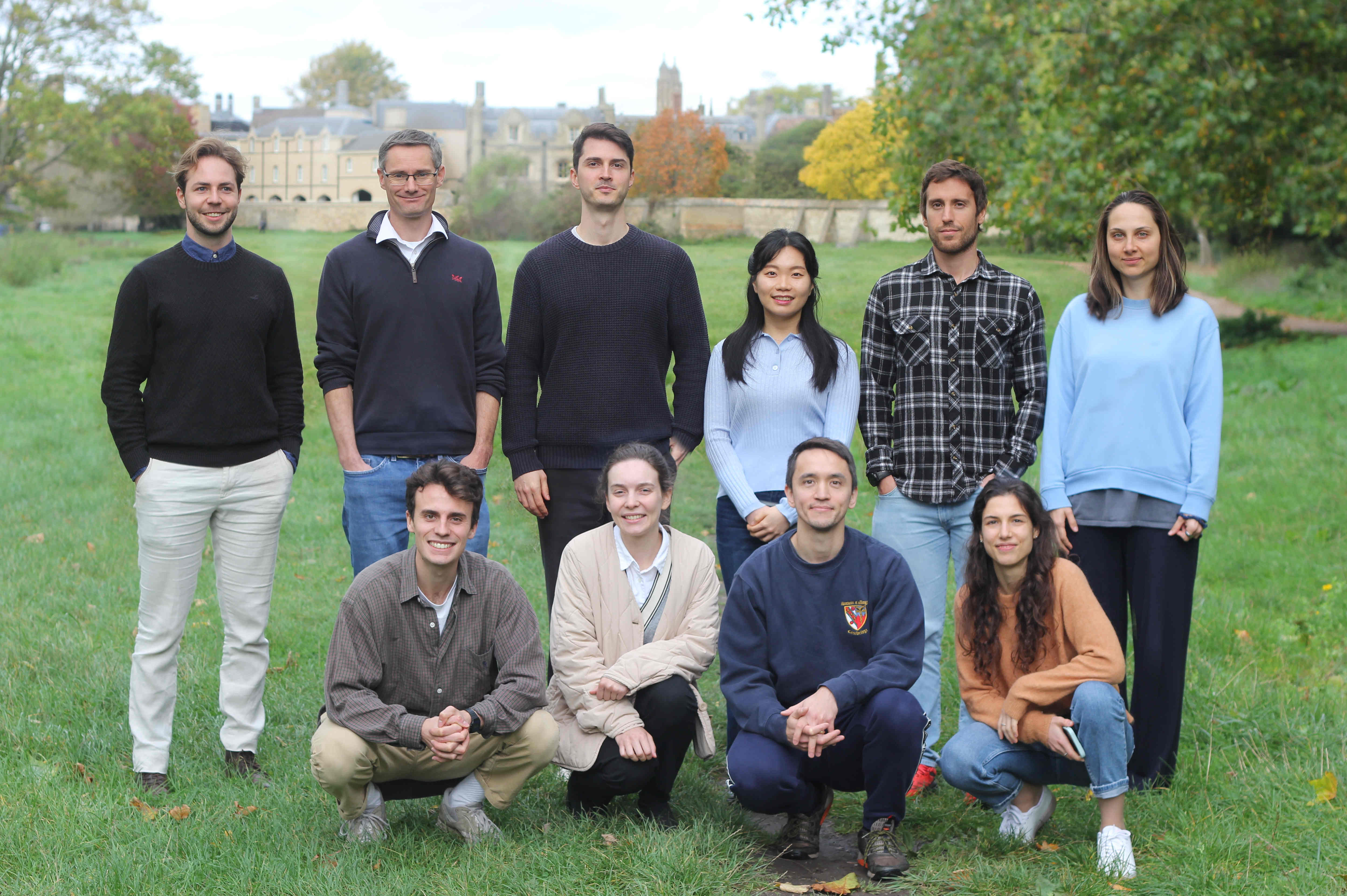
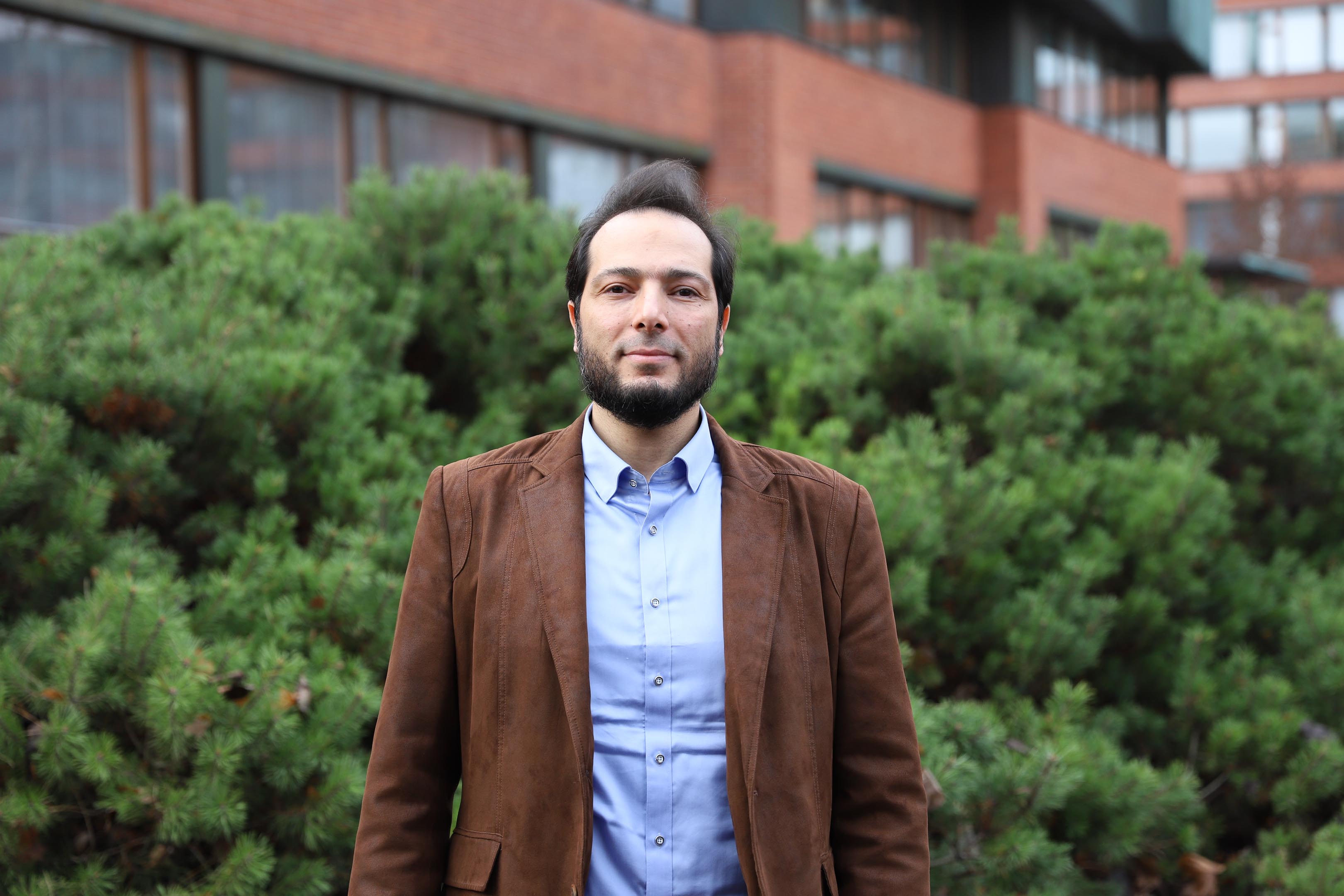
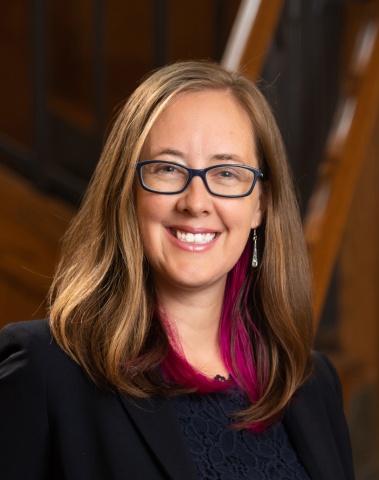
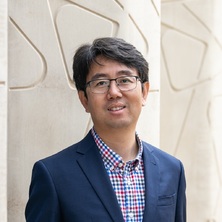
Richard E. Turner is a Professor of Machine Learning at the University of Cambridge's Department of Engineering and Research Lead for AI for Weather Prediction at the Alan Turing Institute. He serves as Cambridge Lead for the EPSRC Probabilistic AI Hub and previously held roles including Visiting Researcher at Microsoft Research, Co-Director of the AI4ER CDT, and Course Director for the Machine Learning and Machine Intelligence MPhil program. Current research focuses on probabilistic machine learning fundamentals, environmental prediction (weather/climate), and spatio-temporal modeling combining deep learning with Bayesian methods Supervised 26 PhD students (13 graduated) and 7 research assistants/associates Secured over £30M in research funding from EPSRC, Microsoft, Toyota, Google, DeepMind, Amazon, and Improbable Featured in BBC Radio 5 Live's The Naked Scientist, BBC World Service's Click, and Wired Magazine His recent publications demonstrate expertise in diffusion models for PDE simulations, Gaussian Processes for environmental applications, and Bayesian methods for spatio-temporal forecasting. Key trends include climate modeling using ML, neural PDE solvers, and scalable probabilistic inference. Awards : Cambridge Students' Union Teaching Award for Lecturing; supervised Qualcomm Innovation Fellowship winner Collaborations : Microsoft Research (AI4Science), Alan Turing Institute, EPSRC Probabilistic AI Hub Turner leads the Turner Group within Cambridge's Machine Learning Group, focusing on uncertainty-aware ML for scientific applications. Current research assistants work on topics like meta-learning, Bayesian inference, and climate science applications.
Elizabeth Bernstein is a Professor of Women's, Gender & Sexuality Studies and Professor of Sociology at Barnard College, Columbia University, where she has been a faculty member since September 2002. Her work bridges sociological theory with feminist analysis, focusing on the intersections of gender, sexuality, and political economy. Bernstein directs significant research initiatives including the Gender Justice and Neoliberal Transformations Working Group, a transnational collaboration among thirteen scholars examining gender justice in contemporary global contexts. She is currently developing a new book project titled "Imagining Immunity: Precarious Bodies and the Governance of Gendered Dis-ease," which explores immunological metaphors in understanding bodily risk and suffering. B.A., University of California, Berkeley M.A., University of California, Berkeley Ph.D., University of California, Berkeley Professor Bernstein's research focuses on the political economy of the body, gender, and sexuality, with particular attention to sexual commerce, sex trafficking, and neoliberal governance. Her work employs ethnographic methods to examine how intimate relations become sites of economic exchange and political regulation. She investigates how concepts of authenticity, freedom, and rights are mobilized in debates about sexual commerce and trafficking. Bernstein's scholarship critically engages with feminist theory, carceral politics, and transnational governance frameworks, challenging conventional approaches to sex work and trafficking that often reinforce punitive systems rather than advancing gender justice. Analysis of Bernstein's scholarly output reveals a consistent trajectory examining the intersections of gender, sexuality, and political economy within neoliberal frameworks. Her work demonstrates increasing attention to transnational governance mechanisms and their impact on intimate relations and bodily autonomy. A notable trend is her critical examination of how anti-trafficking campaigns often employ carceral logic that undermines feminist goals of gender justice. Her scholarship consistently challenges binary frameworks that position sex work solely as exploitation or liberation, instead analyzing the complex economic, political, and social dynamics that shape sexual commerce globally. Bernstein's research has received significant recognition through prestigious awards including: Distinguished Book Award, American Sociological Association, Sociology of Sexualities Section (2020) for "Brokered Subjects" Honorable Mention, Society for the Study of Social Problems Global Division Book Award (2019) Norbert Elias Prize, Norbert Elias Foundation (2009) Distinguished Book Award, American Sociological Association, Sex and Gender Section (2009) Her work has also been supported by major funding organizations including the Institute for Advanced Study, National Science Foundation, Social Science Research Council, AAUW, and Mellon Foundation. As a principal investigator along with Janet Jakobsen for the Gender Justice and Neoliberal Transformations Working Group, Bernstein leads a significant collaborative research initiative sponsored by the Barnard Center for Research on Women. Her grant portfolio demonstrates sustained support from major research institutions, reflecting the significance of her work in gender studies and sociology. While specific student advisees aren't listed in the available materials, her role as a full professor at Barnard College indicates extensive mentorship of undergraduate and likely graduate students in Women's, Gender & Sexuality Studies and Sociology. Bernstein co-leads the Gender Justice and Neoliberal Transformations Working Group, a collaboration among thirteen scholars working transnationally on questions of gender justice. This initiative represents a significant research collective examining how neoliberal policies reshape gender relations globally. Her work with the Barnard Center for Research on Women provides institutional support for this transnational feminist research network, facilitating scholarly exchange and collaborative publication projects that advance critical perspectives on gender, sexuality, and political economy.
Amir Ali Ahmadi is a Professor at Princeton University's Department of Operations Research and Financial Engineering (ORFE), with affiliations across multiple disciplines including PACM, Computer Science, Mechanical & Aerospace Engineering, Electrical Engineering, and the Center for Statistics and Machine Learning. He serves as Director of Princeton's Optimization and Quantitative Decision Science Certificate Program and has taken temporary roles at Citadel GQS (2021-2022) and Google Brain (2020-2021). His research bridges optimization theory , dynamical systems , and control theory , focusing on scalable algorithms for complex problems in robotics, autonomous systems, and machine learning. He has pioneered DSOS/SDSOS relaxations as alternatives to traditional sum-of-squares methods, enabling faster solutions through linear/second-order cone programming. Recent publications explore: Higher-order Newton methods for socially responsible investment Data-efficient learning of dynamical systems Computational complexity of local minima Robust-to-dynamics optimization frameworks Award highlights include: 2024 Egon Balas Prize in Optimization 2024 Princeton Engineering Council Teaching Award 2023 Distinguished Teaching Award (Princeton SEAS) 2019 NSF CAREER Award 2017 DARPA Young Faculty Award 2017 Sloan Fellowship in Computer Science He advises prominent researchers like Georgina Hall (Tucker Prize finalist) and Bachir El Khadir (Goldstine Fellow), and leads the Princeton Optimization Seminar and MURI project on Control-Oriented Learning on the Fly.
Sanjay Subrahmanyam is Distinguished Professor of History and Irving & Jean Stone Endowed Chair in Social Sciences at UCLA's Department of History. A globally recognized historian of the early modern period (15th-18th centuries), he previously held prestigious positions at the Collège de France (2013-2021), University of Oxford (2002-2004), and Ecole des Hautes Etudes en Sciences Sociales in Paris (1995-2002). He founded UCLA's Center for India and South Asia (2005-2011) and maintains significant academic engagement in France through media appearances and lectures. His educational background includes: M.A. in Economics (First Rank with Gold Medal), Delhi School of Economics (1982) Ph.D. in Economic History, Delhi School of Economics (1987) Honorary D.Litt., University of Calcutta (2015) Doctorat honoris causa, Université catholique de Louvain (2017) Subrahmanyam's research revolutionized global historical methodology through his pioneering concept of 'connected histories,' which challenges Eurocentric periodization and emphasizes horizontal connections across regions. His work spans South Asian political culture, Indian Ocean trade networks, Iberian imperial systems, and Mughal court dynamics, consistently integrating multilingual archives and visual sources. He demonstrates exceptional mastery in synthesizing Portuguese, Spanish, Persian, Tamil, and Sanskrit materials to reconstruct non-Western perspectives on early modern globalization. His recent publications reveal intensified focus on transcultural encounters, maritime archaeology, and the material dimensions of empire. Works like Across the Green Sea (2024) and Mirrors of Empire (2026) showcase his shift toward analyzing ego-documents and visual culture to explore identity formation in frontier zones. The consistent thread remains his critique of civilizational boundaries and emphasis on fluid cultural exchanges across the Indian Ocean world. His scientific recognition includes: Infosys Humanities Prize (2012) Dan David Prize for History (2019) Prix International de l'Histoire (2020) Fellowship in American Academy of Arts and Sciences (2009) Corresponding Fellowship in British Academy (2016) Guggenheim Fellowship (2011-12) Subrahmanyam has mentored nine doctoral students to completion, maintaining active collaborations with Muzaffar Alam (University of Chicago), Velcheru Narayana Rao (University of Wisconsin), and David Shulman (Hebrew University). His editorial leadership includes co-editing The Cambridge World History (2015) and serving over a decade as Joint Managing Editor of the Indian Economic and Social History Review . He currently directs major international projects on Indo-Persian travel writing and Mughal intellectual networks. Though not leading a traditional laboratory, he coordinates the 'Connected Histories' research initiative across UCLA, Collège de France, and University of Chicago, fostering interdisciplinary teams examining early modern knowledge circulation. His public engagement includes regular contributions to French media (France 24, France Info) and curated exhibitions like the Codex Casanatense project.
Mohamed Noureldin is an Assistant Professor at the Department of Civil Engineering, Aalto University , Finland, with prior academic roles at Sungkyunkwan University, South Korea (2015–2022). His expertise lies in integrating Artificial Intelligence (AI) with Structural Health Monitoring (SHM) , Structural Digital Twin , Predictive Maintenance , and Seismic Retrofitting . Research Focus : AI-powered sustainable structural design, smart retrofitting, predictive maintenance, structural material innovation, and next-generation performance-based seismic/wind design. Industrial Experience : 20+ years in offshore/onshore structural engineering (Hyundai Heavy Industries, Samsung Engineering, Arab-Swiss Engineering Company, Zuhair Fayez Partnership). Teaching : Courses in structural analysis, seismic design, dynamics, and reinforced concrete at Aalto and Sungkyunkwan Universities. Laboratory : Leads the Structural Design AI Lab (SDAI), focusing on AI-driven resilient infrastructure. Contact : mohamed.noureldin@aalto.fi , +358504544861. His publications explore cutting-edge applications of AI, ML, and DL in seismic retrofitting, structural durability, soil stabilization, and hybrid damping systems. Collaborative work emphasizes life-cycle cost assessment and augmented reality for predictive maintenance.
WooChul Jung is an Associate Professor at the Department of Materials Science and Engineering, Seoul National University (SNU), previously holding the same role at the Korea Advanced Institute of Science and Technology (KAIST) from 2018 to 2024. His research focuses on energy conversion and storage materials, particularly solid oxide fuel cells, electrolyzers, and catalytic systems involving ionic solids and gas interfaces. Ph.D. in Materials Science & Engineering from MIT (2010) B.S. in Materials Science & Engineering from SNU (2004) Research Interests: Investigating reactions at ionic solid-gas interfaces to enhance catalytic kinetics for fuel cells, electrolyzers, and sensors. Key areas include surface science, electrochemistry, and nano-fabrication. Scientific Contributions: His recent work emphasizes fluorine doping for stable bismuth oxide electrolytes, Ca substitution in LaCoO3 for oxygen evolution, and exsolution strategies for durable nanocatalysts. Publications highlight multidisciplinary approaches combining experimental and computational methods.
Kevin M. Lynch is a Professor of Mechanical Engineering at Northwestern University's McCormick School of Engineering, where he also serves as Director of the Center for Robotics and Biosystems. His research spans multiple domains of robotics, with particular expertise in dynamics, motion planning, and feedback control of mechanical systems. Dr. Lynch received his Ph.D. in Robotics from Carnegie Mellon University in 1996, with a thesis on "Nonprehensile Robotic Manipulation: Controllability and Planning" under advisor Prof. Matthew T. Mason. He earned his B.S.E. with honors in Electrical Engineering from Princeton University in 1989. His research interests focus on robotics, particularly dynamics, motion planning, and feedback control of mechanical systems. He investigates mechanics, planning, and control of robotic manipulation (juggling, throwing, pushing, rolling, vibration, etc.) and locomotion. His work also explores self-organizing systems, particularly decentralized control of mobile sensor networks and swarm robotics, underactuated dynamic systems, and physical human-robot interaction with industrial applications. Recent research has expanded into bio-inspired active electrosense, underwater robotics, control and optimization for robot swarms, swarm shape control, and functional electric stimulation. Dr. Lynch's recent publications demonstrate a strong trend toward rehabilitation robotics and human-robot interaction, particularly in lower-limb exoskeletons for gait training and rehabilitation. His work bridges fundamental robotics research with practical applications in healthcare, showing increasing integration of swarm robotics principles with human-centered design. The publications also reveal continued strong contributions to fundamental robotics theory, particularly in swarm formation control and manipulation dynamics. George Saridis Leadership Award in Robotics and Automation (2022) Harashima Award for Innovative Technologies (2017) IEEE Fellow (2010) Charles Deering McCormick Professor of Teaching Excellence (2007-10) Society of Automotive Engineers Ralph R. Teetor Educational Award (2007) Early Career Award in Robotics and Automation (2001) McCormick School of Engineering and Applied Science Teacher Of The Year Award (1998-1999) NSF Career Award (1998) As Director of the Center for Robotics and Biosystems, Dr. Lynch oversees significant research grants and initiatives in robotics. He has made substantial contributions to robotics education through his "Modern Robotics" book and associated Coursera specialization, which has reached thousands of students worldwide. His professional service includes serving as Editor-in-Chief of IEEE Transactions on Robotics, where he oversaw a 90% increase in submissions during his tenure. Dr. Lynch leads research groups focusing on swarm robotics and rehabilitation robotics, with particular emphasis on the Center for Robotics and Biosystems at Northwestern University. His teams integrate expertise from mechanical engineering, electrical engineering, computer science, and rehabilitation medicine to develop innovative robotic systems for both industrial applications and healthcare solutions.
Dr. Birgit Frauscher is the Lincoln Financial Group Distinguished Professor in Neurobiology at Duke University School of Medicine, where she serves as Professor of Neurology and holds a secondary appointment in the Department of Biomedical Engineering at the Duke Pratt School of Engineering. She is currently the Director of the Duke Comprehensive Epilepsy Center and leads the Analytical Neurophysiology (ANPHY) Lab. Her clinical and research work focuses on epilepsy and sleep medicine, utilizing both invasive and non-invasive electrical recordings to study brain activity in humans. Dr. Frauscher completed her medical training, neurology residency, and subspecialty training in electroencephalography, epilepsy, and sleep medicine at the Medical University of Innsbruck in Austria. After completing her clinical training in 2008, she earned her habilitation degree in 2011. She further specialized in intracranial EEG and signal analysis during a visiting professorship at the Montreal Neurological Institute and Hospital, McGill University (2013-2015), where she later served as an Attending Epileptologist and Group Leader of Epilepsy. Her research interests focus on developing novel seizure-independent EEG markers for the epileptogenic zone, investigating sleep-epilepsy interactions, and using intracranial EEG to study brain physiology during wakefulness and sleep. Her work aims to improve epilepsy diagnosis, prognosis, and treatment outcomes by better localizing the epileptic focus. Dr. Frauscher's recent publications demonstrate her continued leadership in epilepsy research, with over 170 peer-reviewed papers and an H-index of 62. Dr. Frauscher has received several prestigious awards including the Clinician-Scientist awards of the FRSQ (2018-2023), the Michael Prize of the International League against Epilepsy (2019), and the Ernst Niedermeyer Prize from the Austrian Epilepsy Society (2015). Her scholarly work has significantly advanced clinical knowledge in epilepsy and sleep medicine, establishing her as a leading figure in the field. As Director of the Duke Comprehensive Epilepsy Center and head of the ANPHY lab, Dr. Frauscher oversees a research program dedicated to advancing neuroscience through innovative approaches to studying brain activity. Her lab employs quantifiable tools to investigate neurophysiological and pathological processes related to epilepsy and sleep, with the ultimate goal of improving patient outcomes through better understanding of brain function.
Catherine H. Hausman is an Associate Professor at the Gerald R. Ford School of Public Policy, University of Michigan, and a Research Associate at the National Bureau of Economic Research (NBER). Her work bridges environmental economics, energy policy, and climate change mitigation. BA in Economics from University of Minnesota PhD in Agricultural and Resource Economics from University of California, Berkeley (2013) Her research explores: Electricity transmission barriers and corporate profit alignment Methane emissions and carbon intensity in fossil fuel production Climate change impacts on grid reliability and pricing Pollution inequality and nuclear power economics Recent publications examine decarbonization strategies, ancillary service market spillovers, and methane leak quantification. She has received a Fulbright grant for pre-graduate work in Peru and contributes policy insights through the Hamilton Project and NBER working papers.
Thomas Perlmann is a Professor in Molecular Developmental Biology at the Karolinska Institutet , leading research at the Department of Cell and Molecular Biology and serving as Director of the Stockholm Branch of the Ludwig Institute for Cancer Research. He also holds the position of Secretary General of the Nobel Assembly and Nobel Committee for Physiology or Medicine since 2016. Ph.D. , Karolinska Institutet, 1991 M.Sc. , Stockholm University, 1987 Research Interests : The Perlmann lab investigates the specification and maintenance of dopamine neurons in the central nervous system, with a focus on transcriptional regulation , signaling pathways , and regenerative medicine applications for Parkinson’s disease and other neurodegenerative disorders. His work bridges developmental biology and neuroscience , emphasizing the role of transcription factors in neuronal identity and function. Recent Research Trends : Perlmann’s recent publications highlight the use of single-cell RNA sequencing to dissect dopamine neuron heterogeneity , epigenetic regulation during development, and transcriptomic changes in Parkinson’s disease models. His studies increasingly leverage multiomics and bioinformatics to map neuronal lineage trajectories and gene expression dynamics. Scientific Awards : Royal Medal by HM the King (2025) Nicholson Lecturer, Rockefeller University (2011) Göran Gustafsson Prize in Molecular Biology (1999) Eric K. Fernström Young Investigator Prize (1997) Advising & Collaborations : While no student names are explicitly listed, Perlmann collaborates extensively with researchers such as Malin Parmar , Agnete Kirkeby , and Per Svenningsson on projects related to neuronal development and cell therapy . His lab receives funding from institutions like the Ludwig Institute for Cancer Research . Labs & Teams : The Perlmann Lab at Karolinska Institutet includes researchers like Linda Gillberg , Laura Lahti , and Behzad Yaghmaeian Salmani , who work on mouse models , single-cell transcriptomics , and bioinformatics to study dopamine neuron biology.
Tony Lawson is a Professor of Economics and Philosophy at the Faculty of Economics, University of Cambridge. He is renowned for his work in social ontology, critical realism, and the philosophical critique of mainstream economics. His research emphasizes the need for methods in economics that align with the open, relational, and processual nature of social reality, challenging the dominance of mathematical modeling. Education : BSc in Pure Mathematics (University of London), MSc in Economics (London School of Economics), PhD in Economics and Politics (University of Cambridge). Roles : Co-editor of the Cambridge Journal of Economics, former director of the Cambridge Centre for Gender Studies, co-founder of the Cambridge Realist Workshop and Cambridge Social Ontology Group. Lawson critiques the mainstream economics' reliance on mathematical models as inappropriate for analyzing social phenomena, advocating instead for an ontological turn to make explicit the nature of social reality in economic analysis. His work spans feminist economics, heterodox theory, and debates on neoclassical economics, emphasizing pluralism and the interconnectedness of social structures, ethics, and human agency. Lawson’s contributions include seminal works like Economics and Reality (1997) and The Nature and State of Modern Economics (2015). He has engaged in debates with scholars such as Edward Fullbrook and Jamie Morgan, and ontologists like John Searle, Doug Porpora, and Colin Wight. His recent articles focus on social positioning theory, quantum social theorizing, and the ontological basis of money and ethics.
Prof. Harry Hyungryul Baik is a Tenured Associate Professor at KAIST's Department of Mathematical Sciences since 2017. He holds a PhD from Cornell University (2014) and a B.S. from KAIST (2009), advised by William Thurston, John Hubbard, and Dylan Thurston. His research focuses on geometric topology, geometric group theory, and low-dimensional topology, with notable contributions to mapping class groups, Kleinian groups, and Teichmüller theory. Education: PhD in Mathematics (Cornell, 2014), B.S. in Mathematics (KAIST, 2009). Key research areas include asymptotic translation lengths, laminar groups, and circular orders of groups. He co-leads the KAIST-KIAS joint research group 2K-GATE as Director, emphasizing collaboration between topologists. Research highlights: Characterization of Fuchsian groups via laminations, unsmoothability of mapping class group actions on 1-manifolds, and exponential torsion growth in random 3-manifolds. His work bridges topology with dynamical systems and geometric group theory, often involving collaborations with institutions like KIAS and MPIM. Awards include the Sangsan Prize (2018), Young-KAST membership (2020–2023), and multiple grants from Samsung and POSCO. He advises 7 PhD students and has mentored 15+ alumni, many of whom hold postdoc positions globally. His lab actively hosts conferences like the KAIST Geometric Topology Fair. Labs/Teams: Director of 2K-GATE (KAIST-KIAS), core member of the KAIST Topology Research Group, collaborator with international networks including the Harvard-MIT-Princeton topology axis.
Ranjan Singh is a Professor at the Division of Physics, Nanyang Technological University (NTU) Singapore, specializing in terahertz photonics and metamaterials. He holds an elected fellowship from OPTICA (OSA) for pioneering work in ultrafast terahertz photonics, active metamaterials, and sensors. His research focuses on hybrid THz-electronic-photonic technologies for 6G communications, topological photonics, spintronics, quantum materials, and high-Tc superconductors. Education: B.Eng. in Telecommunications (Bangalore University, 2001); M.Tech in Photonics (Cochin University, 2004); Ph.D. in Photonics (Oklahoma State University, 2009). Postdoctoral research at Los Alamos National Laboratory (2009–2013). Research emphasizes on-chip THz topological photonics for next-gen communication systems, with notable achievements including a $7M grant for TERACOMM (on-chip THz topological photonics). His work integrates AI-driven beamforming, reconfigurable metasurfaces, and phase-change materials for adaptive THz systems. Key awards include the 2020 Web of Science 'Top 1% Highly Cited Researcher' distinction. His lab, TeraX Labs (founded 2013), develops cutting-edge technologies like THz brain-computer interfaces, quantum emitters, and spintronic sensors. Over $12M in competitive grants has fueled innovations in THz integrated circuits, tunable optical coatings, and ultra-sensitive biosensors. Advancing 6G/XG wireless, Singh's team designs topological beamformers, intelligent reflecting surfaces (IRS), and terahertz metamaterials for multi-link systems. His work bridges theoretical physics and applied engineering, with a focus on energy-efficient, reconfigurable photonic systems.
Salvador Navarro-Martinez is a Visiting Professor in the Department of Mechanical Engineering at Imperial College London, affiliated with the Energy Futures Lab and Thermofluids research groups. He holds a Mechanical Engineering degree from the University of Zaragoza (Spain) and a PhD in Aeronautics and Astronautics from the University of Southampton, where his doctoral work focused on numerical simulations of hypersonic flows and heat transfer for planetary re-entry systems. BEng (Ingeniero Industrial): University of Zaragoza, Spain PhD: University of Southampton, UK His research interests span combustion modeling, spray atomization, and computational fluid dynamics. Notable achievements include the Sugden Award (Combustion Institute, 2005 & 2007) and a Royal Society University Fellowship (2009) for studying droplet size distributions. His work bridges aerospace engineering, applied mathematics, and interdisciplinary engineering applications. He has contributed to Large Eddy Simulation (LES) frameworks for combustion systems and has expertise in experimental measurements of complex fluid dynamics. His current role at Imperial College emphasizes collaborative research in energy-efficient technologies and advanced thermal management systems.
Professor Jianhua Guo is a faculty member at The University of Queensland (UQ), holding the position of Professor and UQ Amplify Fellow in the Australian Centre for Water and Environmental Biotechnology (ACWEB). He is also the ACWEB Deputy Director - Research. His research focuses on integrating process engineering, environmental microbiology, and biotechnology to develop sustainable solutions for contaminant removal in water and wastewater systems. He is a pioneer in studying the environmental dimension of antimicrobial resistance (AMR), particularly how non-antibiotic pharmaceuticals and chemicals contribute to AMR spread. His groundbreaking work has been featured in over 100 media outlets and has secured over $14M in research funding. He has published over 200 peer-reviewed articles in journals like Nature Microbiology , Water Research , and Environmental Science & Technology . His accolades include the 2013 DECRA and 2017 ARC Future Fellowship. He serves as an editor for Journal of Hazardous Materials and Water Science & Technology . Research Interests Environmental AMR and microbial ecology Methane-based biotechnology and bioconversion Nitrogen cycling microorganisms Bioremediation and biofilm reactors Microplastics and health risks Wastewater treatment innovations Grants & Funding $14M+ in ARC Discovery/Linkage grants and industry partnerships ARC Training Centre for Environmental and Agricultural Solutions to Antimicrobial Resistance (CEA-StAR) Dual-membrane upgrading and anaerobic alkane oxidation projects Awards 2013 DECRA 2017 ARC Future Fellowship Supervision Prof. Guo actively supervises PhD and master’s students in areas like AMR mitigation, methane-based bioreactors, and microbial ecology. Notable supervised projects include studies on antibiotic resistance in wastewater, novel disinfection processes, and microbial oxidation of gaseous alkanes. Labs & Teams He leads research teams within ACWEB and collaborates with the Queensland Alliance for Environmental Health Science. His lab focuses on cutting-edge technologies like membrane biofilm reactors and gas fermentation systems.