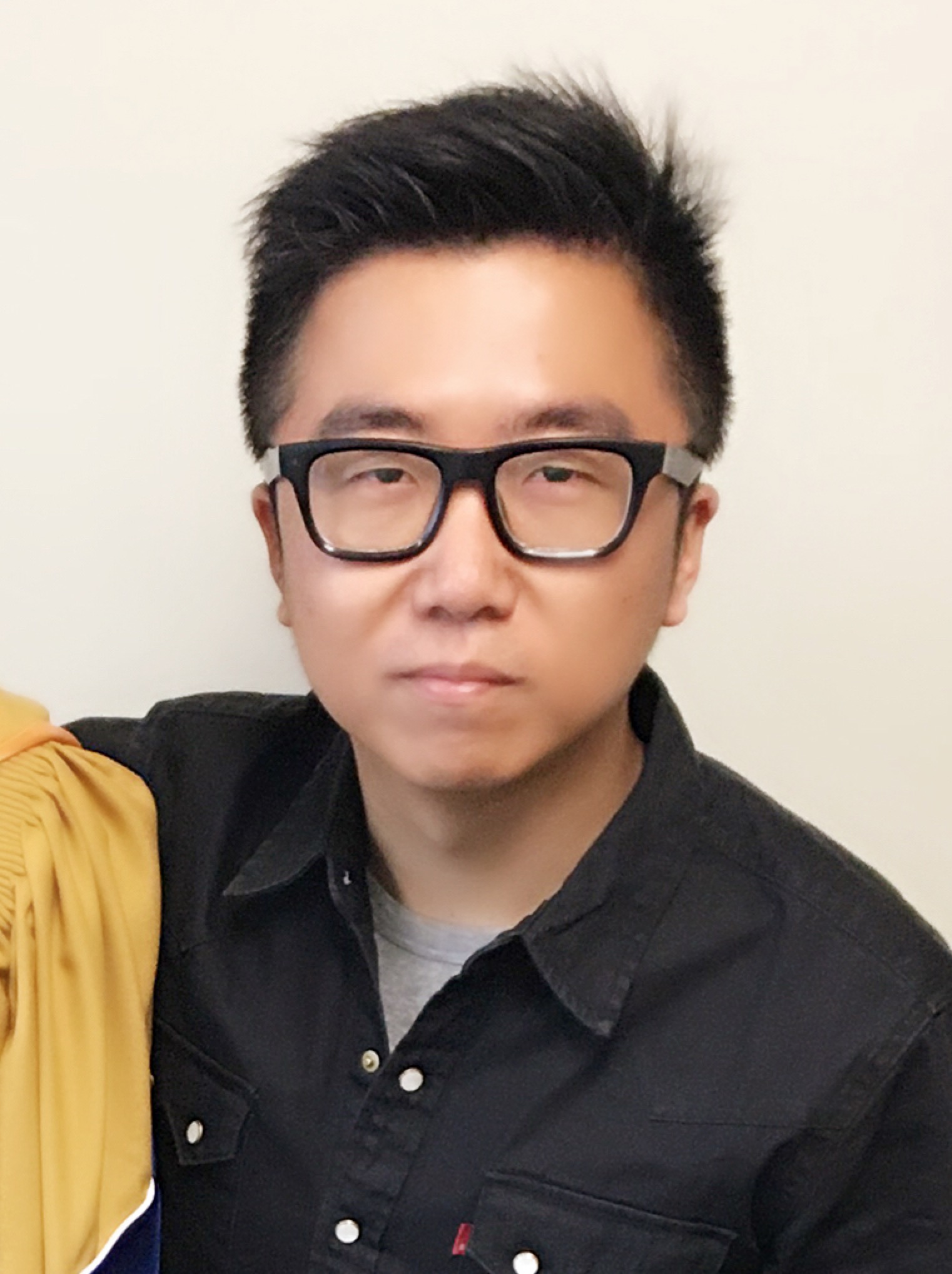
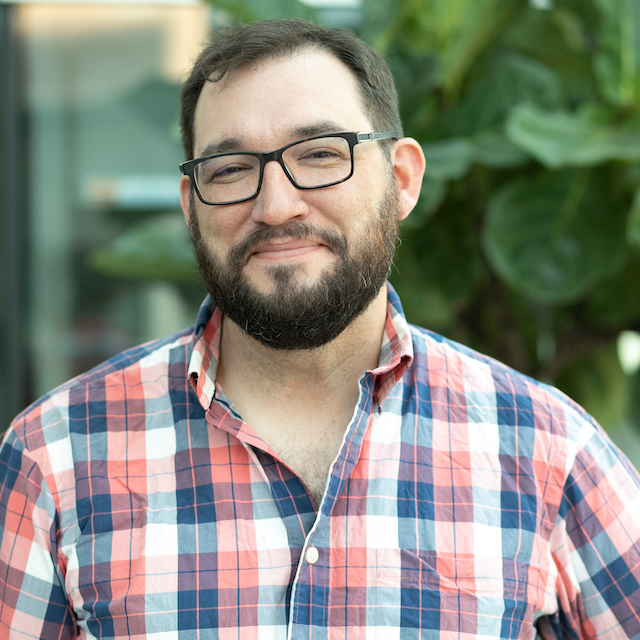
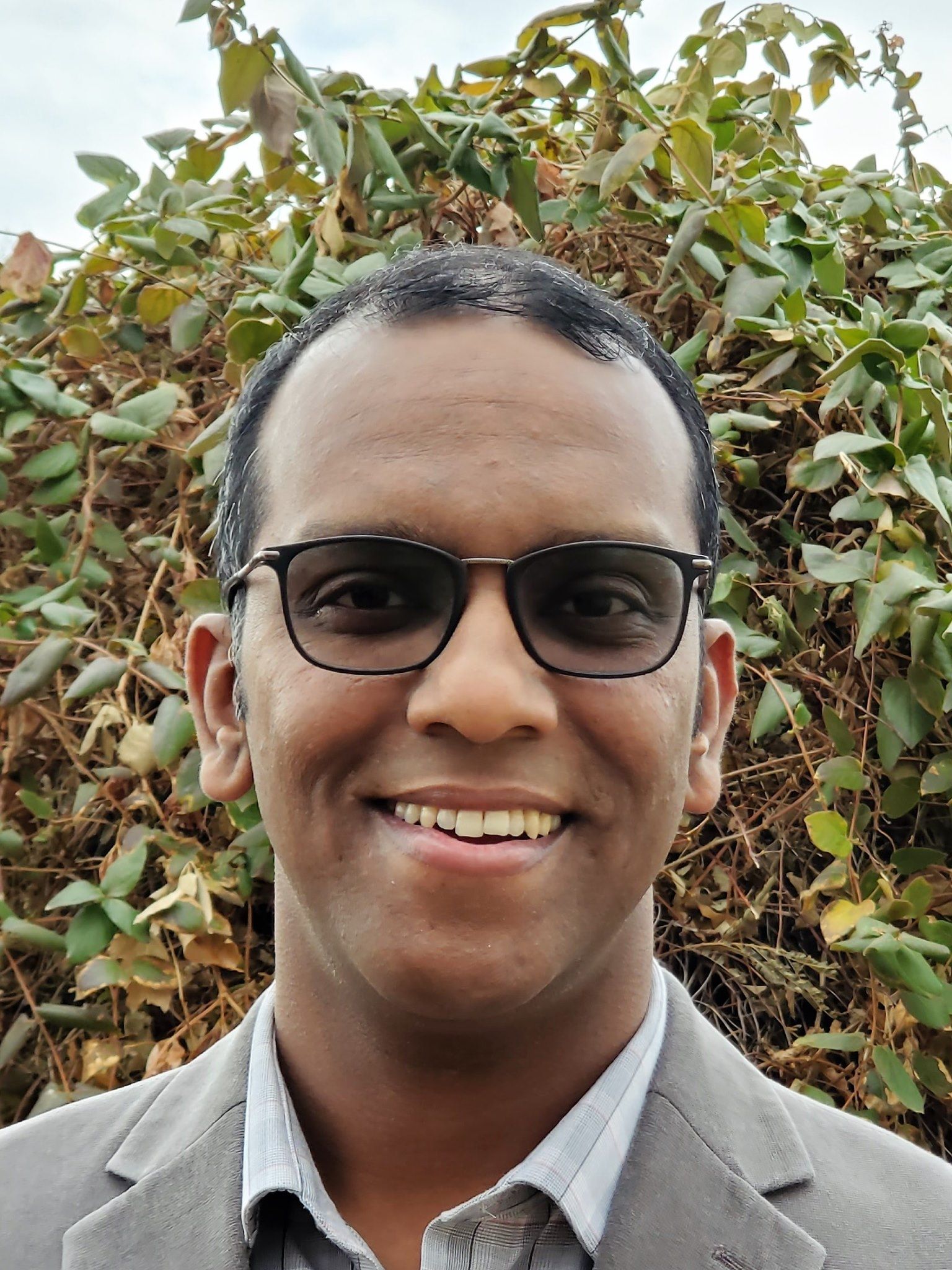
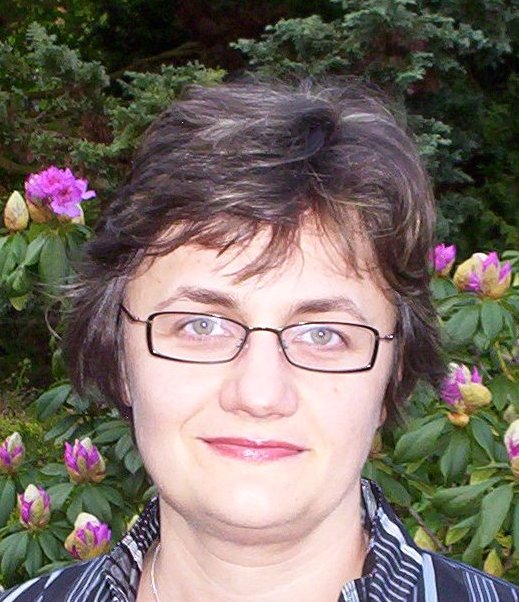
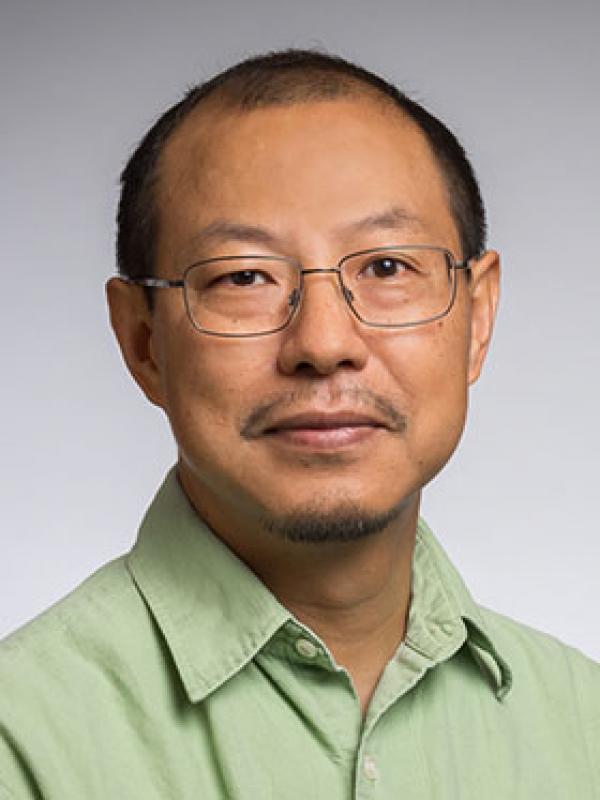
Dr. Kevin G. Jamieson is a faculty member at the University of Washington , School of Computer Science , with prior affiliations at the University of California, Berkeley (Department of Electrical Engineering and Computer Sciences) and the University of Wisconsin-Madison (Department of Electrical and Computer Engineering). His work spans machine learning, reinforcement learning, bandit algorithms, and robotics. Current university: University of Washington Academic rank: Professor His research focuses on: Bandit algorithms and sequential decision-making Optimization in non-stationary environments Reinforcement learning with real-world applications Multi-agent systems and game theory Efficient data selection for multimodal learning Human-in-the-loop AI systems Recent publications highlight his expertise in pure exploration strategies, robotic manipulation, and bridging simulation-to-reality gaps in RL. He has mentored numerous collaborators, though formal student advising details are not explicitly listed here. No scientific awards are mentioned in the provided data.
Susanne Schötz is an Associate Professor of Phonetics at Lund University's Centre for Languages and Literature and a Researcher at the Lund University Humanities Lab. She is also the project manager for Cat-human communication research and a member of the LU Profile Area: Natural and Artificial Cognition. Her research focuses on phonetic variation in three main areas: dialectal variation in Swedish and other languages, paralinguistic variation related to age, emotion, attitude and health condition, and phonetic variation in human-animal communication, particularly cat-human communication. She has led several research projects including Melody in human–cat communication (Meowsic), Cat–Human Communication, and studies on Estonian Swedish and Swedish vowel articulation using articulography. Dr. Schötz teaches courses at the speech and language pathology and audiology programs at Lund University. Her work with cats has gained significant attention, including winning the Ig Nobel Prize in Biology in 2021 for research on cat-human communication. Her research output demonstrates strong trends in animal communication, particularly focusing on the acoustic properties of cat vocalizations and how humans perceive and interpret these sounds. She combines traditional phonetic analysis with innovative approaches to study cross-species communication, making significant contributions to both linguistics and animal behavior studies. Scientific Awards: The Ig Nobel Prize in Biology (2021) Årets Mäster (Master of the Year) (2020) Vetenskapssocieteten Lunds universitet (2016) Vetenskapssocieteten i Lund: Stipendium för betydande insats inom humanistisk forskning (2007) Dr. Schötz has supervised research projects and students in phonetics and human-animal communication. Her work has been supported by various research funds including MAW, SKK och Agrias forskningsfond, and the Pufendorf IAS. She is in charge of the articulographs in the Humanities Lab, which are essential for her research on speech production and articulation. She is actively involved in the Lund University Humanities Lab, contributing to its mission of interdisciplinary research in the humanities through her expertise in phonetics and communication studies.
Cheng Zhang is an Associate Professor (with Tenure) in Information Science and a Field Member in Computer Science at Cornell University. He directs the Smart Computer Interfaces for Future Interaction (SciFi) Lab , focusing on integrating human-centered AI with advanced sensing technologies to empower everyday wearables. Ph.D. in Computer Science, Georgia Institute of Technology (2020) M.S. in Software Engineering, Chinese Academy of Sciences B.S. in Software Engineering, Nankai University His research examines how to solicit information on and around the human body to address real-world challenges in interaction, health sensing, and activity recognition. He builds novel sensing systems spanning hardware prototypes, algorithm design (machine learning and physics-based modeling), and high-impact applications in accessibility and health. Article Trends : His recent work includes low-power, minimally intrusive wearables (e.g., EchoForce for muscle activity tracking, Ring-a-Pose for hand poses, SeamFit for smart clothing) using acoustic sensing and machine learning. The 15 most recent articles span 2025–2023, with applications in silent speech, authentication, and pose estimation. Scientific Awards : NSF CAREER Award Ubicomp 10-Year Impact Award Best Paper Honorable Mentions at ISWC’24 and ISWC’23 Advising : Mentored Ph.D. students like Ruidong Zhang (Qualcomm Fellowship recipient) and Ke Li, with research featured in Cornell Chronicle and IEEE Spectrum .
Erin Bell is a Professor in the Department of Civil and Environmental Engineering at the University of New Hampshire . She holds a Ph.D. in Structural Engineering from Tufts University and has extensive experience in structural health monitoring, finite element modeling, and infrastructure sustainability. B.C.E., Georgia Institute of Technology M.S., Civil Engineering, Tufts University Ph.D., Structural Engineering, Tufts University Her research focuses on structural health monitoring, bridge condition assessment, and integrating AI techniques like artificial neural networks and deep reinforcement learning for infrastructure asset management. Recent work includes equitable maintenance strategies for aging bridges in flood-prone zones and tidal energy conversion for sustainable bridge monitoring systems. Key trends in her publications include the application of machine learning to structural analysis, finite element model calibration, and climate change adaptation in transportation infrastructure. She has led projects on deep reinforcement learning for bridge scour maintenance, modal-based uncertainty quantification, and multi-scale modeling of steel bridges. Grants and Collaborations : Erin Bell has secured funding from the National Science Foundation (NSF) , US Department of Energy (DOE) , and New Hampshire Department of Transportation . Notable projects include the Living Bridge initiative for tidal energy-powered smart infrastructure and statewide data exchange systems for bridge condition assessment.
Justin English serves as Assistant Professor of Biochemistry at the University of Utah School of Medicine, where he develops molecular tools to investigate human health and disease mechanisms through directed evolution and protein engineering approaches. Education: B.A. from Cornell University Ph.D. from University of North Carolina at Chapel Hill Research Focus: Dr. English's laboratory specializes in Directed Evolution and Protein Engineering to create molecular tools for studying G-protein Coupled Receptors (GPCRs) , cell signaling pathways , and neuroscience applications . His work integrates synthetic biology with classical pharmacology to develop innovative platforms like VEGAS for mammalian cell evolution and TRUPATH for GPCR transducerome analysis, with significant implications for drug discovery and therapeutic development. Publication Trends: Analysis of his 2019-2025 publications reveals consistent focus on GPCR biology, featuring breakthroughs in biosensor development (nanobody-based receptor monitoring), chemogenetic tools (BioTAC system), and high-throughput screening platforms. His research demonstrates strong translational potential in neuroscience, particularly through engineered mouse models for psychedelic drug studies and molecular tools for mapping small-molecule interactomes. Research Environment: Dr. English leads an active laboratory within the University of Utah's Department of Biochemistry, leveraging institutional core facilities for biochemical and molecular studies. His research program maintains strong collaborative ties with neuroscience and pharmacology groups, with ongoing projects focused on advancing molecular engineering techniques for biomedical applications as detailed on his lab website.
Christopher P. Higgins serves as Professor and AMAX Distinguished Chair in the Department of Civil and Environmental Engineering at the Colorado School of Mines, a position he attained in 2025 following his 2022 designation as University Distinguished Professor. Joining Mines in 2009, he leads critical research on environmental contaminants with emphasis on poly- and perfluoroalkyl substances (PFASs) in natural and engineered systems. His educational foundation includes: PhD in Civil and Environmental Engineering from Stanford University (2007) MS in Civil and Environmental Engineering from Stanford University (2002) AB in Chemistry from Harvard University (1998) Dr. Higgins' research program investigates chemical fate and transport mechanisms, particularly PFAS movement through soils and water, human exposure pathways, and remediation technologies. His work integrates field studies, laboratory experiments, and mathematical modeling to address: PFAS leaching dynamics in vadose zones Advanced treatment methods for contaminated media Exposure assessment via water, food, and indoor environments Environmental risk characterization at contaminated sites His recent publications demonstrate increasing focus on analytical method development, source identification, and destruction technologies for ultrashort-chain PFAS compounds. Notable recognitions include: ASCE Huber Prize for Civil Engineering Research (2019) SERDP Environmental Restoration Project of the Year (2020) Honorary Professorship at The University of Queensland, Australia His research program has secured substantial funding from NSF, NIH, EPA, USDA, and DoD, supporting interdisciplinary collaborations and graduate student mentorship. Current initiatives emphasize translating laboratory findings to field applications through partnerships with regulatory agencies and industry stakeholders. Dr. Higgins directs the Center for Environmental Risk Assessment and co-leads the PFAS@Mines Initiative, which coordinates campus-wide research on PFAS contamination through integrated experimental, computational, and policy-focused approaches.
Dr. Andy Nguyen is a Senior Lecturer in the School of Engineering at the University of Southern Queensland. He holds a PhD from Queensland University of Technology (QUT), an MEng from the National University of Civil Engineering (NUCE), and a BEng from NUCE. His research focuses on structural health monitoring, integrating machine learning and deep learning techniques to assess infrastructure integrity. Key areas include damage detection in bridges, pavements, and buildings, as well as sustainable construction materials like bamboo. Nguyen leads projects such as the 'Next Generation Living Laboratory for Engineering Education and Engagement,' emphasizing real-world applications of technology in civil infrastructure. His work spans crack detection algorithms, finite element model updating, and vibration-based structural analysis. He collaborates on AI-driven solutions for autonomous vehicle object detection and smart maintenance planning. Nguyen’s contributions include over 50 peer-reviewed publications and active supervision of postgraduate research in composite materials and transport infrastructure. His research outputs highlight advancements in computational mechanics, sensor technologies, and data-driven methods for infrastructure resilience. Nguyen’s expertise bridges civil engineering challenges with cutting-edge machine learning, advancing both theoretical and applied solutions for sustainable and safe structures.
Elisa Riedo is a tenured Professor of Chemical and Biomolecular Engineering at New York University (NYU) Tandon School of Engineering, with joint appointments as Professor of Physics in NYU’s College of Arts and Science and as affiliated Professor of Mechanical Engineering at Tandon. She serves as Director of Faculty Development at NYU Tandon and has held prior tenured positions at Georgia Tech (2003–2015) and CUNY ASRC (2015–2018). Her academic career spans over two decades, with a Ph.D. in Physics from the University of Milano (2000) and postdoctoral work at EPFL. Her research focuses on nanotechnology , graphene and 2D materials , and thermal scanning probe lithography (tSPL) , with applications in biomedical diagnostics quantum electronics electromagnetic interference shielding mechanical reinforcement of materials She pioneered tSPL for sustainable nanofabrication and discovered diamene—a single-layer diamond structure from graphene under pressure. Her recent work involves transparent infrared electrodes using silver nanowires (2025) and self-organized graphene stacking domains for quantum technologies (2024). She has secured major grants from National Science Foundation , Department of Defense , and Army Research Office . Scientific honors include: 2023 NYU Tandon Excellence in Research Award 2013 American Physical Society Fellow 2005 CREA Innovation Award Membership in the Academy of Europe (2023) She contributes to editorial boards for journals like 2D Materials and Applications and advises companies such as Mirimus Inc. and SwissLitho AG .
Jenn Brophy is an Assistant Professor of Bioengineering at Stanford University, developing technologies for genetic engineering of plants and microbes to address environmental stress resilience and agricultural sustainability. Her lab focuses on synthetic genetic circuits for plant root reprogramming and stress response optimization. B.S. in Bioengineering, UC Berkeley (2010) Ph.D. in Biological Engineering, MIT (2016) Postdoctoral Fellow, Stanford University (Biology) Research spans synthetic biology, plant genetics, and microbiome engineering, emphasizing climate adaptation and sustainable biotechnology. Current projects include: Plant-microbe interaction engineering Stress-responsive biosensors High-throughput genetic tool development Plant cell atlas integration Sustainable laboratory practices Her recent publications highlight advances in recombinase circuits, root architecture engineering, and plant cell mapping, with applications in climate resilience and microbiome design. Collaborators include José Dinneny (Stanford) in plant synthetic biology research.
Abdullah Mueen is a Professor and Associate Chair in the Department of Computer Science at the University of New Mexico (UNM), where he has been since 2013. Previously, he worked as a Scientist in the Cloud and Information Sciences Lab at Microsoft Corporation. Research Interests : His work focuses on Temporal Data Mining , with emphasis on efficiency , interactivity , and interpretability . Key areas include Blockchain Data Mining (e.g., BitLink for Bitcoin cluster analysis), Seismic Data Mining (e.g., PAW for aftershock detection), and Social Media Mining (e.g., DeBot for Twitter bot detection). Article Trends : His recent publications span four domains: Seismology : Algorithms for earthquake data analysis (e.g., focal depth inference, aftershock classification). Blockchain : Temporal linkage of Bitcoin addresses (BitLink) and cryptocurrency fraud detection. Traffic Safety : Multi-LiDAR data fusion for real-time road safety monitoring. Time Series Methods : Innovations like MASS similarity search and DAMP anomaly detection for massive datasets. Scientific Awards : ACM SIGKDD Test-of-Time Award (2022) UNM Provost Research Leader Award UNM School of Engineering Junior Faculty Research Excellence Award KDD 2012 Doctoral Dissertation Contest Runner-Up KDD 2012 Best Paper Award Advising and Grants : He has mentored 11 PhD students now employed at institutions like Microsoft, Meta, and Lawrence Livermore National Lab. His research is funded by NSF , NIH , DARPA , AFRL , NEC , Exxon , Microsoft , and LANL .
Kenneth BENOIT is the Dean and Full-time Professor of Computational Social Science at the School of Social Sciences, Singapore Management University (SMU). Previously, he served as Director of the Data Science Institute at the London School of Economics (LSE) from 2020 to 2024. He holds a PhD in Government from Harvard University, specializing in statistical methodology. His research focuses on computational methods for analyzing textual data, particularly political texts and social media. Key areas include text-as-data techniques, natural language processing, and the application of large language models in social sciences. He has pioneered methods combining machine learning with crowd-sourced coding to improve the accuracy of political text analysis. Ken’s work emphasizes the analysis of big data, electoral systems, and comparative party competition, with notable contributions to the European Parliament and policy positioning studies. His expertise extends to software development, including R packages like quanteda and spacyr , which are widely used in text analysis. His articles and publications span methodological innovations, policy analysis, and interdisciplinary applications. Notable projects include scaling political party positions and examining the role of AI in public policy. He is actively involved in academic leadership, having served on editorial boards and organized collaborative research initiatives like the CIVICA research hackathon. Beyond SMU, he maintains professional profiles on LinkedIn and GitHub , reflecting his commitment to open-source tools and scholarly collaboration.
Laura Maruster is an Assistant Professor at the Faculty of Economics and Business, University of Groningen, Netherlands. She holds an MSc from the West University of Timisoara, Romania, and a PhD in Technology Management from Eindhoven University of Technology, Netherlands. Her research focuses on process mining, process modelling, and healthcare networks, with applications in operations research and data science. She collaborates extensively with industry and public sector partners on projects like the Casimir initiative (RuG and Gasunie). Teaching areas include business processes, data mining, and research methodology. Recent work includes studies on healthcare logistics optimization and process mining beyond traditional workflows. Her publications appear in leading journals such as BMJ Open , IEEE Transactions on Engineering Management , and Computers in Industry . Research interests span healthcare networks, emergency medical services analytics, and enterprise process optimization. Notable recent contributions include analyzing interhospital patient transfers and redesigning engineering design processes using data-driven methods.
Ningchuan Xiao is a Professor of Geography at The Ohio State University's Department of Geography. His work bridges Geographic Information Science (GIScience) with computational methods, emphasizing spatial optimization, cartography, and machine learning integration. Education: Ph.D. in Geography from The University of Iowa (2003). Courses taught include GIS fundamentals, cartography, and Python-based spatial analysis. Research Interests: Spatial Optimization: Developing algorithms for land acquisition, redistricting, and resource allocation. Machine Learning & Cartography: Exploring AI-driven map interpretation and ethical visualization of complex data. Census Data: Innovating privacy-preserving techniques while maintaining data utility, including temporal/spatial modeling. Open Source Tools: Authored GIS Algorithms (2016) and maintains GitHub repository 'gisalgs' for accessible code. Publications: Recent work (2023-2025) highlights advancements in synthetic microdata generation, privacy-utility tradeoffs in census aggregation, and AI-driven cartographic recognition. His 2022 studies include traffic camera analytics and choropleth map QA systems. Awards: Not explicitly listed in the provided texts. Advising & Grants: Collaborated with researchers like Y. Lin, J. Li, and S. Bao. Projects include the Sustainable Columbus Observatory (SCO) for urban sustainability metrics. Research is supported through academic partnerships and computational initiatives.
David Mann serves as an Associate Professor at Vrije Universiteit Amsterdam in the Faculty of Behavioural and Movement Sciences, with additional appointments at the Institute for Brain and Behavior Amsterdam (IBBA) and Amsterdam Movement Sciences - Sports (AMS). His research focuses on the intersection of vision science, sports performance, and cognitive processes, particularly examining how visual impairments affect athletic performance and everyday functioning. Dr. Mann's research interests center on visual impairment in athletes, gaze behavior during sports performance, visual search patterns, and talent identification. His work spans multiple disciplines including sports psychology, cognitive neuroscience, and adaptive sports, with particular emphasis on how visual field and acuity limitations impact performance in basketball, football, and ball sports. His fingerprint analysis reveals strong expertise in Visual Impairment (100%), Athletes (91%), Visual Acuity (67%), Visual Field (53%), Visual Search (37%), and Gaze Behavior (33%). His recent publications demonstrate a consistent focus on understanding the relationship between visual perception and sports performance. Key research trends include examining quiet eye duration in basketball shooting, the effects of vision loss on naturalistic search, the role of cognitive skills in youth football performance, dynamic anticipation in sports, and how people with vision impairment use gaze to hit balls. These studies employ methodologies including eye tracking, cognitive testing, and performance analysis across various sports contexts. Dr. Mann currently serves as Director of the International Paralympic Committee (IPC) Classification Research and Development Centre for Athletes with Vision Impairment, demonstrating his leadership in this specialized field. He is also active in teaching as Course Coordinator for Talent and Talent Identification. His research portfolio includes an active project titled "Developing sensory-cognitive predictors of everyday functioning with visual impairment" running from January 2023 to December 2025, which he conducts with colleague C. Olivers. Dr. Mann has supervised 6 PhD theses and teaches courses including Master Research Project, Talent and Talent Identification, and Talent Identification and Development.
Muharrem Bayraktar is an Assistant Professor at the MESA+ Institute for Nanotechnology at the University of Twente, specializing in XUV Optics. His research focuses on extreme ultraviolet (EUV) optics, plasma spectroscopy, and adaptive optical systems. He leads projects involving EUV source metrology, piezoelectric thin film actuators, and laser-driven plasma diagnostics. Research Interests: Bayraktar’s work centers on developing advanced EUV light sources for nanolithography applications. He investigates plasma physics in tin-based EUV emitters, optimizing thin film materials for adaptive optics, and improving spectral characterization techniques. His group explores piezoelectric thin films for precision wafer tables and multilayer mirror systems to enhance EUV beam control. Awards: 3rd Place in Simon Stevin Fellow Contest (2016) Best poster award (2018) Best poster award (2019) Advising & Activities: Supervises research on EUV source development and piezoelectric actuators. Engages in international collaborations on plasma diagnostics and adaptive optics. Active in presenting at conferences on topics like ‘EUV Source Metrology’ and ‘Nanolithography Systems’. Labs/Teams: Leads the XUV Optics team within MESA+, collaborating with industry partners on EUV lithography systems and advanced optical components.