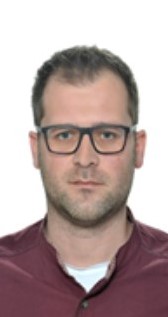
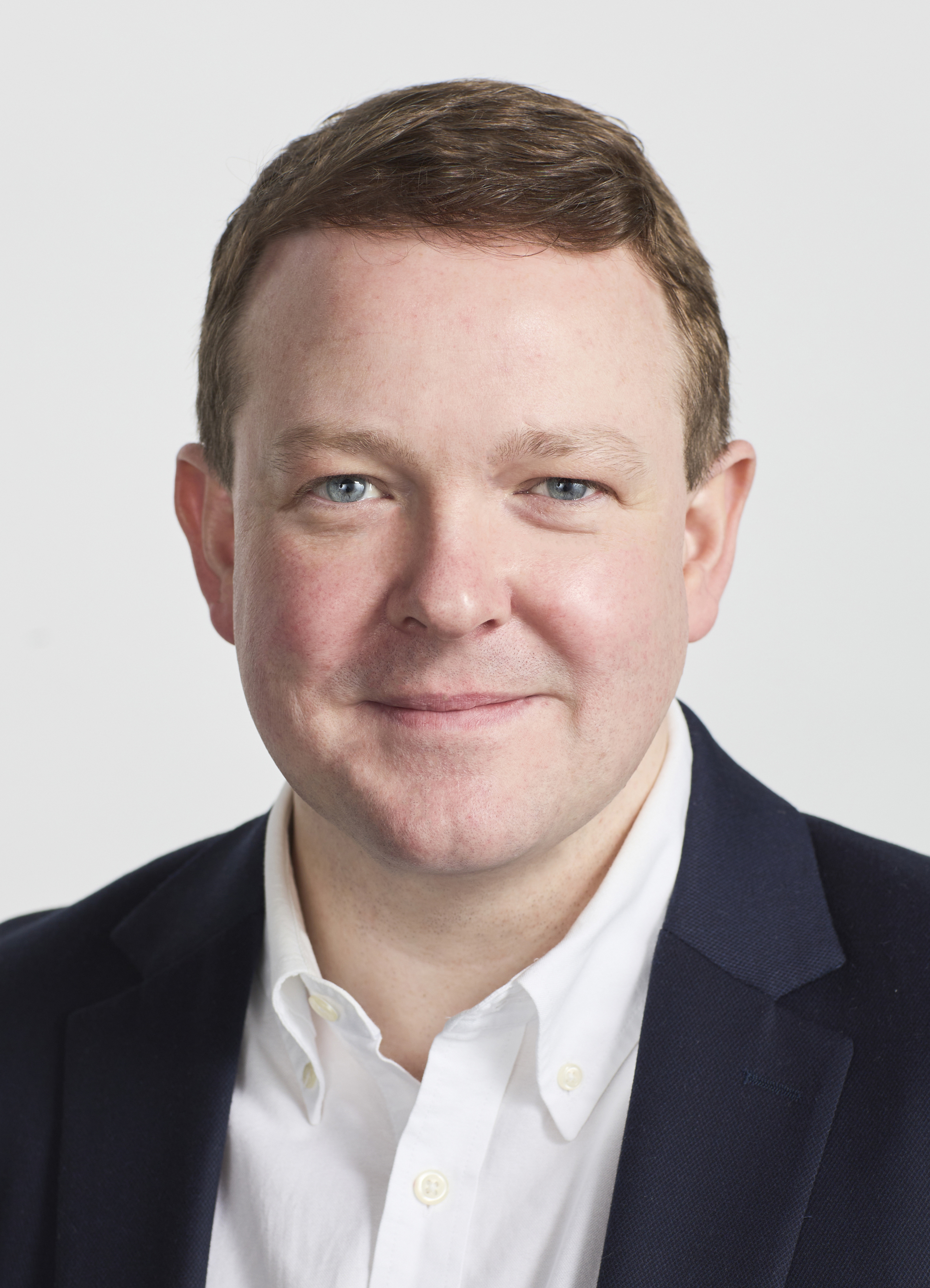
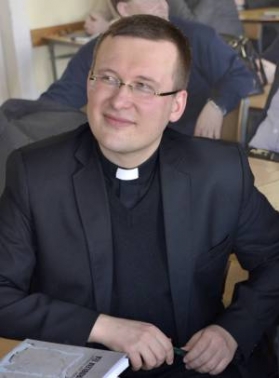
Cyrille GRANGET is a Professor in the Department of Language Sciences at Toulouse Jean Jaurès University (UT2J), where he also serves as Director of the NeuroPsychoLinguistics Laboratory (LNPL, UR4156). He is actively involved in academic governance, holding elected positions in the Departmental Council of Language Sciences, the CLESCO Doctoral School Council, and the Qualified Scientific College (CSQ). He is also the Educational Coordinator for International Relations and outgoing mobility in Language Sciences. His research lies at the intersection of linguistics, cognition, and education, with a strong focus on second and third language acquisition. Key interests include: Linguistic and cognitive representation of events in L2 Inflectional verbal morphology in L2 French Effects of orthography and metrical structure on pronunciation Role of context, prior languages, and literacy in language learning Sociolinguistic variation and critical appropriation of dominant varieties Language acquisition among migrant populations His recent publications reflect a multidisciplinary approach combining psycholinguistic experiments (eye-tracking), computational modeling, and sociolinguistic fieldwork. He frequently collaborates across languages including French, German, Japanese, Spanish, Arabic, and Portuguese, often in educational or migratory contexts. His work is published in journals such as Languages , Education Sciences , and Revue Romane , and presented at major conferences like EuroSLA and CMLF. Scientific contributions and service include: Member of the editorial board of Langage, Interaction, Acquisition (LIA) Member of the office of the Thematic Network Recherche en Acquisition des Langues Secondes (RéAL2) Participant in the Toulouse Political Ecology Workshop (Atecopol) Supervision of multiple research projects and students in linguistics and language education He is deeply committed to inclusive language education, particularly for newly arrived migrant adolescents, and integrates theoretical linguistics with practical pedagogical applications. His leadership in LNPL and involvement in national research networks underscore his significant role in advancing psycholinguistic and sociolinguistic research in France.