Angel Manuel Carrion Rodriguez is a University Professor at the Universidad Pablo de Olavide, affiliated with the Department of Physiology, Anatomy and Cell Biology. His research focuses on Translational Neuroscience and Molecular and Cellular Mechanisms of Neuronal Plasticity. Research Trends: Recent publications highlight roles of HERC1 ubiquitin ligase in autophagy and neurodegenerative diseases, steroid sulfatase inhibitors in Huntington’s and Alzheimer’s therapies, and AMPK–NLRP3 inflammasome interactions in fibromyalgia and pain modulation. Academic Background: He earned his doctorate from Universidad Complutense de Madrid in 1997, supervised by Dr. Jose Ramon Naranjo Orovio. His work intersects Biology, Biotechnology, and Health Sciences. Labs & Groups: He leads the tNeuro Translational Neuroscience Group and has been part of the Neuroscience Laboratory, emphasizing neurodevelopment, synaptic plasticity, and mitochondrial dysfunction.
Peter Jonas is the Magdalena Walz Professor for Life Sciences at the Institute of Science and Technology Austria (ISTA) since 2022, and has been a Professor at ISTA since 2010. Previously, he served as Professor of Physiology and Department Head at the University of Freiburg, Germany (1995–2010) and Associate Professor at the Technical University of Munich (1994–1995). Current Role: Group Leader, Cellular Neuroscience Key Techniques: Nanophysiology, Presynaptic Patch-Clamp, Two-Photon Ca2+ Imaging, Optogenetics, Functional Anatomy His research focuses on synaptic signaling mechanisms in the hippocampus, particularly how glutamatergic and GABAergic synapses contribute to network functions. He investigates: Biophysical signaling and plasticity at mossy fiber synapses Role of synaptic properties in higher network functions Calcium channel-vesicle coupling dynamics Modeling of synaptic and network-level phenomena The group employs in vitro and in vivo approaches, combining experimental and computational methods to decode brain function. Recent work highlights the structural and functional analysis of 'giant' cortical presynaptic terminals. Scientific Awards include: Magdalena Walz Professor for Life Sciences (2022) Peter Seeburg Integrative Neuroscience Prize (2021) EMBO Membership (2019) FWF Wittgenstein Award (2016) DFG Gottfried Wilhelm Leibniz Award (2006) His students and postdocs include PhD candidates Silvia Jamrichova, Peipeng Lin, Rebecca Morse Mora, and Priyansha Verma, alongside postdocs Katharina Lichter, Andrea Navas Olive, and Jake Watson. The lab also collaborates with technical staff and scientific computing experts.
Dr. Fernando Calahorro Nunez is a Research Fellow at the University of Southampton, specializing in molecular and genetic biology with a focus on cellular circuits and atypical behaviors. He utilizes Caenorhabditis elegans as a model organism to study gene functions in complex behaviors, particularly in the context of drug discovery for neurodevelopmental disorders and parasitic nematode biology. His work bridges fundamental research with applied studies, collaborating with agrochemical industries to develop novel antiparasitic compounds. His research interests span molecular neurobiology, invertebrate behavior, and drug discovery, with notable contributions to understanding neuroligin-dependent social behaviors and cholinergic signaling pathways. Current projects include investigating autism-associated genes and developing microfluidic assays for drug screening in neurobehavioral disorders. Dr. Calahorro’s expertise in parasitic nematode neurobiology has positioned him to explore host plant invasion mechanisms and test compound libraries for antiparasitic effects. His interdisciplinary approach integrates genetic, pharmacological, and behavioral analyses to address both basic and translational research questions.
Yongli Zhang is a Professor of Cell Biology and holds a secondary appointment as an Associate Professor in Molecular Biophysics and Biochemistry at Yale University. His research focuses on molecular mechanisms of membrane fusion, protein folding dynamics, and the development of single-molecule biophysical tools. He earned a bachelor’s degree in applied physics from China, a master’s in theoretical physics from the Chinese Academy of Sciences, and a PhD in Molecular Biophysics and Biochemistry from Yale University. His postdoctoral training at UC Berkeley under Prof. Carlos Bustamante expanded his expertise in optical tweezers and molecular biophysics. Key areas of research include regulated SNARE protein assembly, membrane protein interactions, and instrumentation development. The Zhang Lab uses advanced optical tweezers and fluorescence microscopy to study molecular forces in biological processes like exocytosis and endocytosis. Recent work explores SNARE-mediated membrane fusion mechanisms and the role of mechanical forces in protein function. Awards include the Jane Coffin Childs Postdoctoral Fellowship and the Sinsheimer Scholar award. The lab is actively involved in training students and postdocs in biophysical techniques and interdisciplinary research. Collaborations span structural biology, neuroscience, and computational modeling to address fundamental questions in membrane biology and protein dynamics.
Sudhanshu Gautam is a Research Fellow at the Department of Cell Biology , Yale School of Medicine , focusing on molecular mechanisms of cellular processes. His work bridges structural biology, bacterial enzymology, and neuroscience. Education: PhD, Indian Institute of Science (2022), Molecular Biophysics Unit Integrated BSc-MSc, National Institute of Science Education and Research (2015) Research Interests include structural analysis of proteins involved in synaptic vesicle exocytosis, bacterial DNA repair enzymes, and transcriptional regulation. His expertise spans: Cryo-electron tomography and tethered giant unilamellar vesicles Mycobacterial cyclic-di-AMP homeostasis RNA polymerase functional dynamics Phosphatidate phosphatase roles in cellular respiration Publication Trends highlight investigations into: Cyclic Di-AMP synthase/hydrolase systems in Mycobacterium smegmatis Antibiotic discovery targeting RNA polymerase Protein structure-function relationships across bacterial and eukaryotic systems Lipid metabolism in Tetrahymena and yeast Laboratory Affiliation: Rothman Lab, Yale School of Medicine, specializing in cellular and molecular neuroscience research.
Juan Botas is a Professor at Baylor College of Medicine with joint appointments in the Department of Molecular and Human Genetics and Molecular & Cellular Biology . His research focuses on neurodegenerative disorders , particularly Huntington's, Parkinson's, and Alzheimer's diseases, using Drosophila and mice models to dissect molecular mechanisms and identify therapeutic targets. Botas's lab specializes in high-throughput genetic screens , integrating robotic instrumentation with multi-omics datasets to uncover gene networks driving pathogenesis. Key themes include proteolysis impairment , neuronal compensatory mechanisms , and cross-species validation for drug discovery. Their work has identified critical modifiers like TRIM28 and NUAK1 for tau and huntingtin toxicity. Recent publications highlight studies on glial gene regulation in Huntington's disease, APOE allele interactions in Alzheimer's, and lipid signaling pathways as therapeutic targets. The lab's interdisciplinary approach bridges computational analysis with in vivo models , emphasizing genome-scale screens and neuroprotective strategies .
Alan Dombkowski is a Professor of Pediatrics at Wayne State University School of Medicine, specializing in molecular mechanisms of neurological disorders through genomic and bioinformatic approaches. Key research focus: Epileptogenic potential of cortical tubers in Tuberous Sclerosis Complex (TSC) Methods: Next-gen sequencing, microarrays, proteomics, and epigenetic analysis of human brain tissue Current projects funded by federal grants examining microRNA regulation and therapeutic targets in epilepsy Recent publications span: 2024: Cisplatin-induced cochlear synaptic proteomics 2023: Multi-omic biomarkers for prostate cancer aggressiveness 2021: Exosomal miRNA in TSC epilepsy 2018: Neuroinflammatory mechanisms in pediatric epilepsy Collaborations include Harry Chugani (neuroimaging), Diane Chugani (neurochemistry), Eishi Asano (epileptology), and Paul Stemmer (molecular pharmacology).
Stefan Irniger serves as a faculty member at a German-speaking academic institution, where he has supervised numerous doctoral candidates between 2004 and 2014. His academic position as a Privatdozent (PD) indicates he has completed the habilitation process, the highest academic qualification in the German system. Dr. Irniger's research spans multiple areas of molecular and cellular biology, with particular emphasis on: Microbial pathogenesis and host-pathogen interactions Fungal and yeast molecular genetics Protein regulation and post-translational modifications Enzyme structure and function Cellular metabolism and signaling pathways His doctoral students have published work examining diverse biological systems including Toxoplasma gondii, Saccharomyces cerevisiae, Aspergillus nidulans, and various plant-pathogen interactions. The publications demonstrate a consistent focus on molecular mechanisms underlying cellular processes, with particular attention to protein regulation, metabolic pathways, and host-microbe interactions. His students' work appears across multiple subdisciplines including parasitology, fungal genetics, enzymology, and membrane biology. Dr. Irniger has guided 18 doctoral students to completion, with dissertation topics spanning from 2004-2014. His students have investigated fundamental biological questions with implications for infectious disease, agricultural pathology, and basic cellular mechanisms. While specific awards are not documented in the available records, the breadth and quality of supervised research indicates significant scholarly contribution to his fields of expertise.
Axel Brunger is a Professor at Stanford University in the Department of Molecular and Cellular Physiology, Photon Science Directorate, Neurology & Neurological Sciences, and Structural Biology (by courtesy). He is an Investigator of the Howard Hughes Medical Institute (HHMI) since 1987 and a member of the National Academy of Sciences (2005) and American Academy of Arts & Sciences (2021). His research focuses on structural biology and biophysics of synaptic proteins, particularly SNAREs, complexin, and synaptotagmin, which mediate neurotransmitter release and membrane fusion. Education: Diplom in Physics (University of Hamburg, 1980) Ph.D. in Biophysics (Technical University of Munich, 1982) His groundbreaking work includes pioneering X-ray crystallography tools for structural calculation and cryo-EM studies of synaptic supercomplexes. Recent studies reveal mechanisms of NSF-mediated SNARE disassembly, α-synuclein's physiological role in synaptic vesicle clustering, and synaptic vesicle architecture via cryo-tomography. He discovered novel protein interactions like V-ATPase-synaptophysin and AMPA receptor-PSD networks, with implications for Parkinson's disease and neurotransmission disorders. His publications span Structural Biology , Neuroscience , Molecular Biophysics , and Biochemistry , with a focus on SNARE Complex Dynamics , Membrane Fusion Mechanisms , and Synaptic Vesicle Biogenesis . Key subfields include Cryo-EM Structural Analysis , Protein-Protein Interactions , Neurodegenerative Disease Models , ATPase Function , Synaptic Transmission , and Phase Separation in Neurons . Scientific Awards: Gregori Aminoff Prize (2003), Röntgen Prize (1995), DeLano Award (2011), Carl Hermann Medal (2014), Katz Award (2014), Trueblood Award (2016), and National Academy of Sciences membership (2005). Brunger mentors postdoctoral and doctoral students, including Liv Jensen , Yousuf Khan , and Jiahao Liang . He contributes to graduate programs in Biophysics, Molecular and Cellular Physiology, Neurosciences, and Structural Biology. His lab develops advanced protocols for studying synaptic vesicle fusion and protein interactions using single-vesicle assays and subtomogram averaging .
Steven B. Harrod is an Associate Professor in the Department of Psychology at the University of South Carolina, part of the McCausland College of Arts and Sciences. His research focuses on understanding how prenatal drug exposure (e.g., nicotine) impacts vulnerability to substance abuse, developing pharmacotherapies for methamphetamine addiction, and exploring sex differences in drug response. He holds a Ph.D. in Experimental Psychology from Kent State University (1999), with postdoctoral training at the University of Kentucky in drug abuse behavior and neuropharmacology. Education : B.A. Psychology, University of Kentucky, 1993 M.A. Experimental Psychology, Kent State University, 1997 Ph.D. Experimental Psychology, Kent State University, 1999 Research Interests : Dr. Harrod investigates the neurobehavioral consequences of prenatal drug exposure, particularly nicotine, on offspring drug-taking behaviors (e.g., cocaine, methamphetamine). His lab also evaluates novel compounds to reduce stimulant self-administration and examines sex differences in drug sensitivity. Key themes include: Prenatal IV nicotine effects on mesocorticolimbic systems Pharmacological treatments for stimulant addiction Sex-based neurobiological differences in addiction vulnerability Grants & Funding : His research has been supported by the National Institute on Drug Abuse (NIDA) and the University of South Carolina. Notable grants include: R01 DA021287: Prenatal IV Nicotine & Stimulant Vulnerability R01 HD043680: Maternal HIV Neurodevelopmental Effects Awards/Honors : 2010: Magellan Scholar Award (student mentorship) 2007-2009: NIDA Travel Awards Advising & Mentorship : He has mentored over 15 undergraduate and graduate students, including Magellan Scholars (e.g., Alexandra Basilakos, Lauren Ballina) in projects on prenatal drug exposure and addiction pharmacology. Labs/Teams : Dr. Harrod leads a research team studying neurobehavioral mechanisms of addiction at the University of South Carolina, collaborating with neuroscientists and pharmacologists on translational drug abuse research.
Summary Catherine Collins, PhD, is an Associate Professor in the Department of Neurosciences at Case Western Reserve University's School of Medicine. Her research focuses on axonal injury responses, regeneration mechanisms, and neuronal plasticity using Drosophila and mouse models. She leads the Collins Lab, which investigates cellular pathways regulating axonal degeneration, synaptic adaptation, and mitochondrial dynamics. Dr. Collins holds a PhD in Biophysics from UCSF and a BS in Biology from Bard College. Research Interests Axonal vulnerability and repair mechanisms DLK and SARM1 signaling in injury responses Neuronal-glial interactions in axonal damage Genetic and cellular models of neurodegeneration Key Contributions Her work identifies conserved pathways in axonal degeneration and regeneration, including roles of Wnd/DLK and Vps13D proteins. Recent studies highlight complement activation and mitochondrial integrity in axonal repair. Over 40 peer-reviewed publications span molecular mechanisms to translational insights in neurobiology. Laboratory Team Current members: PhD students, postdocs, and undergraduates Alumni include faculty and researchers at institutions like Wayne State University and Stanford
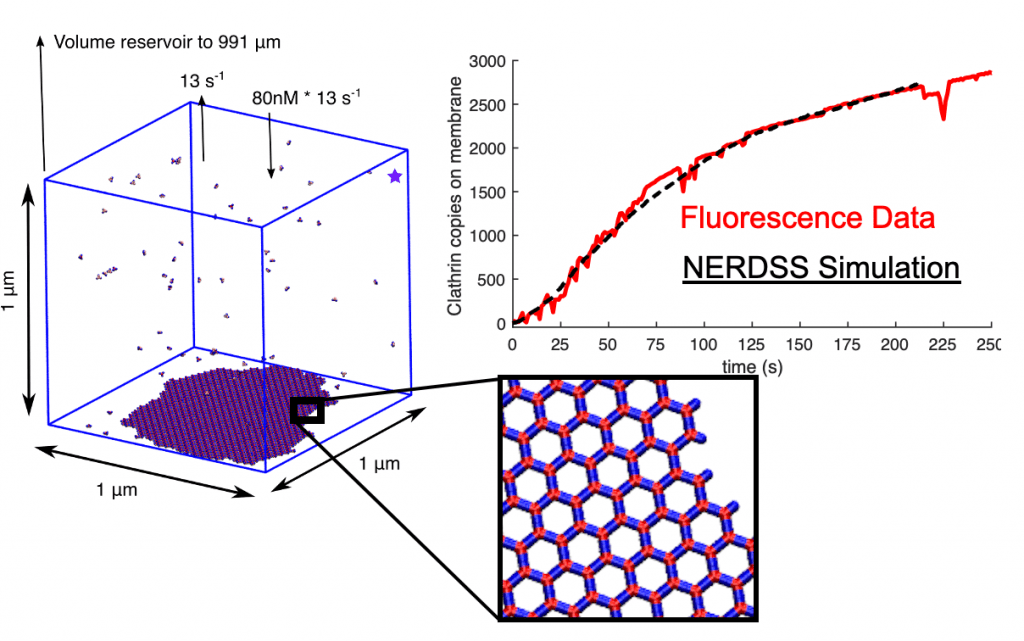
Margaret Johnson is an Associate Professor in the Department of Biophysics at Johns Hopkins University, where she has been since 2013. Her research group focuses on self-assembly and self-organization in cellular systems, with emphasis on clathrin-mediated endocytosis, viral exit mechanisms, and transcriptional regulation. Education: B.S. in Applied Mathematics from Columbia University Ph.D. in Bioengineering from University of California, Berkeley Her multidisciplinary research combines statistical mechanics, computational modeling, and experimental collaborations to study how macromolecular self-assembly is spatially and temporally controlled in biological systems. Key areas include dimensional reduction effects in protein binding, membrane remodeling dynamics, and reaction-diffusion modeling of cellular processes. Recent publications highlight her group's work on optimal kinetic pathways for self-assembly membrane-associated assembly mechanisms dimensional reduction effects in biological systems parallelized simulation algorithms temporal control of viral assembly membrane energy and protein lattice formation These studies often integrate with software development like ioNERDSS for simulation analysis. Scientific Awards: NIH Pathway to Independence Award NSF CAREER Award NIH MIRA Award Margaret's group has trained numerous graduate and postdoctoral researchers, with recent graduates securing academic positions and PhD programs at top institutions. Her lab actively develops open-source simulation tools and maintains collaborations across disciplines to advance understanding of non-equilibrium biological systems.
Prof. Katrin Willig is a Professor of Cellular and Molecular Imaging in Anatomy at the Institute of Theoretical Medicine, Faculty of Medicine, University of Augsburg. Her research focuses on synaptic structures and brain function using advanced STED microscopy. Previously, she held positions at the Max Planck Institute of Biophysical Chemistry (2006-2013) and led a junior research group at the CNMPB in Göttingen (2014-2023). Education: 1995-2001: Physics studies at University of Würzburg and University of New Mexico, Albuquerque 2006: PhD (Dr. rer. nat.) from University of Heidelberg, thesis on STED microscopy Research Interests: Sub-cellular structural plasticity in live mice Super-resolution imaging of synapses Long-term and multi-label STED microscopy Experience-dependent neuronal circuit remodeling Publications highlight innovations in STED microscopy and synaptic dynamics, with emphasis on in vivo applications and neuroplasticity mechanisms. Her work bridges physics, neuroscience, and molecular biology. Labs/Teams: Head of the research group in Cellular and Molecular Imaging at the Institute of Theoretical Medicine, Augsburg.
Dr. Simone Mortal is a Postdoctoral Researcher at the Institute of Photonic Sciences (ICFO), part of the SLN - Team Loza research group. They hold a PhD in Neurobiology from the International School for Advanced Studies (Italy). Their work focuses on advanced imaging techniques and cellular neurobiology, with specialties in super-resolution imaging, multiphoton microscopy, and confocal microscopy. Research interests include mechanisms of glioblastoma replication, neuronal mechanotransduction, microtubule dynamics in neurodegenerative diseases, and cytoskeletal roles in neuronal development. Dr. Mortal's research bridges biophysics and neuroscience, addressing fundamental questions about cellular signaling and disease mechanisms. They are based in Barcelona, Spain, and can be reached at Simone.Mortal@icfo.eu. Education: PhD in Neurobiology (International School for Advanced Studies, Italy). Research Themes: Investigating calcium signaling in neurodegeneration, mechanosensitive pathways in neurons, and actin dynamics during neuronal maturation. Their studies employ cutting-edge microscopy techniques to visualize cellular processes at high resolution, with a focus on glioma-derived exosome effects, growth cone mechanics, and cytoskeletal scaffolding in neural development. Labs/Teams: Active member of the SLN - Team Loza group at ICFO, specializing in neurobiophotonics and cellular imaging.
Prof. Dr. Tobias Moser is a Professor of Auditory Neuroscience and Director of the Institute for Auditory Neuroscience at the University Medical Center Göttingen. He leads the InnerEarLab and holds roles as spokesperson for the Multiscale BioImaging Cluster of Excellence (MBExC) and the Else Kröner Fresenius Center for Optogenetic Therapies. His work integrates molecular, physiological, and clinical approaches to auditory research. Education: MD from the University of Jena (1995), followed by postdoctoral work at the Max Planck Institute for Biophysical Chemistry. He has held leadership positions at multiple Max Planck Institutes and the German Primate Center (DPZ). Research Interests: Molecular anatomy and physiology of auditory synapses, synaptic pathophysiology, optogenetic therapies for hearing restoration, and gene replacement therapy. His group combines patch-clamp electrophysiology, super-resolution microscopy (e.g., 3D-MINFLUX), and biophysical modeling to study sound encoding and synaptic dysfunction. Recent Work Trends: Focus on hair cell ribbon synapse mechanisms, optogenetic cochlear implants, and the molecular basis of auditory synaptopathy. Collaborations include the Stefan Hell lab for nanoscale imaging and Fred Wolf’s theoretical neurophysics group. Grants & Labs: Funded by DFG (SFB 889/1690), Max Planck Society, and EU initiatives. Affiliated with labs at DPZ and the MPI for Multidisciplinary Sciences. Active in training through IMPRS programs in Neurosciences and Molecular Medicine.